REVIEW · ROME
From Rome: Pasta & Tiramisù Cooking Class near Spanish Steps
Book on GetYourGuide →Operated by Naples Together · Bookable on GetYourGuide
Fresh pasta and tiramisù in the heart of Rome. This is a hands-on cooking class where you make homemade fettuccine and then build a classic tiramisù step by step, right near the Spanish Steps. I especially love the practical kitchen skills you pick up for dough and cutting pasta, and the focused technique for that espresso-soaked, mascarpone-stacked finish. The one thing to consider: it’s only 2 hours, so it’s more about learning and eating your own food than about a long sit-down meal or a big sightseeing day.
You’ll meet at the Trattoria Amici, cook with an English/Spanish/Italian-speaking chef, and finish by tasting what you made with a glass of wine or soft drink plus espresso or limoncello. It’s a fun, central way to taste Rome without waiting in line for a restaurant table.
In This Review
- Key Things That Make This Class Worth Your Time
- Why This Class Feels Like a Local Meal, Not a Tourist Show
- Meeting at Trattoria Amici: Getting Started Without Stress
- Homemade Fettuccine: Knead, Mix, and Cut Like You Mean It
- Tiramisù Workshop: Building Layers That Hold Their Shape
- Lunch with Your Own Pasta: Wine, Limoncello, and Espresso
- Small Class Size and Multilingual Instruction: The Real Secret Sauce
- Chef Certificate: Why It’s More Than Paper
- Price and Value: Is $101 Worth It in Central Rome?
- Who This Cooking Class Fits Best
- Quick Notes Before You Go (So Your Hands-Down Cooking Goes Smooth)
- Should You Book This Rome Pasta and Tiramisù Class Near the Spanish Steps?
- FAQ
- What dishes will I make in this class?
- How long is the experience?
- Where do I meet the host?
- What’s included to eat and drink?
- Is the class taught in multiple languages?
- Is a chef certificate included?
- What’s the price per person?
- Can I cancel, and is there flexible payment?
Key Things That Make This Class Worth Your Time
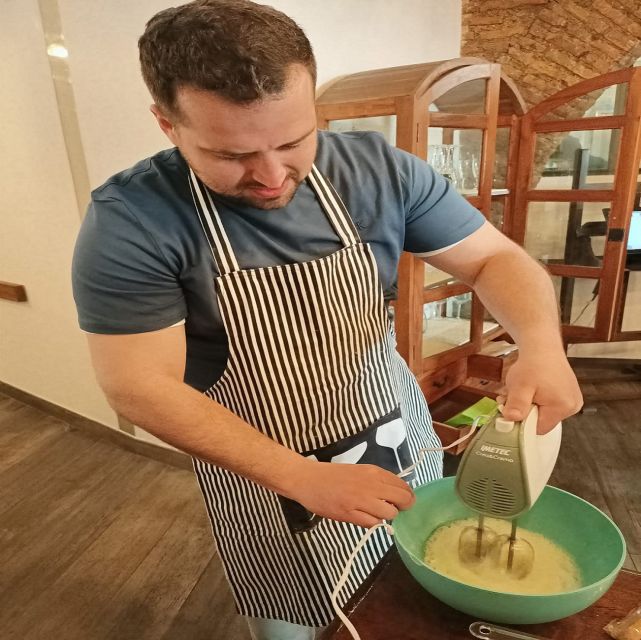
- Homemade fettuccine from scratch: mix, knead, and cut your own noodles
- Real tiramisù layering: mascarpone cream, espresso-soaked ladyfingers, and cocoa
- Near the Spanish Steps: simple to pair with an easy walk before or after
- You eat as you cook: lunch includes what you make, plus a drink
- Small class energy: personalized attention while you learn the steps
- Chef certificate and a keepsake: you leave with a diploma, and there’s an optional limoncello-bottle photo idea
Why This Class Feels Like a Local Meal, Not a Tourist Show
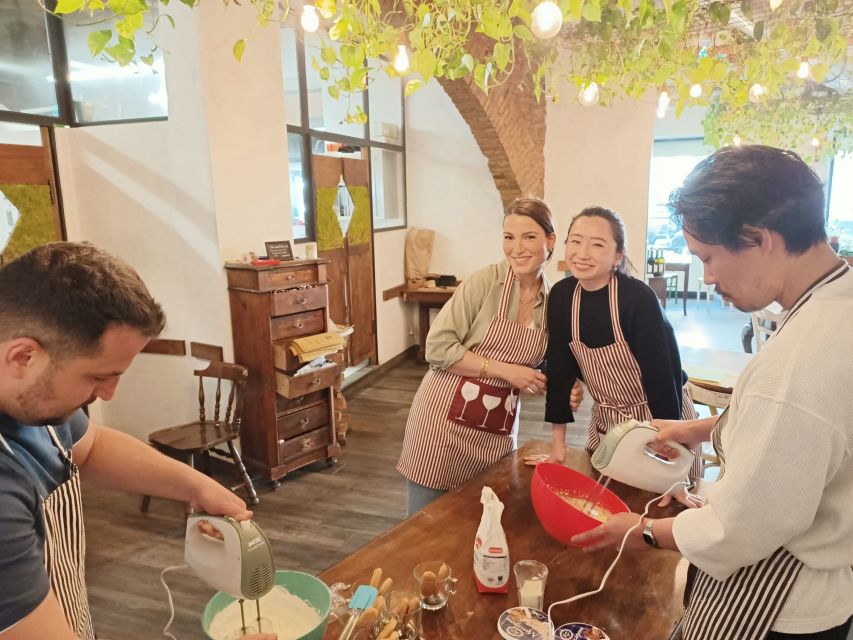
Rome can be a lot. Lots of stone, lots of walking, lots of menus that look the same from ten feet away. This experience gives you a different angle: food made with your own hands, then served to you like a proper lunch.
What I like most is that the class doesn’t treat pasta and tiramisù like party tricks. It trains you on the basics that actually matter: dough texture, cutting consistency, and the logic behind layering for tiramisù. Once you understand those mechanics, you can cook at home with fewer guesses and more confidence.
And because it’s located near the Spanish Steps, the timing works well for real travel days. You can schedule it for a break in the middle of sightseeing, or do it early and still have energy for an evening stroll.
You can also read our reviews of more cooking classes in Rome


Meeting at Trattoria Amici: Getting Started Without Stress
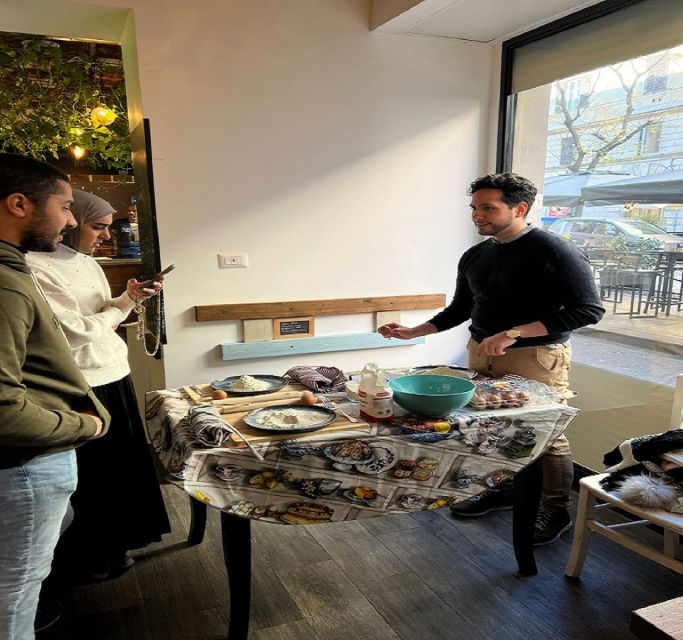
The meeting point is the Trattoria Amici restaurant. You’ll greet your host with the lead traveler’s name, then head into the class.
Arrive a few minutes early so you can settle in. With cooking classes, the early minutes matter because that’s when you’ll get your layout, tools, and the first explanation of what you’re making. This class runs for 2 hours, so the pace stays focused—there’s no wandering around before the cooking begins.
One practical plus: the instructor supports multiple languages (English, Spanish, Italian). That matters more than you’d think. When everyone understands the same step at the same time, your pasta dough comes out better and you don’t waste the best part of the session trying to figure out what to do next.
Homemade Fettuccine: Knead, Mix, and Cut Like You Mean It
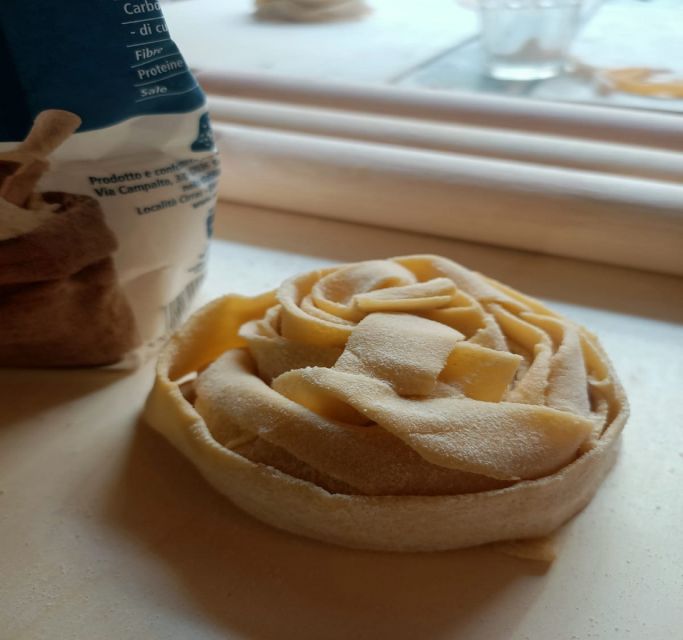
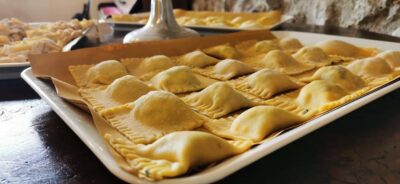
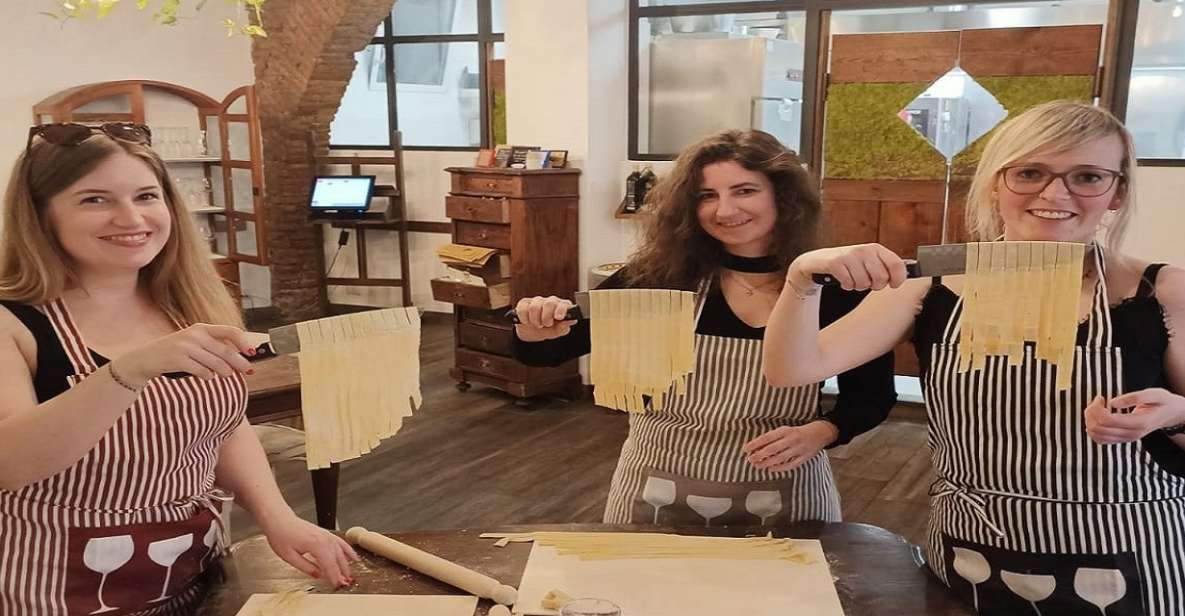
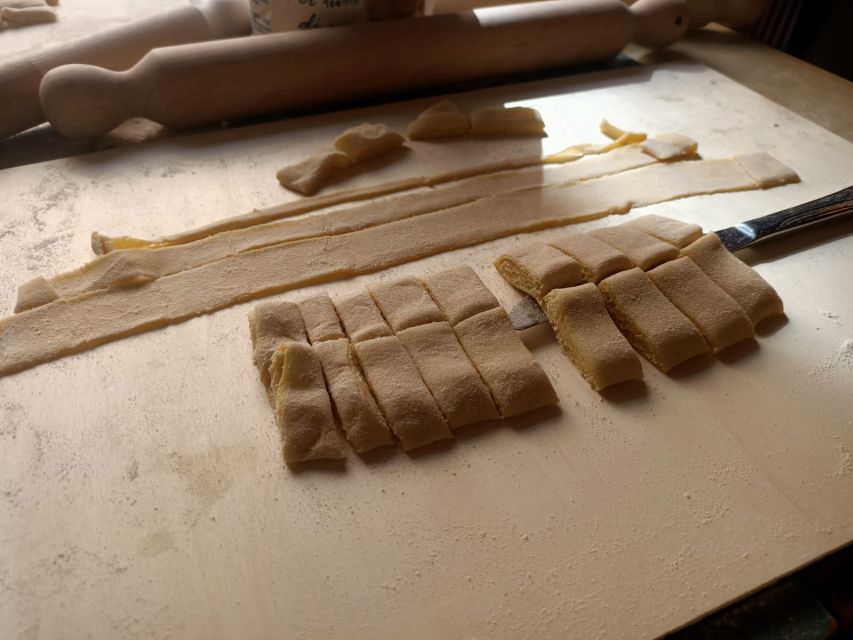
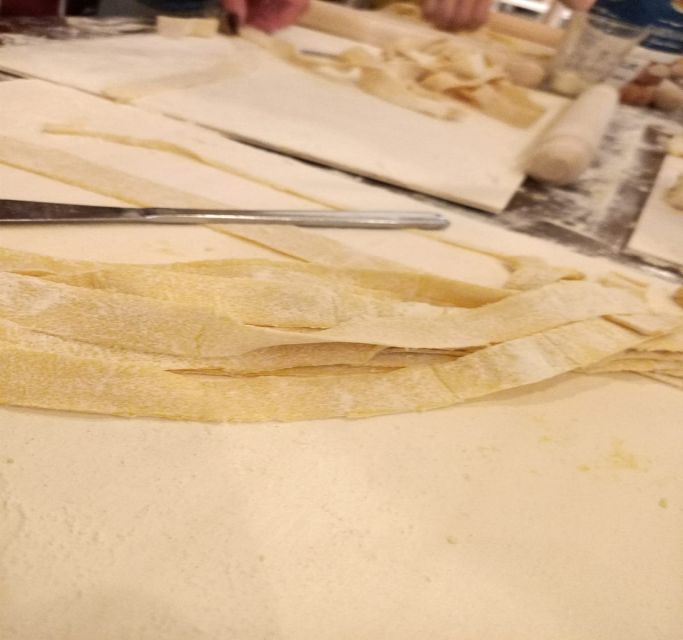
Your first main task is making homemade fettuccine. The class focuses on the “real work” parts: selecting top-notch ingredients, mixing the dough, kneading it, and then cutting it into delicate strands.
Here’s why that’s valuable. People often think pasta is about sauce. Sauce matters, yes, but pasta starts as a dough problem. If your dough is too dry or under-kneaded, it doesn’t behave the way you want when you cut it. If it’s too soft, it won’t hold shape. Learning those tactile checkpoints is the difference between pasta you cook once for a photo and pasta you’d actually want to repeat.
You’ll also get chef guidance on pairing your pasta with a sauce. That’s a subtle but important skill: in Italian cooking, the goal isn’t just making a dish, it’s making a match. Even with simple ingredients, the way you balance dough and sauce changes the whole meal.
Expect to spend a good chunk of the class inside the rhythm of dough-to-cutting. It’s active, and your hands will get involved quickly.
Tiramisù Workshop: Building Layers That Hold Their Shape
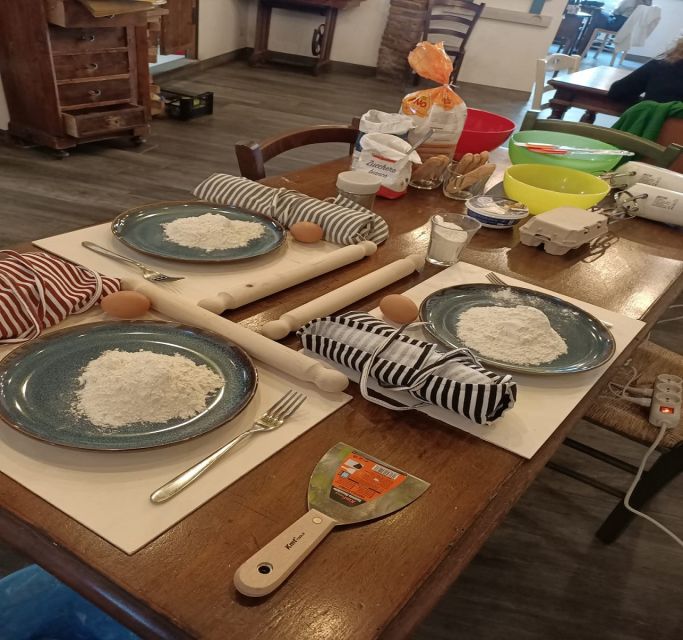
Next comes tiramisù, and the class treats it as a technique, not just an assembly job.
You’ll create your tiramisù by layering:
- mascarpone cream
- espresso-soaked ladyfingers
- cocoa powder
This is where many cooking classes either explain too little or rely on store-bought shortcuts. Here, you’re doing the key components yourself, which makes the dessert taste like it’s supposed to taste and teaches you how the layers work.
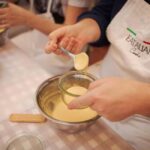
What you learn from this portion is timing and structure. Espresso-soaked ladyfingers need the right touch—so they soften without collapsing into mush. The mascarpone layer needs to spread smoothly enough to create that creamy contrast, and the cocoa finish gives you the final balance of bitterness and sweetness.
Even if you never make tiramisù at home, you’ll leave understanding why it’s layered the way it is. That makes it easier to judge good tiramisù when you see it later, and it also makes your own version more consistent.
Lunch with Your Own Pasta: Wine, Limoncello, and Espresso
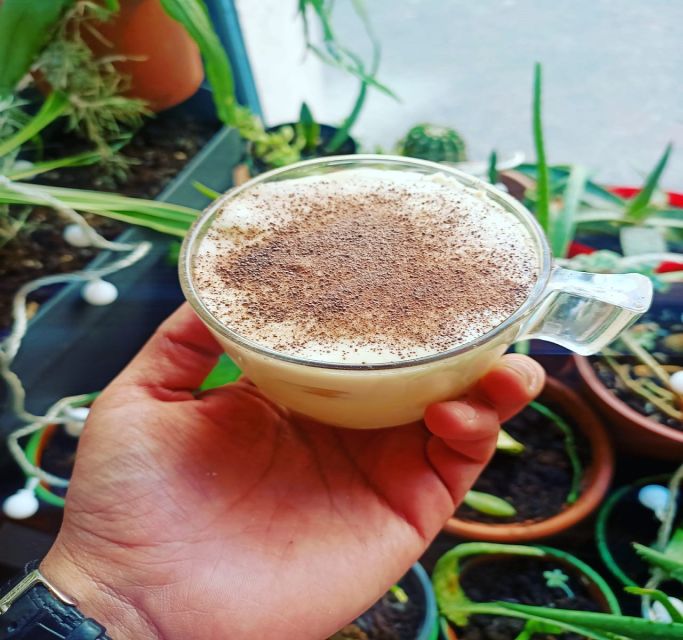
After cooking, you sit down and enjoy what you made. Included in the experience is lunch of your homemade fettuccine pasta plus your tiramisù.
Drinks are part of the package:
- a glass of wine or soft drink
- espresso coffee or limoncello
This is a nice rhythm for Rome. You get the kitchen work first, then the reward. It also keeps things realistic: instead of being “just a class,” it functions like a full mini meal.
If you’re choosing between espresso and limoncello, think about what kind of day you’re having. Espresso feels like a focused restart. Limoncello is brighter and more relaxed. Either way, it’s included, so you don’t have to plan around an extra bar stop later.
Also, there’s a fun optional keepsake angle. Several guests highlight that the team takes a picture and can place it on a limoncello bottle you can purchase at the end of the session. It’s the kind of souvenir that feels personal rather than generic.
You can also read our reviews of more tours and experiences in Rome


Small Class Size and Multilingual Instruction: The Real Secret Sauce
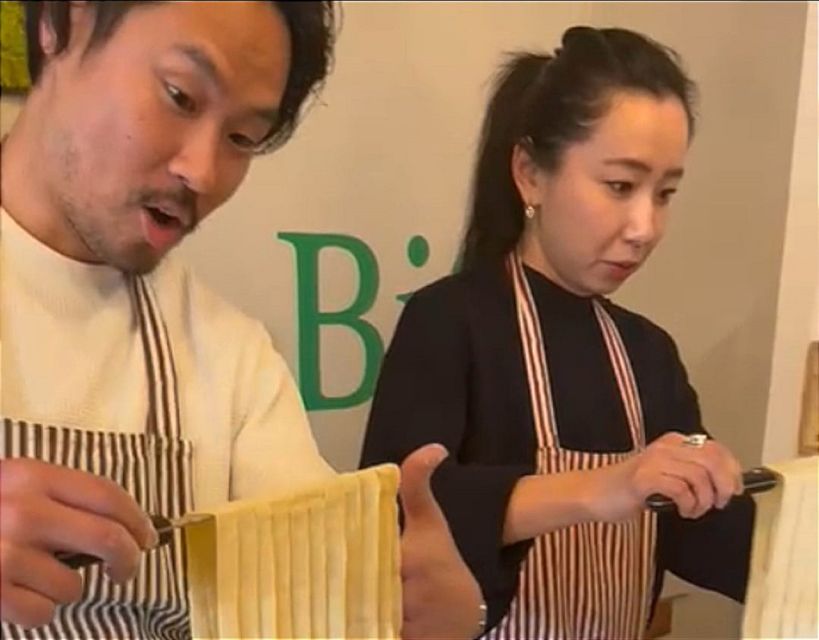
The class is designed for small class sizes, which matters because pasta and dessert each have multiple steps where questions come fast.
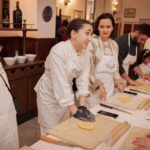
In a larger group, you’d spend too much time waiting for the chef to look at your dough or explain the next move. In a smaller setting, the instructor can correct small issues early—like texture problems with dough or how to approach layering—before you lock in a mistake.
Language support is another practical advantage. You’re not stuck if you only speak one language. You can follow along in English, Spanish, or Italian, depending on what works best for you.
As for chef personality, one name that shows up in guest feedback is Roberto, praised for being friendly and helpful. You can’t assume every session runs the same way, but it fits the overall vibe you want from a cooking class: calm guidance, clear instructions, and a team that wants you to succeed.
Chef Certificate: Why It’s More Than Paper
You get a chef certificate at the end. It’s included, and it’s also a nice motivator. Cooking classes can feel temporary while you’re inside the kitchen, but a certificate gives a clean sense of completion.
If you’re traveling with kids or teens, this kind of token can make the experience stick. If you’re traveling solo, it’s a fun way to capture a real accomplishment instead of just a stamp in your passport.
Price and Value: Is $101 Worth It in Central Rome?
At $101 per person for a 2-hour class, you’re not paying for a fancy restaurant meal. You’re paying for instruction plus ingredients plus the full experience of making and eating two classic dishes.
Here’s what that means in value terms:
- You’re not just tasting pasta—you’re learning how to make fettuccine from scratch.
- You’re not just eating tiramisù—you’re building it with the core components (mascarpone, espresso-soaked ladyfingers, cocoa).
- Your lunch and drinks are included, so you avoid the add-on costs that can creep in during a food day.
- The small group format helps you actually get answers, which is the difference between “fun activity” and “skill-building trip memory.”
If your ideal Rome day includes hands-on experiences and you like the idea of taking home a method (not just a bite), the price starts to make sense fast.
If you mainly want a leisurely, slow meal with no cooking, you might prefer a restaurant instead. But if you’re here to learn and eat what you make, $101 doesn’t feel outrageous for the center-of-Rome location and the included food and drink.
Who This Cooking Class Fits Best
This is a strong choice if you:
- want a break from sightseeing that still feels “Roman”
- enjoy learning practical food techniques you can repeat later
- like the idea of making two big dishes in one sitting
- want central convenience near the Spanish Steps
- appreciate instruction in English, Spanish, or Italian
It’s also ideal for couples and small groups who want a shared activity that doesn’t require museum tickets or long reservations.
Who might want to skip it? If you hate kitchens, can’t stand hands-on activities, or want more time to linger over a meal, the two-hour format might feel tight. This class is designed to move and teach, not to stretch into a half-day.
Quick Notes Before You Go (So Your Hands-Down Cooking Goes Smooth)
A couple of practical tips to make the most of it:
- Wear clothes you don’t mind getting a little flour on. Pasta work can be messy in the best way.
- Go in hungry. You’ll be cooking, then eating everything you make.
- If you’re booking with flexibility in mind, this experience offers free cancellation up to 24 hours in advance and also uses a reserve now, pay later approach.
Should You Book This Rome Pasta and Tiramisù Class Near the Spanish Steps?
If you want a memorable Rome food experience that’s hands-on, focused, and genuinely useful, I’d say yes. You get homemade fettuccine, a proper tiramisù build, and a meal that includes drinks—plus you leave with a chef certificate. For many people, that combination is exactly what makes a short trip feel complete.
Book it especially if you’re the type of traveler who likes to come home with one skill you can actually use. This class won’t replace a lifetime of Italian cooking, but it gives you real technique and a tasty reward that feels earned.
FAQ
What dishes will I make in this class?
You’ll make homemade fettuccine pasta and also make tiramisù during the class.
How long is the experience?
The class lasts 2 hours.
Where do I meet the host?
You meet at the Trattoria Amici restaurant.
What’s included to eat and drink?
You’ll have making and lunch of homemade fettuccine, plus the making of tiramisù. You’ll also receive a glass of wine or soft drink, and espresso coffee or limoncello.
Is the class taught in multiple languages?
Yes. The instructor speaks English, Spanish, and Italian.
Is a chef certificate included?
Yes. A chef certificate is included.
What’s the price per person?
The price is $101 per person.
Can I cancel, and is there flexible payment?
You can cancel up to 24 hours in advance for a full refund. You can also reserve now and pay later.