REVIEW · ROME
Rome: Colosseum, Roman Forum, and Palatine Hill Experience
Book on GetYourGuide →Operated by CAF Tour & Travel · Bookable on GetYourGuide
The Colosseum feels loud even in silence. This self audio-guided ticket is a smart way to see Ancient Rome at your own speed, with a pre-booked entry setup that helps you avoid the worst stop-and-start. I like that you get access to multiple levels and key museum areas, then you can spend as long as you want soaking up the details through the audio facts. The main catch: there’s no live guide and no designated meeting point, so you have to follow the emailed instructions and join the right lines yourself.
What makes this experience especially workable is the flow. You start in the Colosseum, then move to the Roman Forum and Palatine Hill, and finish with the Imperial Fora, with the same guide system helping you stay oriented. If you’re the type who likes to pause, look upward, and read the room (literally), this format is a good fit.
One more practical note: it’s not suitable for wheelchair users, and you’ll need the basics ready—ID, headphones, and a charged phone—so you don’t get stuck when you’re standing at the ruins.
In This Review
- Key things to know before you go
- Colosseum Entry Ticket That Gets You In (Without a Live Guide)
- Where You’ll Start: Colosseum Entry at the Arch of Constantine
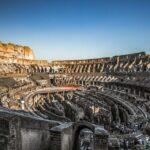
- Inside the Colosseum: Two Levels, a Museum, and Spectator Views
- Using the Audio Guide System Like a Pro (3D Map and Icons)
- Roman Forum: Political Power, Religious Space, and Daily Life Ruins
- Palatine Hill and the Imperial Fora: Walking the Empire’s Footprint
- Timing and Entrances: How to Avoid the Most Common Friction
- Price and Value: Why $41 Can Make Sense Here
- Who This Works Best For (And Who Might Prefer Something Else)
- Should You Book This Colosseum, Forum, and Palatine Pass?
- FAQ
- How long is the experience?
- What does the $41 price include?
- Where do I go since there is no designated meeting point?
- Which entrances can I use for the Roman Forum and Palatine Hill?
- What languages are available for the audio guide?
- What should I bring, and is it wheelchair accessible?
Key things to know before you go
- Timed entry with a reservations line: You simply join the visitors with reservations queue at the Colosseum entrance.
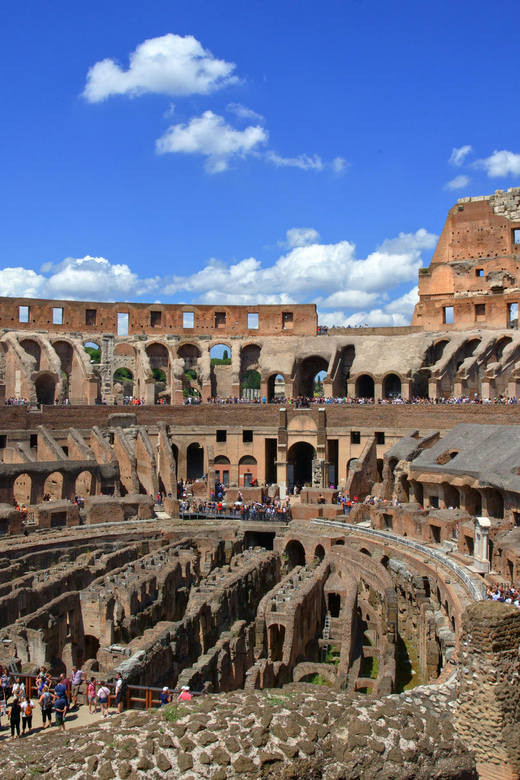
- Colosseum access includes two levels: first level plus second level with panoramic terraces, plus the Colosseum Museum.
- Roman Forum, Palatine, and Imperial Fora are included: you’re not limited to just one zone.
- Audio guide with interactive 3D map and icons: the system is built to help you navigate the covered areas.
- Multilingual phone assistance is included: support is available without needing a live guide.
- Arrive 10 minutes early: the ticket requires you to be at the gate on time.
Colosseum Entry Ticket That Gets You In (Without a Live Guide)
The biggest value here is simple: you’re buying an entry ticket bundle plus an audio experience, all designed for self-paced exploring. You don’t have to stick with a group timeline, which matters in Rome where walking pace and photo stops are unpredictable.
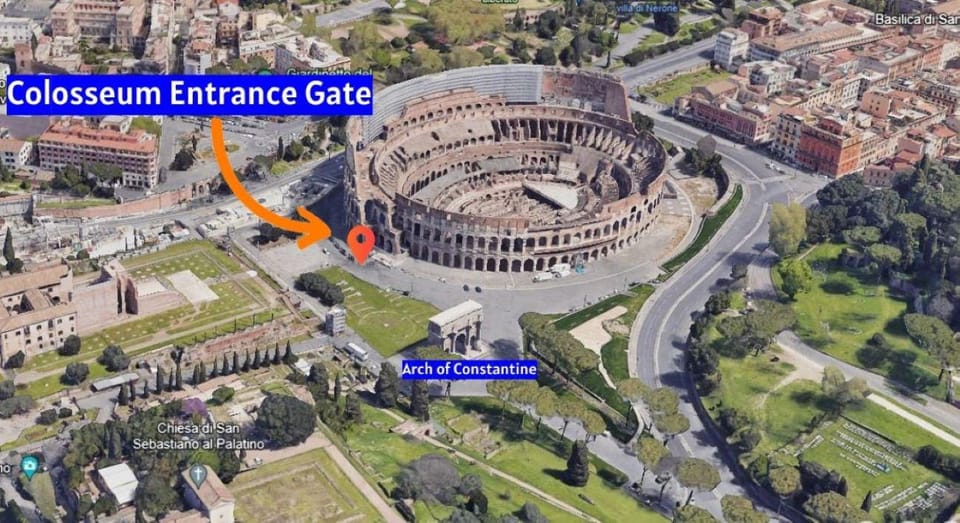
The setup is also pretty clear: your Colosseum visit uses a fixed entrance time, and you join the reservations line at the Colosseum entrance near the Arch of Constantine and close to the Valadier Terrace. There is no designated meeting point for the experience, which keeps things simple but also means there’s no human waiting for you.
Before you go, check your email around the 3-day mark. Your ticket and QR code for app access arrive as a PDF, and you’re asked to confirm receipt at [email protected]. If your phone’s battery or app access isn’t ready, that’s when the day gets annoying.
You can also read our reviews of more tours and experiences in Rome.

Where You’ll Start: Colosseum Entry at the Arch of Constantine
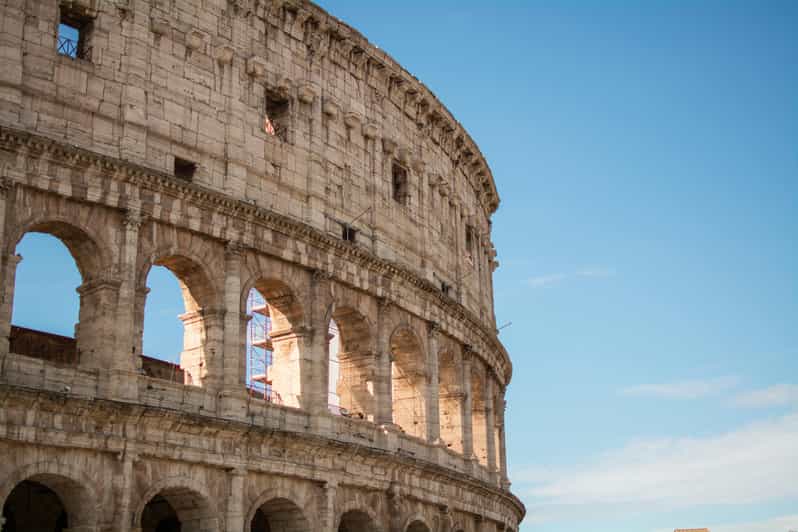
Plan on arriving 10 minutes early. That buffer isn’t extra fluff—it’s what helps you handle last-minute lines, security checks, and any ticket scanning issues.
For the Colosseum, the directions are straightforward: go to the entrance by the Arch of Constantine, near the Valadier Terrace. Then, follow the on-site signage and join the line for visitors with reservations.
For the Roman Forum and Palatine Hill parts, you can use several entrances: Arch of Titus, Largo della Salara, Via del Tulliano, or Via di San Gregorio. That flexibility is useful if you want to adjust your route based on where your legs feel good and where your phone finds signal.
Inside the Colosseum: Two Levels, a Museum, and Spectator Views
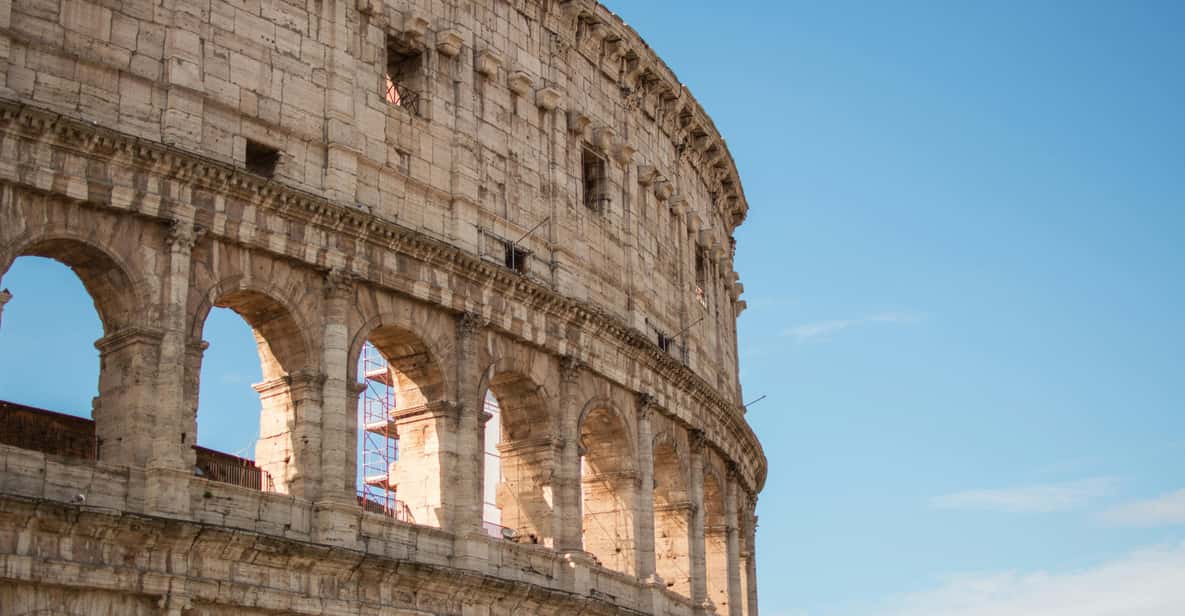
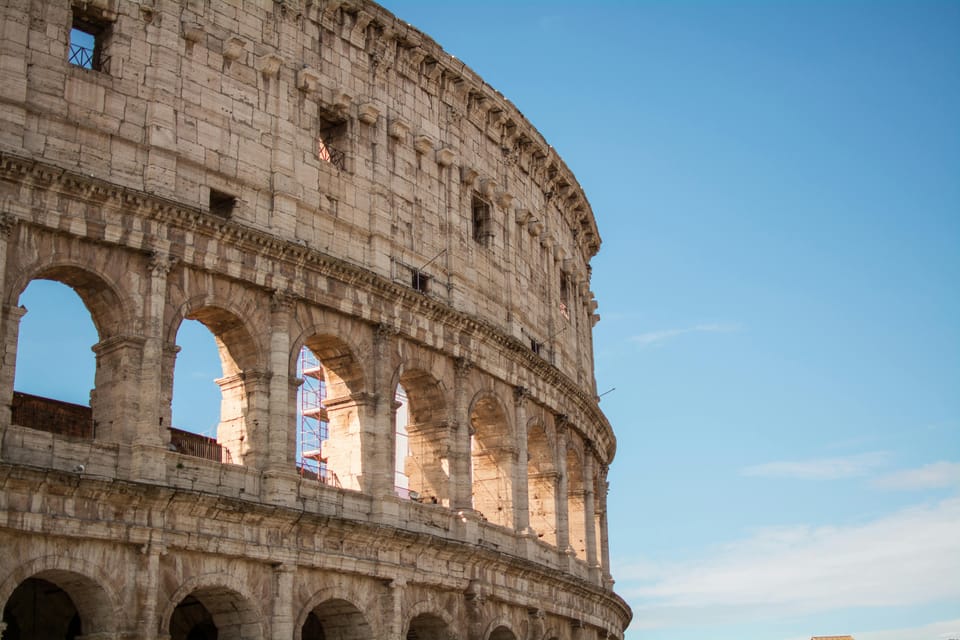
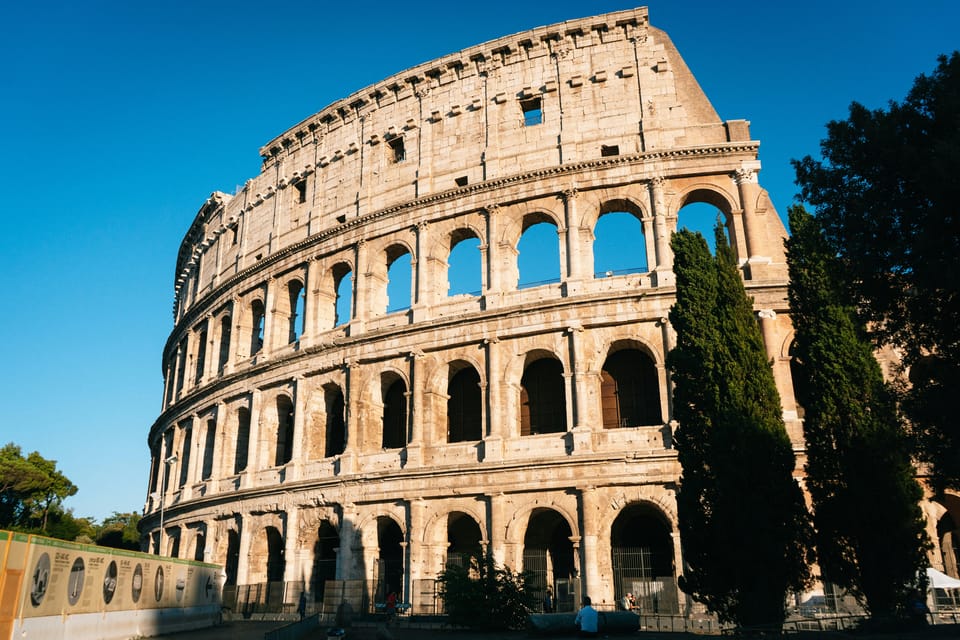
The Colosseum is the headliner for a reason. This arena—built in 70–80 AD—staged gladiator contests, naval battles, and theatrical performances for thousands of spectators. Even when you’re not thinking about dates, the space makes it hard not to imagine the noise, crowd tension, and spectacle.
With your included ticket, you get access to the first level of the Colosseum, plus the second level with panoramic terraces, and the Colosseum Museum. That combo changes how you experience the site: the lower level gives you scale and proximity, while the higher terrace area helps you see the arena layout and surrounding structure more clearly. The museum component also gives you a place to slow down when you need a break from standing in sun and stone.
Since the tour is self-guided, the audio guide becomes your guide rope. You’ll hear facts as you move, designed to keep your attention from drifting into random looking. I especially like audio here because it matches the pace of the ruins: you walk, stop, and then the next detail lands right when it matters.
A practical watch-out: the Colosseum is fixed-time entry, so you can’t casually stroll in whenever you feel like it. If you’re late, you’re the one dealing with the timing pressure.
Using the Audio Guide System Like a Pro (3D Map and Icons)
This experience includes a multi-language self audio-guided tour in English, Spanish, German, Italian, and Chinese. You also get an interactive 3D map and icons that cover the points of interest in the park’s visitable area.
Here’s how to make that work for you:
- Bring headphones (not earbuds you can’t locate in your bag).
- Keep your smartphone charged (you’ll be using it for the audio and QR access).
- Use the 3D map and icons when you feel turned around. Rome ruins can look similar from different angles, so the map saves time and frustration.
Because there’s no live guide, the audio system becomes the anchor. It’s also why this ticket is best for people who don’t need a person to answer every question. If you want constant back-and-forth Q&A, you may find self-guided limits frustrating.
Still, the audio format is ideal when you like quiet attention. You can listen while you’re looking, then re-listen later to fill gaps as you spot new details.
Roman Forum: Political Power, Religious Space, and Daily Life Ruins
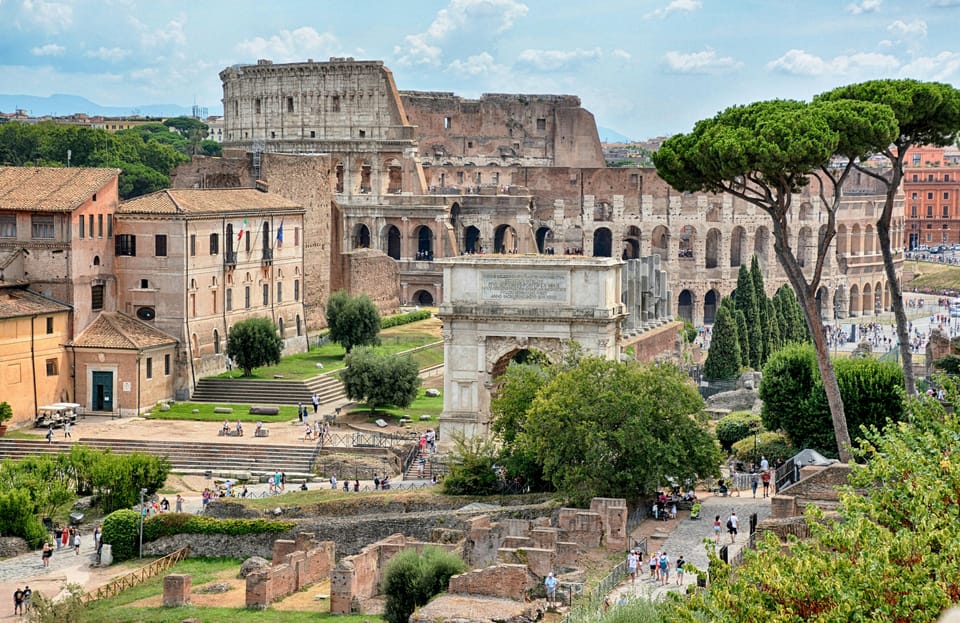
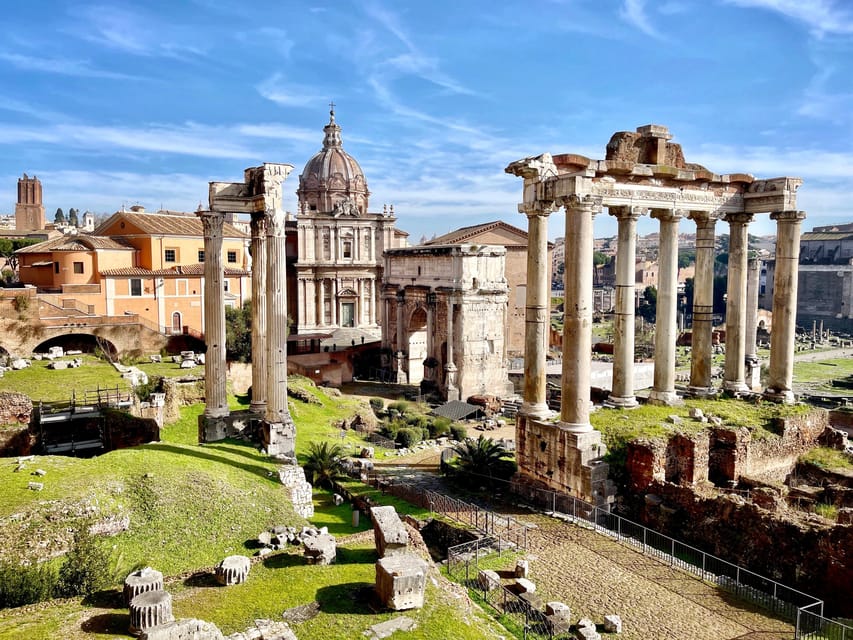
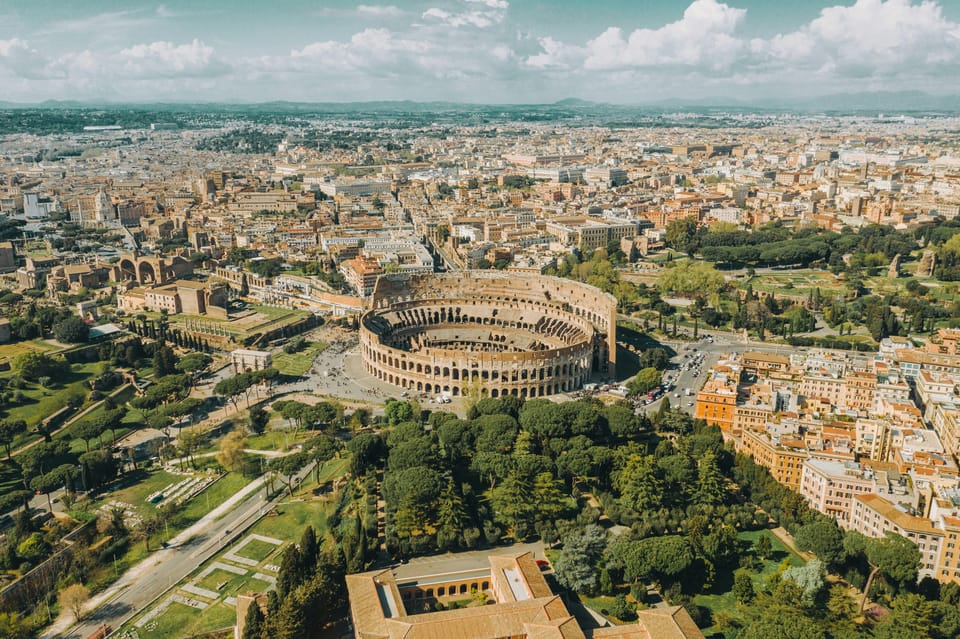
After the Colosseum, you head toward the Roman Forum–Palatine Hill area, which is described as the political, religious, and commercial center of ancient Rome. That trio matters, because the Forum isn’t just one type of ruin. You’re walking through overlapping spaces tied to government, worship, and everyday movement.
The included audio narrative is built to connect those themes. You’ll hear stories tied to emperors, commanders, and citizens who shaped Rome’s destiny. You’ll also see ruins like temples, basilicas, and palaces, and the guide helps you interpret what you’re looking at instead of treating every wall as the same.
What I like most about this part is that the Forum rewards wandering—but without getting lost. The audio system gives structure, so you don’t just shuffle from arch to arch hoping something clicks.
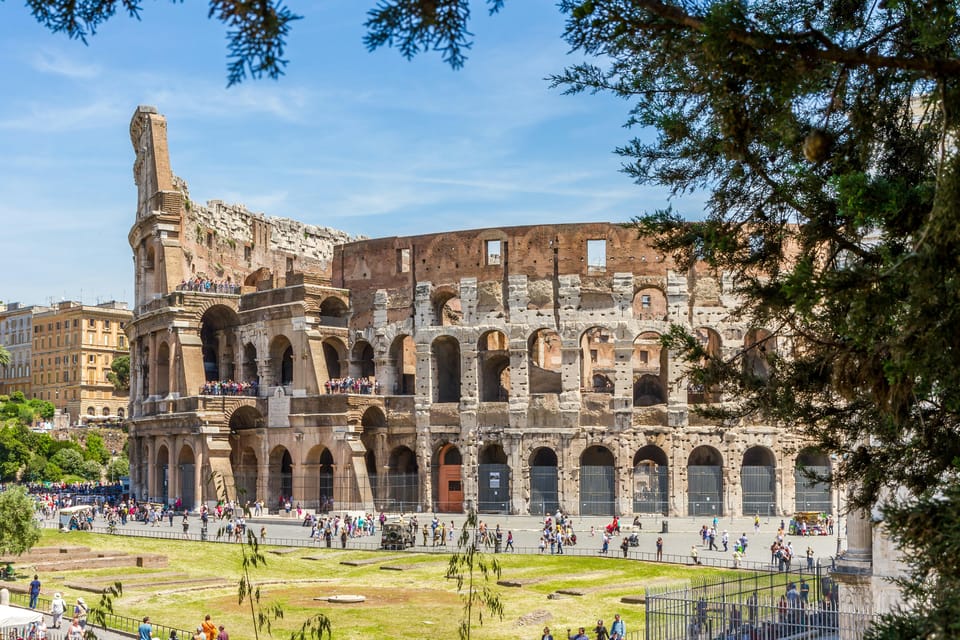
A drawback to consider: the Forum is made of stone fragments and outlines. If you prefer fully restored sites, you might have moments where you’re doing mental math to picture the full buildings. That’s normal here, and the audio guide is precisely what helps you fill those gaps without guesswork.



Palatine Hill and the Imperial Fora: Walking the Empire’s Footprint
Palatine Hill is where the day shifts from spectacle to power and myth. The experience frames this zone as connected to Rome’s leadership and legacy—then pushes you into the Imperial Fora, where the greatest leaders of the Roman Empire left their marks.
In practical terms, the Imperial Fora are a strong finale because they keep expanding the feeling of scale. You walk among columns and ruins while the audio guide points out the meaning behind the structures you see.
I like ending here because the sites start to feel like one continuous story rather than separate attractions. You can stand in one spot, listen, then look around and realize the area is telling you how authority was displayed—politically, architecturally, and socially.
If you’re a photo person, this is also a better zone for it than you might expect. Terraces and open lines of sight can help you frame ruins with a sense of proportion, especially if you’re walking with the audio and not just photographing everything blindly.
Timing and Entrances: How to Avoid the Most Common Friction
This is a one-day experience, but it’s really two worlds: the fixed-time Colosseum entry, then the Forum/Palatine/Imperial Fora wandering. So your planning needs to protect the first half.
The Colosseum side is strict: your ticket is valid only on the date specified, during the park’s opening hours for the given season listed (March 31 to September 30, 2024, 8:30am to 7:15pm). There’s a fixed entrance time for the Colosseum, and you must arrive at the gate 10 minutes early.
For the Forum and Palatine Hill portion, you have multiple entrance options. Use whichever makes sense based on where you are after the Colosseum. That flexibility is a big deal because it can save you from backtracking when the routes between sites feel crowded.
Also note the ticket covers a lot of ground inside the park. If you’re slow-walking, plan on giving yourself extra time to listen fully instead of treating the audio as background noise.
Price and Value: Why $41 Can Make Sense Here
At $41 per person, you’re paying for more than the paper entry. The price includes:
- an 18 euro entrance ticket
- an agency fee
- the self audio-guided tour
- multilingual phone assistance
- access to the included areas: Colosseum (first and second levels), Colosseum Museum, Roman Forum (including its museum), Palatine, and Imperial Fora
So what are you actually buying? Time-saving ticket handling plus a guided experience that keeps you engaged across multiple sites. Without the audio and support, you’d still be paying entry fees (and you’d likely be spending more time figuring out what you’re looking at).
Is it the cheapest way to do Rome’s big three? Maybe not. But for the combo of multiple zones, audio guidance, and phone help, it’s a practical value—especially if you plan to listen and not just rush through.
If you’re the kind of visitor who reads every sign and doesn’t need audio interpretation, you might feel like you’re paying extra for guidance you’ll partially ignore. If you’re the kind who wants context while walking, this price is easier to justify.
Who This Works Best For (And Who Might Prefer Something Else)
This self-guided bundle fits you best if:
- you want to explore on your own schedule
- you’ll use audio while walking
- you like structured navigation via a 3D map and icons
- you’re comfortable handling signage and ticket scanning yourself
It’s not suitable for wheelchair users, based on the activity notes. And if you need a live guide to answer questions in real time, you may find the experience too hands-off.
Also, because your ticket and QR code access arrive by email and need a valid email address to confirm the booking, you’ll want to be organized. The day runs smoothly when your phone is charged and your ticket is ready.
Should You Book This Colosseum, Forum, and Palatine Pass?
I’d book it if you want a smart, low-stress way to see the big landmarks with an audio plan that keeps your attention on what you’re actually looking at. The included second-level Colosseum access and the museum add real value beyond a basic entry, and the audio map helps you move through a complicated area without constant confusion.
I’d hesitate if you’re expecting a live guide experience or if you know you get overwhelmed without a person to keep things on track. This format works best when you can follow instructions, arrive on time, and use the tools you’re provided.
If you’re ready to walk, listen, and interpret as you go, this is a strong way to spend a day in Ancient Rome without losing the whole afternoon to lines and guesswork.
FAQ
How long is the experience?
It’s listed as a 1-day experience.
What does the $41 price include?
It includes an 18 euro entrance ticket, an agency fee, the self audio-guided tour, and multilingual phone assistance. The included sites are the Colosseum (first level, second level with panoramic terraces, and Colosseum Museum), the Roman Forum (including its museum), Palatine, and the Imperial Fora.
Where do I go since there is no designated meeting point?
Go to the Colosseum entrance near the Arch of Constantine, close to Valadier Terrace. Then join the visitors with reservations line shown at the Colosseum entrance.
Which entrances can I use for the Roman Forum and Palatine Hill?
You can use any of these entrances: Arch of Titus; Largo della Salara; Via del Tulliano; Via di San Gregorio.
What languages are available for the audio guide?
The audio guide is available in English, Spanish, German, Italian, and Chinese.
What should I bring, and is it wheelchair accessible?
Bring your passport or ID card, headphones, and a charged smartphone. It is not suitable for wheelchair users.