REVIEW · ROME
Morning Vespa Sidecar Tour with Cappuccino
Book on GetYourGuide →Operated by Vespa Sidecar Tour · Bookable on GetYourGuide
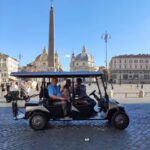
Rome by Vespa sidecar is a different kind of Rome. You get the big landmarks, plus the small streets and viewpoints, all with live guide narration through headphones while a professional driver handles the scooter. It’s one of those tours where the “getting there” is part of the fun, not the chore.
I like two things right away. First, the no-driving setup (drivers do the riding, you get the seatbelt-and-chill treatment) means you can actually watch the city instead of planning routes and parking. Second, the tour groups the must-see sights into a smooth loop—Quirinale viewpoints, Trevi, the Pantheon with entry, Piazza Navona, St. Peter’s area, Trastevere/Jewish Ghetto, Piazza Venezia, and the Colosseum—so you don’t waste precious vacation hours zigzagging across town. One consideration: it’s not for everyone (no driving, limited space, and it’s not suitable for some medical conditions), so check the height, weight, and health notes before you book.
In This Review
- Key highlights you’ll feel fast
- Why this Rome tour works: Vespa sidecar pacing
- Cappuccino and cornetto at the start: more than a free bite
- Safety and comfort that let you actually relax
- The morning route: from Quirinale to Trevi’s fountain moment
- Quirinale
- Fontana di Trevi
- Pantheon entry: the stop you’ll remember for its inside
- Piazza Navona and the Vatican area: contrasts in a short ride
- Piazza Navona
- S. Peter (St. Peter’s area)
- Gianicolo Hill viewpoints: the “pause and breathe” moment
- Trastevere and the Jewish Ghetto: history you can feel in the streets
- Piazza Venezia and the approach to Rome’s power centers
- Colosseum time: arriving by sidecar changes the feel
- Value check: what you’re paying for (and why it adds up)
- Who should book this Vespa sidecar tour
- Book it or skip it: my honest take
- FAQ
- How long is the Morning Vespa Sidecar Tour with Cappuccino?
- What is included in the breakfast?
- Does the tour include entry tickets?
- Can passengers drive the Vespa sidecars?
- What time and where does the tour start?
- Is this tour suitable for wheelchair users or pregnant travelers?
Key highlights you’ll feel fast
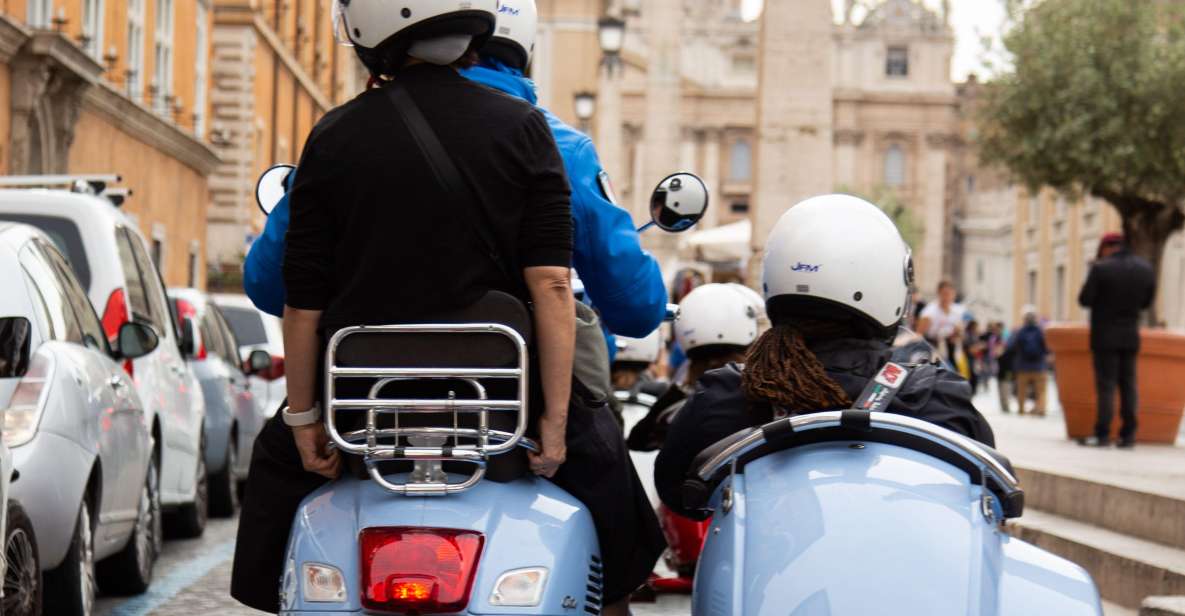
- Headphones with live English narration so you get context without stopping constantly
- Pro drivers + seatbelts so you’re not stressed about traffic, parking, or turns
- Breakfast with cappuccino and cornetto to start the morning the Roman way
- Pantheon entry ticket included (so you’re not hunting for timed tickets)
- Lookouts + narrow streets that are hard to experience from a bus
Why this Rome tour works: Vespa sidecar pacing
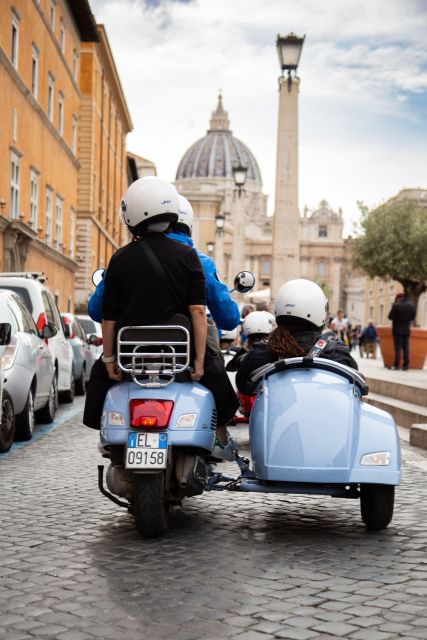
Rome can be slow, even when you’re fast. You hit lines, cobblestones, and long walks between neighborhoods. This tour changes the pace by putting you in a Vespa sidecar with a driver, so you spend your energy looking at the city instead of navigating it.
The biggest practical win is that you never have to think about driving logistics. You’ll still be outside, moving through neighborhoods, feeling the morning air—but the guiding is built to keep the stops worth it. Your guide talks through onboard headphones, so you can keep your eyes on what’s around you while they explain what you’re seeing and what to notice.
And yes, it’s just plain fun. A lot of “sightseeing tours” are really just shuttle rides with short photo breaks. This one uses the scooter format to get you close to corners, viewpoints, and backstreets that you’d likely skip if you were only chasing the famous postcards.
You can also read our reviews of more tours and experiences in Rome
Cappuccino and cornetto at the start: more than a free bite
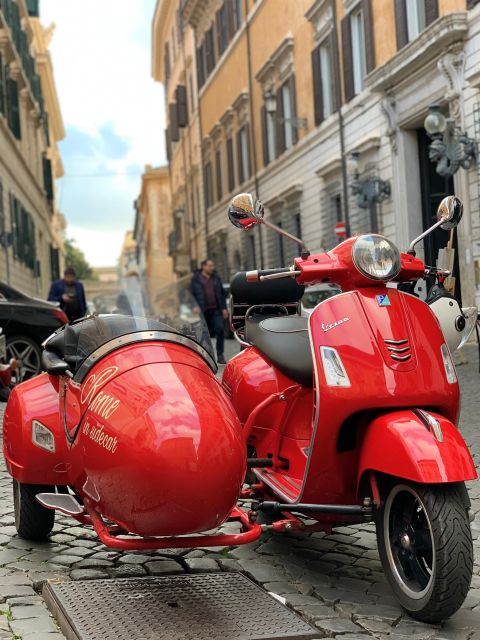
Meeting mornings in Rome can feel like you’re already behind. A proper breakfast early on helps. The tour includes a traditional breakfast with cappuccino and a cornetto, which is exactly the kind of fuel you want before a few hours of sightseeing.
It’s also a nice reset for your brain. Instead of rushing straight from your hotel to landmarks, you settle in with coffee, then roll into Rome while everything is still calm. The tour ends where it starts, so this morning rhythm is self-contained—you don’t need to plan lunch right away.
Safety and comfort that let you actually relax
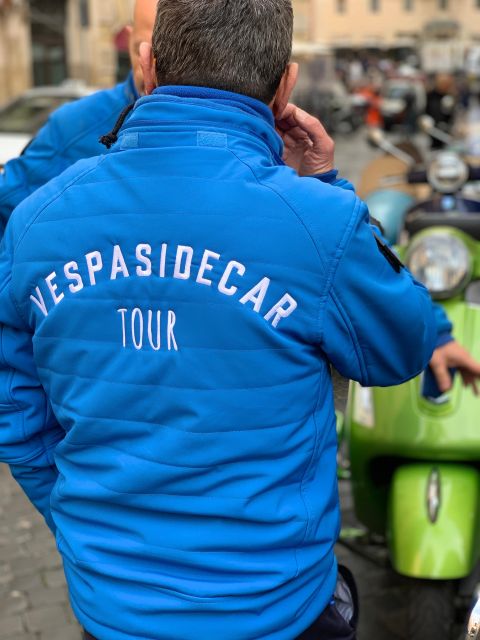
You’re in a vehicle designed for the road, but the tour still takes passenger comfort seriously. Here’s what matters for how the experience feels:
- CE helmets + sterilized disposable head covers for hygiene and comfort
- Seat belts for the passenger riding in the sidecar
- Ponchos in rain, so a drizzle doesn’t automatically wreck your tour
- In winter: blankets and electric water bottles, which you’ll appreciate on cooler mornings
It’s also covered in the background. The tour price includes a full insurance policy, which helps you feel steadier when you’re in traffic and moving around the city.
One more point that’s easy to miss until you read it: you don’t drive the vehicle. For legal and safety reasons, passengers are not allowed to drive the Vespa sidecars. That’s actually part of the value here. You get the ride without the stress of trying to steer, and you don’t have to worry about parking or vehicle handling at all.
The morning route: from Quirinale to Trevi’s fountain moment
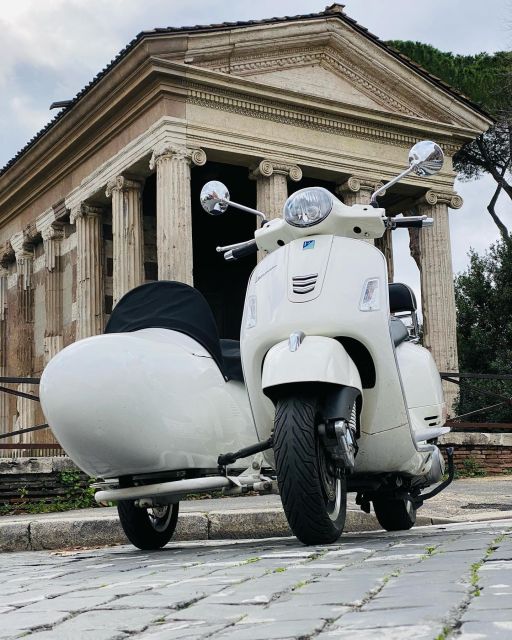
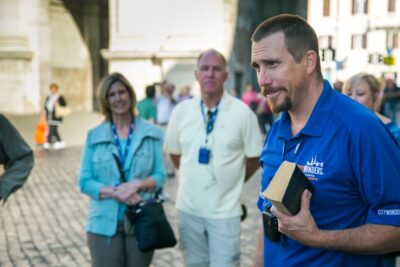
The tour runs about 3 hours and starts at 9:00 AM near the green newspaper kiosk at Piazza della Repubblica, 41, Rome. When you arrive, look for the guide and drivers at that address. Then you’re off.
Quirinale
You start with Quirinale, a hill-area stop that sets your bearings fast. From this kind of starting position, Rome’s layout makes more sense. Hills, sightlines, and the way the city stretches out become easier to read, and you’ll be in the right headspace for the next stops.
A heads-up on pacing: early sightseeing by scooter is quick. You’ll want your camera ready, but not frantic. The guide narration helps you decide what’s worth a longer look.
You can also read our reviews of more tours and experiences in Rome
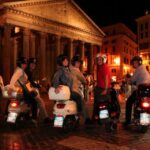
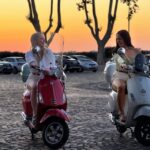
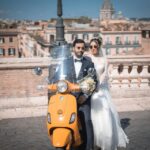
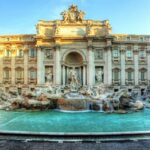
Fontana di Trevi
Next is Fontana di Trevi, Rome’s most famous fountain. The value of including it in a timed, guided scooter route is that you’re not only chasing the landmark—you’re learning the city context as you approach it.
This is also where you’ll notice the benefit of headphones. The guide can give you the story and the cues while you focus on the scene. Instead of only snapping photos, you’ll know what you’re photographing.
Pantheon entry: the stop you’ll remember for its inside
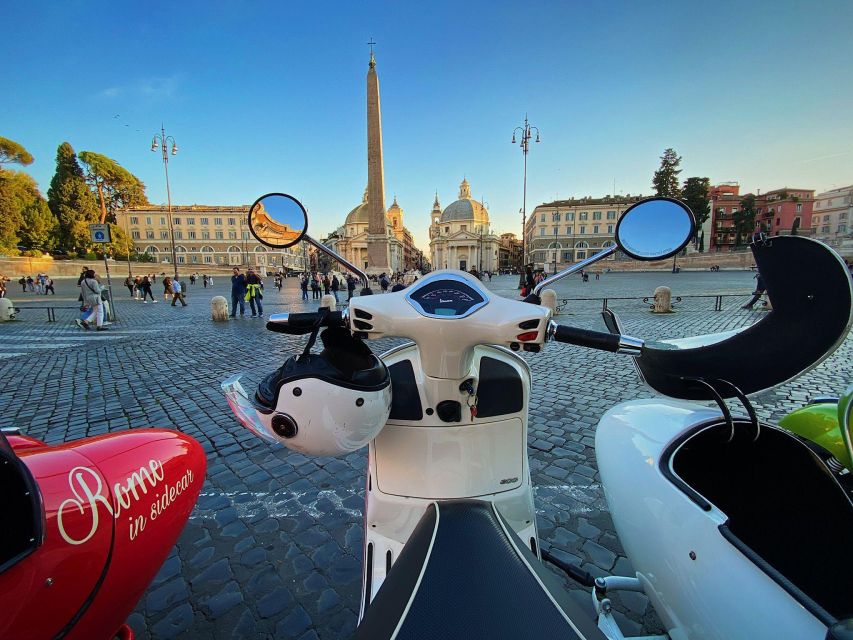
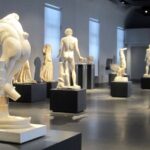
The tour includes entry tickets to the Pantheon, which is a big deal for value and timing. It’s one of Rome’s most recognizable structures, and it’s also the kind of place where you’ll get more out of it if someone helps you look.
From outside, the Pantheon feels iconic. Inside, it lands differently. The circular layout and the dome above make the space feel intentional and dramatic. With your guide speaking through headphones, you can listen for what to notice as you move through the interior.
Practical note: this is the stop where you’ll be glad the tour is structured. You’re not trying to figure out entry logistics on the fly—you’re guided straight to a moment that’s hard to reproduce on your own in a short timeframe.
Piazza Navona and the Vatican area: contrasts in a short ride
Piazza Navona
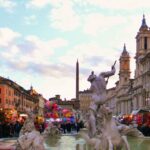
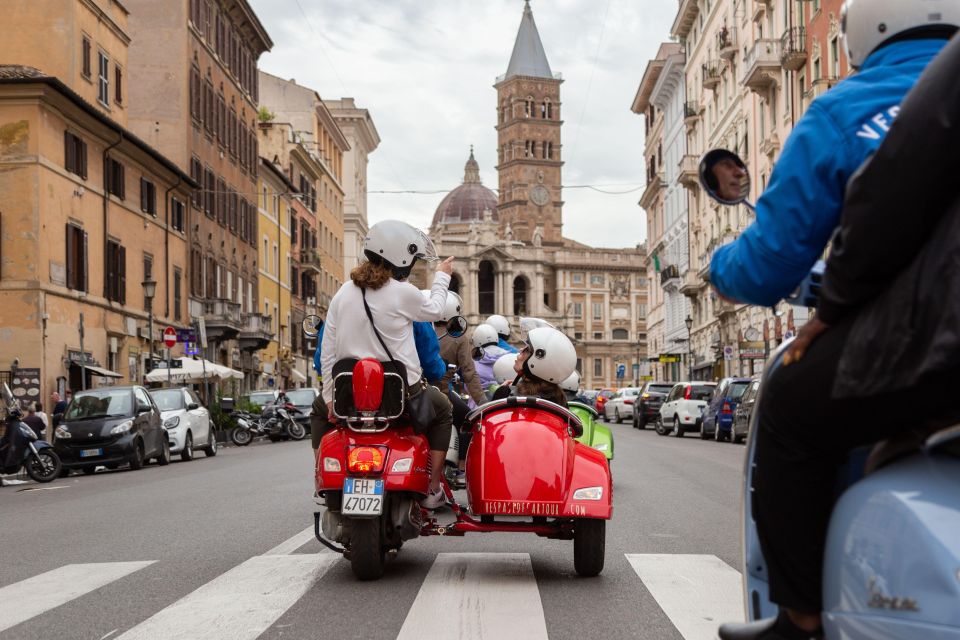
After the Pantheon, you’ll reach Piazza Navona, one of Rome’s classic public squares. This stop is where Rome’s “street life” side shows up—plan on slowing down here. Even if you don’t go deep on museum facts, the atmosphere matters.
The scooter format is useful because you’re not just dropped into a single square and sent away. You’ll experience the approach and the transitions, and your guide’s narration keeps the story moving.
S. Peter (St. Peter’s area)
The route includes S. Peter, which usually means you’ll be in the orbit of Vatican landmarks. This is another spot where you’ll get more out of it with context than without. Your guide can help you make sense of why the area looks the way it does and what to look for as you’re there.
One consideration: the Vatican area can involve crowds and more walking than you expect, even on a short guided loop. The headphones help with this because you don’t lose time scrambling for explanations.
Gianicolo Hill viewpoints: the “pause and breathe” moment
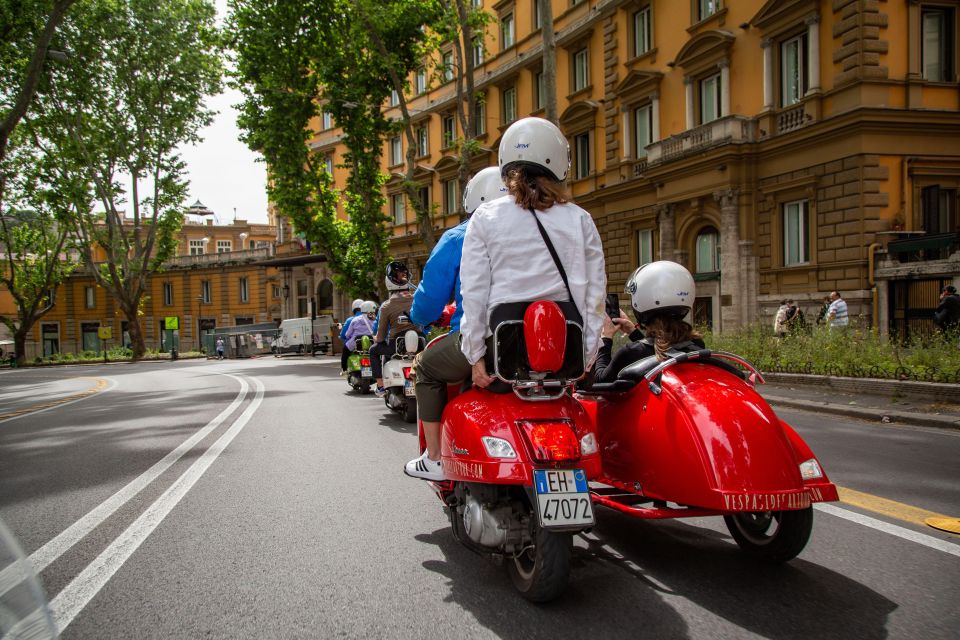
Then comes Gianicolo Hill, a stop designed for views. This part of the experience is less about one building and more about how Rome opens up when you’re up higher.
It’s one of those moments where you understand why hills matter in Rome. You’ll see long sightlines and the city’s layered feel, and you’ll get a break from constant landmark hunting. The narration still continues, but here the main activity is absorbing what’s around you.
If you’re the kind of traveler who likes photos, this stop is a strong payoff. If you’re not, it still helps—you get a reset point where your brain can connect the neighborhoods you’ve already passed through.
Trastevere and the Jewish Ghetto: history you can feel in the streets
The tour includes Trastevere & Jewish Ghetto, and that pairing works because the vibe shifts. Trastevere is known for its older-feeling streets and lively local character, while the Jewish Ghetto area carries a different historical weight.
From the scooter, the streets feel tighter and more intimate. You’ll likely notice architecture details and street textures that don’t show up as well from a bus window. Since the guide talks through the headphones while you move, you can connect the facts to what you’re seeing in real time rather than saving it for later.
This part of the route also highlights a tour strength people don’t always realize: you’re not only seeing the “big names.” You’re getting glimpses of the city’s everyday texture, including neighborhoods with deep history.
Piazza Venezia and the approach to Rome’s power centers
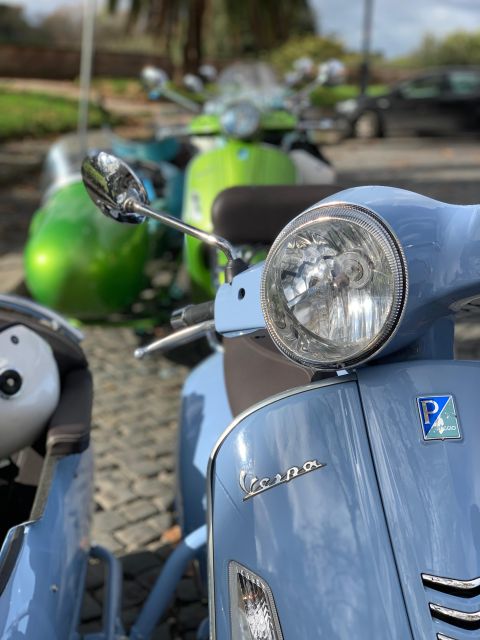
Next is Piazza Venezia. This stop is useful because it sits in a more monumental part of the city, where Rome’s civic and political symbolism becomes visible. Even if you’re not studying statues and inscriptions, the setting changes how you experience Rome.
What I like about this placement in the route is that it bridges earlier stops to the biggest “wow” of the day. You finish the middle stretch feeling like you’ve covered real neighborhood texture and then you move back toward massive landmark scale.
If you want to get the most out of Piazza Venezia, keep your eyes up. The square’s structure is made to be read from more than one angle, and a scooter ride gives you those natural line-of-sight changes.
Colosseum time: arriving by sidecar changes the feel
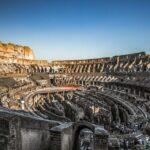
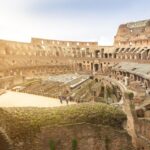
The day ends with the Colosseum, one of the most famous monuments on Earth. What surprised me about experiences like this is how much arrival matters. Coming in by sidecar changes the way the Colosseum hits you. Instead of walking from a distance hoping the view will land, you tend to get a sequence of angles as you approach.
This is also the end zone where you’ll want to be ready to linger. You’ll likely have a short window to take photos and soak it in, but don’t try to see everything at once. Pick what you care about—arena view, external façade details, or just the scale.
And then you’re done. The tour ends back at the meeting point at Piazza della Repubblica.
Value check: what you’re paying for (and why it adds up)
At $152.93 per person for a 3-hour morning, the price might sound like a splurge until you break down what you’re getting:
- A professional guide with live English narration through headphones for the full route
- Professional drivers, so you’re not doing any road work or parking work
- Helmets, disposable covers, seat belts, ponchos, and in winter blankets plus electric water bottles
- A full insurance policy
- Pantheon entry included
For Rome, that’s the difference between “sightseeing” and “solving logistics.” If you’re trying to stitch together breakfast, transport, tickets, and timed entry yourself, the time cost adds up fast. This tour compresses it into one package and removes the friction.
You also get something intangible: you experience the city movement. Rome’s best moments often happen while you’re traveling between landmarks, not only when you’re standing in front of them.
Who should book this Vespa sidecar tour
This tour is a great fit if you want:
- A fast, high-impact orientation to Rome
- A guided route through major landmarks plus neighborhood streets
- A relaxed format where driving and parking are handled for you
- A fun morning activity that includes breakfast and practical comfort gear
It’s less of a fit if:
- You have back problems or heart problems, or you’re pregnant
- You need wheelchair access (not suitable for wheelchair users)
- You’re traveling with children under 5 (minimum age is 5)
There are also physical limits to know:
- Sidecar supports up to 110 kg / 242 lbs and max height 1.90 m
- For riding behind the driver: maximum height rules apply; if a child is not taller than 150 cm, they ride in the sidecar with the seatbelt on
- Maximum weight for the passenger riding behind is 118 kg / 260 lbs
Book it or skip it: my honest take
If you want an efficient, fun way to see the big Rome hits without spending your day on transport stress, I’d book this. The headphones guide keeps you informed, the drivers keep you calm, and the included Pantheon entry saves time.
The main reason to hesitate is personal comfort and fit. Make sure the height/weight limits work for your group and that the tour is appropriate for your health needs. If you’re a good match, this is the kind of Rome morning you remember: coffee, motion, viewpoints, and landmarks stitched into one story.
FAQ
How long is the Morning Vespa Sidecar Tour with Cappuccino?
The tour lasts about 3 hours.
What is included in the breakfast?
You get a traditional breakfast with cappuccino and cornetto.
Does the tour include entry tickets?
Yes, entry tickets to the Pantheon are included.
Can passengers drive the Vespa sidecars?
No. For legal and safety reasons, passengers are not allowed to drive the vehicles.
What time and where does the tour start?
It starts at 9:00 AM at Piazza della Repubblica, 41, Rome, near the green newspaper kiosk. It ends back at the meeting point.
Is this tour suitable for wheelchair users or pregnant travelers?
It is not suitable for wheelchair users, and it is not permitted for pregnant travelers. Children must be at least 5 years old and accompanied by an adult.