REVIEW · ROME
Renaissance Women of Caravaggio and the Borgia Family
Book on GetYourGuide →Operated by Storytelling Rome Tours & Walks · Bookable on GetYourGuide
Rome turns gossip into art here. This 3-hour walking tour follows seven Renaissance courtesans whose stories sit behind paintings and church walls, from Piazza Venezia to the sunset end at Piazza Farnese. I love the way the guide makes big-name art feel personal, with the women behind Caravaggio and Raphael treated like real people with real agendas.
The second thing I like is the tone: this is story-first and knowingly a little cheeky. You get court intrigue, forbidden love, and political pressure—plus the Borgia-family angle—without it turning into a dry lecture. One thing to consider: you’ll be stopping in churches, so plan your outfit carefully and expect entry to depend on the dress code.
In This Review
- Quick take: what makes it worth your time
- How the walking format keeps the stories sharp
- Meeting at Trajan’s Column: start point and first impressions
- Church dress code is not optional on this one
- Piazza Venezia to Galleria Doria Pamphilj: power meets art
- The Renaissance woman stories: seven courtesans in the spotlight
- Sant’Agostino: a church stop with story weight
- Santa Maria sopra Minerva: where symbols and power overlap
- Santa Maria della Pace: gossip, politics, and lived reality
- Still-standing 16th-century homes: seeing the setting, not just the legend
- The Borgia-family angle and the politics behind the scandals
- The ending: Piazza Farnese (and time for a slow drink)
- Price and value: is $44 a good deal for three hours?
- Who this tour suits best (and who might prefer something else)
- Should you book Renaissance Women of Caravaggio and the Borgia Family?
- FAQ
- How long is the Renaissance Scarlet Ladies walking tour?
- Where do I meet the guide?
- What’s the price per person?
- Is the tour guided in English?
- Does the tour enter churches, and what should I wear?
- Is there a cancellation option if plans change?
Quick take: what makes it worth your time
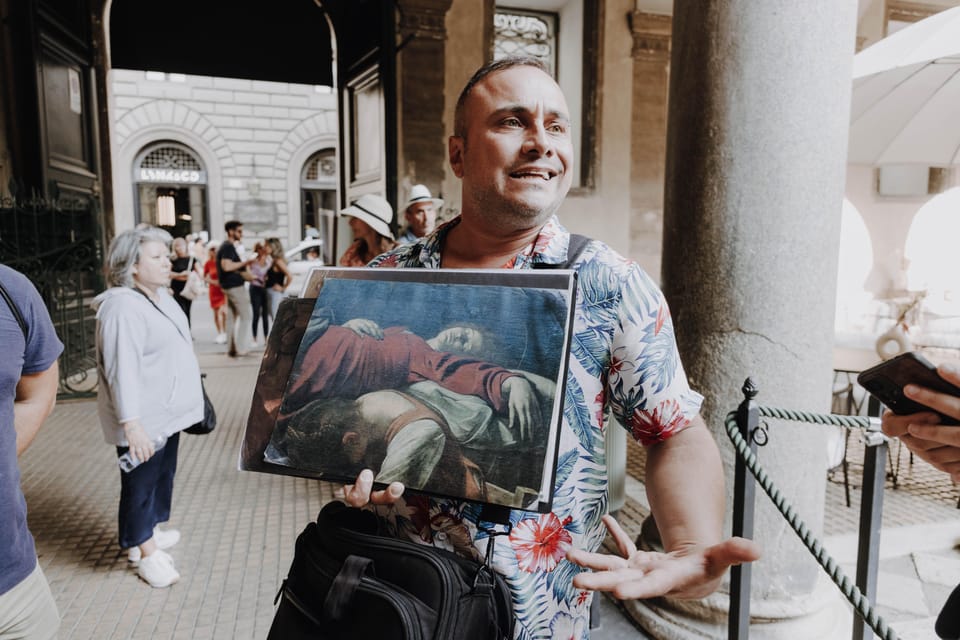
- Renaissance women at the center: this tour is built around historical women, not just kings, popes, and wars.
- Caravaggio and Raphael connections: you’ll see how art links to the people who inspired it.
- Borgia-family gossip energy: political intrigue and scandal show up in the storytelling.
- A focused city-center route: starting near Piazza Venezia and working through key Rome sights on foot.
- Church stops that matter: you’ll visit several churches where the context changes what you see.
- A fun, guided finish: it ends at Piazza Farnese, a great place to linger for wine or dinner.
How the walking format keeps the stories sharp
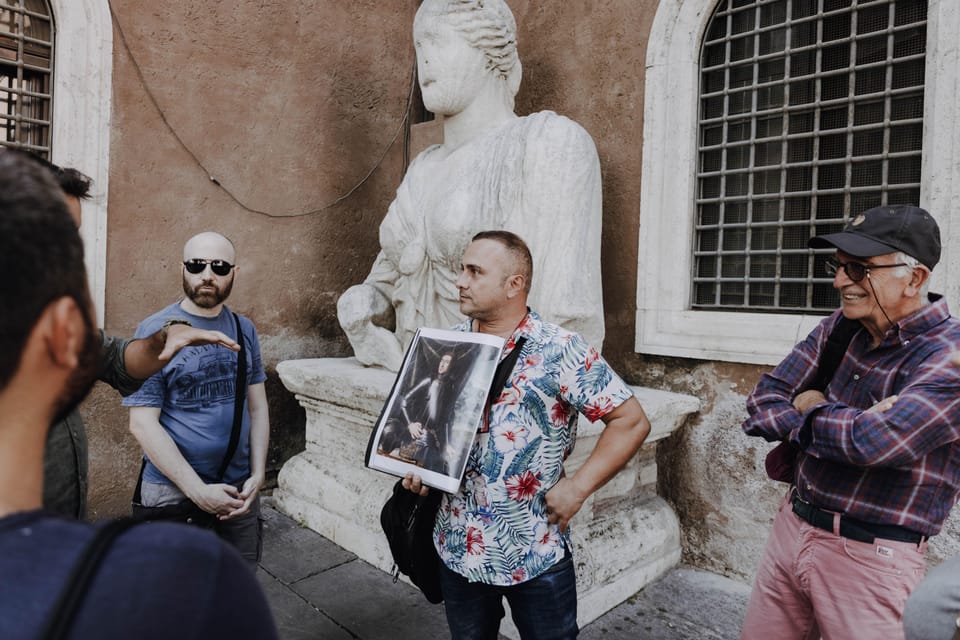
In Rome, a guided walk can either feel like a textbook shuffle or like a string of connected scenes. This one leans toward scenes. You’re moving between places you can actually stand in—churches, recognizable city-center locations, and even settings linked to 16th-century life—so each story lands with more weight.
The pacing is also built for story momentum. In three hours, you cover a lot of ground without turning every stop into a long stop-and-go history lecture. It’s the kind of tour where you start picking up patterns fast: power, image, reputation, and how women navigated a world that limited their education and options.
You can also read our reviews of more tours and experiences in Rome.


Meeting at Trajan’s Column: start point and first impressions
You’ll meet by Trajan’s Column, right next to Piazza Venezia. The guide waits there holding a sign for the Renaissance Scarlet Ladies Tour, so it’s usually easy to spot the group.
This matters more than it sounds. Starting near one of Rome’s busiest landmarks keeps the day simple: you can get your bearings quickly, then settle into the walk. It’s also a good way to begin if you’re a first-timer, because you’re anchored to a central hub rather than getting shuttled out to the edges of the city.
Church dress code is not optional on this one
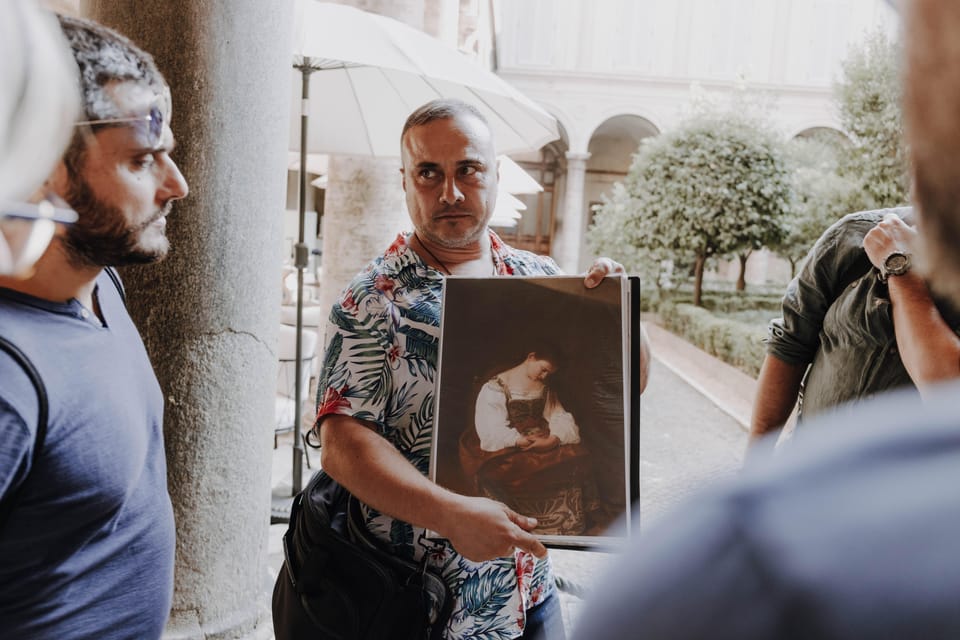
This tour includes church visits, and Italy is strict about dress. Shoulders must be covered inside (including the deltoids), and sleeveless shirts and short skirts are not allowed. Short pants or skirts are okay only if the hem is just above the knee.
Here’s the practical advice: wear a top that covers your shoulders without needing a last-minute fix. If you’re the kind of traveler who packs a light layer for evenings, you’re already halfway there.
If your outfit doesn’t meet the church standard, the church may refuse entry. That’s not unique to this tour, but it can affect your flow—so treat the dress code as part of the plan, not an afterthought.
Piazza Venezia to Galleria Doria Pamphilj: power meets art
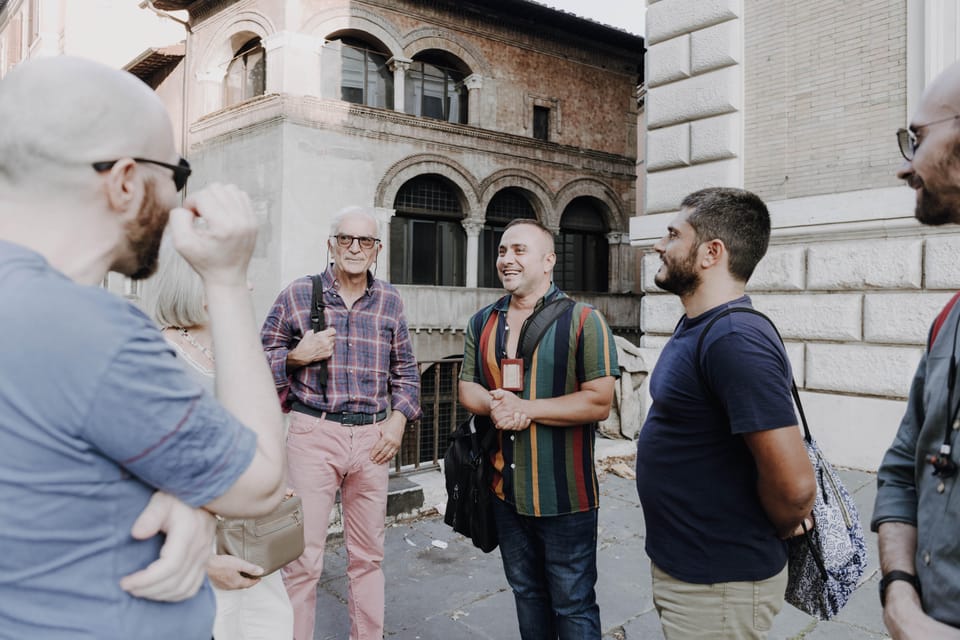
After meeting at Trajan’s Column, the tour moves through central Rome with stops that help you connect the story to the setting. You’ll walk by Galleria Doria Pamphilj, and from there the route builds toward the church-heavy parts of the day.
What I like about this section is the way it sets context before you get to the big church interiors. You’re not just walking for location trivia. You’re getting the sense of how Renaissance Rome operated—where reputation could be currency, and where art and faith often sat side by side with politics.
Even if you’re not a hardcore art person, this works because it frames art as social evidence. You start to see portraits and scenes not as distant masterpieces, but as statements people paid for—sometimes with their freedom, sometimes with their safety.
The Renaissance woman stories: seven courtesans in the spotlight
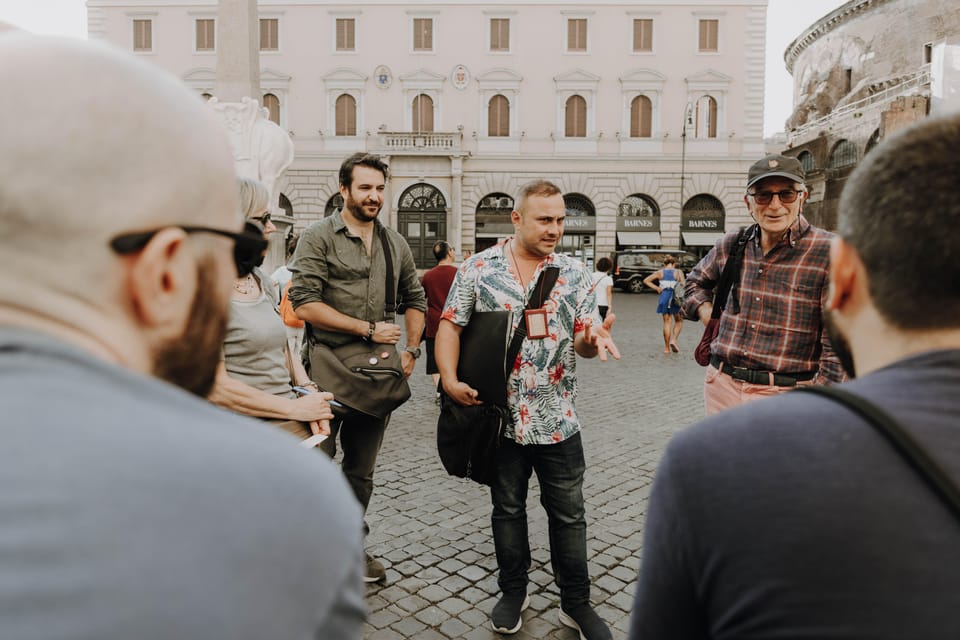
The core concept is simple and smart: seven Renaissance courtesans are treated like the main characters. These are the women whose presence (as models, muses, and social influences) shows up in the atmosphere of major artworks by artists like Caravaggio and Raphael.
What you’ll hear isn’t only about beauty. The stories focus on survival and influence in a man’s world—plus how courtesans could become power players and political-adjacent figures. Since formal education for women was limited, the tour’s framing is that many smart women used a different route to agency.
I also appreciate that the tour doesn’t try to oversell everything as perfectly known fact. Instead, it uses the art-and-place connections to explain why these women became permanent parts of Rome’s visual culture.




Sant’Agostino: a church stop with story weight
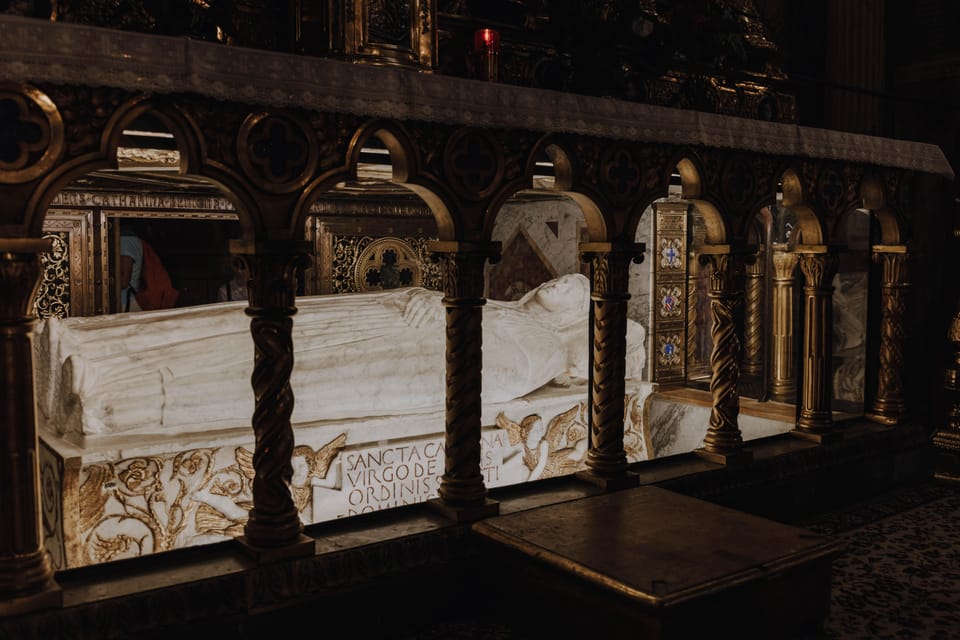
One of the key stops is Sant’Agostino. Church interiors can feel similar if you only glance at what’s visually obvious, but on a tour like this, the point is to look with a purpose.
You’ll connect what you see to the women and the social world behind the scenes. The value here is interpretive: you don’t just admire architecture or decoration—you start to understand why these kinds of spaces mattered for women whose lives were judged, protected, condemned, and celebrated all at once.
A possible drawback: if you’re the type who wants maximum time looking quietly without stopping, church visits can feel structured. The upside is that the guide keeps the story moving, so you’re not stuck in one place waiting for the group to settle.
Santa Maria sopra Minerva: where symbols and power overlap

Next up is Santa Maria sopra Minerva. This is another church stop, and it’s where the tour’s “art plus society” approach really earns its keep. You’re not just seeing another church. You’re getting help reading how symbols, reputation, and patronage work their way into sacred spaces.
The tour is designed for listeners who enjoy stories as much as sights. You’ll hear about the “why” behind the presence of certain figures in art and the kinds of social dynamics that made these stories repeat for centuries.
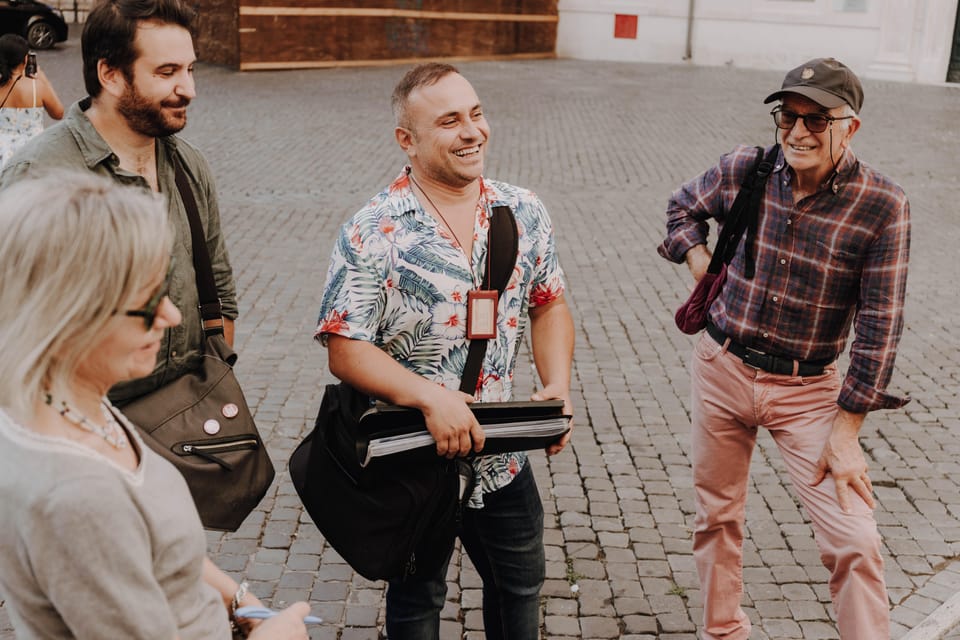
Also, this is the kind of stop where the guide’s personality matters. Reviews point out a guide with energy, humor, and a knack for making the subject feel alive. That’s exactly what you want in a church setting: a guide who can keep the room from turning into background noise.
Santa Maria della Pace: gossip, politics, and lived reality
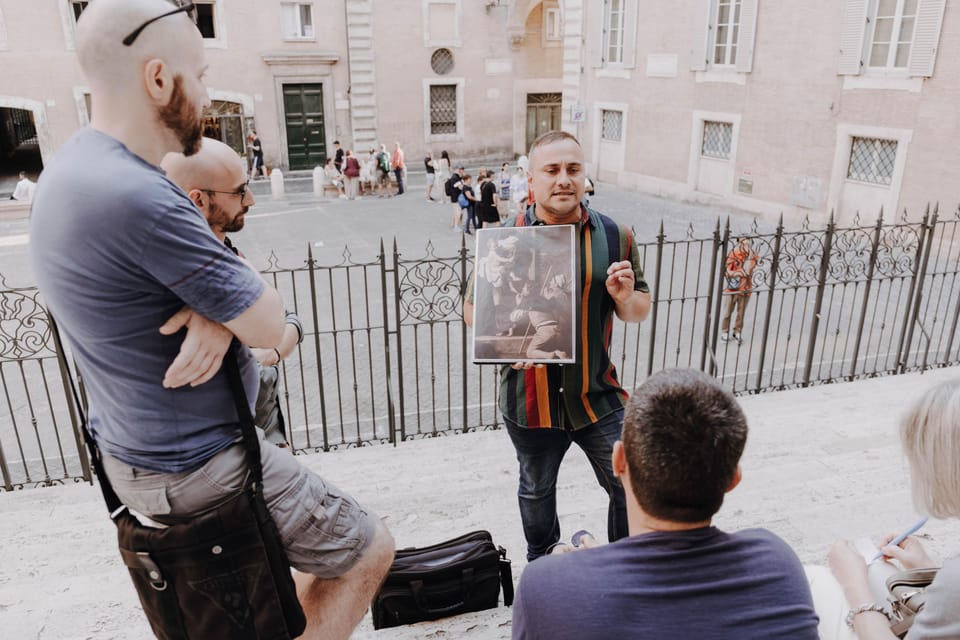
You’ll also visit Santa Maria della Pace, which is a great match for the tour’s theme. This is the part of the walk where the storytelling blends the emotional side of these women’s lives—ambition, love, pressure—with the political reality around them.
If you’re wondering whether this tour is only for art nerds, this church stop is a good test. The stories are the engine. You’re encouraged to think about how women were perceived and how they could still maneuver. That’s the thread that keeps showing up.
In practice, you’ll leave with the sense that Renaissance Rome didn’t just produce art—it produced public narratives. And these women were central to that public narrative.
Still-standing 16th-century homes: seeing the setting, not just the legend
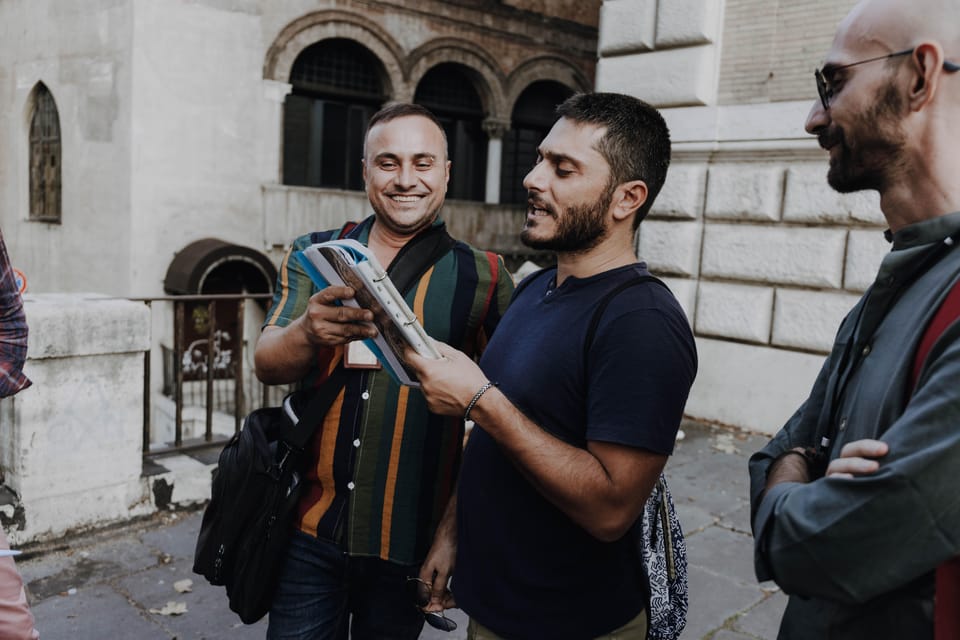
The tour also includes some still-standing 16th-century homes. This is a big part of why a walking format works so well here. You’re not only looking at famous paintings or church walls. You’re standing near the physical environments that would have shaped daily life.
This section helps you connect the dramatic parts of the stories to something grounded. It’s easier to believe the stakes when you’re literally in a neighborhood where old streets and old buildings still frame the scene.
If you like tours that make you look up from the sidewalk and notice details—doorways, street scale, building textures—this part is likely to be one of your favorites.
The Borgia-family angle and the politics behind the scandals
The tour description leans hard into the Borgia-family connection and the mistresses tied to it. You’ll hear how politics and romance could collide, and how women navigated a system where men held formal power but women often held social leverage.
Even if you already know the headlines about the Borgias, the value here is the focus on women’s roles in that environment. It’s not only about what men did. It’s about what women did to survive, to bargain, and to protect status in a culture that didn’t make it easy.
This is also where the tour’s tone—sass without losing clarity—helps. Scandal is the hook, but the stories stay anchored to why people acted the way they did.
The ending: Piazza Farnese (and time for a slow drink)
The tour wraps at Piazza Farnese, which is a sensible finish. It’s central, it’s scenic for sunset, and it’s where you can naturally transition from guided storytelling into your own pace.
The tour is built to give you time to stop for a glass of wine or dinner at the end. In one version of the route experience, the finish is also described as a downtown moment around Campo de’ Fiori, which makes sense for that pre-dusk Rome atmosphere.
Either way, the takeaway is practical: you get a strong ending spot without having to hunt for it after your brain is full of names and stories.
Price and value: is $44 a good deal for three hours?
At $44 per person for a 3-hour walking tour, the value depends on what you want from Rome.
If you like stories, art context, and social history, this is the kind of tour that feels like money well spent. You’re paying for interpretation and energy—someone else doing the heavy lifting of turning locations into narrative, and doing it with a theme you likely won’t find elsewhere: historical women centered around major Renaissance art connections.
If you want hands-on museum time, this won’t replace a gallery visit. But if you want something that changes how you look at Rome’s churches and artworks while keeping it entertaining, it’s a strong fit for the price.
Who this tour suits best (and who might prefer something else)
This tour is ideal if you:
- enjoy storytelling and want art and politics connected in plain language
- want a Rome experience that’s not limited to emperors and popes
- like guided walks with humor and a lively guide (Massimo is specifically mentioned in feedback)
- want a route that hits central sights and includes multiple churches
You might choose a different option if:
- you want a traditional art lecture with strict museum pacing
- church dress code is likely to be a hassle for your outfit plans
- you prefer very quiet, low-energy group tours
Should you book Renaissance Women of Caravaggio and the Borgia Family?
I think you should book it if you want Rome to feel like a story you can walk through. The best part is the angle: women who shaped visual culture and reputation are treated as essential characters. You’ll come away with names, locations, and a better sense of how Renaissance life could be both public and dangerous.
Book it especially if you’re visiting Rome once and you want one tour that does more than show you where things are. This one gives you a reason to look—then hands the rest of the evening to you, ending at a great spot for a glass of wine or dinner.
If you do book, plan your church outfit early, wear comfortable walking shoes, and be ready for a guide who tells history with a grin and a sharp sense of how scandal works.
FAQ
How long is the Renaissance Scarlet Ladies walking tour?
The tour lasts 3 hours.
Where do I meet the guide?
You meet by Trajan’s Column, adjacent to Piazza Venezia. The guide holds a Renaissance Scarlet Ladies Tour sign.
What’s the price per person?
The price is $44 per person.
Is the tour guided in English?
Yes, it’s a live tour guide in English.
Does the tour enter churches, and what should I wear?
Yes, you enter churches. You need to cover your shoulders (including the deltoids). Sleeveless shirts and short skirts are not allowed. Short pants or skirts are only okay if the hem is just above the knee, and entry can be refused if you’re dressed inappropriately.
Is there a cancellation option if plans change?
Yes. You can cancel up to 24 hours in advance for a full refund.