REVIEW · ROME
Baths of Caracalla Exclusive Private Guided Tour and Tickets
Book on GetYourGuide →Operated by Tour in the City - Travel Agency Rome - · Bookable on GetYourGuide
Roman bath ruins can feel personal at Caracalla. This private guided tour puts Rome’s second largest public baths in context, using an English art historian style of storytelling to connect architecture to daily life. I love how you get close to mosaic fragments and colossal vaulted spaces, not just a quick look from a distance, and the guide ties it all to what people did there.
One watch-out: there’s moderate walking over uneven ancient remains, so wear supportive shoes and plan for a steady pace in a short time window.
In This Review
- Key things that make this tour worth your time
- Baths of Caracalla: the Rome stop that feels less rushed
- A quick picture of what you’re really touring (212–217 AD)
- Meeting at Viale delle Terme di Caracalla: start smoothly, not hurried
- Inside the ruins: mosaics, heating systems, and huge vaulted rooms
- Why an art historian guide changes everything here
- Itinerary flow: what you’ll do in the 1.5-hour window
- Value for money: why this price can make sense
- Smart planning tips: what to bring and how to dress
- Who should book this private Baths of Caracalla tour?
- Should you book this tour?
- FAQ
- How long is the Baths of Caracalla private guided tour?
- Where do I meet the guide?
- Is the tour private?
- What’s included in the price?
- Can I skip the ticket line?
- What should I bring or wear?
- Is it wheelchair accessible?
- Should you bring the kids?
Key things that make this tour worth your time
- Art historian-led explanations that translate ruins into real routines from Roman life
- Skip-the-ticket-line entry so you start exploring faster
- Best-preserved parts of the baths, including heating-system areas and vaulted rooms
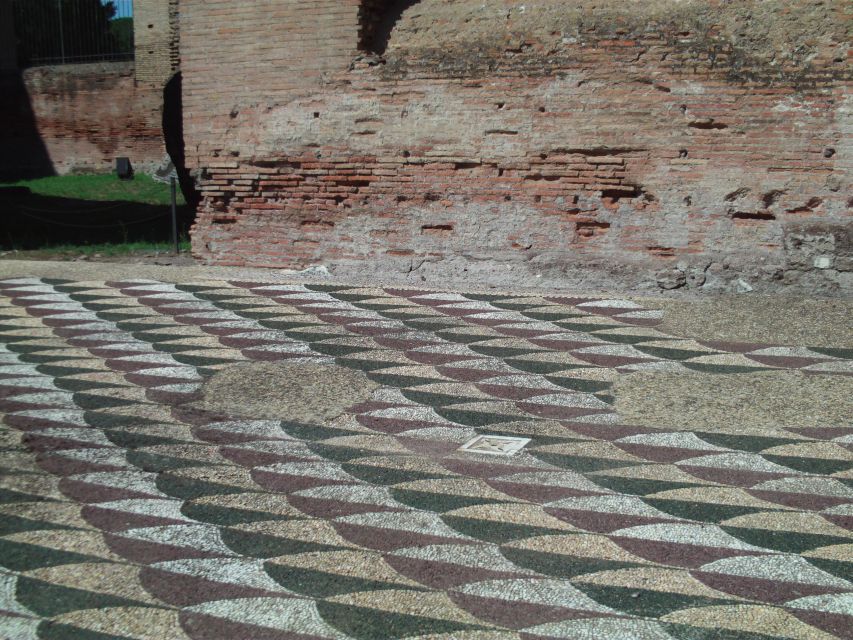
- Mosaic floor fragments and other architectural details that reward close looking
- Built between 212 and 217 AD, with a capacity of about 1,500 people at once—your guide brings the scale alive
- Private group pacing that works well for couples and families
Baths of Caracalla: the Rome stop that feels less rushed
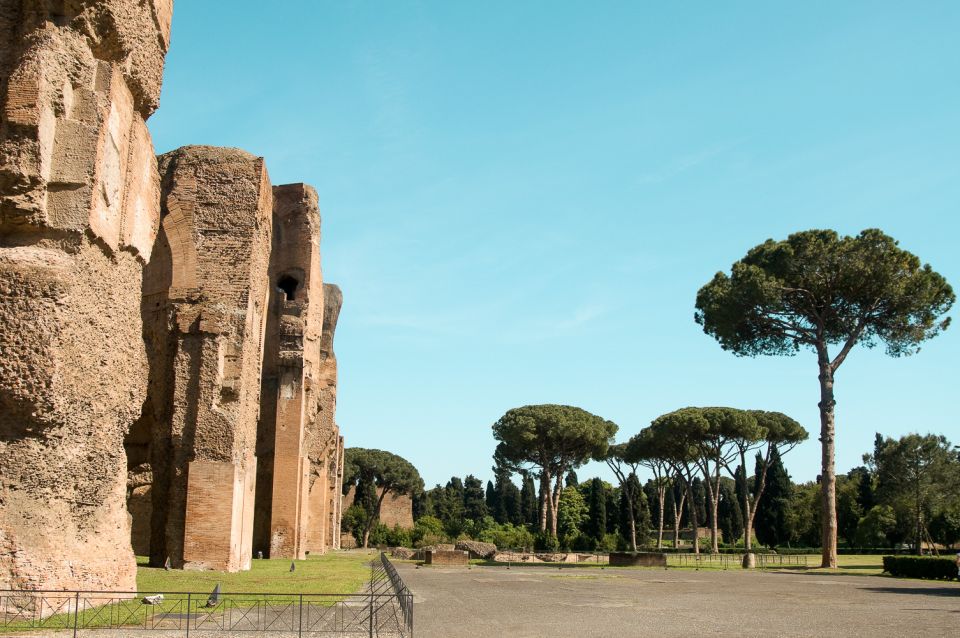
The Baths of Caracalla aren’t always the first “must-do” on a Rome trip, but they’re an excellent choice if you want something iconic without the nonstop crowd energy. Compared with the big blockbuster sites, Caracalla gives you space to think. You’re looking at a monumental complex meant for everyday Roman life—bathing, exercise, strolling in public gardens, and even reading—so the ruins don’t feel like a museum display. They feel like a working city inside a city.
What makes this tour particularly appealing is the private format. You’re not squeezed into a big group rhythm where the guide has to speed up to keep everyone together. Instead, an English live guide leads you through the remains at a pace that makes the details land. The result is that you actually understand what you’re seeing.
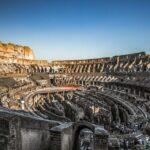
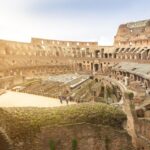
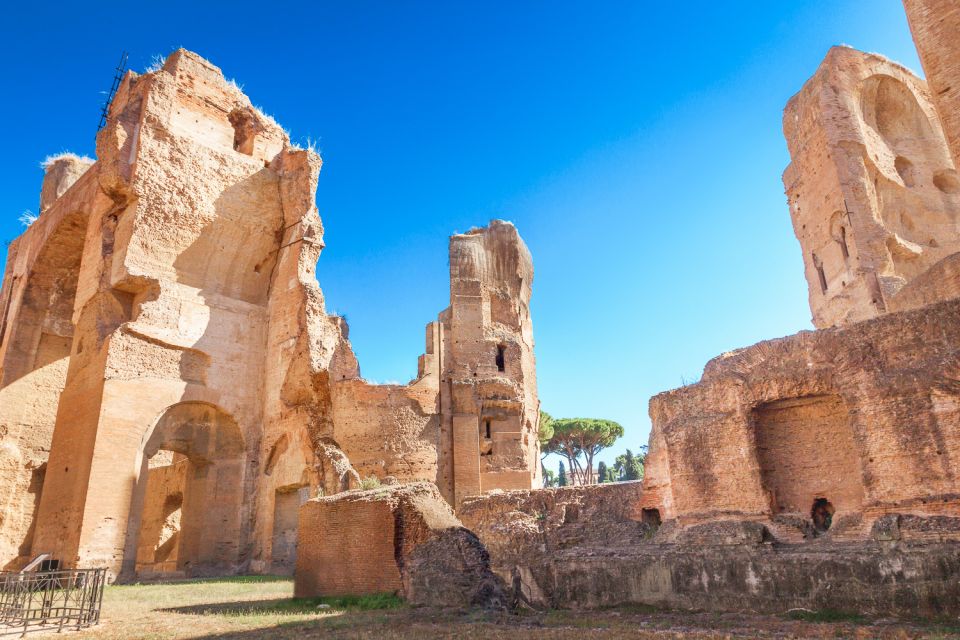
And yes, the site is genuinely impressive on its own. You’re walking among the stays of massive Roman engineering: vaulted rooms, porticoes, and surviving traces of the systems that once warmed the bathing spaces. Even if you only have about an hour or two here, the right guide turns it into a complete picture.
You can also read our reviews of more tours and experiences in Rome



A quick picture of what you’re really touring (212–217 AD)
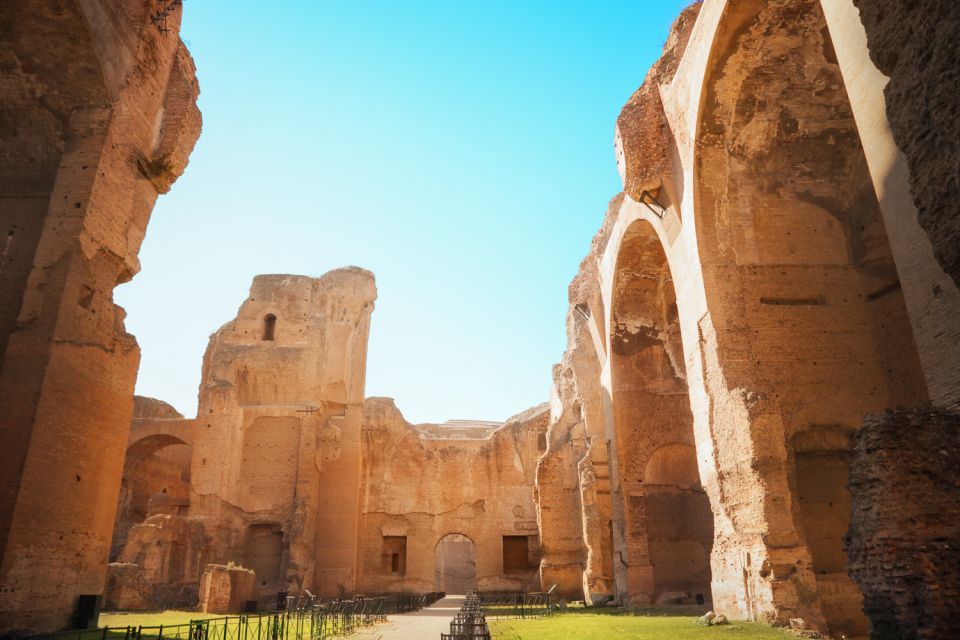
This is a Roman baths complex from the early third century, built between 212 and 217 AD during the reigns of Septimius Severus and Caracalla. That date range matters because it places the site in the same era as Rome’s peak confidence in public building projects—huge scale, heavy investment, and a strong belief that city life should include shared civic spaces.
The baths could hold up to about 1,500 people at any one time, which is a mind-bender when you’re standing in the ruins. Your guide helps you picture the flow: the baths weren’t only for getting clean. The complex also included a library, a gym, and public gardens. So when you look at a surviving architectural fragment—like part of a heating setup—you can also imagine the daily “schedule” visitors would have had: exercise, soak, socialize, then wander.
I also like that the tour frames the site as a whole, not a list of disconnected wall remnants. Caracalla works best when you understand it as a complete system: architecture, movement, and function all tied together.
Meeting at Viale delle Terme di Caracalla: start smoothly, not hurried
Your tour begins at the entrance to the Baths of Caracalla on Viale delle Terme di Caracalla. That meeting point is convenient because it keeps the focus where it should be—right at the ruins. There’s no need to build your own plan for getting there and managing ticket lines before you even start learning.
Once you’re inside the experience, the timing is designed for a focused visit. The activity is listed at about 1.5 hours, and the guided portion is also described as a guided visit (with a typical guided tour time shown in the schedule details). Either way, you should expect a short, high-impact walk with stops built around key features.
Also note what you’re paying for: the tour includes tickets and entrance fees plus a private walking tour with an English live art historian guide. In practice, that means you spend your energy on the site—not on sorting logistics or trying to figure out what to look for first.
If you like an easy start to your day, this kind of “arrive and go” format helps. You show up, meet the guide, and get into the story right away.
Inside the ruins: mosaics, heating systems, and huge vaulted rooms
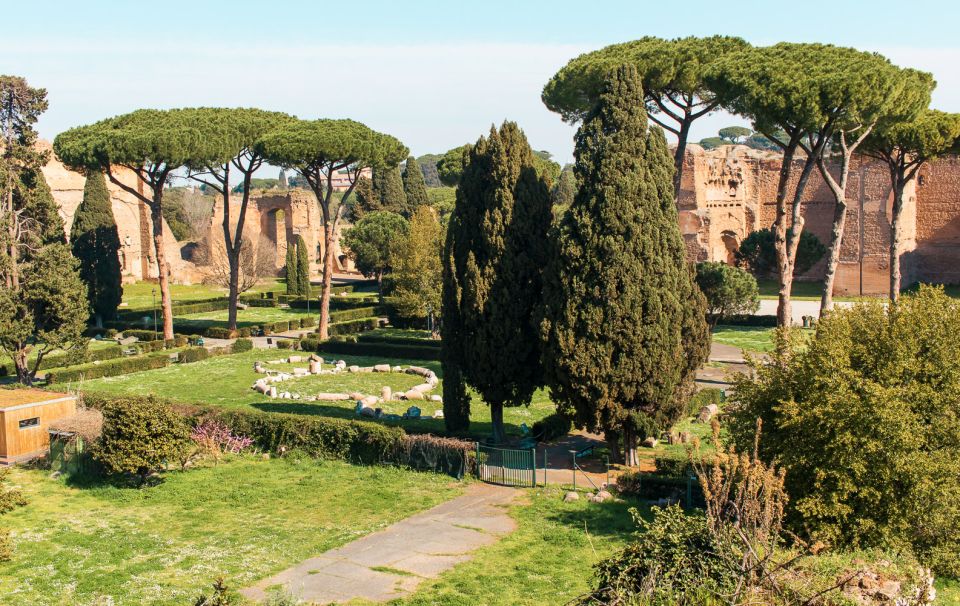
This is where the tour earns its keep. The Baths of Caracalla are famous for their size, but ruins can be tricky: from a distance, it’s easy to see “big” and miss “specific.” A guided approach helps you locate the details that tell you how the baths worked.
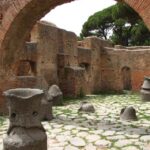
You’ll spend time exploring remains of the second largest public baths of Ancient Rome, including areas where the design still feels like a machine. The tour highlights parts of the heating system, which is one of the best ways to understand how Romans turned architecture into comfort. You’re not just staring at walls—you’re learning what those systems were built to do.
You’ll also see traces of mosaic floor fragments. These are the moments that make the site feel human. Floors are where you imagine footsteps and daily routines, and surviving mosaic bits give you a sense of what visitors’ experiences might have looked like—pattern, texture, and craftsmanship.
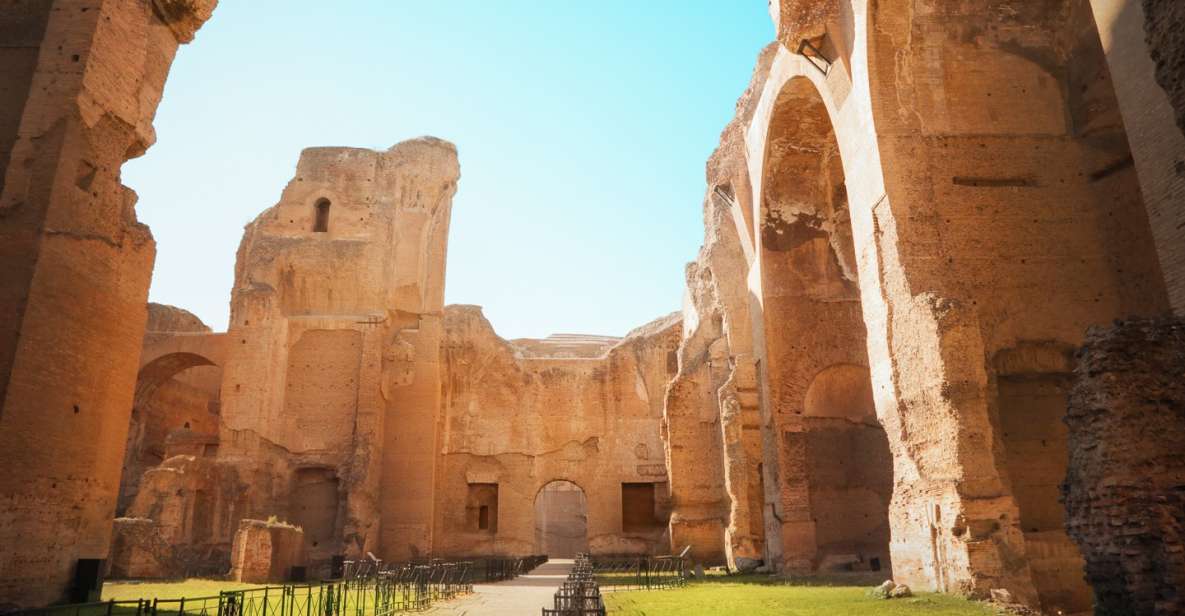
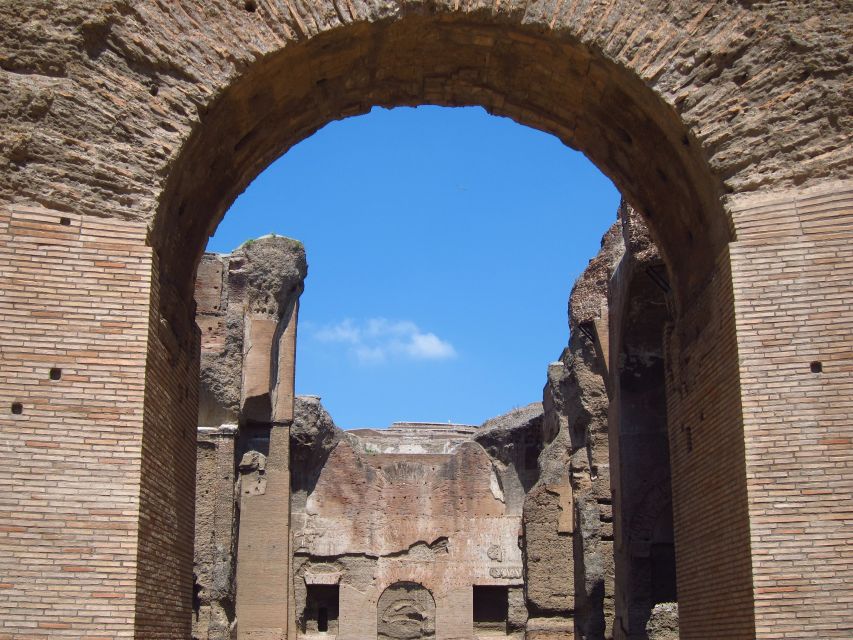
Another key feature is the sheer drama of the ruins: imposing vaulted rooms and porticoes. When you understand the purpose of those spaces, they stop being “cool-looking arches” and start becoming stages in a larger civic routine.
One more smart point: your guide frames the complex as something that served more than bathing. As you move through the site, the library, gym, and garden idea gives you a lens for how Romans used public architecture for culture, fitness, and leisure.
Why an art historian guide changes everything here
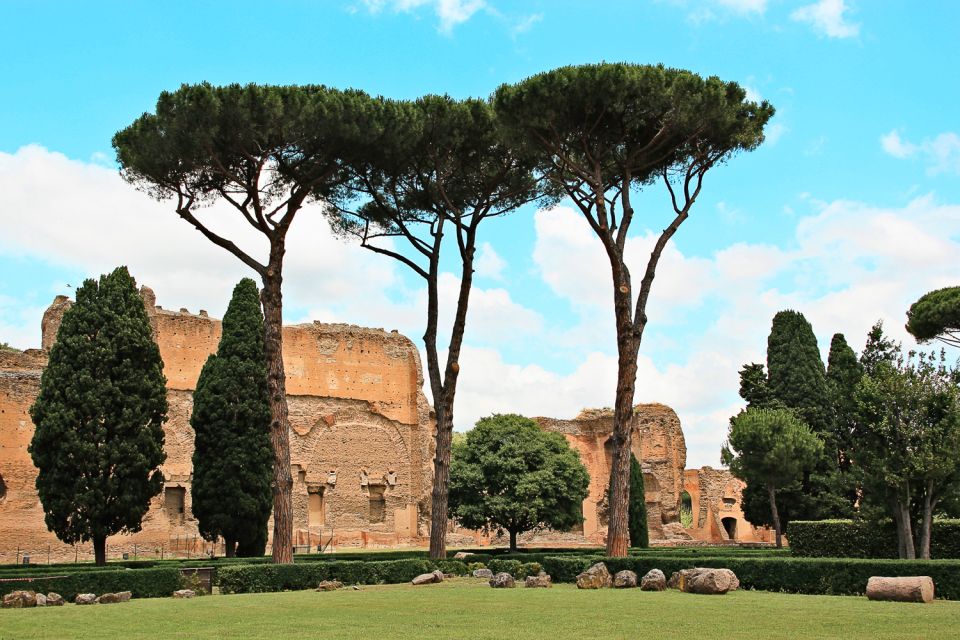
A lot of Roman ruins are interesting even without context. But Caracalla is the kind of place where context makes the experience feel complete. That’s exactly why this tour emphasizes an art historian guide, not just a general sightseeing narrator.
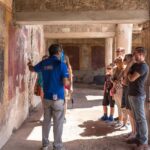
In the best-guided versions of this visit, you get “how to look” teaching. The guide uses historical and architectural references to explain why the remains look the way they do. And it’s not only dates and names; it’s the logic of the design—how people moved, where activities would happen, and how the building’s features supported daily life.
The guide approach has also been praised for being friendly and responsive. English-speaking guides such as Emilio, Evy, and Justine have been specifically noted for turning the baths into an experience people can follow—whether you’re traveling as adults or bringing a child (one past experience praised how well the visit worked with an 8-year-old).
That matters because Caracalla can feel abstract if you only know the headline: “public baths.” With an art historian’s approach, it becomes a place where you can connect function to form, and ruins to routines.
You can also read our reviews of more guided tours in Rome



Itinerary flow: what you’ll do in the 1.5-hour window
The tour keeps things simple: meet at the entrance, explore the baths, then return to the meeting point.
At the start, you’re positioned right at the entrance on Viale delle Terme di Caracalla, which helps you get oriented fast. The guide then leads you into the main visit, where you’ll focus on the most meaningful remains. This is not a long slog through every corner of the site. It’s a targeted walk designed to show the features that best represent Caracalla’s scale and design.
The core stop is the Baths of Caracalla guided visit. That’s where the majority of the time goes, and where you’ll focus on the architecture and details: the vaulted rooms, porticoes, mosaic fragments, and parts tied to the heating system. The guide’s job here is to keep those details from becoming random fragments of stone.
At the end, you return to the entrance meeting point. For travelers, that’s a real plus. You don’t have to guess how long you’ll want to stay or worry about re-navigating the area when the visit is done. You finish where you started, with the sense that you didn’t miss the key parts.
Value for money: why this price can make sense
At $191.45 per person, this isn’t a budget add-on. But value in Rome isn’t only about paying less—it’s about paying for time and clarity.
You’re paying for:
- Private format (so the pacing stays comfortable)
- An English live art historian guide
- Tickets and entrance fees included
- A skip-the-ticket-line approach to reduce waiting
For me, the biggest value driver is the guide. Baths of Caracalla reward attention. If you go on your own, you might see impressive ruins but struggle to connect them to daily life, building function, and why certain structures matter. With this format, you’re essentially buying a translator for the site—someone who can show you how to read the remains.
This can also be a smarter use of time if you’re combining Caracalla with other major Rome sights. The visit is short enough to work into a packed day, but structured enough that you still walk away with a clear understanding instead of just photos.
Smart planning tips: what to bring and how to dress
This experience is very practical in what it asks of you.
Bring:
- Passport or ID card
- Comfortable shoes (seriously)
Wear smart casual if you can. The site is outdoors and you’ll be walking, so prioritize comfort over fashion.
Avoid bringing:
- Luggage or large bags
- Walking frames
- Weapons or sharp objects
Also plan for a moderate amount of walking over ancient surfaces. If you like long, flat strolls with no footing surprises, this may not be your ideal match. But if you’re comfortable with uneven ground and want a high-quality guided experience, it’s a good fit.
Who should book this private Baths of Caracalla tour?
Book this if you want:
- A private visit with a guide who can explain architecture and daily-life context
- An English experience that makes the site feel coherent in a short time
- A Rome stop that includes more than just “big ruins,” with details like mosaics and heating-system elements
It also makes sense for families, especially if your child is curious and you want explanations that keep things understandable. The tour is described as suitable for the whole family, and past experiences praised guides for making the story work even with kids.
Where you might hesitate: if you need a very slow, minimal-walking experience, the ruins plus the time window may feel like too much.
Should you book this tour?
I’d book it if you’re aiming for understanding, not just sightseeing. The combination of private pacing, an English art historian guide, and ticket + entrance fees included is the kind of setup that turns Baths of Caracalla into a story you can follow.
If your priority is the absolute cheapest way to see the baths, then skip the private guide. But if you want your time here to feel focused and rewarding—even with moderate walking—this is a strong choice. I’d also grab it knowing it includes a skip-the-ticket-line approach, plus free cancellation up to 24 hours in advance and a reserve-now/pay-later option for flexibility.
FAQ
How long is the Baths of Caracalla private guided tour?
The activity is listed as about 1.5 hours, and the guided tour portion is shown in the schedule details. Check available starting times for the exact timing of your slot.
Where do I meet the guide?
You meet at the entrance to the Baths of Caracalla on Viale delle Terme di Caracalla. The tour ends back at the same meeting point.
Is the tour private?
Yes. It’s a private group tour with a live English guide.
What’s included in the price?
The price includes a private art historian tour guide, a private walking tour, and tickets and entrance fees. Food, drinks, and hotel pickup/drop-off are not included.
Can I skip the ticket line?
Yes. This tour includes skip-the-ticket-line entry.
What should I bring or wear?
Bring a passport or ID card and wear comfortable walking shoes. Dress code is listed as smart casual.
Is it wheelchair accessible?
One part of the info says the activity is wheelchair accessible, but another note lists it as not suitable for wheelchair users. I’d confirm directly with the provider before booking so you know what to expect for your situation.
Should you bring the kids?
It’s described as suitable for the whole family, and the tour has been praised for working well with at least one young child.