REVIEW · ROME
Roman Vegetarian Food Tour
Book on GetYourGuide →Operated by walkingourmet · Bookable on GetYourGuide
Seasonal vegetarian Rome, in good shoes. This 2.5-hour walk through Lazio-style eating is built around seasonal produce and a 100% private guide mindset, so every stop feels tied to the neighborhoods you’re passing. You’ll taste your way through classic Roman flavors—then you’ll see how Sicilian pastry and Jewish-Roman ingredients fit naturally into the same city-day.
I especially like the way the tour mixes food with context: you’re not just collecting snacks, you’re learning why they show up when they do. One thing to factor in: alcoholic beverages aren’t included, so if you want wine pairings, you’ll need to plan for them separately.
In This Review
- Key things I’d circle on the booking page
- Roman Vegetarian food, where seasons do the talking
- Giordano Bruno Statue start: a route that makes sense
- Campo de’ Fiori and the Jewish ghetto: food stories with real neighborhood grounding
- Seasonal Roman bites: from wheat to fried comfort
- Jewish-Roman artichokes: when fusion is the whole point
- Cheese’n’Pear: a pairing lesson you’ll remember
- Sicilian patisserie in Rome: cannoli pistacchio and ricotta
- Best gelateria and real Italian espresso: finish like a local
- Homemade chocolate: a top-awarded patisserie moment
- What you’re really paying for: $81 for 2.5 hours that connects the dots
- Who should book (and who should ask questions first)
- Practical timing and pace tips before you go
- Should you book the Roman Vegetarian Food Tour?
- FAQ
- Where does the tour start?
- How long is the Roman Vegetarian Food Tour?
- What languages is the guide available in?
- Is this a small group tour?
- What’s included in the price?
- Is alcohol included?
- Is the tour wheelchair accessible?
- What if I need to cancel?
Key things I’d circle on the booking page
- Private guidance for up to 10 people: you get real attention, not a walk-and-rush experience.
- Season-first Roman cooking: the tastings are framed around what’s at its best right now.
- Campo de’ Fiori to the Jewish ghetto vibe: history and food stories go together on this route.
- Jewish-Roman flavors, including artichokes: you’ll taste a specific cultural fusion that shaped Rome’s cuisine.
- Sicilian pastry stops in Rome: cannoli pistacchio and ricotta bring a different island-style sweetness.
- Gelato and espresso as actual stop-worthy moments: not an afterthought, but a planned finale.
Roman Vegetarian food, where seasons do the talking
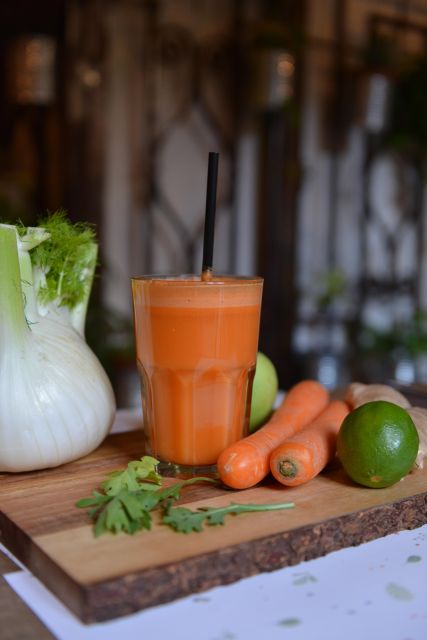
Rome’s food reputation is loud about meat, but the best vegetarian meals here aren’t second-best. They’re smart. They’re practical. They’re built on the idea that when ingredients are good, you don’t hide them behind tricks.
That’s why I like how this tour is framed as a seasonal walking experience. You’re tasting vegetables as the main event, not as a side concept. Expect foods and pairings that show Roman resourcefulness—turning humble stuff into something you’d happily eat again the next day.
The tour also leans into cross-cultural Rome. Jewish-Roman cooking shows up with dishes like Jewish-Roman artichokes, and Sicilian dessert shows up too. So even though it’s vegetarian-forward, it still feels like real Rome—messy, mixed, and delicious.
You can also read our reviews of more food & drink experiences in Rome

Giordano Bruno Statue start: a route that makes sense
You meet at the Giordano Bruno Statue. From there, the tour is designed for walking through central Rome neighborhoods you’ll recognize fast—especially the stretch tied to Campo de’ Fiori and the Jewish ghetto area.
The practical win here is that you’re not just wandering. The guide uses the streets as the syllabus. As you move, you get explanations of how the food connects to the neighborhood and to the calendar—what locals would be eating when.
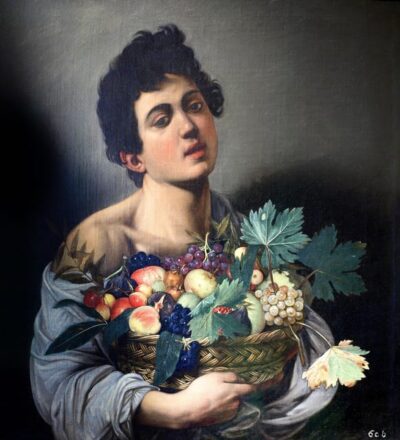
You’ll also want to be ready for a little art detour. On some departures, the guide includes stops inside churches with notable paintings. That’s not random sightseeing. It’s part of how the guide teaches Rome: food, then place, then story.
Campo de’ Fiori and the Jewish ghetto: food stories with real neighborhood grounding
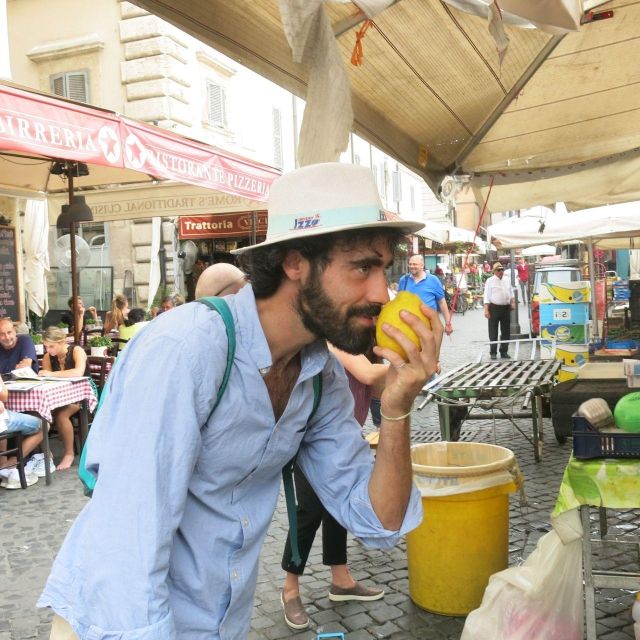
The most praised part of this tour is how the guide ties food to place. Guides have focused on the Campo de’ Fiori area and the walk through Rome’s historic Jewish quarter, with plenty of explanation on what you’re tasting and why that cuisine exists where it does.
When a guide does this well, the city gets clearer in your head. You stop seeing Rome as a postcard and start seeing it as a patchwork of communities that traded ingredients, techniques, and habits over centuries. And because you’re tasting as you learn, the information sticks.
If you get a guide like Vincenzo, you may spend time building understanding of Campo de’ Fiori and the Jewish ghetto, with vegetarian tastings that come with solid next-stop recommendations. Other guides (like Orso, Viola, or Lana) have also been noted for mixing food history with neighborhood legends and practical suggestions for where to eat after the tour.
That means you leave with two kinds of value: the tastes you’ve already had, and the map in your brain for finding more.
Seasonal Roman bites: from wheat to fried comfort
Roman cuisine loves structure: bread, grains, and simple sauces. Even when the tour is vegetarian-focused, you’ll see wheat-based food show up in comforting ways.
One tasting example includes Roman pizza Rosso—a reminder that pizza isn’t always about topping overload. It’s about the base. Wheat done right becomes a platform, not just a vehicle.
Another example is suppli, those crisp-edged fried rice bites that feel like street-food comfort without trying too hard. They also make sense on a winter-style visit because they’re warm, filling, and easy to eat while walking.
Then there’s the fun part: veggie specialties served in Roman fashion. You might encounter fried zucchini blossom with cheese—and here’s the one caution you should note. In at least one described menu, that blossom included anchovy alongside cheese. The tour is vegetarian-focused, but if you avoid seafood, ask the operator or your guide ahead of time so you don’t get surprised.
This is the kind of moment where the private guide earns their keep: they can help you navigate what’s in each bite and how it fits the dish tradition.
Jewish-Roman artichokes: when fusion is the whole point
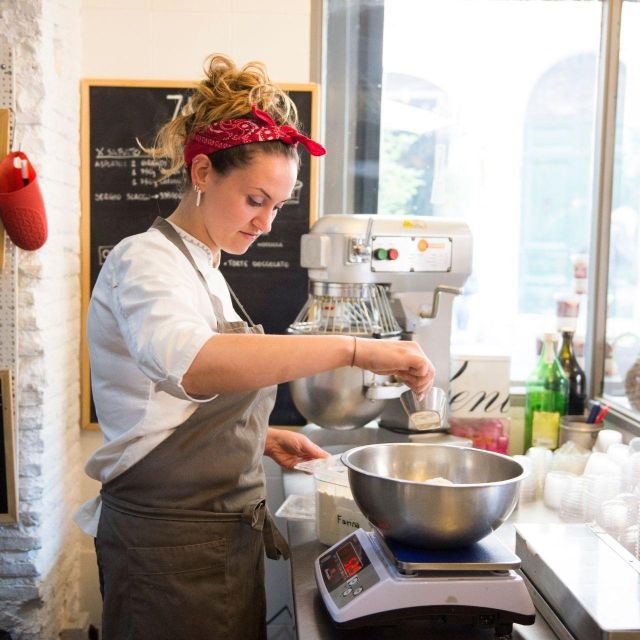
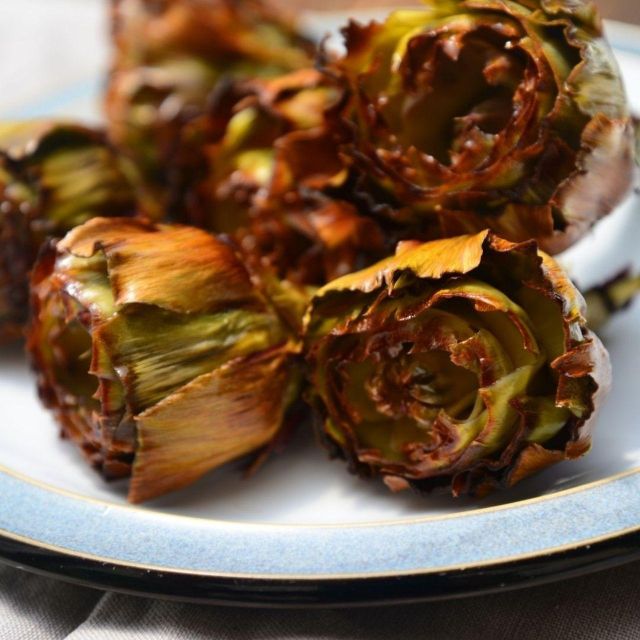
Jewish-Roman artichokes aren’t just a food item. They’re a lesson. This is where you taste a culinary fusion that reflects two communities sharing the same city for generations.
Artichokes are a classic vegetable choice in Rome because they’re seasonal and bold in flavor without needing a meat crutch. In the Jewish-Roman tradition, they also show how cuisine travels and adapts. The result is a dish that feels both Roman in technique and distinct in character.
I like that the tour doesn’t treat these flavors as a curiosity. It frames them as part of the city’s identity—something you can understand by watching neighborhoods overlap and by paying attention to what’s culturally specific versus what’s purely local.
You can also read our reviews of more tours and experiences in Rome


Cheese’n’Pear: a pairing lesson you’ll remember
One pairing called out on this tour is Cheese’n’Pear. It sounds simple, but that’s exactly the point. When a guide explains the why, you start tasting it differently.
Think of it as sweet meets savory, with pear giving freshness and cheese providing backbone. This pairing works because the flavors don’t compete; they trade roles. If you’ve ever had a mismatch that just felt wrong, this type of careful pairing is the opposite. It teaches your palate how to read the ingredients.
I also like that this stop is positioned like a practical kind of wisdom—echoing how farmers and local food logic shape what’s eaten. That makes the pairing feel less like a marketing gimmick and more like real Italian eating: seasonal goods treated with respect.
Sicilian patisserie in Rome: cannoli pistacchio and ricotta
Then the tour tilts toward dessert. You’ll stop for Cannoli pistacchio and ricotta, described as coming from a standout Sicilian patisserie.
Sicily and Rome don’t feel the same. Sicily is louder with flavors and more playful with sweets. Patisserie like this shows how a single pastry tradition can travel and still feel at home in Rome’s food scene.
Cannoli isn’t just about crunch. Pistachio adds a nutty depth that doesn’t drown the ricotta; the ricotta keeps the bite creamy and balanced. The guide’s job here is to help you notice how texture changes your perception. One bite feels like pastry architecture. The next feels like a creamy pause.
This is also one of those stops that makes the tour feel worth the time. You’re not leaving with just savory snacks. You’re getting that full Italian rhythm: salty first, then sweet, then coffee.
Best gelateria and real Italian espresso: finish like a local
A walking food tour in Rome works best when it ends with two things Romans take seriously: gelato and espresso.
You’ll get to seek out the best gelateria in town, and the framing matters. The guide talks about authenticity—how the cream and texture are the point, not the gimmick. That’s why you should pay attention to how the gelato feels, not just how it tastes. Real gelato has body. It melts slowly. It doesn’t taste watered down.
Then comes coffee: the tour highlights real Italian espresso with a blend suited to a bold, robust Roman style. If you’re picky about espresso (or if you just want to stop guessing where to get the good cup), this part is a strong payoff.
And yes, it helps that coffee makes all those rich bites feel lighter.
Homemade chocolate: a top-awarded patisserie moment
Before the final coffee landing, you’ll hit a stop tied to top-awarded patisseries and homemade chocolate.
Chocolate in Italy can be surprisingly specific—where it’s sourced, how it’s tempered, what it tastes like when it hits your tongue. This stop is about smell as much as flavor. If you’ve ever stood in front of a chocolatier’s window and wondered why it feels like the whole street smells better, that’s what this kind of handmade stop does.
It’s also a smart middle-course between gelato and espresso. Chocolate gives you a deeper sweetness; espresso cuts it cleanly. Together they make the tour feel like a planned arc instead of a random collection of snacks.
What you’re really paying for: $81 for 2.5 hours that connects the dots
At $81 per person for 2.5 hours, the cost can look straightforward until you see what’s included and what the stops are aiming at. You’re not just paying for food. You’re paying for a private guide, multiple tastings, and the explanation that makes the city legible.
Included items list:
- 100% private guide
- Snack
- Coffee and/or Tea
- Bottled water
Notably, alcohol isn’t included, so this tour keeps the price stable and keeps the focus on flavor and craft.
For value, I’d think of it like this: in Rome, a great tasting at a good shop is rarely cheap. This tour strings together multiple quality stops, so your money buys breadth—savory, veggie-centered bites, pastry, gelato, and coffee—plus the context that makes each stop feel connected.
Who should book (and who should ask questions first)
This tour fits best if you:
- Want a vegetarian-focused Rome experience that still feels fully Italian, not like a compromise
- Like learning as you eat, including seasonality and neighborhood connections
- Prefer small groups (limited to 10 participants) with a guide who can answer questions
- Want strong dessert and coffee stops, not just appetizers
You should ask questions ahead of time if you:
- Avoid all seafood. One tasting example described a dish with anchovy even on a vegetarian-focused tour. Confirm what’s included for your specific dates and tastes.
It’s also good for mobility planning: the tour is listed as wheelchair accessible, and it runs in a compact central walking window.
Practical timing and pace tips before you go
Two and a half hours sounds easy. In Rome, it can still feel like you’re out long enough to enjoy dinner afterward—but you’re not stuck for half a day.
Because you’ll be eating along the way, plan to treat this tour as a meal starter. Wear comfortable footwear. Bring a light layer; winter air in Rome can change by the hour.
And if you’re a picky eater, don’t go quiet. The tour’s whole style is guided tastings. A good guide can help you steer toward what works for you.
Should you book the Roman Vegetarian Food Tour?
Yes—if you want vegetarian eating that’s built on Roman seasons, smart neighborhood context, and real dessert-and-coffee stops. This is the kind of tour that helps you stop thinking of Rome food as meat-first and start seeing the vegetable classics as the point.
Book it especially if you like tours with a narrative thread. The route from Campo de’ Fiori through the Jewish ghetto area, plus the way the guide connects dishes like Cheese’n’Pear, Jewish-Roman artichokes, and Sicilian cannoli into one day, is exactly how you get value beyond food.
Skip or ask extra questions if you strictly avoid seafood—because at least one described tasting included anchovy. And skip if you’re hoping for wine pairings included with your snacks, since alcoholic beverages aren’t part of the package.
If that all checks out, this is a strong use of 2.5 hours in Rome: tasty, educational, and focused on the kind of details that make future meals easier.
FAQ
Where does the tour start?
The meeting point is the Giordano Bruno Statue.
How long is the Roman Vegetarian Food Tour?
It lasts 2.5 hours.
What languages is the guide available in?
The guide is available in English, French, German, Italian, and Spanish.
Is this a small group tour?
Yes. It’s a small group limited to 10 participants.
What’s included in the price?
Included are a 100% private guide, snack, coffee and/or tea, and bottled water.
Is alcohol included?
No. Alcoholic beverages are not included.
Is the tour wheelchair accessible?
Yes, the tour is listed as wheelchair accessible.
What if I need to cancel?
You can cancel up to 24 hours in advance for a full refund.