REVIEW · ROME
Rome: Capuchin Crypt to Pantheon Tour
Book on GetYourGuide →Operated by Estaalia · Bookable on GetYourGuide
Bones, coins, and domes in two hours. This Capuchin Crypt to Pantheon walk takes you from a bone-filled underground chapel to one of ancient Rome’s most impressive buildings, with Trevi Fountain right in the middle. What makes it a smart pick is that it’s paced like a story, not like a checklist: macabre art, a classic photo stop, and then real architectural wow-time.
I especially like that you get entry tickets handled for both the Capuchin Crypt and the Pantheon, which keeps the time tight. I also like the live guide support in English, Spanish, or French, which matters when you only have two hours and want the meaning behind what you’re seeing. The main drawback to plan around: the tour is a lot of walking with a fast flow, and a couple of guests reported that the guide’s pace or language comfort wasn’t consistent on every departure.
In This Review
- Key Things I’d Actually Plan For
- Capuchin Crypt: what you’ll see under Rome’s skin
- Trevi Fountain on a walking route: how to time your coin moment
- Pantheon: from pagan temple to church and mausoleum
- The guide experience: where quality really shows in two hours
- Price and value: is $82 worth it?
- Timing, walking comfort, and what to pack
- Who should book (and who should skip)
- Should you book the Rome Capuchin Crypt to Pantheon Tour?
- FAQ
- How long is the Rome Capuchin Crypt to Pantheon tour?
- How much does the tour cost?
- What is included in the tour ticket?
- Is food and drinks included?
- Does the tour include hotel pickup and drop-off?
- Does this tour skip the ticket line?
- What languages are the tours offered in?
- Do I need to bring anything specific?
- Are luggage or large bags allowed?
- What clothing is not allowed?
- Is the tour cancellable?
Key Things I’d Actually Plan For
- Skip-the-line entry for both major sites (Capuchin Crypt and Pantheon)
- Trevi Fountain stop with the classic coin moment built into the route
- A live guide in English, Spanish, or French to connect the dots
- Capuchin Crypt rules can be stricter than you expect, especially for anything extra you bring
- Two hours means you’ll move quickly—go in ready for highlights
Capuchin Crypt: what you’ll see under Rome’s skin
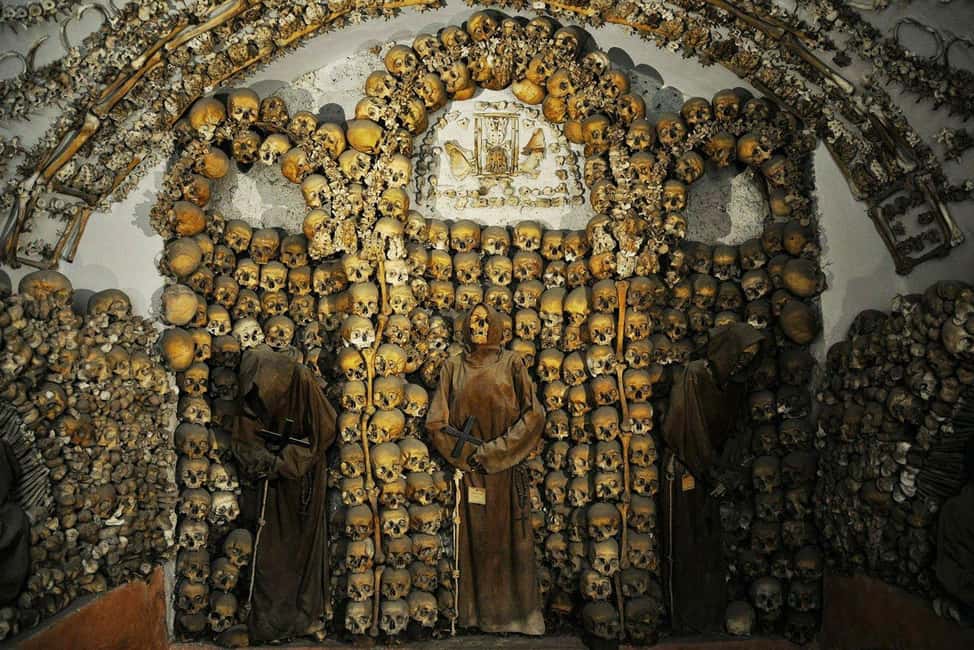
The Capuchin Crypt isn’t just spooky. It’s unusually art-minded for something that starts with bones. You’ll enter with your ticket and follow your guide through the rooms where human remains are arranged in a way that feels both unsettling and carefully designed. It’s the kind of place where you get why people write legends about Rome: the emotional punch comes fast, and the details keep pulling you back.
Two practical things make a big difference here.
First, expect silence and space pressure. This is an indoor stop, and the crypt is built for viewing, not wandering. If you like slow looking, you’ll need to work with the group pace.
Second, check your assumptions about audio. One guest was disappointed that an audio guide wasn’t accepted inside the crypt area. The safe move is simple: don’t count on being able to use your own add-ons once you’re inside—follow signage and the guide’s lead.
If you want to make this stop click, ask your guide what you’re looking at before you move too far. Bones-as-art can feel random unless you know what categories or symbolism they’re pointing out. When your guide frames it, the crypt shifts from shock value to meaning.
You can also read our reviews of more tours and experiences in Rome.

Trevi Fountain on a walking route: how to time your coin moment
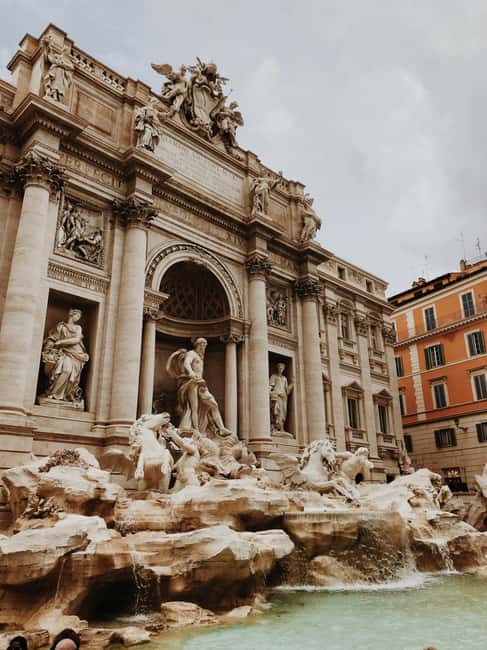
Right after the Capuchin Crypt’s underground chill, Trevi Fountain feels like the sky opens. That contrast is part of the tour’s design. You’ll reach Trevi Fountain as you walk Rome’s streets, with your guide explaining what’s going on around the fountain so it doesn’t become only a photo stop.
Here’s the value of including Trevi Fountain in a structured tour: you’ll understand it as a cultural landmark, not just a busy landmark. The guide approach helps you spot why people care about this specific corner of Rome and why it became tied to the coin ritual everyone talks about.
And yes, you’ll toss a coin. You don’t need a long ceremony for that moment. What you do need is timing. Go in ready to take your photo quickly and then step back. Even on a short tour, you can lose time if you treat Trevi like a museum gallery. Let your guide steer you, then grab your shot without blocking others.
If you’re prone to sprinting from stop to stop, Trevi Fountain is where you’ll want to slow down for 30 seconds. The fountain is busy, but it’s also one of those places where small details reward a closer look—statues, water flow, and the way the whole scene is composed.
Pantheon: from pagan temple to church and mausoleum
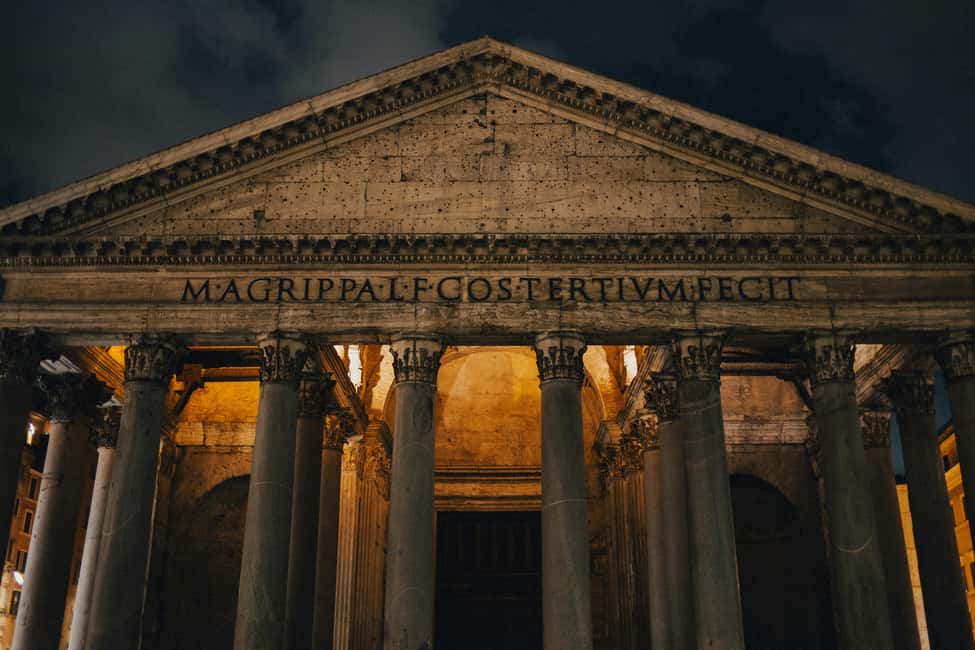
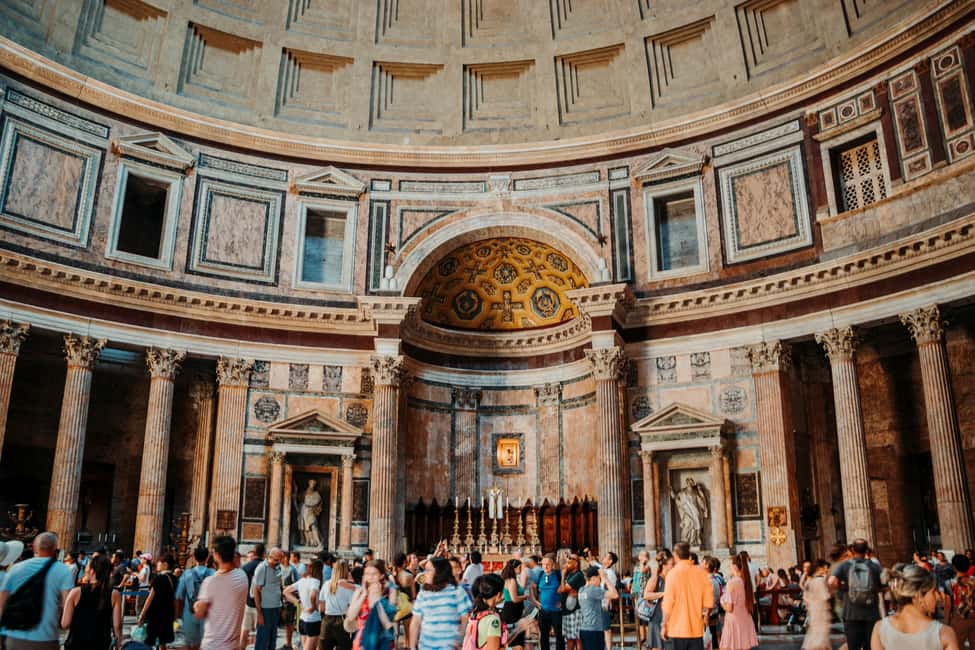
Then comes the payoff: the Pantheon. You’ll reach it at the end of the route, with tickets included and a guide ready to translate what you’re seeing into history you can actually keep.
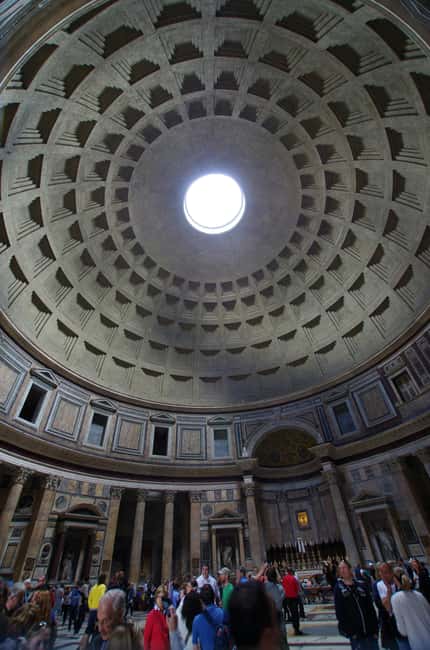
The Pantheon dates to 25–27 B.C., and that time anchor matters. This building still feels modern in how well it’s engineered, which is why it remains a must-see. Originally dedicated to gods of pagan Rome, it later became a church and mausoleum. That transformation is one of the most interesting threads your guide can pull together because it shows how Rome kept reusing sacred space across centuries.
What I’d focus on inside:
- The scale of the interior: it’s not just big, it’s controlled.
- How light behaves under the dome: it’s dramatic even if you don’t know the technical reasons.
- The sense of continuity: the building changes function, but the core identity stays.
A short tour means you won’t have hours to roam, but you can still get a lot if you pay attention to what your guide points out. If you’re the type who likes to understand why a place looks the way it does, this is the stop where the guide’s effort shows most.
One thing to keep in mind: a couple guests mentioned the guide leaving them at the Pantheon due to an unexpected situation involving Vatican activity. That’s not something you can predict or control, but it’s a reminder that on a walking day in Rome, flow can change. The best defense is also simple: keep close to your group and don’t fall behind during transitions.
The guide experience: where quality really shows in two hours
This tour rises or falls on the guide. And the good news is that multiple departures got praised for clear explanations and friendly guidance. Names that came up include Fabiana, Sarah, and Estefania, with guests specifically appreciating how well the guide connected the story between sites.
When a guide does their job right, you end up with a “thread” from stop to stop:
- Capuchin Crypt becomes more than shock.
- Trevi Fountain becomes more than a crowd.
- The Pantheon becomes more than a famous building photo.
When a guide doesn’t match expectations, you feel it fast—especially with only two hours on the clock. At least one guest noted difficulty understanding French on their departure. Another mentioned the pace moving too quickly and ending attention abruptly.
So here’s how you can protect your experience even if your guide isn’t perfect:
- Pick the language you’re most comfortable with (English, Spanish, or French).
- Come with a couple personal goals, like understanding why the Pantheon converted to a church or what makes the crypt’s arrangements meaningful.
- Ask one question early. If the guide is engaged, you’ll feel it right away. If not, you’ll still salvage something by steering your own focus.
No tour can guarantee every minute goes smoothly, but a good guide makes the time count.
Price and value: is $82 worth it?
At $82 per person for a 2-hour guided walk, the biggest value question is what you’re buying beyond “a nice stroll.”
You’re getting:
- Entry ticket to the Capuchin Crypt
- Entry ticket to the Pantheon
- Skip-the-ticket-line access for those key entries
- Live guide in English, Spanish, or French
- Trevi Fountain included on the route
In practical terms, this pricing is aiming at convenience plus interpretation. If you tried to do this on your own, you’d still pay for two separate major entrances and you’d spend extra time sorting timing, finding entrances, and working out what matters inside.
For many visitors, the value isn’t just money. It’s control of your day. Rome can eat time: lines, finding the right door, and the mental load of figuring out which building you’re looking at. This tour reduces those hassles so you can spend your brainpower on the story.
Is it a “cheap” option? No. But with two timed-entry sites plus a guide translating the meaning, it lands in the “fair price” category if you like guided context. If you prefer a fully self-paced day with more time at each stop, you might feel two hours is tight. But if you want the highlights connected, this looks like a good deal.




Timing, walking comfort, and what to pack
This is a walking tour, and the activity info is clear: comfortable shoes are a must. You’ll be moving through city streets and then into sites where standing and viewing are the main activities.
Dress rules matter too:
- No short skirts
- No sleeveless shirts
That’s not just about politeness. It can affect whether you’re allowed to enter.
Also: no luggage or large bags. So travel light. If you’re carrying a day pack, keep it small enough that you’re not stressed in tight spaces.
One more practical tip: bring your patience for transitions. Capuchin Crypt to Trevi Fountain to Pantheon is an emotional and sensory jump—bones, then water and crowds, then monumental architecture. The guide’s pacing helps, but you’ll enjoy it more if you’re ready for that rhythm.
Who should book (and who should skip)
This is best for people who:
- Want three Rome highlights in a short window
- Like having a guide explain what you’re seeing
- Are comfortable walking for about two hours
- Prefer group momentum over planning logistics
It’s not a fit for people with mobility impairments or wheelchair users, based on what the tour is set up to do.
If you’re traveling solo, that can be fine too—as long as you keep close to the group. One guest was traveling alone when they struggled with guide language clarity. So if you’re solo, I’d choose the language carefully and be proactive about asking questions early.
Should you book the Rome Capuchin Crypt to Pantheon Tour?
If you want a compact Rome day where the stops connect—macabre art to iconic fountain to the Pantheon—you’ll likely enjoy this. The skip-the-line benefit, plus two included entry tickets, makes the cost easier to justify. And when the guide is on form, the story linking these places can turn a fast day into something you remember.
I’d hesitate only if you’re very sensitive to pace. Two hours is tight, and you should be comfortable with moving on quickly. Also, make sure your chosen language is your strongest option so you catch the details.
If that sounds like your style, book it. You’ll get three of the city’s headline experiences without spending your day fighting logistics.
FAQ
How long is the Rome Capuchin Crypt to Pantheon tour?
It lasts 2 hours.
How much does the tour cost?
The price is $82 per person.
What is included in the tour ticket?
You get an expert guide, entrance to the Capuchin Crypt, entrance to the Pantheon, and a visit to the Trevi Fountain.
Is food and drinks included?
No. Food and drinks are not included.
Does the tour include hotel pickup and drop-off?
No. Hotel pickup and drop-off are not included.
Does this tour skip the ticket line?
Yes. It includes skip-the-ticket-line entry.
What languages are the tours offered in?
The live guide is available in English, Spanish, and French.
Do I need to bring anything specific?
Wear comfortable walking shoes.
Are luggage or large bags allowed?
No. Luggage or large bags are not allowed.
What clothing is not allowed?
Avoid short skirts and sleeveless shirts.
Is the tour cancellable?
Yes. You can cancel up to 24 hours in advance for a full refund.