REVIEW · ROME
Castel Sant’ Angelo: The most famous Fortress of Rome
Book on GetYourGuide →Operated by Vivicos International Travel · Bookable on GetYourGuide
Rome’s fortress view is hard to beat. Castel Sant’Angelo mixes tomb, prison, and papal escape history, and you get straight to the action with skip-the-line entry. What I like most is the chance to pause for the Angel’s Terrace views and explore at your own pace without feeling rushed. One thing to plan for: the optional audioguide needs a smartphone plus headphones, and you’ll want to download it before you start if you want it ready offline.
Built in Roman times as Emperor Hadrian’s tomb, this castle later became a papal fortress, and that theme hits fast once you’re inside. You’ll also see why popes used it as a last-resort route, connected to the Vatican Palace by an upper walkway. Even the building’s “prison and execution” role gives the whole visit a darker edge that makes the history feel real, not like a lecture.
I also love the way the castle’s past comes with names you recognize. Benvenuto Cellini and Cagliostro aren’t just footnotes here; they’re part of the prison story you walk through. The flip side is that you’ll be moving through stairs and corridors as you go, so wear shoes you trust for a couple hours on stone.
In This Review
- Key points before you go
- Castel Sant’Angelo: tomb, prison, and papal escape in one stop
- How the 2-hour visit stays fun (instead of feeling like a race)
- Papal Rooms: where Rome’s politics becomes architecture
- The Spiral Staircase: expect a climb, not a stroll
- Hall of Hadrian’s Ashes: the emotional center of the story
- Angel’s Terrace: the postcard view you can walk into
- Audioguide options: languages, offline listening, and what you must have
- Price and value: what you’re really paying for
- Small print that can save your day
- Who this fits best (and who should choose something else)
- Should you book this Castel Sant’Angelo experience?
- FAQ
- How long is the Castel Sant’Angelo visit?
- What ticket options are offered?
- Is a live guide included?
- What’s included if I choose the audioguide?
- Do I need a smartphone for the audioguide?
- What identification do I need to bring?
- Are fast track tickets available for the same day?
Key points before you go
- Skip-the-line entry via a separate entrance helps you use your 2 hours well
- Angel’s Terrace is the payoff moment for city views
- Hadrian to popes: tomb roots, papal rooms, and a prison/escape story in one place
- Must-have for audio: smartphone and headphones, and plan to download if needed
- Nominative ticket requires full names for all participants
Castel Sant’Angelo: tomb, prison, and papal escape in one stop

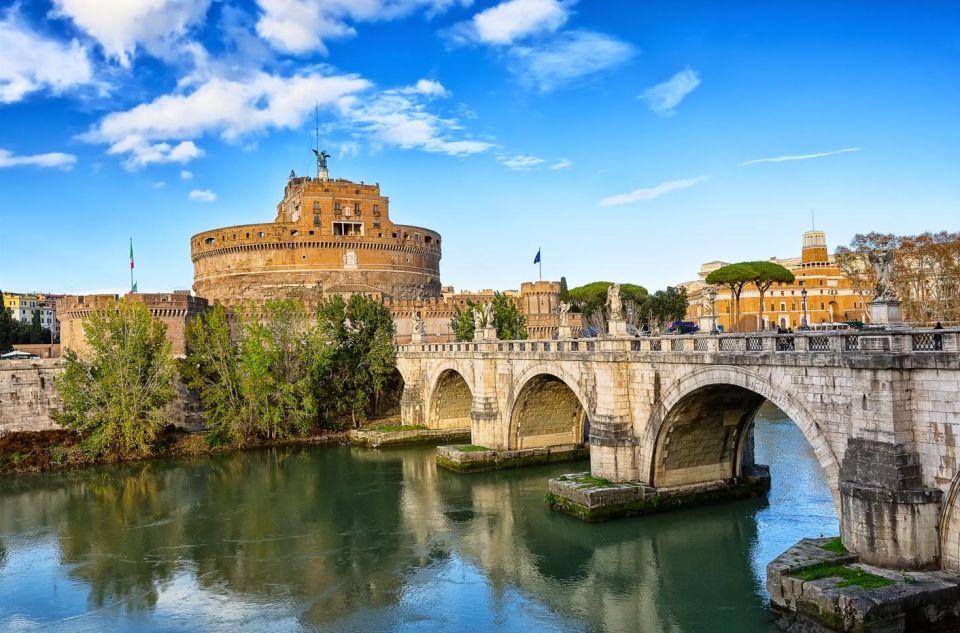
Castel Sant’Angelo is one of those Rome sights that feels like it has multiple lives. It starts as a Roman monument: built as the tomb of Emperor Hadrian. Later, in the early Renaissance, it gets reshaped into a papal fortress, turning it into a place the popes could defend and even use as an escape option if danger came knocking.
That shift matters because you don’t just “look at a building.” You read its purpose as you move. Roman power sits beneath papal strategy. And the castle’s darker function adds weight: it houses prisons and even a place associated with executions. If you like your monuments with real stakes, this one delivers.
You’re also not stuck with one kind of space. You’ll pass through rooms tied to the popes, climb portions of the castle’s interior, and then end in a viewpoint that feels like Rome’s best kind of reward: open air after enclosed history.
You can also read our reviews of more tours and experiences in Rome.

How the 2-hour visit stays fun (instead of feeling like a race)
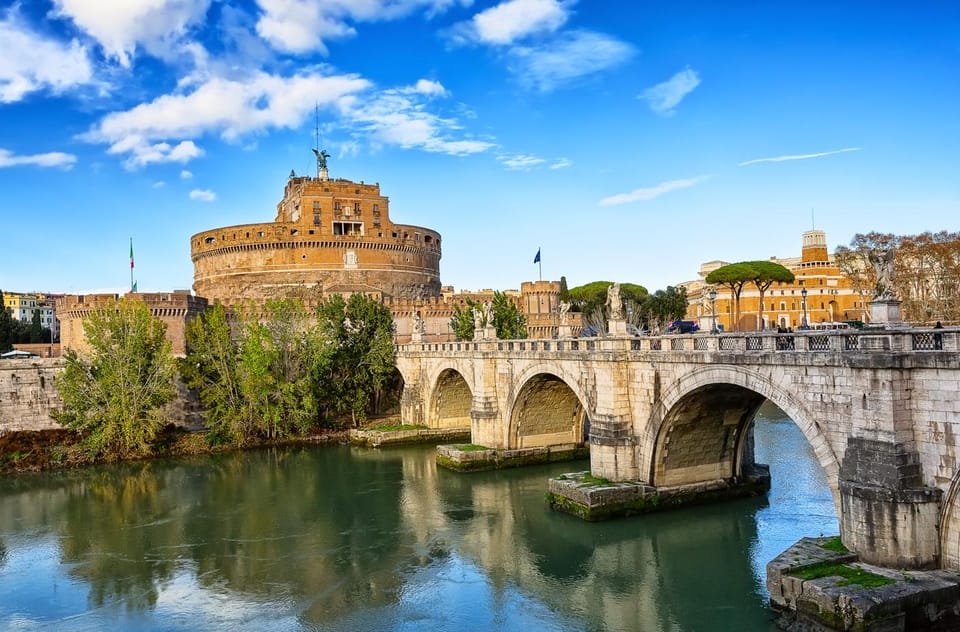
This experience is built around a valid 2 hours window, and it works best if you treat it like “walk and pause,” not “speedrun.” The visit is designed so you can explore the Papal Rooms, the main staircase route, the Hall connected to Hadrian’s ashes, and then the terrace, all at a comfortable pace.
Entry is the practical win. You get skip-the-line access through a separate entrance, which usually means less time parked in a crowd and more time inside enjoying what you paid for. You’ll still need time to look carefully, though. Rome rewards the slow reader in the group.
Meeting point can vary depending on the ticket option you pick. So before you go, double-check your confirmation for the exact starting location. If you arrive at the wrong gate, you’ll waste minutes that could be spent climbing toward the views.
Also, remember what’s included and what isn’t. There’s no live guide included here. That’s not automatically bad. It just means the experience is more self-directed, and the audioguide (if you choose it) becomes your “talking companion.”
Papal Rooms: where Rome’s politics becomes architecture
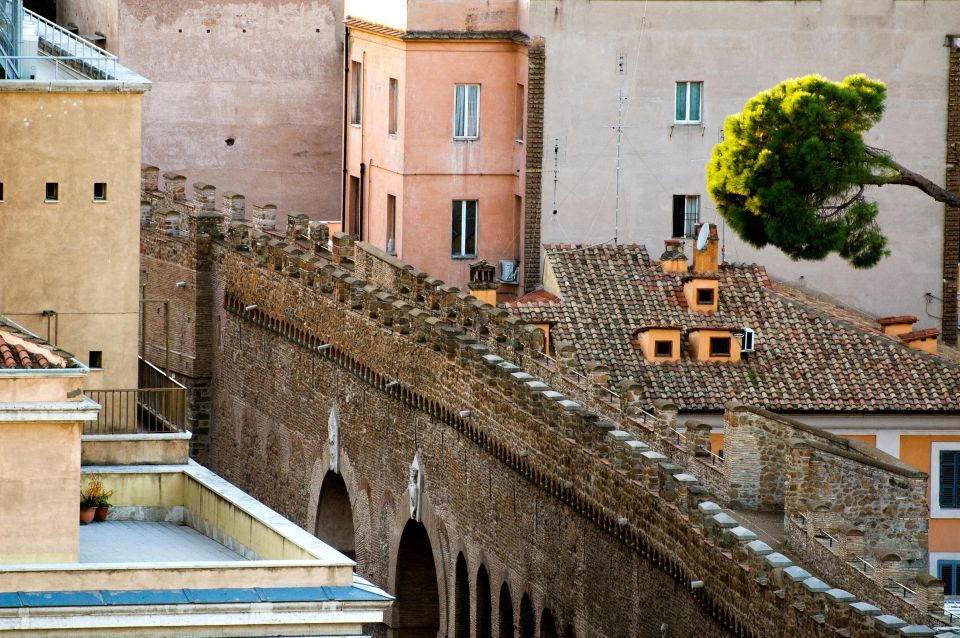
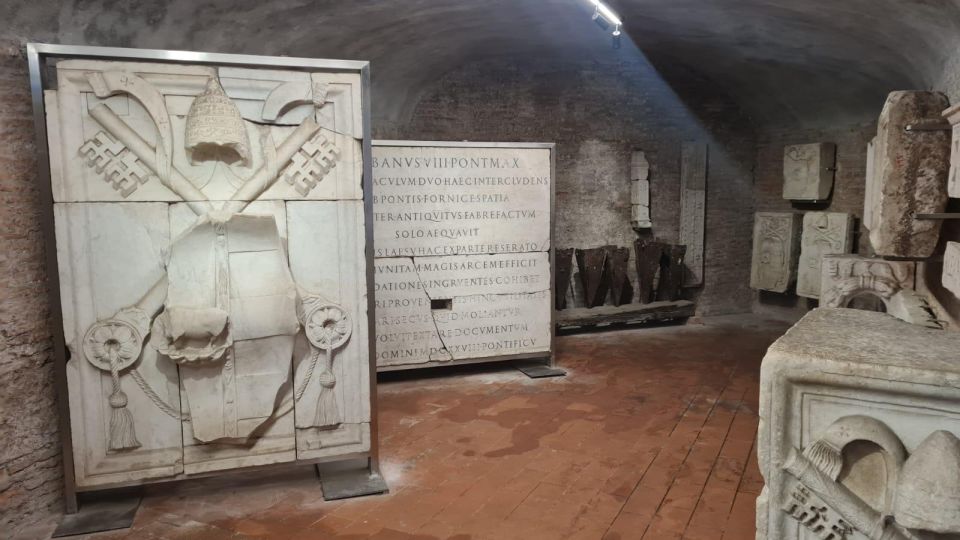
Once you’re inside, you’ll visit the Papal Rooms. This is where you feel the fortress shift from Roman monument to papal stronghold. Even without a live guide, you can get a lot out of walking these rooms slowly, because they connect the building’s job to the way it’s laid out.
Think of it like this: the Roman tomb story is about imperial presence. The papal story is about control—who holds the keys, literally and politically. The rooms are part of that message.
A practical note: rooms mean you might be reading signs while standing still. Give yourself a small buffer so you’re not constantly checking your watch. In a 2-hour window, it helps to decide early that you’ll do fewer stops, better, rather than every single doorway at full sprint.
The Spiral Staircase: expect a climb, not a stroll
You’ll go through the Spiral Staircase as part of the route. This isn’t a token step. It’s a real architectural feature, and it helps explain how the castle functions as a vertical fortress.
If you’re the type who likes photos, this is where you’ll naturally start shooting. Spiral staircases turn even boring lighting into “found-cinema” angles. But the bigger value is wayfinding: once you’re on the stairs, the castle stops feeling like a museum and starts feeling like a defensive layout.
Wear sturdy shoes. That’s not drama; it’s just smart. The route involves stairs and stone surfaces, and you’ll probably move faster on the staircase than you think you will when you’re enjoying the views ahead.
Hall of Hadrian’s Ashes: the emotional center of the story
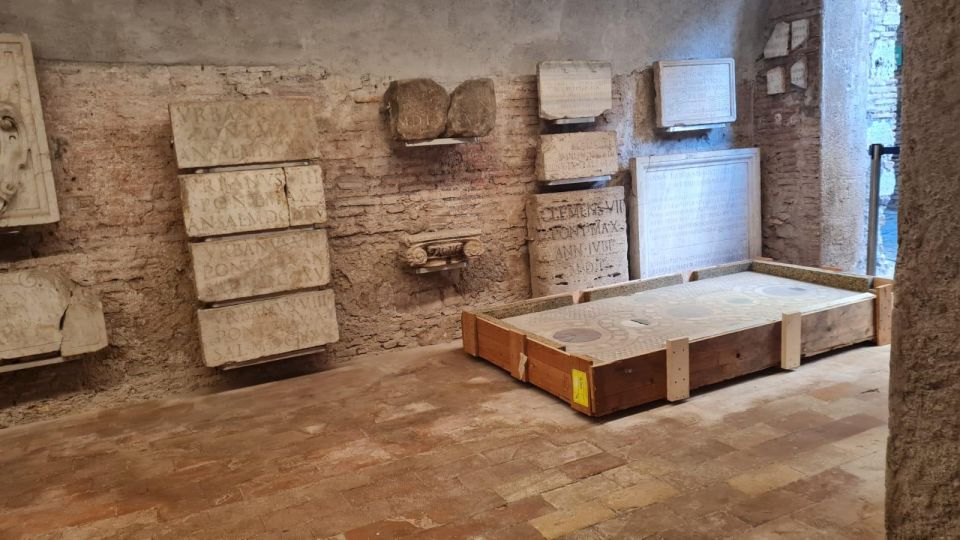
Next comes the Hall of Emperor Hadrian’s Ashes. This is the moment where the entire building’s identity clicks. You’re not in a modern building that happened to have a historic vibe. You’re inside the tomb legacy that the later fortress used and reshaped.
Even if you’re not a history buff, this stop gives you a quiet, heavier pause. The story here is about an emperor’s final chapter, later repurposed by generations who needed a stronghold more than a mausoleum.
If you have limited time, don’t rush past. A minute here pays off later because it gives context for everything else you see in the castle.





Angel’s Terrace: the postcard view you can walk into
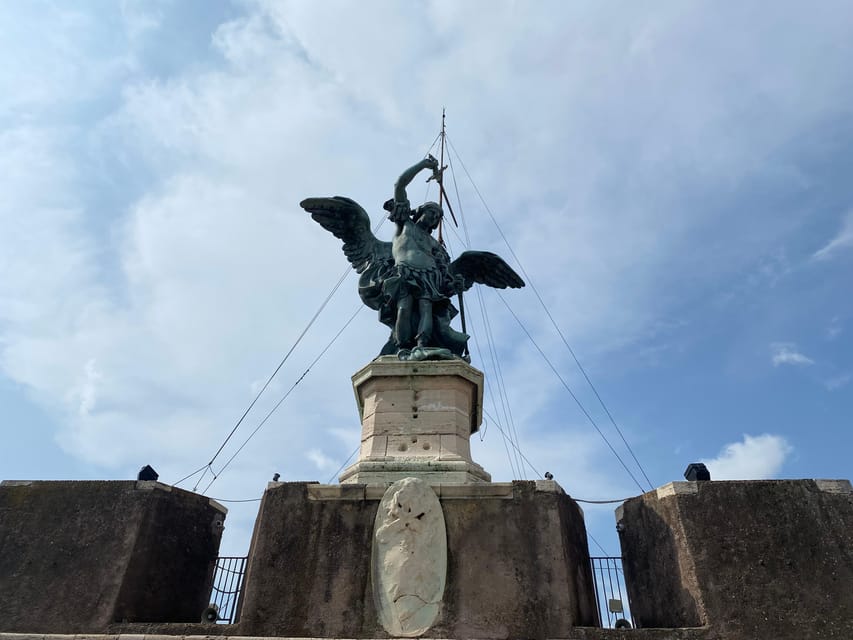
Then you reach the payoff: Angel’s Terrace. The views are called out for a reason, and it’s one of those places where the castle becomes a viewing platform for Rome itself.
This is where I’d slow down on purpose. Don’t just take one photo and move on. Pause, look around, and let your eyes catch what changes as you rotate. Rome’s layout can be confusing from street level, but from a terrace you can start sorting neighborhoods and landmarks into a mental map.
It’s also a good spot to “reset” after indoor rooms and stair climbing. If you want the best value from your time, plan to spend your last 15–30 minutes here, not halfway through the building.
Audioguide options: languages, offline listening, and what you must have
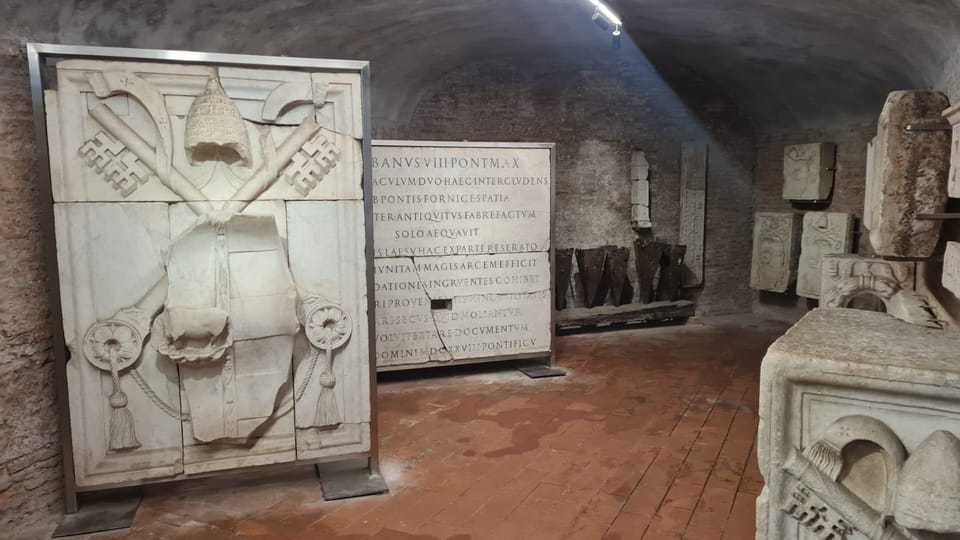
The optional audioguide is a big part of making Castel Sant’Angelo work for people who are visiting without a live guide. You can choose audio in several languages: Spanish, French, Italian, English, German, and Chinese.
Here’s the practical catch: you must have a smartphone and headphones to use it properly. And if you choose the audio option, you should download it before you start while you have Wi‑Fi. After it’s downloaded, the audioguide works without Wi‑Fi.
That sounds small, but it’s the difference between a smooth visit and awkward dead silence. You don’t want to be standing at the first room trying to “make the app cooperate” while everyone else is already moving.
Also, double-check your setup before you enter. If you’re traveling with friends or family and you’re buying multiple audioguides, make sure each participant’s access is correct. There’s a lesson hiding in the feedback: audio delivery can be messy if your order doesn’t line up with what you expect on the day.
Price and value: what you’re really paying for

The price listed for this experience is $39 per person, and the visit lasts about 2 hours. The castle’s entrance ticket cost is €16 per person, with extra charges for service and processing fees.
So is it worth it? Usually, yes—if you value three things:
- Time saved from skip-the-line entry
- A structured self-visit that gets you through the highlights without waiting around
- Optional audioguide if you like explanations as you walk
You’re not getting a live guide here. That’s also part of the value equation. If you prefer a human guide to answer questions, you’ll need a different type of tour. But if you enjoy drifting through sites at your own speed and want audio guidance, this format fits well.
Based on the overall ratings, many people found it straightforward and easy. There are also occasional friction points around audio access and ticket usability. That doesn’t mean it’s unsafe or useless. It just means you should be careful: keep your confirmation details handy, and if you buy audio, make sure you can access it before you fully commit your time inside.
Small print that can save your day
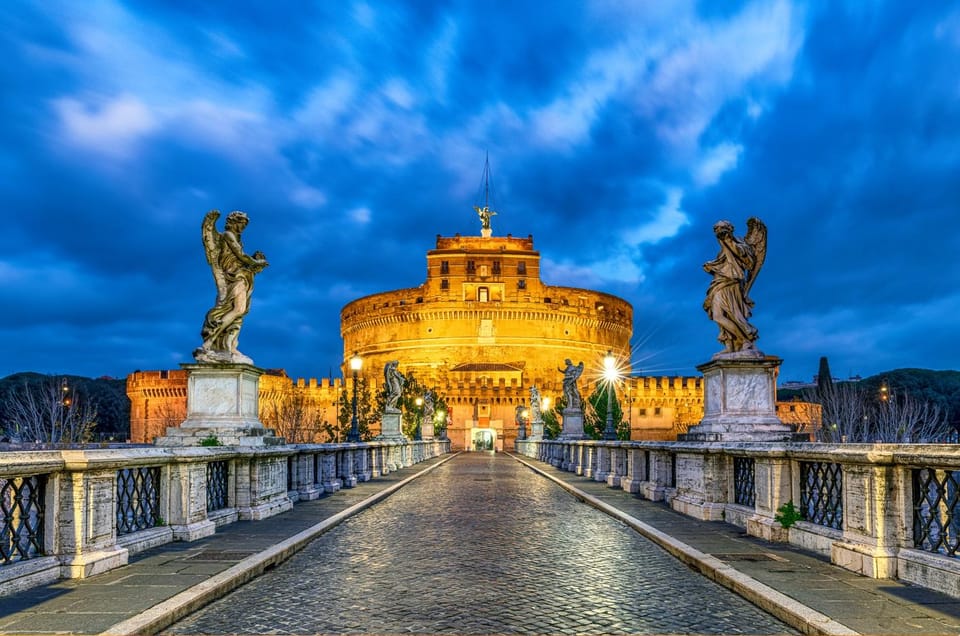
A few rules here are worth treating like checklists, not fine print.
First: this is a nominative ticket. That means you must include all participants’ full names for the entrance purchase. If the names don’t match, you can hit issues at entry.
Second: bring passport or an ID card. Simple, but don’t assume you’ll be able to improvise.
Third: plan around restrictions. Weapons or sharp objects aren’t allowed. Baby strollers aren’t allowed. Luggage or large bags aren’t allowed. Pets are not allowed (assistance dogs are okay). You can’t treat Castel Sant’Angelo like a place to carry your entire trip wardrobe.
Fourth: if you’re considering a fast track option, remember that Fast Track Tickets must be booked at least one day before your visit. Same-day fast track isn’t guaranteed by this info, so plan ahead if that’s your priority.
Who this fits best (and who should choose something else)
This visit is a strong match if you:
- Want one of Rome’s big landmarks with self-paced exploration
- Care about viewpoints and want time to linger at Angel’s Terrace
- Like history that moves from empire to papal power to prison life
- Prefer audio explanations over a live guide
It’s not as great if you:
- Expect a live guide as part of the experience (it isn’t included)
- Need stroller access (baby strollers are not allowed)
- Hate smartphone-based audio logistics (you’ll need headphones and a working audio setup)
If you’re traveling with kids, note the no-stroller rule and the staircase route. If you’re traveling with mobility constraints, you’ll want to think carefully based on how much climbing you can handle—this data doesn’t spell out step-free access, so don’t assume.
Should you book this Castel Sant’Angelo experience?
I’d book it if you want a practical 2-hour plan with skip-the-line entry and a high-likelihood payoff at the terrace. The building’s story—Hadrian’s tomb becoming a papal fortress, with prisons and even famous prisoners like Benvenuto Cellini and Cagliostro—keeps the visit feeling alive rather than static.
Skip it or switch plans if you need a live guide, or if you’re the kind of traveler who doesn’t want to manage a smartphone audioguide download before you start. And if you’re buying audio for multiple people, do yourself a favor: confirm each access works before you enter, so you’re not stuck troubleshooting with limited time inside.
FAQ
How long is the Castel Sant’Angelo visit?
The experience is valid for 2 hours. You can check availability for starting times.
What ticket options are offered?
There are different ticket options for Castel Sant’Angelo. If you select the right option, you can include the entrance ticket and an audioguide.
Is a live guide included?
No. A live guide is not included.
What’s included if I choose the audioguide?
If you select the audioguide option, the audioguide is included. The language options listed are Spanish, French, Italian, English, German, and Chinese.
Do I need a smartphone for the audioguide?
Yes. The audioguide requires a smartphone and headphones to work properly. If you have the audio option, download it before you start when you have Wi‑Fi; after that, it works without Wi‑Fi.
What identification do I need to bring?
Bring a passport or ID card.
Are fast track tickets available for the same day?
Fast Track Tickets must be booked at least one day before your visit.
If you want, tell me your travel month and whether you plan to add the audioguide. I can suggest how to pace the 2 hours so you end in the right place at the right time.