REVIEW · ROME
Popes and Artists: sex, lies and betrayals in the 1600s
Book on GetYourGuide →Operated by Roman Art and History · Bookable on GetYourGuide
Rome had a dirty sense of humor. This walk through 1600s Rome turns Bernini and Caravaggio into living characters, not textbook names, as you move from Trevi-area streets to Baroque churches tied to real stories of competition and power. I especially like that the tour pairs the big landmarks with genuinely “secret” side streets, and I also like the way the guide explains why the Caravaggio trilogy at San Luigi dei Francesi comes with a wild backstory. One drawback: it’s a walking-heavy route, so it’s not suitable for people with mobility impairments, and you’ll want comfortable shoes.
What makes it work is the format: a small group capped at 10, with a live guide in English or Italian, and enough time at each stop to actually connect art to the drama around it. The whole thing is priced at $59 per person for about 2.5 hours, and that includes entrance to churches plus guided painting context—so you’re not just passing by doors and hoping the art makes sense on its own.
In This Review
- Key highlights you’ll feel fast
- A 1600s Rome story that actually walks through the scenes
- Where you start: Via della Stamperia and a real art-student vibe
- Trevi Fountain to Piazza di Pietra: starting with fame, then turning the corner to intrigue
- Sant’Ignazio di Loyola: Baroque art in a church that feels like it has opinions
- Pantheon and Raphael’s tomb: where fame becomes history’s paperwork
- San Luigi dei Francesi: Caravaggio’s trilogy and the story behind the paint
- Piazza Navona: where rivalry turns into public spectacle
- Piazza Fiammetta and the House of Fiammetta: love, duels, and a surprise shift to the 1500s
- What $59 buys you (and why it’s not just a cheap add-on)
- What to wear, what to bring, and how to make it easier on yourself
- Who this tour is best for
- Should you book? My practical take
- FAQ
- How long is the tour?
- How much does it cost?
- Where do we meet?
- What’s included?
- What languages are offered?
- Is there a dress code or anything I should bring?
Key highlights you’ll feel fast
- Baroque artists as characters, not museum labels
- Secret streets between major squares, walking you through the 1600s feel
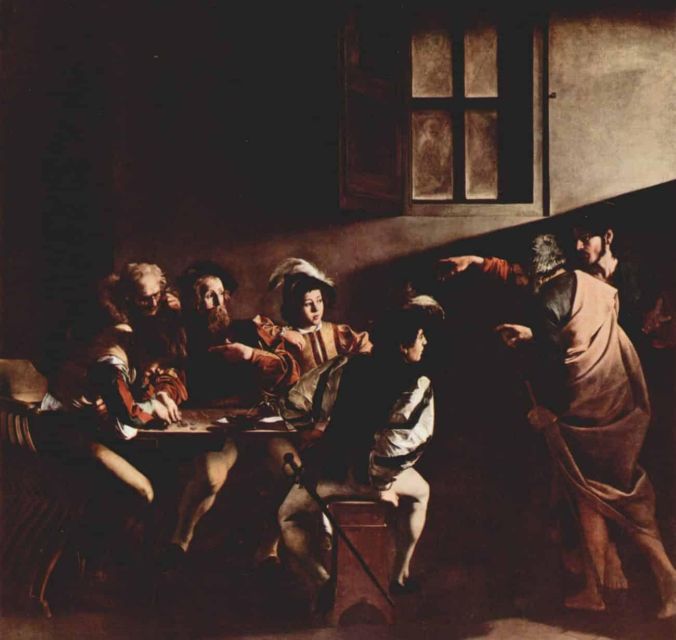
- Caravaggio’s work explained in context, including the story behind the trilogy
- Pantheon + Raphael’s tomb, tied into the broader art-and-power theme
- Piazza Navona rivalry angle, with duels and competition in the public eye
- Final stop at Piazza Fiammetta, where love stories and street-level legend mix
A 1600s Rome story that actually walks through the scenes
This isn’t a typical “stand here, look there” route. The premise is simple and fun: Baroque-era artists were surrounded by Popes, cardinals, patrons, rivals, courtesans, and rumors that could swing a career. You’re basically following the social web behind the masterpieces.
And because you’re walking, the story lands differently. Rome isn’t laid out like a museum floor plan. Instead, you’re moving through the same kind of narrow lanes, small piazzas, and church courtyards where influence, gossip, and power would have felt close enough to touch.
I also like the tone: the tour treats the scandals like part of the art story, not like cheap entertainment. You’re offered fights, betrayals, passion, and competition—but always tied back to why the artists mattered to the people who paid attention.
You can also read our reviews of more tours and experiences in Rome.

Where you start: Via della Stamperia and a real art-student vibe
You meet at Via della Stamperia, 72, right in front of the Accademia S. Luca Academy of Painting. That’s a smart start point because it sets expectations early: you’re not just sightseeing Rome’s famous images, you’re tracing the lives of people who trained, competed, and got noticed through their work.
The group stays small—up to 10 people—which matters more than it sounds. With a compact group, the guide can actually explain what you’re seeing and keep the pacing human instead of rushing through each stop.
Practical tip: the tour is about walking in the historical center, so comfortable shoes are not optional. Also, plan for a dress code rule: sleeveless shirts aren’t allowed. If you’re traveling in warm weather, bring a light layer you’re okay wearing in churches.
Trevi Fountain to Piazza di Pietra: starting with fame, then turning the corner to intrigue
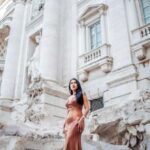
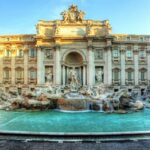
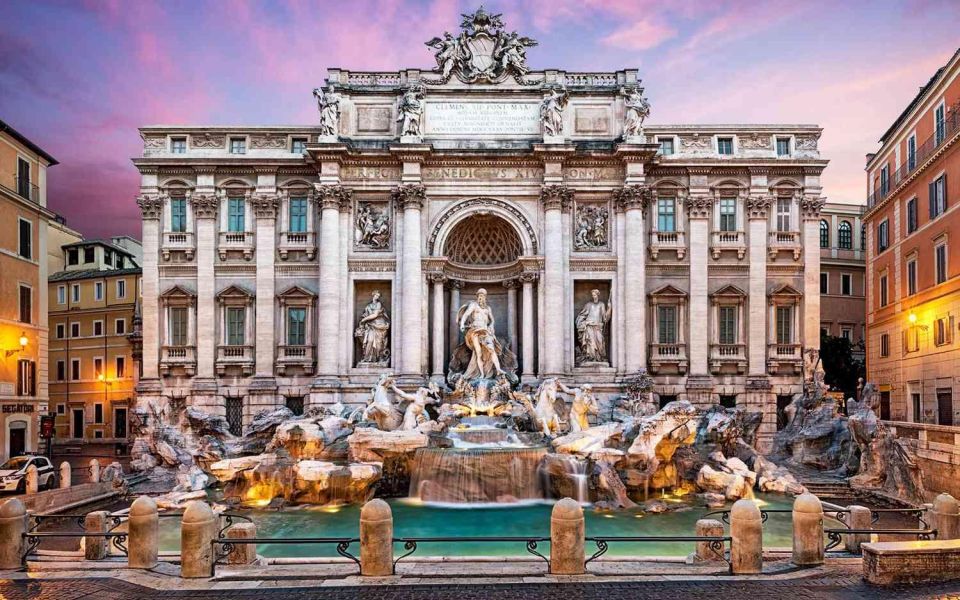
You begin at Trevi Fountain and spend around 15 minutes there. This is the “everyone knows it” anchor of the tour, but the guide uses it as a jumping-off point. In a Baroque story, a famous landmark isn’t the end—it’s the beginning of learning how fame works in Rome: who wants to be seen, who wants to be remembered, and how artists build reputations in the open.
From there you move to Piazza di Pietra for another 15 minutes of guided context. This is where the tour starts doing its best trick: it pushes you off the busiest path just enough that you feel like you’re seeing the city’s working side, the kinds of streets where word traveled and alliances formed.
The value for you: even if you’ve seen these squares before, you’ll likely leave with a new mental map—less postcard, more “how the city connects.”
Sant’Ignazio di Loyola: Baroque art in a church that feels like it has opinions
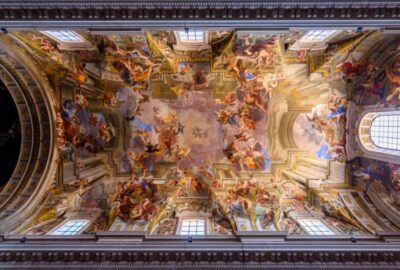
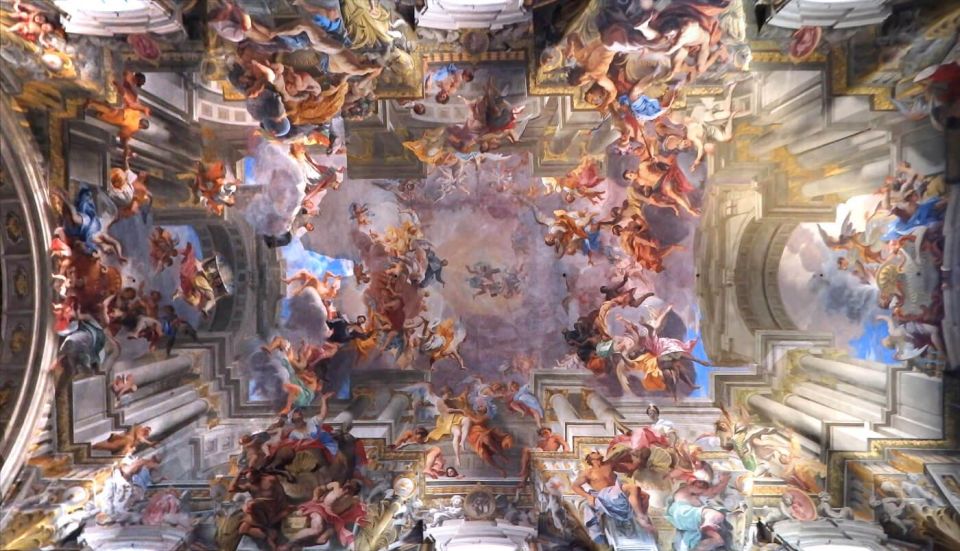
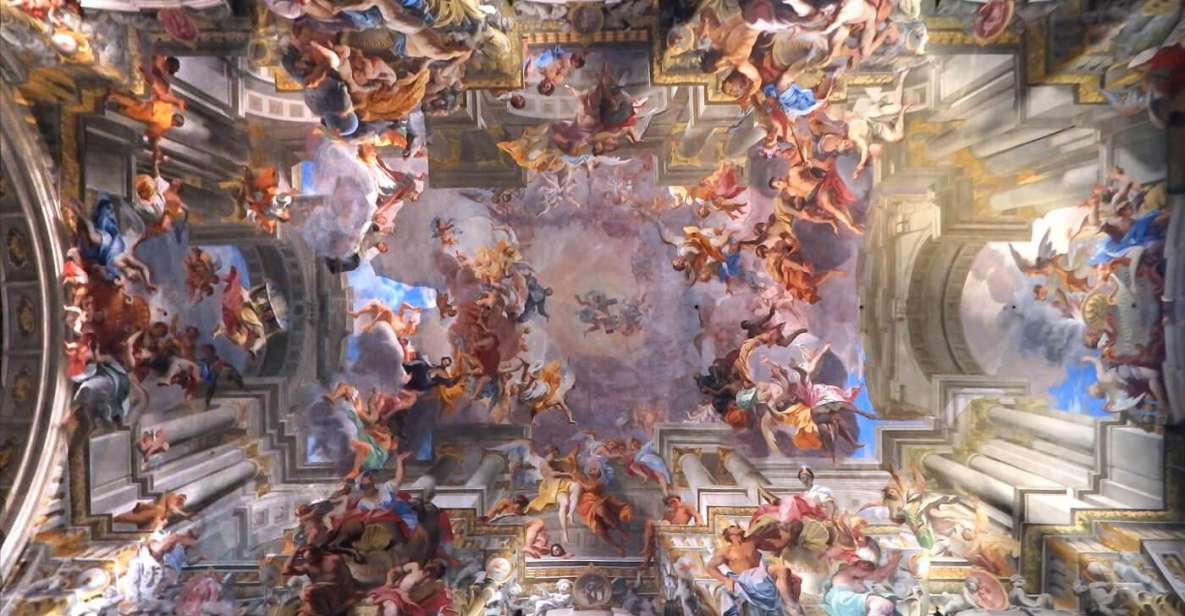
Next comes Church of Sant’Ignazio di Loyola for about 20 minutes. This stop is all about the Baroque century mood—dramatic, competitive, and tightly tied to patronage. The tour doesn’t treat churches as empty backdrops; it treats them as stages.
What you should watch for is how the guide links what’s inside to the wider theme: Popes and cardinals promoted art, but they also lived in a world where reputation, persuasion, and rivalry could get sharp fast. If you like your art history with some bite, this is one of the places where the story style clicks.
A quick drawback to consider: church stops require patience and walking, and you’ll want to stay flexible if the group needs to pause for explanations. It’s not a quick photo dash.
Pantheon and Raphael’s tomb: where fame becomes history’s paperwork
Then you reach the Pantheon for about 10 minutes, with guided context that includes Raphael’s tomb. This is a crucial pivot point. The tour keeps talking about scandals and duels, but Raphael’s presence at the Pantheon reminds you of the bigger system: talent is remembered, but institutions decide what survives.
Even in a short stop, this works because the Pantheon is one of the places where you can feel how Rome turned art into legacy. You’re not just learning about who did what—you’re learning why artists become “approved” by history.
If you’re the kind of visitor who likes structure in your sightseeing, this is the moment that gives the drama a spine.

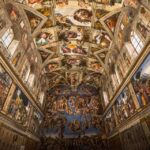
San Luigi dei Francesi: Caravaggio’s trilogy and the story behind the paint
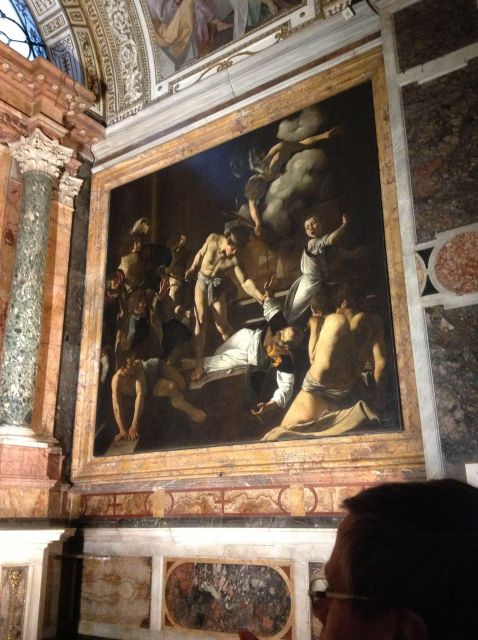
Next up is the Church of St. Louis of the French (San Luigi dei Francesi) for around 15 minutes. Here you get one of the tour’s signature experiences: you’ll admire Caravaggio’s trilogy of paintings, and the guide shares the “very unbelievable” story behind them.
I’m glad they say it plainly. Caravaggio is famous for technique, but what makes him stick in your head is the human part—how the work landed, who cared, and what the surrounding world thought it meant. A guided explanation at this stop helps you see more than just the images.
Value for you: if you’ve ever looked at Caravaggio and wondered why it felt so charged, this stop gives you the missing context you’d usually hunt down later.
Practical note: church lighting can be darker than you expect. If you’re taking photos, focus on steady viewing first, then grab pictures after you’ve understood what the guide points out.
Piazza Navona: where rivalry turns into public spectacle
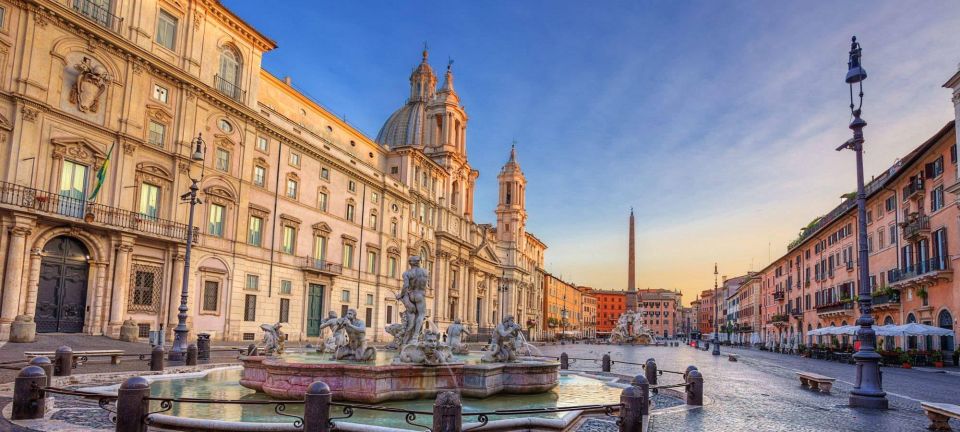
You arrive at Piazza Navona for about 20 minutes. This is a great choice for the Baroque-theme tour because the square itself feels like a stage—perfect for stories about competition.
The focus here is the competition between two famous sculptors, framed through rivalry and the emotional cost of wanting your work to win. You’ll also feel how Baroque Rome blurred the line between art and power: public spaces weren’t just for crowds, they were for signaling status.
If you’re traveling with someone who thinks art history is too “serious,” this stop is a good tester. It keeps the story in human terms—ego, pressure, and the urge to outdo the other person.
Piazza Fiammetta and the House of Fiammetta: love, duels, and a surprise shift to the 1500s
The tour ends in front of the House of Fiammetta, at Piazza Fiammetta, where you learn about a beautiful woman of the 1500s and the duels for her love.
This ending is clever because it shifts the lens just enough to remind you that Rome’s stories don’t neatly follow century labels. Even when the tour’s main thread is the Baroque 1600s, the city keeps echoing older legends—especially ones involving love, status, and reputation.
Think of it like a final scene in a movie: you’ve been living inside a world of patronage and artistic conflict, and then you land on something more personal, more volatile. It’s a strong closer for a walk that has promised passion and betrayal from the start.
What $59 buys you (and why it’s not just a cheap add-on)
At $59 per person for about 2.5 hours, the price makes sense when you look at what’s included:
- Entrance to churches
- Painting explanation (not just general commentary)
- A live guide (English and Italian)
- Small group size (up to 10)
For Rome, where you can easily spend that much on a half-day without meaningful context, this tour has a better value angle: you’re getting guided interpretation tied to specific artworks and places. The church entrances matter too, because they remove friction. You don’t have to figure out access and then hope you guessed correctly what to look for once inside.
The biggest value is the pairing of location + narrative. You’re not paying to be “near art.” You’re paying to understand it in a way that would be slow and scattered on your own.
What to wear, what to bring, and how to make it easier on yourself
This is practical sightseeing, not a sit-and-stare experience.
- Bring comfortable shoes for uneven, historic-street walking.
- Avoid sleeveless shirts because church entry can be restricted.
- If you need mobility support, this one isn’t built for it, since it’s not suitable for people with mobility impairments.
If you’re heat-sensitive, plan a light strategy: carry water, but don’t treat the tour like a marathon. The stops are timed to keep things moving, with guided pauses that let you absorb the story.
Who this tour is best for
This tour fits you if:
- You like art history with personality—Popes, cardinals, rivals, courtesans, and power games.
- You want a guided explanation at the key painting stop, especially around Caravaggio’s work.
- You prefer walking routes that connect sites into a single storyline.
You might want to skip or consider another option if:
- You need a low-walking itinerary.
- You want a purely museum-style experience without scandal or personal drama in the narrative.
Should you book? My practical take
Book this if you want Rome to feel like a living script, not a checklist. The route hits major anchors (Trevi, Pantheon, Piazza Navona) while still trying to give you the “side street” feeling that makes the city memorable. And the guide style—enthusiastic, open, story-driven—seems to be the reason many people rate it so highly, especially the focus on the stories behind the art.
Just be realistic about the walking and church conditions. If you can handle 2.5 hours on foot and you pack good shoes (and a shirt that works for church entry), you’ll likely come away with a sharper sense of how Baroque art grew out of conflict, patronage, and ambition.
FAQ
How long is the tour?
The tour lasts 2.5 hours.
How much does it cost?
It costs $59 per person.
Where do we meet?
You meet at Via della Stamperia, 72, in front of the Accademia S. Luca Academy of Painting.
What’s included?
Entrance to churches and painting explanation are included.
What languages are offered?
The live guide offers English and Italian.
Is there a dress code or anything I should bring?
Wear comfortable shoes, and sleeveless shirts are not allowed.