REVIEW · ROME
Pompeii: Entry Ticket w/ Guide and Transfers or Audio Guide
Book on GetYourGuide →Operated by Show Me Italy · Bookable on GetYourGuide
Pompeii still feels shockingly current. This day trip has you walking the ruined streets and villas left behind by Vesuvius in 79 AD, with the Forum and plaster casts doing most of the emotional work. I like that the experience gives you two ways to see it: a live guide or an audio option, so you can match your pace. One thing to keep in mind: this is not a good pick if you have mobility limits, and the group won’t wait for latecomers once you’re on your way.
What makes this ticket practical is how it’s set up. If you choose it, you get round-trip transportation from Rome by bus or train, so you spend less time figuring out schedules and more time looking at stone that’s been sitting for centuries. If you prefer independence, the English audio guide lets you wander and pause as you like—handy in a place where you’ll want to linger.
The best version of this day depends on how you travel. I’d pick the guided option if you want context as you move—especially around the big public spaces and the villa details. I’d pick the audio option if you’re comfortable reading the site yourself and you want more control over timing. Either way, you’ll be doing real walking on uneven ground, and the weather won’t stop the plan unless officials close the monument for safety.
In This Review
- Key Things to Know Before You Go
- Choosing Your Pompeii Ticket: Guide vs English Audio
- From Rome to Pompeii Without the Headaches: Transfers and Scheduling
- Entering the Ruins: What the Site Covers (and Why It Matters)
- The Forum: Pompeii’s Political and Social Center
- The Amphitheater: Gladiators, Crowds, and Roman Entertainment
- Wealthy Homes and Surviving Artwork: House of the Vettii + Villa of the Mysteries
- Daily Life in Stone: Baths, Bakeries, and Shops
- The Casts That Stay With You: Pompeii’s Victims
- How Much Time You’ll Need (and How to Survive It)
- Language, Group Fit, and What to Expect From Hosts
- Price and Value: How $5.55 Can Make Sense
- Should You Book This Pompeii Tour?
- FAQ
- What does this Pompeii ticket include?
- Do I get a guide or an audio option?
- How long is the Pompeii experience?
- Where do I meet and where does the tour end?
- Is this tour suitable for wheelchair users or people with mobility impairments?
- What luggage and food rules should I know about?
Key Things to Know Before You Go
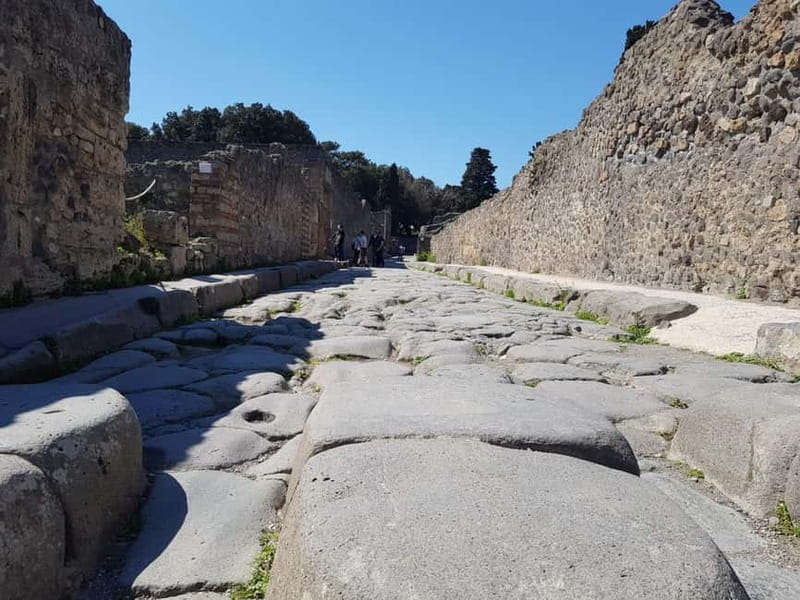
- Guide vs. audio: choose live interpretation for the stories, or English audio for a self-paced loop.
- Iconic stops included: the Forum, amphitheater, major villas like the House of the Vettii and the Villa of the Mysteries.
- The casts are hard to shake: Pompeii’s victims’ plaster impressions are part of the route.
- Daily-life details show up everywhere: baths, bakeries, shops, mosaics, and frescoes.
- Optional Rome transfers simplify the day: round-trip transport is included when that option is selected.
- It’s not mobility-friendly: not suitable for wheelchair users or people with mobility impairments.
Choosing Your Pompeii Ticket: Guide vs English Audio
This experience is built around one main choice: do you want a person talking history in real time, or do you want to press play and go at your own speed?
With the guided tour, you’ll get a structured walkthrough of Pompeii’s key areas—what to look for, what it meant, and how the city worked day to day. That matters because Pompeii isn’t just pretty ruins. It’s a whole urban system: public spaces, private homes, and the everyday infrastructure of Roman life. A guide can point out the why behind what you’re seeing, so you don’t end up staring at stone without a frame.
With the audio guide, you trade that context for flexibility. Audio is ideal when you hate being rushed. You can stop longer at mosaics, pause to take in the scale of the amphitheater, then keep moving when you’re ready. It can also be useful if you’re comfortable with “show me the object, I’ll do the interpreting.”
A small practical note: tours run rain or shine (unless officials close the monument), so the guided or audio choice doesn’t change the fact that you’ll be outdoors and walking.
You can also read our reviews of more tours and experiences in Rome



From Rome to Pompeii Without the Headaches: Transfers and Scheduling
Pompeii is close enough for a day trip, but far enough that logistics can eat your time. This is where the option for round-trip transportation from Rome earns its keep.
If you’re starting from Rome, you’ll travel comfortably by bus or train through the Italian countryside, then arrive to explore Pompeii itself. That typically turns the day into a straightforward timeline: get picked up, ride out, explore the ruins, then ride back. The meeting point can vary depending on what you book, and the tour ends back at the meeting point, so you’re not left playing transportation detective.
If you’re not selecting transfers, you’ll make your way to Pompeii on your own. That can work fine if you’re already comfortable navigating train stations and local transit, but for many people it’s worth paying for the built-in rhythm—especially if you’re only in the area for a short stay.
Timing is something to respect here. The duration range is listed as 2 to 12 hours, and starting times depend on availability. That means you should check the specific time slot you’re booking and match it to your energy level. If you’re choosing a longer window, plan on more walking and more time in the densest areas like the Forum and the main villa stops.
Entering the Ruins: What the Site Covers (and Why It Matters)
The Pompeii Archaeological Park entry is included, and the rest of the experience is about using that access well. This isn’t only about taking photos of famous landmarks. It’s about moving through Pompeii in a way that mirrors how Romans lived.
You’ll cover public and private spaces. The route includes the heart of civic life, major entertainment, and wealthy homes with surviving decoration. That combination is what makes Pompeii feel like a real city instead of a set of ruins.
If you pick the guided option, you’ll also get built-in context for major transitions—how public streets connect to spaces of power, how luxury homes signal status, and how the city’s layout reflects everyday routines. With audio, you’ll still see the same core places, but you’ll be making more decisions about where to linger.
The Forum: Pompeii’s Political and Social Center
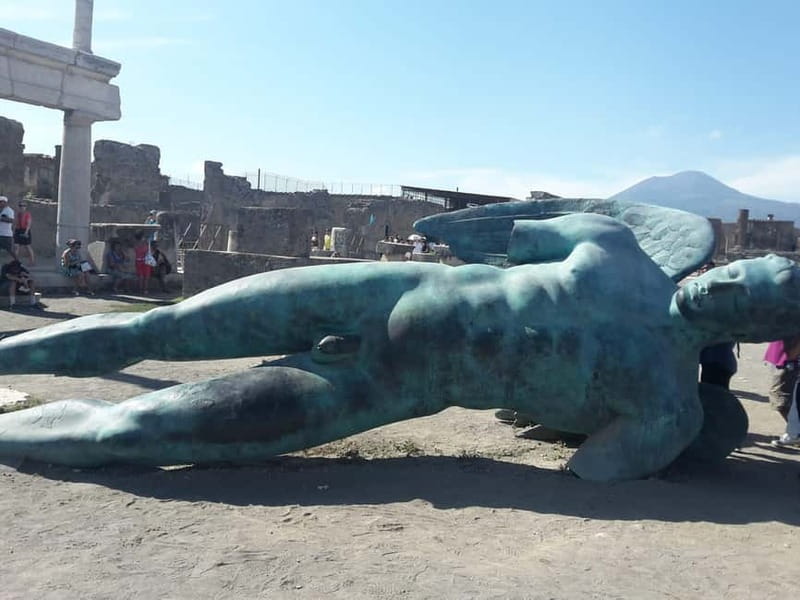
One of the most meaningful stops is the Forum, often called the heart of Pompeii’s political and social life. When you stand in this kind of space, you’re not just looking at buildings—you’re stepping into the setting for decisions, announcements, markets, and public interaction.
Here’s what to pay attention to. Even without a lecture, the Forum helps you understand why Pompeii mattered. It shows the city’s public-facing structure: where people gathered, where social life took place, and where authority was on display. A guide can add the missing connections—who used these spaces, how daily business worked, and how architecture supported public routines.
If you’re doing the audio option, I’d still treat the Forum as your “anchor stop.” Spend a little extra time here because it helps everything else click later, especially the entertainment spaces and the homes of people with serious money.
The Amphitheater: Gladiators, Crowds, and Roman Entertainment
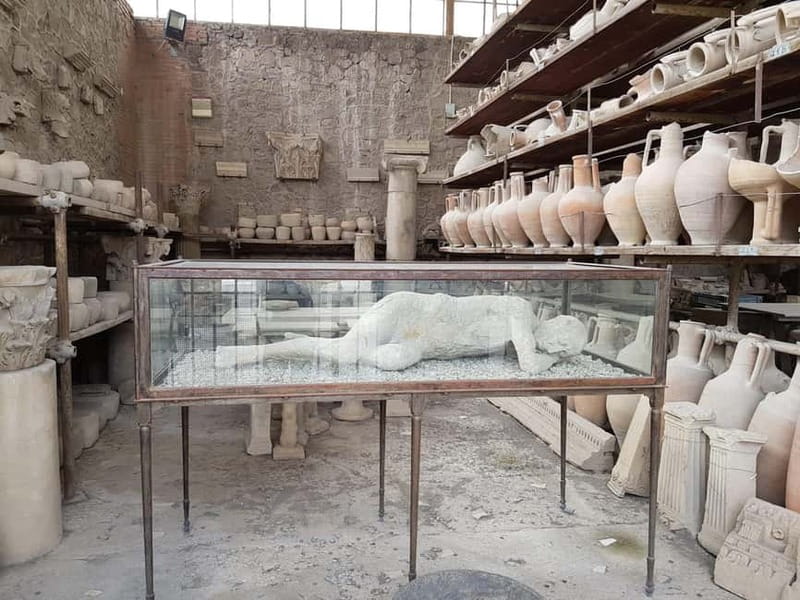
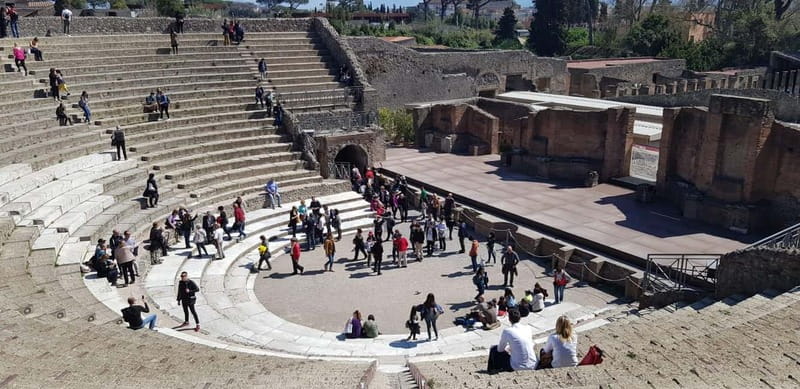
Pompeii’s amphitheater is one of those sights that’s instantly understandable. You don’t need a degree to sense what it was built for: crowd energy, spectacle, and the kind of entertainment that pulled people into the same space for hours.
This is also where you can feel Pompeii’s scale. The shape of the arena and the arrangement of seating areas help you picture the rhythm of an event: how spectators viewed the central action, and how long attention stayed locked on one focal point.
If you have a guide, you’ll likely get the context that makes the structure more than a pretty ruin. If you’re using audio, look for the ways the site preserves seating and the sense of sightlines. Even with limited time, the amphitheater gives you a fast emotional hit and a clearer idea of how Romans spent leisure.
You can also read our reviews of more guided tours in Rome





Wealthy Homes and Surviving Artwork: House of the Vettii + Villa of the Mysteries
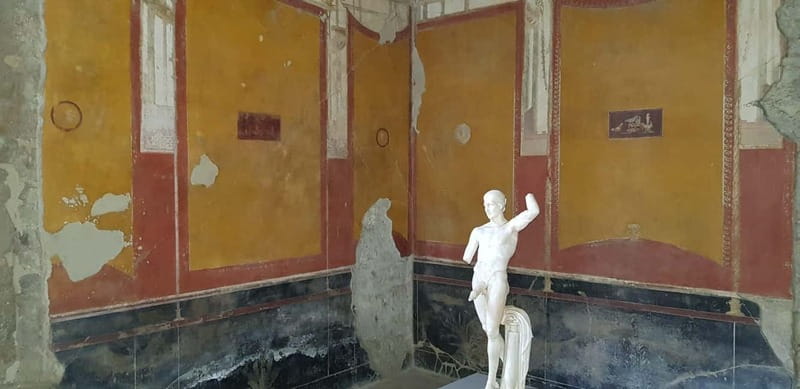
Pompeii’s private spaces are where you see Roman life as status. The tour includes key stops like the House of the Vettii and the Villa of the Mysteries, which are known for decoration that still makes you stop.
You’ll also have a chance to see surviving details like frescoes and mosaics in homes of Pompeii’s wealthiest citizens. These aren’t random decorations. They were part of how people displayed taste, identity, and power. When you connect the artwork to the rooms it sits in, it becomes easier to imagine what visitors once felt when they entered.
Here’s a practical tip: when you reach these villas, don’t try to race through the whole set of rooms. Pick one or two spaces and really look—how the decoration frames the area, what it suggests about the people living there, and how light would have moved across the surfaces. A guide tends to point out exactly the kind of detail you’d miss on your own, while audio gives you a chance to control your focus.
Daily Life in Stone: Baths, Bakeries, and Shops
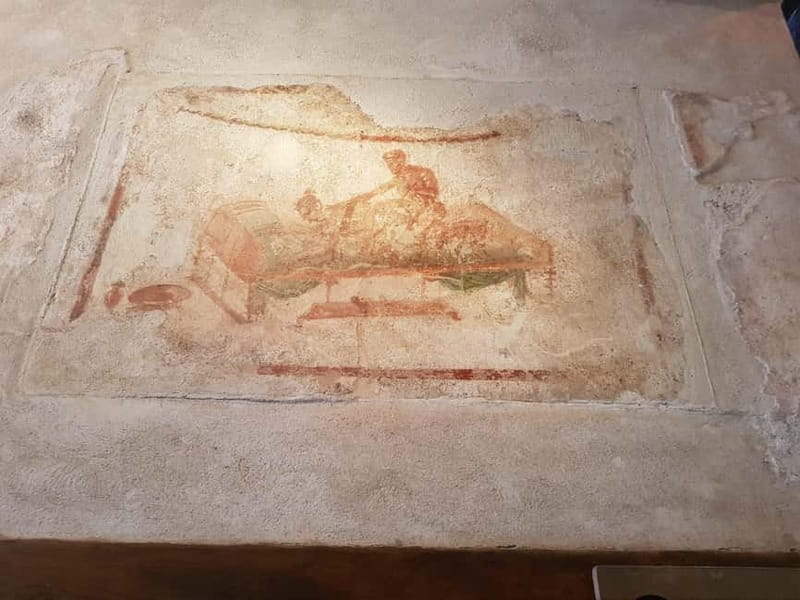
A big reason Pompeii stays memorable is that it includes pieces of everyday life. The experience highlights the idea that Pompeii wasn’t just elite villas and dramatic public plazas.
You’ll see areas connected with routines like baths, bakeries, and shops. This is where the site stops being abstract. Instead of thinking only about the eruption, you start thinking about the weeks leading up to it—people buying food, bathing, working, and living their normal day.
If you have a live guide, this is often where storytelling shines, because daily spaces are full of small clues about how a city functioned. If you have audio, think of these stops as your “systems view.” You’re collecting evidence of how Pompeii kept moving.
The Casts That Stay With You: Pompeii’s Victims
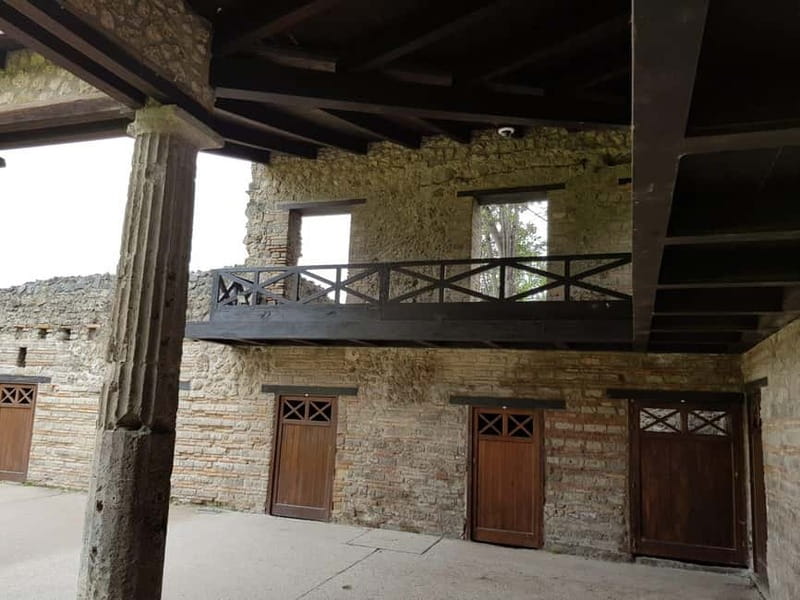
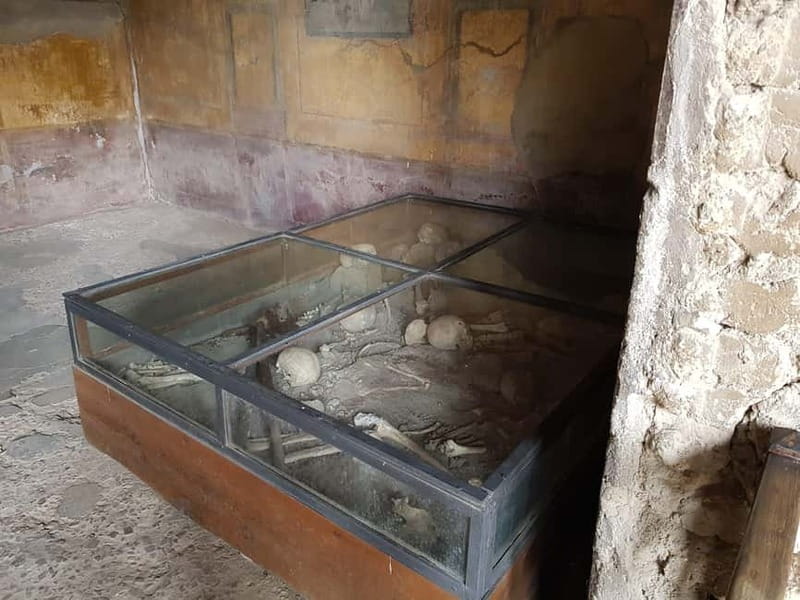
If you only remember one part of the day, make it the plaster casts of Pompeii’s former inhabitants. This stop is the emotional pivot point of the whole visit.
Why it works so well is simple: the casts take the disaster out of the realm of textbook catastrophe and turn it into people-shaped reality. You see the forms, the tragedy, and the shock of sudden loss. It’s not a “fun fact” moment. It’s a human one.
I recommend mentally preparing for this part. It can feel heavy, especially if you’re traveling with kids, so plan a short breather nearby if you need it. The point of the stop isn’t to overwhelm you. It’s to make the history complete.
How Much Time You’ll Need (and How to Survive It)
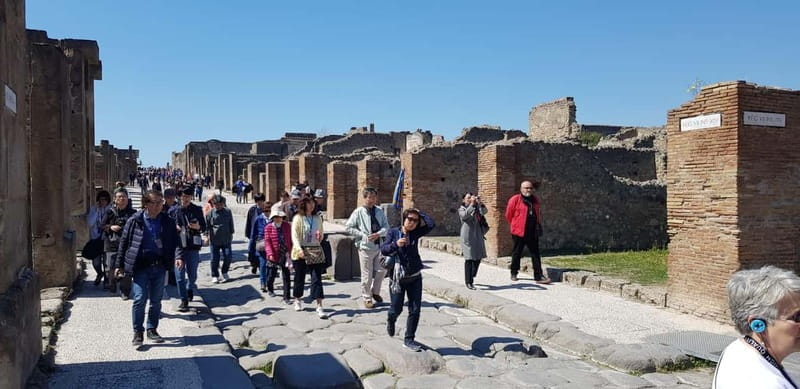
Even though the tour duration is listed as 2 to 12 hours, most people will underestimate how tiring Pompeii can be. The site covers a lot of ground, and even when the route is structured, you’ll still be dealing with uneven surfaces and plenty of standing.
To make it easier, I’d plan your day around the reality of walking:
- Wear comfortable shoes with good grip.
- Bring layers you can adjust if the weather flips.
- Keep your attention on the major zones so you don’t get lost in the smaller details.
Also note what you can and can’t bring. Oversize luggage and large bags aren’t allowed, and food and drinks aren’t allowed in the vehicle. The tour itself doesn’t list restrictions on what you can carry inside the park, but the vehicle rules are clear enough that you shouldn’t plan to snack during the ride.
And here’s the rule that affects your day most: the tour won’t wait for latecomers. If you’re running on your own schedule to catch a meeting point, give yourself extra time.
Language, Group Fit, and What to Expect From Hosts
This tour supports English, French, Spanish, and German. The host or greeter is listed in these languages, and the optional audio guide is available in English.
In practice, that means the guided option can work well even if your group isn’t all speaking English. It also means you’re more likely to get consistent explanations and directions when you need them.
As for who this suits, the tone from people who had standout days points to a broad fit: couples love it, solo travelers feel safe and looked after by a real plan, and families find the mix of public life, private homes, and the casts keeps kids engaged.
One important limitation: this experience is not suitable for people with mobility impairments and not suitable for wheelchair users. If you or someone in your group needs accessibility accommodations, you should look for a different Pompeii option designed for that need.
Price and Value: How $5.55 Can Make Sense
The price shown is $5.55 per person, which is strikingly low for Pompeii access bundled with additional services. The key detail is that what you get can vary by option: Pompeii entry is included, and guided tours and round-trip transportation from Rome are included only when those options are selected.
So here’s how to think about value in a way that won’t disappoint you:
- If you’re booking a version that includes entry plus a guide, the money is buying interpretation and time saved on planning.
- If you add transfers from Rome, you’re also paying for comfort and reduced hassle.
- If you choose audio, you’re getting flexible pacing with less guided context, which can still be great in a well-signposted site.
Because starting times and total duration depend on availability, I’d treat the price as the starting point and confirm exactly which option you’re selecting. When you line up the ticket type with your travel style—guide for stories, audio for freedom—the day tends to feel like strong value rather than a rushed checklist.
Should You Book This Pompeii Tour?
Book it if you want a straightforward day trip from Rome that covers the big pieces: Forum, amphitheater, standout villas, and the plaster casts. I’d also book it if you appreciate structure—especially if you’re short on time and don’t want to wrestle with the site’s layout while trying to understand what you’re seeing.
Skip it or look for a different format if accessibility is a concern, because it’s not designed for wheelchair users or mobility impairments. Also skip if you hate guided timing in general—Pompeii rewards wandering, but this experience is built around a set route and it won’t wait for latecomers.
If you can handle the walking and you pick the guide or audio option that matches your pace, this is a smart way to experience Pompeii as a real city—public life, private luxury, and the moment history froze.
FAQ
What does this Pompeii ticket include?
It includes Pompeii Archaeological Park entry. If you select the guided option, it also includes a guided tour, and if you select the Rome option, it includes round-trip transportation from Rome.
Do I get a guide or an audio option?
Yes. You can choose a guided tour (when that option is selected) or an optional audio guide. The audio guide is available in English.
How long is the Pompeii experience?
The duration is listed as 2 to 12 hours, depending on the starting time you book. You’ll need to check availability for the specific slot.
Where do I meet and where does the tour end?
The meeting point may vary depending on the option you booked. The activity ends back at the meeting point.
Is this tour suitable for wheelchair users or people with mobility impairments?
No. It’s not suitable for people with mobility impairments and not suitable for wheelchair users.
What luggage and food rules should I know about?
Oversize luggage and large bags aren’t allowed. Food and drinks aren’t allowed in the vehicle, and alcohol and drugs aren’t allowed either.