REVIEW · ROME
Rome: Houses of Augustus and Livia Private Tour
Book on GetYourGuide →Operated by Through Eternity Tours · Bookable on GetYourGuide
Roman power feels different when you see it from inside.
This private 3-hour tour links the Roman Forum and Palatine Hill with two of the best-preserved imperial residences, so you get court intrigue plus real living-room details—wall paintings included.
I especially love the skip-the-line setup, plus the way the route keeps things tight and logical: Forum context first, then Palatine, then the houses. I also love the focus on ancient painting and physical details you can actually stand in front of, not just distant ruins.
One consideration: the House of Livia is temporarily closed right now, though that can change. Plan to confirm the day-of or be ready for an alternate route or timing if the closure affects access.
In This Review
- Key highlights worth your attention
- From Angelino ai Fori to the Forum: start smart, not rushed
- Roman Forum: politics, daily life, and a sense of scale
- Palatine Hill: the myth, the emperors, and the best kind of waiting
- House of Augustus: preserved rooms and paintings you can actually see
- House of Livia: mythological frescoes, original marbles, and a closure you must plan for
- Domitian’s palace ruins and Caligula’s assassination site
- Santa Maria in Antiqua: a church made from imperial remnants
- Private guide quality: clear context makes the difference
- Is $149.54 per person worth it?
- Practical tips before you go
- Who should book this tour?
- Should you book the Rome: Houses of Augustus and Livia private tour?
- FAQ
- How long is the Rome Houses of Augustus and Livia private tour?
- Where do I meet my guide?
- Where does the tour end?
- What is included in the price?
- Do I need to bring anything?
- Is the House of Livia open?
- Does the tour include transportation and meals?
- What languages are available for the live guide?
- Is this tour wheelchair accessible?
- Is there a cancellation policy?
Key highlights worth your attention
- Skip-the-line entry to major sites, led by an expert English-speaking private guide
- House of Augustus with preserved painted rooms and a decorated study
- House of Livia known from a lead-pipe inscription and famous for mythological frescoes
- Palatine Hill viewpoints connected to the Romulus and Remus legend and the emperors’ presence
- Roman Forum context plus the big picture of figures like Julius Caesar and Cicero
- House of Livia closure may change the exact house visit plan
From Angelino ai Fori to the Forum: start smart, not rushed
You’ll meet your guide at Largo Corrado Ricci, 43a, in front of Cafe/Restaurant Angelino ai Fori. The guide will be holding a Through Eternity sign or flag, which is a small detail, but it saves time when you’re trying to line up at busy entrances.
This tour is built for efficiency. You get skip-the-line access, and the schedule is short enough (about 3 hours) that you don’t spend your day zig-zagging across archaeological zones. If you’re doing Rome “hits” in a limited window, that matters. A private guide also means you can ask questions as you go, instead of waiting for a group to catch up.
There’s a theme here: you’re not just moving through monuments. You’re moving through layers of power—from public politics in the Forum to private imperial life on Palatine Hill.
You can also read our reviews of more private tours in Rome

Roman Forum: politics, daily life, and a sense of scale
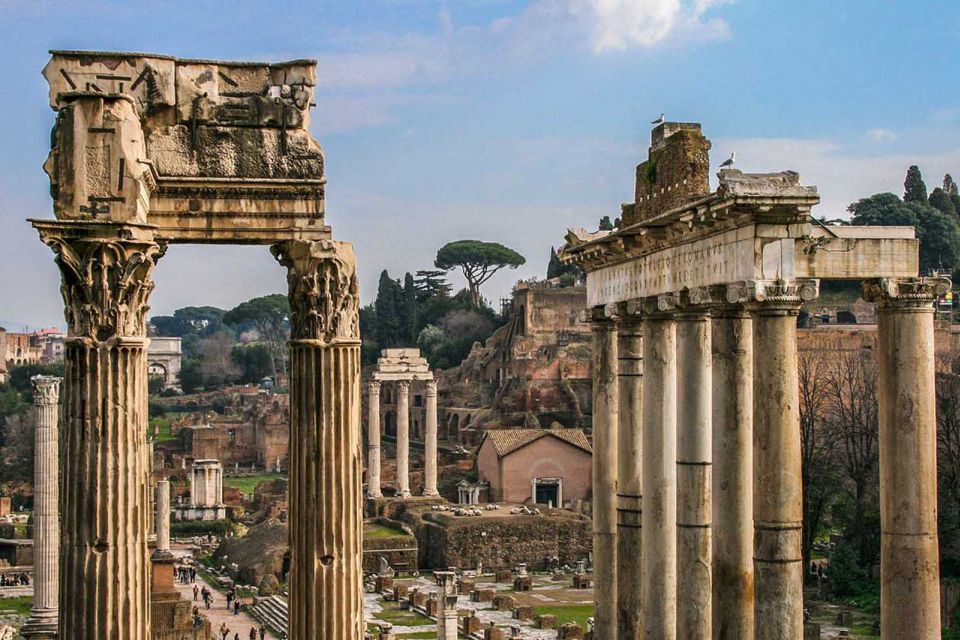
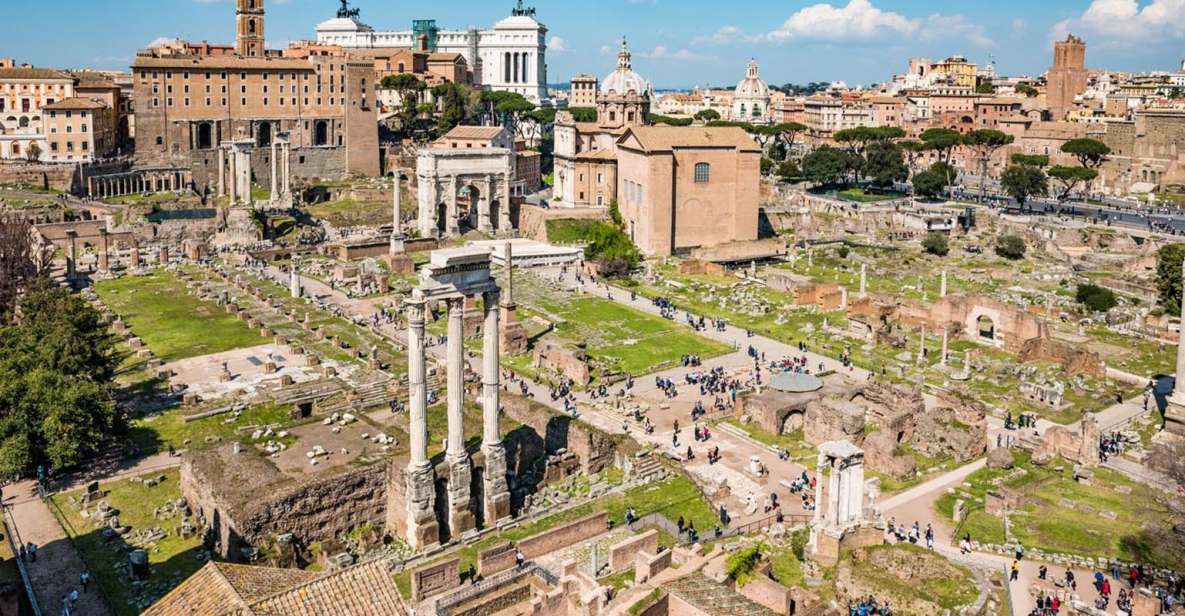
The tour starts with a guided walk through the Roman Forum for about 35 minutes. This is where your guide helps you connect names and places. You’ll get context on daily life in the empire, and you’ll follow key figures through the story—connections mentioned include Julius Caesar and Cicero.
Here’s what you’ll feel in the Forum: scale without modern noise. Even when crowds move through, the space has a way of slowing your brain down. A guide helps you read what you’re seeing: this wasn’t a museum display. It was the center of civic pressure, announcements, meetings, and power.
You’ll also get a special moment that most casual visits miss: the chance to climb the monumental ramp that led emperors from Palatine down into the Forum. It’s a practical, physical reminder that these weren’t equal spaces. The route mattered.
Palatine Hill: the myth, the emperors, and the best kind of waiting
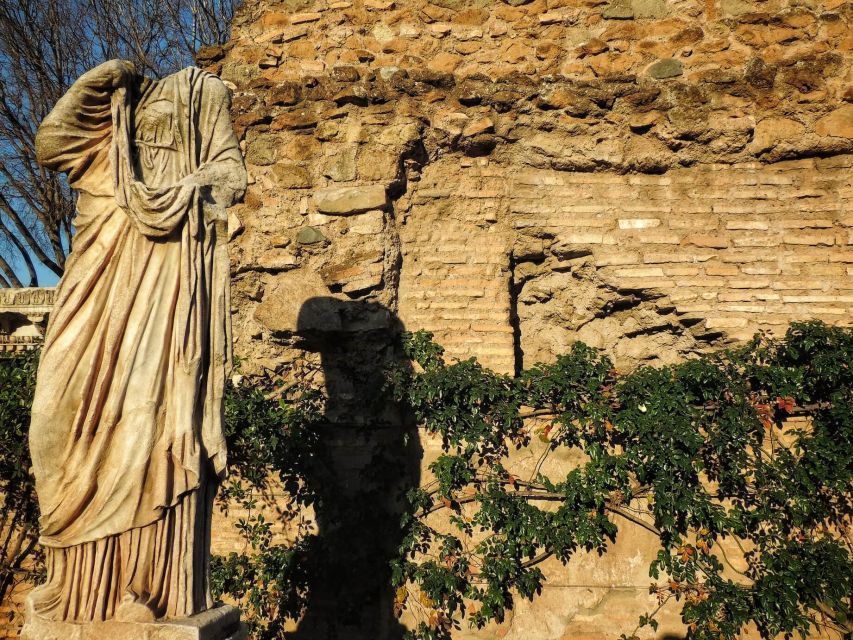
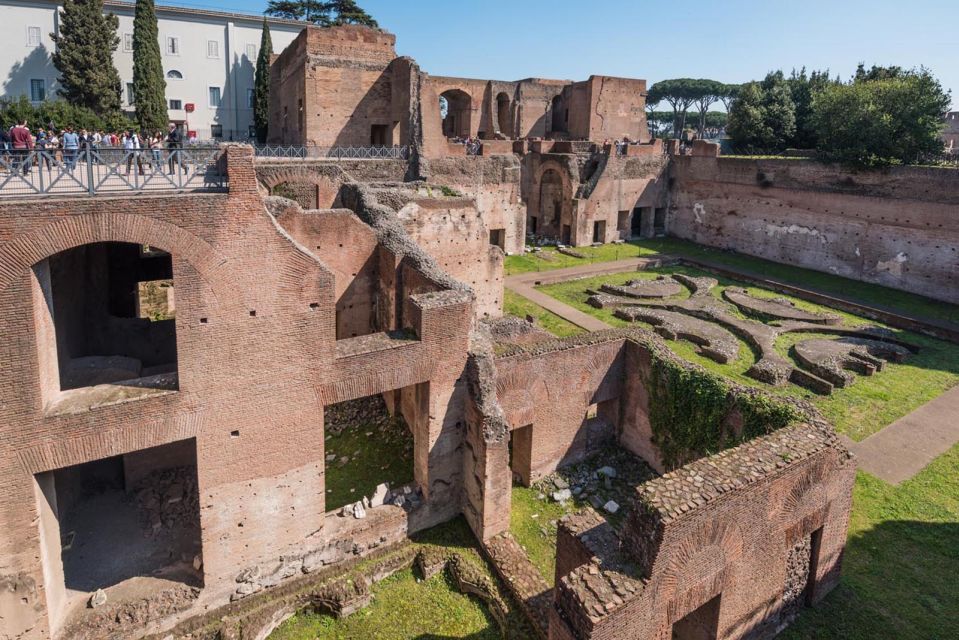
After the Forum, the tour moves to Palatine Hill. Palatine is where the story of Rome begins with the legend of Romulus and Remus. Your guide uses that myth as more than trivia. It’s the bridge between the founding story and why emperors chose to live there.
Expect time on the hill (about 35 minutes guided), plus short walking segments. One big payoff is the viewpoint—Palatine gives you angles across the older city core that you can’t get from every street-level stop. When you look out from here, the ruins start to feel connected instead of scattered.
Also, Palatine rewards attention. You’re moving across terraces and preserved fragments, and you’ll want comfortable shoes. The description is explicit that it isn’t wheelchair-friendly, so plan on firm footing and a steady pace.
House of Augustus: preserved rooms and paintings you can actually see
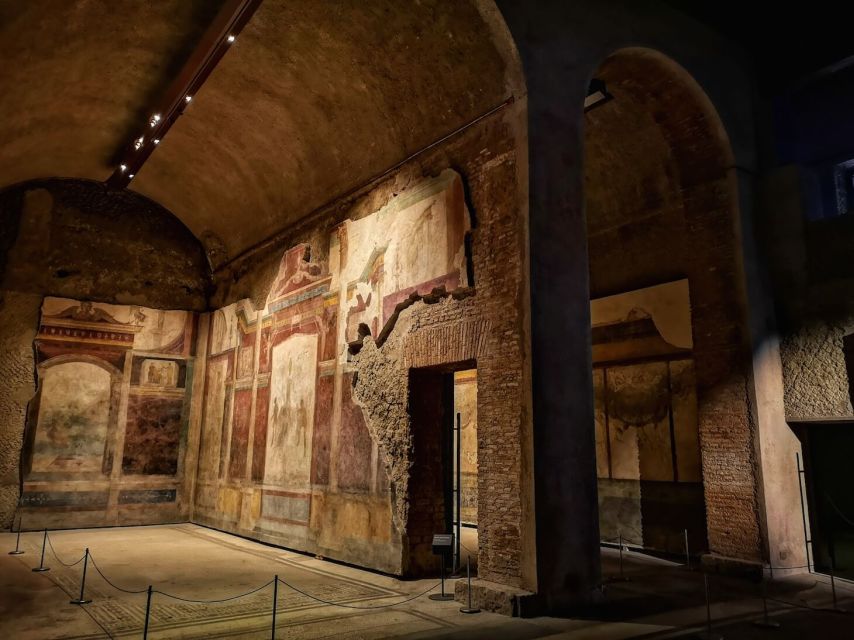
The star for many people is the House of Augustus on Palatine Hill, with about 45 minutes guided inside. What makes it special is that you’re not looking at a generic “ruined building.” You’re seeing rooms that survive in a way that lets you experience the feel of imperial domestic life.
Your guide walks you through beautifully painted rooms—some of the best surviving examples of ancient Roman wall painting. The experience is visual in a very direct way. You’ll likely find yourself pausing longer than you expected, because the artwork isn’t just decoration. It’s part of how Augustus’ world communicated refinement and control.
A highlight is Augustus’ study, where your guide points out frescoes featuring plants and fantastical creatures. That mix is a clue: Roman elite art often signals education, taste, and a curated imagination. Standing in that space makes the “empire” feel less like a distant textbook topic and more like something built from daily habits and aesthetic choices.
House of Livia: mythological frescoes, original marbles, and a closure you must plan for
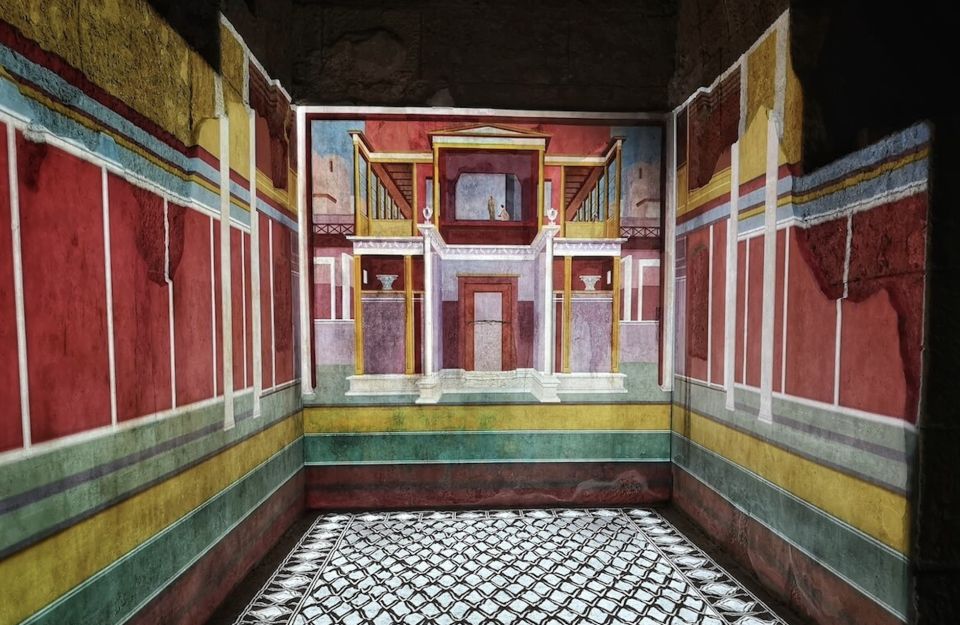
Next door, you’ll aim for the House of Livia. In the description, it’s identified as the emperor’s wife’s dwelling thanks to an inscription found on a lead pipe in the 19th century. That’s a great example of how archaeology works: not all identifications come from dramatic discoveries. Sometimes it’s a small object that unlocks a big story.
The house is known for mythological frescoes and for original marbles underfoot. The other detail that makes this stop feel different is preservation: the frescoes were protected underground for thousands of years, which is why you can still experience the paintings with strong visual clarity.
But here’s the real-world caution: the House of Livia is temporarily closed, and your tour provider says this can change. If Livia is shut on your date, don’t treat the stop as guaranteed. It’s smart to check messages or ask the operator before you go, so you know whether you’ll see the space itself or get an adjusted plan on Palatine.





Domitian’s palace ruins and Caligula’s assassination site
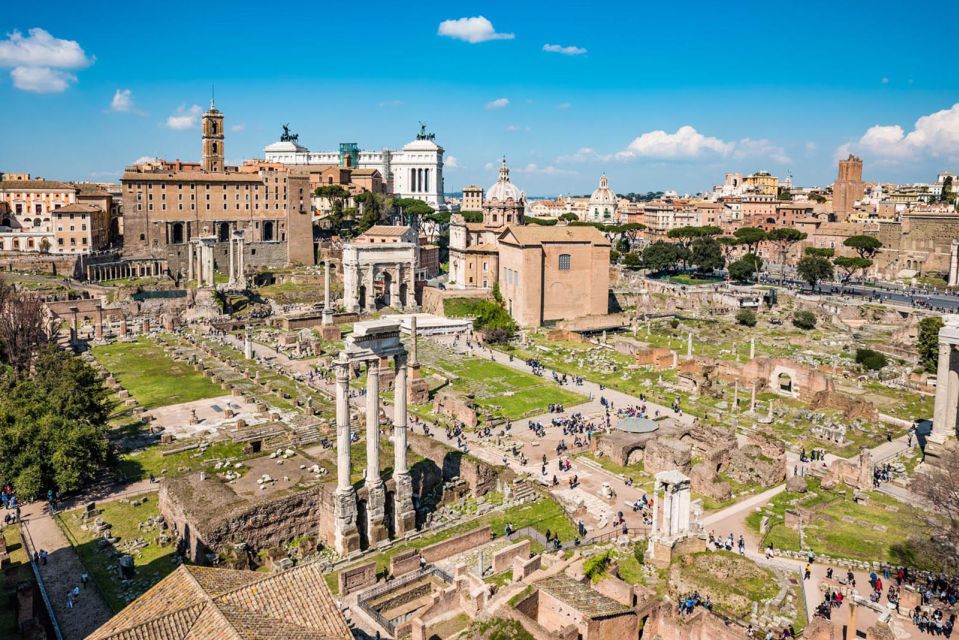
The tour also includes time to explore the rest of Palatine Hill, including the ruins of Domitian’s luxurious palace and the site where Caligula was assassinated. These are heavy themes, but the way they’re framed matters.
Domitian’s palace ruins give you a sense of scale and luxury—how the emperors built spaces for comfort and status. Then, shifting to the assassination site adds a darker contrast. It’s a reminder that imperial power wasn’t just gold and grandeur. It was also danger and factional conflict.
If you like history that includes both spectacle and consequences, this part keeps the story from becoming purely architectural.
Santa Maria in Antiqua: a church made from imperial remnants
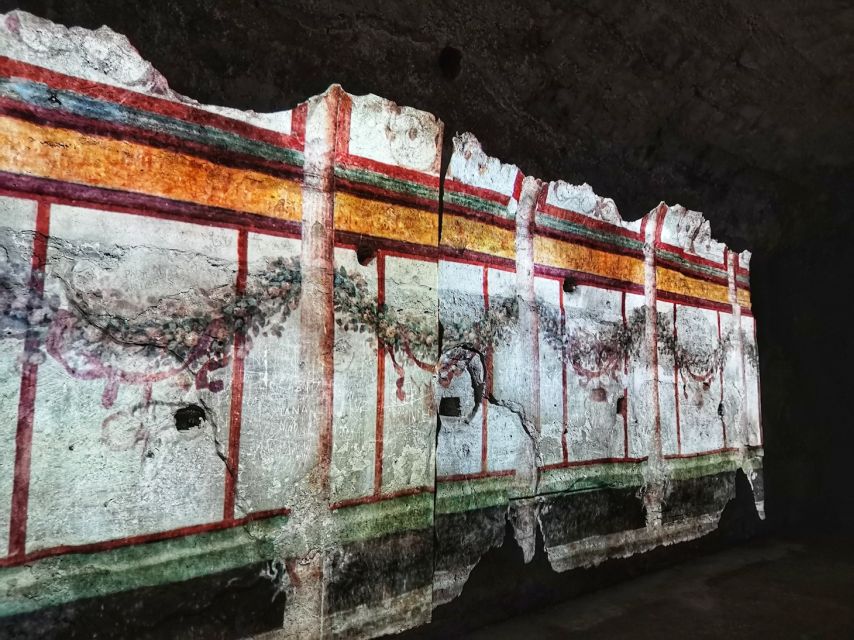
Another thoughtful stop is Santa Maria in Antiqua, described as a church hewn from remains of the Imperial palaces. This is one of those Rome contrasts that makes a tour like this worth it: you’re not only looking at ancient Rome in its original moment, you’re seeing what later eras did with those same physical structures.
What I find useful here is the shift in lens. Palatine and the houses show you the elite world of the empire. A later church built from those remains shows you continuity and repurposing—how Rome kept reusing its own past.
Even if you aren’t a religious-history specialist, the architecture and setting help you understand why Rome feels layered everywhere you walk.
Private guide quality: clear context makes the difference
This is a private group with an expert, English-speaking private guide. For groups of 6 or more, you get headsets, which is a big comfort upgrade in museums and ruins where voices can carry poorly.
The names Brian Green and Patrick show up as standouts in guide feedback, with praise focused on clear explanation and academic training. I take that seriously. In sites like Palatine, you can either wander or learn how to read what you’re looking at. A strong guide turns stone and fresco fragments into a story you can keep straight.
You’ll also see both English and Italian guide options, which helps if you want a specific language style.
Is $149.54 per person worth it?
At $149.54 per person for a 3-hour private tour, the price isn’t “cheap,” but it also isn’t outlandish for what’s included. You’re paying for four major value drivers:
1) Skip-the-line access
That time-saving matters on Palatine and the Forum areas, where lines and timing can squeeze your day.
2) Two imperial houses focus
Many tours skim Palatine in a hurry. This one centers House of Augustus and aims for House of Livia (with the closure caveat).
3) A real guide, not just signage
The descriptions point to guided commentary through paintings, study details, palace context, and major political moments.
4) Headsets for larger private groups
If you end up in a group of 6+, audio clarity helps you enjoy the art and explanations without shouting or guessing.
What’s not included is transportation to and from the meeting and end points, plus food and beverages. That’s normal for tours like this, but it means you should plan water and a snack break outside the experience.
Bottom line: if you care about imperial daily life and you want a guide who can connect the dots between artwork, politics, and architecture, this price often feels fair. If you only want broad photo stops, you could spend less on a self-guided route. But you’d miss the interpretive layer that makes the houses click.
Practical tips before you go
- Wear comfortable shoes. Palatine and the Forum involve walking and uneven surfaces.
- Build in extra time around the meeting point. Largo Corrado Ricci can be busy and signage matters.
- Expect restoration effects: due to the Jubilee, some monuments may be under restoration, so plan for possible changes or reroutes.
- If you’re hoping for the House of Livia, confirm access close to departure since it’s temporarily closed.
Also, if you’re traveling with anyone who needs mobility support, note that this tour is not suitable for wheelchair users, based on the activity info provided.
Who should book this tour?
This is a strong fit if you:
- Want to see House of Augustus and understand why the paintings matter
- Like the human side of empire, including domestic spaces and elite taste
- Prefer a guided route through the Forum + Palatine combo without wasting hours
- Enjoy context-heavy tours where names like Julius Caesar and Cicero connect to real places
It’s less ideal if you:
- Only want exterior views and quick photos
- Need full wheelchair access
- Are traveling with strict time limits and can’t adjust if Livia remains closed
Should you book the Rome: Houses of Augustus and Livia private tour?
If your priority is to go beyond the obvious Rome landmarks and get a clearer picture of how power looked inside the empire, I think this tour is worth serious consideration. The House of Augustus alone gives you something most Rome visitors don’t fully experience: surviving frescoes and a guided reading of what you’re seeing. Add the Forum context and the Palatine viewpoints, and you get a satisfying arc from public life to private imperial settings.
The only reason I’d pause is the House of Livia closure. If Livia is a must-do for you, confirm before you lock in your day. If it’s open when you go, this tour has the kind of focused, art-forward payoff that makes a short Rome visit feel longer—in a good way.
FAQ
How long is the Rome Houses of Augustus and Livia private tour?
It lasts 3 hours, though starting times vary by availability.
Where do I meet my guide?
You meet your guide in front of Cafe/Restaurant Angelino ai Fori, at Largo Corrado Ricci, 43a, and the guide will have a Through Eternity sign or flag.
Where does the tour end?
The tour ends back at Palatine Hill (the finish point is listed as Palatine Hill).
What is included in the price?
Included are all fees and taxes, skip-the-line access, an expert English-speaking private guide, and headsets for groups of 6 or more.
Do I need to bring anything?
Bring comfortable shoes for walking on uneven surfaces.
Is the House of Livia open?
The activity notes that the House of Livia is temporarily closed, but it is subject to change. You should contact the provider to confirm.
Does the tour include transportation and meals?
No. Transportation to and from the meeting and end points, and food and beverages, are not included.
What languages are available for the live guide?
The tour offers live guiding in English and Italian.
Is this tour wheelchair accessible?
No, it is listed as not suitable for wheelchair users.
Is there a cancellation policy?
Yes. Free cancellation is available up to 24 hours in advance for a full refund, according to the activity information provided.