REVIEW · ROME
Appian Way & Catacombs: Private Rome Experience
Book on GetYourGuide →Operated by Eternal City private and guided Tours · Bookable on GetYourGuide
Rome turns strange and quiet fast. This private route pairs the Catacombs of San Callisto with a walk on the Appian Way, plus several historic roadside stops, all without fighting traffic. I like the convenience of private hotel pickup and drop-off and the way you get an official licensed guide underground. One heads-up: there’s moderate walking and the catacombs are tight, so this isn’t a fit if you have claustrophobia (or if you use a wheelchair).
In about three hours, you’ll get a rare mix of early Christian burial history and Rome-at-road-level views: cobblestones, aqueduct angles, and iconic structures seen from a moving panoramic route. It’s the kind of tour that helps you understand what made Rome practical, spiritual, and strategic long before most visitors ever leave the center.
In This Review
- Key things to know before you go
- A three-hour plan that actually leaves the center
- Porta San Sebastiano: the “gateway” feeling before you go under
- Inside the Catacombs: what the licensed guide helps you see
- What you’ll likely focus on underground
- Comfort and claustrophobia: plan honestly
- Who this stop suits best
- Appian Way (Via Appia Antica): cobblestones that explain Roman power
- What makes this road worth your time
- A practical tip
- Church of Domine Quo Vadis: the Peter story stop
- Why it works in the context of this tour
- Villa di Massenzio, Pyramid of Cestius, and Aurelian Walls: the “bonus” archaeology stops
- Villa di Massenzio
- Panoramic drive along the Aurelian Walls
- Pyramid of Cestius
- St. Paul Outside the Walls: a longer stop that helps you reset
- How the private structure changes the value (and the comfort)
- Convenience you feel
- The inside-the-catacombs access
- Timing that avoids decision fatigue
- What guides can do for this tour: patience and pacing
- Who should book this Appian Way and Catacombs private tour?
- Quick practical checklist
- Should you book it?
- FAQ
- How long is the Appian Way and Catacombs private tour?
- What’s the price per person?
- Do you get hotel pickup and drop-off?
- Is transportation private and air-conditioned?
- Which catacombs are included?
- Is there a guide inside the catacombs?
- Will I have time to walk on the Appian Way?
- Are meals included?
- What should I bring?
- Is it suitable for claustrophobia or wheelchair users?
Key things to know before you go
- Private, air-conditioned transport: you’re not stuck sharing a cramped ride to the outskirts.
- Licensed guide inside the catacombs: you’ll have context while you’re underground, not just afterward.
- Catacombs + Appian Way in one sweep: one ticketed stop, one walk, and the rest fills in the story around them.
- More than just two monuments: Porta San Sebastiano, Aurelian Walls views, the Pyramid of Cestius, and St. Paul Outside the Walls all add up.
- Short but structured timing: most major moments are photo stops plus a focused guided period in the catacombs.
A three-hour plan that actually leaves the center
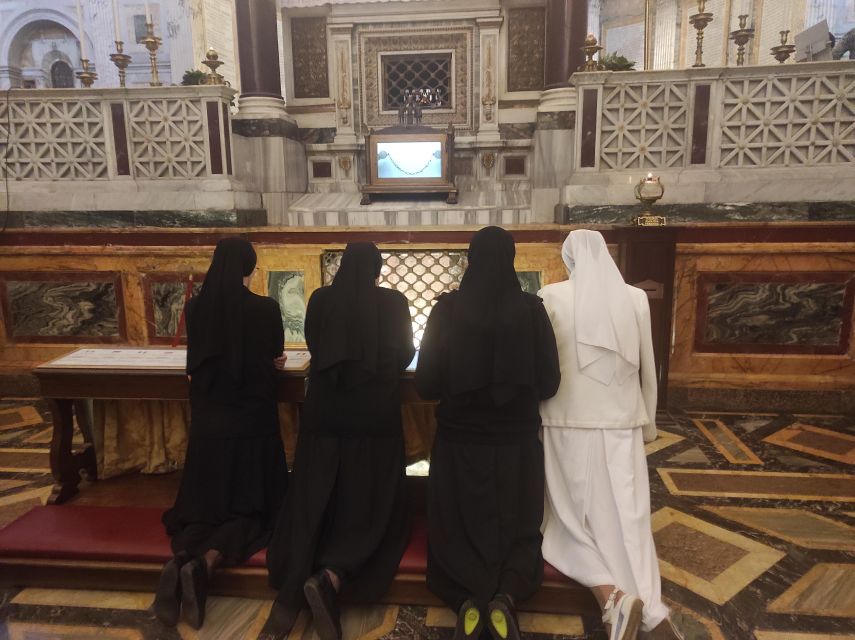
Rome can feel like a single long checklist. This experience breaks that pattern by sending you past the busiest areas and into the part of town where the ancient story still shows up in the streets, walls, and roads.
You start with pickup from your hotel in Rome and then ride out in a private, air-conditioned vehicle. That matters because it keeps the day calm. Instead of spending energy on directions, you’re using that time for the approach—watching how the city loosens into the countryside routes that made Rome work.
The duration is listed as three hours, and the pace reflects that. You get a guided underground portion, a walking stretch on the Appian Way, and several timed stops for photos and short visits. If you like your tours tight and purposeful, this one fits.
You can also read our reviews of more private tours in Rome

Porta San Sebastiano: the “gateway” feeling before you go under
Your first real stop is Porta San Sebastiano, where you’ll get a quick photo moment and sightseeing time. Even before you descend, this kind of location does something useful: it gives your brain a scale reference for Rome’s walls and routes.
Then you’re on the move toward the catacombs. This is where the tour’s flow helps you. You don’t just jump from a random street to a ticket booth. You ease into the theme—Rome as a city defined by movement, boundaries, and routes that connected people to each other.
Inside the Catacombs: what the licensed guide helps you see
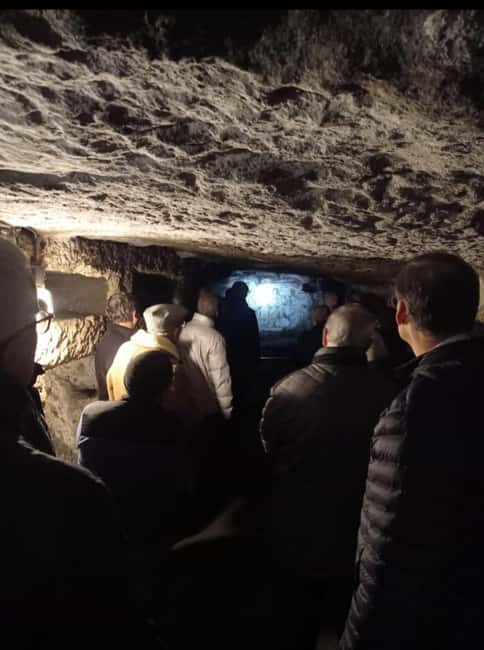
The heart of the tour is the Catacombs of Rome, with an official guided group tour inside (about 45 minutes on the itinerary). You’ll descend beneath Rome’s streets to explore Catacombs of San Callisto (or San Sebastian, depending on what’s included for your slot), described as one of the most important and extensive underground cemeteries of early Christianity.
What you’ll likely focus on underground
The tour wording points to three main things you’ll be helped to notice:
- ancient tombs and burial chambers
- symbolic frescoes
- the sense of how early Christians honored their dead and practiced faith in secrecy
That licensed guide piece is more than paperwork. Underground, it’s easy to look at stone and think it’s just older rock. With a guide, you’re more likely to understand how the spaces were used and what specific symbols may have meant to people at the time.
Comfort and claustrophobia: plan honestly
You should take the “not recommended” note seriously. Catacombs are naturally tight and can feel enclosed. If you have claustrophobia, don’t treat this like a maybe. Also consider the amount of walking involved across the whole route, plus the time you’ll spend moving through underground passages.
If you’re comfortable in enclosed historic spaces, bring a camera (suggested by the tour) and wear shoes that grip well. You’ll be glad you did when you’re trying to stand where you can actually frame a shot without wobbling.



Who this stop suits best
This is best for you if you want more than dates and names. You want the how and why: why people built these spaces, what they believed, and how the dead were treated. It’s also ideal if you’re the type who likes spiritual history that doesn’t feel like a lecture.
Appian Way (Via Appia Antica): cobblestones that explain Roman power

After you come back up into daylight, you shift to the Appian Way, Via Appia Antica—a classic Roman route known as the Queen of Roads. Your walking time on this section is listed at about 15 minutes, so think of it as a guided taste of the countryside approach rather than a long hike.
What makes this road worth your time
Walking here helps you understand Rome in a physical way. The cobblestones aren’t just scenery; they’re evidence that Roman engineering was built for movement—troops, supply, and communication. As you go, you’ll pass ancient tombs, ruins, and the towering aqueducts that still shape the view.
And because this is a private tour, the timing can feel less rushed. You’re not trying to squeeze into a crowd just to stand on the stones for one photo. You get a short walk that’s paced to the story being told.
A practical tip
Bring your camera mindset, but also bring your eyes. The most impressive moments are often at angles: aqueduct lines cutting across the air, ruins framed between walls, and tomb shapes appearing where you’d expect open space.
Church of Domine Quo Vadis: the Peter story stop
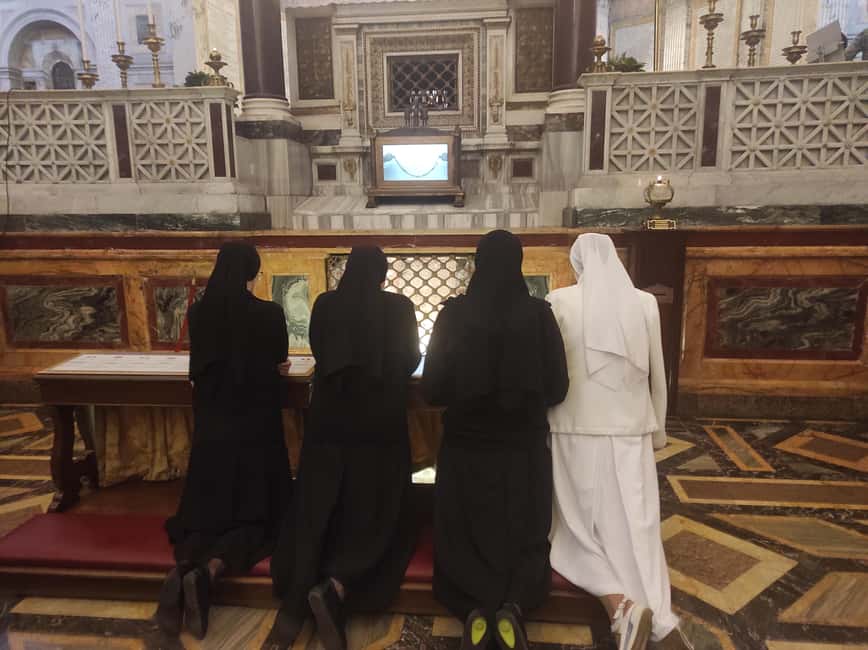
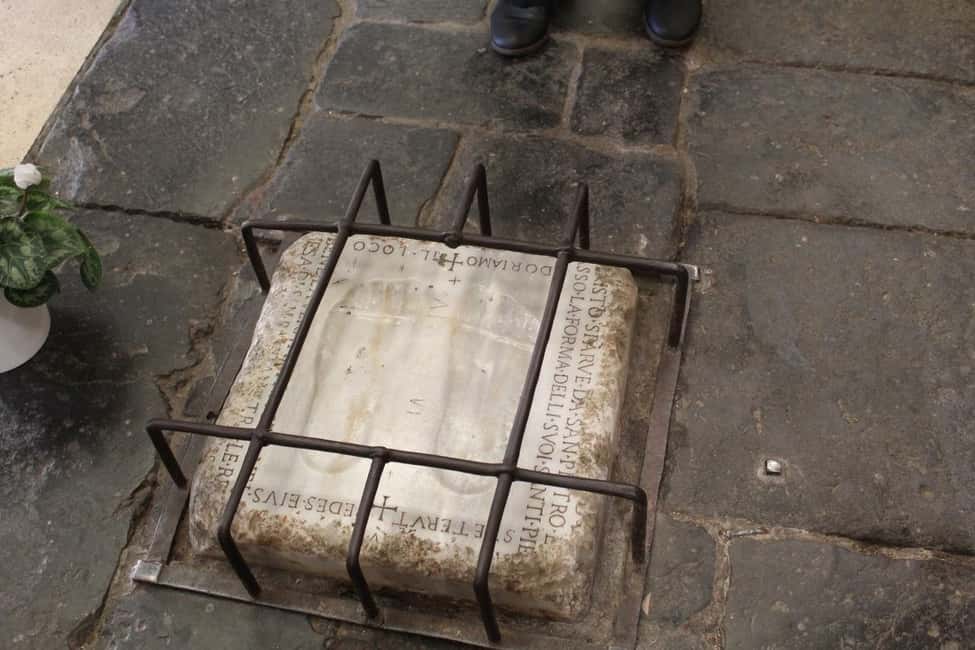
Next is the Church of Domine Quo Vadis, a short stop (about 20 minutes) with sightseeing and photo time. It’s a small, symbolic site tied to Saint Peter’s encounter with Christ while fleeing Rome.
Tradition says this moment inspired Peter to return to the city and face martyrdom. That’s what makes the stop meaningful even if the church itself feels modest compared to Rome’s big-name basilicas.
Why it works in the context of this tour
You’ve just been underground at early Christian burial sites. Then you come to a place rooted in Christian tradition about returning to Rome. The tour quietly links burial history to faith history—what it meant to stay, to fear, and to choose courage.
If you want that continuity, this stop is a good add-on. If you’re mainly here for archaeology, you may treat it as a reflective break.
Villa di Massenzio, Pyramid of Cestius, and Aurelian Walls: the “bonus” archaeology stops
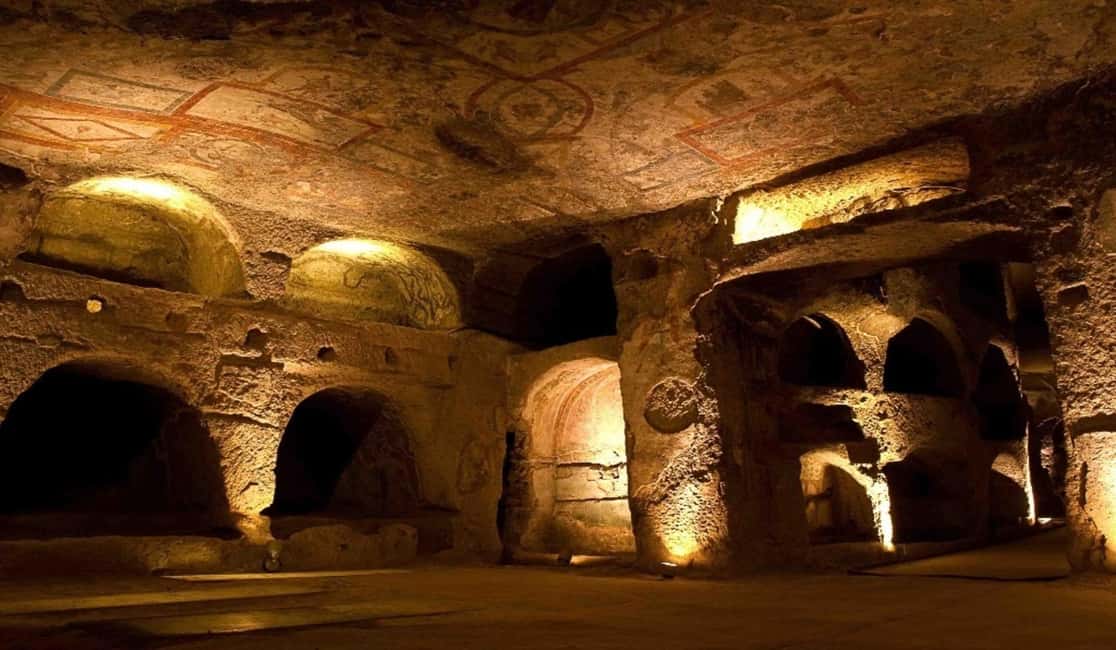
The itinerary includes a handful of quick views that help you connect the dots between different eras of Rome.
Villa di Massenzio
You’ll have a photo stop and sightseeing time (about 20 minutes listed). The tour description doesn’t spell out what you’ll learn here, so keep expectations realistic: this is more about seeing and framing than a deep museum-style explanation.
If you enjoy ruins and photo opportunities, it’s a satisfying pause. If you want constant guidance every minute, you might feel that you’re moving through this section faster than the catacombs.
Panoramic drive along the Aurelian Walls
You also get a panoramic drive by the Aurelian Walls (about 10 minutes). A “view from the vehicle” doesn’t sound exciting until you realize how much context walls give you. They show you that Rome wasn’t just grand buildings. It was protected, measured, and organized.
Pyramid of Cestius
The Pyramid of Cestius is a photo stop (about 10 minutes). It’s an easy one to love because it’s visually striking even when you only spend a short moment with it. When you look at it along with nearby structures and walls on the drive, you start to see Rome as a collection of distinct landmarks built for different purposes.
St. Paul Outside the Walls: a longer stop that helps you reset
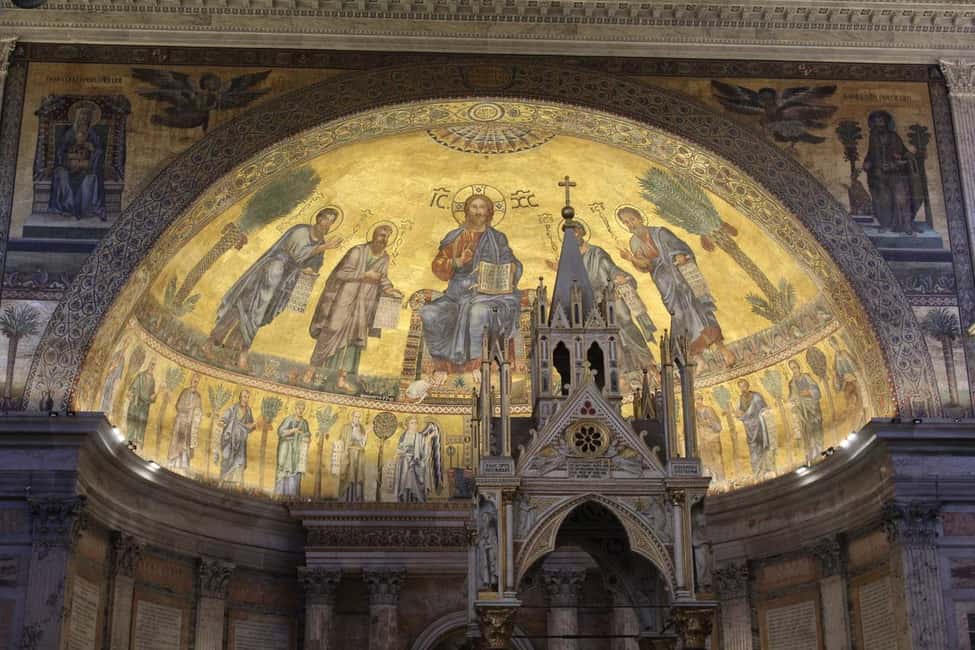
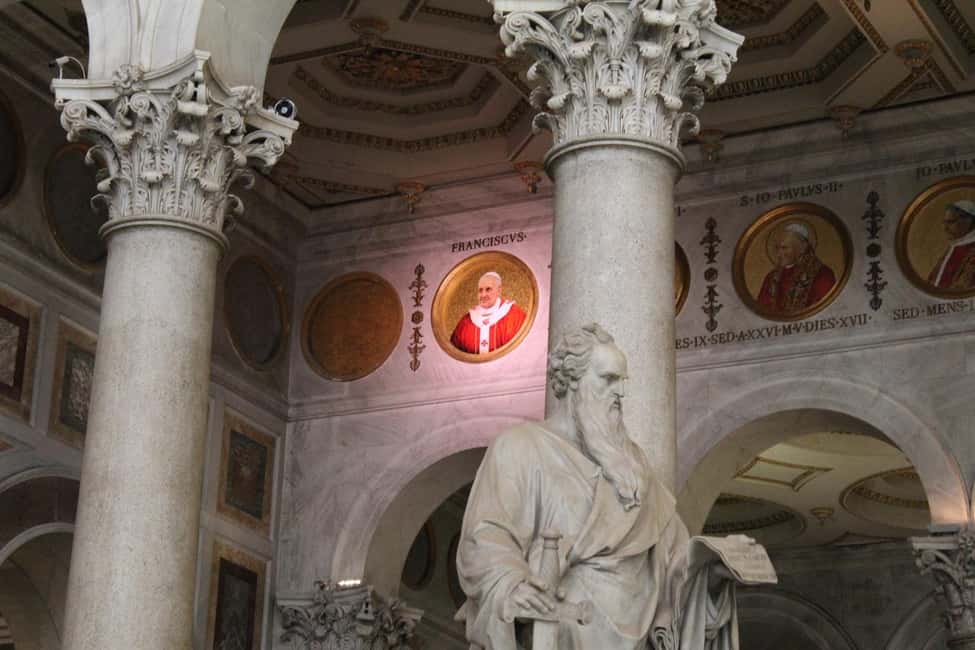
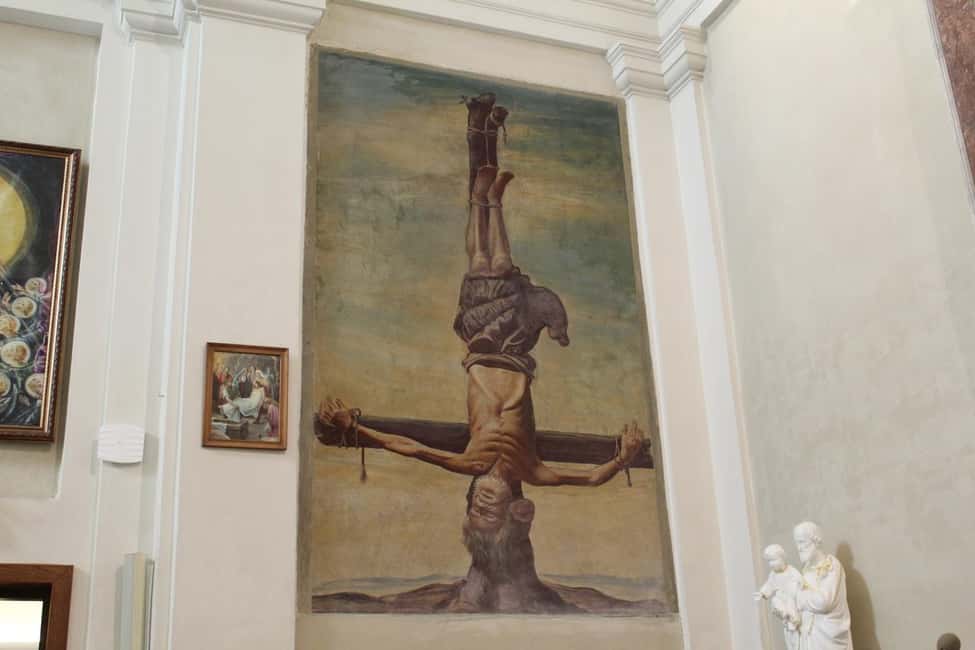
You’ll also have time at St. Paul Outside the Walls, listed at about 30 minutes with photo stop, visit, and some walking. This part of the tour gives you something the catacombs can’t: space to breathe and a chance to shift from the underground theme to a more public, traditional religious setting.
The listing doesn’t provide specific details about what you’ll see inside, so your best move is to approach it as a meaningful final anchor. You’ve already touched early Christian themes underground and tradition at Domine Quo Vadis. St. Paul Outside the Walls adds a broader “how faith traveled through Rome over time” feeling.
How the private structure changes the value (and the comfort)
This is a private group tour. That’s not just a marketing term—it affects your day in practical ways.
Convenience you feel
Hotel pickup and drop-off mean you don’t waste time figuring out trains, buses, or meeting points far from where you’re staying. You’re also in a private vehicle with bottled water onboard, and the vehicle is air-conditioned.
For Rome, those comforts matter. If your plan is mostly historical walking, you don’t want to spend your energy wrestling with logistics before you ever reach the first site.
The inside-the-catacombs access
A big part of the value is the entrance ticket and the official guided group tour inside the catacombs. Catacombs are not like a casual outdoor ruin where you can wander and still feel satisfied. The guide helps you interpret what you’re seeing.
You’re paying around $80 per person, and what you’re buying is time saved plus official access. Food and drinks aren’t included, so you should expect to handle meals on your own before or after. But you’re not paying extra for the core experiences listed: transport, catacomb ticket, and guided underground time.
Timing that avoids decision fatigue
Because the day is built as a sequence of set stops, you’re not constantly deciding what to do next. That’s a hidden benefit for Rome. It’s a lot easier to enjoy history when you don’t have to solve the city first.
What guides can do for this tour: patience and pacing
The experience depends heavily on the guide, especially underground. In the past, guides like Parisa and Patrick have been highlighted for being patient and personable while still delivering clear explanations. That kind of approach matters if you want to learn without feeling rushed.
If you get a guide who handles timing well, your stops feel smoother—Porta San Sebastiano and the Appian Way photo moments don’t get swallowed up by delays, and you still get the full guided period in the catacombs.
Who should book this Appian Way and Catacombs private tour?
Book this if you:
- want a private day with hotel pickup and a structured route outside the crowds
- care about early Christian history and want help understanding underground symbolism
- like quick, meaningful stops that connect different parts of Rome’s story
- prefer a short tour where each segment has a purpose
You might skip it if:
- you have claustrophobia or get uncomfortable in tight spaces
- you need wheelchair-friendly access (it’s not recommended for wheelchair users)
- you want a long, slow walk or a full day of museums
Quick practical checklist
- Comfortable walking shoes (moderate walking is involved across the route)
- Camera for photos (the tour specifically suggests bringing one)
- A mindset that catacombs can feel enclosed
- Plan for food separately since drinks and meals aren’t included
Should you book it?
If you want a smarter Rome day—one that gets you out to the Appian Way and into the Catacombs of San Callisto with proper guidance—this private tour is a strong choice. The combination of hotel pickup, private transport, ticketed catacomb access, and multiple historic stops for photos and short visits makes it good value for a three-hour format.
But don’t gamble with comfort. If claustrophobia is a concern, look for a different type of Rome tour that doesn’t go underground. If you’re comfortable with enclosed spaces and you like history you can see and walk through, this is exactly the kind of route that leaves you feeling like you understood a different Rome.
FAQ
How long is the Appian Way and Catacombs private tour?
It lasts 3 hours.
What’s the price per person?
The price is $80 per person.
Do you get hotel pickup and drop-off?
Yes. Hotel pickup and drop-off are included in Rome.
Is transportation private and air-conditioned?
Yes. You’ll travel in a private air-conditioned vehicle with a professional English-speaking driver.
Which catacombs are included?
Entrance tickets are included for the Catacombs of San Callisto or San Sebastian.
Is there a guide inside the catacombs?
Yes. There is an official licensed guided group tour inside the catacombs.
Will I have time to walk on the Appian Way?
Yes. The itinerary includes a walk along the Appian Way (Via Appia Antica), with a scheduled photo stop and time to visit and sightsee.
Are meals included?
No. Food and drinks aren’t included.
What should I bring?
Bring comfortable shoes and a camera.
Is it suitable for claustrophobia or wheelchair users?
No. The tour isn’t recommended for people with claustrophobia or for wheelchair users.