REVIEW · ROME
Pasta & Tiramisù making in the heart of Rome
Book on GetYourGuide →Operated by iQook Experience · Bookable on GetYourGuide
Make pasta steps from the Opera House. This 2.5-hour class in the centre of Rome gives you a comfortable base and a chef-led rhythm that makes Italian cooking feel doable, even if you cook at home maybe once a year. I like the air-conditioned workstation and the location close to the Opera House, so you can fit this into a normal sightseeing day without the chaos.
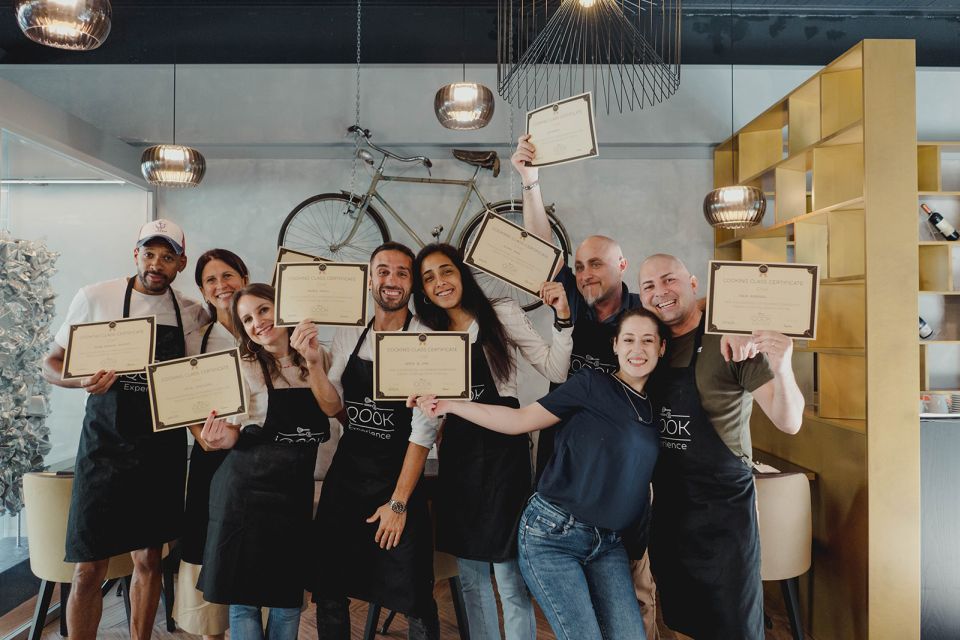
The biggest draw is that you’re not just watching. You’ll follow an English-speaking chef’s guidance (people have worked with chefs like Giuseppe, Dani, and Agnes) while you build pasta dough and shape it, then turn out your own Tiramisù. Add the welcome drinks and regional wine with your meal, and you get a real Roman-style food break, not a token snack.
One thing to consider: the class is pasta-first, so the sauce portion may be more guided than you’d expect, depending on how the session flows. If you’re hoping to do every single step yourself, set expectations for a structured, chef-supported experience.
In This Review
- Key Things You’ll Notice
- Pasta and Tiramisù Right by Rome’s Opera House
- Where You Go: iQ Hotel Blue Building, Left of the Opera House
- The “Hands-On” Cooking Flow (What You Do, Step by Step)
- Pasta: Dough to Shaping
- Tiramisù: Coffee-Cream Balance
- Drinks, Meal Time, and the Rome-Style Food Break
- Chef Coaching That Makes It Click
- Price and Value: Is $65 Reasonable for Rome?
- Who Should Book This Class (And Who Might Skip It)
- Tips to Make the Most of Your Session
- Should You Book Pasta & Tiramisù in the Heart of Rome?
- FAQ
- How long is the cooking class?
- What does it cost?
- Where do I meet the group?
- Is the class taught in English?
- What’s included with the class?
- What are the cancellation and payment options?
Key Things You’ll Notice
- Air-conditioned comfort in central Rome so the class feels pleasant, not sweaty.
- Chef-guided pasta work from dough to shaping, plus tips that stick.
- Your own Tiramisù made during the session (not just assembled at the end).
- Welcome drinks and wine with the meal to round out the experience.
- Recipes sent after the class so you can repeat the results at home.
Pasta and Tiramisù Right by Rome’s Opera House
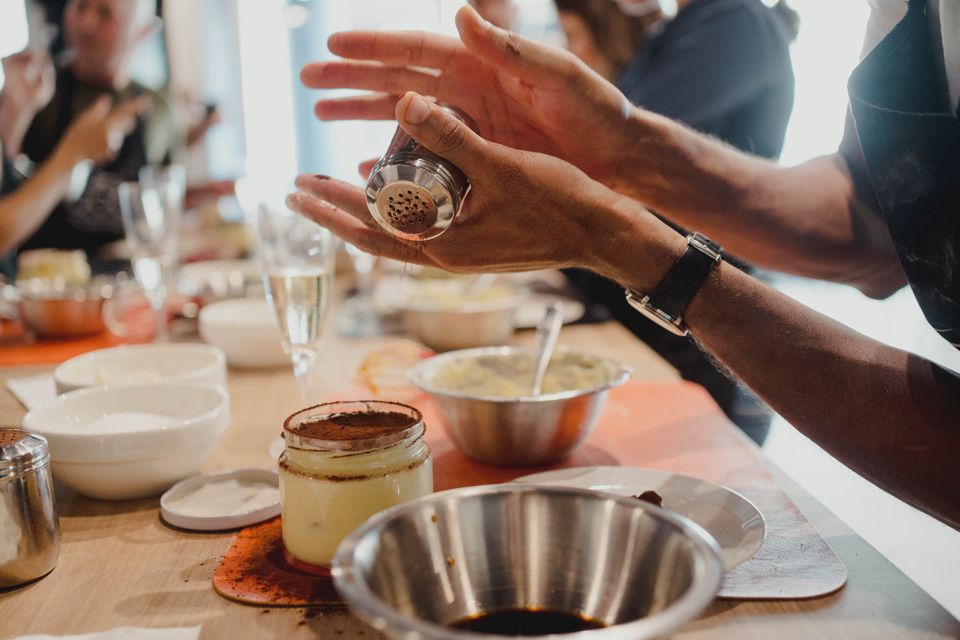
This experience is built for people who want a hands-on food moment in Rome, without having to hunt down ingredients, schedule, and logistics on their own. You’re placed near the Opera House area, and that matters. Rome sightseeing can be a lot of walking and heat. Starting a class in a modern indoor setup (with air conditioning) makes it feel like a controlled, enjoyable pocket of time in the middle of your day.
What also works well is the way the course is designed around a simple idea: learn the steps, then eat what you make. The format stays practical. You’ll see the process, you’ll get coaching, and then you’ll take part in the actual shaping and finishing. It’s the kind of cooking class that tries to teach technique, not just entertain.
And yes, the name says pasta and Tiramisù, and that’s what you focus on. This is not a long multi-course cooking school marathon with obscure regional ingredients. It’s concentrated, clear, and aimed at giving you a repeatable win: you’ll leave with real skills, plus recipes to help you recreate the flavors later.
You can also read our reviews of more tours and experiences in Rome.

Where You Go: iQ Hotel Blue Building, Left of the Opera House
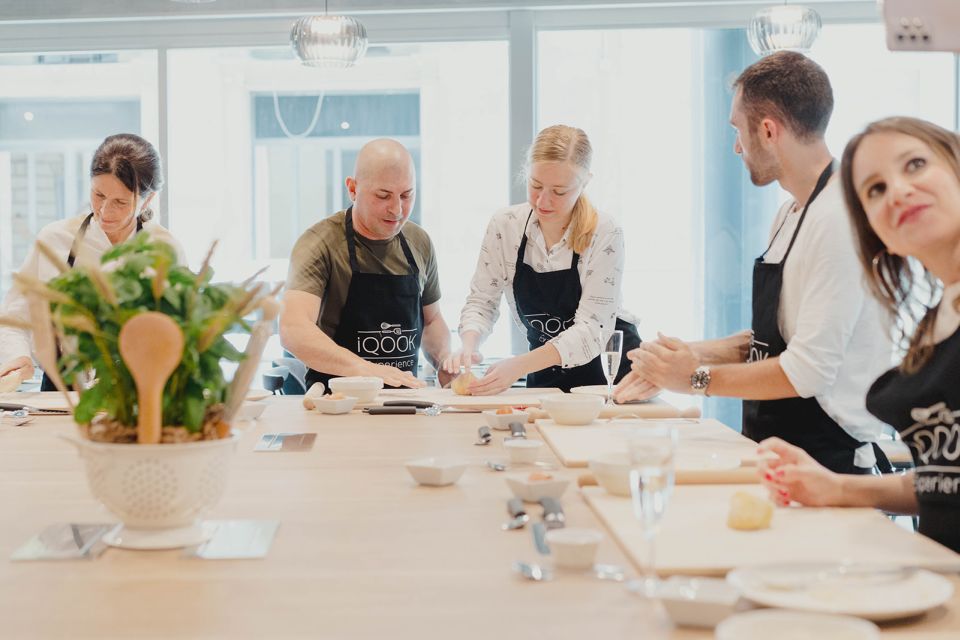
Your meeting point is iQ Hotel’s blue building on the left side of the Opera House. That’s helpful because it’s a landmark route. If you’ve been around this part of town, you’ll likely find your way quickly on foot, and you won’t waste class time guessing which street is which.
Once you’re there, the setting is described as modern and comfortable, with air conditioning at the workstations. That detail comes up in the feedback because Rome can be warm, and cooking dough and working with ingredients takes physical attention. When the room is comfortable, you can actually focus on technique.
Another small advantage: the cooking school is described as brand new, but it belongs to the iQ Hotel group, which has been trusted for years. In real terms, that usually means smoother front-of-house basics. You’re less likely to find the kind of chaos that can happen with brand-new pop-up experiences.
The “Hands-On” Cooking Flow (What You Do, Step by Step)
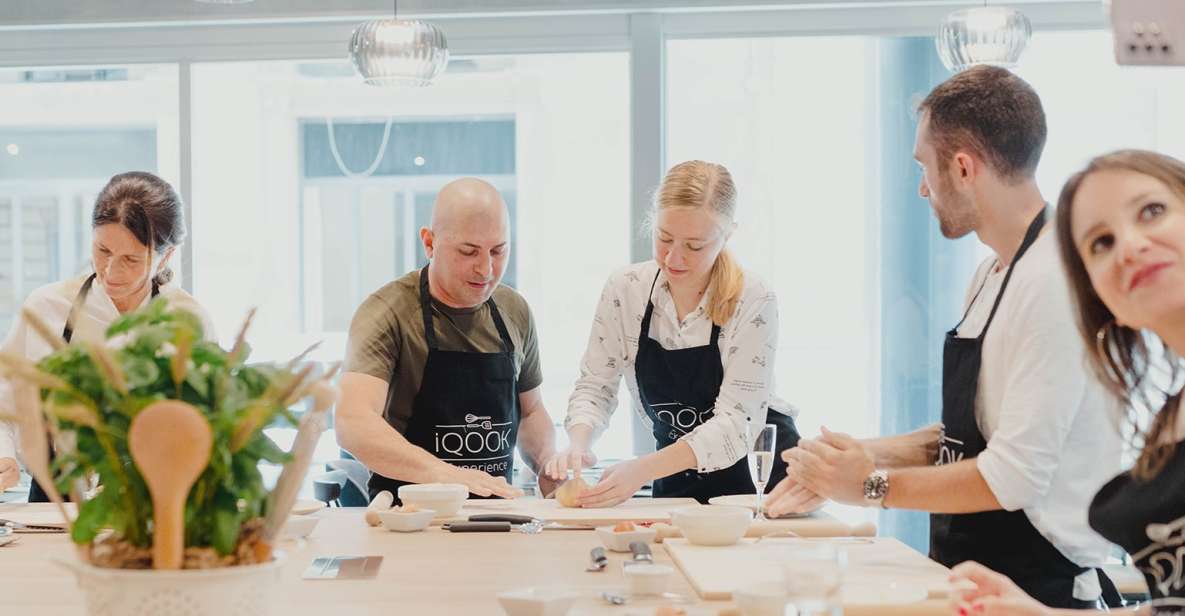
The class follows a workflow that keeps you busy without turning it into a race. Based on the way it’s described, you’ll be able to see the full process and then participate in key stages. In particular, you’ll work through pasta dough, including the rest time, and then progress to shaping. That rest isn’t just a technical detail. It’s where gluten relaxes and the dough becomes more cooperative, which is why good classes emphasize timing.
From the session flow described, one common pattern looks like this:
- You start with pasta dough.
- While the dough rests, you begin making the Tiramisù.
- Once timing catches up, you shape the pasta.
This structure is smart. It prevents you from standing around waiting, but it also respects that some steps need time. Tiramisù also benefits from patience, because the cream and coffee components need time to set up. Doing it during the session means you get a finished product you can enjoy together, instead of taking home an unfinished “project.”
Pasta: Dough to Shaping
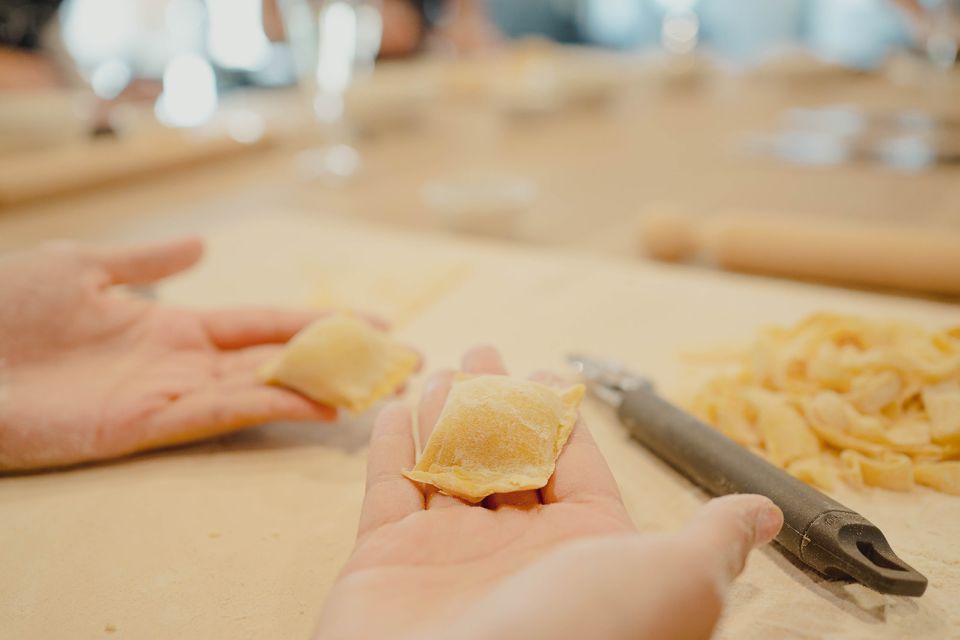
The pasta focus is the backbone of the class. You’re learning what makes pasta dough behave: texture, handling, and how to get from mixed ingredients to something that can be shaped. Even when a sauce component is present, the main weight is on the pasta-making side.
As a practical note: one piece of feedback flags that you may get instructions rather than doing every sauce step yourself. So if you’re expecting to personally cook the sauce end-to-end, keep your expectations realistic. You’re still learning the pasta technique that will most directly help you cook at home.
Tiramisù: Coffee-Cream Balance
Tiramisù is a classic because it’s forgiving in the broad strokes and exacting in the details. You’ll learn the basic build and the timing of assembling. The coaching style matters here: you want simple rules for consistency so you don’t end up with something too runny or too heavy.
And because you’re making it during the class, you’re tasting the results soon after finishing. That closes the feedback loop. You can connect what you did to what you liked, then you’ll know what to repeat later with your own ingredients.




Drinks, Meal Time, and the Rome-Style Food Break
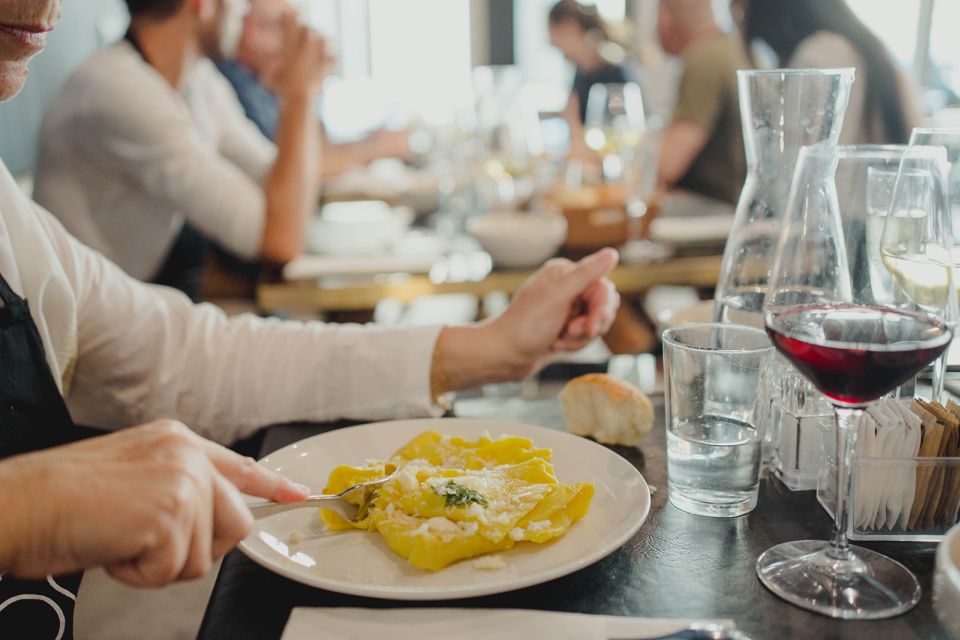
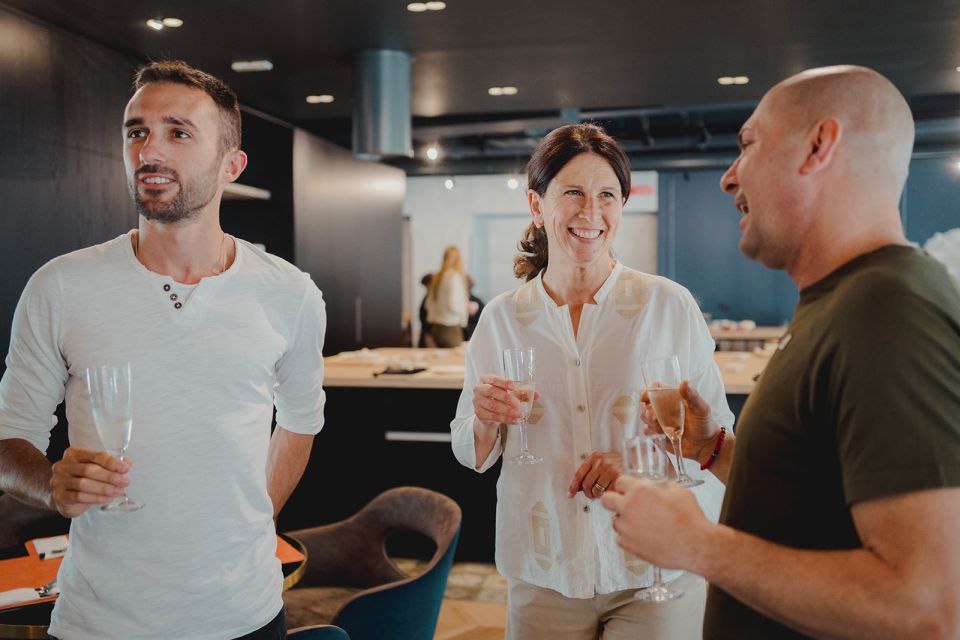
You’re welcomed with Prosecco, and your meal is paired with regional wine plus soft drinks. That’s not just a perk. It changes the feel of the class. Cooking can be focused and technical, but pairing drinks creates a relaxed rhythm, and it turns the meal into a proper social moment.
Food doesn’t end at the worktable either. Some people mention extras like bread, coffee, and even lemoncello as part of the pairing with the meal. The only smart way to treat that is as a “you might get more than the basics” bonus, not as a guaranteed add-on every time. Either way, the idea is consistent: you’ll sit down and eat what you make with drinks that fit the Italian tempo.
One more practical point: because you’re eating your output, you won’t leave hungry and you won’t feel like you paid for instruction only. The class is built to land with a real meal experience, not just a taste.
Chef Coaching That Makes It Click
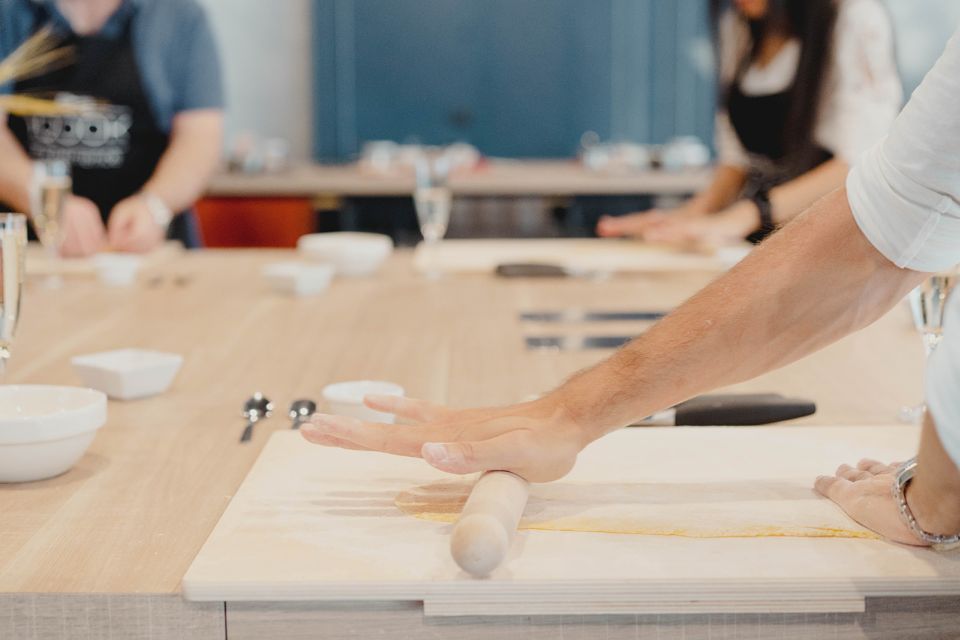
The chef-led structure is a big reason this class scores so high. You’re not thrown into chaos. The teaching style is described as clear, organized, and supportive, with encouragement to participate. People highlight the “tips and tricks” style guidance, and that’s exactly what you want.
When a cooking class is good, it answers the questions you didn’t know you’d have:
- How should the dough feel?
- What does correct texture look like?
- What mistakes happen when you rush?
- How do you shape without tearing?
Chefs like Giuseppe, Dani, and Agnes (names that have shown up in feedback) are referenced as attentive and friendly, and that matters because good cooking teaching is part technique, part confidence. If you feel comfortable, you learn faster. If you feel rushed or confused, you stop paying attention.
Also, the group size is described as good. That usually means you’re not swallowed by a crowd. You can ask questions and get an answer without feeling like you’re interrupting. If you’re cooking with friends, it’s also easier to keep the vibe fun instead of awkward.
Price and Value: Is $65 Reasonable for Rome?
At about $65 per person for a 2.5-hour session, this sits in the category of “worth it if you want hands-on learning.” You’re paying for:
- Fresh ingredients and equipment
- Chef guidance
- A full homemade meal outcome (pasta plus Tiramisù)
- Drinks (Prosecco, regional wine, soft drinks)
- Air-conditioned workstations
- Recipes sent after the class
If you try to replicate this day at home, the hidden costs are real: time, ingredient shopping, equipment you may not have, and the learning curve. A chef-led class compresses all of that into a single afternoon with everything ready. That’s why the value makes sense for visitors who don’t want to mess around with sourcing.
It’s also good value compared to a typical meal that only gives you food, not skills. You’re essentially buying both the eat-now enjoyment and the repeat-at-home potential through the recipes.
That said, the best value depends on your goal. If your only goal is a Roman meal and you don’t care about cooking technique, you may find cheaper options. If you want to leave Rome with something you can reproduce, this price looks fair.
Who Should Book This Class (And Who Might Skip It)
This suits you if you:
- Want a practical cooking skill, not a passive tour
- Like the idea of making pasta dough and shaping it yourself
- Want a friendly social class with a clear plan
- Appreciate comfort details like air conditioning in warm months
- Prefer an English-instruction experience
You might think twice if you:
- Expect to cook every component of the meal with no guidance (the class is structured and may be more pasta-focused than sauce-focused)
- Are very time-crunched and hate sitting down for a meal during a tour day
The good news is that even with those considerations, the class sounds designed to keep you involved and moving. The pacing is described as organized and not rushed, which is one of those “small” qualities that turns out to be a big deal.
Tips to Make the Most of Your Session
A couple of practical ideas help you get more out of it:
- Come hungry enough to enjoy the meal. Cooking classes can work up an appetite fast.
- Stay open to learning by doing. The dough and cream steps are where the lessons really land.
- Ask questions when you’re at your station. A big part of the value is instant feedback from the chef.
- Plan on using the recipes later. You’ll get them sent after the class, which makes your effort last beyond the day.
And if you’re sensitive to heat, this is one of the safer picks in summer because the workstations are air-conditioned. That alone can make the day feel calmer.
Should You Book Pasta & Tiramisù in the Heart of Rome?
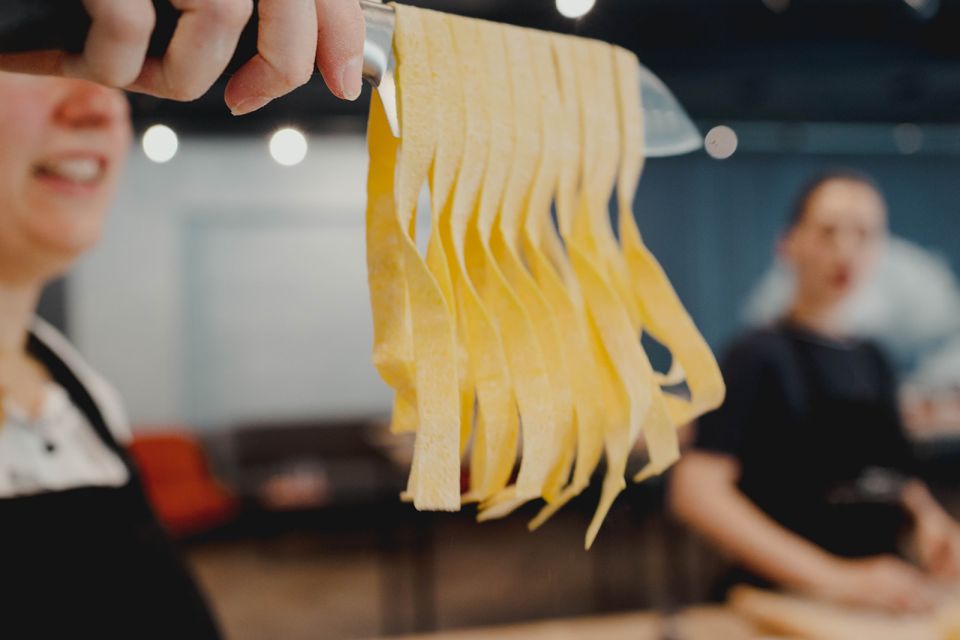
I’d book this if you want a true Rome food experience that combines technique, fun, and a satisfying meal. The strongest reasons are consistent: the air-conditioned comfort, the organized pace, and the fact that you end up making both pasta and Tiramisù, with chef support and English instruction.
If you want a low-effort meal with no cooking element, look elsewhere. But if you’re the type who likes to learn while you eat, this is a clean, practical choice that fits well into a sightseeing schedule near the Opera House.
FAQ
How long is the cooking class?
The duration is 2.5 hours.
What does it cost?
The price is $65 per person.
Where do I meet the group?
Meet at iQ Hotel’s blue building on the left side of the Opera House.
Is the class taught in English?
Yes, the instructor teaches in English.
What’s included with the class?
You get fresh ingredients and equipment, an air-conditioned workstation, guidance from a chef, a homemade meal, Prosecco, wine, and soft drinks, plus recipes sent after the class.
What are the cancellation and payment options?
Free cancellation is offered up to 24 hours in advance for a full refund, and there is a reserve now, pay later option (you can book without paying today).