REVIEW · ROME
Rome by Night: 3-Hour Bike Experience
Book on GetYourGuide →Operated by Rex-Tours · Bookable on GetYourGuide
Rome glows better on two wheels. On this Rome by Night bike tour, you follow a guided route where the biggest monuments look totally different after dark, when lights turn stone into stage sets.
I like that you get real landmark time in just 3 hours: the Colosseum, Roman Forum, Piazza Navona, Trevi Fountain, and Spanish Steps all fit into one efficient ride. I also love the semi-private feel, with live guidance in English or German, and guides like Leo and Christian who seem to make ancient Rome feel like a story you can actually picture.
One thing to think about first: you must be comfortable riding a bike, and the tour has clear limits (like children under 12 and people over 70). Plus, there’s no hotel pickup, so you’ll want to be ready to meet the group on your own.
In This Review
- Key Things I’d Plan Around
- Why Rome at Night Works So Well on a Bike
- Piazza Navona and Trevi Fountain: Best-Case Evening Energy
- The Colosseum and Roman Forum After Dark
- Spanish Steps by Bike: A Shortcut to a Classic View
- The Semi-Private Guide Experience (and Why It Matters)
- Bikes, Helmets, and How Confident You Need to Be
- Price and Value: What $81 Buys You in Real Terms
- What to Do Before and After the Ride
- Who Should Book This Tour (and Who Should Skip)
- Should You Book Rome by Night with Rex-Tours?
- FAQ
- How long is the Rome by Night bike experience?
- What sights are included on the tour?
- What’s included in the price?
- Is hotel pickup or drop-off included?
- Are food and drinks included?
- What languages are the live guides?
- What are the main requirements before joining?
- What if the weather is bad?
Key Things I’d Plan Around
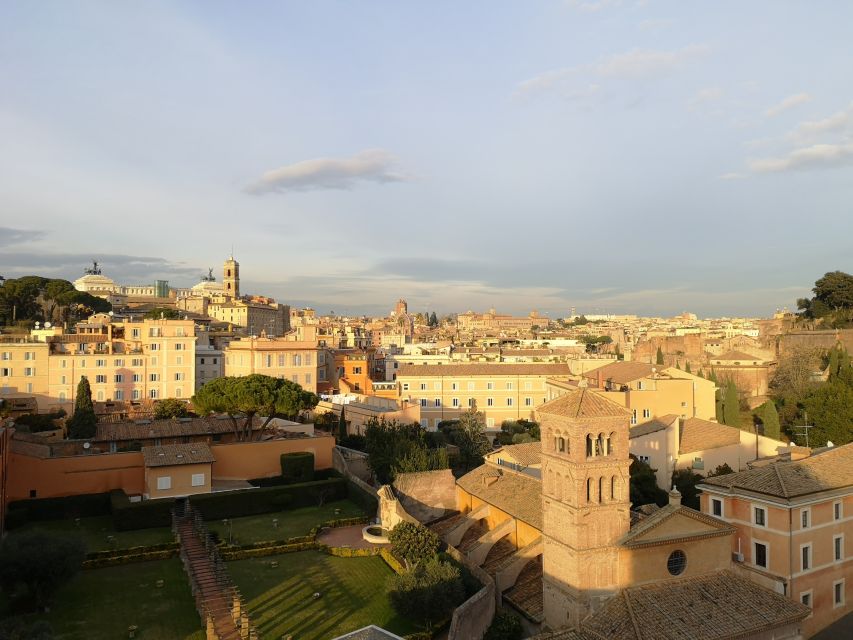
- Night-lit Rome, concentrated: major sights in one 3-hour loop instead of a long day of walking.
- Semi-private guidance: small groups mean the guide can actually steer the experience.
- Back-street cycling: you’ll spend time moving through the city, not just posing in front of it.
- Colosseum and Roman Forum after dark: the lights change the mood from postcard to atmosphere.
- Comfort in summer evenings: a cool breeze can make the ride feel a lot easier.
Why Rome at Night Works So Well on a Bike
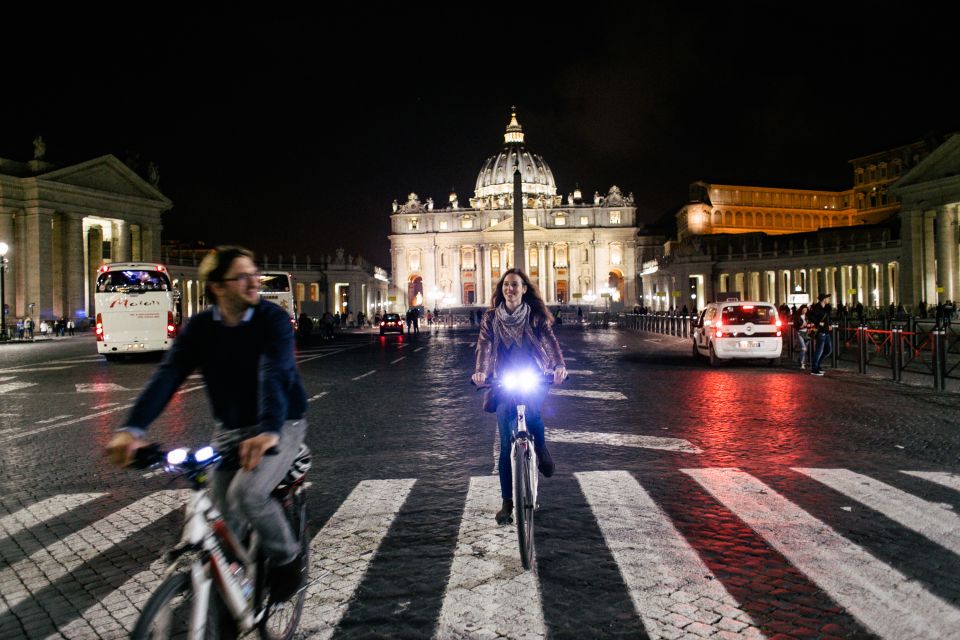
Rome is famous in daylight, sure. But at night, the city shifts gears. The monuments don’t just look prettier with lighting; they feel more human. Street corners get quieter, traffic patterns make more sense (for pedestrians, not always for cars), and you can actually enjoy the walkways and side streets you might skip during the day.
A bike tour is also a smart way to see a lot without killing your feet. You trade sore legs for steady motion. That matters when your evening is short and you want more than one or two big stops. You’ll get to watch places like Piazza Navona and the Trevi Fountain light up and then roll on before the crowd energy turns into a slow, stop-and-go slog.
The guide part is the secret sauce. Without context, you’ll see famous buildings. With a live storyteller, you start noticing details you’d miss while rushing between selfies.
You can also read our reviews of more cycling tours in Rome
Piazza Navona and Trevi Fountain: Best-Case Evening Energy
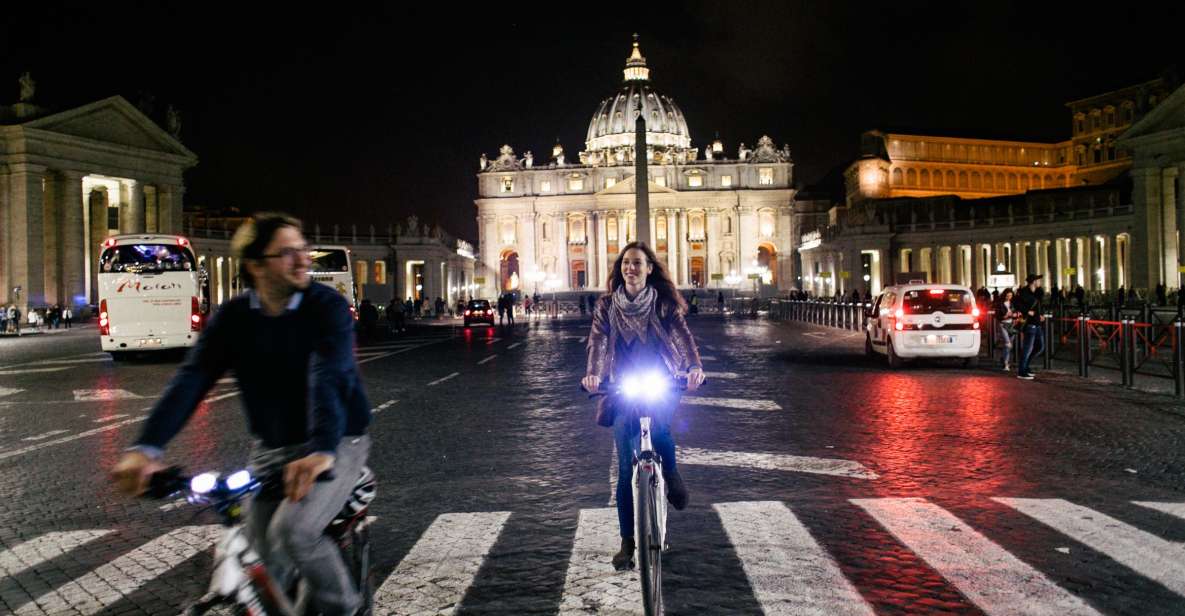
Your ride includes central highlights like Piazza Navona and the Trevi Fountain, and this is where night biking really pays off. Both are famous for a reason, but daytime often turns them into a constant carousel of people. In the evening, they feel more like lived-in places—still iconic, just less frantic.
Piazza Navona is one of those spots where the architecture looks good no matter what. At night, the lighting brings out the shapes and textures you don’t always catch in broad daylight. You also get a chance to slow down and take it in while your guide frames what you’re seeing and why it matters.
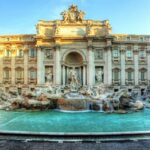
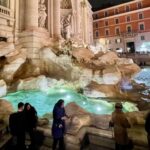
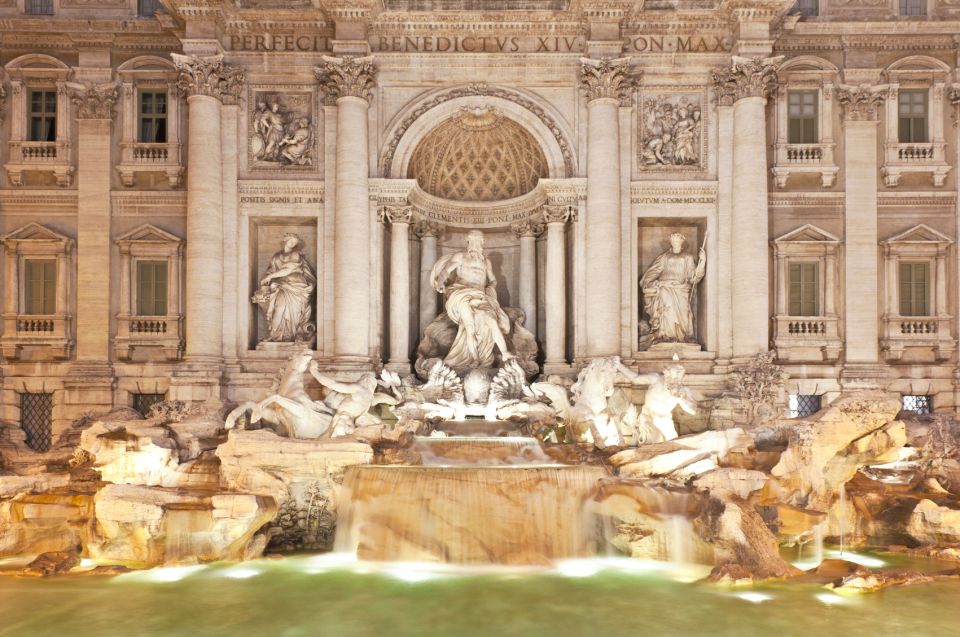
Trevi Fountain works the same way. The fountain is dramatic in any light, but at night the scene becomes more theatrical. You’ll be close enough to really notice the scale and the flow of the design, then keep moving instead of spending an hour stuck in the densest patch of visitors.
Practical note: since food and drinks aren’t included, this is a good time to decide in advance whether you’ll grab a quick bite before the tour or plan to eat after. This ride is built around moving, not snacking.
The Colosseum and Roman Forum After Dark
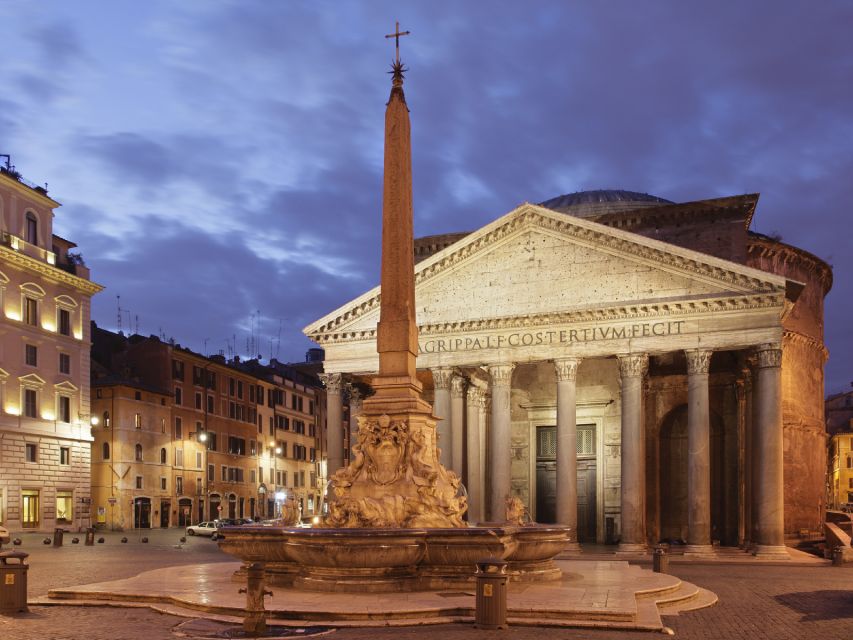
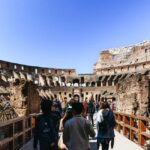
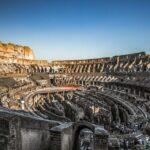
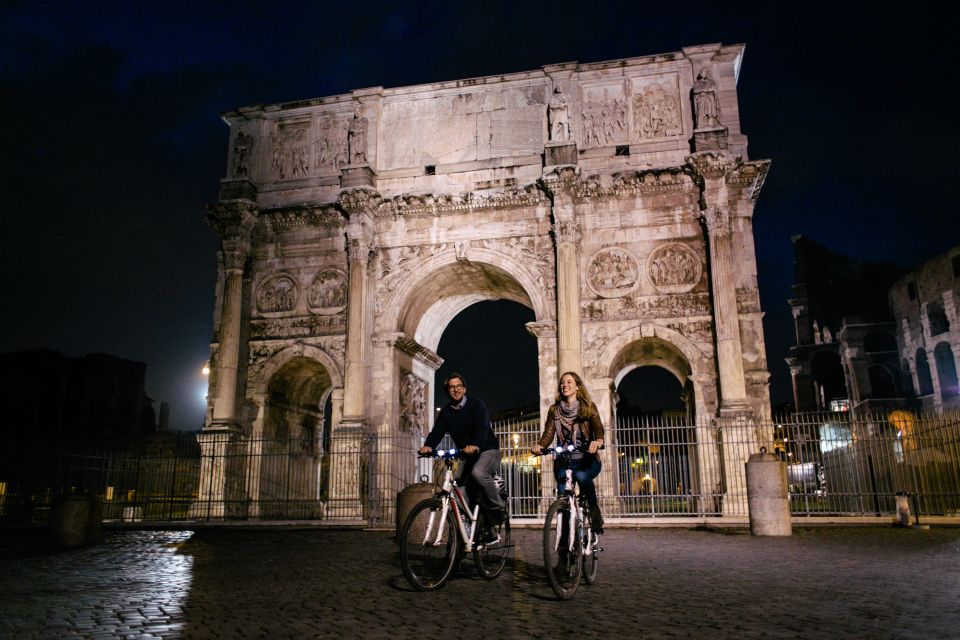
If the rest of Rome at night feels romantic, the Colosseum and Roman Forum feel cinematic. Lighting can do that weird trick where stone stops looking flat and starts looking textured and dimensional. In motion, those sights feel less like an exhibit and more like a place people once inhabited.
The Colosseum is the big name, but the Forum is what ties it into a bigger picture. When you see both in the same tour, you’re not just checking a landmark box. You’re getting a sense of how power, politics, and everyday life overlapped in the ancient city.
Night viewing also changes how you understand scale. During the day, you notice visitors first. After dark, your eyes have fewer distractions and you start noticing the forms—arches, edges, and the way the spaces open and tighten around you.
There’s another real benefit: you’re experiencing these sites in an evening time window that many day tours rush through. On a bike, you maintain momentum while the guide explains what you’re looking at. That combination helps the information stick without turning the ride into a lecture.
Spanish Steps by Bike: A Shortcut to a Classic View
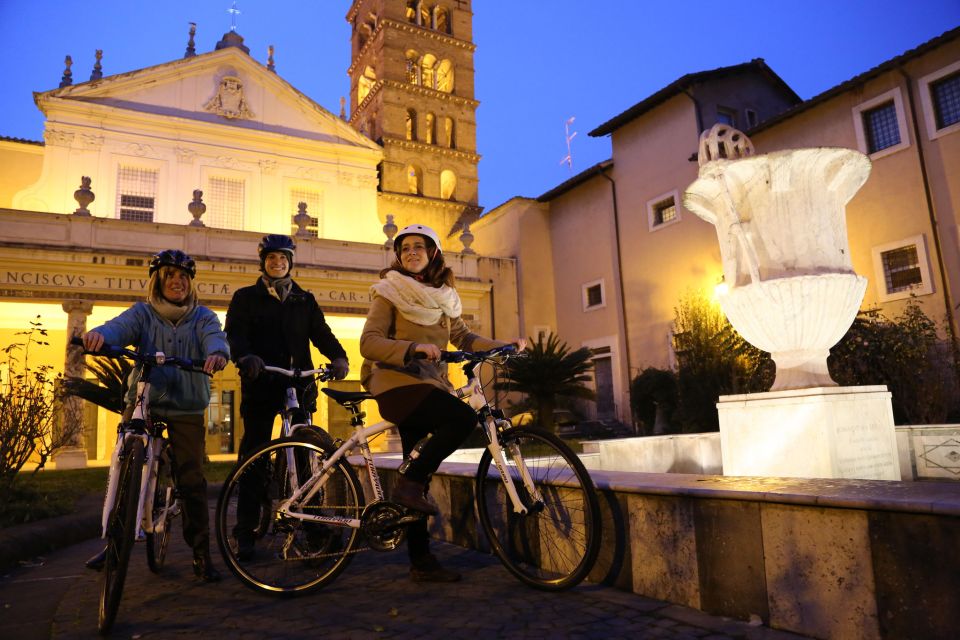
The Spanish Steps are another stop on the route, and biking makes them easier to appreciate. This isn’t just about getting a quick look. The steps sit in a neighborhood where the street life matters, and approaching by bike means you experience the area as part of the city, not just a photo backdrop.
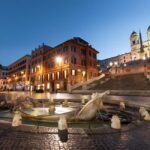
At night, the area around the steps tends to feel more relaxed. Streetlights and building lighting create a softer contrast, which makes the wide stairway feel dramatic without the harsh midday glare. You’ll likely get a perspective that’s hard to recreate if you’re only bouncing from stop to stop on foot.
Also, Spanish Steps fits the logic of the tour well: you’ve already taken in the ancient giants. This stop is a shift in mood—still famous, but closer to the everyday Rome you can picture between museum visits.
If you’re trying to plan your first night in Rome, this is the kind of stop that helps you orient yourself for the rest of your trip. You’ll come away knowing where things are and how neighborhoods connect.
The Semi-Private Guide Experience (and Why It Matters)
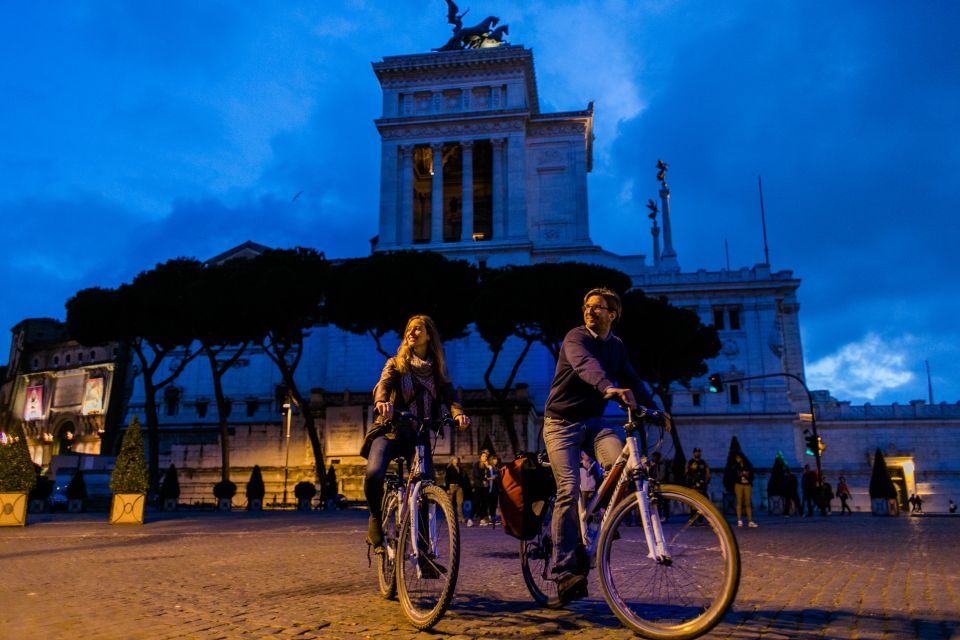
This is a guided bike tour with live tour guidance in German and English. The semi-private setup (small/private groups available) matters more than you might think.
In a big group, guides often speak louder, stop more often, and the ride can feel like a conveyor belt. In a smaller group, the guide can adjust pace and explain what you’re passing—especially on streets where the best views don’t happen straight ahead. You also get a better chance to ask questions if something feels confusing.
From the reviews you’ve been given, the experience seems heavily driven by the guide’s storytelling style. Names that show up include Leo, Christian, Luca, and Lucca. That’s not just trivia. It suggests the operator hires guides who know how to make Rome feel like a connected story, not random monuments.
One more point I like: this tour is 3 hours. That’s long enough for real enjoyment, short enough that you don’t feel like you’ve been trapped in a schedule all evening.
You can also read our reviews of more evening experiences in Rome
Bikes, Helmets, and How Confident You Need to Be
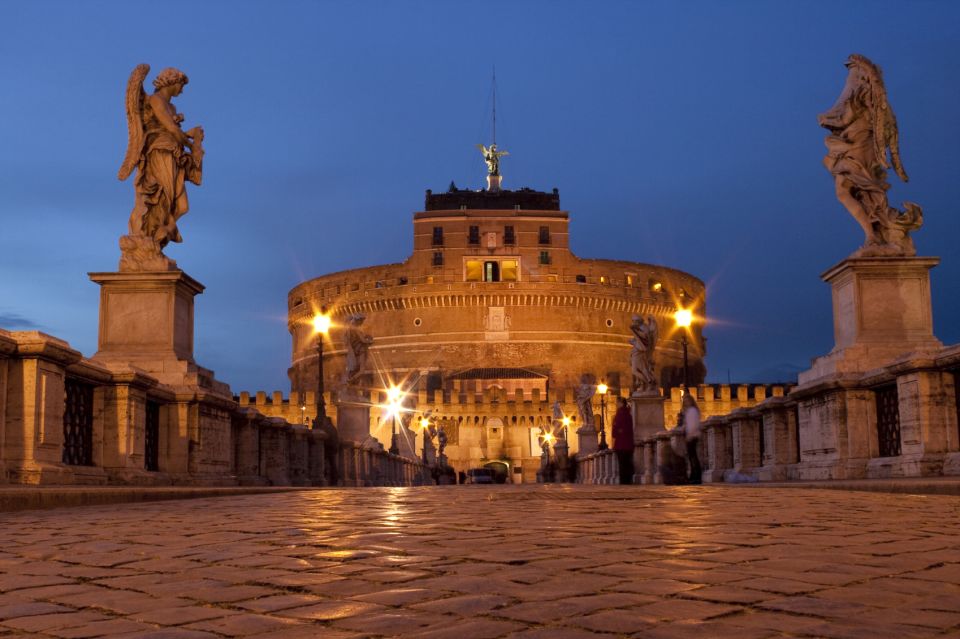
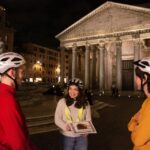
Included gear is straightforward: you’ll get a mountain bike or trekking bike and a helmet. That combination usually makes sense for Rome’s mixed surfaces—some smoother stretches, some uneven paving, and plenty of curb-and-corner moments.
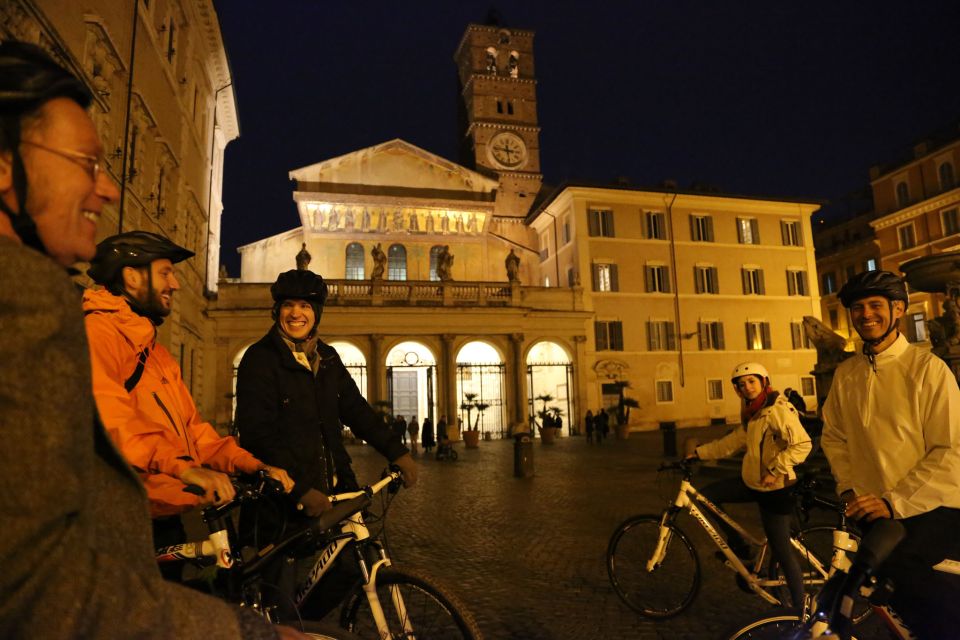
The important requirement is simple: participants must be able to ride a bike. If you wobble, brake late, or struggle with balance, this won’t feel fun. You don’t need to be an athlete, but you should be comfortable cycling steadily at an urban pace and turning without panicking.
There’s also a liability form at the start of the tour, so expect a quick paperwork step before you roll. And dress for the weather. Rome evenings can be mild or a bit damp depending on the season, and you’ll want clothes that don’t feel restrictive while riding.
If you’re visiting during hot summer weather, you’ll likely appreciate the timing. The evening breeze can make the ride feel more comfortable than a daytime walk, and you won’t spend the hottest hours parked at a viewpoint.
Price and Value: What $81 Buys You in Real Terms
At $81 per person for 3 hours, you’re paying for two things: access to a guided route and the transportation that gets you from sight to sight without exhaustion.
Is it cheap? No. But it’s also not trying to be. In a city like Rome, the biggest costs are time and logistics—getting around while seeing key landmarks. This tour compresses the hard parts into a single evening session. You trade the hassle of planning a long route for someone else mapping the flow around the major sights.
Compared with doing it solo, you’re also buying context. You’ll see Piazza Navona, Trevi Fountain, the Spanish Steps, and then the Colosseum and Roman Forum. Doing all of that in one night on your own is possible, but it often turns into a patchwork of transit, waiting, and guesswork. Here, the route is guided and designed for an easy-paced evening rhythm.
The “semi-private” piece adds value too. Smaller groups usually mean less waiting and more meaningful stops rather than just moving past monuments and calling it a day.
What to Do Before and After the Ride
Because hotel pickup and drop-off aren’t included, I’d plan your meeting point like it matters. Arrive with a little buffer so you’re not rushing when you should be focused on riding.
Also, think about timing your other evening plans around energy. This tour is active, and you’ll want to cool down afterward. If you’re doing dinner, pick something nearby enough that you’re not forced into long transfers right after the ride.
One good strategy: treat this as your orientation evening. After you’ve seen the major landmarks by bike, your next days get easier. You’ll know which neighborhoods you want to revisit for slower walks, better photos, or just wandering without a plan.
Who Should Book This Tour (and Who Should Skip)
Book it if you want a smooth, efficient first taste of Rome’s big hitters, especially at night. You’ll likely enjoy it most if you:
- are comfortable cycling in city conditions
- want a guided route with live storytelling
- like the idea of seeing the Colosseum and Roman Forum without spending all day on your feet
- prefer small or semi-private group energy over crowd chaos
Skip it if you:
- can’t ride a bike confidently
- are traveling with children under 12 (or you’re outside the height/age/weight limits listed)
- want a relaxed walking tour with plenty of long stops (this is built to keep moving)
Should You Book Rome by Night with Rex-Tours?
If you have limited time in Rome and you want to experience the city’s iconic sights at night, this is a strong pick. The value is in the combination: major landmarks, a live guide in English or German, helmets and proper bikes, and a ride length that fits a real evening schedule.
My only caution is honesty: it’s not a sit-and-watch tour. You’ll be cycling, so bring your bike comfort level, not just your curiosity. If you’re ready for that, $81 buys you a memorable Rome night that moves fast in the best way.
FAQ
How long is the Rome by Night bike experience?
It runs for 3 hours.
What sights are included on the tour?
The route includes major illuminated landmarks such as the Colosseum, Roman Forum, Spanish Steps, and also areas like Piazza Navona and the Trevi Fountain.
What’s included in the price?
The tour includes a mountain bike or trekking bike and a helmet.
Is hotel pickup or drop-off included?
No. Hotel pickup and drop-off are not included.
Are food and drinks included?
No. Food and drinks are not included.
What languages are the live guides?
The live guide speaks German and English.
What are the main requirements before joining?
You must be able to ride a bike, and you’ll need to sign a release of liability form at the start of the tour.
What if the weather is bad?
If the forecast looks bad, contact the operator to see whether the tour is taking place. You should also dress according to the weather conditions.