REVIEW · ROME
Rome: Cooking class with wine pairing at Come Na Vorta
Book on GetYourGuide →Operated by COME NA VORTA · Bookable on GetYourGuide
Fresh pasta, real family secrets in Trastevere. At Come Na Vorta, a hands-on pasta and wine class starts with Prosecco and bruschette, then moves fast to shaping fettuccine and gnocchi like you mean it. I like that you get practical technique plus printed recipes to take home, and I like that the wine pairing comes in clear options, from a simple glass to upgrade picks like Brunello and Amarone.
The one thing to consider: this is a structured menu with wine tied to your booking choice, so you cannot freestyle the drink selection or add extra food beyond what’s included.
Key highlights
- Centuries-in-the-making pasta skills, passed down through three generations of a family business
- Two pastas + dessert you make, including fresh fettuccine and pillowy gnocchi
- Sauce choices made Roman, so you eat what locals actually order
- Wine pairing options (Bronze/Silver/Gold), plus free-flowing Prosecco and bruschette during the class
- Tiramisù variations taught and made, with the restaurant’s guest-favorite style
- Take-home support, including printed recipes and a participation certificate
In This Review
- Why Come Na Vorta Pasta e Vino in Trastevere Works So Well
- The 3-Hour Flow: Prosecco, Bruschette, and Your Dough Station
- Fettuccine and Roman Gnocchi: What You’ll Learn (and Actually Use Again)
- Sauces, Pasta Shapes, and the Wine Pairing Choices That Matter
- Tiramisù Variations: Dessert You Make, Not Just Order
- What’s Included for the Price: Value at About $68.10
- Real-World Comfort: Languages, Atmosphere, and Who It Fits
- Things to Consider Before You Book (So You Don’t Regret It)
- Should You Book Come Na Vorta Pasta e Vino?
- FAQ
- How long is the cooking class?
- Where do I meet for the class?
- What do we cook during the class?
- What food is included in the meal?
- Is wine included, and how does the selection work?
- Are drinks like water included?
- What languages is the class taught in?
- Is pickup or drop-off provided?
- What is the cancellation policy?
Why Come Na Vorta Pasta e Vino in Trastevere Works So Well
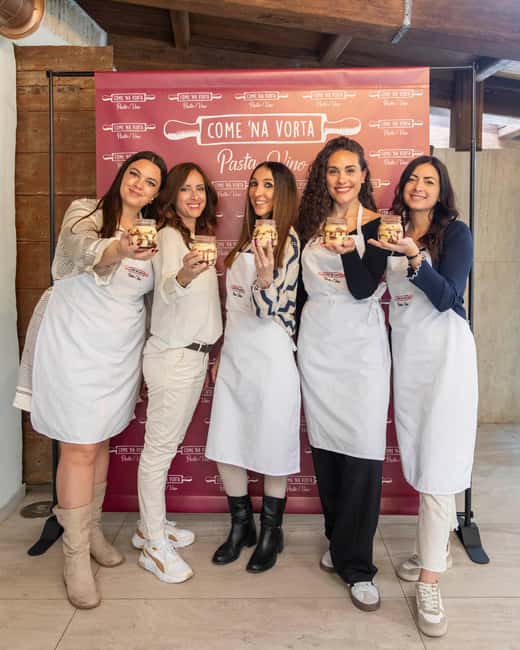
If you want Rome food that feels like more than a show-and-tell, this class is built for the real thing: hands in dough, food on the table, and wine that actually fits the meal. Come Na Vorta is in the Trastevere district, in a family-owned restaurant that leans on tradition rather than tricks.
One reason it clicks is the pace. You are not just watching someone form pasta shapes while you stand there with your phone. You start with drinks and snacks, then you get active right away. Another reason I like the format: your meal lines up with what you learn. You make fettuccine and gnocchi, and you eat two pasta dishes with sauces you choose, plus tiramisù you make yourself.
The restaurant also keeps things easy for different language comfort levels. The instructor is offered in English and Italian, and the overall atmosphere is friendly, not stuffy. That matters in a country where the kitchen moves fast and confidence helps.
The 3-Hour Flow: Prosecco, Bruschette, and Your Dough Station
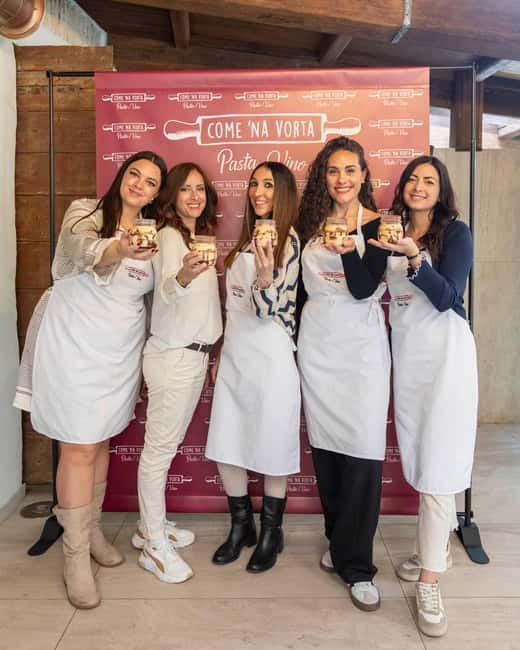
This experience runs about 3 hours, with roughly 2 hours for cooking and then time to sit down and eat what you made. No pickup or drop-off is included, so you will want to plan to meet at the restaurant and arrive a few minutes early.
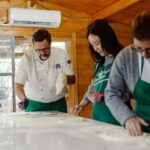
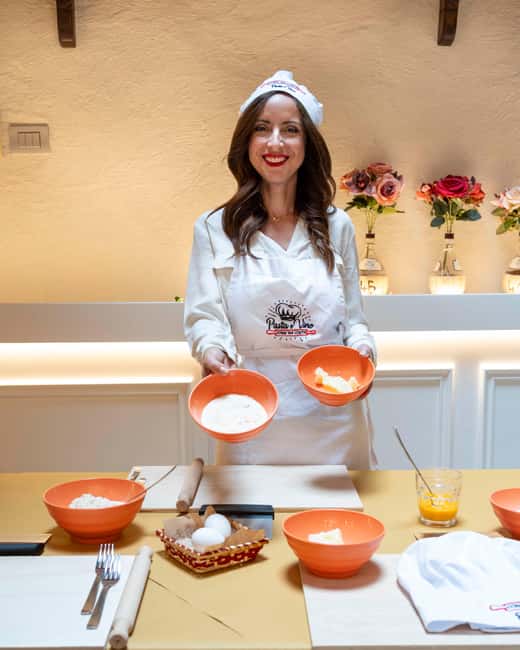
When you arrive, you go inside Come Na Vorta Pasta e Vino. Staff will guide you to your host for the class. Expect a setup that makes it practical. One of the rooms is arranged with the cooking tools and ingredients for each participant, while another area is set up for the final meal. It’s a smart layout: you cook without turning the whole restaurant into a classroom, and then you eat together afterward.
The class rhythm looks like this:
1) Prosecco and bruschette get you started
You begin with a glass of Prosecco plus bruschette and extra virgin olive oil. This is not just a welcome drink. It also helps you settle into the rhythm so you can focus once the flour starts flying.
2) Pasta-making instruction begins
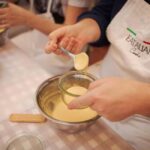
The host guides you step-by-step through kneading, shaping, and basic quality checks. Since the class is taught by someone experienced and the business has family roots, the emphasis stays on technique that actually works in a home kitchen.
3) You take a break to snack and keep moving
Bruschette are served in between parts of the class, so you are not waiting hungry while you learn. It keeps energy up, especially if you are new to making dough.
4) Cooking, then sitting down for the meal
Once your pasta is ready, it gets cooked with traditional Roman sauces you pick from. Then everyone sits together to eat your two pasta dishes and finish with homemade tiramisù.
It is a full-feeling experience in a short window. Three hours sounds quick until you realize you are making pasta, learning dessert technique, and then eating everything with wine.
You can also read our reviews of more cooking classes in Rome

Fettuccine and Roman Gnocchi: What You’ll Learn (and Actually Use Again)
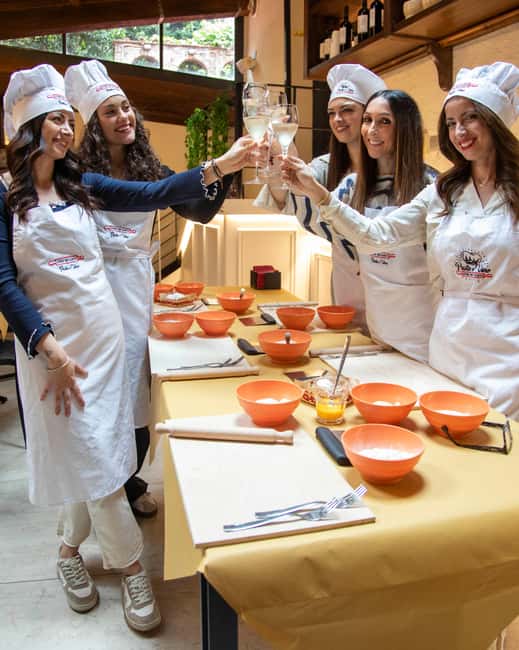
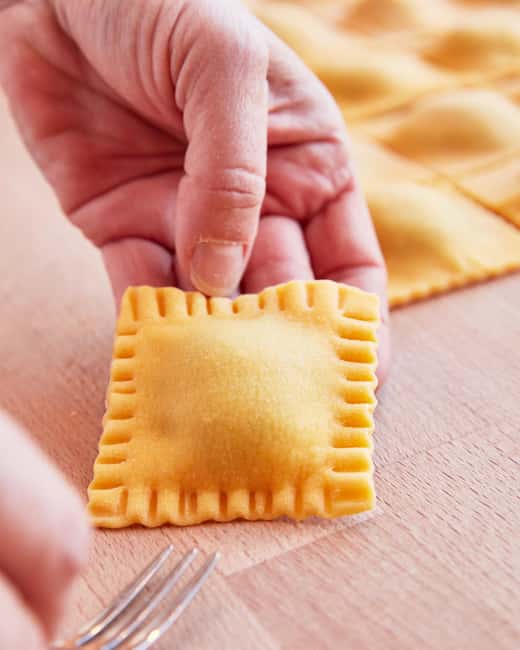
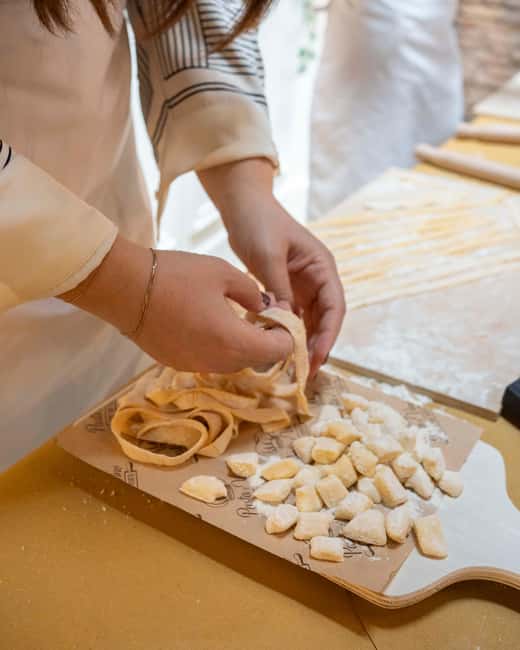
The heart of the class is learning fresh pasta dough and the handling tricks that make it feel forgiving instead of stressful. You will work on both fresh fettuccine and gnocchi, which is a good combo because they test different skills.
For fettuccine, you are learning how to shape and manage dough so it rolls and holds form. The host’s guidance is key here. Even if you have made pasta once before, this kind of class is worth it because it focuses on the small details: texture, handling, and how to recognize quality ingredients.
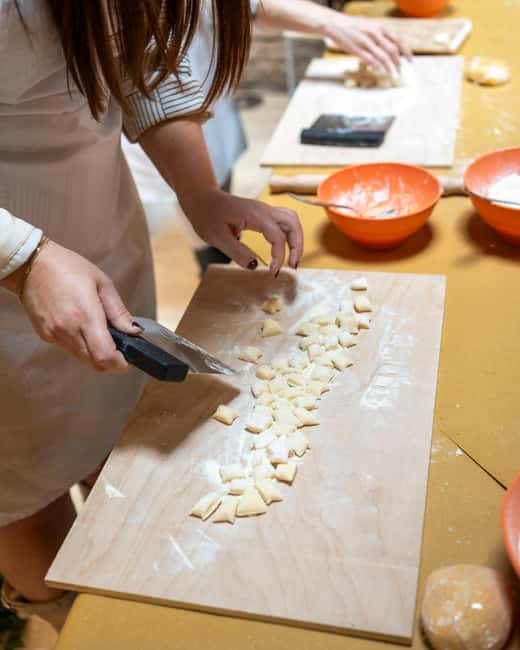
For gnocchi, the goal is that pillowy, tender result you associate with Rome-style cooking. The class doesn’t treat gnocchi like a mystery. You learn how the dough should behave and how to shape it, so you can repeat the process later.
One thing I appreciate is that the training is framed as family technique. The class shares secrets said to come from grandmothers and shows how recipes evolve through generations. Even if you do not care about the storytelling, the practical part is what stays with you: you learn a method, not just a recipe.
Then comes the best part for memory and taste: once your pasta is made, you choose sauces and get to eat what you made while everything is still at peak comfort-food temperature.
Sauces, Pasta Shapes, and the Wine Pairing Choices That Matter
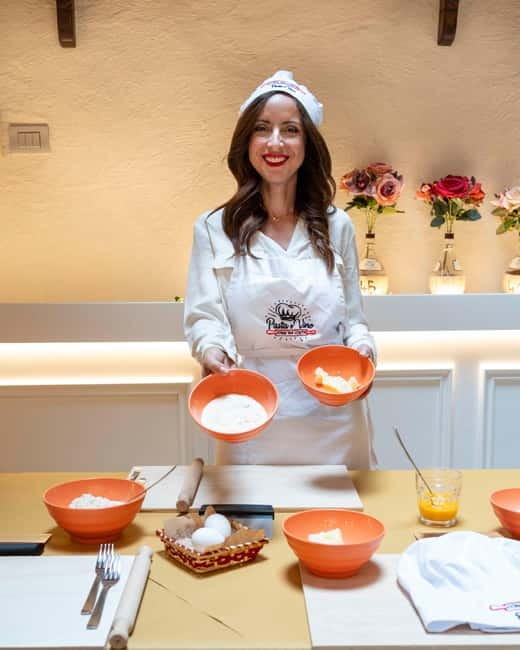
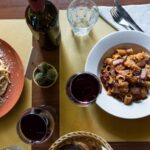
You will be served two pasta dishes per guest, with sauces chosen by you. That is a smart design. It means you can try different Roman directions instead of committing to only one sauce and calling it a day.
The class keeps the sauces in a traditional Roman lane. If you are the type who wants authenticity and predictable flavors, this approach reduces the chances of a weird pairing. If you are the type who wants to taste widely, you still get variety through sauce selection and the two pasta types.
Then the drinks enter in a structured way through wine pairing options:
- Bronze: one glass of locally produced and popular wine
- Silver: two glasses of traditional Italian wines (examples listed include Chianti and Chardonnay)
- Gold: two glasses of prestigious Italian wines (examples listed include Brunello di Montalcino and Amarone della Valpolicella)
No matter which option you pick, there is also Prosecco and bruschette during the class, plus water. So even if wine isn’t your main priority, you still get the Roman aperitivo vibe while you cook.
I like that the wine choices are clear. You do not have to guess what you are signing up for. And because the wine selection is tied to your meal, the pairing feels like part of the experience instead of a separate add-on.
If you are a wine curious person, Gold can be a fun way to try bottles you normally only see on restaurant lists. If you just want the flavor of an Italian meal without turning it into a tasting contest, Bronze or Silver is plenty.
Tiramisù Variations: Dessert You Make, Not Just Order
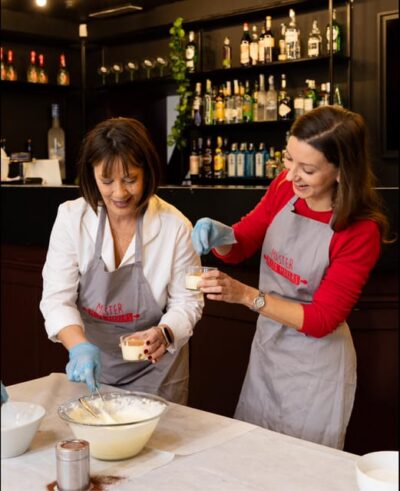
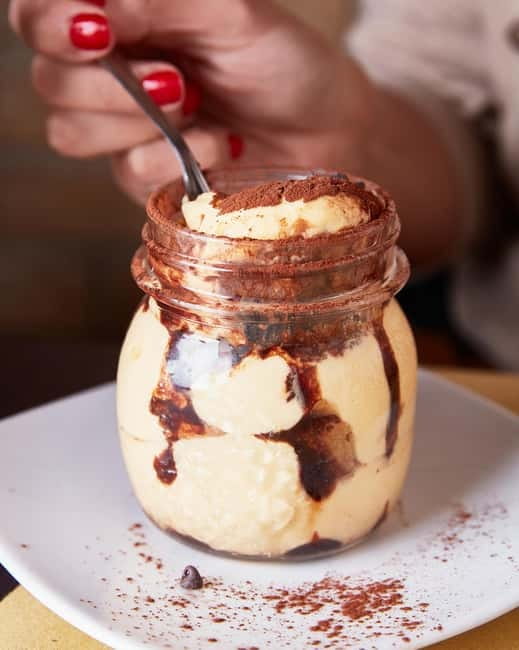
The tiramisù portion is not treated like a quick finale. You learn and make tiramisù from scratch, and the class includes variations of tiramisù that guests love. That line matters because it signals they are not serving a one-size-fits-all dessert.
In practical terms, you learn how the dessert is assembled and you end up with a serving at the end of the class, one tiramisù per guest. You also get printed recipes to take home, which is the difference between tasting something once and being able to recreate it later.
If you are traveling with kids or grandparents, this dessert step tends to land well. It is visual, hands-on, and it turns the class from cooking into celebration. The family-style atmosphere helps too, since everyone is eating the same final plates.
What’s Included for the Price: Value at About $68.10
At $68.10 per person, this is not a budget meal—but it is also not a “pay for show” situation. You are paying for time, instruction, ingredients, and a full meal with drinks.
Here is what your money covers:
- A hands-on class lasting about 3 hours
- An expert host to guide every step and answer your questions
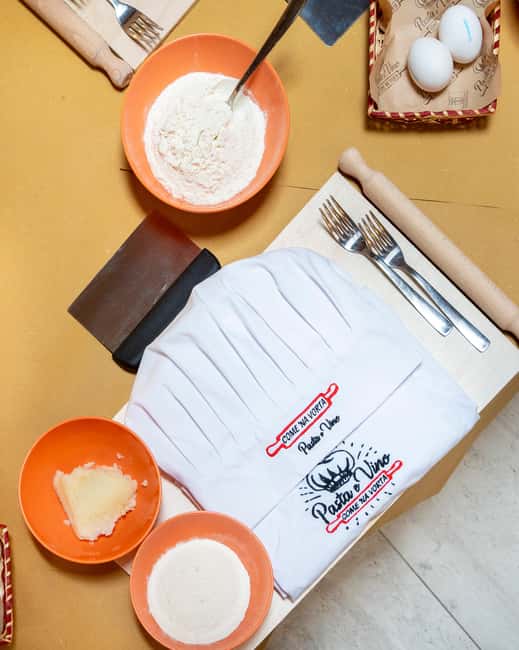
- Aprons and pasta maker hats to use during the class
- Prosecco and bruschette, plus extra virgin olive oil
- Water
- One glass of wine per guest is included, with the total glasses depending on the booking option
- Two pasta dishes per guest with sauces of your choice
- One tiramisù per guest
- Printed recipes to take home
- An individual certificate of participation
That combination is why the price feels reasonable. You are not just eating in a restaurant. You are learning a skill, getting a guided meal experience, and leaving with materials you can actually use again.
If you like structured cultural activities, it is a solid value because it compresses a lot of Rome flavors into one evening-style block. If you would rather spend your time wandering and eating on your own, you might feel like this is a trade. But if your goal is to learn while you taste, it earns its place.
You can also read our reviews of more wine tours in Rome


Real-World Comfort: Languages, Atmosphere, and Who It Fits
The instructor is listed as English and Italian, so you are covered even if your Italian is still in the guessing stage. The experience is also wheelchair accessible, which is helpful because not every cooking class is set up for easy access.
The atmosphere tends to feel family-friendly. You cook with others nearby, then sit together for the meal. That format works for different travel styles:
- Couples: it is a fun date that also produces something to share. You get talking material beyond where to eat next.
- Solo travelers: you are not just alone with your thoughts; you cook with a group and then eat as a team.
- Families: the class is hands-on and the food makes it easy for kids to stay interested.
- Food-obsessed friends: you get technique plus multiple flavors, without having to plan two separate meals around it.
Also, it helps that the staff and hosts are used to guiding different groups. In one case with Spanish-language organization, Alina helped coordinate the experience in detail, and the chef teacher, Alice, handled the class with patience, including with children. That kind of calm matters when you are in a busy kitchen environment.
Things to Consider Before You Book (So You Don’t Regret It)
This class is hands-on, so a few practical points help you plan smarter.
First, it is a set experience. You choose sauces, and you choose among Bronze, Silver, or Gold wine options. But you are not ordering extra food beyond what is included, and you cannot swap out the menu on the fly. If you like total freedom in restaurants, you might prefer a food crawl instead.
Second, it includes alcohol. You get wine based on your option and Prosecco during the class. That is part of the charm for many people, but if you do not drink, you will want to think ahead about pace and transport after.
Third, three hours is a real block of time in a city full of shortcuts and wandering. Trastevere is wonderful, so you will probably want to schedule this early enough that you can still enjoy the neighborhood afterward.
Lastly, bring your kitchen mindset. This is not a formal chef course. It is a friendly, guided class that focuses on results you can replicate, but you will still do real kitchen work.
Should You Book Come Na Vorta Pasta e Vino?
Book this class if you want authentic Rome flavors with real technique, and you like the idea of going home with recipes you can actually repeat. It is especially worth it if pasta-making and tiramisù are on your Rome food bucket list, because you make them rather than just tasting them.
Skip it or think twice if:
- you only want to snack and wander and do not want a structured 3-hour block
- you hate any alcohol component
- you prefer ordering à la carte instead of a fixed meal experience
If you are in Rome and you want one day where you learn something tangible and eat like a local family would, this is one of the more practical food experiences you can choose.
FAQ
How long is the cooking class?
The experience lasts around 3 hours, with roughly 2 hours for preparation and time to enjoy your meal.
Where do I meet for the class?
The activity starts inside the Come Na Vorta Pasta e Vino restaurant. Go in and ask the staff about the cooking class.
What do we cook during the class?
You’ll learn to make fresh fettuccine and gnocchi, and you’ll also make tiramisù from scratch.
What food is included in the meal?
You’ll be served two pasta dishes per guest with sauces of your choice, plus one tiramisù per guest.
Is wine included, and how does the selection work?
Wine is included through three booking options: Bronze (one glass), Silver (two glasses, examples include Chianti and Chardonnay), and Gold (two glasses, examples include Brunello di Montalcino and Amarone della Valpolicella). Prosecco is also served during the class.
Are drinks like water included?
Yes. Water is included.
What languages is the class taught in?
The instructor is available in English and Italian.
Is pickup or drop-off provided?
No pickup or drop-off is included.
What is the cancellation policy?
You can cancel up to 24 hours in advance for a full refund.