REVIEW · ROME
Rome: Catacombs of Saints Marcellino and Pietro Guided Tour
Book on GetYourGuide →Operated by OPERA ROMANA PELLEGRINAGGI · Bookable on GetYourGuide
Underground Rome feels close here. The Catacombs of Saints Marcellino and Pietro put you on a guided walk through 3rd-century Christian burial spaces, with a specialist guide bringing the art and names to life—no lecture fog.
I love the small group setup (limited to 10), because you get time to ask real questions and you’re not just a face in a crowd. The second thing I love is what’s inside: you’re there to see ancient paintings and frescoes, including scenes tied to major biblical stories.
One thing to plan around: no photography is allowed inside, and the visit is only about 30 minutes—so if you want a long, slow, photo-heavy experience, this might feel short.
In This Review
- Key things to know before you go
- A Quiet Corner of Rome’s Christian Underground
- Entering the Ticket Office and Getting Down on Time
- The 30-Minute Route: What the Guide Brings Into Focus
- Frescoes, Biblical Scenes, and Why the Paintings Feel Important
- From Via Labicana to Ad Duas Lauras: The Land It Sits On
- The 3rd-Century Turning Point: Saints Marcellino and Pietro
- Constantinian Overground: The Complex You Won’t Enter
- Price and Value: Is $16 Fair for 30 Minutes?
- Getting There: Via Casilina, From Termini to the Catacombs
- Photography Rules: How to Enjoy a No-Photo Interior
- Who Should Book This Tour (And Who Might Skip It)
- Should You Book the Catacombs of Saints Marcellino and Pietro?
- FAQ
- How long is the Rome Catacombs of Saints Marcellino and Pietro guided tour?
- What does the tour cost?
- What do I receive with the ticket?
- What languages is the live guide available in?
- Is photography allowed inside the catacombs?
- Where do I meet for the tour?
- Is entry to Constantine’s Mausoleum included?
- FAQ
- Is the tour suitable for people with mobility impairments?
Key things to know before you go
- Small-group tour (up to 10) means a calmer pace and better guide attention
- 30 minutes gives you a strong dose of early Christian art without eating a whole day
- Ancient frescoes and restored paintings (including work supported by laser restoration) help the scenes read clearly
- Diocletian-era martyrs are central to the catacomb’s story, especially Saints Marcellino and Pietro
- Photography is not allowed inside, so come ready to look, not shoot
- You won’t enter Constantine’s Mausoleum, but the guide explains the monumental complex aboveground
A Quiet Corner of Rome’s Christian Underground
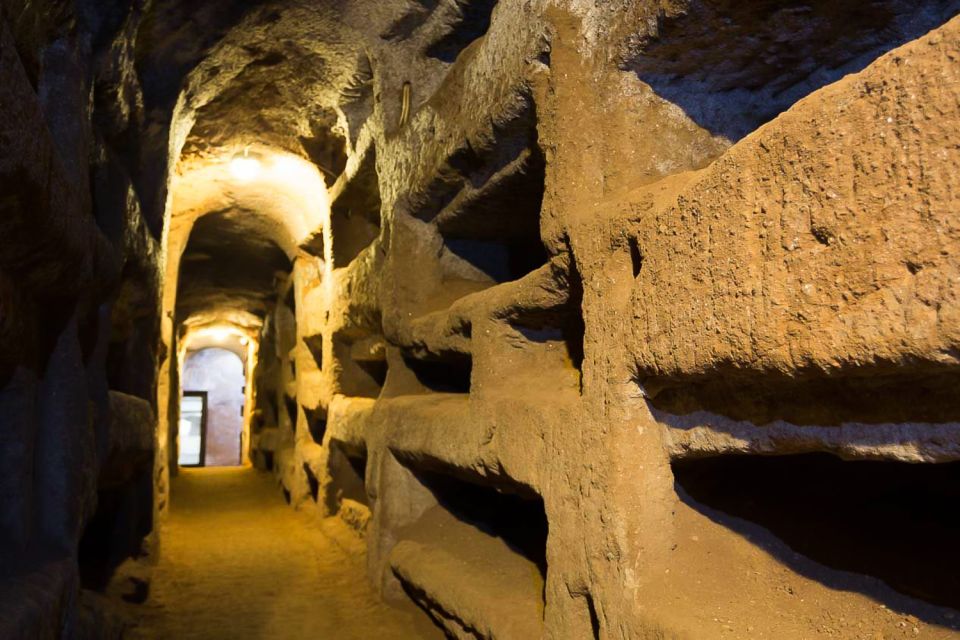
If you think you already know Rome’s catacombs, these might surprise you. Catacombs of Saints Marcellino and Pietro sit on the Via Labicana area (today near Via Casilina), and they feel like the kind of place you’d stumble into if Rome had a back door. You’re underground with a guide who doesn’t just name dates. He or she ties the paintings and burial spaces to the reality of early Christian life in a city that still felt very pagan and very political.
A big part of the appeal is pace. This isn’t an all-day march through tunnels. It’s a short guided visit that aims to get you oriented fast and then focused on what matters: the catacomb story and what’s preserved on the walls.
And since the group is capped at 10, you’re less likely to feel rushed. You can actually follow the explanations and look closely at the frescoes the guide points out.
You can also read our reviews of more guided tours in Rome
Entering the Ticket Office and Getting Down on Time
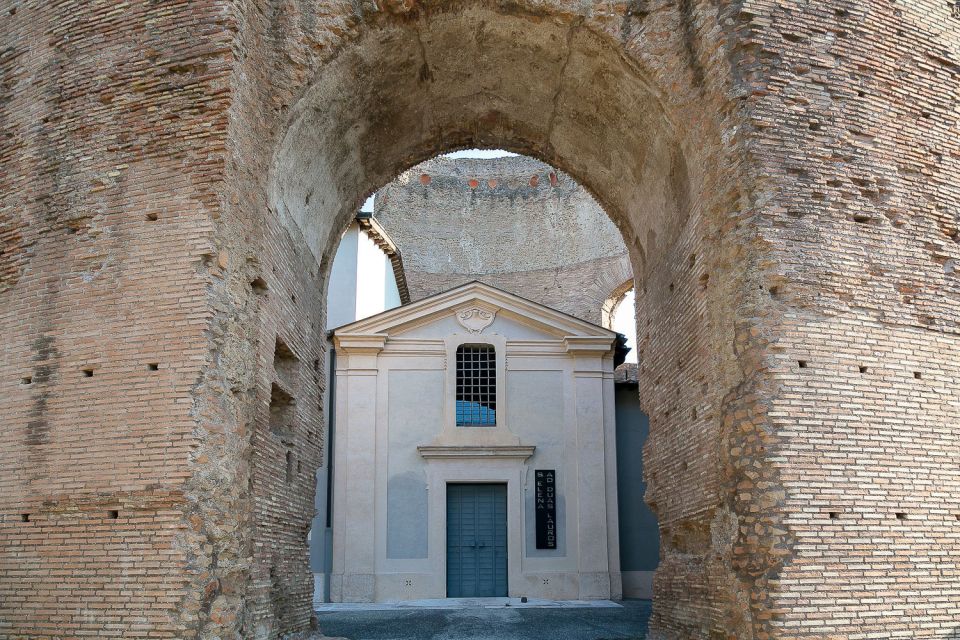
Your tour starts right at the catacomb’s ticket office. Show your voucher at least 10 minutes before the scheduled start time. This matters because the visit is only 30 minutes. If you arrive late, you don’t just miss a few minutes—you can lose the key moments the guide is building toward.
Once you check in, the guide takes over. I like this style of arrival because you’re not wandering around second-guessing where to go. You also avoid the awkward moment of standing by an entrance while trying to read your own confirmation details.
The 30-Minute Route: What the Guide Brings Into Focus
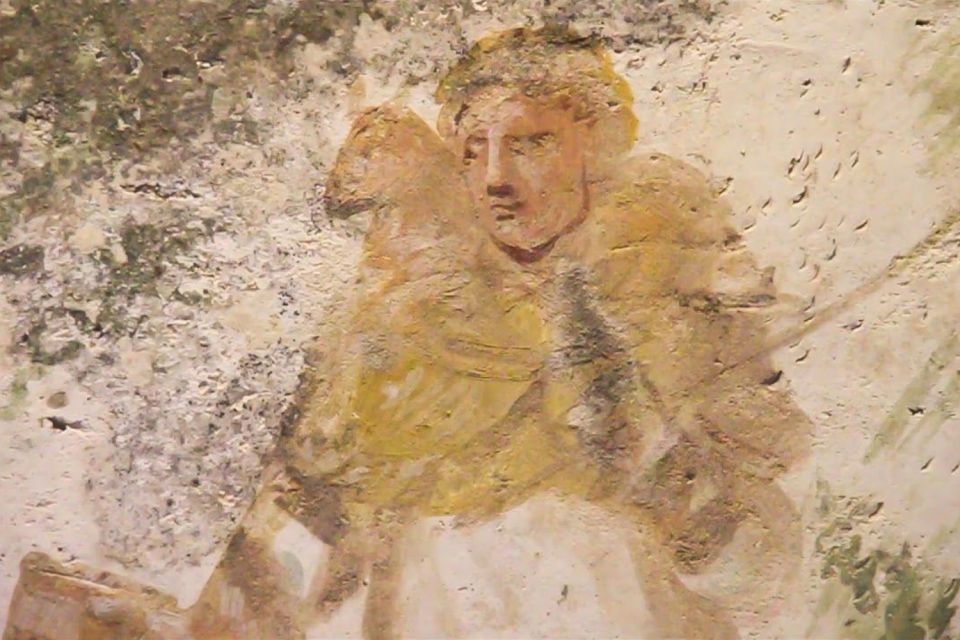
The core experience is your guided walk through the catacombs of Saints Marcellino and Pietro. Even in a short span, there’s a lot to cover because the site holds several layers of meaning: the earlier cemetery context around it, then the Christian catacomb installation in the second half of the 3rd century, and finally the way later centuries reshaped what stood aboveground.
What you can expect during the walk:
- A guided explanation of why this catacomb is named for Marcellino and Pietro, and how the site hosted bodies linked to persecutions under Diocletian
- Time to see and understand the paintings and frescoes preserved across the 3rd and 4th centuries
- Help interpreting what you’re looking at instead of just pointing at walls and hoping you connect the dots
The best way to enjoy this tour is to slow your own pace inside. If you try to race for photos, you’ll miss the guide’s cues. Since photography is prohibited inside, you’ll be rewarded for simply looking. Let the guide steer your attention.
Frescoes, Biblical Scenes, and Why the Paintings Feel Important
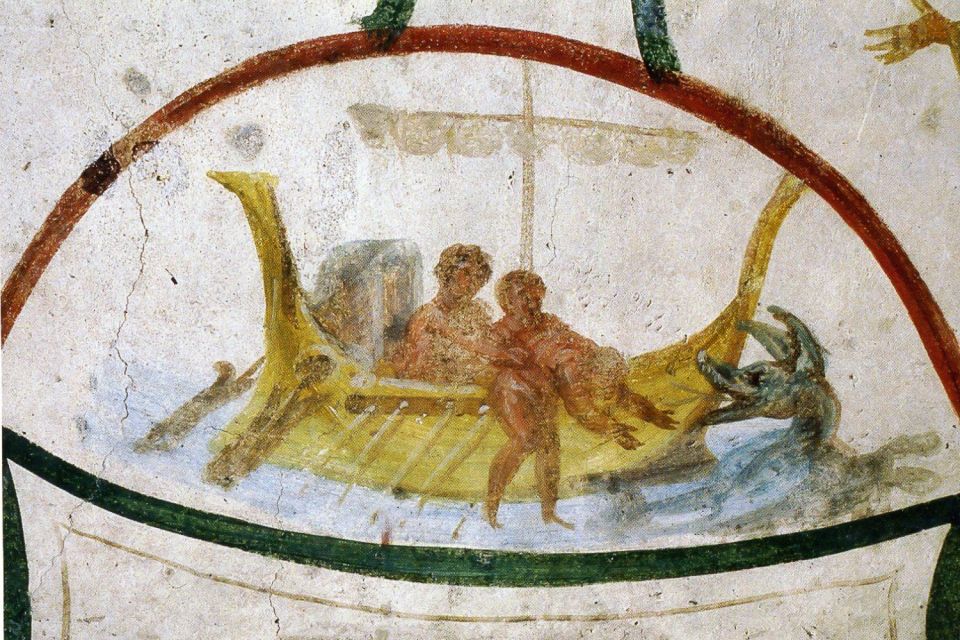
The catacomb’s walls are the headline. You’re not just visiting a burial space—you’re looking at art that was meant to communicate faith and story in a place of burial.
Here’s the kind of imagery you should look for as you move:
- Scenes associated with Noah’s ark
- Frescoes featuring the prophet Jonah
- Scenes connected to Lazarus
Even without being an art expert, you’ll feel the difference between a catacomb that mostly preserves structure and one that preserves color and narrative. One reason this site stands out is that it includes a large patrimony of paintings, some of which have been recently restored with laser technology. That kind of restoration can make the paintings easier to read and help the walls feel less faded and more intentional.
There’s another subtle value here: these images are part of how Christians in the 3rd and 4th centuries kept identity alive under pressure. The paintings give you a human layer. You’re not just hearing about persecution and burial logistics; you’re seeing how people chose to picture scripture and hope underground.
From Via Labicana to Ad Duas Lauras: The Land It Sits On
You don’t just get a Christian story here. You also get the geographic context that helps the site make sense.
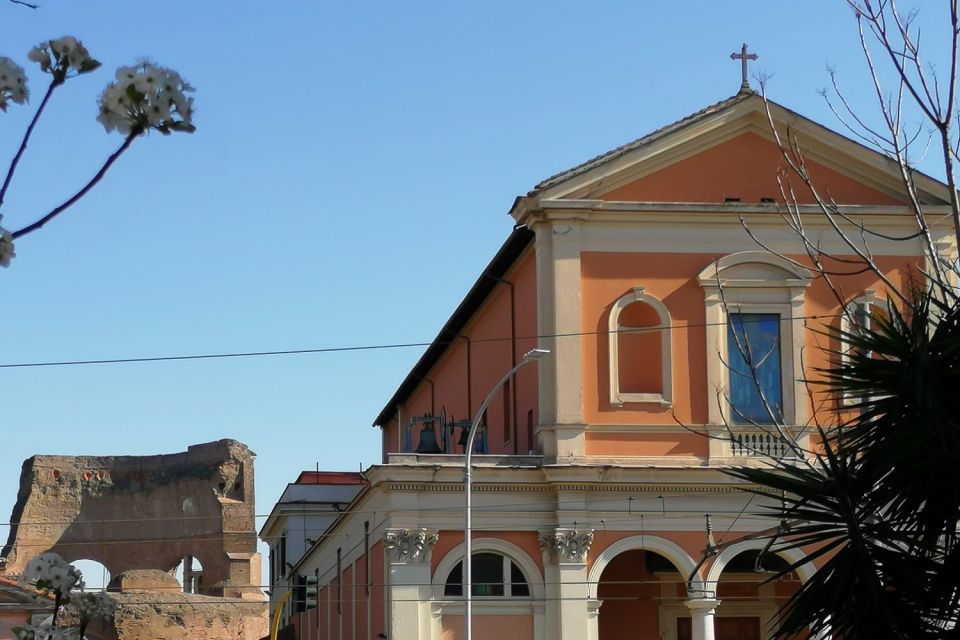
This catacomb is located near the third mile of the ancient Via Labicana (now Via Casilina). In ancient times, the area was linked to a toponym called ad duas lauros, meaning at the two laurels. That phrase pointed to a large property of the emperor, plus the cemetery area. The laurels weren’t random trees for flavor—they were traditionally shrubs marking the entrance to imperial lands.
So when you walk through, the guide can help you picture the setting as more than a single tunnel system. You’re in a place that sat within an imperial landscape, with other kinds of activity nearby.
And that’s not just poetic background. Around this area, the necropolis of the Equites Singulares Augusti existed from the 2nd century—these were the emperor’s mounted guards. That detail matters because it shows how layered the ground is here: imperial power, military presence, and then later Christian burial and art all share the same broad zone.


The 3rd-Century Turning Point: Saints Marcellino and Pietro
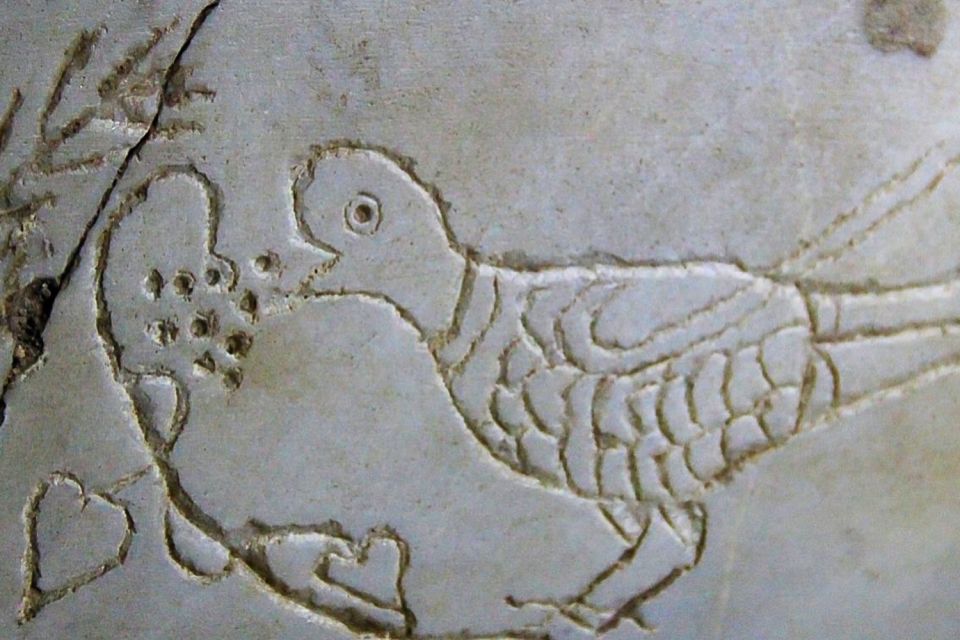
The catacomb’s name is also its center of gravity. In the second half of the 3rd century, a Christian catacomb was installed here, linked to martyrs associated with the persecutions of Diocletian. Saints Marcellino and Pietro are first among those named, and your guided experience keeps circling back to them.
If you’ve visited bigger, more famous Roman sites, you know that sometimes the names feel like trivia. Here, the guide’s job is to make those names feel like part of a real chain of events—who was buried, why these people were remembered, and how the burial space became part of Christian memory.
That’s also why a guide is worth paying for. Without one, it’s easy to walk through and only see corridors. With a guide, you end up understanding what each area means.
Constantinian Overground: The Complex You Won’t Enter
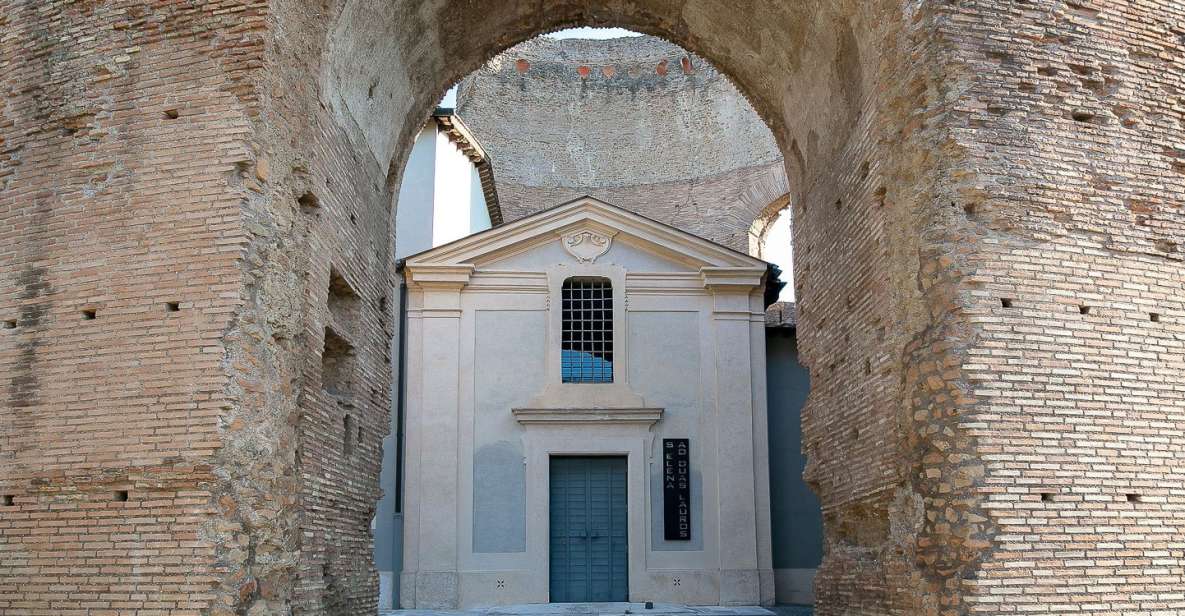
One of the most interesting parts of this experience is what the guide explains about what’s aboveground—even though your ticket keeps you focused on the catacombs.
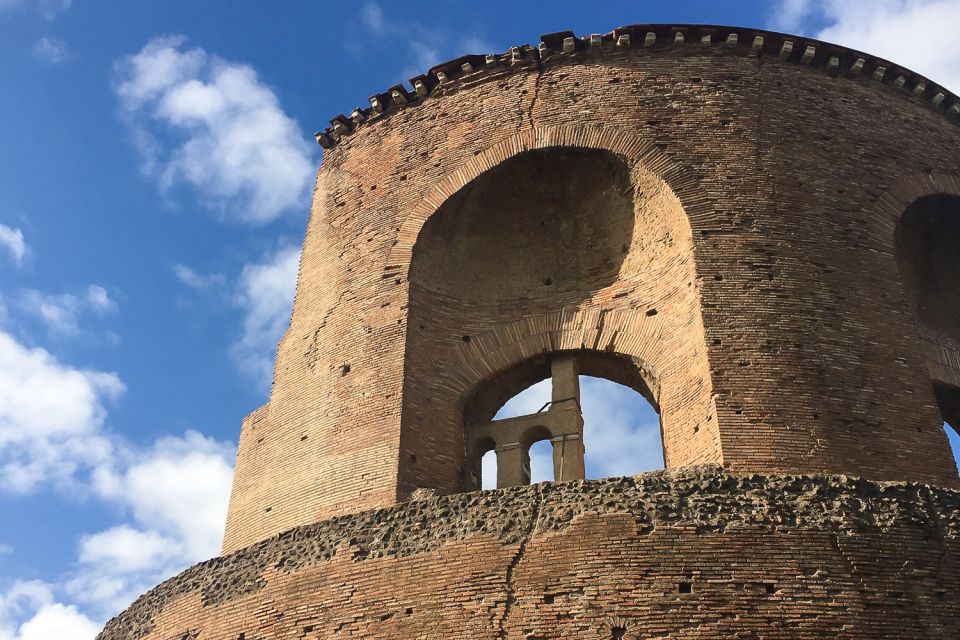
In the Constantinian era, a monumental complex stood above the catacomb. It included:
- A large basilica in the shape of a Roman circus, called a circiforme
- A connected mausoleum, probably built for Constantine himself at first, later destined to house the burial of his mother, Augusta Elena
There’s also a detail you’ll hear about: her remains were kept in a large red porphyry sarcophagus, which is today exposed in the Vatican Museums.
Now, here’s the practical catch: your tour does not include entry to Constantine’s Mausoleum. So while you’ll get the story and context, you won’t walk through that overground component with your guide.
That’s not a dealbreaker. In fact, it can be a good match for your day. You get the catacomb focus—art, burial spaces, and early Christian interpretation—without spending time on an additional ticketed site.
Price and Value: Is $16 Fair for 30 Minutes?
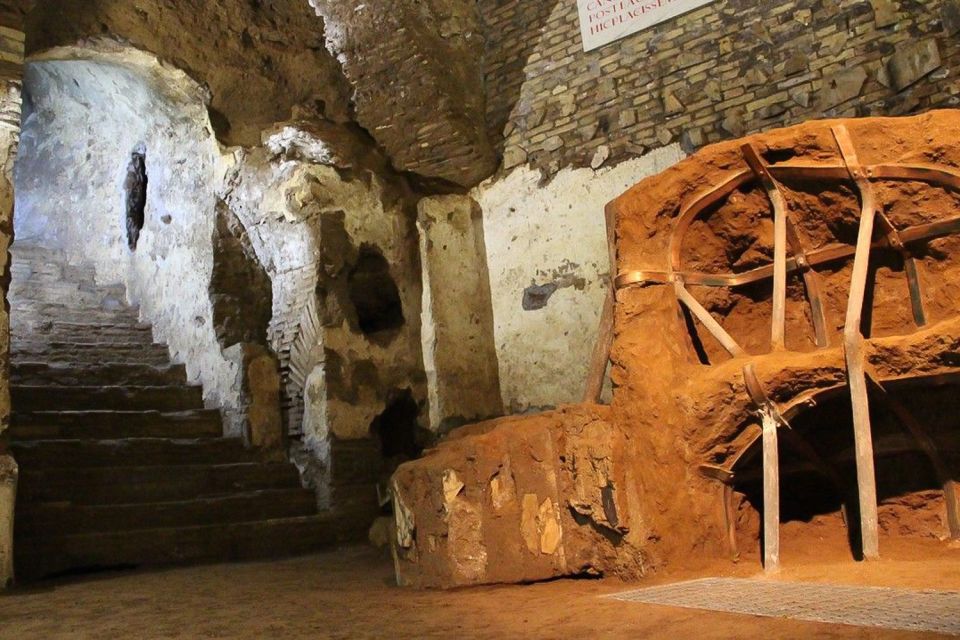
At $16 per person, the math is simple: you’re paying for an entrance ticket plus a live guide, in a small group environment for about 30 minutes.
Whether that feels like good value comes down to what you want:
- If you want a focused early-Christian art stop with a guide pointing out what you’d otherwise miss, this price looks fair.
- If you want a long, slow wander with plenty of time for photos, you may feel constrained by the short duration and the no-photography rule.
The value also improves because this catacomb tends to avoid the kind of heavy crowds you see at the most famous Roman catacombs. Low lines aren’t guaranteed, but the experience is set up for smaller groups, so the vibe stays more controlled.
Getting There: Via Casilina, From Termini to the Catacombs
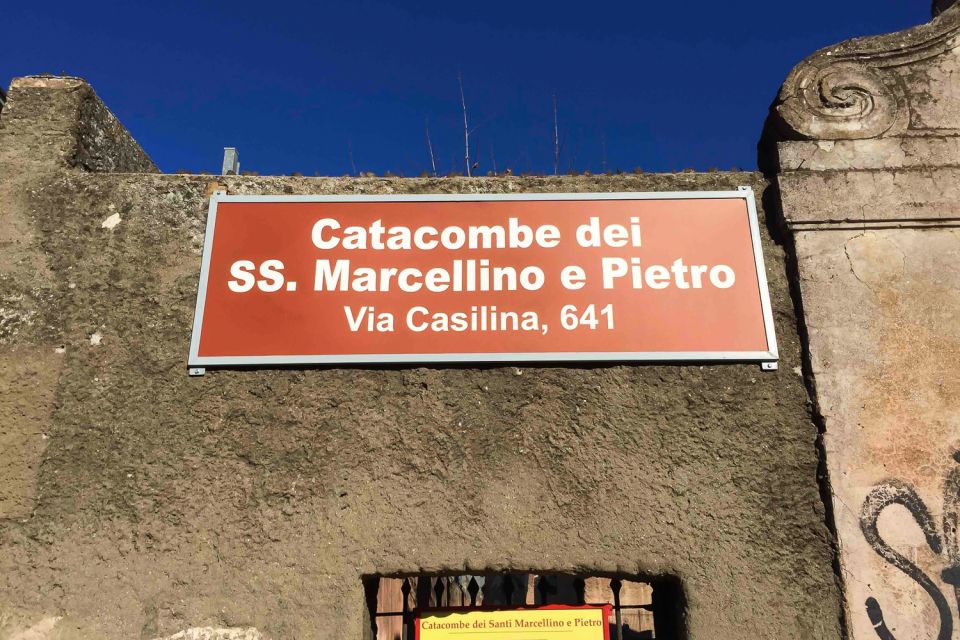
Getting to Marcellino and Pietro is manageable from central Rome. A practical option is:
- From Termini, take bus no. 105 or a tram (as noted, trams can be a character-building experience in Rome, but they do the job)
Because your timing is tight (30 minutes), plan extra buffer for transit. I’d rather arrive early and stand near the ticket office than be sprinting at the last second.
Also, remember: the check-in instruction is to go to the ticket office and show your voucher at least 10 minutes before the scheduled tour. That means your transit plan should aim to get you there about 20 minutes before the start time, just to stay calm.
Photography Rules: How to Enjoy a No-Photo Interior
No photos inside is one of those rules that sounds strict until you realize why it exists. Catacombs are fragile, and restrictions help preserve the site. For you, it also changes the experience in a good way: you stop thinking in camera terms and start thinking in looking terms.
So what should you do?
- Expect to spend time visually absorbing frescoes instead of framing shots
- Use your guide’s direction. If the guide points at specific scenes, that’s where you’ll get the most meaning quickly
- If you really want images, save your photo time for the exterior area and the neighborhood around Via Casilina
If you’re a serious photographer, this may feel like a limitation. For most people, it just makes the visit feel more respectful—and more memorable.
Who Should Book This Tour (And Who Might Skip It)
This tour is a strong fit if you:
- Want early Christian Rome without committing to a half-day schedule
- Like art history explained in plain language, especially frescoes and religious scenes
- Prefer a smaller group over big-catacomb chaos
- Are curious about Saints Marcellino and Pietro and the Diocletian persecution context
You might think twice if you:
- Need an accessible route (this tour is not suitable for people with mobility impairments)
- Want a long visit with time to take lots of photos inside
- Want overground stops too (because entry to Constantine’s Mausoleum isn’t included)
Should You Book the Catacombs of Saints Marcellino and Pietro?
I’d book this tour if you want a tight, guided, high-focus catacomb experience with real artwork on the walls. Small group size, live guidance, and the chance to see restored frescoes in a site dedicated to named martyrs makes the $16 price feel justified.
Skip it if your main goal is photography or you need more time on-site than 30 minutes. Also skip it if accessibility is a concern, since the tour is not suitable for mobility impairments.
If you’re doing catacombs in Rome anyway, this one is a smart add. It focuses on what you came for—early Christian burial spaces and painted stories—without dragging the day out.
FAQ
How long is the Rome Catacombs of Saints Marcellino and Pietro guided tour?
The tour lasts about 30 minutes.
What does the tour cost?
The price is $16 per person.
What do I receive with the ticket?
Your ticket includes entrance to the catacombs and a live guide.
What languages is the live guide available in?
The guide offers tours in Italian and English.
Is photography allowed inside the catacombs?
No, photography is not allowed inside.
Where do I meet for the tour?
Go directly to the ticket office of the catacomb and show your voucher at least 10 minutes before the scheduled tour.
Is entry to Constantine’s Mausoleum included?
No. Entry to Constantine’s Mausoleum is not included.
FAQ
Is the tour suitable for people with mobility impairments?
The tour is not suitable for people with mobility impairments.