REVIEW · ROME
Borghese Gallery Small group tour and skip.the-line entrance
Book on GetYourGuide →Operated by ROME WITH SILVIA · Bookable on GetYourGuide
That’s the kind of museum where art feels alive.
The Borghese Gallery experience pairs a small-group, skip-the-line entry with an art historian guide in a setting built to house one family’s obsession. I like that you get priority access plus headsets, so you can actually focus on what you’re seeing instead of wrestling with a crowd. You’ll also get a smart hit list of top masterpieces, from Bernini to Caravaggio.
The two big wins for me are the 15-person max format and the way the guide frames the art in the context of Scipione Borghese’s villa collection. The highlight lineup matters, too: you’re not just browsing, you’re learning what to notice in works like Bernini sculptures and Caravaggio paintings.
One drawback to consider: meeting the guide can be a little fiddly. The starting point is clearly set at Piazzale del Museo Borghese, but some people have had trouble finding the correct guide at first, so give yourself a few extra minutes and watch for the group cue.
In This Review
- Key things to know before you go
- Skip-the-line entry into a villa that feels like a private collection
- The 2-hour plan: a tight route that still lets you see the main story
- Small group size and headsets: the difference between hearing art and guessing
- Scipione Borghese’s collection logic: why the villa was built for these works
- Bernini: the sculpture stops you before you even try to read
- The Paolina Room and Canova’s Venus-like Paolina Borghese
- Caravaggio’s collection power: see many works in one walk
- Raphael hits: courtly balance next to dramatic genius
- Meeting at Piazzale del Museo Borghese: how to avoid start-time stress
- Price and value: what $88 buys you (and what it doesn’t)
- Who this tour is best for
- Should you book the Borghese Gallery small-group skip-the-line tour?
- FAQ
- How long is the Borghese Gallery small-group tour?
- Where do we meet for the tour?
- Is the tour in English?
- Does this include skip-the-line entry?
- What is the group size limit?
- What do I need to bring?
Key things to know before you go
- Small group (15 max) means more room to ask questions and hear your guide
- Skip-the-line through a separate entrance saves real time at a very timed-entry museum
- Headsets and radios help you catch details, even when rooms get busy
- Caravaggio’s strongest concentration happens in one collection, in one stop (you’ll feel that contrast fast)
- Bernini + Raphael hits give you a well-rounded Old Masters sweep in just 2 hours
- Meeting point is Piazzale del Museo Borghese, right by the entrance, so arrive on time
Skip-the-line entry into a villa that feels like a private collection
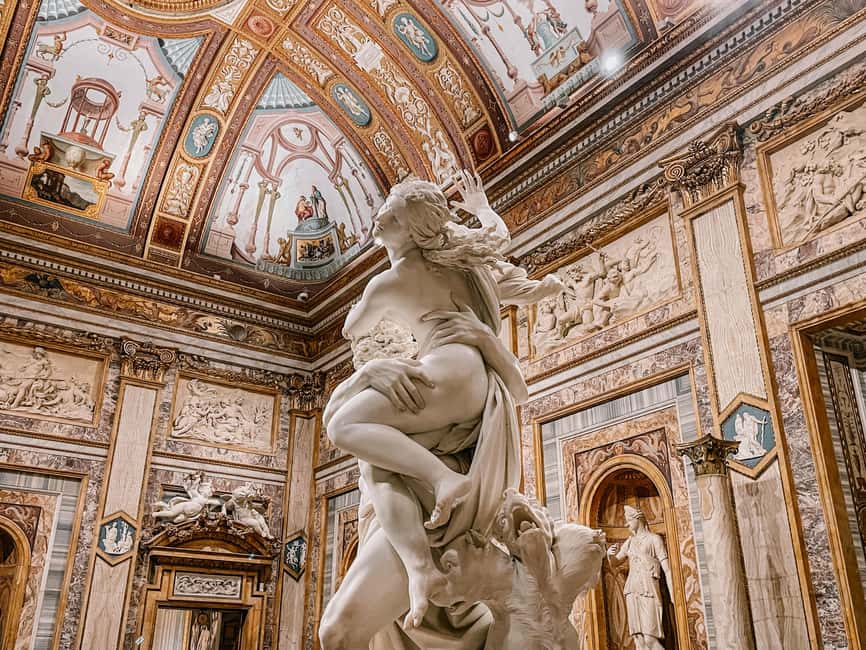
Borghese Gallery is not a museum that feels neutral. It feels curated by humans who loved art enough to build a whole villa for it. The collection lives inside the Villa Borghese, built in the early 1600s by Scipione Borghese, a nephew of Pope Paul V. He didn’t just collect paintings and sculpture. He collected with the idea that the rooms themselves should make the art hit harder.
That’s why the skip-the-line part matters. When you’re dealing with strict entry schedules and security checks, the “start time” is where most plans go to die. Priority access with reserved tickets helps you get inside and start looking before you’re mentally exhausted.
You’ll also spend the visit in a setting that’s part museum, part grand residence. Expect lavish rooms and decorative splendor around the art, plus the villa’s wider garden atmosphere as part of the overall feel. This is one of those places where the walls do half the storytelling for you.
You can also read our reviews of more museum experiences in Rome


The 2-hour plan: a tight route that still lets you see the main story
This tour runs about 2 hours, starting and ending at Piazzale del Museo Borghese. That time window is a blessing if you’re on a day with other Rome highlights. Borghese Gallery can swallow hours if you wander without a plan. With a guided hit list, you get the “greatest hits” while the art is still fresh in your eyes.
Here’s what the timing helps with:
- You can cover the big themes quickly: sculptor power (Bernini), dramatic painting (Caravaggio), and courtly balance (Raphael).
- You’ll move room to room without feeling lost in the building.
- The guide has time to explain why certain works were famous when they appeared, not just what they depict.
Just keep expectations realistic. Two hours means you won’t get stuck for 40 minutes in every room. If you’re the type who likes slow contemplation only, you might want extra solo time afterward. But for most first-time visitors, this length is a sweet spot.
Small group size and headsets: the difference between hearing art and guessing
The tour is designed for a group of up to 15. In a gallery like this, that is a big deal. Smaller groups move more smoothly through rooms and you’re less likely to get stuck behind someone reading every label like it’s bedtime math.
Even better: you get headsets and radios. That means you can keep your eyes on the art while the guide talks. No craning around, no playing silent duck-and-cover while someone in front of you blocks the view.
A note on language: the tour is English, but like any real human service, clarity can depend on the specific guide. In past groups, guides such as Sylvia and Lia have been singled out for strong performance and preparation. Another guide mentioned, Vincenza, was praised for being well-prepared and adding value to the experience. At the same time, some people have found a guide’s English harder to follow. If that worries you, the headsets still help a lot with volume and distance.
My practical advice: if you’re sensitive to hearing, put yourself toward the middle-front of the group when you can. Headsets make it easier, but you still want good sight lines.
Scipione Borghese’s collection logic: why the villa was built for these works
One of the best parts of this tour is how it explains the collection’s motivation. Borghese Gallery exists because Scipione Borghese wanted his treasures housed and displayed. The villa was built specifically to showcase his invaluable holdings. That turns the experience into more than art viewing. It becomes a story about taste, status, and power in early 17th-century Rome.
The museum is often described as Rome’s first museum, even before the concept of museums as we know them was widespread. That’s not just a trivia flex. It changes how you experience the place. You’re walking through rooms designed for a collector’s worldview, not an impersonal public institution.
Your guide also helps you connect major artists with the Borghese story: the family’s identity, why certain pieces were considered bold, and how the collection became a kind of cultural statement. You’ll get the what and the why, which is what turns art from pretty to memorable.
Bernini: the sculpture stops you before you even try to read
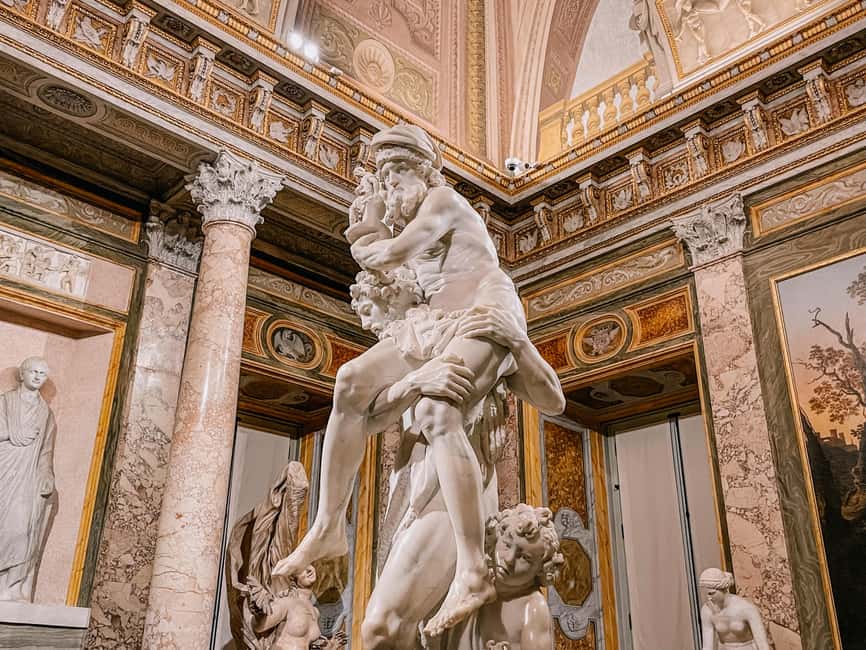
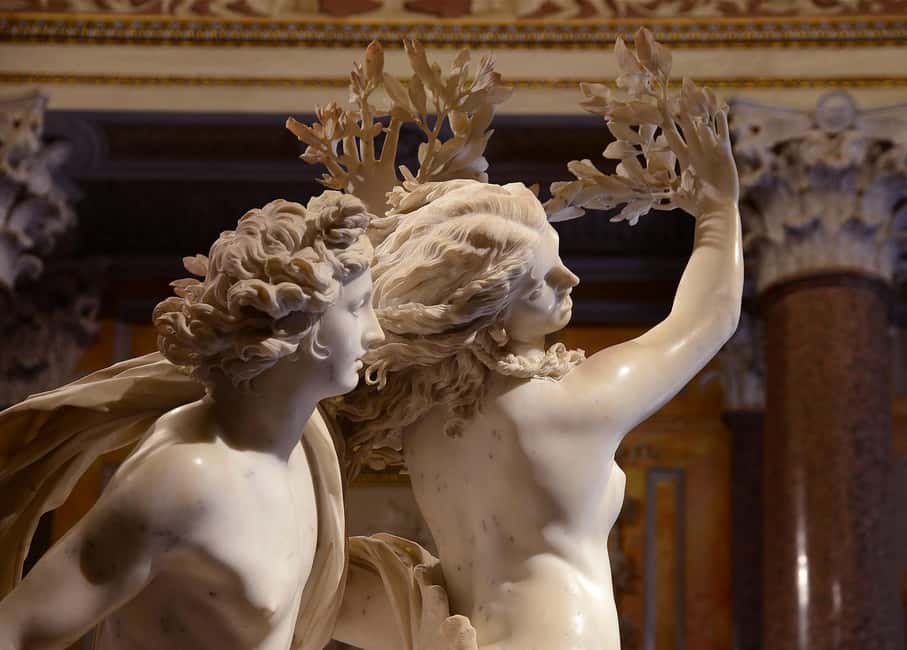
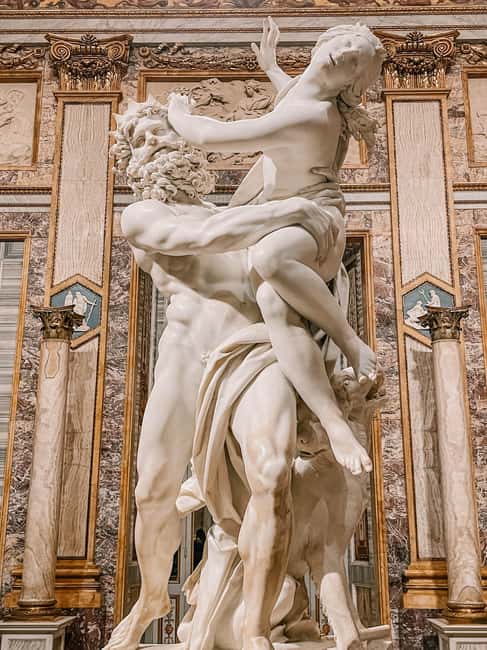
Bernini is basically the reason this collection has gravity. You’ll see multiple Bernini masterpieces, including sculptures tied to the collection’s core fascination with personality and presence. The highlights include works like The Truth and Scipione Borghese’s Bust, plus Bernini’s self-portrait pieces.
What you should watch for with Bernini during a guided visit:
- The way expressions and surfaces shift as you stand in different angles
- The sense of motion implied even in still stone
- The drama of the presentation, because these works were meant to be experienced, not just viewed
If you’ve seen Bernini before, the fun here is seeing him in a “collector’s ecosystem.” These pieces don’t float in a vacuum. They’re paired with paintings and other sculptures that reinforce the same taste: intensity, theater, and craft.
Some guides (like those mentioned earlier) are praised specifically for making the Bernini experience feel complete. That’s what you want from a small-group art tour: not just listing titles, but helping you see the connections.



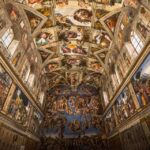
The Paolina Room and Canova’s Venus-like Paolina Borghese
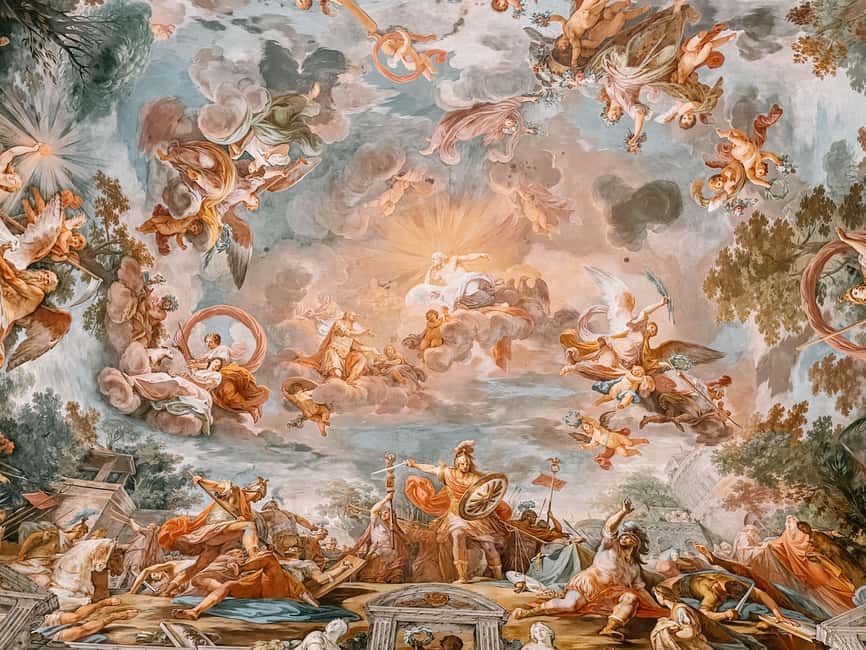
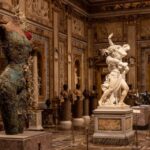
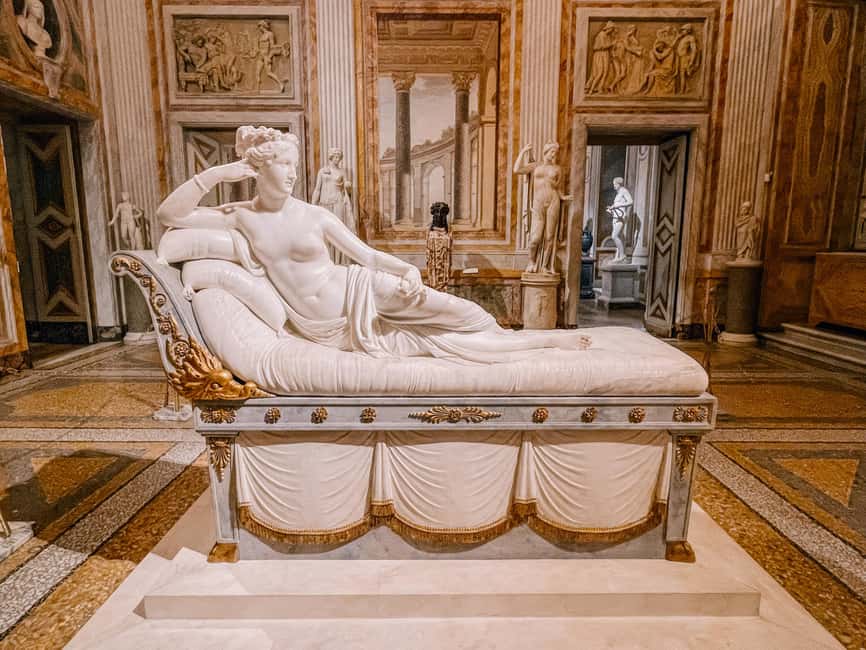
One of the most talked-about moments in the gallery is in the Paolina Room, featuring Antonio Canova’s Paolina Borghese. The statue portrays Paolina Borghese, wife of Camillo Borghese, shown in the guise of Venus.
The reason this matters is not only aesthetic. When it first appeared, the statue made waves because Paolina is depicted lying almost naked on a dormeuse. Even if you’ve seen images online, the real impact tends to hit differently in person, because scale and finish are hard to capture on screens.
In a guided tour, you’ll also get the context that keeps you from treating it like a costume. You’ll understand how classicism, portraiture, and sensual pose intersected here—and why the Borghese world cared about that.
If you’re sensitive to the art’s subject matter, you can still enjoy the craftsmanship and historical framing. This is a collection built to provoke reactions, and your guide will help you process why.
Caravaggio’s collection power: see many works in one walk
Caravaggio is where Borghese Gallery becomes almost unfair. The collection includes the largest gathering of Caravaggio works in a single collection. That statement sounds like hype until you’re standing among the paintings and realizing how much range one artist can pack into one museum.
You’ll likely encounter major works such as:
- David with the Head of Goliath
- Boy with a Basket of Fruit
- St Jerome
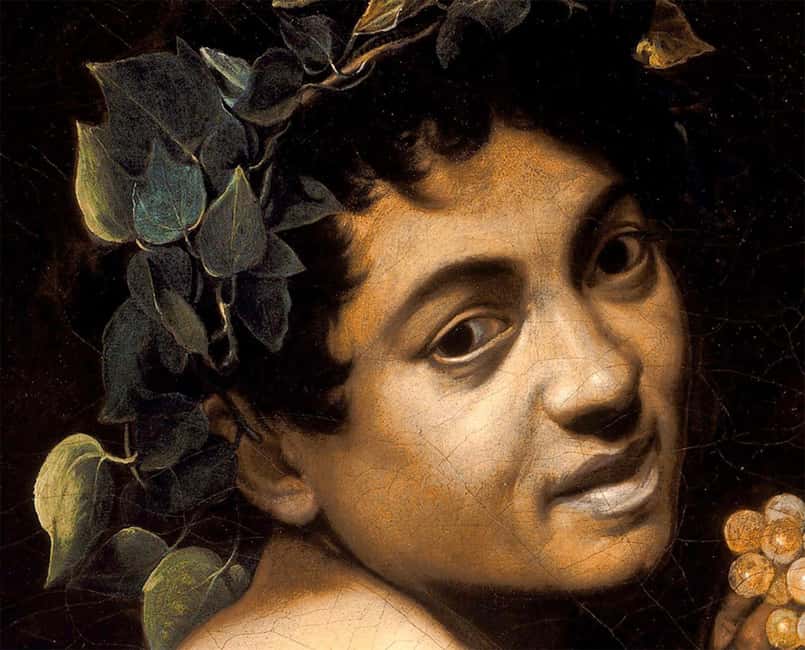
- Self-Portrait as Bacchus
During the tour, I’d pay attention to the theatrical realism—Caravaggio’s ability to make painted figures look lit from the side, like you’re catching them mid-moment. A good art historian guide will also help you connect Caravaggio’s drama to why he was so famous and controversial.
This is also where headsets help. In a crowded room, it’s easy to miss the guide’s pointers about what to notice: the expression shifts, the lighting cues, and how the figure’s mood changes the whole composition.
Raphael hits: courtly balance next to dramatic genius
Raphael’s presence in the collection gives you contrast. You’ll see works including Lady with a Unicorn and Portrait of Pope Julius II. Compared to Caravaggio’s punchy darkness and Bernini’s kinetic sculpture energy, Raphael can feel more composed and controlled.
That’s exactly the point of a guided sweep. In one visit you get a sense of how different Old Masters approaches can coexist in the same collection. Your guide helps translate what you’re looking at so it doesn’t become a checklist.
For example, with portraits like Pope Julius II, it helps to understand what the pope represented in the political and religious climate of the time. For Lady with a Unicorn, context matters for reading symbolism without turning the painting into an exam.
If you’re short on time in Rome, this is a valuable way to get a balanced taste of major artists without spending your whole day hopping between churches and museums.
Meeting at Piazzale del Museo Borghese: how to avoid start-time stress
The tour meeting point is in front of the museum’s entrance at Piazzale del Museo Borghese. That’s simple, but real life isn’t. Some people have reported difficulty locating the guide at first, especially when the guide is nearby but not at the exact meeting spot.
So do this:
- Arrive a little early, not right on the minute
- Stand where others are queuing for the entrance
- If your group cue isn’t obvious, wait and watch for the guide before you wander
This matters because the gallery is timed. Once you miss the start window, the whole rhythm can shift. The tour also includes reserved entry, so you don’t want to lose that benefit at the very beginning.
Price and value: what $88 buys you (and what it doesn’t)
At $88 per person for about 2 hours, you’re paying for three main things:
- Skip-the-line, priority entry
This saves time and reduces stress at a timed museum.
- An art historian local guide
You’re not just seeing titles; you’re getting guidance on what the works meant and why they were significant.
- Headsets and radios
You get better listening, which is a big deal in historic buildings where sound can travel oddly.
You’re not paying for private access in the sense of being alone. You’re paying for a small group format that stays under control. If you can visit Borghese Gallery on a day when you’d otherwise be stuck waiting in long lines, the skip-the-line component often justifies the price fast.
If you’re an independent museum wanderer who loves reading labels for hours, a self-guided visit might feel cheaper. But if you want the art to click in fewer hours, the guide value is real.
Who this tour is best for
This fits best if you:
- Want a high-impact first Borghese Gallery visit
- Appreciate Old Masters and want help noticing what matters
- Prefer small groups over shoulder-to-shoulder crowds
- Like the idea of seeing Bernini, Caravaggio, and Raphael in one compact plan
If you only want a casual stroll or you hate structured timing, you might feel rushed by the 2-hour pace. But for most people, it’s an efficient, meaningful way to experience Rome’s most demanding art stop.
Should you book the Borghese Gallery small-group skip-the-line tour?
Yes, if your goal is to leave Borghese Gallery feeling like you understood what you saw, not just that you walked through rooms full of masterpieces. The small group size, headsets, and skip-the-line priority work together to protect your attention, which is the scarce resource at this museum.
I’d book it especially if:
- you’re short on time in Rome
- you care about mastering context for Bernini and Caravaggio
- you want a guide who can turn famous works into something personally legible
If you’re extremely sensitive to meeting logistics, arrive early and plan for a little guide-finding time at the start. Otherwise, this is a strong use of a half-day, with major art in a setting that makes the whole collection feel intentional.
FAQ
How long is the Borghese Gallery small-group tour?
The tour lasts 2 hours.
Where do we meet for the tour?
Meet in front of the museum’s entrance at Piazzale del Museo Borghese.
Is the tour in English?
Yes, the live tour guide speaks English.
Does this include skip-the-line entry?
Yes, you get skip-the-line entry with reserved tickets and access through a separate entrance.
What is the group size limit?
The tour is a small group with a maximum of 15 people.
What do I need to bring?
Bring a passport or an ID card.