REVIEW · ROME
From Rome: Pompeii Guided Tour with Lunch
Book on GetYourGuide →Operated by MORANDITOUR · Bookable on GetYourGuide
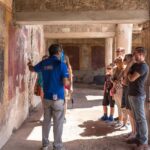
Pompeii makes the past feel close. I love the way a live guide turns the streets into a story, pointing out the Forum, baths, Greek Theatre, and Lupanar as you walk. I also like the stop at Villa dei Misteri, known for some of the best-preserved Roman wall art. One heads-up: the included lunch can be hit or miss, depending on the day and the restaurant.
After the guided portion, you get time for free exploration and photos at your own pace. The plan also includes skip-the-ticket-line entry, so you spend less time stuck and more time actually seeing Pompeii. If you prefer not to eat, you can opt out of lunch and use that hour for extra wandering instead.
In This Review
- Key things to know before you go
- Getting To Pompeii: meeting point and the Rome-to-Pompeii day rhythm
- Walking Pompeii with a live guide: Forum, baths, Greek Theatre, Lupanar
- Villa dei Misteri: the wall art stop people actually remember
- UNESCO context: seeing a city, not just ruins
- After the tour: free exploration for photos and slower curiosity
- Lunch in Pompeii: included Italian dishes and how to manage expectations
- Vesuvius planning: the climb and why it changes the day
- Price and value at about $94: what you’re really paying for
- Who this Pompeii tour suits best (and who should skip it)
- Should you book this Pompeii guided tour with lunch?
- FAQ
- Where is the meeting point?
- How long is the Pompeii guided tour portion?
- Is lunch included?
- Does the tour skip the ticket line?
- What’s included in the tour price?
- What languages are the live guides available in?
- What should I bring?
- Is this tour suitable for wheelchair users?
Key things to know before you go
- Live guide in English or Spanish: you’ll get on-the-ground explanations as you move through the site
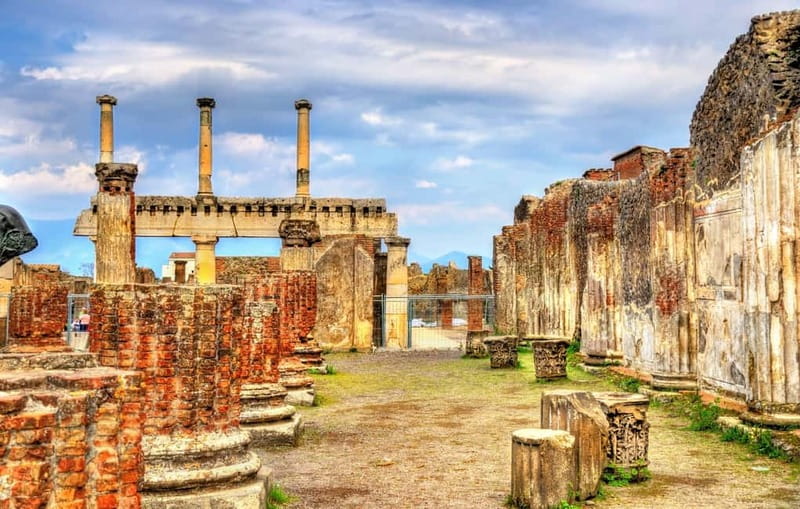
- A focused walk through Pompeii’s top areas: Forum, baths, Greek Theatre, and Lupanar are all part of the route
- Villa dei Misteri is built into the experience: it’s the art stop that people remember
- Lunch is included (but don’t expect fine-dining): classic Italian dishes, but quality can vary
- You’ll get free time after the tour: ideal for photos and slower exploring
- Plan for Vesuvius effort: the activity notes include a potentially strenuous climb for some people
Getting To Pompeii: meeting point and the Rome-to-Pompeii day rhythm
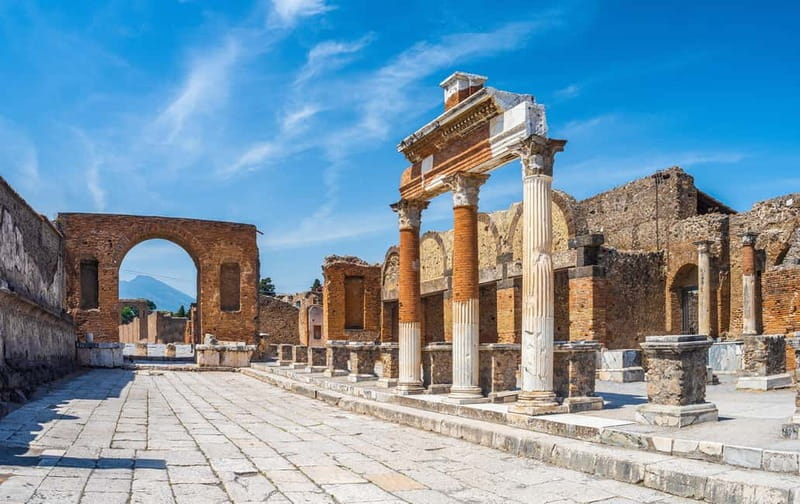
This is set up as a practical day trip: you start near your lodging area, then end up at the main action point, the Parco Archeologico di Pompei. The meeting point is close to hotel Vittoria, at the main entrance. That matters because Pompeii gets busy fast, and the earlier you’re settled, the easier it is to get into the ruins without feeling rushed.
You’re not just showing up to wander on your own. The experience is designed around a guided walk first, then a breather after—so you’re not stuck listening to a guide the entire time, and you also don’t have to plan your own route through a massive archaeological site.
One more thing to keep in mind: there is bus travel involved on this kind of tour from Rome, and the experience includes a guided component in Pompeii itself. In other words, you’re likely to spend time on a vehicle before you reach the ruins. If you’re the type who hates tight schedules, build in a little buffer in your head.
You can also read our reviews of more guided tours in Rome


Walking Pompeii with a live guide: Forum, baths, Greek Theatre, Lupanar

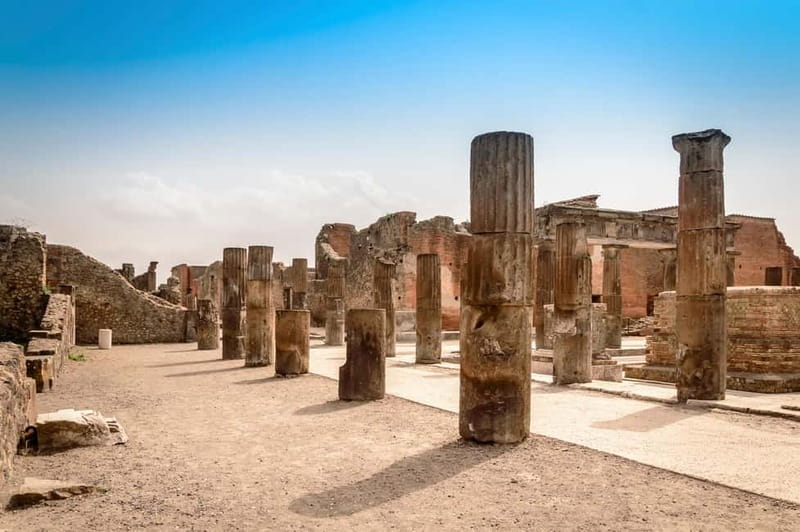
This is the heart of the tour: you walk a guided route through Pompeii’s most recognizable spaces, with context for what you’re seeing. The stops include the Forum, the baths, the Greek Theatre, and the Lupanar. Put those on a map and you start to understand why Pompeii feels so different from other Roman ruins: it’s not just monuments. It’s everyday life and street-level culture.
Here’s what makes this guided format worthwhile for you.
In Pompeii, the layout can feel confusing if you’re only looking at stones. A good guide helps you connect the dots: where people would gather, where they’d bathe, how entertainment worked, and what the Lupanar signaled about social life. When the explanation is clear, the site becomes readable—almost like the city is temporarily back in service.
The tour also frames the ruins in their most dramatic context: the day in 79 AD when Vesuvius erupted and preserved the city under ash. You don’t need a long lecture to get that idea. You just need a guide who points out the right features at the right time so the tragedy doesn’t turn into a blur.
A small pacing note: if you’re the kind of person who wants to linger at every doorway and wall, go in knowing this is a structured route. You’ll have a chance to slow down after the guided portion, but during the main walk the pace is meant to cover key zones.
Villa dei Misteri: the wall art stop people actually remember
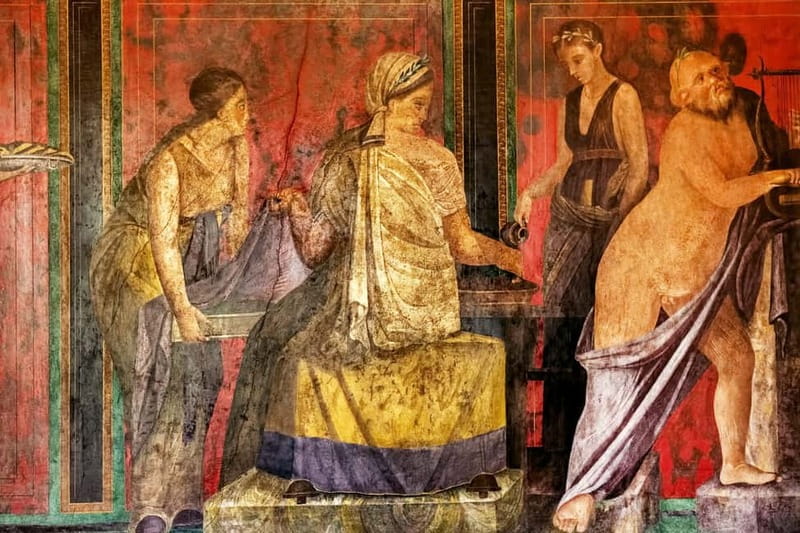
If you only remember one part of Pompeii, it’s often the art—and Villa dei Misteri is the reason. The tour includes this stop specifically for the best-preserved examples of ancient Roman art. That’s not a throwaway add-on. It’s one of the few places where Pompeii can feel like you’re seeing a living visual culture rather than just city ruins.
The practical value here for you is focus. Pompeii is big, and it’s easy to waste time chasing what looks interesting without knowing why it matters. By steering you toward Villa dei Misteri, the tour makes sure you spend time where the pay-off is high.
Also, this is a great spot for photos—just remember that the best images usually come from slow viewing rather than rapid clicking. If you bring a camera and you like detail shots, plan to take your time once you’re there.
UNESCO context: seeing a city, not just ruins
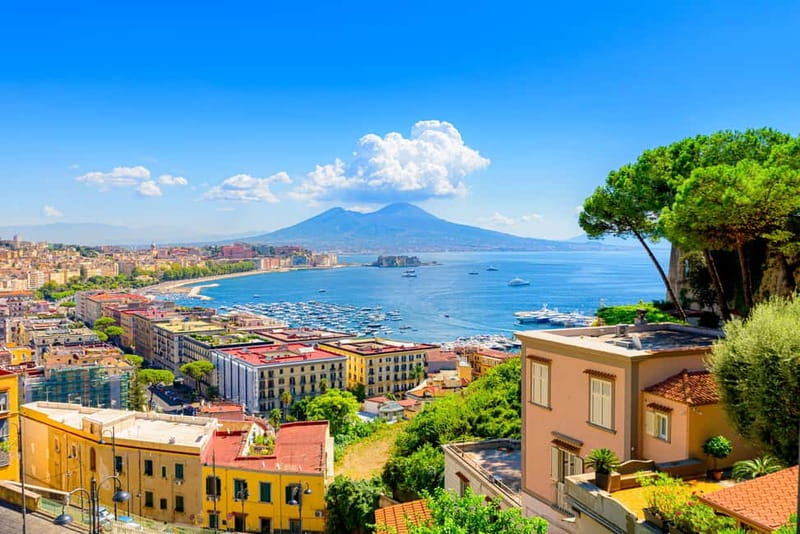
Pompeii is a UNESCO World Heritage Site, and that label matters because it signals why it’s carefully presented and protected. More importantly, it hints at the fact that you’re walking through something rare: an ancient city preserved in the moment.
The tour approach is designed to help you understand what that preservation means. You’ll move through public and semi-public spaces—Forum, baths, theatres—so the city doesn’t feel like a collection of isolated walls. Instead, you get a sense of how people organized their days: civic life, grooming and hygiene, entertainment, and nightlife.
The guide’s storytelling around the eruption helps connect the physical remains to a human timeline. It’s the difference between seeing ash-covered streets and realizing this was an active city that stopped suddenly.
If you’re thinking about value: Pompeii is one of those places where a bit of structure pays off. A guided walk doesn’t replace independent exploration. It gives you the framework so your later free time actually becomes meaningful.
After the tour: free exploration for photos and slower curiosity

Once the guided portion ends, you’re left with some breathing room to explore on your own. This is a smart move, because Pompeii rewards wandering—if you’ve got the right starting points.
During your free time, you can take photos, stroll at your own pace, and revisit whatever captured your attention most. Some people also use this time for a quick look at nearby souvenir shops or to reset with a café-style break.
Two practical tips:
- Wear shoes that can handle uneven stone. Pompeii surfaces can be tricky even when paths look clear.
- Start your photo walk with the biggest views first, then shift into details. Details are everywhere, but good vantage points can be harder to revisit later.
You can also read our reviews of more tours and experiences in Rome
Lunch in Pompeii: included Italian dishes and how to manage expectations
Lunch is included as part of the experience, and it’s meant to be a local pause after walking the ruins. The idea is a relaxing meal at a local restaurant with regional specialties made with fresh ingredients. That’s a good plan for you if you want the day to feel complete without extra planning.
Now, the realistic part: the lunch has mixed feedback. Some people describe it as fine but not special, and others feel it doesn’t match what they paid. So I’d treat it as a convenient, included meal rather than a culinary highlight.
How to get the best lunch experience anyway:
- Go in hungry. You’ll have earned it with the walking.
- Don’t overthink it as a restaurant review. Think of it as your reset button before your next stop.
- If the meal choices seem limited, focus on the basics: bread, pasta, and whatever regional dish looks freshest that day.
You also have an option tied to this: you can choose to join without lunch and use that time for more exploration instead. If you know you’re picky, or if you prefer independent dining near the ruins, that option can be a better fit.
Vesuvius planning: the climb and why it changes the day

The activity notes tell you to be ready for a climb to Mount Vesuvius’ summit, and that it can be strenuous for some people. Even if you don’t love climbs, the Vesuvius piece matters because it’s where the full scale clicks.
From the summit area, you can often look back and understand the geography: the volcano isn’t just a backdrop. It’s the reason Pompeii exists in its preserved form. If you’re a visual person, that view can turn the whole day into a more complete story.
Be honest with yourself about the effort. If you have a heart condition or you’re worried about strenuous walking, skip this tour. If you’re generally fit but not mountain-trained, wear grippy shoes and take it slow.
Price and value at about $94: what you’re really paying for
At $94 per person, you’re not just buying entrance or a generic walk. You’re paying for several things that are hard to replicate solo without time and stress:
- A guided Pompeii route that covers major areas like the Forum, baths, Greek Theatre, and Lupanar
- Inclusion of Villa dei Misteri for its standout art
- A traditional Italian lunch (with the caveat that quality can vary)
- The benefit of skip-the-ticket-line entry and a live guide experience
- Time for free exploration so you can adjust based on what you like
That’s the value equation. If you’re traveling with limited time in the region, a structured tour helps you hit the best spots without spending your vacation decoding routes.
If you’re the type who already has a strong self-guided plan, you might find the price less appealing—especially because the lunch quality can be uneven. But even then, the guided context and Villa dei Misteri stop are usually the reasons the tour feels worth it.
Who this Pompeii tour suits best (and who should skip it)
This works well if you want a guided Pompeii experience that covers the essentials without you building an itinerary from scratch. It’s also a good match if you like a mix: history on foot plus a structured meal plus some natural scenery tied to Vesuvius.
It’s not suitable for:
- Pregnant women
- People with mobility impairments
- People with heart problems
- Wheelchair users
If any of those apply, you’ll likely struggle with the walking and the Vesuvius climb. And even for everyone else: bring water, wear comfortable shoes, and protect yourself from sun with a hat and sunscreen. The notes are clear that there’s a moderate amount of walking involved.
Languages are English and Spanish, and you’ll have a live guide. If you prefer explanations in your native language, this is a real convenience.
Should you book this Pompeii guided tour with lunch?
Book it if you want the quickest path to a high-impact Pompeii day: guided structure, major stops like Forum and the Lupanar, plus the art-focused visit at Villa dei Misteri. The free exploration time is a nice safety valve too, especially if you get distracted by details once you’re there.
Consider skipping or choosing the no-lunch option if you’re particular about restaurant meals or you’d rather spend every minute in the ruins. Also weigh the Vesuvius effort honestly—this isn’t a slow, flat stroll.
If you want a day trip that feels organized and gives Pompeii context fast, this one makes sense.
FAQ
Where is the meeting point?
You meet close to hotel Vittoria at the main entrance.
How long is the Pompeii guided tour portion?
The guided tour is listed as 2 hours.
Is lunch included?
Yes. Traditional Italian lunch is included, and there is also an option to join without lunch for extra free time instead.
Does the tour skip the ticket line?
Yes, it includes skip-the-ticket-line entry.
What’s included in the tour price?
Included items are the guided tour of Pompeii and the traditional Italian lunch.
What languages are the live guides available in?
The live guide is available in English and Spanish.
What should I bring?
Bring comfortable shoes, a hat, a camera, sunscreen, and water.
Is this tour suitable for wheelchair users?
No. It is not suitable for wheelchair users or people with mobility impairments.