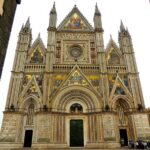
REVIEW · ROME
Rome: A Night At The Opera Experience
Book on GetYourGuide →Operated by TOURISTATION · Bookable on GetYourGuide
Rome at night has a special kind of magic.
This pass gives you priority access to an opera event of your choice, with performances staged in some very unusual Roman settings.
What I like most is the variety. You’re not locked into one work or one venue, and the schedule includes everything from classical pieces to famous opera arias like La Traviata and Rigoletto. I also love the way the music is paired with place, so you may end up listening inside a landmark church or in a site tied to Roman archaeology.
One thing to consider: you’re choosing from a weekly calendar, and not every setting will feel like a full staged opera. One reviewer even found the event closer to a church concert than a traditional opera experience, so it pays to check the event description before you go.
In This Review
- Key things to know before you pick your opera night
- How this Rome night-at-the-opera pass really works
- Where you check in: Touristation at Piazza Navona
- Choosing your opera: it’s not just the music, it’s the setting
- The famous names and what you might hear
- Venues in Rome: examples of where your night can land
- St. Paul’s Within the Walls style church concerts
- Piazza Navona Underground and Roman layers
- Cathedrals, museums, and other iconic spaces
- What the performance day feels like, step by step
- Priority skip-the-line: why it’s worth more than it sounds
- The trade-offs: when your expectations might not match the show
- Who this Rome night-at-the-opera pass suits best
- Practical tips that make the night go smoother
- Price and value: is $44 a fair deal for this kind of evening?
- Should you book this Rome night at the opera pass?
- FAQ
- Where do I meet for this experience?
- What does the open ticket include?
- Do I need to choose a specific performance in advance?
- Is there priority entry?
- How long is the pass valid?
- Is free Wi-Fi available?
- Is it wheelchair accessible?
Key things to know before you pick your opera night
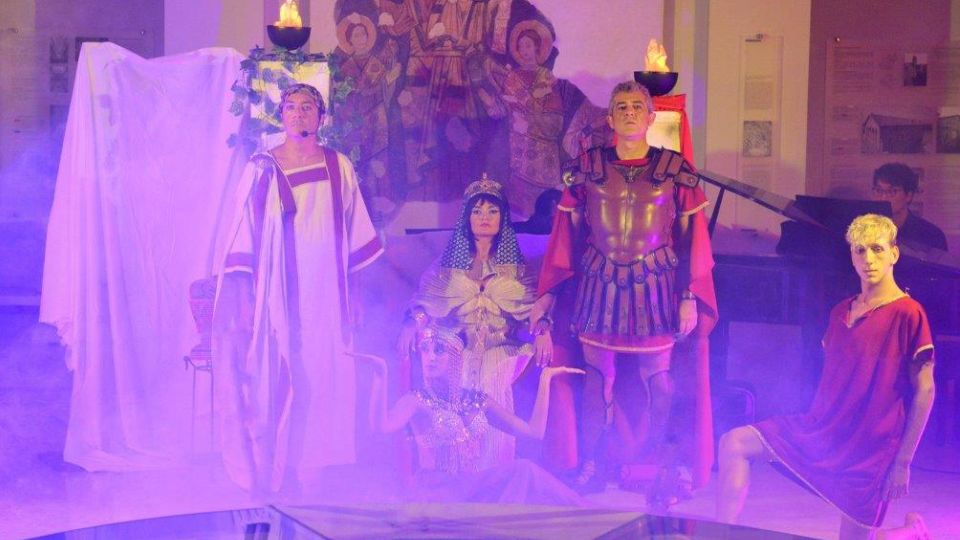
- Open ticket choice: select an opera event according to the weekly calendar, so you can match the music to your mood.
- Unique venues in Rome: the program can take place in churches, museums, or even Roman archaeological areas.
- Famous opera material: expect arias and masterpieces, including options linked to works like La Traviata and Rigoletto.
- Priority skip-the-line access: you’re set up to enter faster than standard ticket lines.
- Check in with multilingual help: Touristation staff help you choose at the office in the Piazza Navona area.
- Intimate feel is possible: some performances can feel small and personal, which helps the sound and focus.
How this Rome night-at-the-opera pass really works
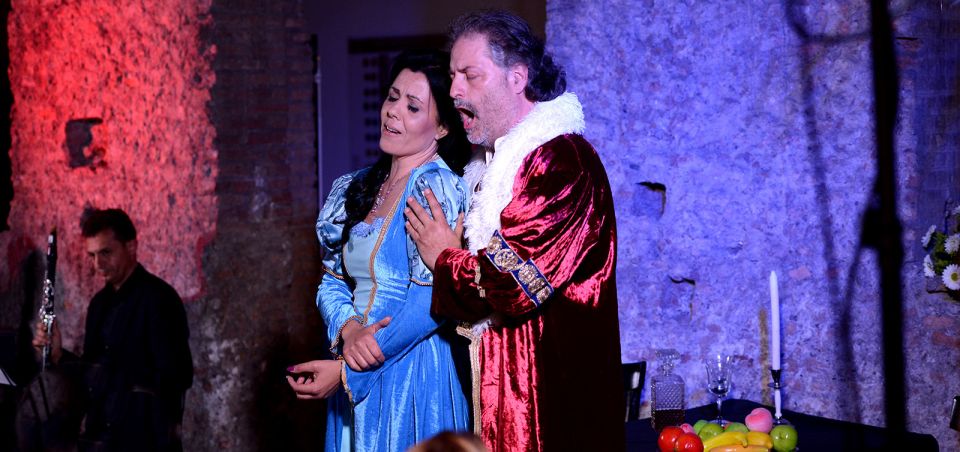
This is an easy “pick your night” style experience. You don’t buy a single, fixed performance. Instead, you get an open ticket that you use for one opera event on the calendar, based on the show and venue options available for your date.
Your day is built around one main moment: check in, choose (or confirm) your performance, then go to the venue. The pass includes priority skip-the-line access, which matters in Rome where queues can steal time from dinner plans and evening wandering.
The starting point for the experience is the Touristation office at Piazza Navona, 25. When you arrive, you’ll be met by dedicated, multilingual staff who help you work through the week’s show options. There’s also free Wi-Fi at the meeting point, which is useful if you want to double-check your exact program details on your phone before heading out.
If you like the idea of classical music but you also want to keep your schedule flexible, this setup is a strong match. You can aim for the most convenient evening without feeling like you missed out on other concerts happening the same week.
You can also read our reviews of more evening experiences in Rome

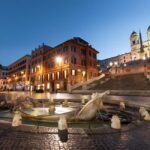
Where you check in: Touristation at Piazza Navona
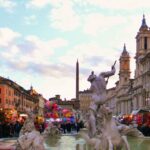
Piazza Navona is one of those Rome squares that works as a landmark even if you don’t know the city well. The big plus here is the simplicity: Touristation is at Piazza Navona, 25, so you’re checking in in a central, easy-to-find spot.
I like that the staff are there in person to help you choose from the available night shows. That human step helps if you’re unsure about what type of venue you want, or if you want to match the music to your comfort level.
A small practical note from real experience patterns: one reviewer said they couldn’t find the location. So do yourself a favor and arrive with clear directions from your map app, not just a mental picture of Piazza Navona. If you’re walking in from a different neighborhood, give yourself extra time to avoid an unnecessary rush.
Choosing your opera: it’s not just the music, it’s the setting
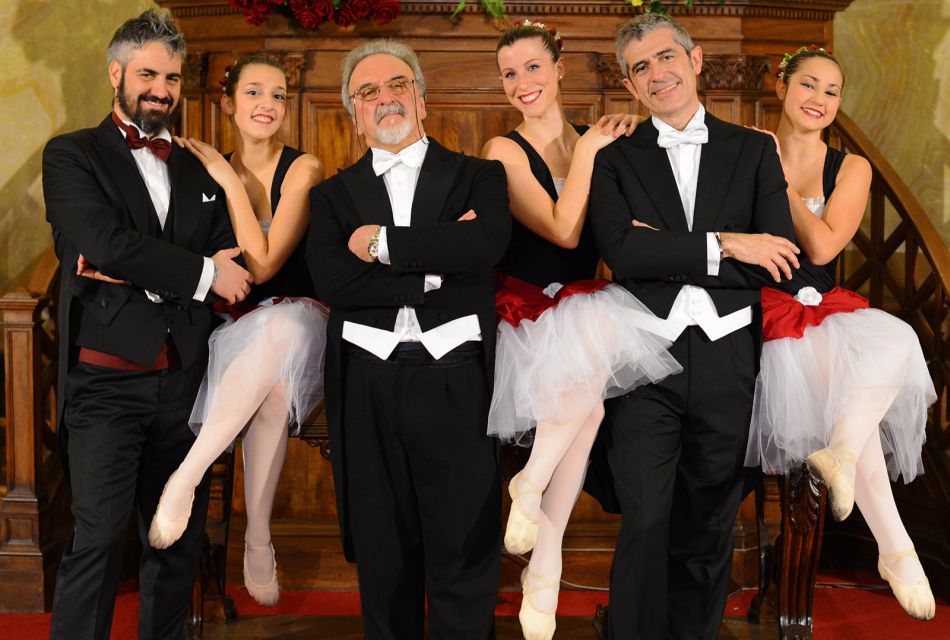
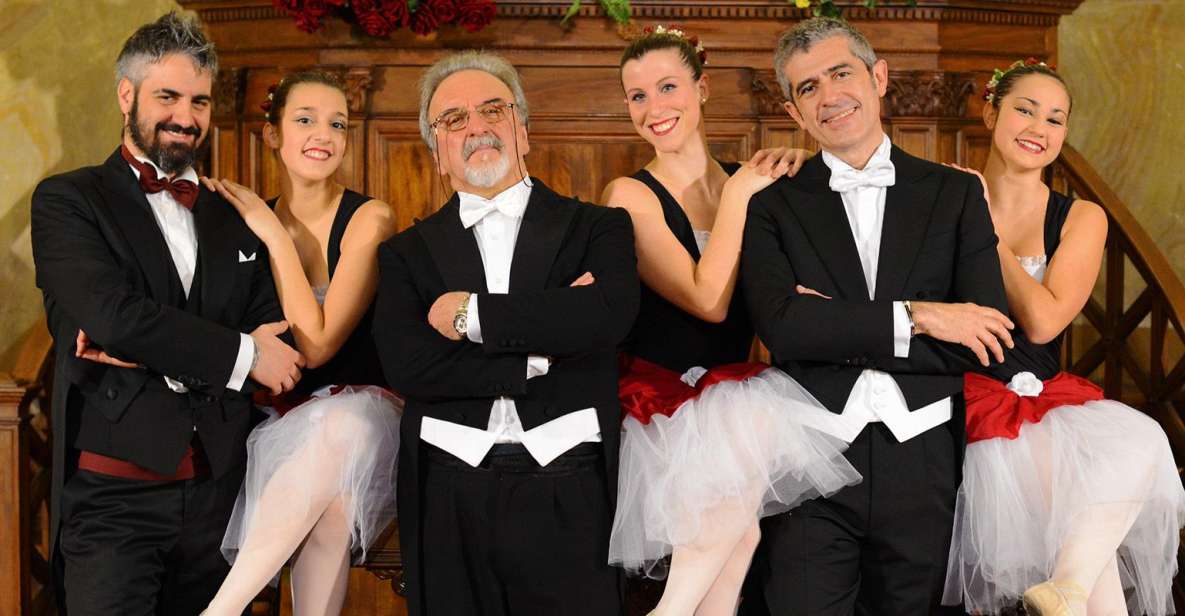
The biggest selling point is control. You’re choosing an event from the weekly calendar, and the venues are part of the deal. The program can include locations such as cathedrals, museums, and Roman ruins.
That’s not a minor detail. In a city like Rome, the space affects how the performance feels. A church setting can make voices and strings feel bigger and more reverberant, while an archaeology-based venue can create a more dramatic, grounded atmosphere. And if you care about sound, venue choice becomes the difference between a night that feels effortless and a night that feels tinny or echo-heavy.
Two contrasting review signals highlight this reality. One person called the evening in a beautiful church perfect, with great ambience and beautiful music. Another noted the acoustics weren’t good and felt the building lacked patrimonial value for the setting. That doesn’t mean every show is the same, but it does mean you should pay attention to which venue you’re selecting.
If you want the most predictable “opera-night” feel, look for the event that clearly reads as opera (not just classical music in a church). If you’re open-minded and you mostly want arias and orchestral highlights, you’ll probably enjoy more of what Rome has to offer across the week.
The famous names and what you might hear
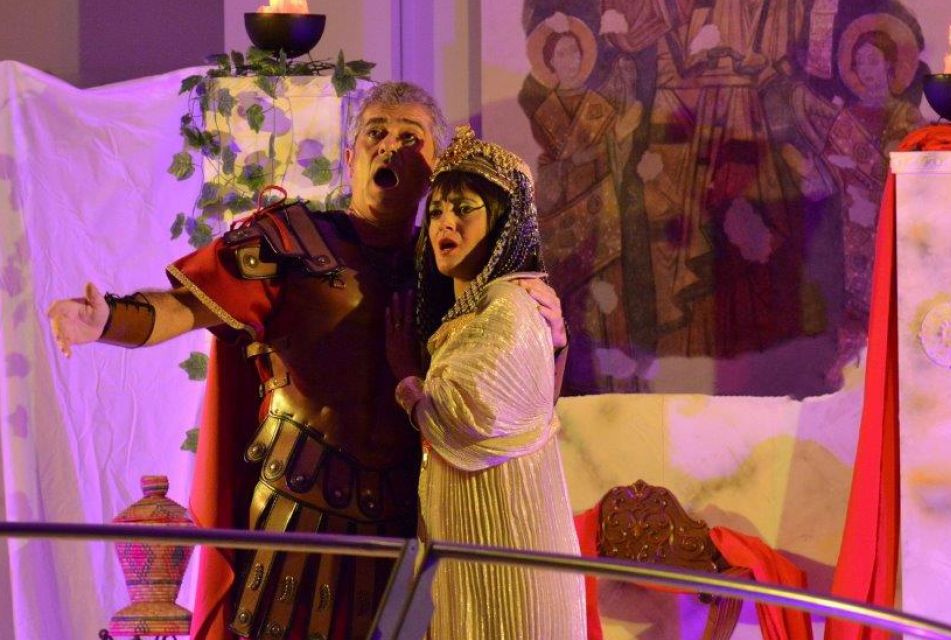
The pass is positioned for opera fans, and the included descriptions point to well-known works and arias. You may encounter pieces tied to La Traviata and Rigoletto, plus the general sweep of classic opera and orchestral music.
What I like about this approach is that you don’t need to be an opera scholar to enjoy it. If you recognize a few big melodies, you’ll get an instant emotional hook. And if you don’t, you can still treat it like a guided evening of music in one of Europe’s most storied cities.
Also, the experience isn’t limited to one composer or era. The program examples include everything from Vivaldi and Bach in church settings to classic performances in other landmark locations. That range is ideal if you’re traveling with someone who likes music but doesn’t always want the same style of opera night after night.
Venues in Rome: examples of where your night can land
You’re not guaranteed one specific building, so think of this as a menu of Roman locations. Here are the types of places you might find, based on the program examples and the way these evenings are described.
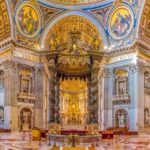


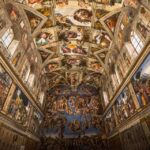
St. Paul’s Within the Walls style church concerts
One of the named venue examples is St. Paul’s within the Walls. A review specifically praised this site as a work of art, calling it perfect to listen to Vivaldi there.
Church settings like this can add a cinematic feel, especially for strings and vocal lines. If you’ve ever been in a large European church, you know that sound can hang in the air longer than you expect. That can be gorgeous for music, but it can also make fast passages harder to follow if the sound system is minimal. On a good night, it feels magical. On a less ideal night, it can feel muddy. Choosing your venue matters.
Piazza Navona Underground and Roman layers
Another example is Piazza Navona Underground, described as the site of a Roman archaeological dig. That kind of setting turns the evening into more than just a concert. You’re listening while surrounded by the physical evidence of Rome’s earlier chapters.
A venue like this can also make the whole experience feel more intimate and grounded. Underground spaces often keep sound closer to you, but they can be echo-prone too. If you’re picky about acoustics, check which event version includes that space and choose carefully.
Cathedrals, museums, and other iconic spaces
The program also mentions cathedrals and museums as possible locations. This is a great fit if you like the idea of blending “cultural stop” energy with music. It’s Rome’s best trick: turning everyday sightseeing into something atmospheric without needing extra effort.
What the performance day feels like, step by step
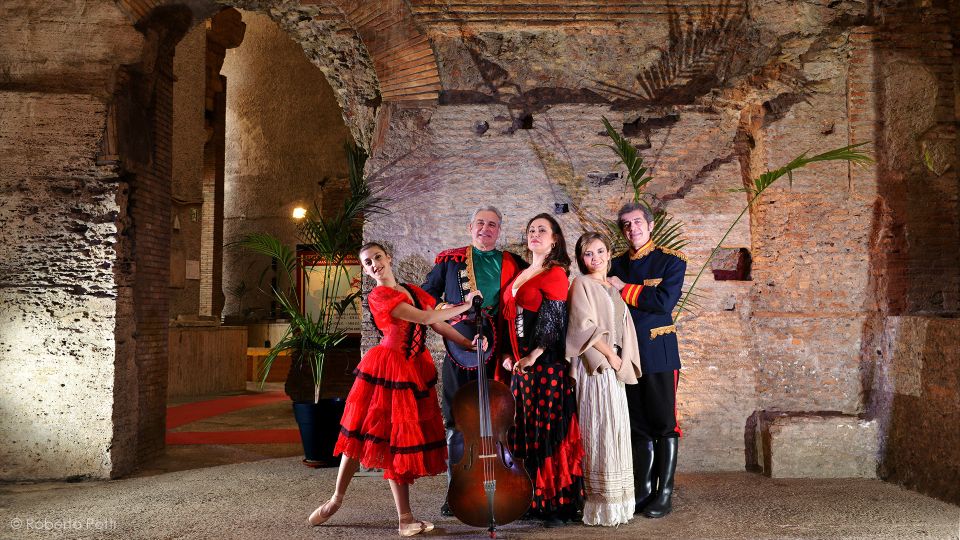
You can think of your “1 day” experience as one evening flow with one key decision point.
First, you go to the Touristation office at Piazza Navona, 25. Staff welcome you and help you choose between the opera options that are available that week. This is where you’ll lock in your event from the open-ticket calendar.
Next, you head to your selected venue. Since the pass is valid for one day and times depend on availability, don’t assume a single start time across every date. Check your event details once you’ve chosen your program.
Then comes the actual show. Depending on the event you select, expect opera arias and classic orchestral moments, with famous works and famous style. Some evenings can feel small and personal, which is a big deal if you hate crowds or prefer to hear clearly rather than be one face in a sea of heads.
Finally, you’re done. No complicated second leg. No “next tour” pressure. You can plan your dinner right after and still have time for a quick walk through the old streets.
Priority skip-the-line: why it’s worth more than it sounds
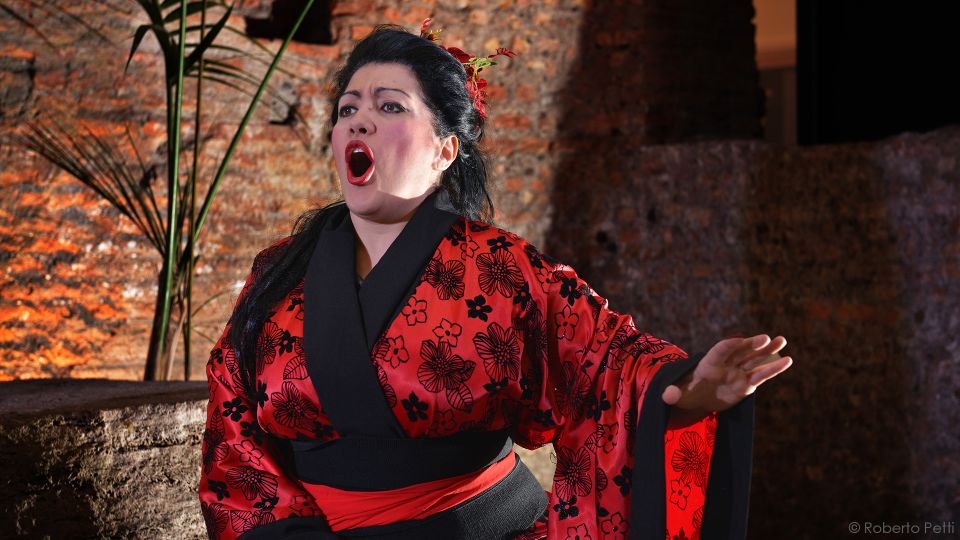
The pass includes priority skip-the-line access. That’s simple, but it’s meaningful in Rome.
An opera event is timed. If you lose time searching for your venue or stuck behind a slow queue, you end up stressing over coats, seats, and whether you’ll miss the opening moments. Priority entry reduces the “will we make it?” feeling and keeps the night relaxed.
And that relaxed feeling matters, especially because the venues can be beautiful but sometimes tricky to locate if you’re arriving late or from a different direction. If you’re the kind of traveler who likes to get settled and listen properly, priority access is one of the best value parts of this pass.
The trade-offs: when your expectations might not match the show
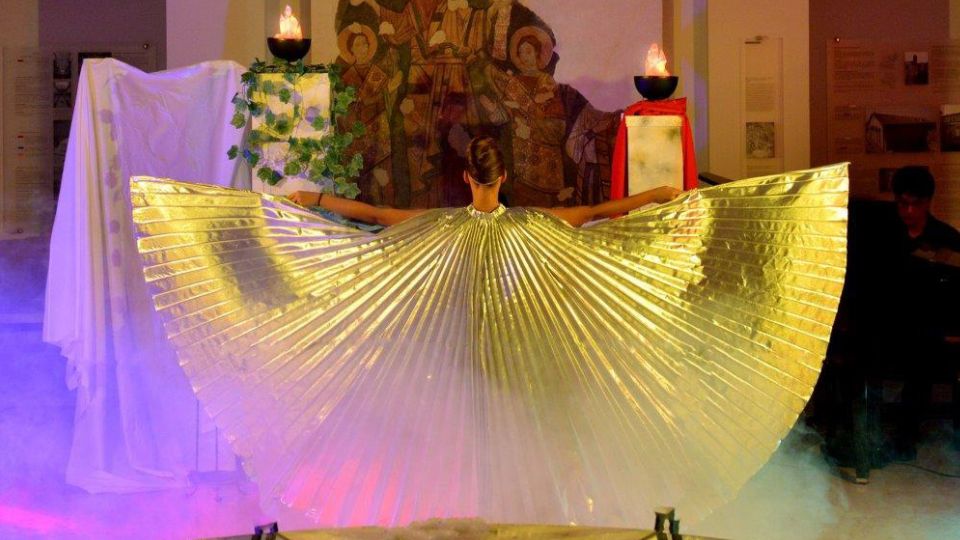
The reviews give you a reality check. One person felt the ticket was to a concert without opera in a church and left halfway through because it didn’t match what they thought they paid for.
That doesn’t mean the pass is “bad,” but it does mean you should manage expectations. This is marketed as an opera experience, but some venues may present the material in a concert format rather than a fully staged opera production.
So how do you protect yourself?
- Look closely at the event description before you commit.
- Choose the venue that matches how you picture an opera night: full opera staging vs music in a church atmosphere.
- If opera staging is your non-negotiable, confirm what the event includes when the staff help you choose.
This is also why open tickets can be both a strength and a risk. You get flexibility, but you also need to make one thoughtful choice at check-in.
Who this Rome night-at-the-opera pass suits best
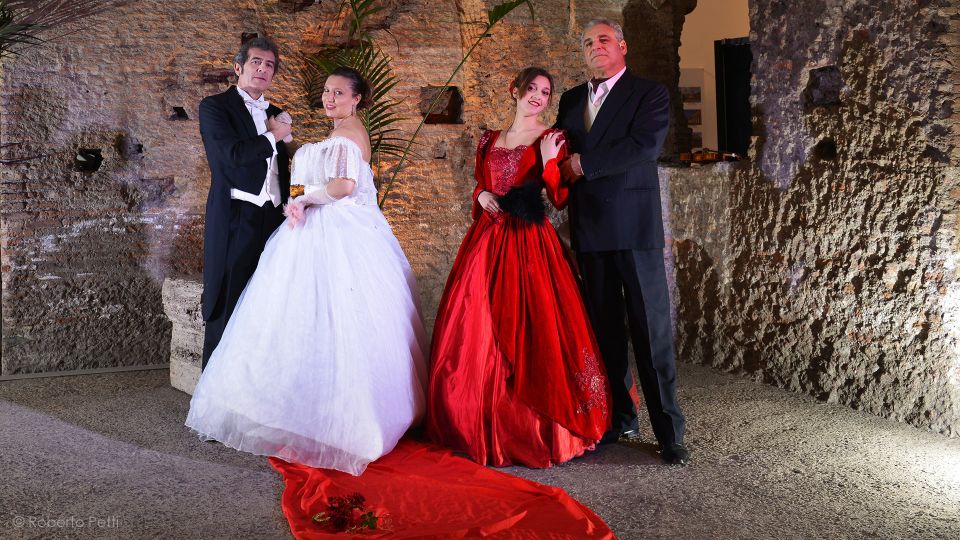
This pass is a good match if you want classic music in a memorable Roman setting and you don’t want to lock yourself into one specific date and one specific venue weeks in advance.
I think it’s especially good for:
- Opera lovers who want big-name arias and don’t mind listening in different venue styles.
- First-timers who want a low-stress way to experience Rome through music.
- Couples and small groups who like the idea of an evening plan that still feels spontaneous.
It may be less ideal if:
- You’re very strict about opera staging (not just opera-related music).
- You’re sensitive to acoustics differences across rooms and churches.
- You need wheelchair accessibility, since it’s listed as not suitable for wheelchair users.
Practical tips that make the night go smoother
Here are the small things that can turn a decent evening into a great one.
Arrive early enough to find your feet. One review mentioned trouble finding the location, so give yourself buffer time around Piazza Navona. Rome streets can be slow and confusing at night.
Use the Wi-Fi at check-in if you need it. There’s free Wi-Fi at the meeting point, which is handy if your phone needs a connection to view event details.
Pick based on the venue vibe, not just the composer name. If a church setting is your favorite, lean that way. If you want something tied to Roman archaeology, choose the Piazza Navona Underground option when available.
Plan your dinner around the event start. Because show times vary by calendar availability, you’ll get best results by deciding your meal timing after you’ve chosen your exact night.
Respect venue rules. Pets aren’t allowed, and smoking (including indoors) isn’t allowed. The experience also prohibits alcohol and drugs, plus sprays or aerosols. Pack accordingly and keep things straightforward.
Price and value: is $44 a fair deal for this kind of evening?
At $44 per person, you’re paying for more than a ticket. You’re paying for flexibility plus a smoother entry experience.
Here’s the value math as I see it:
- You get an open ticket to use on an opera event from the calendar.
- You get priority skip-the-line access, which saves time and reduces stress.
- You get assistance at the information point with multilingual staff to help you choose.
- You’re not stuck with one fixed performance type on one date.
If you compare it to buying a single opera ticket with no help and no priority entry, the pass can feel like a smart shortcut. The only reason value might disappoint you is if you select a program that doesn’t match your personal idea of opera. That’s not a pricing problem. That’s a selection problem. Choose carefully at check-in.
Should you book this Rome night at the opera pass?
Yes, I’d book it if your goal is a classic Rome evening with opera arias and you want flexibility on which night and which venue you experience. The mix of big-name opera content (like La Traviata and Rigoletto) and the chance to hear music in places like St. Paul’s within the Walls or Piazza Navona Underground makes this feel more like a Rome specialty than a generic concert ticket.
I’d think twice if you need a very traditional, fully staged opera format every time. Since some settings can be closer to a concert-in-a-church style, read the event details before you lock in your choice.
If you’re open to the idea of matching music to Roman space, and you like the comfort of priority entry with staff assistance at Piazza Navona, this pass is a solid way to see Rome after dark.
FAQ
Where do I meet for this experience?
You start at the Touristation office at Piazza Navona, 25.
What does the open ticket include?
Your open ticket lets you attend one of the opera events according to the calendar, based on the options available.
Do I need to choose a specific performance in advance?
You’ll be guided at the information point to choose between the night shows available that week.
Is there priority entry?
Yes. The ticket includes priority skip-the-line access to the event.
How long is the pass valid?
It’s valid for 1 day. You’ll need to check availability to see starting times.
Is free Wi-Fi available?
Yes. Free Wi-Fi is available at the meeting point.
Is it wheelchair accessible?
No, it is not suitable for wheelchair users.