REVIEW · ROME
Small-group Colosseum, Forum and Palatine Guided Tour
Book on GetYourGuide →Operated by Gray Line I Love Rome · Bookable on GetYourGuide
Three hours, and Rome tells its loudest story. This small-group Colosseum, Forum and Palatine tour moves from the Arch of Constantine to Palatine views with a licensed local guide calling out the details that usually slip by.
I especially like the pacing for photos and questions: the group stays small (up to 10), so the tour doesn’t feel like you’re being swept along on rails. The main thing to consider is security screening and time pressure, which can make parts of the visit feel fast if you’re the type who likes to stop for a long minute every place you can.
In This Review
- Key things to know before you go
- How a max-10 group changes the Colosseum experience
- Meeting at Colle Oppio Park (and what to do with hotel pickup)
- The quick stop at the Arch of Constantine
- Entering the Colosseum: what you’ll notice with a guide
- Roman Forum: turning ruins into a story you can follow
- Palatine Hill: imperial luxury plus mythical origins
- Pace and time: the 3-hour trade-off you should plan for
- Who this tour fits best (and who should skip it)
- Practical packing checklist for a smooth Colosseum morning
- Price and value: what you’re actually paying for
- Should you book this Colosseum, Forum and Palatine small-group tour?
- FAQ
- Where does the tour meet?
- What time should I arrive for the meeting point?
- How long is the guided tour?
- Is there a maximum group size?
- Is hotel pickup available?
- What language is the live guide?
- What ID do I need to bring?
- Can I bring luggage or large bags?
- Is the tour wheelchair accessible?
- Who should avoid booking this tour?
Key things to know before you go
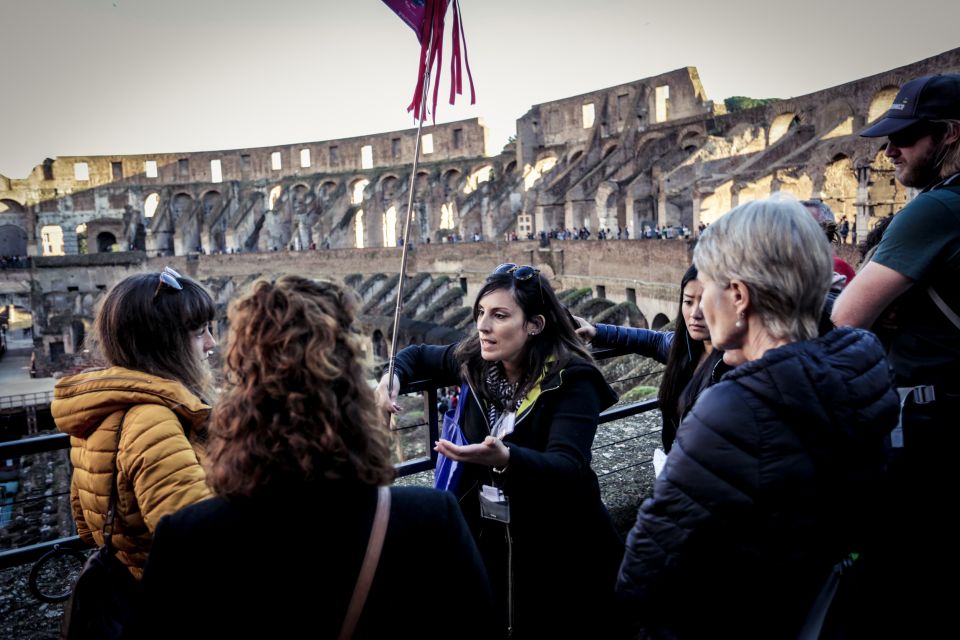
- Up to 10 participants keeps conversations possible and makes it easier to get good pictures
- Colle Oppio Park meeting point (inside the park, look for the I Love Rome logo) starts you close to the action
- You hit three big sites in one run: Colosseum, Roman Forum, and Palatine Hill in about 3 hours
- Arch of Constantine is the warm-up that sets the stage before you step into the arena
- Optional hotel pick-up can save time, but only if your hotel is covered
How a max-10 group changes the Colosseum experience
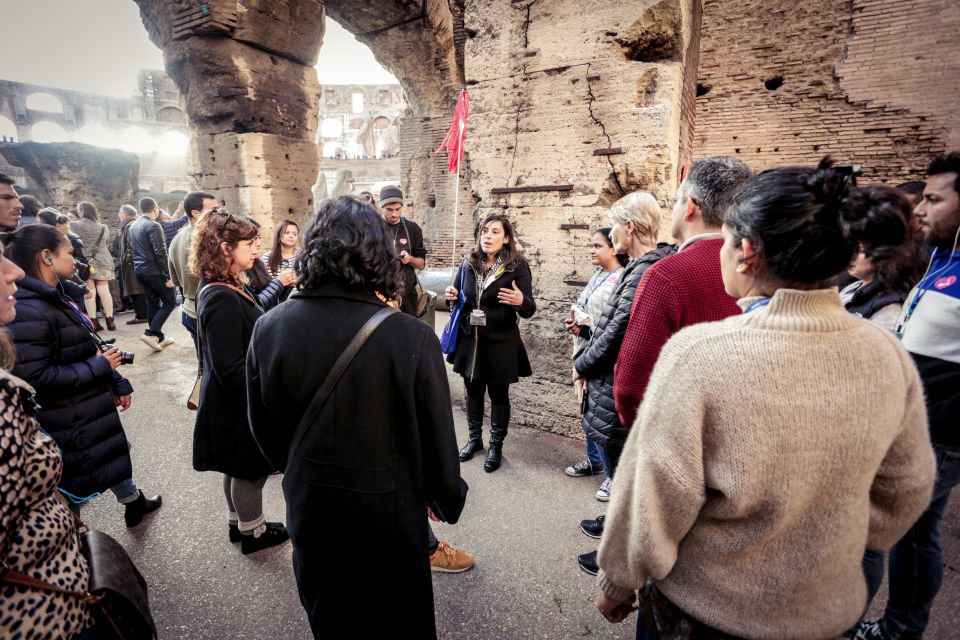
The headline benefit here is the small-group size (10 max). The Colosseum can be a crush of noise and bodies, and most big tours feel like you’re racing your own feet. With a smaller group, I like that you can actually hear the guide, ask a question, and not feel guilty for slowing the line.
This size also matters when you want photos. The guide’s job isn’t just facts. It’s telling you where to stand and what to look at so you get pictures that make sense, not random shots of stone from the back of someone’s head. In a place like the Colosseum, you’re constantly making decisions about angles, and having time to frame them helps.
One more practical win: small groups make it easier to follow instructions at security and inside the sites. The tour asks you to stay with the assigned guide throughout, and the smaller the group, the fewer stress-moments you have while you wait for the whole unit to regroup.
You can also read our reviews of more guided tours in Rome
Meeting at Colle Oppio Park (and what to do with hotel pickup)
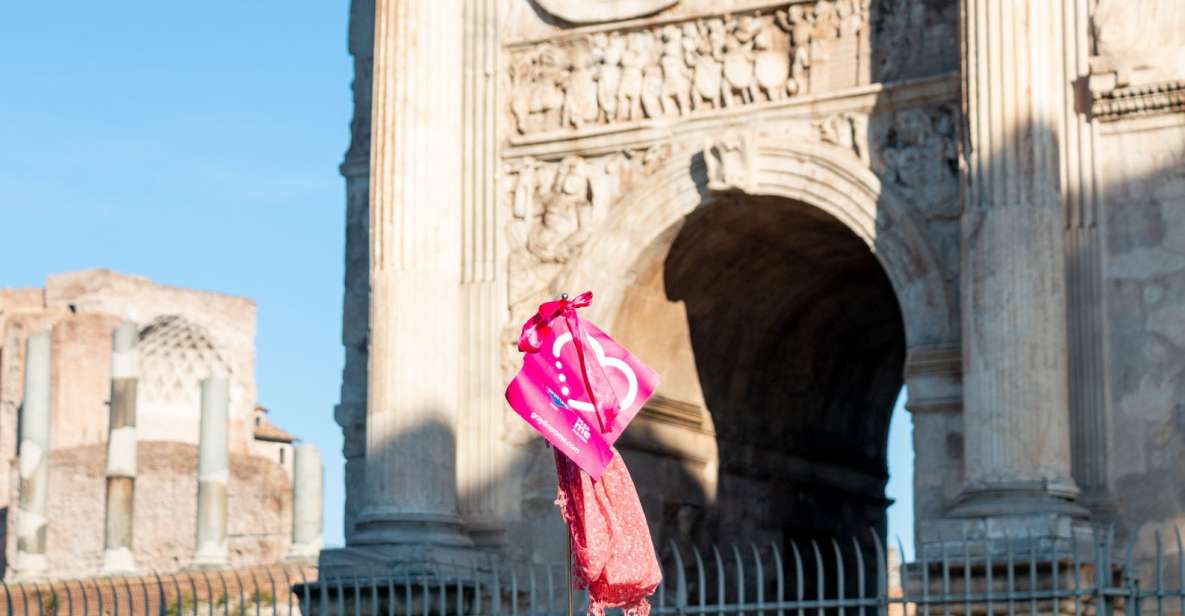
Start planning early because the start is part of the experience. Your meeting point is Colle Oppio Park at the corner of Via delle Terme di Tito and Via Nicola Salvi, inside the park. You should arrive about 15 minutes before start time and look for staff holding the I Love Rome logo.
If you choose optional hotel pick-up, you’ll need to be ready 45 minutes before departure for central hotels, or 60 minutes for non-central ones. If your hotel isn’t covered, the plan is simple: you go directly to the meeting point yourself. Either way, you’ll save time by showing up early rather than negotiating your way through transit delays.
One more useful detail: this tour notes heightened security can cause delays. That means your best move is not to cut it close at the beginning. I’d rather arrive with time to spare than spend your first minutes scanning faces and wondering where your group ended up.
The quick stop at the Arch of Constantine
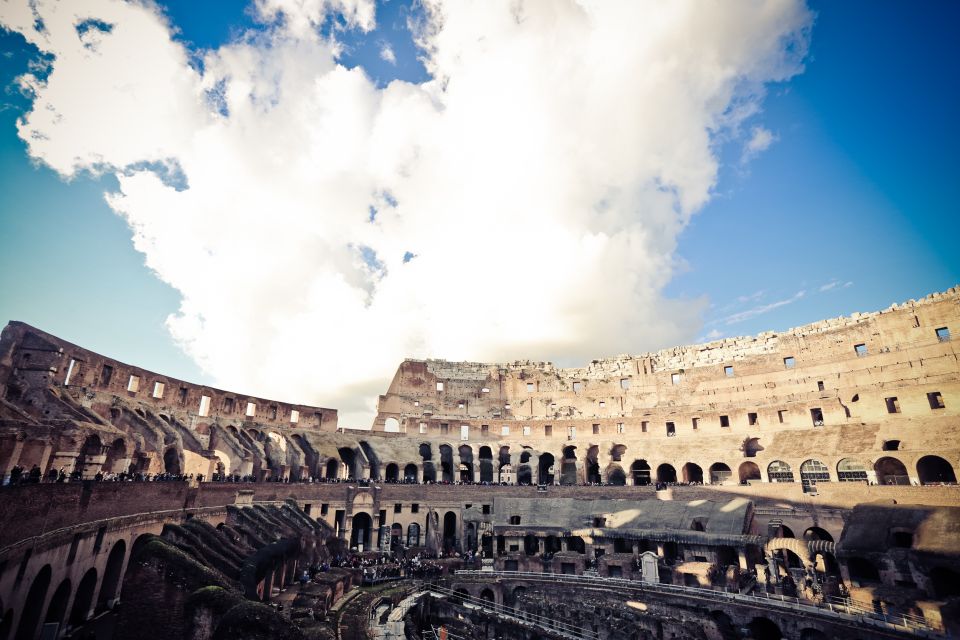
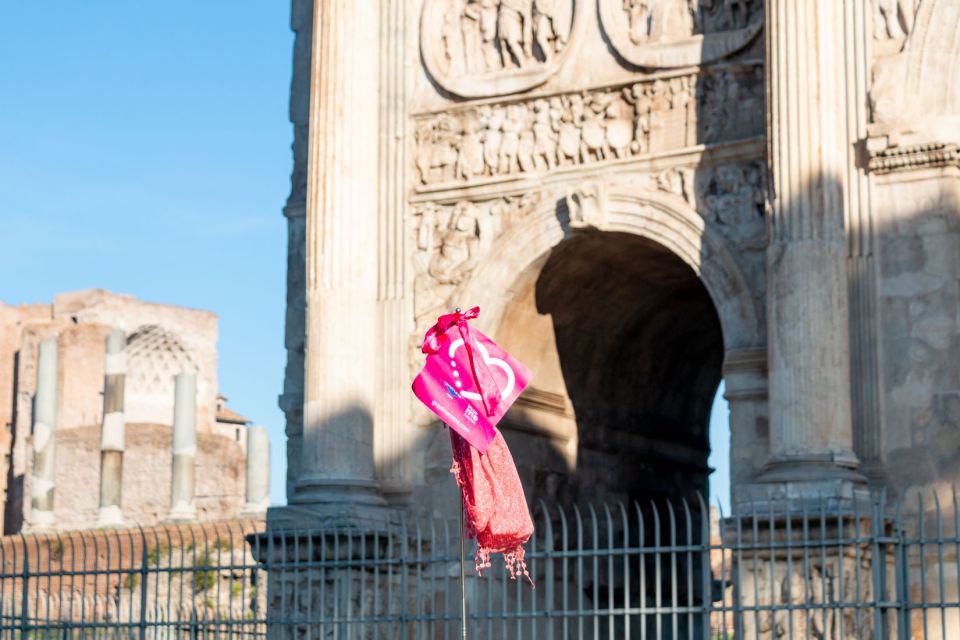
You don’t spend long here, but the Arch of Constantine stop works like a mental warm-up. The guide uses it to set context before you’re dropped into the Colosseum itself.
This is smart because the Colosseum can feel like just an impressive shell if you don’t know what came before and what came after. The arch helps you connect imperial Rome’s messaging to the bigger story of power, public image, and monumental building. It’s also a nice chance to catch your breath and get oriented while you’re still outside, where you can see more easily where the day is headed.
Think of this stop as the tour’s “read the map first” moment. It won’t replace the main sites, but it makes what follows easier to understand.
Entering the Colosseum: what you’ll notice with a guide
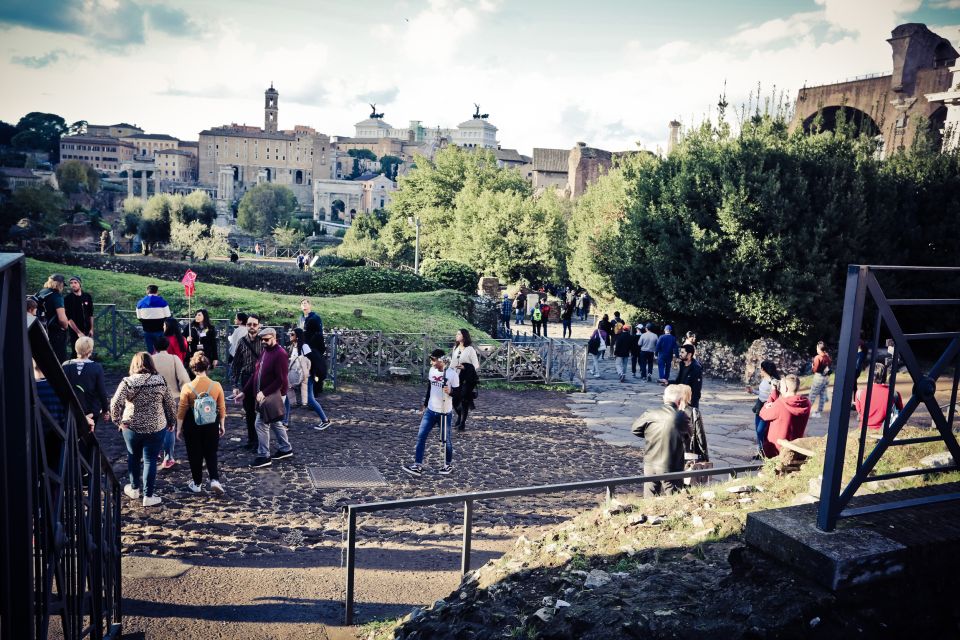
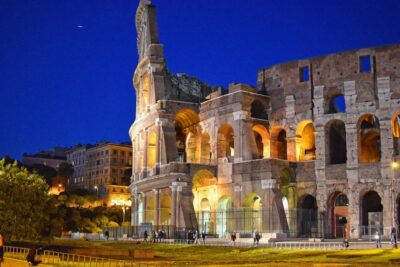
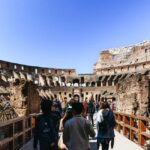
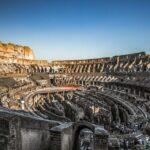
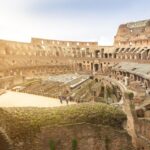
The Colosseum is the star attraction for a reason. Even when you’ve seen photos, standing there in person hits differently: scale, details, and the sense of how carefully everything was designed for an audience.
With a guide, you’re not just looking at walls. You’re learning what the architecture suggests and why the space mattered. The tour frames the Colosseum through the lens of gladiator battles and spectacle, with the guide helping you visualize how the venue worked and why it became such an enduring symbol.
Now the reality check: the tour can involve lines and security screening. Even if you planned around timed entry, you might still spend time moving through gate areas. This is why the tour works best if you’re flexible about speed. You’ll get a lot in 3 hours, but you won’t control every delay.
If you have medical needs, don’t ignore the note about pacemakers. You’ll need a certificate to bypass screening. And if you’re traveling with bulky items, remember that luggage or large bags aren’t allowed, and there’s no cloakroom—so pack light and wear comfortable shoes.
Roman Forum: turning ruins into a story you can follow
After the Colosseum, the Roman Forum changes the mood. Instead of a single massive monument, you’re looking at scattered pieces of a city that used to run politics, religion, and public life all at once.
This is where the guide earns their keep. The Forum is one of those places where tourists can miss half the meaning simply because the layout is confusing. With expert direction, you’re guided through the ruins of major structures—temples, basilicas, and government buildings—and the tour explains how these spaces shaped daily power.
You also get a clearer sense of the Forum’s role as the ancient hub of Rome. The Forum isn’t just a set of pretty rocks. It’s where you start to see the rhythm of public life: announcements, courts, ceremony, and the constant performance of authority.
One subtle advantage you should look forward to: when a guide explains what you’re seeing, you can “read” the ground with your eyes. You start recognizing why certain areas were important, even if only fragments remain.


Palatine Hill: imperial luxury plus mythical origins
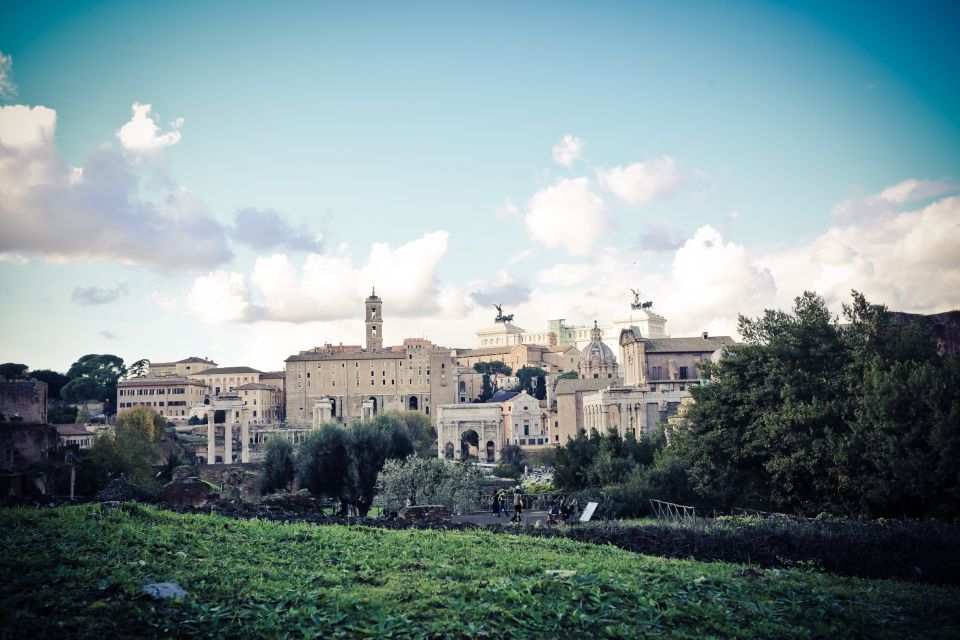
Palatine Hill is where the tour shifts again—this time toward myth and imperial life. The hill sits above the Forum, and that elevation matters because it makes the skyline feel like part of the story rather than a background view.
On Palatine, you’ll hear about Rome’s legendary beginnings and how the area connects to founders and emperors. The tour also focuses on the opulence of the imperial past, so you’re not just learning dates. You’re learning why this place signaled status.
And yes, the view is part of the payoff. As you wrap up, the tour includes panoramic perspectives toward the Forum Boarium and the River Tiber. That’s a great moment to slow down mentally, because it helps you place the day’s monuments into a single geographic picture.
Palatine can feel like a lot of steps and uneven ground, so comfortable footwear is non-negotiable. If you want to enjoy the views, you need legs that can handle the climb.
Pace and time: the 3-hour trade-off you should plan for
This is a 3-hour guided tour, and that time limit is both a strength and a limitation. The strength is focus: you get three major sites in one run, which is perfect if you’re short on days or want the highlights without building a whole day plan from scratch.
The limitation is simple: you can’t linger at every corner. Even with a small group, you’ll be moving from stop to stop. If you love sitting with an exhibit, studying every inscription, or you’re a slow photographer, this format can feel tight.
There’s also a practical timing issue tied to Rome itself. The tour notes potential delays from heightened security, and there’s a good chance you’ll feel time pressure if you hit a busy entrance window. Add that to the reality that some Colosseum entry routes can take longer than expected, and you end up with less time inside than your brain wants.
My advice: go in with a mindset of “I’m getting the story and the key sights today.” If you do that, the tour feels rewarding. If you go in assuming you’ll spend an hour deep in every room and platform, you’ll probably walk away wanting more time.
Who this tour fits best (and who should skip it)
This tour is a strong match for:
- History lovers who want structure, not a self-guided puzzle
- First-time visitors who want the Colosseum plus the Forum and Palatine without extra planning
- People who value small-group control and guide-led explanations
It’s not a match for:
- Wheelchair users and people with mobility impairments (it’s noted as not wheelchair accessible)
- Pregnant women
- Anyone who needs frequent stops for mobility reasons
- Travelers who insist on bringing bulky bags, trolleys, or glass bottles (those are not allowed)
Also, pack in a way that supports security and movement. The tour doesn’t offer a cloakroom, so don’t bring anything you’ll regret carrying.
Practical packing checklist for a smooth Colosseum morning
I treat the Colosseum day like a “carry light and move well” challenge. Here’s what you’ll want to have ready based on the tour rules:
- Passport or ID card (passport is mandatory for the tour day)
- Comfortable shoes with grip
- Sunscreen if you’re visiting in summer
- A plan to travel with no luggage or large bags
- No glass bottles, no bulky items, and no trolleys
This tour also highlights some paperwork details worth respecting: starting from October 18, 2023, they require your first name and surname, and you should provide full names for everyone in the booking. On tour day, bring your passport.
The “don’t mess this up” part: security can add delays. If you want the day to feel smooth, don’t arrive with a complicated identity setup or extra items that slow you down.
Price and value: what you’re actually paying for
We don’t have a number here, but we can still talk value. You’re paying for:
- A licensed local guide who can translate ruins into meaning
- Small-group pacing (max 10), which usually improves both listening and photo quality
- A tight circuit that bundles the Colosseum + Roman Forum + Palatine Hill into about 3 hours
- Optional hotel pick-up when coverage is available
This setup is often a good value for people who want the “greatest hits” plus context. If you have limited time in Rome, paying for guided structure can save hours of decision-making and reduce the chance you miss key features.
If you’re the type who prefers slow strolling with no schedule at all, then a do-it-yourself approach might suit you better. But if you want someone to point, explain, and keep you moving between the sites efficiently, this is built for that.
Should you book this Colosseum, Forum and Palatine small-group tour?
Book it if you want a guided route through Rome’s top ancient stops without a full day commitment. The up to 10 people format is the big reason to lean in, because it helps you hear the guide and get photos without feeling trapped in a crowd. Add the Arch of Constantine warm-up, the Forum’s political-religious context, and the Palatine views, and you get a logical storyline rather than three separate monuments.
Skip it (or consider a different format) if you need lots of time to linger inside, you’re sensitive to time pressure, or you have mobility constraints. Also, go in knowing that security and entry timing can affect how long you spend in the Colosseum.
If your goal is “see it, understand it, and leave happy,” this tour hits that sweet spot.
FAQ
Where does the tour meet?
The meeting point is Colle Oppio Park (Via delle Terme di Tito, corner of Via Nicola Salvi), inside the park. You should look for staff holding the I Love Rome logo.
What time should I arrive for the meeting point?
Plan to arrive 15 minutes before the start of your tour.
How long is the guided tour?
The tour lasts about 3 hours.
Is there a maximum group size?
Yes. This is a small group limited to 10 participants.
Is hotel pickup available?
Optional hotel pickup is available if your hotel is covered. If you have pickup, be ready in the hotel lobby 45 minutes before departure for central hotels, or 60 minutes for non-central hotels.
What language is the live guide?
The live tour guide operates in English.
What ID do I need to bring?
You must bring a passport or ID card, and the tour information specifically notes that you must bring your passport on the day of the tour.
Can I bring luggage or large bags?
No. Luggage or large bags are not allowed, and there’s no cloakroom.
Is the tour wheelchair accessible?
No. It is not wheelchair accessible, and it may pose challenges for people with mobility impairments.
Who should avoid booking this tour?
The tour data says it is not suitable for pregnant women and for people with mobility impairments or wheelchair users.