REVIEW · ROME
Rome: Campo de Fiori & Ghetto Street Food Sightseeing Tour
Book on GetYourGuide →Operated by Bea Tours · Bookable on GetYourGuide
Rome has a smell you remember, and this tour uses it. You’ll mix Campo de’ Fiori market-time flavor with Jewish Ghetto streets, plus major sights like Pompey’s Theater and Largo Argentina.
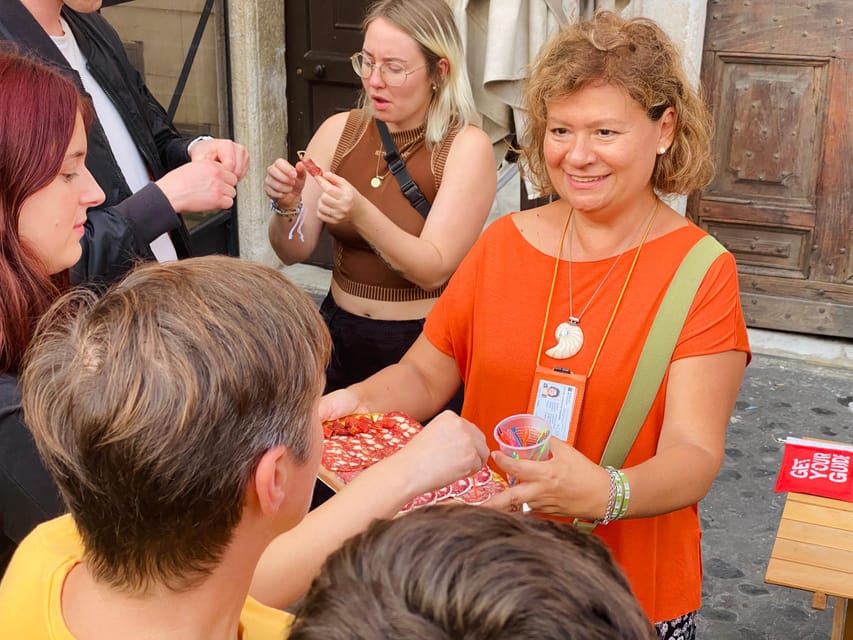
I love the food line-up: supplì, pizza al taglio, cured meats, fried artichokes, and artisanal ice cream, not just one or two token bites. I also like the guiding style, with English explanations that connect what you’re eating to stories tied to Julius Caesar and Giordano Bruno.
One thing to consider: this is a tasting tour, not a sit-down feast. If you’re the type who needs a full meal plus extra drinks, plan on spending a bit more.
In This Review
- Key points to know before you go
- Campo de’ Fiori to the Ghetto: why this tour feels different
- What you’ll eat (and why these choices work)
- A quick note on dietary limits
- Stop-by-stop walk: the route and what each area adds
- Starting point: Campo de’ Fiori (market square time)
- Local restaurant tastings: the “sit-down” moment, without the wait
- A secret stop and a bakery stop: small streets, big payoff
- Via dei Chiavari: views and atmosphere in motion
- Teatro di Pompeo: sight + story
- Jewish Ghetto and Portico d’Ottavia: history you can walk
- Why this portion is worth doing on a tour
- Largo di Torre Argentina to the Area Sacra di Largo Argentina: the sweet landing
- The guide matters: why Andrea and Marco-style narration is a win
- Price and value: what $41 really buys you here
- Who should book this tour, and who should skip it
- Should you book the Campo de’ Fiori & Ghetto Street Food Tour?
- FAQ
- FAQ
- Where is the meeting point for the tour?
- How long is the Rome Campo de’ Fiori & Ghetto street food tour?
- What food and drinks are included?
- What’s the walking route like during the tour?
- Do you offer vegetarian options?
- Is the tour suitable for vegans or lactose intolerance?
- Is the tour offered in English?
- What’s the cancellation policy?
- Where does the tour finish?
Key points to know before you go
- Start at Giordano Bruno’s statue in piazza Campo dè Fiori, easy to find once you’re there
- Multiple Roman favorites in one route, including supplì, pizza al taglio, and carciofi alla giudia
- Wine and beer samples are included, so you’re not stuck with water all evening
- English-speaking guide with history threads covering Julius Caesar, Giordano Bruno, and the Roman Ghetto
- You walk famous corridors like Via dei Chiavari and past Pompey’s Theater, then into the Ghetto area
- Dessert at Largo di Torre Argentina and a finish at Area Sacra di Largo Argentina
Campo de’ Fiori to the Ghetto: why this tour feels different
Rome’s street food can be hit-or-miss if you just wander with hunger and no plan. This tour is built around a tight route that pairs snacks with short history stories, so the walk feels purposeful instead of random. You’re basically getting a “Rome 101” snack map, focused on the neighborhoods that shape daily life here.
Also, Campo de’ Fiori does double duty. During the day, it’s known for open-air market energy, and in the evening it turns into a social hub. Either way, meeting at the Giordano Bruno statue in the piazza gives you a clean starting point before you move into smaller streets.
You can also read our reviews of more food & drink experiences in Rome


What you’ll eat (and why these choices work)
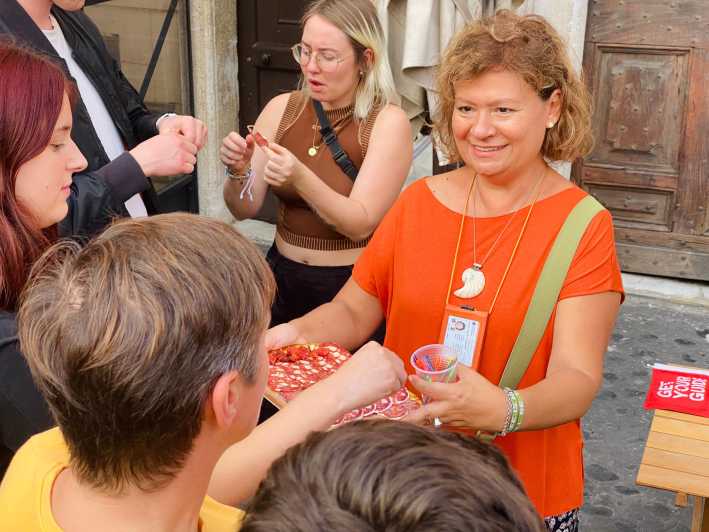
This tour is about classic Roman comfort food, the kind locals keep ordering because it’s simple and satisfying. The tastings are designed to let you try different textures and flavors, not just repeat one type of snack.
Here’s the core lineup the tour is known for:
- Supplì: deep-fried rice balls
- Pizza al taglio: thin, crispy pizza by the slice
- Cured meat: salty, cured bites that pair well with drinks
- Carciofi alla giudia (fried artichoke): bold, crispy, and very Roman
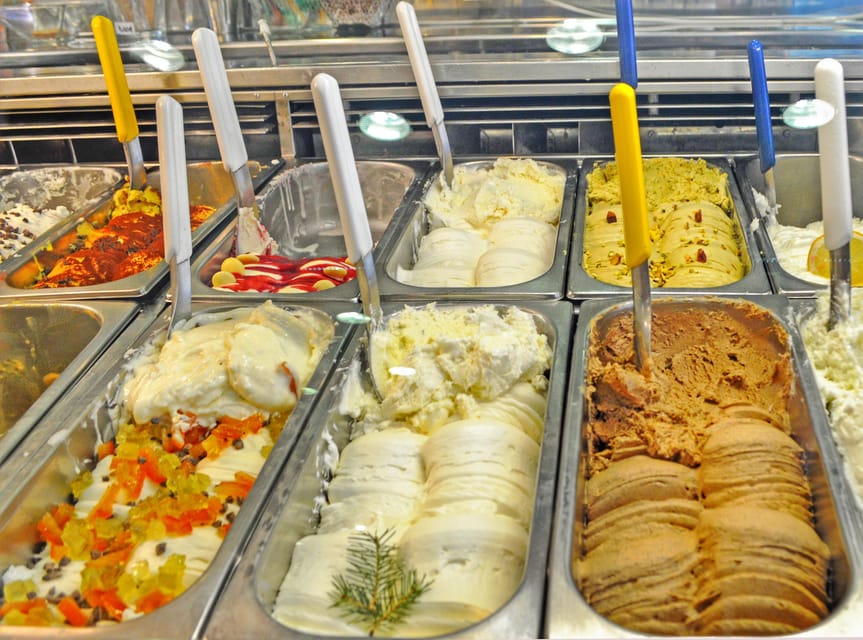
- Ice cream: artisanal-style sweetness to cool everything down
You’ll also get wine sample and beer sample included. That matters because Roman street food isn’t only about the carbs. The pairing is part of the point, and the samples help you taste without committing to a whole drink order.
If you’re picturing “a couple nibbles,” don’t. The tour is structured with several tasting stops plus dessert, and the feedback you’ll want to listen to is the one that says you’ll likely stay full through the day. This is the kind of plan that reduces your need to constantly snack afterward.
A quick note on dietary limits
Vegetarian options are available, but you have to request them in advance. The tour isn’t suitable for vegans, and it isn’t recommended for people with lactose intolerance.
If you fall into either of those categories, you’ll want to think twice. The tour is built around specific Roman staples that often include dairy or milk-based ingredients.
Stop-by-stop walk: the route and what each area adds
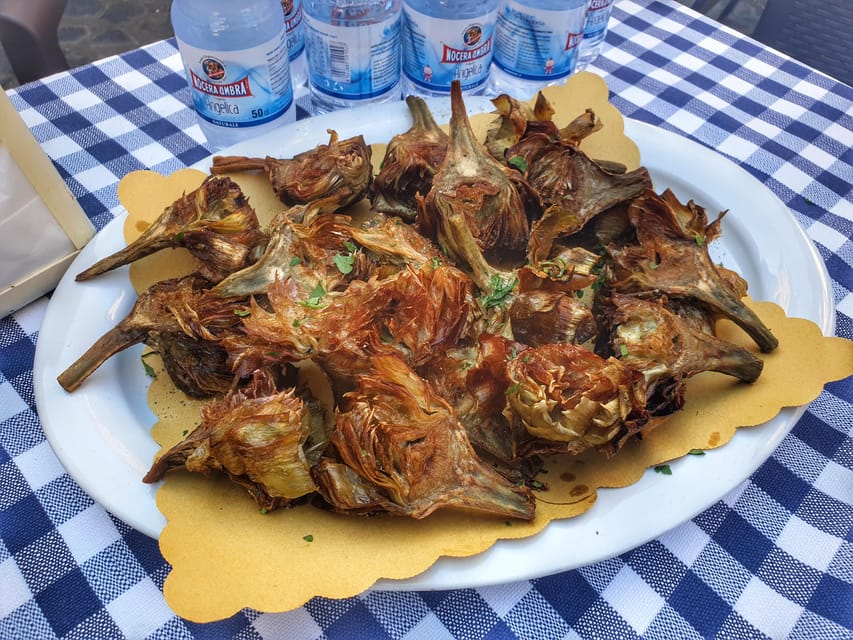
The total time is 2.5 hours, and the pace is a guided stroll on foot with short walk segments between tasting moments. Even with the walking, the route is tight enough that you’re not spending half the tour stuck in transit.
Starting point: Campo de’ Fiori (market square time)
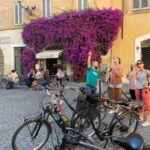
You begin near the Giordano Bruno statue in piazza Campo dè Fiori. The square itself sets expectations fast: this is where Roman life shows up in daylight with market activity, and where people gather later for food and atmosphere.
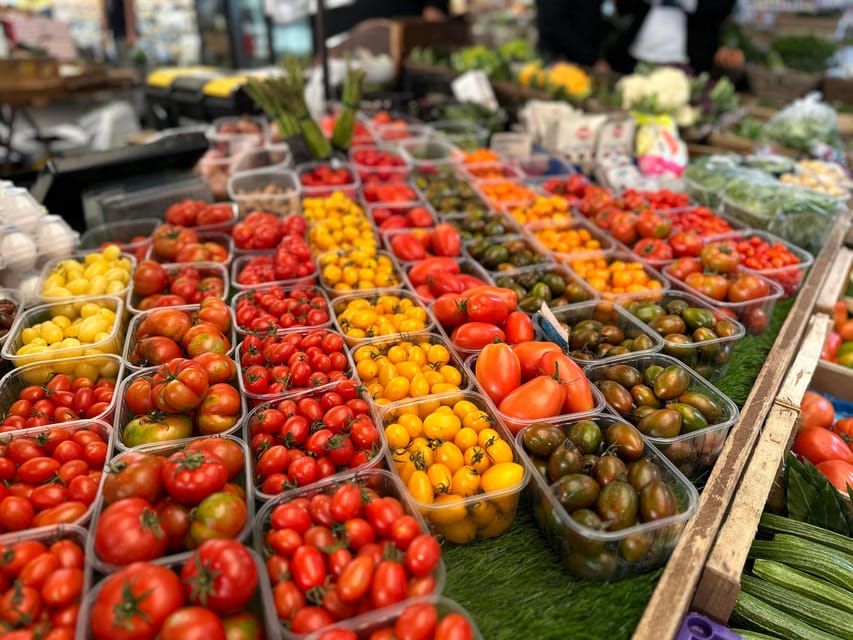
At Campo de’ Fiori, you get street food and a food market visit. This is where the guide’s job becomes useful. Instead of you guessing what to order, you’re learning what’s worth tasting and why those foods became standards here.
You can also read our reviews of more tours and experiences in Rome




Local restaurant tastings: the “sit-down” moment, without the wait
After a short walk, you hit a local restaurant stop. This part is where you’ll taste multiple items alongside drink samples. The tour is careful about pacing: you get enough food at each stop to feel like progress, but not so much that you’re miserable on the next leg.
If you like tasting menus but hate complexity, this is a good halfway approach. You get direction, and you still get to choose what to focus on as you eat.
A secret stop and a bakery stop: small streets, big payoff
Between the better-known sights, you’ll take a brief guided walk to a secret stop. These minutes matter because they break up the tour so you’re not just marching from monument to monument.
Then comes the bakery stop. Bakery-style Roman snacking is one of the best ways to understand local everyday eating. It’s also a smart reset for your stomach before the route turns toward the more historical corners of the city.
Via dei Chiavari: views and atmosphere in motion
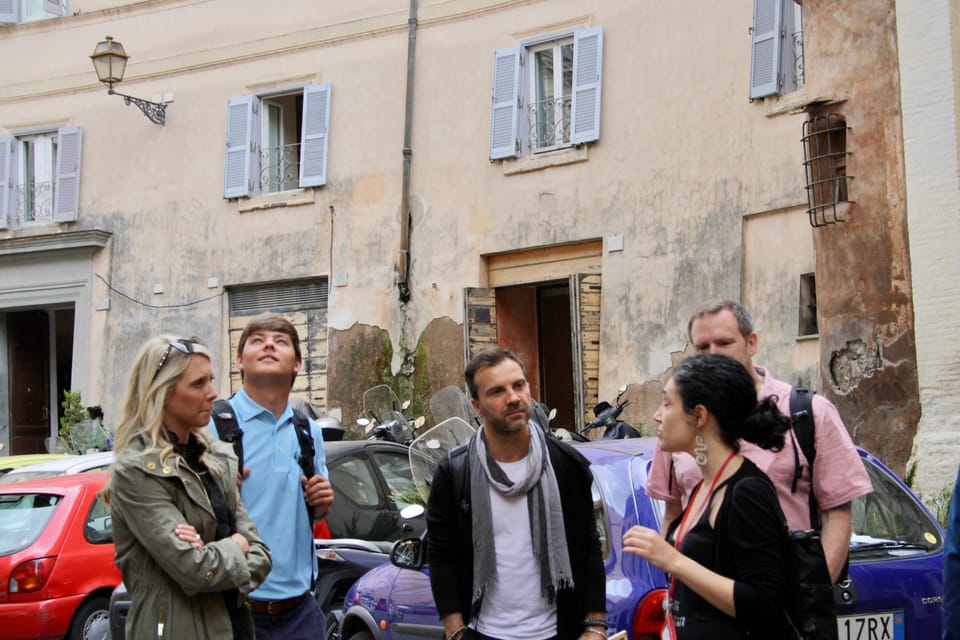
Once you’re out of the immediate market zone, you’ll walk along Via dei Chiavari for scenic views. This is the section that helps you feel like you’re moving through Rome rather than just receiving facts.
Even if you don’t consider yourself a “photos person,” it’s worth paying attention here. The guide turns these view moments into context so you know what you’re looking at, not just passing it.
Teatro di Pompeo: sight + story
Next is the Theatre of Pompey area. The tour keeps this simple: you see the spot and get the kind of explanation that makes it easier to recognize later on your own.
This matters if you’re only here for a short trip. You’ll get a mental anchor point, and it becomes easier to connect other bits of Rome you see on the street.
Jewish Ghetto and Portico d’Ottavia: history you can walk
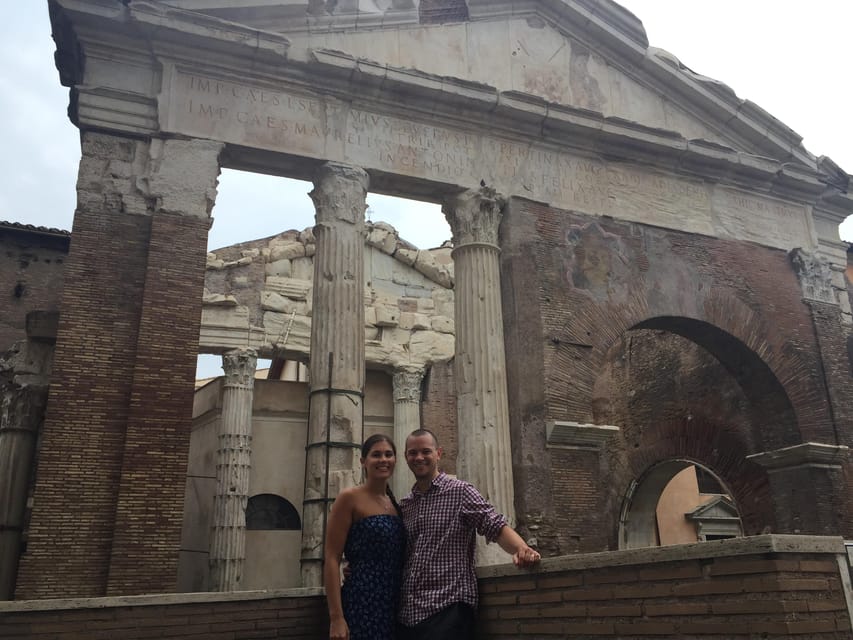
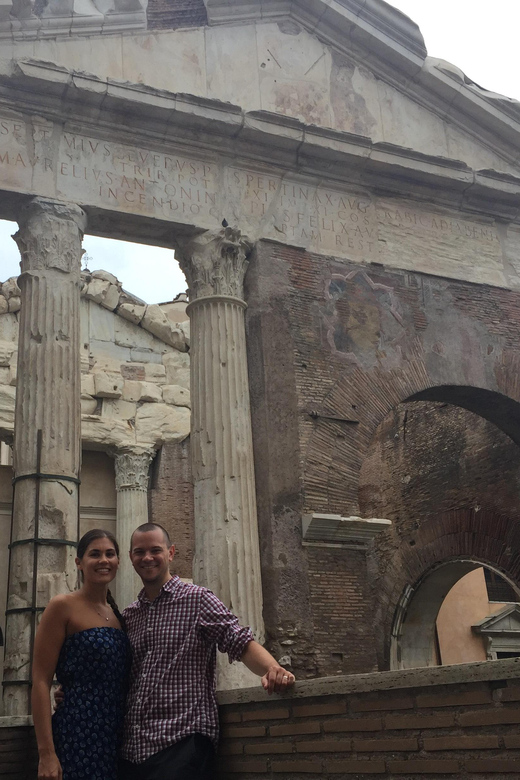
This is the most meaningful stretch of the tour. The Jewish Ghetto section gives you a guided visit and walk through the area, plus stops tied to key landmarks in the neighborhood.
You’ll visit the Jewish Ghetto area, then move to Portico d’Ottavia. After that, you pass by the Great Synagogue of Rome. Even without going deep into a museum setting, the tour format works because you’re learning while your feet are on the ground.
The tour’s history threads are tied to specific names, including Julius Caesar and Giordano Bruno. Those story elements help the area feel less like a static label and more like a living timeline.
Why this portion is worth doing on a tour
You can read about the Ghetto on your own. But on a street-level walk, a guide helps you connect the dots quickly. You also get help noticing what you might otherwise skate past, like how the neighborhood layout shapes movement and community life.
It’s not just about looking. It’s about understanding why this section of Rome exists in the first place, and how the city carries its past forward.
Largo di Torre Argentina to the Area Sacra di Largo Argentina: the sweet landing
By the time you reach Largo di Torre Argentina, you’re in dessert territory. The tour includes a dessert stop here, and it’s the place where you get that final “okay, that was a perfect ending” feeling.
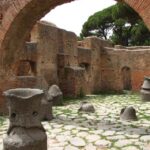
Then you finish at the Area Sacra di Largo Argentina. This is the tour’s last big visual moment, and it closes the loop nicely: you started at a lively square and ended in an archaeological sacred area tied to Rome’s deep past.
If you’re trying to plan your day, this ending is also convenient. You’ll be in a central pocket where it’s easy to continue wandering afterward without crisscrossing the city.
The guide matters: why Andrea and Marco-style narration is a win
The guides are a major reason this tour stands out. One guide named Andrea impressed with clear, thorough explanations that were easy to follow without turning into a lecture. Another guide named Marco was praised for being engaging and fun, with solid knowledge of architecture and history.
That mix is exactly what you want for a street food walk. If the guide only talks history, you’ll lose the food rhythm. If the guide only pushes you toward snacks, you miss the point of why these places matter.
Look for the guide to keep instructions practical, keep stories short enough to stay moving, and help you understand what makes each taste “Roman,” not just “Italian.”
Price and value: what $41 really buys you here
At $41 per person for a 2.5-hour guided walk, the value comes from the bundle.
You’re paying for:
- multiple street food tastings (not one stop)
- wine and beer samples included
- an English-speaking guide
- guided sightseeing through key areas like Campo de’ Fiori, the Jewish Ghetto, and Largo Argentina
If you were to buy everything one by one in Rome, the costs add up fast, especially once drinks enter the picture. What makes this feel like a good deal is that you’re not only eating; you’re also getting a structured route that saves you guesswork.
Also, the tour includes vegetarian options if requested ahead of time. That’s not nothing in a city where “vegetarian” can be treated like an afterthought.
Who should book this tour, and who should skip it
This is a great fit if you want:
- a guided introduction to Rome through neighborhoods, not just famous buildings
- a food-focused plan that includes classic dishes like supplì and fried artichokes
- enough structure to feel confident eating your way around without overthinking it
It’s not the best choice if you:
- need a vegan itinerary (this one isn’t suitable for vegans)
- have lactose intolerance
- want a full sit-down dinner experience with no walking
Should you book the Campo de’ Fiori & Ghetto Street Food Tour?
I’d book it if you want a short, high-impact Rome plan that combines real snacks with real context. The route hits the kind of sights you’ll keep passing later in your trip, and the tasting stops make the guide’s stories more memorable because you’re experiencing the city through taste.
Skip it if you’re picky about dietary restrictions that are incompatible with the tour’s food choices. And if you’re the type who needs huge portions at every stop, treat it as a structured snack journey rather than a guaranteed full meal day.
FAQ
FAQ
Where is the meeting point for the tour?
The tour meets at the Giordano Bruno statue in piazza Campo dè Fiori.
How long is the Rome Campo de’ Fiori & Ghetto street food tour?
It lasts 2.5 hours.
What food and drinks are included?
Included items are street food tastings, a wine sample, a beer sample, plus dessert at Largo di Torre Argentina.
What’s the walking route like during the tour?
You’ll do an on-foot route through the Campo de’ Fiori area and onward toward sights like the Theatre of Pompey and the Jewish Ghetto, ending at Area Sacra di Largo Argentina.
Do you offer vegetarian options?
Yes, vegetarian options are available, but you must request them in advance.
Is the tour suitable for vegans or lactose intolerance?
No. It’s not suitable for vegans, and it’s also not suitable for people with lactose intolerance.
Is the tour offered in English?
Yes, the live tour guide speaks English.
What’s the cancellation policy?
Free cancellation is available up to 24 hours in advance for a full refund.
Where does the tour finish?
The tour finishes at Area Sacra di Largo Argentina.