REVIEW · ROME
Rome: Illuminati Trail Angels & Demons Tour
Book on GetYourGuide →Operated by Romaetravel · Bookable on GetYourGuide
Rome turns into a puzzle box on foot. The Angels & Demons Illuminati Trail links big-name sites with hidden symbols and art details that most people miss. It’s a 4-hour walk that mixes story beats with real monuments, so your eyes stay busy the whole time.
What I like most is the way the tour walks you through four-element symbols and then ties them to actual places. I also like that the guide is the star, with past groups praising guides such as Luisa, Antonio, Irene, Felice, and Anestis for separating film/book drama from what’s actually true in Rome.
One possible drawback: it’s a lot of walking, and it’s not suitable for wheelchair users, so you’ll want solid shoes and a realistic stamina plan.
In This Review
- Key Highlights You’ll Care About
- Why the Illuminati Trail Works So Well in Rome
- Starting at Santa Maria della Vittoria: Where Bernini Sets the Tone
- Following the Story Through Castel Sant’Angelo (and the Passetto)
- Pantheon Time: Turning a Movie Beat into a Real Landmark
- Santa Maria del Popolo: A Church Stop You’ll Remember
- St. Peter’s Square Finale: Where the Drama Lands in Reality
- Pace, Footwear, and Group Size in Real Life
- Price and Value: Is $79 Worth It?
- Who This Tour Fits Best (and Who Might Want Something Else)
- Should You Book the Rome Illuminati Trail?
- FAQ
- Where is the meeting point for the tour?
- How long is the Illuminati Trail tour?
- Is Castel Sant’Angelo admission included?
- What languages is the tour offered in?
- Is the tour suitable for wheelchair users?
- Can I get a refund if my plans change?
Key Highlights You’ll Care About
- Small-group pacing that keeps the tour personal instead of rushed.
- Santa Maria della Vittoria at the start, where Bernini’s work sets the mood.
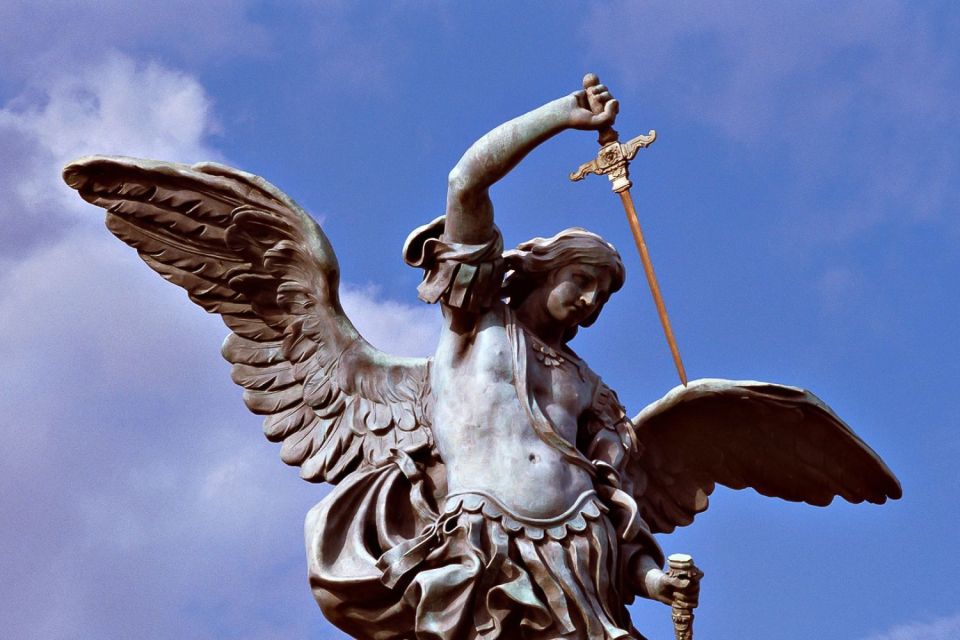
- Castel Sant’Angelo and the Passetto, including the hidden passage idea connected to Vatican City.
- Pantheon + Santa Maria del Popolo for art, symbols, and a church stop that many people end up loving most.
- St. Peter’s Square finale, with the story’s drama landing in the real city setting.
- English or Italian guides, so you can get the clues in your language.
Why the Illuminati Trail Works So Well in Rome
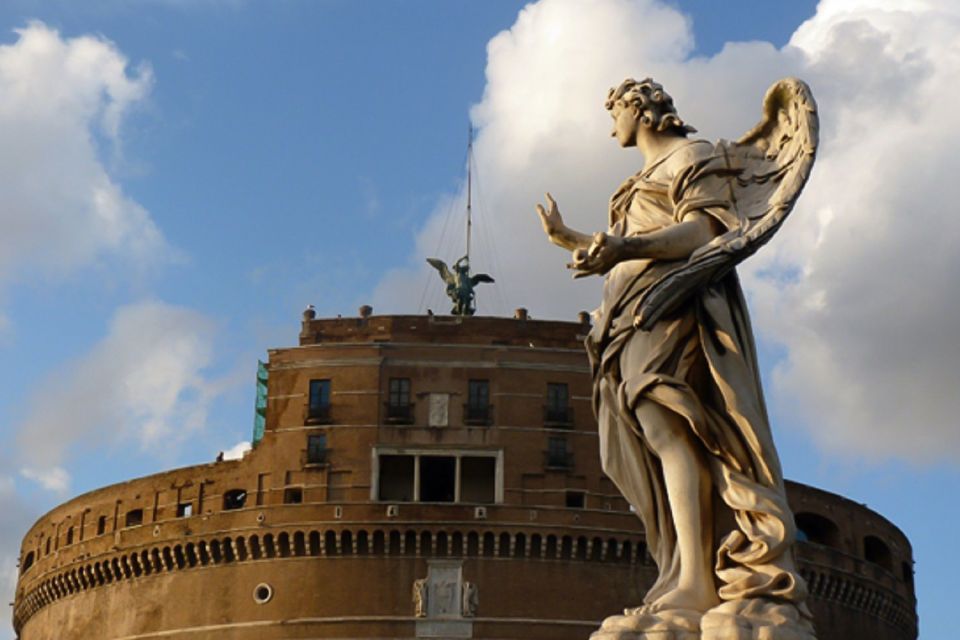
Rome is perfect for this kind of tour because the city already feels like a secret code. Stone, sculptures, chapels, and saintly stories are everywhere. This tour uses that reality, then overlays Dan Brown’s plot so you see how fiction borrows from real symbols and famous art.
The best part is that you’re not only doing a checklist of famous buildings. You’re learning how to look: where an artist put an emblem, what a symbol might mean, and how a “clue” connects to a real monument. If you’re a Dan Brown fan, you’ll get the fun payoff. If you’re not, you’ll still get a great art-and-architecture walking route.
You can also read our reviews of more tours and experiences in Rome.
Starting at Santa Maria della Vittoria: Where Bernini Sets the Tone
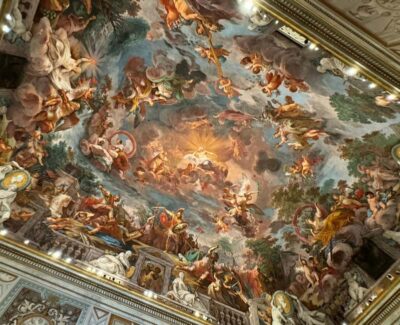
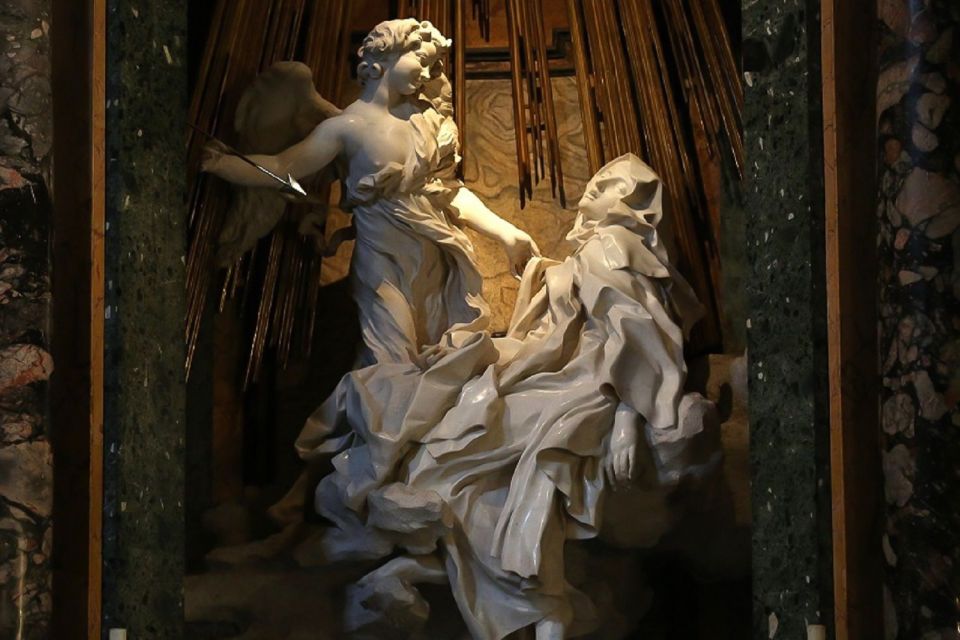
The tour begins at Chiesa di Santa Maria della Vittoria. This is one of those churches where the “main attraction” isn’t just the building—it’s the art inside, tied to emotion, drama, and iconography. The whole Angels & Demons trail theme kicks off here, so you get story context first, then the visual payoff.
A key reason this stop works is Bernini. Guides on this tour focus on Bernini’s masterpieces and the hidden meanings behind them. People have highlighted Bernini-related moments like the Ecstasy of St. Theresa area specifically, and one group even noted they couldn’t see a piece clearly due to an ongoing private mass—so yes, church schedules can affect what you catch.
Practical tip: bring patience for the “church rhythm.” You might have to adjust your viewing angle, and you’ll want to respect quiet zones. This is not the kind of stop where you speed-run the photos.
Following the Story Through Castel Sant’Angelo (and the Passetto)
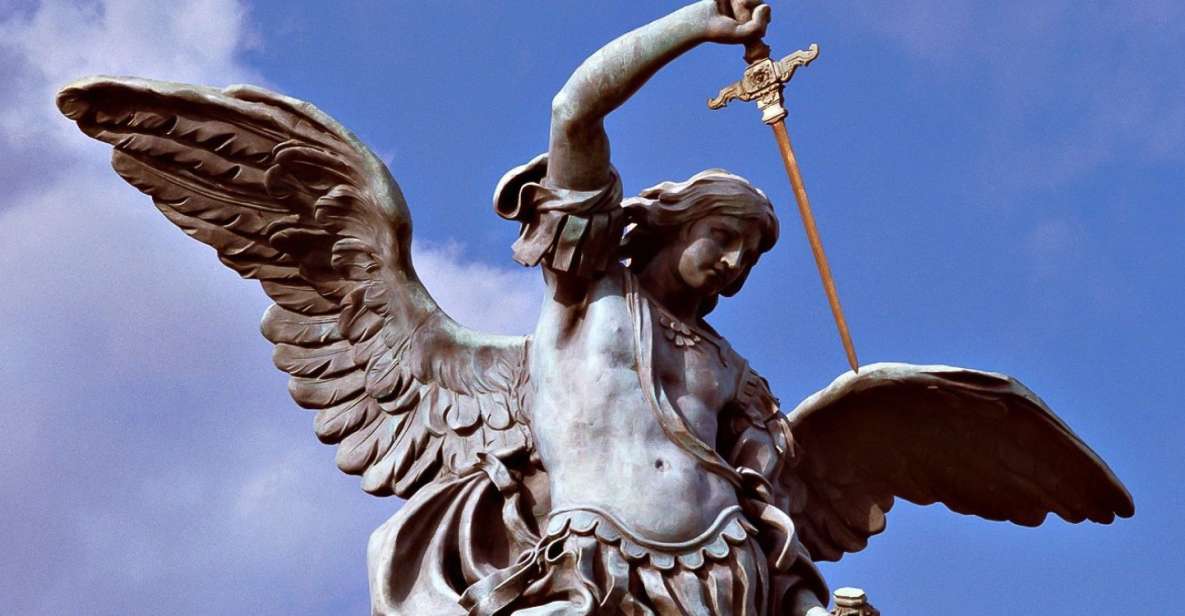
Next up is Castel Sant’Angelo, with about a half-hour to see it and connect it to the Illuminati storyline. The castle is visually dramatic on its own, but the tour adds a layer: the idea of secret movement and hidden routes, especially the Passetto—the covered passage associated with getting to Vatican City.
This is a strong stop for two reasons. First, it’s an easy way to make sense of how Rome’s “serious” architecture can also be theatrical. Second, it gives you a tangible landmark for one of the novel’s most memorable meeting points, so the story stops feeling abstract.
Cost note: Castel Sant’Angelo admission isn’t included. So if you want the full interior experience inside the castle, you’ll likely pay extra on your own. If your goal is primarily story + exterior/area understanding, the tour can still feel complete.
Pantheon Time: Turning a Movie Beat into a Real Landmark
Then you hit the Pantheon, with another half-hour on the ground. The Pantheon is famous for a reason, but the tour approach changes what you notice. Instead of just admiring the big dome, you’re guided to connect symbols and narrative steps to what the city actually gives you.
This is a good spot for photographers because you’re in the right part of Rome to see crowds and then step back to understand the building’s scale. Also, it helps you feel how the trail is built: clue, symbol, place, then meaning.
One small drawback to keep in mind: the Pantheon area can be busy, and your group time is limited. If you want linger-and-stare time, you may need to plan a separate return visit.
Santa Maria del Popolo: A Church Stop You’ll Remember
Santa Maria del Popolo is scheduled as the longer church stop (about an hour). This is where the tour leans into “hidden” in a very Roman way: not hidden because it’s obscure, but hidden because most people walk past the details.
Guides focus on hidden symbols and Bernini’s masterpieces as they explain what you’re seeing. One of the standout mentions from past groups is the Chigi Chapel, and that’s exactly the kind of interior detail that makes this tour feel different from a basic movie-sights walk.
If you like art and symbolism, this is often the emotional center of the itinerary. You get time to look, time to ask questions, and time to connect the clue logic to what’s actually painted, sculpted, or set into the chapel design.
Practical tip: churches can run cool in winter and warmer in summer, but the walk between stops will still be your main temperature factor. Bring layers if you run cold easily.

St. Peter’s Square Finale: Where the Drama Lands in Reality
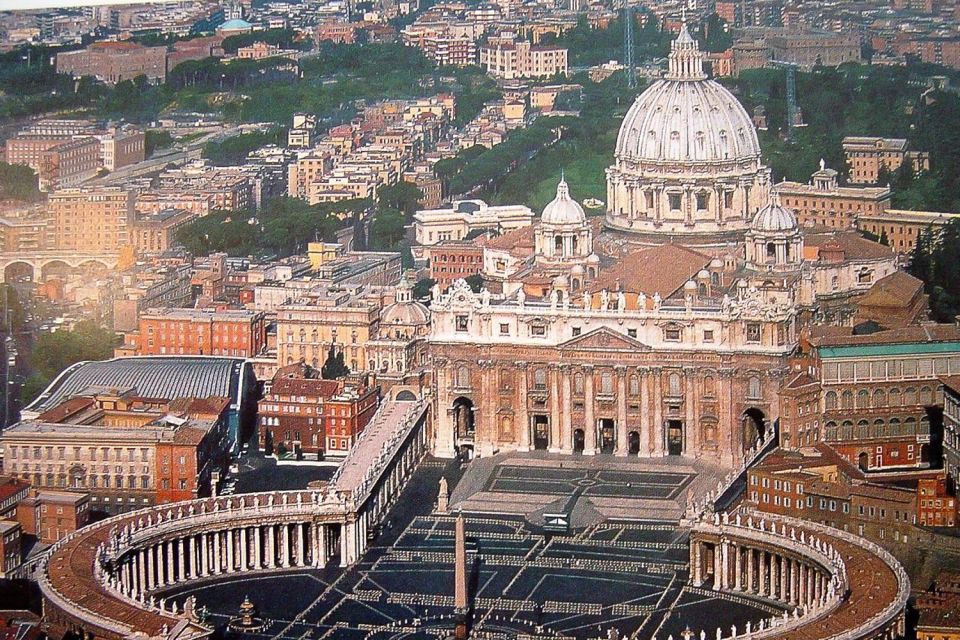
The tour spends about an hour at St. Peter’s Square, finishing at Piazza San Pietro. This is where the story’s peak energy meets the real architecture that has drawn pilgrims for centuries.
Even if you know the plot already, this part of the route works because it puts you in a place that feels like a climax—wide space, grand visuals, and that unmistakable Vatican-city atmosphere. The tour doesn’t just point; it connects the story’s emotional beats and symbol decoding to the setting.
For your comfort, wear shoes you can walk in for hours. Even when you stop often, you’ll cover ground. And if your tour day overlaps with services or crowds, you may get less freedom to roam than you’d like. That doesn’t ruin the tour—it just means you’ll focus more on the guide’s explanations and less on wandering.
Pace, Footwear, and Group Size in Real Life
This is a small-group walking tour with limited availability, built for a more personal experience. The short time blocks at each stop keep the energy up, but they also mean you’ll have to accept “watch now, absorb later.”
Most people are happy with the pacing, especially because it’s not just a stop-and-go photo march. Guides are reported to keep the storytelling moving and answer questions in a way that keeps you engaged—whether you’re a movie-first person or an art-and-architecture person.
The big practical consideration is walking. The tour is not wheelchair accessible, and multiple comments point out that you’ll want proper walking shoes. If you can, plan to start the day with energy, not after a long night out.
Also, since you’re outside for much of the time, bring water. Even in mild weather, Rome in “tour mode” can sneak up on you.
Price and Value: Is $79 Worth It?
At $79 per person for 4 hours, you’re paying for three things:
- A guide who connects fiction to real places. The tour’s hook is the “truth vs. movie” thread, plus symbol explanations tied to actual art and architecture. That’s the value-add you don’t get from wandering on your own.
- A structured route that covers major landmarks without you having to map them mentally. You get a coherent storyline across Rome’s center, from Santa Maria della Vittoria toward Castel Sant’Angelo, the Pantheon area, then church interiors, and finally St. Peter’s Square.
- Small-group attention. Limited group size means more chance to ask questions and get clearer explanations at each stop.
What’s not included is key: Castel Sant’Angelo admission fee. If you want to go inside the castle itself, budget extra. If you’re happy with the guided experience centered on the trail and the city’s landmarks, you’ll likely feel the price fits the time and the expertise.
Who This Tour Fits Best (and Who Might Want Something Else)
This tour fits best if you’re at least one of these:
- A Dan Brown / Angels & Demons fan who wants to see how the fictional trail maps onto Rome’s real monuments.
- An art and church interior lover who enjoys symbols, chapels, and the way artists build meaning.
- A “first-time Rome” visitor who wants a smart hit list route that also teaches you how to look.
It’s also great for couples and friends who want a shared story thread and don’t mind walking.
You might skip it if:
- You need a low-walking experience. This is a walking tour and not suitable for wheelchair users.
- You want a free-roam Vatican-style day. This tour is structured, so you’ll be guided through specific stops rather than wandering at your own pace.
Should You Book the Rome Illuminati Trail?
If you like the idea of story + symbols + major landmarks, I’d say yes, book it. This is the kind of tour that makes Rome feel like more than postcards. You finish with a mental map of the route and a better eye for what you saw—especially the art-and-chapel details inside the churches.
Before you book, ask yourself one quick question: are you excited to walk and listen for four hours, even if you already know the famous scenes? If the answer is yes, this tour is good value and a fun way to experience Rome’s “hidden” side without getting lost.
FAQ
Where is the meeting point for the tour?
You meet in front of Chiesa di Santa Maria della Vittoria, Via Venti Settembre, 17, 00187 Rome.
How long is the Illuminati Trail tour?
The tour lasts 4 hours.
Is Castel Sant’Angelo admission included?
No. Admission fee for Castel Sant’Angelo is not included.
What languages is the tour offered in?
The live guide is available in English and Italian.
Is the tour suitable for wheelchair users?
No. It is not suitable for wheelchair users.
Can I get a refund if my plans change?
Yes. There is free cancellation up to 24 hours in advance for a full refund, and you can also reserve now and pay later.