REVIEW · ROME
Assisi & Orvieto Day Trip from Rome
Book on GetYourGuide →Operated by Green Line Tours · Bookable on GetYourGuide
You’ll trade Rome’s pace for Umbria’s medieval punch. This day trip strings together Orvieto and Assisi with serious guided time, plus a traditional lunch that breaks up the drive. It’s a great fit when you want history that you can actually see up close, not just read about.
I especially love the way the itinerary spotlights Orvieto Cathedral first, then pivots to Assisi’s spiritual core with St. Francis’ Basilica and frescoes. I also like the small-group feel that comes through in the guides’ pace and attention, including time to wander around the main squares. One drawback to plan for: the day is long and can feel a bit like a whirlwind, so if you want slow, deep wandering, you may wish you had more time in each town.
In This Review
- Key things to know before you go
- Why this day trip hits a sweet spot from Rome
- Orvieto’s hilltop cathedral: the 14th-century wow factor
- The countryside drive: olive groves, wine names, and real pacing
- Lunch in Umbria: included food, optional drinks, and a key “reset”
- Lake Trasimeno and the road to Assisi
- Assisi with a guided walk: St. Francis, St. Claire, and the squares between
- Time management: the real trade-off in a 12-hour plan
- Guides and the human touch: why the experience feels smoother
- Price and value: $174.46 isn’t just a bus ticket
- Who this tour suits best (and who should think twice)
- Should you book this Assisi & Orvieto day trip from Rome?
- FAQ
- How long is the Assisi & Orvieto day trip?
- What is the price per person?
- What places do we visit on the tour?
- Is lunch included?
- Are drinks included with lunch?
- Where is the meeting point?
- What time do we return to Rome?
- Do I need a dress code for church visits?
- Is the Orvieto Cathedral entrance included?
- Can I bring a pet?
- Is the tour suitable for mobility impairments?
Key things to know before you go
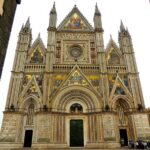
- Orvieto’s Duomo dominates the first stop: you’ll admire the 14th-century gothic masterpiece and see why the town is famous.
- You’ll get guided context, not just sightseeing: the guides connect buildings, saints, and local life as you walk.
- Assisi is built for careful walking: the basilica’s frescoes and the town squares make the walking portion worthwhile.
- Lunch is included, but drinks aren’t: plan on paying for beverages separately.
- Dress code is enforced at places of worship: knees and shoulders covered, no sleeveless tops or shorts.
- It’s a full-day drive from Rome: expect a late return around 7:30 to 8:00pm, and sometimes longer.
Why this day trip hits a sweet spot from Rome
Rome is fantastic, but after a few days you start craving a change of scenery. This tour does that in a very practical way: it takes you out of the city in the morning and delivers two different kinds of Italy in one go—medieval architecture in Orvieto, then pilgrimage history in Assisi.
I like that the day isn’t only about wandering. The flow matters: Orvieto gives you a big visual payoff early, then the drive through olive groves and vineyards turns the scenery into part of the experience. By the time you reach Assisi, you’re ready to slow down and appreciate details.
There’s also a nice “value mix” here. You get transportation, lunch, and local guides, which is the hard part to assemble yourself when you’re short on time in Rome.
You can also read our reviews of more tours and experiences in Rome

Orvieto’s hilltop cathedral: the 14th-century wow factor
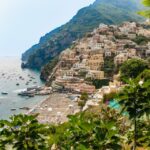
Orvieto is one of those places that looks like it was built for postcards, but the cathedral is the real reason people make the trip. The town has Etruscan origins, and your first stop is all about the Duomo—an impressive 14th-century gothic structure that towers over the hilltop streets.
What I’d tell you to do with this first stop is simple: treat it like a photo and orientation moment. Even if you only have a short window, the cathedral façade and surrounding viewpoints give you the “arrival” feeling you want on a day like this.
A key practical note: entry to the Orvieto Cathedral may cost extra, because the tour price doesn’t necessarily include it. One review said it was about €5 per person purchased on site, and that’s worth planning for so you don’t get stuck at the entrance.
Also keep your expectations realistic about time. Orvieto is spread out along slopes and lanes, and if you want to do the cathedral and also stroll the town thoroughly, you may feel the schedule tightening—some people wished they had more time here.
The countryside drive: olive groves, wine names, and real pacing
After Orvieto, the tour shifts into “Umbrian road trip mode.” You’ll drive through green hills covered with olive groves and vineyards, and the day explicitly points you toward regional wines—Orvieto, Chianti, and Brunello di Montalcino.
Even if you’re not a wine expert, hearing those D.O.C. names while you’re actually passing the landscape helps the place click. It’s one of those quiet travel wins: the countryside becomes more than scenery because you understand what kind of agriculture you’re looking at.
This part also matters because it’s where the day gets stretched into a proper story. Without it, you’d feel like you only did two stops and spent the rest trapped on a bus. With it, you get a sense of why Umbria and Tuscany feel linked, yet distinct.
Lunch in Umbria: included food, optional drinks, and a key “reset”
The tour includes lunch with traditional local dishes. That’s a big deal on a 12-hour itinerary, because a long day in central Italy without a scheduled meal can turn into a stress-fest of rushed snacks.
The lunch stop is often described as a local agriturismo-style farm setting in feedback, which tends to make the meal feel less like a tourist lunch line and more like you’re sitting down in the region. The reviews are mixed on how exciting the meal feels, but most agree on one thing: it’s a welcome break in the middle of a lot of driving.
Two practical points for you:
- Drinks aren’t included, so water and anything alcoholic will likely be extra.
- Portions can be satisfying, but you’re still working within a schedule, so don’t plan on turning lunch into a two-hour linger.
If you’re picky about food, you might want to go in with flexible expectations. If you’re open to traditional dishes, this meal is one of the best “included” parts of the day because it’s built into the pacing instead of being a last-second scramble.
Lake Trasimeno and the road to Assisi
In the early afternoon you head toward Assisi, with a drive along the shores of Lake Trasimeno. Even if you only catch views from the bus windows, it’s the kind of scenic pause that makes the last leg feel less like pure transit.
This matters because Assisi is not “open all day and easy to wander.” The town is hilly, walking is uneven in places, and much of what you’ll want to see sits around historic walls and squares. Arriving when you’re not too tired helps.
One thing I’d watch for: Assisi is farther than many people expect from Rome, so the bus time is real. If you hate long drives, this tour may feel like a lot, even if the stops are excellent.

Assisi with a guided walk: St. Francis, St. Claire, and the squares between
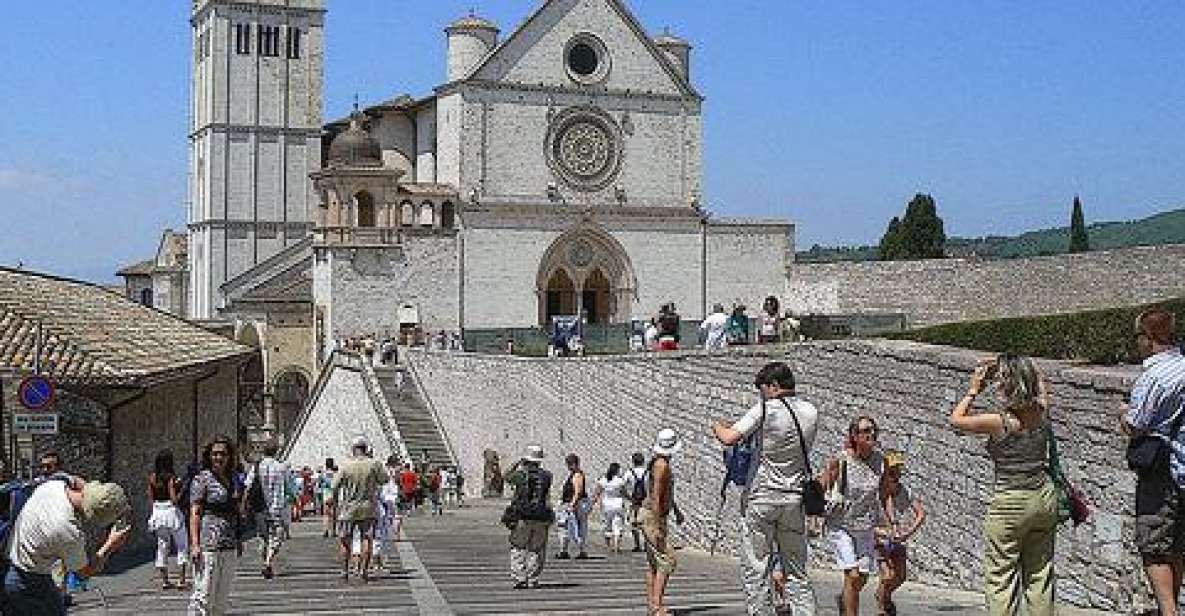
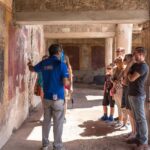
Assisi is where the tour really turns from architecture into meaning. The city is famous for being the birthplace of St. Francis, and you’ll see the major landmarks that shaped the town’s identity.
Your Assisi highlights can include:
- St. Claire’s Church
- St. Francis’ birthplace and his childhood home area
- Townhall Square
- The People’s Palace and the Roman Temple dedicated to Minerva
- A visit to St. Francis’ Basilica, near the ancient city walls
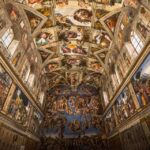
The Basilica is the moment most people remember. It’s known for its frescoes painted between the 12th and 14th centuries, and a guide’s job here is to help you see what you’re looking at—why the art matters, and how it connects to the Franciscan story.
Photography rules can surprise you. One review mentioned that photographs were prohibited inside St. Francis’ Basilica, so if you’re planning lots of pictures, be prepared to put your camera away for indoor sections.
Also plan for a dress code. Places of worship here are strict, and reviews note enforcement. Your knees and shoulders must be covered for both men and women, which means no shorts and no sleeveless tops. Wear comfortable shoes because Assisi is not the flat, gridded type of city.
Time management: the real trade-off in a 12-hour plan
This is the part you shouldn’t ignore when deciding.
You’ll be visiting two major towns that both deserve hours on their own. The schedule is designed to hit the big “must-see” points with guidance, and that means free time is limited.
Some people were thrilled with the balance of information and walking, while others felt that:
- Orvieto might be short if you want extra cathedral time or deeper market wandering.
- Assisi might feel rushed if you want to keep exploring after the guided highlights.
- The day can run long, with a few reports saying the tour returned later than the typical schedule.
My advice: treat this tour as a “high-impact orientation day.” If you’re the type who likes to pick up a few focused sights and then return later for slow exploring, this is a smart move. If you want unbroken free time, you may prefer a slower base-cation approach.
Guides and the human touch: why the experience feels smoother
The biggest quality signal in feedback is the guiding. A lot of people praise Christina as the main guide, and you can feel why: she’s described as thoughtful, helpful, and clear about what to expect.
There are also mentions of additional local guidance in Assisi, which is exactly what you want in a place like this. The town has layers—Roman-era references next to medieval Franciscan life—and a second specialist can help you connect the dots while you walk.
Even the drivers get credit when the day is long and full of narrow roads. Nicola is named in feedback as a great driver, and that matters because comfort and smooth logistics affect how much you actually enjoy the stops.
So yes, the sights are the headline. But the day’s real success factor is how the group moves through them without you feeling lost.
Price and value: $174.46 isn’t just a bus ticket
At $174.46 per person, this tour isn’t cheap, but it’s not just “pay for transportation and hope for the best,” either. You’re buying several things together:
- Round-trip bus transportation out of Rome and between Umbrian/Tuscan stops
- A live English/French/Spanish guide
- Lunch included
- Local guided time in both towns
What’s not included is also part of the value equation. Drinks at lunch aren’t included, and cathedral/attraction entry costs can be extra—especially with the Orvieto Cathedral entry that some people said required an on-site ticket.
If you want maximum value for limited time in Rome, this day trip tends to work because it compresses two top destinations into one guided day with the critical meal solved. If your priorities are only scenery from the window or you hate structured touring, you might get more from renting a car or building your own itinerary—but that’s usually harder from Rome without eating up more time.
Who this tour suits best (and who should think twice)
This day trip is a strong fit if you:
- Want a guided first look at Assisi and Orvieto without planning stress
- Like religious art and historic towns, especially St. Francis’ Basilica and frescoes
- Prefer a schedule that guarantees you’ll actually see the big highlights in one day
- Can handle walking on uneven medieval streets in Assisi
It’s less ideal if you:
- Need lots of free time to wander slowly (the day is time-boxed)
- Have mobility limitations (the tour is noted as not suitable for people with mobility impairments)
- Can’t follow a strict dress code for churches (shoulders and knees must be covered)
- Strongly dislike long drives (Assisi is far enough that bus time is a major chunk)
Should you book this Assisi & Orvieto day trip from Rome?
If you’re in Rome with a limited window and you want two iconic Umbria towns in one efficient day, I think this one is worth booking. The Orvieto cathedral stop gives you a strong architectural hit early, and the Assisi walking portion—centered on St. Francis’ Basilica—delivers the kind of meaningful sightseeing that stays with you.
Book it if you’re okay with the trade-off: it’s a full day, the pacing is structured, and you’ll likely have limited time to go off-script. If you like “slow travel” more than “big highlights,” you’ll probably feel rushed.
FAQ
How long is the Assisi & Orvieto day trip?
The tour duration is listed as 12 hours.
What is the price per person?
The price is $174.46 per person.
What places do we visit on the tour?
You’ll visit Orvieto (including its gothic cathedral), Lake Trasimeno area viewpoints while traveling, and Assisi (including St. Francis’ Basilica and key town landmarks).
Is lunch included?
Yes. Lunch is included, and it’s described as traditional local dishes.
Are drinks included with lunch?
No. Drinks are not included.
Where is the meeting point?
You meet at 32 Via Giovanni Amendola (GLT terminal) about 10 minutes before departure.
What time do we return to Rome?
The tour ends back at the meeting point, with an estimated return around 7:30 to 8:00pm.
Do I need a dress code for church visits?
Yes. Knees and shoulders must be covered, and no shorts or sleeveless tops are allowed. This is strictly enforced.
Is the Orvieto Cathedral entrance included?
One review indicated that the Orvieto Cathedral entry ticket was not included and had to be purchased on site (about €5 per person).
Can I bring a pet?
Pets aren’t allowed, but assistance dogs are allowed.
Is the tour suitable for mobility impairments?
No, it’s noted as not suitable for people with mobility impairments.