REVIEW · ROME
Ostia Antica Small Group Tour
Book on GetYourGuide →Operated by Rome - Tour · Bookable on GetYourGuide
Ostia Antica feels like a time machine. You get a small group visit (limited to 10) to see how Rome’s port city really worked, and you’ll appreciate the skip-the-line entry so your half day stays focused on the ruins. The whole place has that rare mix of big scale and quiet atmosphere, with a guide putting the pieces together as you walk.
I especially like how the tour keeps you moving through the highlights—the outdoor theater, the Square of the Guilds, Roman baths, and a surprisingly thoughtful home setting—without racing you. One drawback: this is a lot of walking on uneven ground, and it’s not recommended for reduced mobility or wheelchair users.
In This Review
- Key takeaways before you go
- From Roma to Ostia Antica: The Train Ride Sets the Tone
- Skip-the-Line Entry and a Pace That Doesn’t Rush You
- Ostia Antica’s Big Backstory: Why This Port City Survived
- The Grand Outdoor Theater: Where Entertainment Turned Serious
- Square of the Guilds: Merchants, Ship Owners, and Real Ambition
- Baths of Neptune: Roman Cleanliness Was Social Life
- The House of Diana: A Home That Shows Taste and Planning
- How the 4-Hour Format Works (and Why It’s the Right Length)
- What You’ll Learn From the Guide (Not Just the Stones)
- Crowds Versus Calm: Ostia’s Advantage Over Big Rome Sights
- Value Check: Is $94 a Smart Trade for This Half Day?
- What to Bring (and What to Leave Behind)
- Who Should Book This Tour—and Who Might Skip It
- Should You Book the Ostia Antica Small Group Tour?
- FAQ
- Where is the meeting point for this tour?
- How long is the Ostia Antica Small Group Tour?
- How much does it cost?
- What’s included in the tour price?
- Is hotel pickup or drop-off included?
- Is food or drinks included?
- Are there any restrictions on luggage?
- What do I need to bring?
- Is the tour wheelchair accessible?
- What languages are available for the tour?
Key takeaways before you go
- Small-group size (max 10): easier questions, calmer pace, less standing around.
- Train + park ticket included: you avoid the hassle of figuring out logistics mid-trip.
- The highlights are the story: theater, merchant square, baths, and a home that explains daily life.
- Often quieter than Rome: you may find fewer crowds and more local activity.
- You’ll see more with a guide: signage and an audiobook exist, but context makes it click.
From Roma to Ostia Antica: The Train Ride Sets the Tone
You meet in front of the Roma Ostia Lido Train Station at Piazzale Ostiense, 9. Then you’ll take the local train out to the archaeological park as a group, with your roundtrip train ticket included.
That transit step matters more than you might think. In about the time it takes to get out of central Rome, you shift mentally from traffic and tour groups to river silt, stone streets, and the idea of Rome’s commercial heartbeat.
You can also read our reviews of more tours and experiences in Rome.

Skip-the-Line Entry and a Pace That Doesn’t Rush You
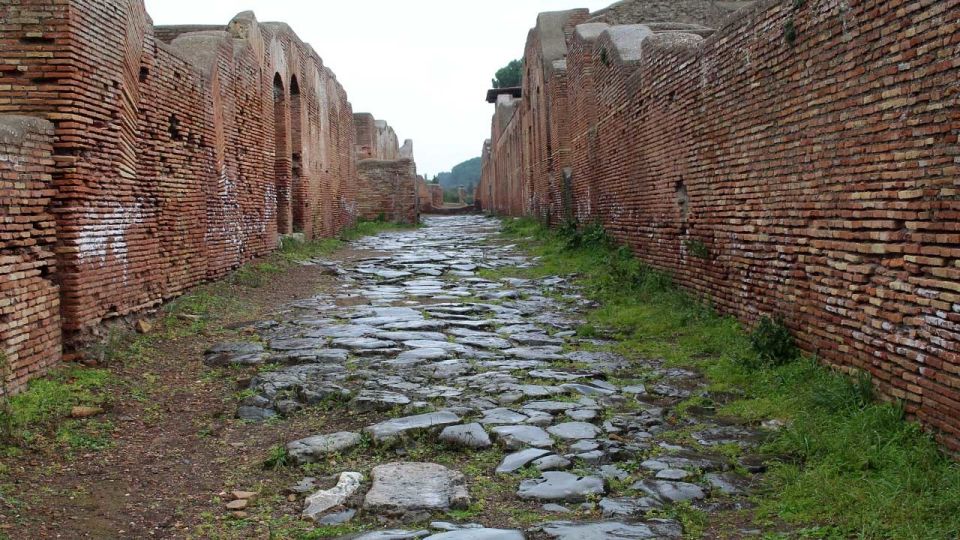
The tour includes skip-the-line tickets using a separate entrance to the Ostia archaeological park. Translation: you spend your energy looking at ruins, not waiting in a queue.
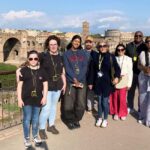
The other big win is the small group format. In practice, that means you can ask questions, get pointed at the right details, and keep a relaxed rhythm. The guides on this route are often praised for staying friendly and on pace, not sprinting from stop to stop.
Ostia Antica’s Big Backstory: Why This Port City Survived
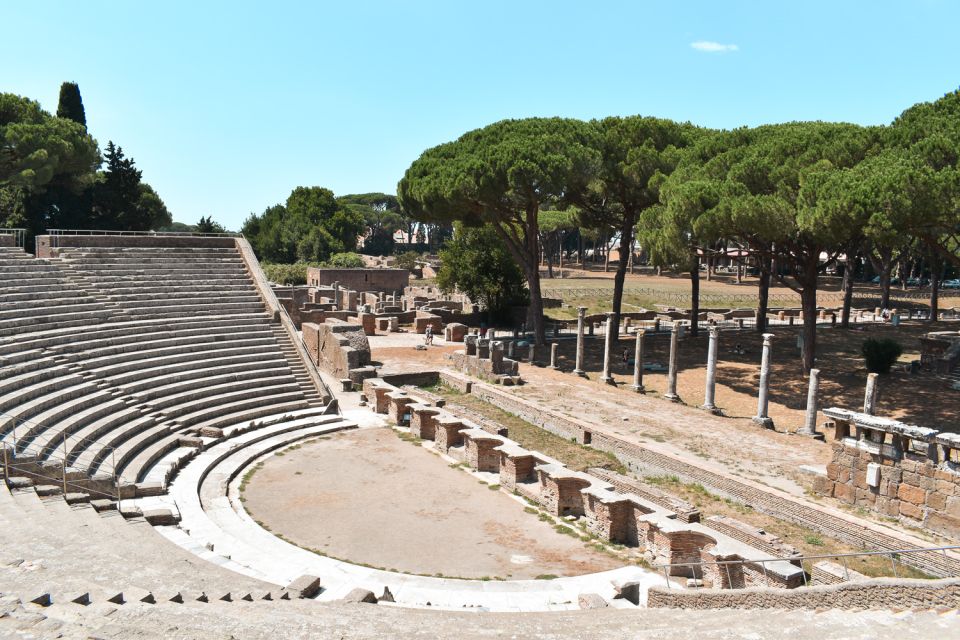
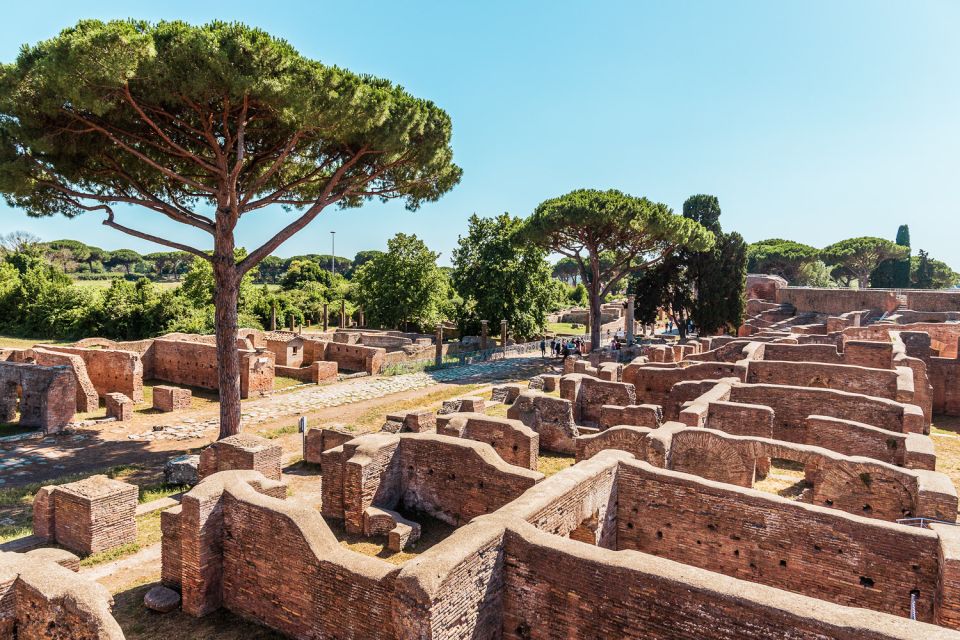
Ostia Antica was once Rome’s port city and a major commercial center. When the Roman Empire fell, the city was abandoned, and as the river changed course it became covered with silt and mud.
That protection is the reason you can walk through a place that still feels legible. It’s not just rubble; it’s a plan you can understand—streets, public buildings, and homes—shaped by daily movement of people and goods.
The Grand Outdoor Theater: Where Entertainment Turned Serious
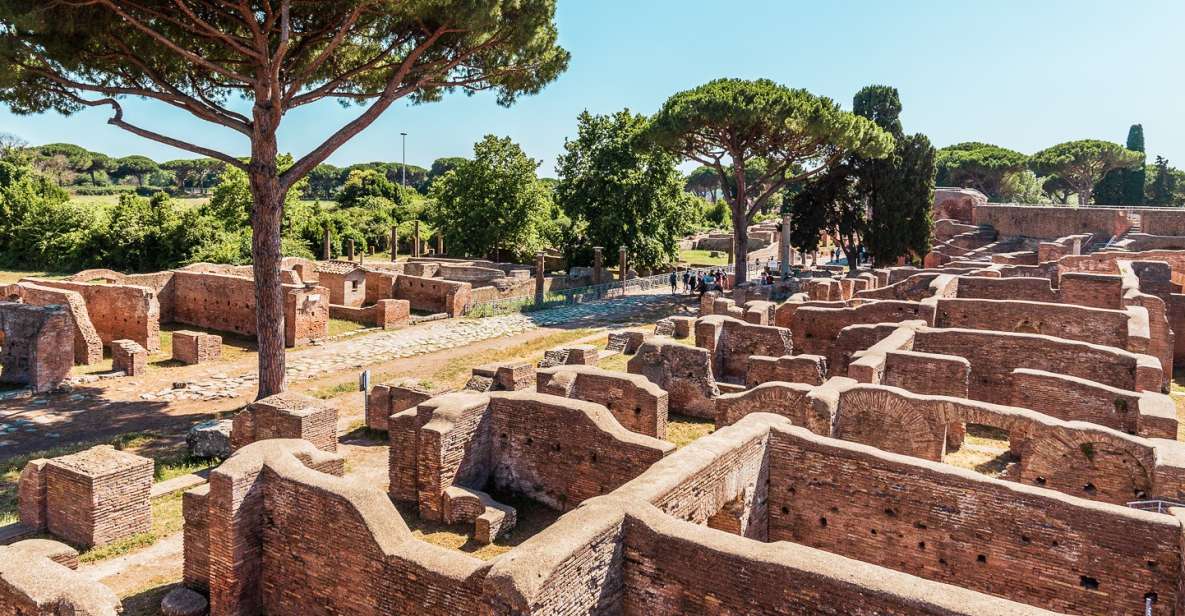
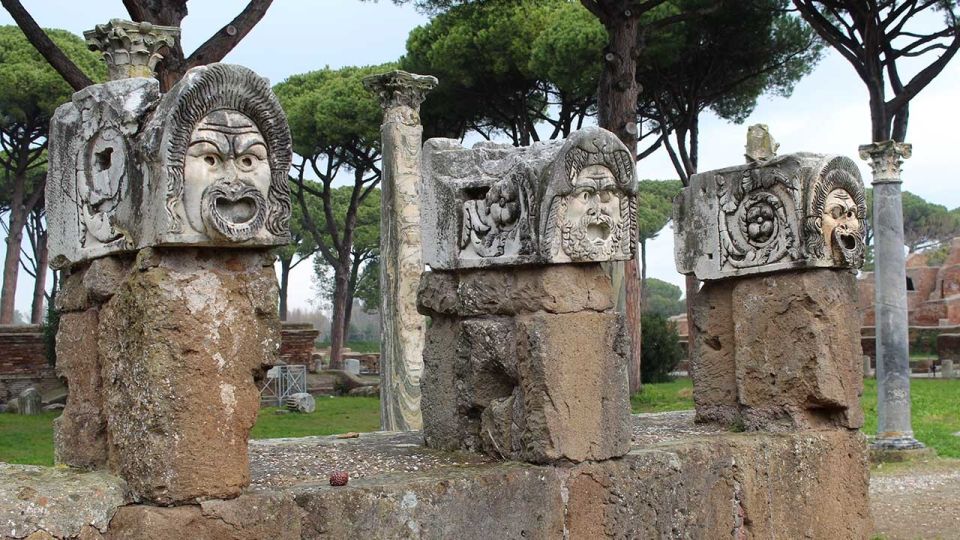
One of the first wow-factors is the grand outdoor theater. This wasn’t just for plays; it also hosted gladiator fights, which tells you a lot about Roman public taste.
As you look at the space, try to picture the crowds and the noise. You’re standing near an arena built for spectacle, where politics and entertainment both found an audience.
The theater also gives you an important scale cue. Ostia isn’t just a scatter of ruins; it’s a functioning urban layout with major civic spaces that mattered to real residents.
Square of the Guilds: Merchants, Ship Owners, and Real Ambition
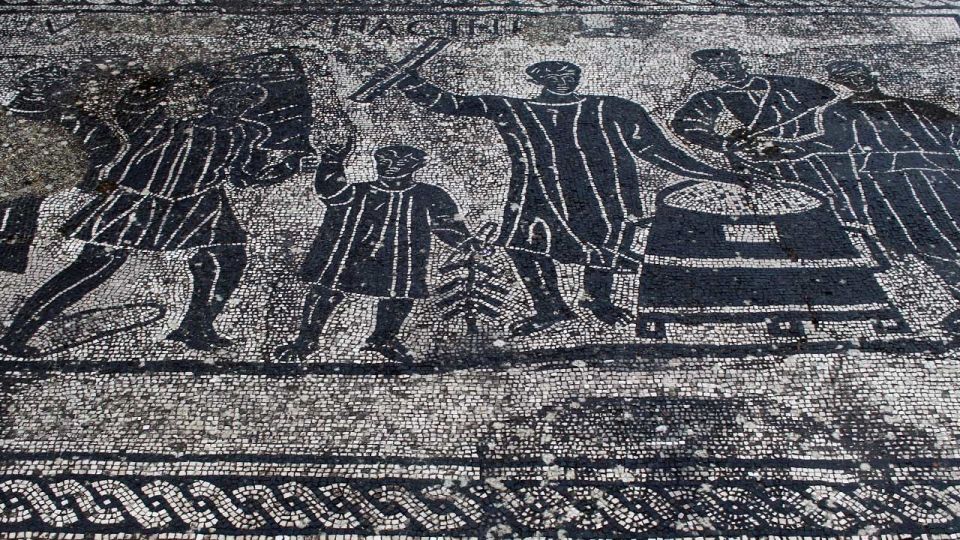
Next, you’ll explore the Square of the Guilds. This is where ship owners and merchants tried to make their fortune, so it’s the commercial pulse of the city rather than a quiet side street.
If you’ve ever wondered what Roman trade life looked like beyond coins and statues, this stop is the answer. You can almost imagine bargaining, arriving goods, and the constant push to turn the next delivery into a better year.
This square also helps you connect Ostia to Rome’s broader economy. The empire didn’t run on magic; it ran on logistics, and this is where that logic shows up in stone.




Baths of Neptune: Roman Cleanliness Was Social Life
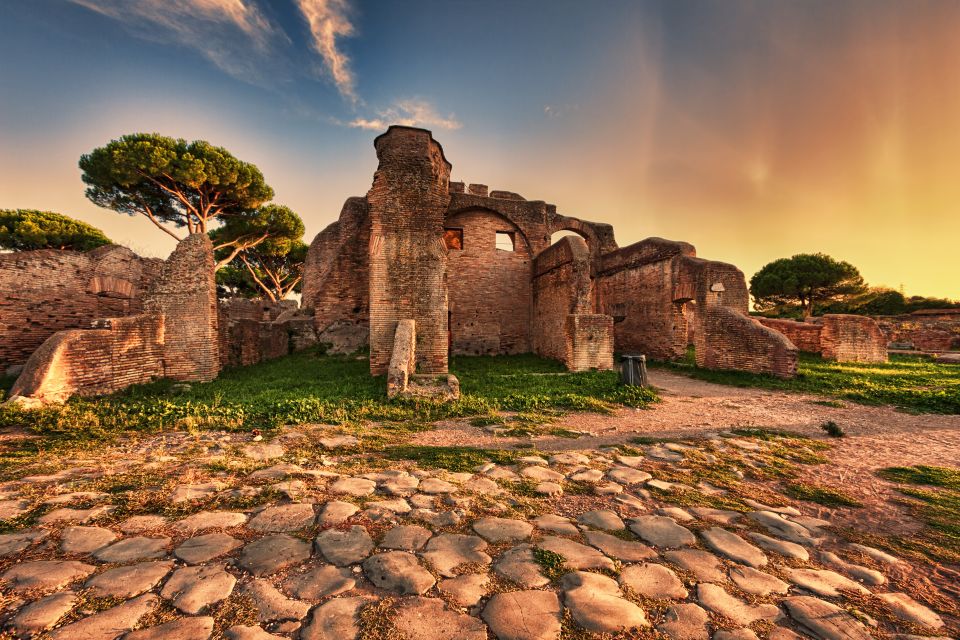
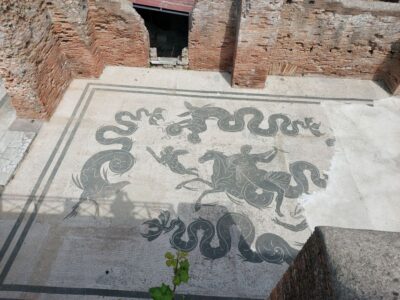
Then come the Baths of Neptune, the public bath houses where people would lounge in pools, work out, and clean themselves using olive oil. It sounds simple, but this is one of those Roman ideas that shaped everyday culture.
You’re looking at a complex place for hygiene and leisure at the same time. In a modern city you might separate gym, spa, and hangout. In Roman life, they blended.
Pay attention to how the bath layout supports flow and routine. Even without moving through every room yourself, the space explains how public life worked for people who weren’t wealthy enough for private luxury.
The House of Diana: A Home That Shows Taste and Planning
You’ll walk to the House of Diana, and this stop is a major reason Ostia feels more than just a list of public buildings. It’s a place to see where people actually laid their heads at night.
One of the tour’s highlights is how this home feels surprisingly sophisticated. That matters because it counters a common idea that ancient cities were only monuments and crowds. Here you get a glimpse of daily domestic life—rooms designed for function, privacy, and comfort.
Try to notice the contrast between public spaces like the baths and theater and this more personal space. That contrast helps you understand the full range of urban life in a port city.
How the 4-Hour Format Works (and Why It’s the Right Length)
The total duration is 4 hours, and that half-day length is part of the value. It’s long enough to see the main highlights and still short enough that you don’t feel destroyed by transit and walking.
Your guide will lead you around the site and explain what you’re seeing, so you leave with context instead of just photos of stone walls. Since you also have the included train ticket back, you can choose to explore further after the tour if you want.
A practical tip: if you like wandering without a tight schedule, this tour’s structure supports that. You’ll get the “greatest hits” first, then you can decide what pulls you in.
What You’ll Learn From the Guide (Not Just the Stones)
A big part of the appeal is how guides bring Ostia to life through stories and detail. You might hear names like Sonia, Sarah, Claudia, Antonio, or Kathleen—each highlighted for making the ruins feel connected to how Romans lived.
The best guides do two things well:
- They point out specific features you’d miss alone.
- They explain why those features existed in a port economy.
Also, don’t ignore the park support features. The site has good signage and even an audiobook tour, and those help if you want extra reading between guide stops. Still, the guide experience generally makes the highlights easier to interpret quickly—especially at a site that can feel like a maze once you’re on your own.
Crowds Versus Calm: Ostia’s Advantage Over Big Rome Sights
One of Ostia Antica’s strengths is that it’s often far less crowded than the famous stops in central Rome. On many tours, you may find the site has a quieter feel, with local school groups showing up more than international tourist crowds.
That matters because Ostia rewards attention. When you’re not fighting a crowd, you can slow down at the theater lines, linger at merchant areas, and actually see how parts fit together.
Even if you’re on a tight Rome schedule, Ostia can work like a breath of air—stone streets instead of city noise, and facts instead of photo-chasing.
Value Check: Is $94 a Smart Trade for This Half Day?
At $94 per person, you’re paying for more than entry into ruins. Your ticket includes roundtrip train, skip-the-line park access, a licensed guide, and the small-group format.
That bundling is the value. Rome has a way of turning simple plans into a string of extra costs and extra stress—different tickets, different timings, and “where exactly do I go?” moments. Here, the core pieces are handled so you can focus on the site.
And because it’s only 4 hours, you’re also buying back time. That’s useful if you want a meaningful Roman experience without using up most of a day on transport and logistics.
What to Bring (and What to Leave Behind)
Bring a passport or ID card. Wear comfortable shoes—you’ll be walking on uneven ancient surfaces, and you’ll want grip and support.
You should also pack light. Luggage or large bags aren’t allowed, so plan for a small day pack only.
Finally, on warm days, plan like a practical adult: water and sun protection help. One common note from people who’ve done the walk is that you’ll want shade and hydration if the weather is hot.
Who Should Book This Tour—and Who Might Skip It
This tour fits best if you want:
- A half-day Roman experience outside the biggest crowds
- A walk-through that prioritizes meaningful highlights
- A guide to translate the site into real daily life
It may not be ideal if you need:
- Wheelchair access or reduced-mobility accommodations, since the tour isn’t recommended for those needs
- A low-walking plan, because the route involves moving around the ruins
If you’re traveling with kids or older relatives, consider their walking tolerance first. The ruins are worth it, but the site isn’t built for comfort convenience.
Should You Book the Ostia Antica Small Group Tour?
Yes—if you want an efficient, high-context way to experience Ostia Antica without the stress of doing everything solo. The combination of small group, skip-the-line entry, and a guide-led route makes it easier to understand what you’re seeing, not just where you’re standing.
Book it especially if you enjoy Roman daily life as much as famous monuments. Theater, baths, merchant squares, and a real house together paint a fuller picture than any single postcard view.
Skip it if mobility limits are part of your trip plan, or if you prefer a sit-down experience. In Ostia, you earn your understanding by walking.
FAQ
Where is the meeting point for this tour?
You meet in front of the Roma Ostia Lido Train Station at Piazzale Ostiense, 9, 00154 Roma RM, Italia.
How long is the Ostia Antica Small Group Tour?
The tour lasts 4 hours.
How much does it cost?
The price is $94 per person.
What’s included in the tour price?
It includes a roundtrip train ticket, skip-the-line tickets to the Ostia archaeological park, a licensed English tour guide, and a small group tour.
Is hotel pickup or drop-off included?
No, hotel pickup and drop-off are not included.
Is food or drinks included?
No, food and drinks are not included.
Are there any restrictions on luggage?
Yes. Luggage or large bags are not allowed.
What do I need to bring?
Bring your passport or ID card and wear comfortable shoes.
Is the tour wheelchair accessible?
No. It is not recommended for people with reduced mobility or wheelchair users.
What languages are available for the tour?
The tour is offered in Spanish, English, and French.