REVIEW · ROME
Rome: Appian Way Guided Tour on E-Bike with italian Aperitif
Book on GetYourGuide →Operated by la regina srls · Bookable on GetYourGuide
The Appian Way feels bigger on an e-bike. This 4-hour guided ride takes you out of central Rome and onto the Regina Viarum—ancient paving stones, catacomb-area sights, and long views that are hard to get to on foot without tiring out. I really like the mix of movement and stops: you’re cycling, then stepping off often enough to actually notice what you’re seeing.
Two things I especially like are the change of pace from busy streets to park paths near Caffarella, and the way the route pairs major monuments with smaller, meaningful details. You’ll also end with a relaxed farmhouse aperitif instead of a rushed “look and go” finish.
One thing to consider: you still have to be comfortable walking in ruins and uneven historic areas, plus the tour doesn’t include a full lunch or dinner—plan your food timing so you’re not hungry when you’re stopping for tastings.
In This Review
- Key Points You’ll Care About
- From Viale della Piramide Cestia to the Old Roman Road
- Bikesquare check-in: quick, but don’t be careless with time
- Baths of Caracalla: Starting With Scale
- Porta San Sebastiano: A City Gate With a Job
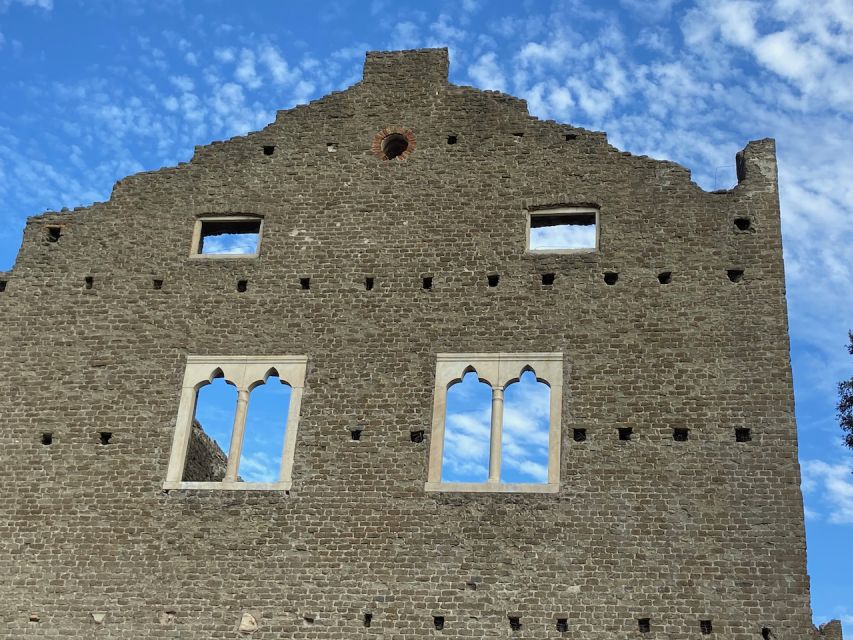
- Villa di Massenzio: Where Power Meets Design
- Tomb of Cecilia Metella: Instant Roman Theater
- Appia Antica Archaeological Park: The Road You Came For
- Why the e-bike helps on Appia Antica
- Villa dei Quintili: A Break That Feels Like a Pause Button
- Parco degli Acquedotti: The Aqueducts Live Here
- Torre Fiscale Park: Small Stop, Big Atmosphere
- Local Farm Aperitif: The Reward Portion
- Caffarella Park: Rome’s Escape Hatch
- Domine Quo Vadis Church: A Meaningful Detour
- Aurelian Walls and Pyramid of Cestius: The City Comes Back Into View
- Who This Tour Suits (and Who Might Prefer Something Else)
- Price and Value: Why $81 Can Make Sense
- Safety, E-Bikes, and What to Bring
- Guides and the Pace: What Makes It Feel Good
- Should You Book This Appian Way E-Bike Tour?
- FAQ
- Where do we meet for the tour?
- How long is the experience?
- How much does it cost?
- What’s included in the tour?
- Is lunch included?
- What languages are the guides?
- How big is the group?
- What should I bring?
- Is there anything I can’t bring?
- Is there free cancellation and pay-later options?
Key Points You’ll Care About
- E-bikes make the long route realistic without turning it into a suffer-fest
- Two major park zones: Caffarella Park and the Park of the Aqueducts
- Plenty of monument stops with short, guided context you can follow in real time
- Small group of up to 10 for easier pacing and safer cycling
- Farm products and wine aperitif as the final reward, not lunch
From Viale della Piramide Cestia to the Old Roman Road
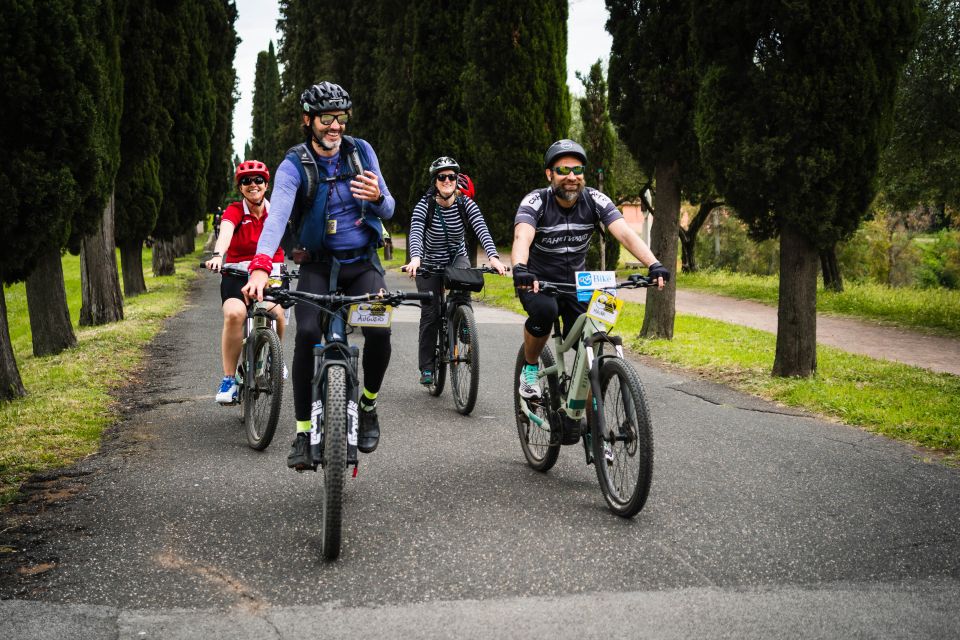
Most people start their Rome day in a hurry. This tour starts with a calmer setup: you meet at Bikesquare Roma bike Rental, in Viale della Piramide Cestia 33, where you’ll get your mountain e-bike and meet your guide. The vibe here is practical—get geared up, do a quick check, and then get moving while the roads and paths are still manageable.
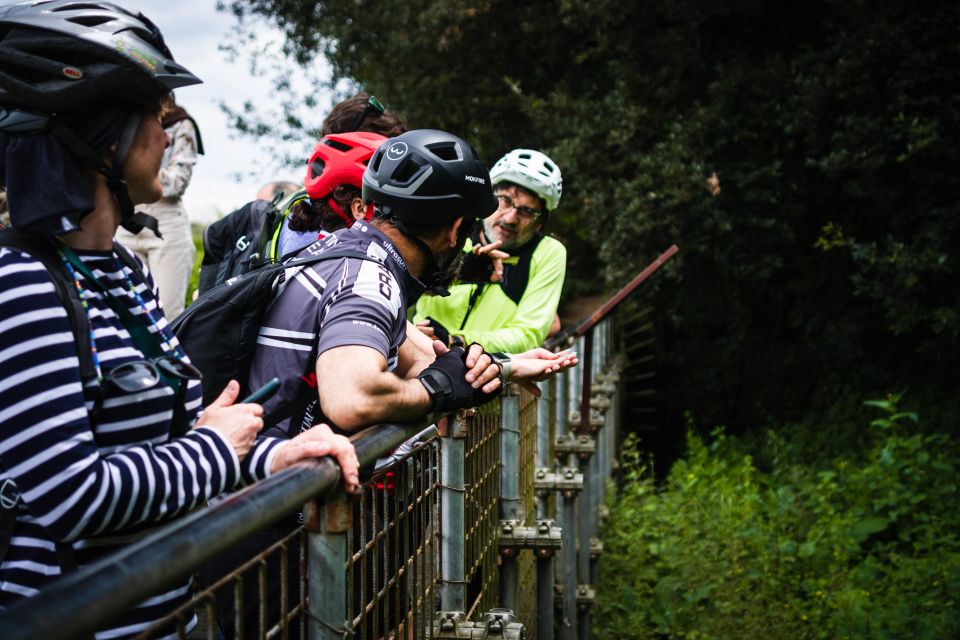
The group size matters. With a limit of 10 participants, you’re not stuck behind a line of slow riders or separated into chaos. That also helps the guide manage traffic moments and keep the cycling steady, which is a big deal on roads that can feel more “local” than touristy.
You can also read our reviews of more cycling tours in Rome
Bikesquare check-in: quick, but don’t be careless with time
One small tip: show up on time. A recent booking experience included a brief wait for the shop opening, and that’s the kind of thing that can throw off your timing if you’re cutting it close. If you’re coming from elsewhere in Rome, build in buffer time so your first minute isn’t stressful.
Baths of Caracalla: Starting With Scale
Right away you visit the Baths of Caracalla. Even if you’ve seen big Roman sites before, this stop helps you mentally “shift gears” into Roman mode. The baths are a great first anchor because they set the scene for how massive daily life was in antiquity—waterworks, engineering, and public space all rolled into one.
This is also a short stop (about 10 minutes), so I treat it as a warm-up. You’re not getting a full museum tour here; you’re building context that will pay off as the route turns more rural and archaeological.
Porta San Sebastiano: A City Gate With a Job
Next comes Porta San Sebastiano, again with a short visit (around 10 minutes). City gates are more than pretty stone. They remind you that Rome was built for movement, defense, and control—this road network wasn’t just romantic; it was functional.
If you like history that explains “how things worked,” this is a strong moment. A good guide will connect the gate to the road system you’re about to ride and the way travelers, goods, and armies would have moved.
Villa di Massenzio: Where Power Meets Design
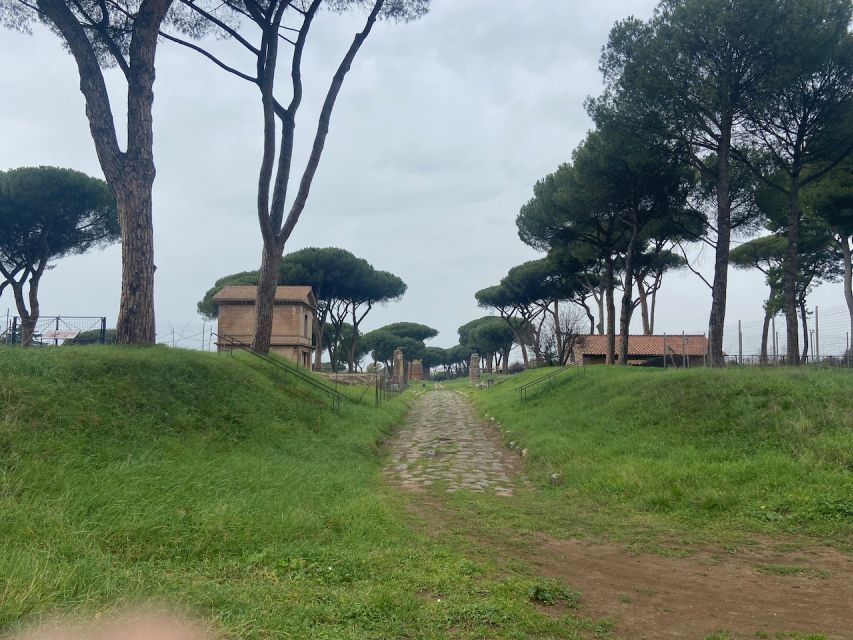
Then you’ll stop at Villa di Massenzio for about 15 minutes. This is one of those places that feels “quiet” today but carried weight in its own time. You can often sense the planning—how structures were arranged, how space was used, and how the area connected to the wider Roman landscape.
You’ll get just enough time here to take a few solid photos and learn what to look for, without feeling like you’re stuck reading everything at once. That pacing is one of the things that keeps the overall tour fun.
You can also read our reviews of more guided tours in Rome


Tomb of Cecilia Metella: Instant Roman Theater
After that, you head to the Tomb of Cecilia Metella for about 20 minutes. This is a standout because it’s visually dramatic and easy to understand. The tomb sits like a marker on the Appian Way—part monument, part statement.
Walking around a place like this also changes how you experience the road ahead. Once you’ve seen a tomb anchored in the corridor of the ancient route, the rest of the journey feels less like “cycling past stuff” and more like traveling along a living timeline.
Appia Antica Archaeological Park: The Road You Came For
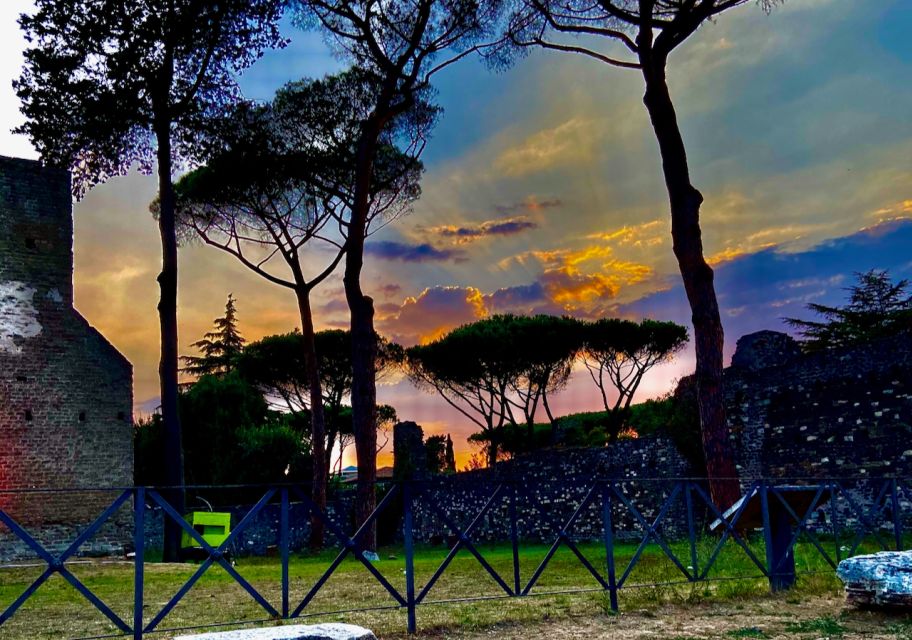
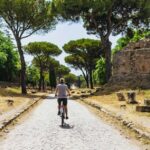
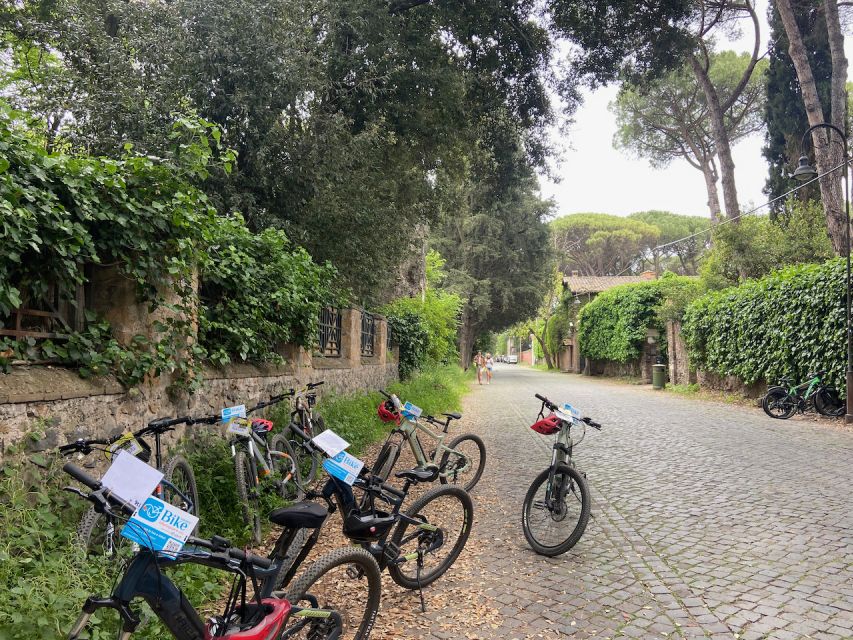
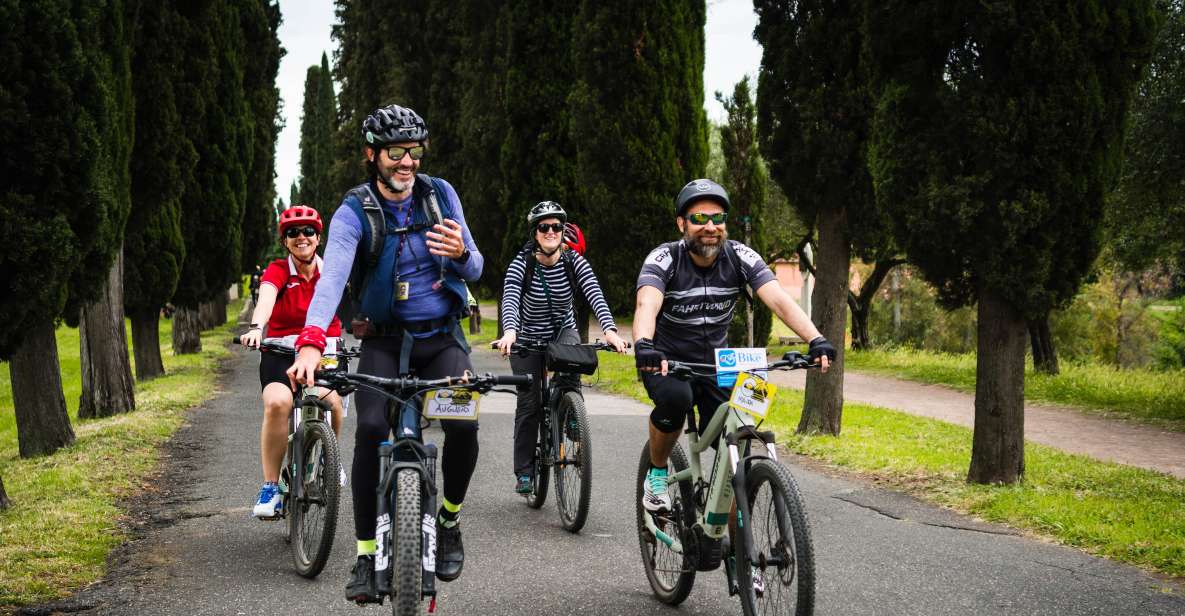
The heart of the experience is the ride through the Appia Antica Archaeological Park (about 30 minutes). This is where the tour name makes sense. The ancient paving stones give you that real “you’re on the historic road” feeling—bumpy, textured, and unforgettable compared with modern pavement.
A guide’s job here is to stop you from glazing over. Expect the commentary to explain what you’re seeing along the Regina Viarum route, including references to catacombs, tombs, and villas. Even if you don’t know Latin dates, you’ll leave with a clearer picture of how this road functioned and why it mattered.
Why the e-bike helps on Appia Antica
You might think, I’ll just bike this on my own. But the guided timing is what makes this area work. You’re moving far enough to enjoy the “Roman outskirts” feeling, yet stopping frequently enough to connect monuments to the path you’re riding.
And unlike a full-day bike loop, this keeps the effort manageable. That’s important because the best part of Appia Antica is the rhythm: ride, pause, learn, ride again.
Villa dei Quintili: A Break That Feels Like a Pause Button
You’ll also visit Villa dei Quintili (about 10 minutes). This stop is shorter, but it’s useful. It helps you break up the long stretch mentally and gives you another perspective on Roman life—residential luxury, planning, and how villas weren’t isolated islands but part of a network.
It’s a good moment to take in the surroundings too. You’re not in the center of Rome. You’re in a zone where ruins sit close to open space, and that contrast makes the monuments feel more “real” and less staged.
Parco degli Acquedotti: The Aqueducts Live Here
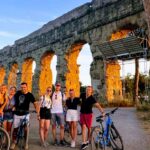
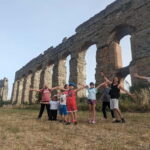
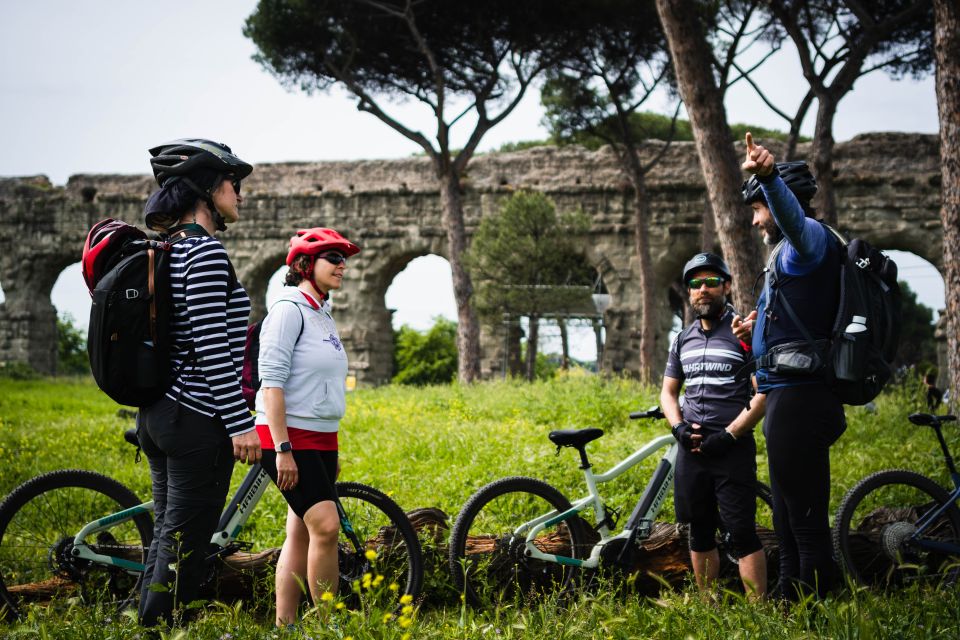
Then comes one of the tour’s best chapters: the Park of the Aqueducts (about 30 minutes). This is where the engineering flex shows up. The aqueducts don’t just look impressive; they explain how water powered an entire city.
What I like about this stop is the feeling of scale. You can understand why these structures survived long enough to become icons. With a good guide, the aqueducts turn into a story about infrastructure, not just a photo location.
There’s also a practical advantage: this kind of park stop lets you take pictures and breathe without constantly negotiating new cycling segments.
Torre Fiscale Park: Small Stop, Big Atmosphere
Next is Torre Fiscale Park (around 20 minutes). It’s a nice in-between: not as immediately famous as the tomb or the baths, but it adds variety. A change in setting keeps the tour from feeling repetitive, and it helps you see the Appian Way as a full corridor of sites rather than a single strip.
This is also a good place to reset physically. If your legs feel the day’s work, this is the spot where you can catch your rhythm and keep your energy for the final park section.
Local Farm Aperitif: The Reward Portion
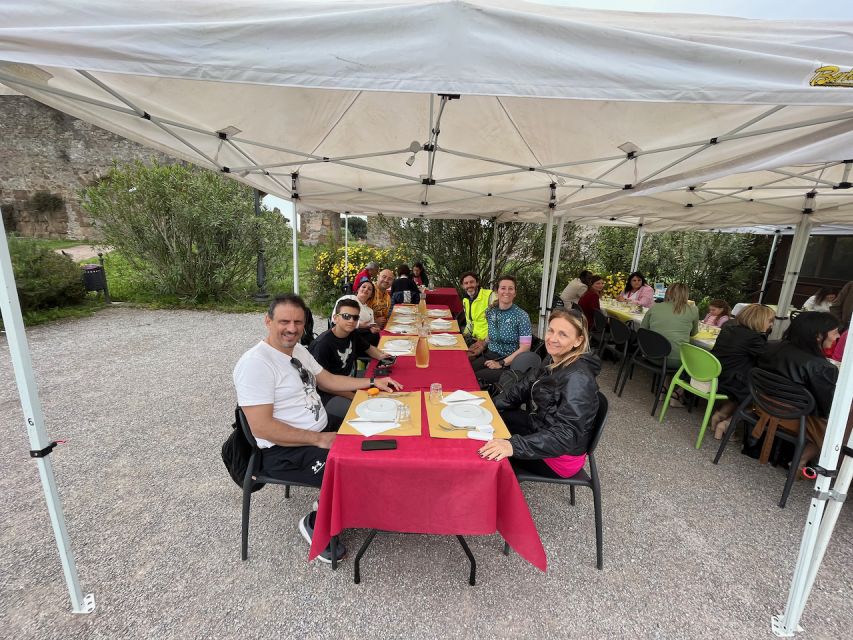
Before the ride ends, you’ll stop at a local restaurant for an aperitif (about 30 minutes) featuring local products and wine tasting. This is the “slow down and talk” part of the tour, and it’s a smart design choice.
Aperitif-style tasting works well here because you’re already walking and cycling, so you don’t need a full sit-down meal to feel satisfied. The tour gives you a taste of local life—farms and food that belong to the region—without dragging you into a long restaurant schedule.
One caution: the tour does not include lunch or dinner. If you’re traveling with a big appetite, eat before you go, or have a plan for later. The aperitif is flavorful, but it’s still tasting, not a full meal.
Caffarella Park: Rome’s Escape Hatch
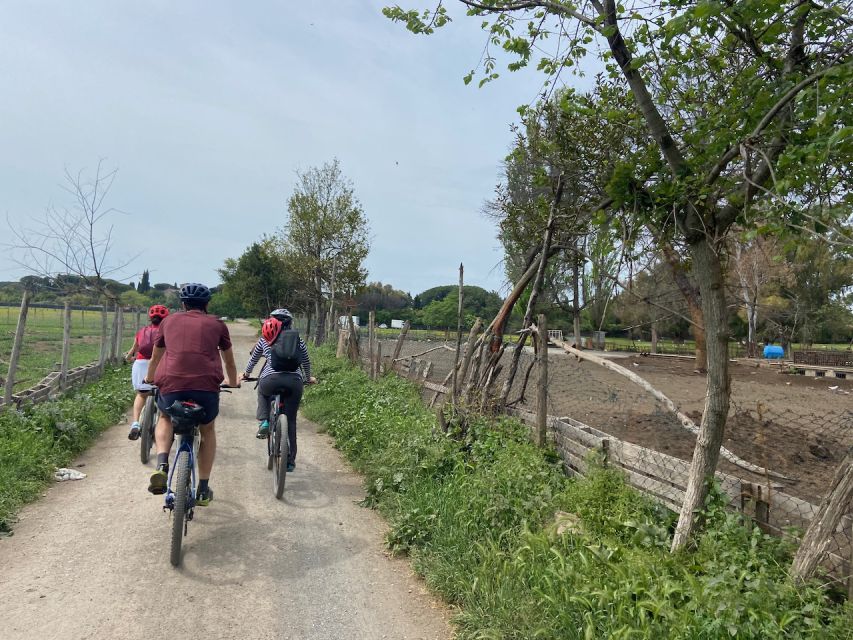
After the farm stop, you head into Caffarella Park (about 25 minutes). This is the section that makes the tour feel like an actual break from Rome. Instead of more stone monuments, you’re cycling and walking through park space where the ancient route feels surrounded by nature.
Caffarella also makes the tour more than a “list of ruins.” It’s where you sense that you’re in a Roman heritage zone that still functions as outdoor space today. If you like your history with fresh air and breathing room, this is a key reason to book.
Domine Quo Vadis Church: A Meaningful Detour
Then you visit the Church of Domine Quo Vadis (about 15 minutes). Churches in this area add a different layer to the Appian Way story. It’s no longer only Roman-era architecture; it’s the continuation of meaning through centuries.
This stop can be spiritually or culturally interesting, depending on what you connect with. Either way, it helps you see how one road became a route for many eras.
Aurelian Walls and Pyramid of Cestius: The City Comes Back Into View
The tour ends by weaving you toward recognizably “Rome” landmarks: the Aurelian Walls (about 20 minutes) and the Pyramid of Cestius (about 5 minutes). These are short visits, but they help close the loop. You started at the edge of the old road system and now you get a final set of markers that pull you back toward the city’s broader shape.
The pyramid stop is especially quick, so I’d treat it as a final snap of perspective rather than an extended photo session.
Then you return to Viale della Piramide Cestia 33 and wrap up the day. Total time on the move stays tight enough to keep your energy for a good evening in Rome.
Who This Tour Suits (and Who Might Prefer Something Else)
This is a great fit if you want ancient Rome without spending your whole day in a museum. It’s also a good option if you’re curious about the Appian Way corridor but worried you’d miss context on your own.
I’d especially recommend it for:
- First-time Rome visitors who want a different side of the city
- People who like guided stories tied to real places
- Travelers who want a manageable physical effort with e-bike assistance
- Anyone who prefers small groups and a clear plan
It might not be ideal if:
- You don’t want any walking on uneven historic areas
- You need a full meal included as part of the tour
- You’re planning to bring large luggage (the tour does not allow it)
Price and Value: Why $81 Can Make Sense
At $81 per person for 4 hours, the value comes from three things working together. First, you’re getting an actual guided route across multiple heritage zones. Second, you’re renting a mountain e-bike, which is doing most of the heavy lifting. Third, you end with a tasting experience at a farm setting, not just a view.
Is it the cheapest way to see the Appian Way? No. But it’s one of the better ways to see a lot of meaningful stops without turning your day into logistics and map confusion.
For me, this price feels most fair when you treat it as a “guided transport + storytelling + tasting” package. If you were already planning to cycle out there alone and didn’t need the stops, then DIY might beat it on cost. But if you want the context and the pacing, this is a strong deal for the time.
Safety, E-Bikes, and What to Bring
The tour provides mountain e-bikes and a guide for the ride. In real terms, that means you don’t have to figure out routes and you get help staying on track.
Bring:
- Comfortable shoes (you’ll be walking)
- Sunglasses (sun can be strong outdoors)
- Comfortable clothes
Also plan to travel light. Luggage or large bags are not allowed, so pack like you’re going on a half-day outing, not a multi-day trip.
If you’re new to e-bikes, don’t panic. The guide role is partly about making you comfortable with the bike behavior and helping you handle the ride safely.
Guides and the Pace: What Makes It Feel Good
One theme that comes through with this tour is that the guide isn’t passive. People have credited guides like Costanza, Georgia, and Masse for being attentive and for keeping the route feeling both safe and informative. That matters because Appia Antica and the surrounding parks can feel like a patchwork of eras. A guide helps you connect the dots fast.
The best pacing here is the “short stop, clear point” rhythm. You don’t get stuck waiting around for long explanations at each stop, but you also don’t breeze through like a tourist on a checklist.
Should You Book This Appian Way E-Bike Tour?
Yes, if you want a half-day that feels like a real Roman escape without losing the historic plot. This tour is a smart choice for people who want ancient monuments + countryside parks + aqueduct engineering + a farm tasting in one smooth loop.
Book it if:
- you like guided context tied to physical places
- you want to ride outside the city center
- you prefer small groups up to 10
- you’re okay with cycling and moderate walking
Skip it if:
- you want a full meal included
- you don’t handle any walking on historic, uneven areas
- you’re carrying luggage you can’t store (large bags aren’t allowed)
If you’re the kind of traveler who loves seeing the famous stuff, but also wants the parts between the famous stuff, this ride delivers.
FAQ
Where do we meet for the tour?
You meet at Bikesquare Roma bike Rental, located at Viale della Piramide Cestia 33.
How long is the experience?
The tour lasts 4 hours.
How much does it cost?
The price is $81 per person.
What’s included in the tour?
It includes a mountain e-bike, a guide, and a child’s seat available on request.
Is lunch included?
No. Lunch or dinner is not included. The tour includes an aperitif at the end.
What languages are the guides?
The live tour guide is available in English and Italian.
How big is the group?
The group is small, limited to 10 participants.
What should I bring?
Bring comfortable shoes, sunglasses, and comfortable clothes.
Is there anything I can’t bring?
Luggage or large bags are not allowed.
Is there free cancellation and pay-later options?
Yes. You can cancel up to 24 hours in advance for a full refund, and you can reserve now & pay later.