REVIEW · ROME
Rome: Arena Colosseum Tour with Arena Access
Book on GetYourGuide →Operated by The Ultimate Italy · Bookable on GetYourGuide
Gladiators meet real-world logistics at the Colosseum. This Arena Access tour turns a crowded stop into a clear, guided route with expert narration and smart photo moments, including the Libitinaria Gate of Death. Two things I especially like are the in-arena perspective and the use of headsets to keep the talk audible. One possible drawback: you must arrive early and stick to the exact timing, so this is not the best choice if you like lingering on your own.
You’ll meet at Via dei Fori Imperiali, then walk in a way that helps you understand what you’re seeing instead of just staring up at stone. The tour is built for people who want a story plus a practical visit plan, and the added Forum and Palatine ticket makes it easier to keep momentum after the Colosseum. Just note the tour isn’t suitable for wheelchair users or people with mobility impairments, so plan an alternative if that applies to you.
In This Review
- Key things that make this Colosseum arena tour worth it
- Why arena access changes everything you see in Rome’s Colosseum
- Meeting at Via dei Fori Imperiali: the fast way to start without stress
- Getting into the Colosseum smoothly (and hearing your guide clearly)
- The Libitinaria Gate of Death and the route gladiators would recognize
- Where the emperor would be perched and why it matters for your viewpoint
- The circumference walk: practical photo tips that save your time
- Roman Forum and Palatine Hill access: what you gain after the 1.5 hours
- Price and logistics: where the $50 value really comes from
- What to bring, what not to bring, and how to avoid common mistakes
- Who this Colosseum arena tour suits best (and who should choose a different plan)
- The practical bottom line: book this if you want the Colosseum to make sense
- FAQ
- Where do I meet for the tour?
- What time should I arrive before the tour?
- How long is the tour?
- Is the tour guide English-speaking?
- Are headsets included?
- Does this tour include Roman Forum and Palatine Hill?
- What tickets or entry are included?
- What do I need to bring?
- Can I bring luggage or a backpack?
- Is it refundable?
- Is the tour suitable for wheelchairs or mobility impairments?
- Any notes about names for booking?
Key things that make this Colosseum arena tour worth it
- Arena Access, not just seats: you get inside the action zone so the building feels usable, not distant
- Libitinaria Gate of Death: a memorable entry point tied directly to gladiator-era movement
- Headsets included: clearer audio in a noisy, echoing monument
- Forum + Palatine access ticket included: use your time after the tour without paying for another ticket
- Photo guidance along the circumference: you’ll be shown where to angle shots of the Colosseum
- Guides like Maya, Teddy, Barbara, George, Simona, and Rita: names that show up with strong feedback for making the site feel human
Why arena access changes everything you see in Rome’s Colosseum
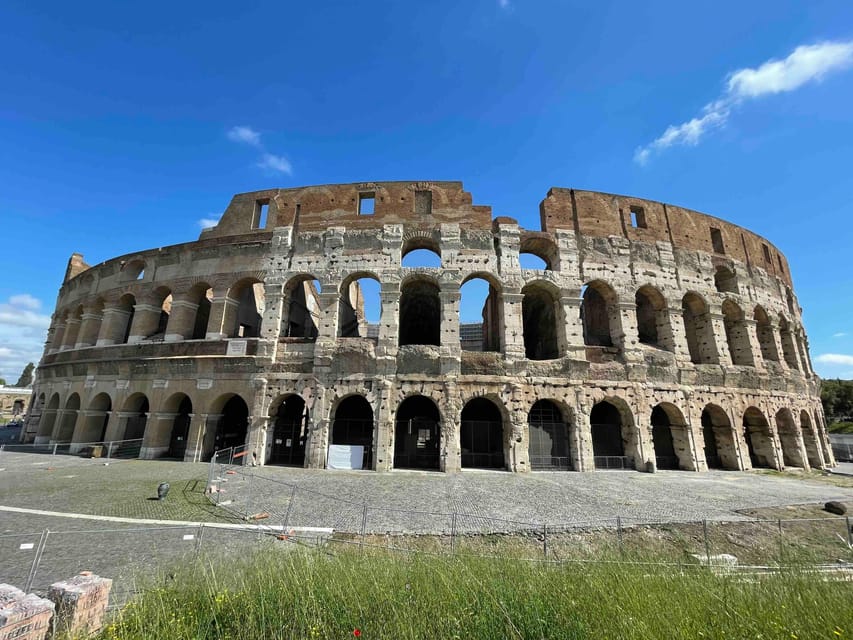
The Colosseum is famous for a reason, but most visits are still mostly “look, read a bit, move on.” Arena access shifts the experience from viewing the past to standing in the kind of space where events unfolded. When you’re on the arena side of the building, the scale makes more sense—doors, sightlines, and movement across the floor stop feeling abstract.
This tour also frames the visit through what gladiators and officials would have experienced: games, brutal matchups, and the tension of life-and-death spectacle. You’re guided through key circulation points, including the gate tied to the path of condemned people. That makes the architecture feel like a working system rather than a museum shell.
And yes, it’s still the Colosseum—crowds, stone, heat, and all. But with a guide and a planned route, the whole thing feels less like a scramble and more like a route with meaning.
You can also read our reviews of more tours and experiences in Rome.
Meeting at Via dei Fori Imperiali: the fast way to start without stress
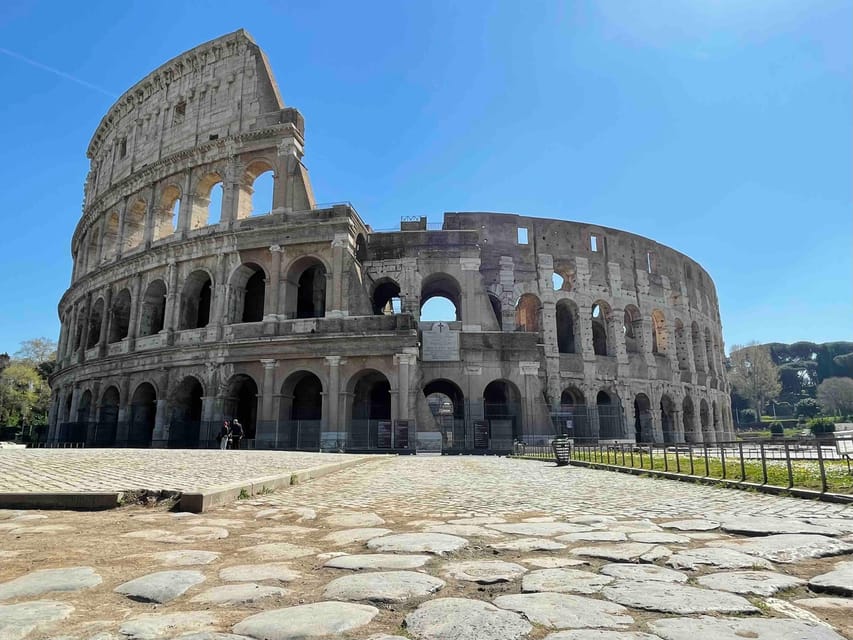
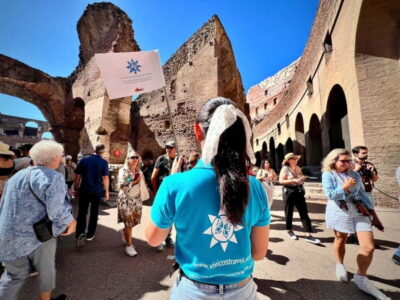
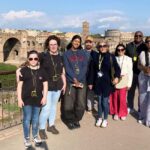
Your meeting point is Via dei Fori Imperiali, 25, 00186 Rome (RM), right in front of the Tourist Information Point at Fori Imperiali. Coordinators wear The Ultimate Italy t-shirts, so you’re not guessing who to follow.
The big practical rule: plan to arrive for check-in at least 30 minutes before your tour departure time. This is not a “show up when you feel like it” activity. Timing can also shift—departure time may change by up to 30 minutes based on monument availability—so you’ll be glad you didn’t schedule tight connections right after.
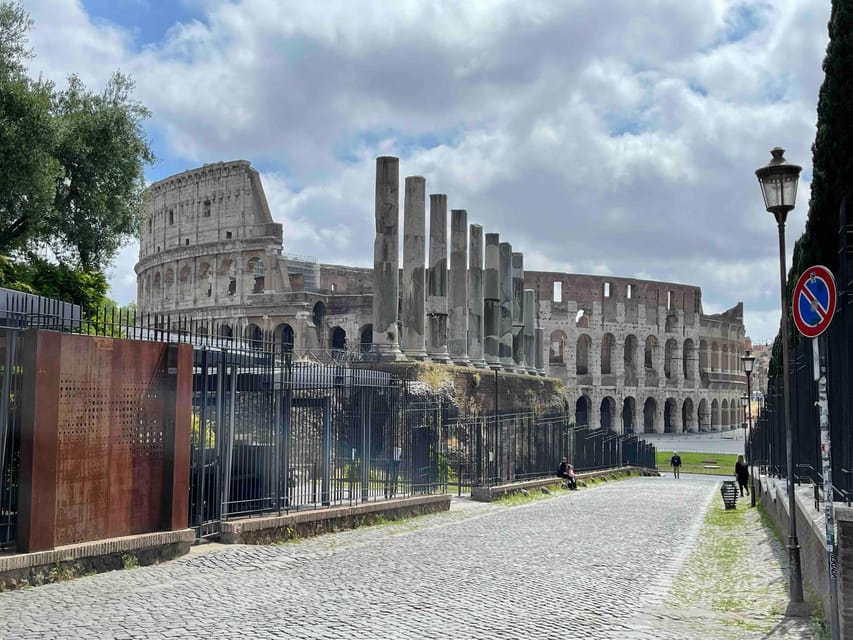
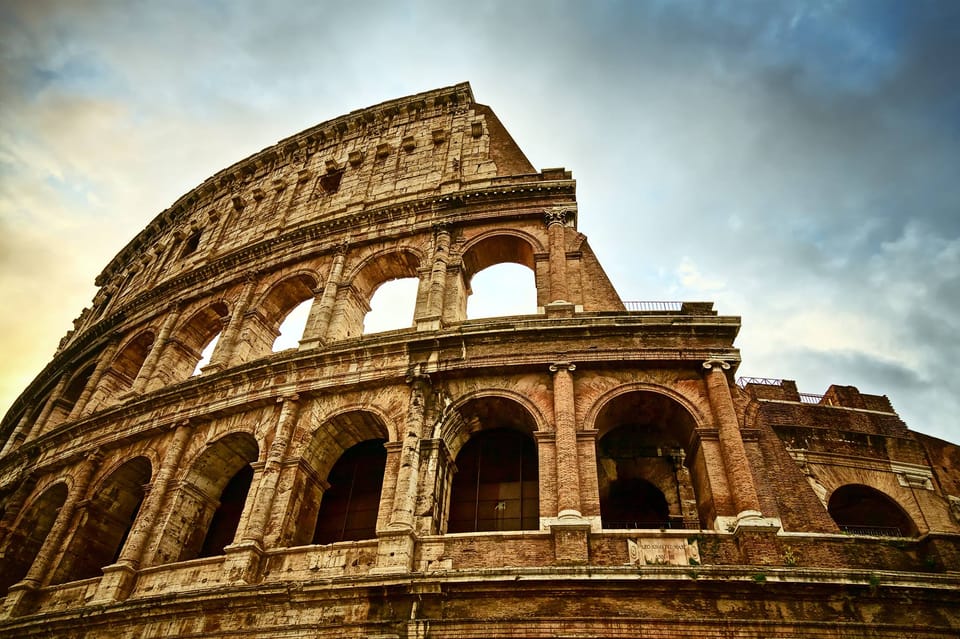
If you’ve ever tried to find a meeting group in central Rome, you know it can eat time. This start location is convenient for people who want to begin near the Forum area, and it gives you a chance to grab wide-angle photos of the Colosseum and surroundings before you go in.
Getting into the Colosseum smoothly (and hearing your guide clearly)
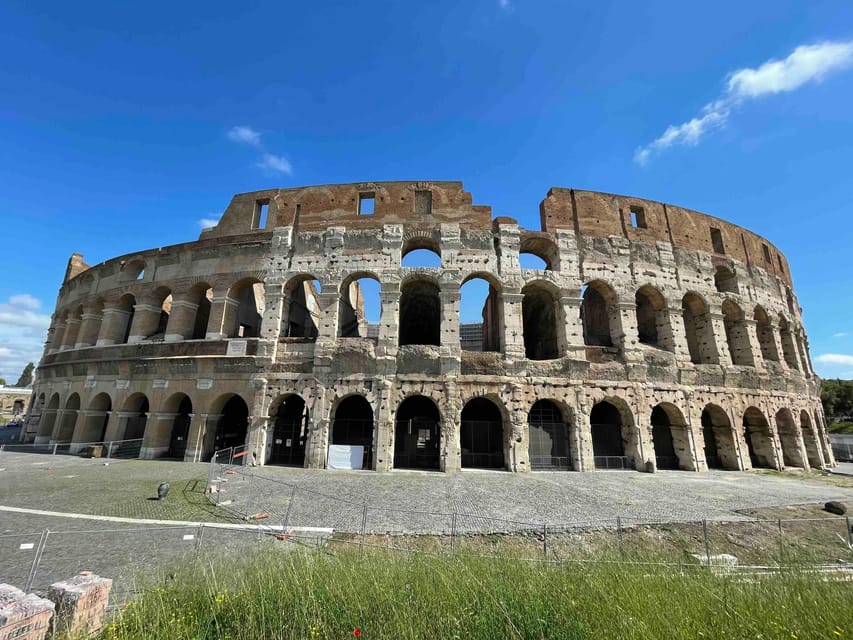
One of the best parts of booking a guided option is how it helps you handle a heavily visited site. The Colosseum can be the kind of place where your day turns into a line-management project. This tour is designed as a structured way to enter efficiently and keep you moving.
Once you’re with the group, you’ll get headsets. That matters more than you’d think. In a building with lots of stone echo and outside street noise, being able to hear the guide clearly keeps you from missing the story beats that make the visit click.
The guide also points out useful photo moments while you move—so you’re not constantly stopping, staring, and guessing angles while everyone else crowds past.
The Libitinaria Gate of Death and the route gladiators would recognize
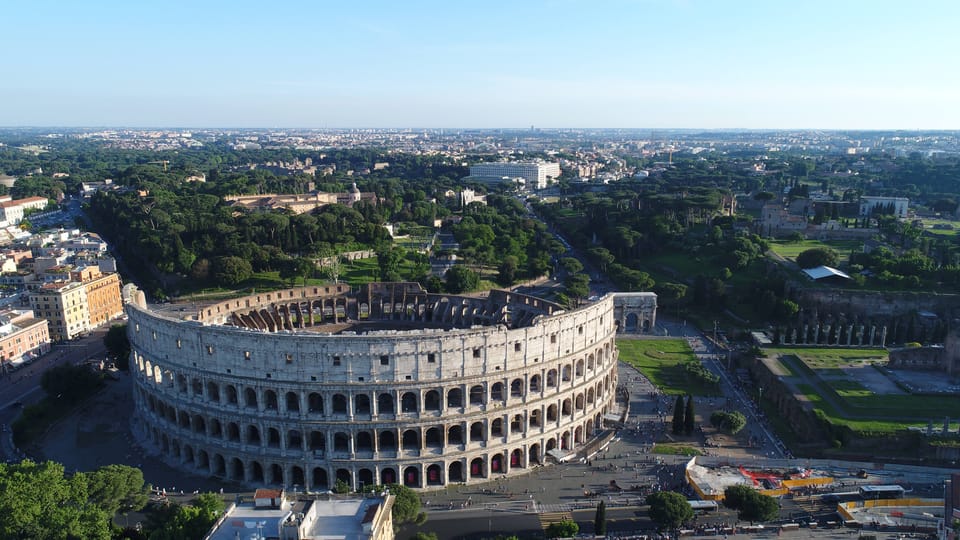
A standout moment is walking through the Libitinaria Gate of Death. The gate name alone grabs your attention, but what makes it effective on this tour is the context: you’re shown the route and explained how people were moved into the arena system.
This is where the tour’s “story-first” approach really works. You’re not just walking through an entrance. You’re stepping into a sequence that connects doors, spectacle, and the public nature of Roman violence. It’s the difference between visiting a monument and reading it like a map.
From there, you’ll stand where fighters and officials would have made decisions and faced opponents. The tour brings in the drama of what Roman crowds came for—violent confrontations with animals and condemned criminals, and the kinds of games the Romans enjoyed most. You’ll come away with a clearer sense of how the arena functioned as a stage.
Where the emperor would be perched and why it matters for your viewpoint
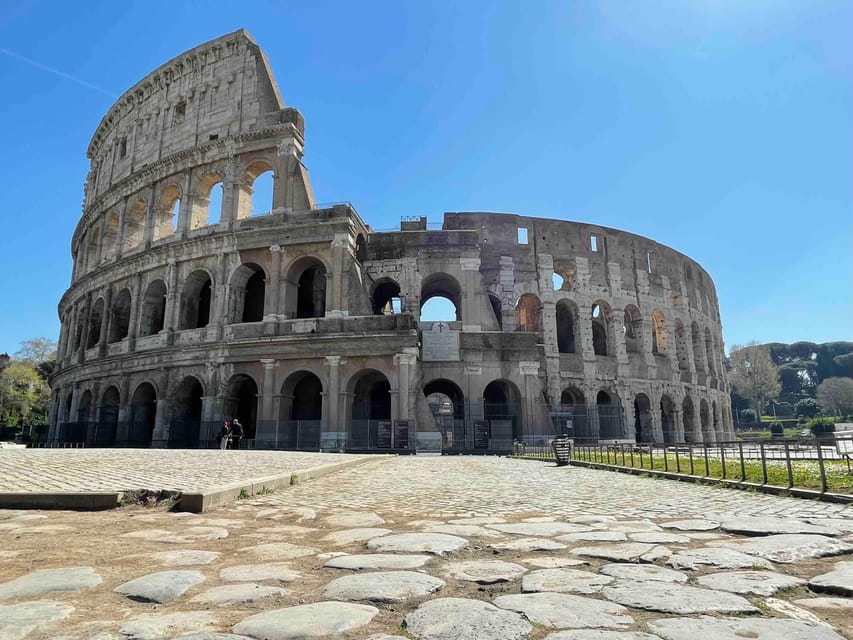
Another reason this tour feels more alive than a standard “see the highlights” stop is how it explains leadership and viewing positions. The guide points out where an emperor would be perched, high above the arena floor, ready to decide the fate of a gladiator as the crowd watched.
That detail helps you orient yourself. It gives you a mental “control room” viewpoint: you start thinking about who had authority, who was judging, and how the space supported decision-making. When you look out from different points, you’ll understand why certain areas were important instead of just noting that they exist.
It also makes your walk-around feel purposeful. You’re not wandering the circumference for its own sake—you’re using movement to understand layout and power.



The circumference walk: practical photo tips that save your time
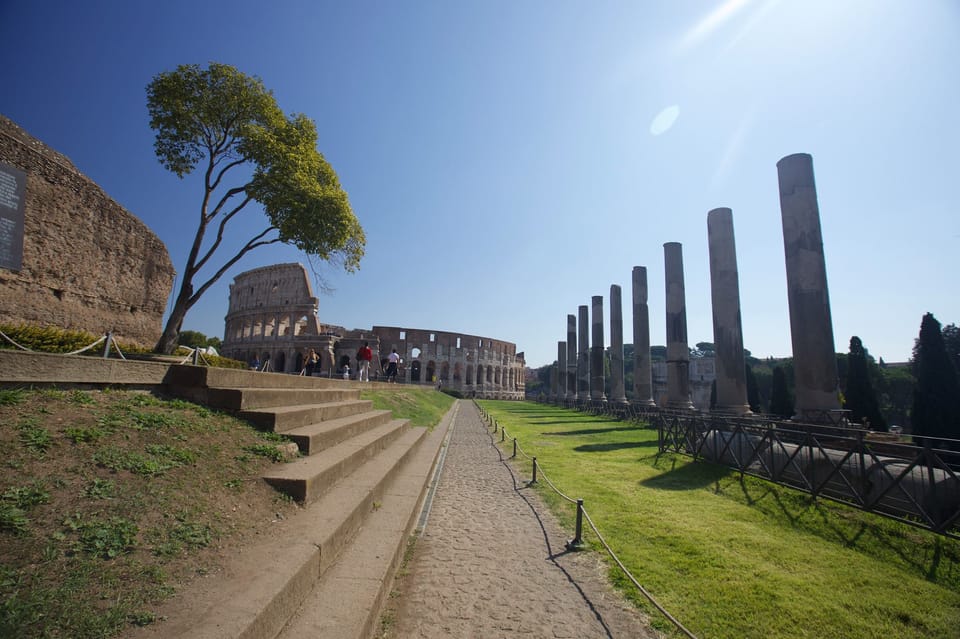
The tour includes guidance on where to capture a perfect picture. You’ll walk the circumference of the Colosseum while the guide indicates angles and viewpoints that tend to work well.
If you care about photos, this is the part you’ll appreciate most. In Rome, you can spend half your time searching for the “right” spot. Here, you get a path with suggested angles built in, plus moments to pause and ask questions.
One practical comfort tip pulled from strong past experiences: good guides manage pacing with the sun in mind and will find stretches of shade when possible. Even when the monument is open and bright, you’ll often feel like the tour is aware of the real-world conditions.
Roman Forum and Palatine Hill access: what you gain after the 1.5 hours
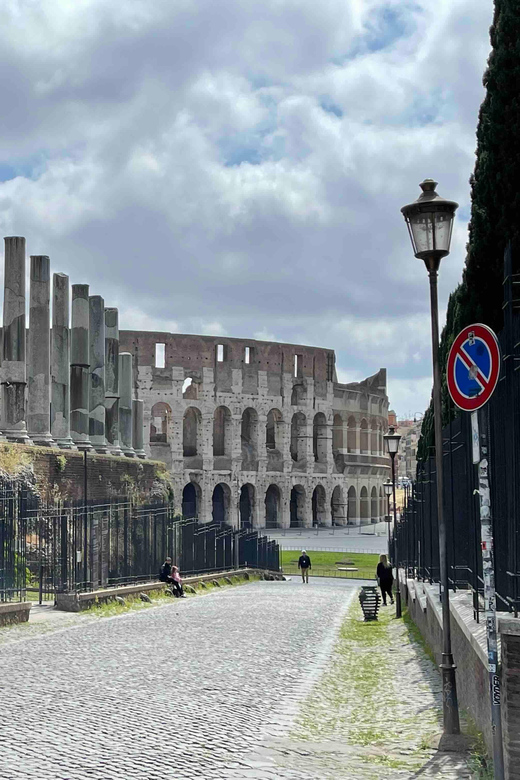
Here’s the value add that makes this feel like more than just a Colosseum tour. Your ticket includes full access for the Roman Forum and Palatine Hill. That doesn’t mean the Forum and Palatine are guided in this specific experience, but it does mean you can plan a connected day without buying another admission later.
This is ideal if you like continuity. The Colosseum sits at the edge of Rome’s political and elite landscape, so it’s satisfying to move from spectacle to power and back again the same day. The tour’s focus sets you up to notice details in the broader area with fresh context.
Because timing is strict for the Colosseum portion, I recommend you treat the Forum/Palatine as your flexible landing zone afterward. Use it to stretch your legs, slow down, and connect what you just learned to what you see next.
Price and logistics: where the $50 value really comes from
The price is listed as $50 per person, and the included pieces matter. You get a professional English-speaking guide, headsets, and an entry ticket for the accessed areas. The pricing setup also acknowledges that the Colosseum admission itself has a fixed adult fee (16€) plus a 2€ booking fee, while the rest covers the licensed guiding and tour services.
So what are you paying for, beyond the entrance? You’re paying for:
- a guided route that helps you understand what you’re seeing
- arena-level access that most casual visits never reach
- clear audio with headsets
- guidance on photo angles and key viewpoints
- the added Forum/Palatine access ticket, which can save you from another ticket purchase later
Is a cheaper self-guided option tempting? Sure. If your goal is only to enter and wander, you might feel you can do it on your own. But if you want the building’s layout and story explained while you’re actually inside the space, the guided approach is usually what makes the Colosseum feel worth your time.
One caution: if you’re trying to squeeze in lots of other timed bookings later, build in buffer. Tour timing can vary, and you don’t want to gamble with a dinner reservation that shares the same tight window.
What to bring, what not to bring, and how to avoid common mistakes
Keep your packing simple. You’ll need a passport or ID card (a copy is accepted), and you should avoid luggage or large bags. Backpacks also aren’t allowed.
This isn’t just fussiness. In a crowded historic site, having a bag policy that limits what you carry can speed up entry and help you move through controlled areas without delays.
Also, make sure you provide the full names of all travelers when booking, matching what’s on IDs. And if you book separately from friends or a partner, you may not end up in the same group—even if you pick the same time slot. If you’re traveling as a unit, book together in one reservation if possible.
Who this Colosseum arena tour suits best (and who should choose a different plan)
This tour fits you well if you want:
- Arena access and a route that tells you what you’re standing on
- a guided story that explains games, matchups, and how the crowd’s viewing worked
- a clear plan for the Colosseum plus Forum and Palatine access for afterward
It may feel less ideal if you:
- want only a casual walk with no structure
- need a fully flexible schedule that ignores strict timing
- rely on wheelchair access or need accommodations for mobility impairments (this one is not suitable)
It’s also a strong option for families and mixed-age groups, since many guides handle questions well and keep the explanations paced for different attention spans. If you’re traveling with kids, the arena setting plus story framing tends to do better than reading plaques alone.
The practical bottom line: book this if you want the Colosseum to make sense
Should you book it? I’d say yes if you’re visiting the Colosseum once and want it to feel readable. Arena access is the upgrade, headsets help you follow the narrative, and the Forum/Palatine access ticket turns the day into a connected route instead of two separate purchases.
I’d think twice if you’re on a shoestring and just want to get inside somehow. Also, if you’re sensitive to strict check-in times, this tour demands punctuality. And if accessibility needs apply, you’ll want to choose a different Colosseum option.
If you pick this tour, arrive early, travel light, and give yourself a little breathing room after. Done right, you’ll walk out not only impressed, but also able to picture the people, doors, and decisions that made the arena run.
FAQ
Where do I meet for the tour?
Meet at Via dei Fori Imperiali, 25, 00186 Rome (RM), in front of the Tourist Information Point at Fori Imperiali.
What time should I arrive before the tour?
You must be at the meeting point for check-in at least 30 minutes prior to the tour departure time.
How long is the tour?
The tour duration is 1.5 hours.
Is the tour guide English-speaking?
Yes, the live tour guide speaks English.
Are headsets included?
Yes, headsets are included so you can hear your guide clearly.
Does this tour include Roman Forum and Palatine Hill?
You get a full access ticket for the Roman Forum and Palatine Hill, but they are not covered as a guided tour within this experience.
What tickets or entry are included?
The included entry ticket covers the accessed areas for the Colosseum tour.
What do I need to bring?
Bring a passport or ID card. A copy is accepted.
Can I bring luggage or a backpack?
No. Luggage, large bags, and backpacks are not allowed.
Is it refundable?
This activity is non-refundable.
Is the tour suitable for wheelchairs or mobility impairments?
No. It is not suitable for people with mobility impairments or wheelchair users.
Any notes about names for booking?
You need to provide full names of all travelers when booking as per IDs. If booked separately, you may not be placed in the same group.