REVIEW · ROME
Rome: Barberini Palace Guided Tour
Book on GetYourGuide →Operated by Doooing · Bookable on GetYourGuide
Two hours, and the art politics click. This Palazzo Barberini guided tour turns the Barberini family story into something you can see, with major works by Raphael and Caravaggio. I especially like the way the guide connects art to political and religious changes that shaped what artists made, and I like the focus on face-to-face masterpieces like Raphael’s La Fornarina.
I also love that the tour mixes painting and architecture, so you don’t just stare at frames—you start noticing how the building itself carries ideas. One possible drawback: on certain dates, key works or rooms won’t be on view, like Caravaggio’s Judith Slaying Holofernes during its loan period, and the 18th-century rooms closing from late August.
In This Review
- Quick Take: What’s Really Good Here
- Entering Palazzo Barberini: A 2-Hour Art Lesson in Rome
- Finding the Meeting Point (Via delle Quattro Fontane, Blue Flag Included)
- Skip the Ticket Line, Keep Your Bag Small
- The Barberini Story: Why the Family Matters to What You See
- Raphael’s La Fornarina: The Renaissance Face-Off
- Caravaggio’s Judith: Dates Matter (On Loan Period)
- Pietro da Cortona’s Divina Provvidenza Ceiling: How to Look Up
- Holbein, Tintoretto, Bernini, and Borromini: Big Names, Better Framing
- The Seasonal Stops: Conversione di Saulo and the Art That May Disappear
- Nearby Sights During the Tour: Landmarks and Smaller Corners
- Language Options and Group Size: Why It Feels Personal
- Price and Value: When It’s Worth Paying for a Guide
- Who This Tour Suits Best
- Should You Book the Rome Barberini Palace Guided Tour?
- FAQ
- How long is the Rome: Barberini Palace Guided Tour?
- Where is the meeting point for the tour?
- What languages are available for the live guide?
- Does the tour include skip-the-ticket-line entry?
- Is the tour wheelchair accessible or suitable for mobility impairments?
- Are luggage or large bags allowed?
- Is there free cancellation?
- Are there any important dates when artworks or rooms won’t be on display?
Quick Take: What’s Really Good Here
- Small-group feel (max 20) with a live guide speaking Spanish, Italian, or English
- Raphael to Caravaggio to Baroque ceiling painting all in one 2-hour plan
- Pietro da Cortona’s Divina Provvidenza ceiling is the kind of stop where you’ll want to look up and slow down
- Bernini and Borromini architecture makes the palace feel like part of the artwork
- Seasonal changes: Caravaggio may be off display, and some rooms close for maintenance
Entering Palazzo Barberini: A 2-Hour Art Lesson in Rome
This tour is built for people who want real context, not just names. In two hours, you get guided viewing of works connected to the Barberini family and their influence on art and culture. The guide frames what you’re seeing through the bigger shifts happening in Italy at the time, including political and religious changes that affected commissions and themes.
The practical win is that it’s timed and focused. You’re not wandering room to room with no anchor. Instead, you’re led through the palace’s highlights and taught how to read what you see—subjects, style, and what the choices may have meant.
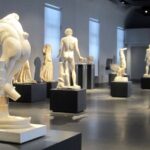
Also, the palace setting matters. Even when the art is the star, you’re experiencing it inside a place that was built to impress. That’s why this works better than a quick “check-the-list” visit.
You can also read our reviews of more guided tours in Rome

Finding the Meeting Point (Via delle Quattro Fontane, Blue Flag Included)
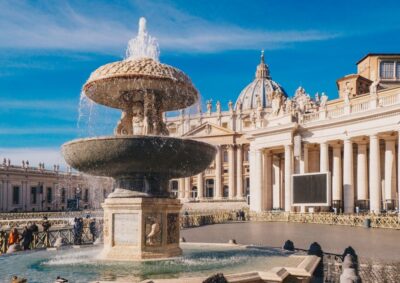
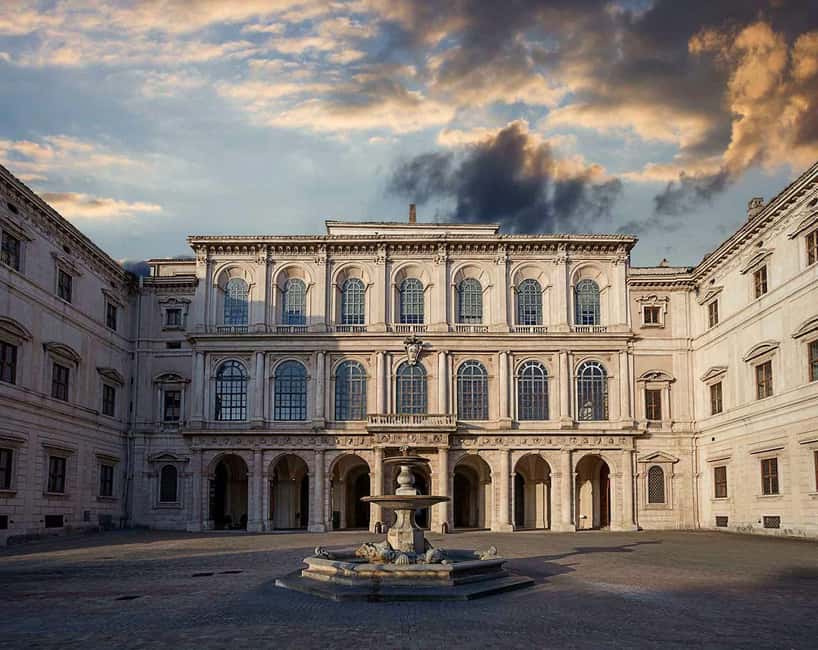
Meeting point location is straightforward and central: inside the garden of Palazzo Barberini, around the fountain, at Via delle Quattro Fontane, 13, 00184 Roma. Your staff will be waiting with a blue flag that says Doooing Experience.
This matters more than it sounds. Rome has lots of entrances and lots of look-alike courtyard setups. If you show up late or hover outside, you can waste part of your 2-hour window trying to locate the group.
Tip from the practical side: go to the meeting point early enough to settle in before the tour starts, especially if you’re combining this with other sights nearby. Also, since the tour is guided and timed, plan to stay with the group once you meet up.
Skip the Ticket Line, Keep Your Bag Small
The tour includes skip-the-ticket-line entry, which is a big deal in central Rome. You save time and you avoid the “stand around while everyone else loads in” feeling.
There’s also a clear rule: no luggage or large bags. If you’re traveling light, you’ll feel better. If you’re carrying bigger bags, you may need to rethink what you bring for the day.
Finally, plan around the fact that the tour isn’t suitable for mobility impairments or wheelchair users. That doesn’t just mean “slow walking.” It means you should expect physical movement and positioning that may not work comfortably for everyone.
The Barberini Story: Why the Family Matters to What You See
A big reason this tour earns strong ratings is that it gives you more than a parade of masterpieces. You’re guided through the history of the Barberini family and how they influenced art and culture. Then the guide connects that influence to what artists were working on, and to the political and religious currents of the time.
This is where the better guides—like Zenda, who helped bridge art and architecture to historical time periods—make a difference. You’re not only learning what the works are. You’re learning why those works appeared in this kind of setting, and how the palace becomes part of the message.
When you understand the patronage angle, you start noticing details you’d miss otherwise. Even if you’re not a hardcore art person, you’ll find yourself asking better questions: Why this subject? Why this dramatic style? Why here?
Raphael’s La Fornarina: The Renaissance Face-Off
One of the tour’s anchor moments is Raphael’s La Fornarina. It’s described as an iconic Renaissance masterpiece, and on a guided tour, that label becomes useful. The guide helps you look past the famous name and understand what you’re seeing in the context of Renaissance art.
La Fornarina is a stop where the guide’s pacing matters. You’ll likely spend enough time to actually notice composition, expression, and how the painting fits into the larger artistic story of the palace.
Why I think this is a smart choice for a first-time museum visitor: Raphael is recognizable, but this isn’t “look at a famous painting and move on.” With guidance, you can see how Renaissance choices differ from what comes next in the tour—especially when the themes and styles shift toward Baroque drama.

Caravaggio’s Judith: Dates Matter (On Loan Period)
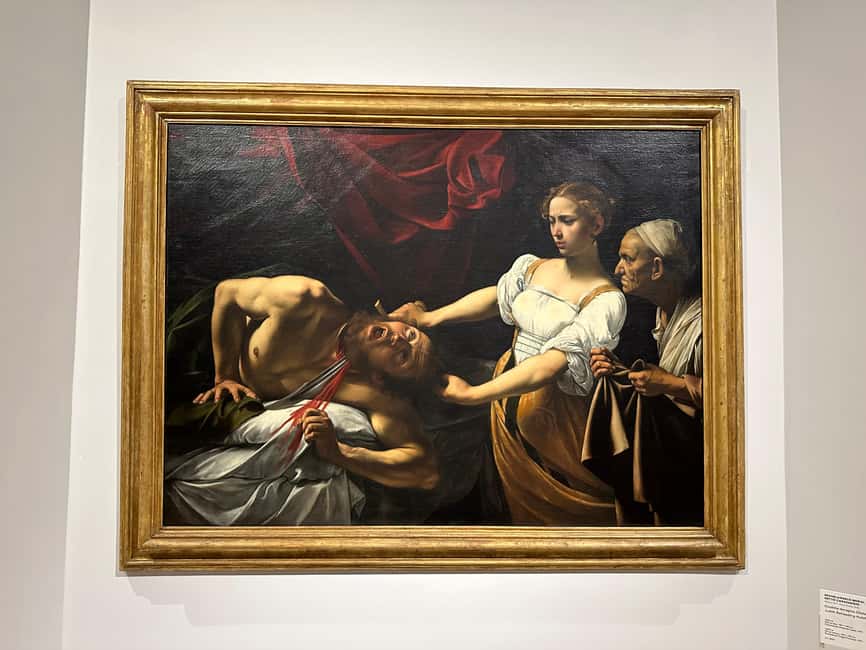
Caravaggio fans should pay close attention to dates here. The tour highlights Caravaggio’s Judith Beheading/Slaying Holofernes, described as intense and dramatic. But the important part is that the painting won’t be on display for certain dates.
Specifically, starting September 4, Judith Slaying Holofernes will not be on display until January 31, 2026, because it’s on loan to the KAM Art Museum in Fort Worth, Texas. The tour also notes that it will not be available from the end of August 2025 until January 2026, so the “gap window” is worth checking before you plan around it.
If your trip falls in that loan period, don’t assume you’ll get a full Caravaggio moment. You’ll still get the broader tour and other major works, but this specific highlight may be missing. If Caravaggio is your top reason for booking, build your dates around the on-view window.
Pietro da Cortona’s Divina Provvidenza Ceiling: How to Look Up
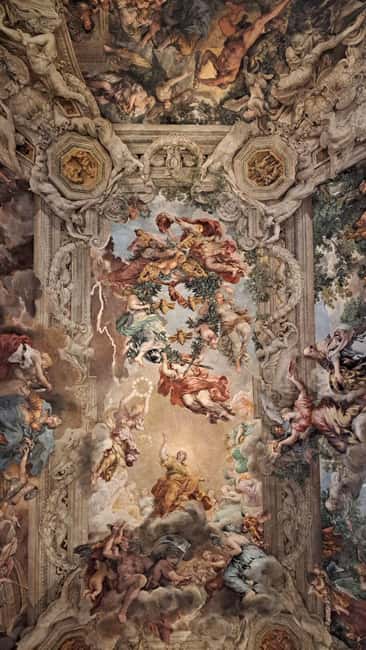
Then you get a real Baroque wow moment: Pietro da Cortona’s Divina Provvidenza ceiling fresco. This is listed as a Baroque masterpiece, and the “ceiling” detail changes the whole experience. You’re not just viewing art at eye level. You’re looking up, staying attentive, and taking in the bigger visual structure of the room.
Why this works on a guided tour: the guide can point out how to read a ceiling scene as a whole, instead of treating it like a random assortment of figures. It’s the kind of stop where you’ll probably slow down without realizing it.
Even if Baroque art isn’t your usual style, this ceiling moment gives you a reference point for the rest of the palace’s vibe. It’s drama, movement, and persuasion—all in paint, and all built to be experienced on location.
Holbein, Tintoretto, Bernini, and Borromini: Big Names, Better Framing
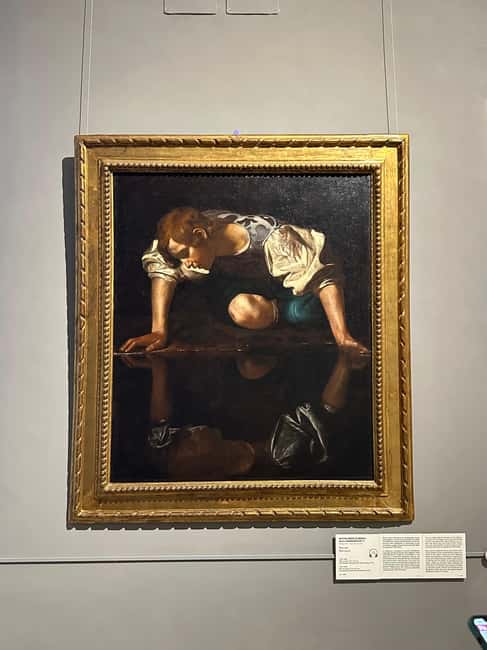
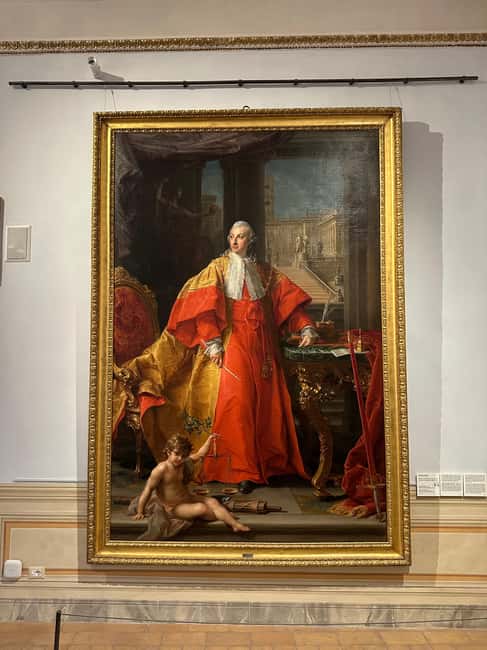
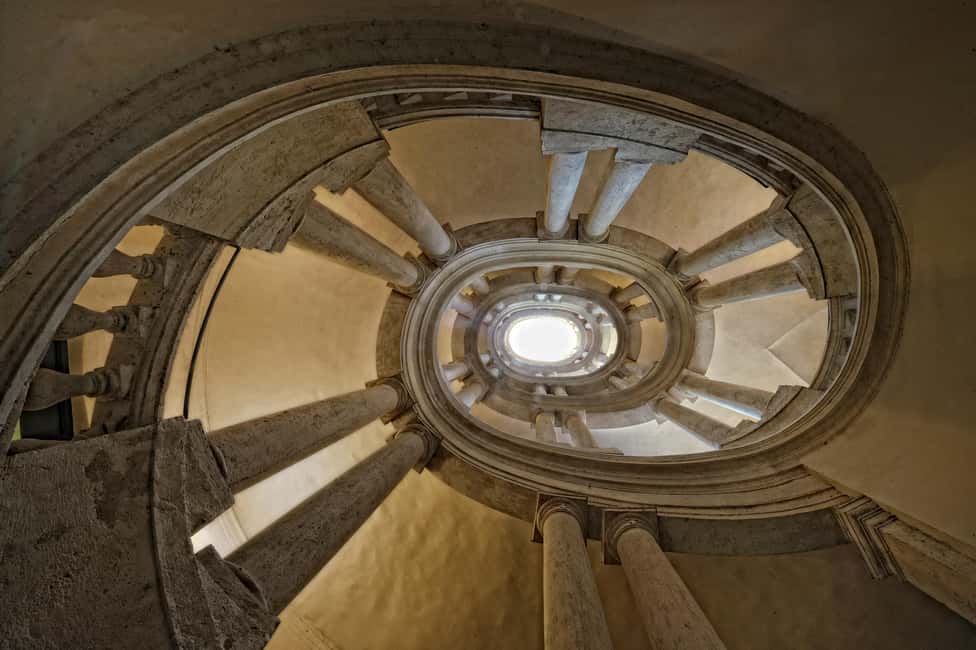
The collection also includes works by Holbein and Tintoretto, and the architectural focus ties in the genius of Bernini and Borromini. The tour positions these artists as part of a larger conversation—how art and architecture worked together in that world.
Here’s what I like about this approach: it doesn’t treat the palace like a storage unit for famous art. Instead, it frames the works and the building as linked. When you go from major painting names to the palace’s architecture, you start seeing recurring ideas: power, spectacle, religious themes, and the visual language of influence.
This is also where the guide’s skill shows up. If you get a guide like Federica, who was praised for introducing both history and architectural beauty with energy and care, you can walk out feeling like you actually understood the place—not just collected facts.
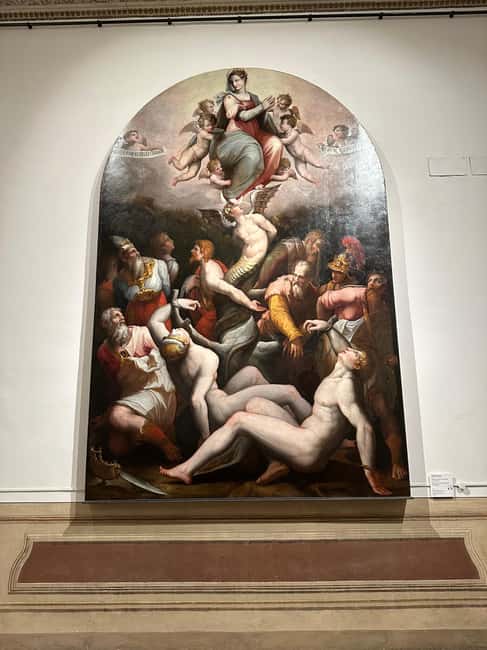
The Seasonal Stops: Conversione di Saulo and the Art That May Disappear
Two special timing notes can make a real difference to your experience.
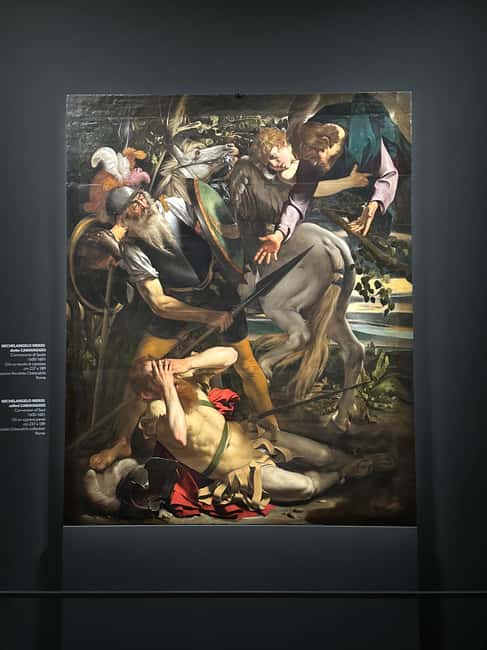
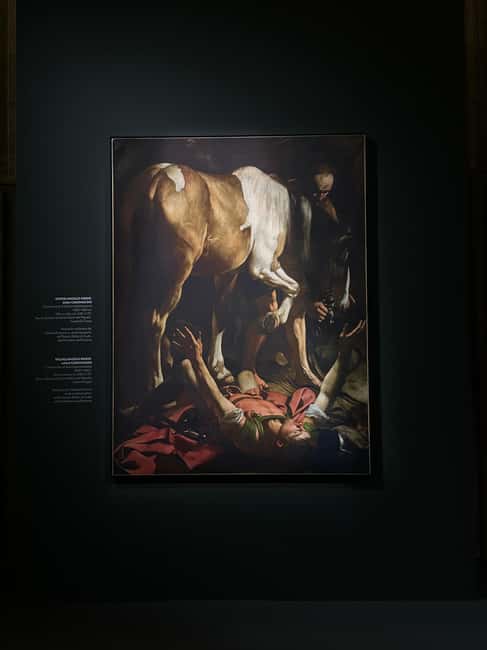
First, Conversion on the Way to Damascus (Conversione di Saulo), which is part of a private collection, will be exceptionally exhibited in the palazzo until September 30, 2025. If you’re there before that date, you’re getting a rare chance to see that work as part of the show.
Second, starting August 26, the palace’s 18th-century rooms will be temporarily closed to the public, with a reopening on October 21. This doesn’t mean the whole tour falls apart, but it does mean your viewing may be focused on what remains available.
If you’re planning a trip around specific highlights, check your dates first. These changes are exactly the kind of thing that turns a “mostly great” visit into a “perfect match.”
Nearby Sights During the Tour: Landmarks and Smaller Corners
The tour also includes time for famous landmarks and smaller sights around the city. The exact spots aren’t detailed in the info here, but the purpose is clear: you’re not only learning inside the palace. You’re getting a sense of how central Rome’s major visual story connects back to the kind of patronage and art that shaped this period.
This is a good use of the 2-hour slot. It keeps you from feeling trapped indoors, and it helps you build bearings fast when you continue exploring on your own afterward.
Language Options and Group Size: Why It Feels Personal
The guide is live, and languages offered are Spanish, Italian, and English. That’s a big practical plus if you’re traveling with people who don’t all speak the same language.
The maximum group size is 20, which helps the experience feel less chaotic. In a smaller group, the guide has more room to explain things clearly and respond to what you’re noticing.
Also, the guide format matters. This is not an audio app tour. It’s a real person guiding you through the story behind the works, including the political and religious changes that shaped them.
Price and Value: When It’s Worth Paying for a Guide
I can’t quote a price from the details provided, but I can tell you what drives value here.
You’re paying for:
- Expert context tied to major works and the Barberini legacy
- Skip-the-ticket-line for time saved
- A short format (2 hours) that packs in major artists and architecture
If your style is to see fewer things but understand them, this is a good fit. If you prefer total freedom and like to wander with a guidebook only, you might find you’re paying for structure you could do on your own.
The seasonal closures and Caravaggio loan period also affect value. If a highlight is off-view during your dates, the tour is still meaningful, but your personal “must-see” list should drive your planning.
Who This Tour Suits Best
This tour is ideal if you want:
- A guided explanation that connects art to the world that produced it
- A mix of painting and architecture, not just one type of attraction
- A manageable time block: 2 hours
It may not fit if you need wheelchair access or have mobility limitations, since it’s marked as not suitable for those needs.
Should You Book the Rome Barberini Palace Guided Tour?
Book it if you want a structured, high-impact look at Raphael, Caravaggio (depending on dates), Baroque ceiling painting, and the Bernini/Borromini architectural story—all with a live guide who puts the works in context. It’s also a strong choice if you like understanding how power and belief show up on walls and ceilings.
Don’t book it blindly if Caravaggio’s Judith is your top target. Check the September 4 to January 31, 2026 off-view window and the late August 2025 note, plus remember the 18th-century rooms closure from August 26 to October 21. If your dates line up with what’s on view, you’ll get the full “greatest-hits” feeling this tour is designed to deliver.
FAQ
How long is the Rome: Barberini Palace Guided Tour?
It lasts 2 hours.
Where is the meeting point for the tour?
Meet inside the garden of Palazzo Barberini, around the fountain, at Via delle Quattro Fontane, 13, 00184 Roma RM. Staff will be waiting with a blue flag that says Doooing Experience.
What languages are available for the live guide?
The tour is available in Spanish, Italian, and English.
Does the tour include skip-the-ticket-line entry?
Yes. It includes skip-the-ticket-line access.
Is the tour wheelchair accessible or suitable for mobility impairments?
No. It is not suitable for people with mobility impairments or for wheelchair users.
Are luggage or large bags allowed?
No. Luggage or large bags are not allowed.
Is there free cancellation?
Yes. You can cancel up to 2 days in advance for a full refund.
Are there any important dates when artworks or rooms won’t be on display?
Yes. Starting August 26, the 18th-century Rooms of Palazzo Barberini close to the public until October 21. Starting September 4, Caravaggio’s Judith Slaying Holofernes is not on display until January 31, 2026. Conversion on the Way to Damascus (Conversione di Saulo) is shown in the palazzo until September 30, 2025.