REVIEW · ROME
Rome: Colosseum Underground and Arena Floor Tour
Book on GetYourGuide →Operated by Buonjorno Tours Ltd · Bookable on GetYourGuide
That hidden level under the Colosseum is the real show. This Rome Colosseum underground and arena floor tour takes you past the usual sightlines into gladiator corridors and chambers, then hands you tickets to keep going in the Roman Forum.
I especially like two things. First, the underground chambers and gladiator passageways make the building feel like a machine built for spectacle. Second, walking on the arena floor turns the scale from impressive on paper into something you feel in your body.
One consideration: you still need a valid ID to enter, and you cannot bring large bags or anything sharp. It is also not wheelchair accessible, so plan around that before you fall in love with the idea.
In This Review
- Key takeaways: What makes this Colosseum Underground and Arena Floor tour special
- Why the underground portion changes everything
- Entering the Colosseum: ID checks and how to avoid delays
- Underground chambers: gladiator corridors and the machinery of spectacle
- The arena floor: standing where the action started
- Roman Forum and Palatine Hill tickets: the perfect follow-up
- Daytime versus evening: which should you choose?
- Price and value: what you are really paying for
- Tour flow: what the day feels like in real time
- Who should book this Colosseum underground and arena floor tour
- FAQ
- FAQ
- How long is the Colosseum Underground and Arena Floor Tour?
- Does the tour include access to the Roman Forum?
- Is Palatine Hill included?
- What languages are the guides?
- Do I need ID to enter?
- What items are not allowed?
- Is the tour wheelchair accessible?
- Do you recommend bringing a cell phone?
- Should you book this tour?
Key takeaways: What makes this Colosseum Underground and Arena Floor tour special
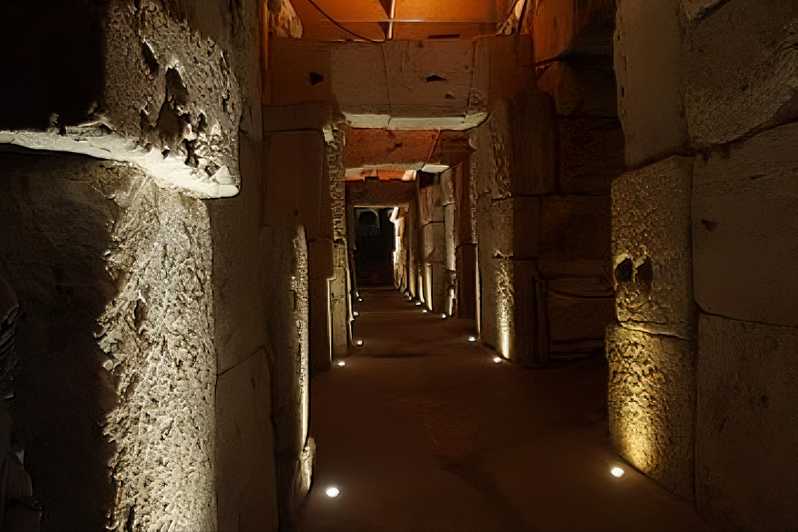
- Off-limits access to underground chambers and gladiator passageways that are usually closed
- Arena floor time so you can stand where animals and gladiators would have been staged
- Roman Forum + Palatine Hill tickets included after your Colosseum portion
- Day or evening options let you pick the vibe, with the night tour getting high praise
- Strong guide support, including staff who helped guests find the meeting point when needed
- ID-first entry rules and no large bags mean you should pack light
Why the underground portion changes everything
The Colosseum is famous for its size, but its underground network is what makes it believable. Once you step into those lower areas, you start seeing how people, props, and even animals moved to reach the main arena.
You get a guided look at the Colosseum as a working system, not just a monument. The tour also brings the human side into focus: gladiators, enslaved workers, and the logistics behind the spectacle. That context is what keeps you from treating the stop as a photo break.
You can also read our reviews of more tours and experiences in Rome.

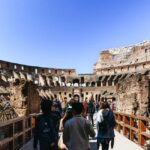
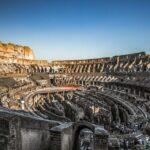
Entering the Colosseum: ID checks and how to avoid delays
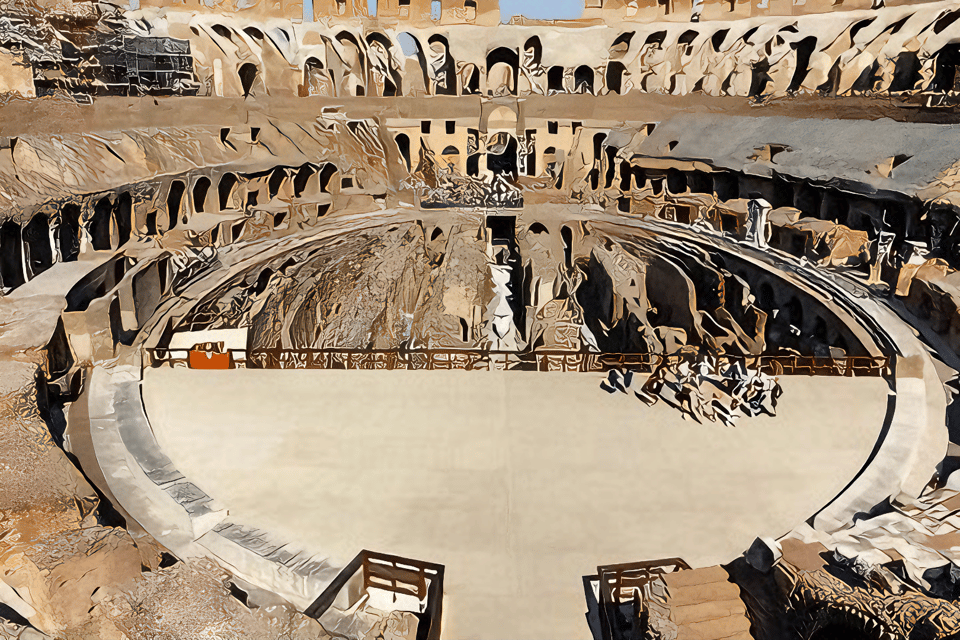
Plan on a pretty strict entry setup. You need a valid ID card or passport (a copy is accepted), and a scanned picture of your ID or passport can work. Bring it and keep it easy to reach, because you do not want to waste time at the door.
You should also pack light. Weapons or sharp objects are not allowed, and luggage or large bags are not allowed either. If you are carrying a bulky backpack, you may have to adjust, so I recommend a small day bag you can keep under control.
One small but practical tip: bring a cell phone. The meeting point can vary by option, and one review highlighted that guides were actively searching for a guest who missed the exact spot. Having your phone ready makes it much easier to stay connected in a crowded area.
Underground chambers: gladiator corridors and the machinery of spectacle
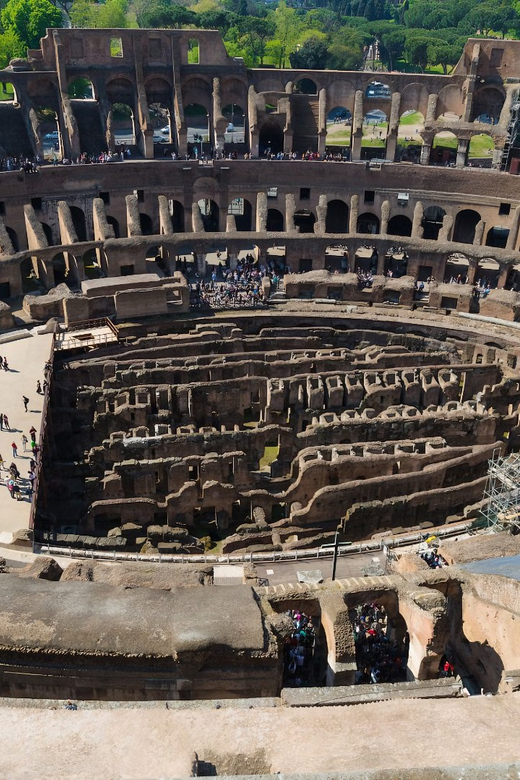
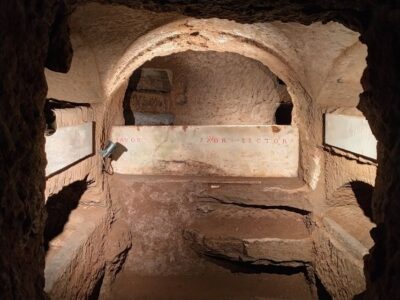
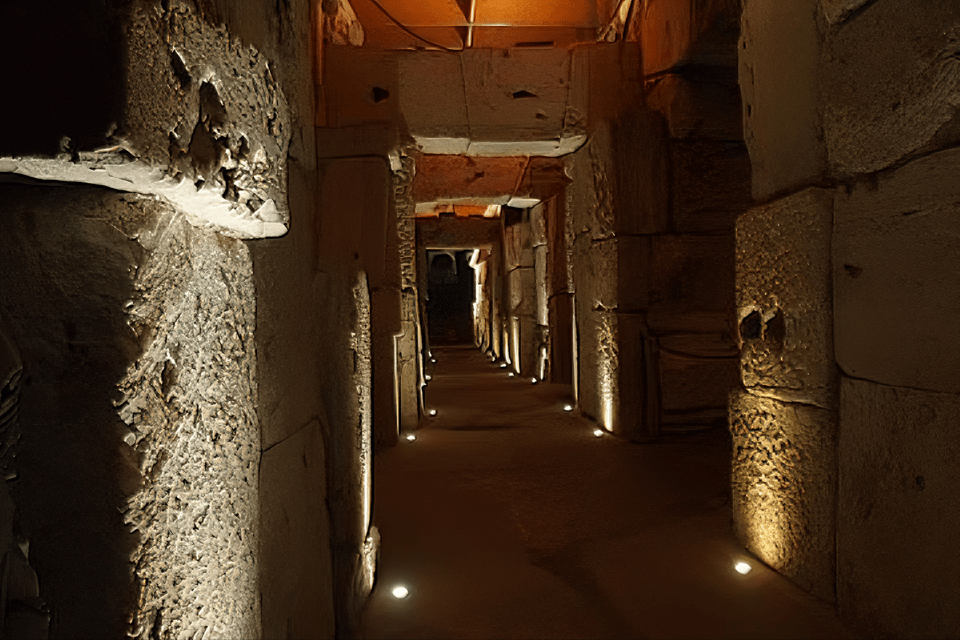
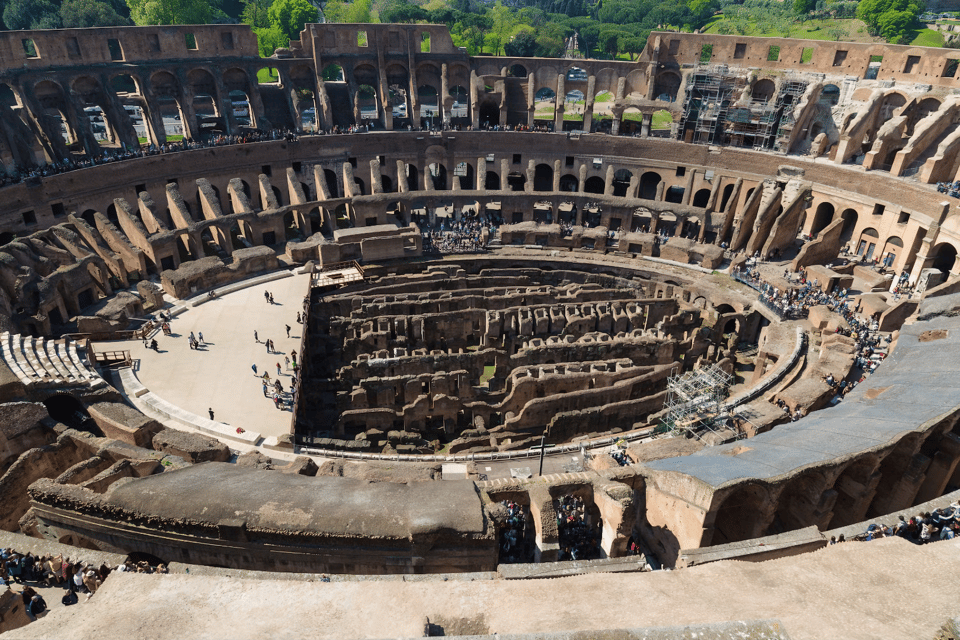
This tour is built around what most visitors never see: the underground chambers and gladiator passageways. You are not just looking down at ruins. You are walking in the spaces that helped stage the show.
In those lower corridors, the Colosseum stops feeling like a static landmark. You start to understand how the building was organized so people could move behind the scenes. You also get stories tied to what the spaces were used for, including tales of gladiators and enslaved workers who supported the events.
A detail I like in particular is the way the tour connects the underground level to what happened above it. Animals being transported to the arena’s main level is part of the explanation, which helps you visualize the full chain of events rather than one dramatic moment.
Expect a guided flow, not a self-guided wander. That is a good thing here, because the layout below can feel confusing if you are trying to figure it out on your own.
The arena floor: standing where the action started
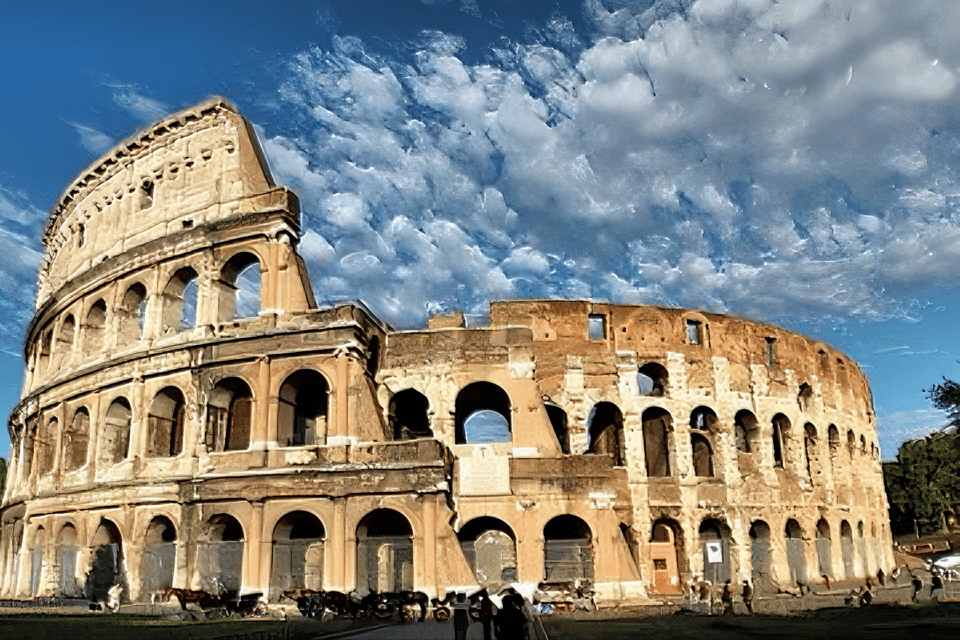
Walking onto the arena floor is the moment that most people remember. It is one thing to see the arena from the stands; it is another to stand at the level where spectacle had to be arranged quickly and precisely.
When you are down on the floor, the Colosseum’s scale snaps into focus. You get a stronger sense of distance and height, plus the way the space funnels attention back toward the main seating areas. The whole place starts to feel like it was designed to control sightlines.
This is also where the underground stories pay off. You can almost connect the corridors to the floor, even if you do not see every part of the system. The guided narrative helps you turn the walk into understanding.
If you are traveling with someone who wants “only the must-dos,” this is the line item that earns its spot on the itinerary.
Roman Forum and Palatine Hill tickets: the perfect follow-up
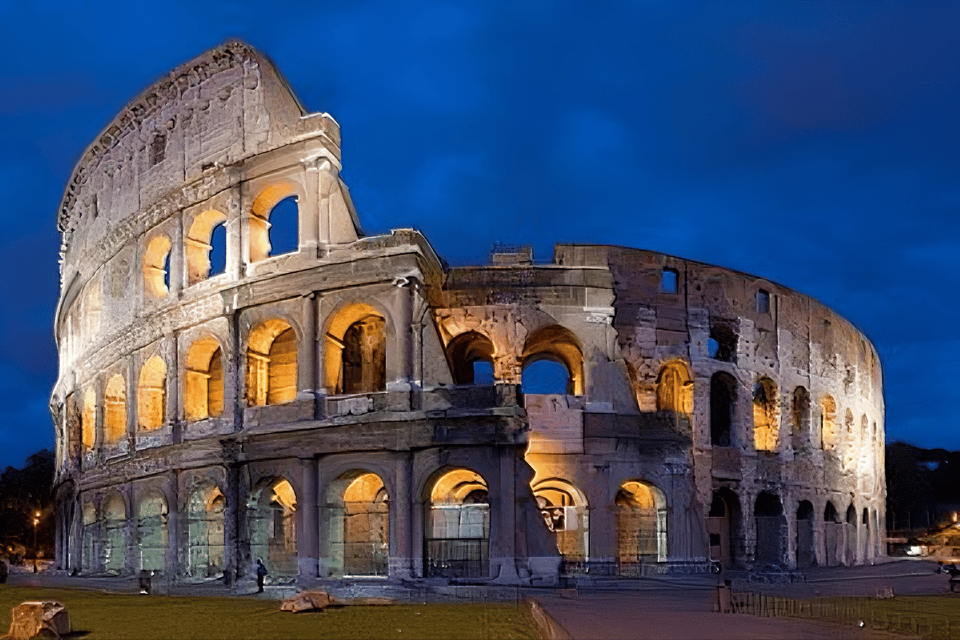
After your guided Colosseum portion, you receive tickets so you can explore the Roman Forum area at your own pace. This is a smart pairing because the Colosseum is the symbol of imperial spectacle, while the Forum is where the Roman state did its daily work.
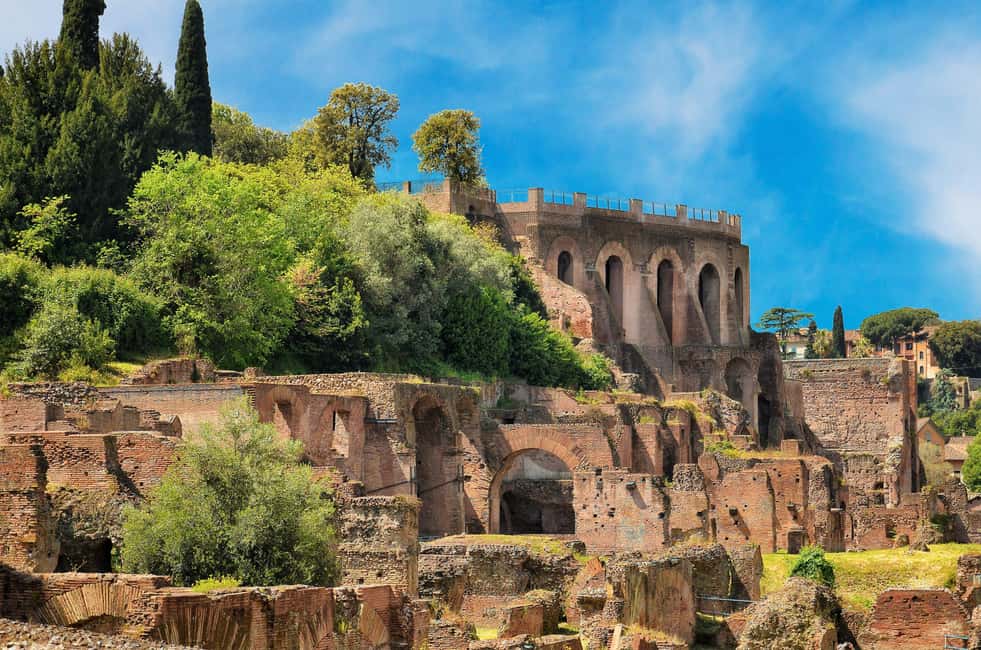
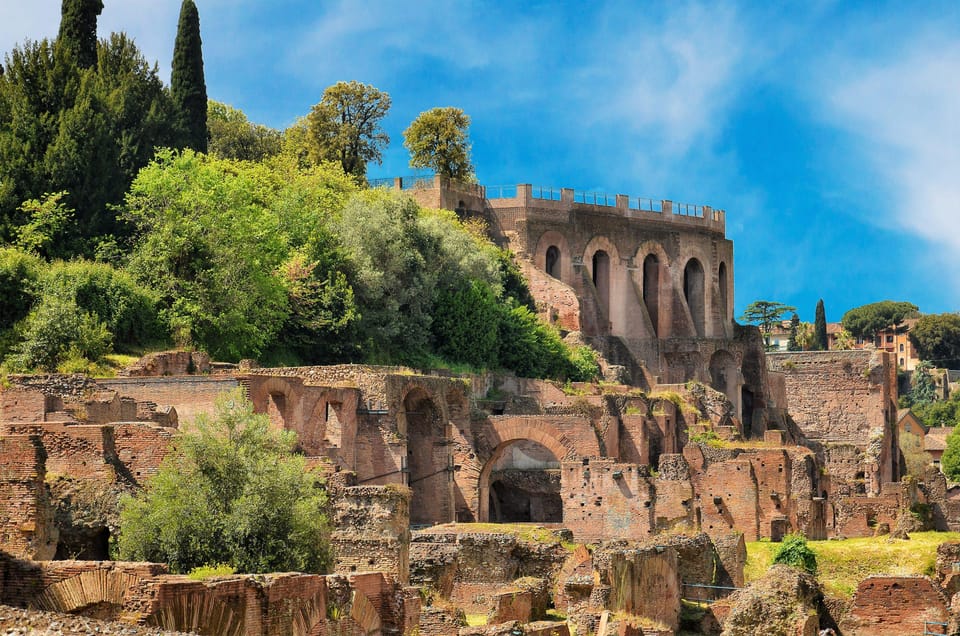
You can walk among temples, meeting places, and triumphal arches, and the guide’s context sets you up to notice details you might otherwise skip. The Forum is described as the political, social, religious, and economic heart of the Roman Republic, and you can feel that layered importance as you move through the space.
Palatine Hill is included in the tour’s highlights, and if you have time, it is a great way to extend the theme of power and Rome’s core identity. The key is that the Forum portion is self-paced, so you can slow down where something catches your eye.
One good way to use the extra time: pick a few anchors (a temple area, a central plaza, a big arch), then let the rest of the walk fill in around them. Your tickets give you that flexibility.



Daytime versus evening: which should you choose?
You can do this tour in either a daytime or evening time slot. The night version stands out in the feedback, with at least one guest saying they loved it and another highlighting how moving the Colosseum felt.
Evening can make sense if you like a mood shift. The Colosseum is dramatic any time, but at night you tend to notice the space differently, especially when the focus is on the under-level spaces and passages rather than only the bright exterior.
Daytime can be the easier option for families or anyone who prefers clearer visibility for the complex passageways. If you get easily turned around in busy places, a daytime slot may help you feel steadier.
If you are unsure, choose based on your energy level and the rest of your day. The actual tour time is 1 to 1.5 hours, but the Forum add-on can stretch your overall experience if you stay curious.
Price and value: what you are really paying for
Because the Colosseum and Forum can be ticketed in different ways, the real question is what this tour bundles together for you.
You are paying for:
- Guided access to areas that are typically off-limits (underground chambers and gladiator passageways)
- Arena floor access so you can physically experience the space
- Roman Forum and Palatine Hill tickets after the Colosseum
That bundle matters. If you tried to stitch it together on your own, you would likely spend time figuring out separate tickets and confusing entry routes. Here, the guide provides the entry tickets on the day of the tour, which reduces friction.
One review did call out value concerns, saying the tour price felt about twice the official site price. That is a fair warning: if you are very price-sensitive, compare the all-in cost versus booking only the Colosseum and Forum separately. This tour can be a great deal for the experience, but you should make sure it aligns with your budget.
Tour flow: what the day feels like in real time
Think of this as two halves: a guided sprint through the Colosseum’s hidden spaces, then a slower, self-guided Roman Forum walk.
The Colosseum portion is short on purpose. It is designed to get you through the underground areas and the arena floor without turning the visit into a long, exhausting maze. You spend your limited time where the access is most unique.
Then the pace changes. At the Forum, you get tickets and can explore at your own speed. That means you can pause for photos, read signs longer, or choose to focus on one section instead of feeling rushed by the group.
If you like structure, this balance works well. If you prefer complete independence, you may find yourself wishing for more time in each area, especially on the Colosseum underground route. But you will still get the core value: access and context.
Who should book this Colosseum underground and arena floor tour
This tour is a great fit if you:
- Want more than the standard Colosseum photo stops
- Like guided storytelling that explains what you are seeing
- Care about being in the spaces tied to gladiator passages and staging logistics
- Plan to spend extra time in the Roman Forum afterward
It is also a strong choice for first-time visitors who want a highlight-heavy introduction. You get the Colosseum’s underground, the arena floor, and a ticketed path into the Forum and Palatine Hill in one combined plan.
Skip it (or at least consider alternatives) if:
- You cannot handle the ID document requirement
- You need wheelchair accessibility (this tour is not wheelchair accessible)
- You are traveling with large bags or prefer not to deal with tight entry rules
FAQ
FAQ
How long is the Colosseum Underground and Arena Floor Tour?
The tour lasts about 1 to 1.5 hours, depending on the time slot.
Does the tour include access to the Roman Forum?
Yes. After the Colosseum tour, you receive tickets to explore the Roman Forum area and Roman Forum experiences at your own pace.
Is Palatine Hill included?
Palatine Hill is listed as part of what you can explore with the included tickets.
What languages are the guides?
Live guides are available in English, Spanish, and Italian.
Do I need ID to enter?
Yes. A valid ID card or passport is required, and copies are accepted, including scanned pictures of your ID or passport.
What items are not allowed?
Weapons or sharp objects are not allowed, and luggage or large bags are also not allowed.
Is the tour wheelchair accessible?
No. The tour is not wheelchair accessible.
Do you recommend bringing a cell phone?
Yes. It is highly recommended that you have a cell phone, especially because the meeting point may vary.
Should you book this tour?
If you want the Colosseum experience to go beyond the usual views, I think this is a smart booking. The underground chambers and gladiator passageways plus arena floor access are the parts that feel most “you have to do this” in Rome.
I would book it now if you are the type who likes context while you walk, and you plan to spend time in the Forum afterward. I would also compare costs carefully if you are watching your budget closely, since one review raised concerns about pricing versus official tickets.
Bottom line: for most visitors, the value comes from access and the fact that you get a guided experience in the hardest-to-see parts, followed by free time to explore the Roman Forum and Palatine Hill your way.