REVIEW · ROME
Rome: Colosseum, Forum, and Palatine Hill Guided Tour
Book on GetYourGuide →Operated by italypasstours srl · Bookable on GetYourGuide
A giant amphitheater calls your name. This 3-hour guided loop in Rome gets you into the Colosseum, then over to the Roman Forum and Palatine Hill for skyline views and palace-ruin drama. The big draw is how efficiently you can cover three headline sites without feeling stuck in ticket-line limbo.
I really like the way the Colosseum visit is structured around the first and second tiers, so you get scale fast and still have time to look closely. I also love the guide-led explanations that connect the ruins to how people actually lived and what the public spectacle was like in ancient Rome.
One consideration: this is a walking tour with airport-style security, and it takes place rain or shine. If you’re sensitive to crowds, stairs, or uneven ground, plan carefully.
In This Review
- Key highlights at a glance
- Meeting at the Arch of Constantine: where the tour really starts
- Entering the Colosseum fast: tiers, photos, and the why-behind-the-gory stories
- Photo stops that actually help
- The only real drawback
- Roman Forum walk: how politics and daily life collide in ruins
- What to expect underfoot
- Palatine Hill: Rome’s original zip code with elite palace ruins and views
- Ruins that actually feel personal
- Why the guide matters more than you think
- Language support that can be genuinely helpful
- Price and value: is $71 for 3 hours a smart buy?
- Practical tour tips that make a noticeable difference
- Who should book, and who should skip
- The booking decision: should you book this Colosseum–Forum–Palatine route?
- FAQ
- Where is the meeting point for the tour?
- What does the tour include?
- How long is the tour?
- Does the tour run in bad weather?
- Do I need to bring identification?
- Is the Colosseum visit guided, and do you enter the building?
- What kind of footwear should I wear?
- Are there restrictions on what I can bring?
- What languages are available for the guide?
Key highlights at a glance
- Timed access to the Colosseum, Roman Forum, and Palatine Hill so you spend less time waiting
- First and second tiers at the Colosseum for a real sense of size, not just a quick walk-by
- Palatine Hill views over Circus Maximus plus ruins tied to elite daily life
- Government buildings and public spaces in the Forum to make Roman politics feel tangible
- Live guide storytelling in several languages (including English), with clear explanations
Meeting at the Arch of Constantine: where the tour really starts
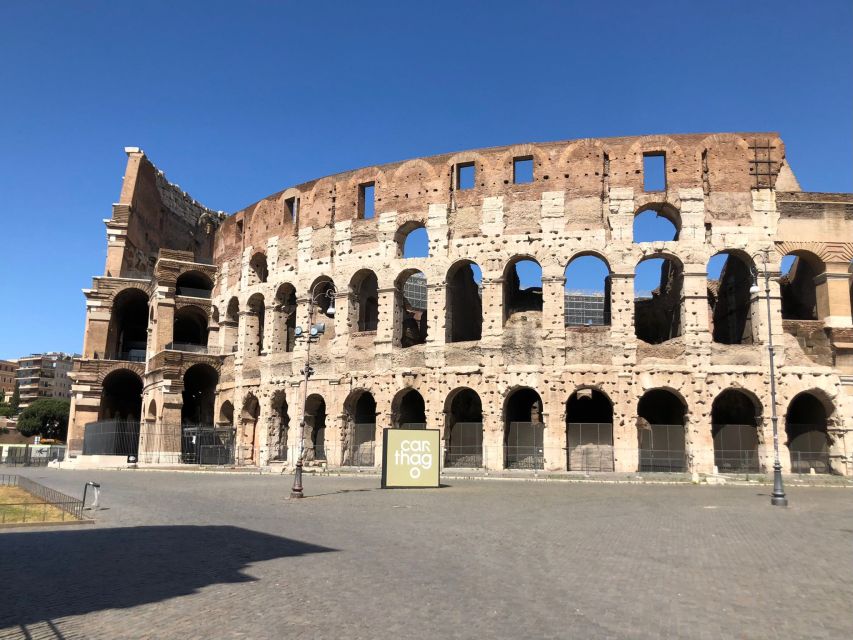
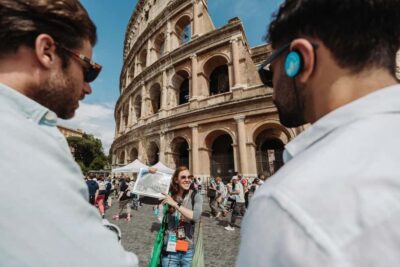
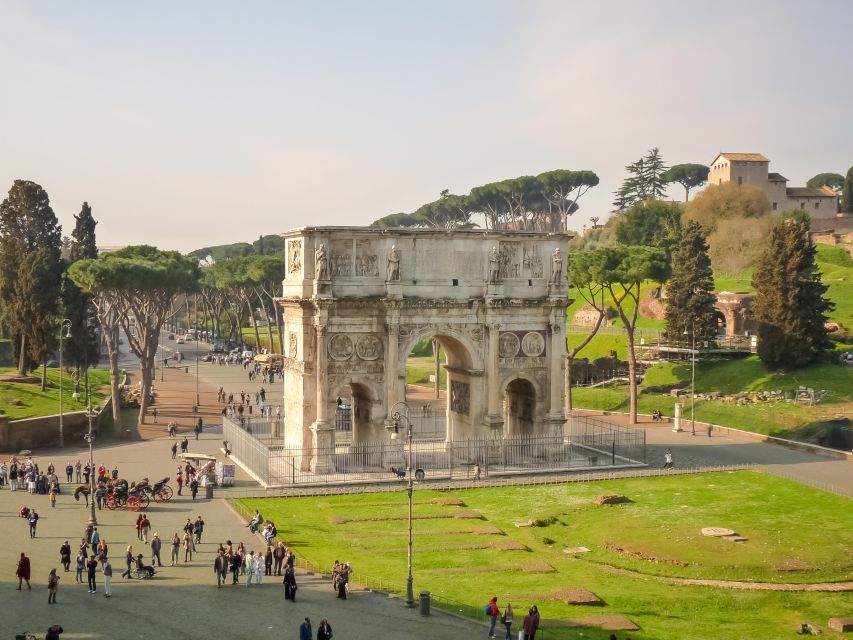
You meet at the Arch of Constantine, and that choice is practical. It’s a central, easy-to-find landmark, and it sets you up for the short hop to the Colosseum area. Your guide will be holding a flag with the activity provider logo, so don’t wander off and “figure it out later.”
Before anything truly fun happens, you’ll pass through airport-style security. That’s important because it can change how early you should arrive. Don’t show up right at start time and hope for the best. I’d aim to get there a bit early so you’re not rushing while everyone else is funneling through screening.
Also, wear shoes you trust. You’ll be on your feet for much of the morning/afternoon, and Roman surfaces are not the flat, tidy kind back home. Comfortable clothes help too, especially since the tour runs rain or shine.
You can also read our reviews of more guided tours in Rome

Entering the Colosseum fast: tiers, photos, and the why-behind-the-gory stories
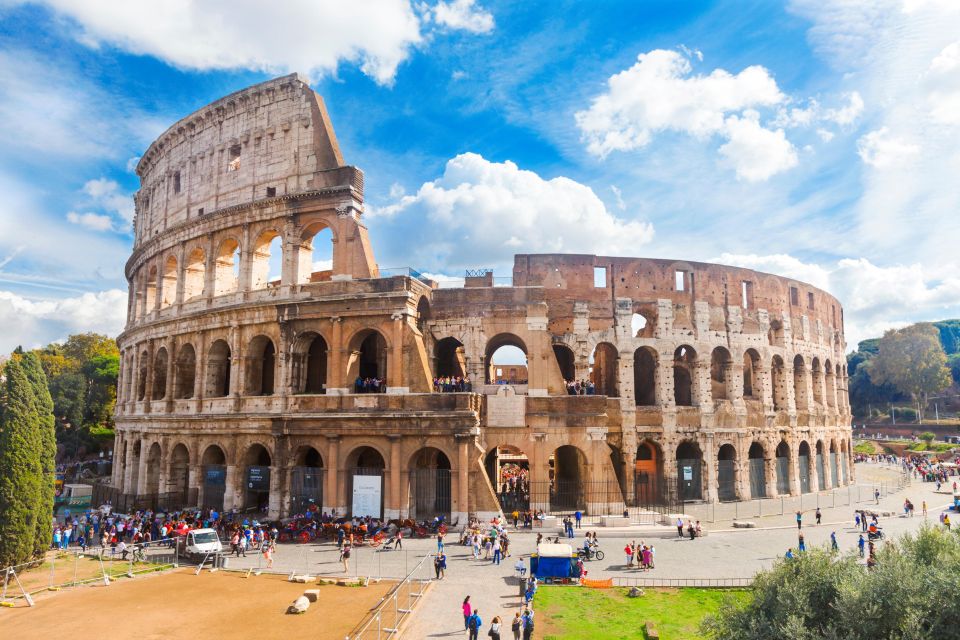
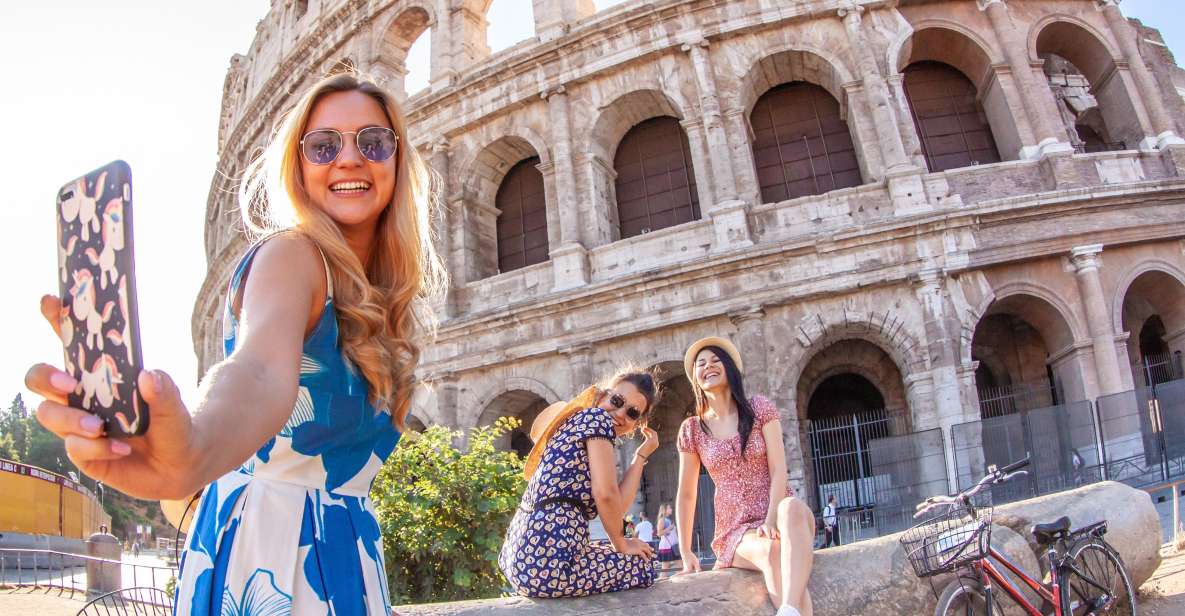
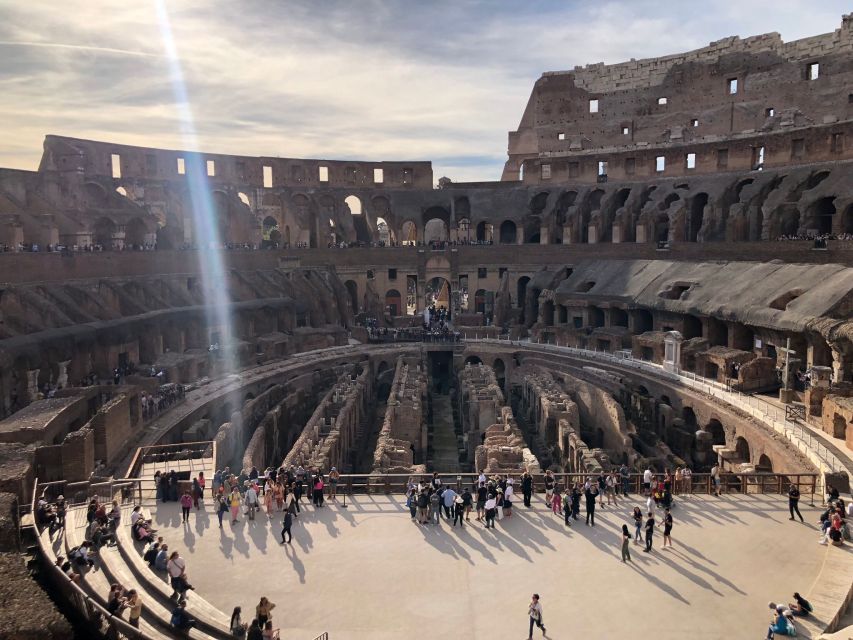
The Colosseum is the kind of place where the first minute can feel overwhelming—in a good way. This tour gets you swift access, so you’re not stuck waiting through the main bottleneck before you even step inside.
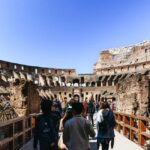
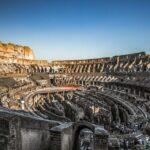
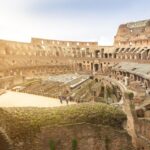
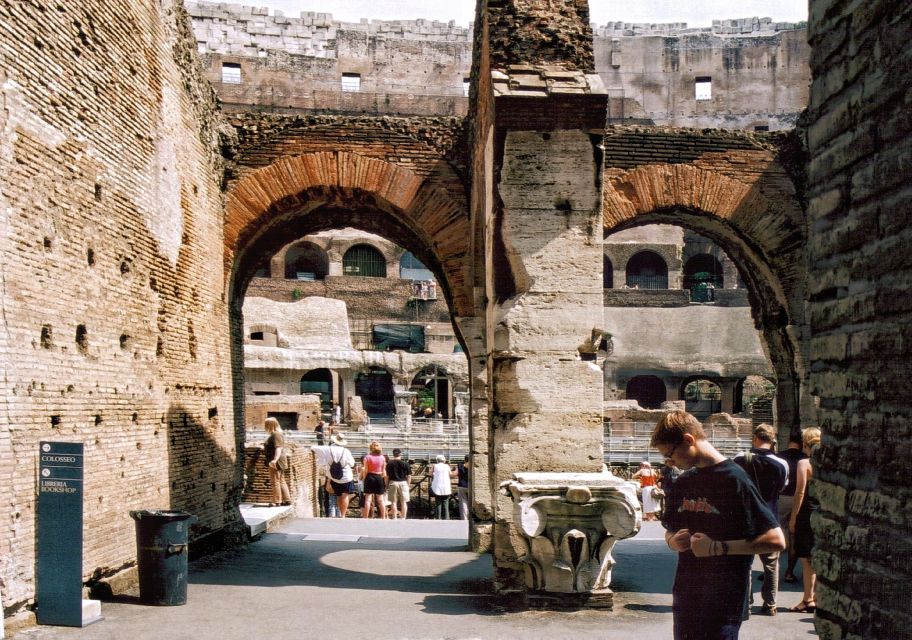
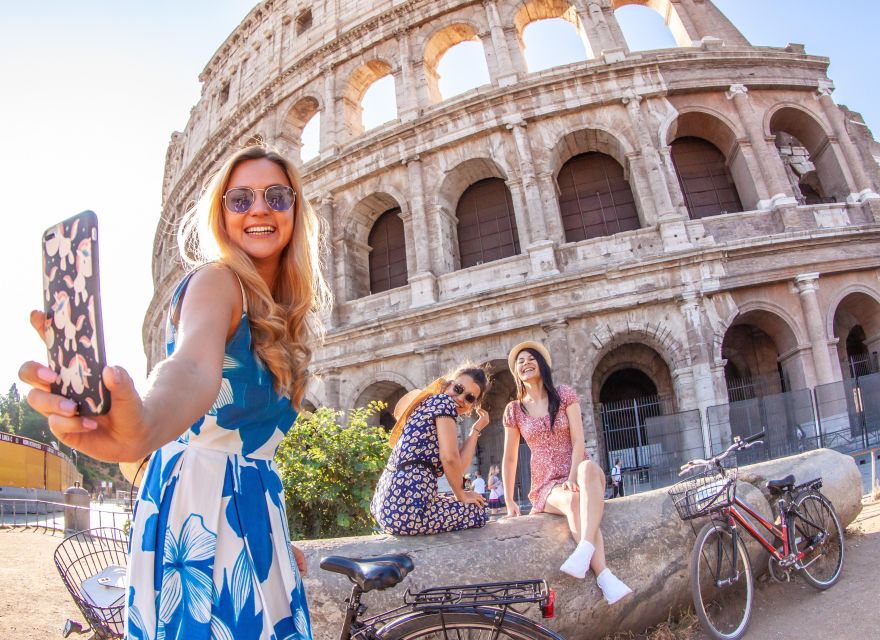
Once you’re in, you start with an up-close look at the arena and the surrounding structure. Then you explore the Colosseum’s first and second tiers, which is a sweet spot for most visitors. From those levels, you can grasp the arena’s scale and the way spectators would have filled the space.
Along the way, your guide doesn’t just point out stone. You’ll hear stories about brutal public events that happened there, including executions and gladiator fighting. That may sound dark, but it’s also what makes the ruins meaningful. When a guide explains why the Romans cared about the spectacle—power, fear, civic identity—you can look at the architecture differently. The stones stop being abstract and start feeling like a machine built to run public drama.
Photo stops that actually help
Expect a photo stop and scenic views on the way, plus time inside for viewing and walking. This matters because the Colosseum looks best from multiple angles. You’ll get opportunities to frame it, then step into the part of the site that rewards lingering.
The only real drawback
Because the tour is 3 hours total, the Colosseum experience won’t feel leisurely. You’ll see a lot, but you won’t have hours to wander wherever your curiosity pulls you. If you’re the type who wants to study every inscription or spot every hidden detail, you may want to pair this with a longer, self-guided visit later.
Roman Forum walk: how politics and daily life collide in ruins
After the Colosseum, you head to the Roman Forum for another photo stop and about an hour of guided walking. This is where many visitors suddenly realize the Romans didn’t just build big buildings—they ran their whole culture in public.
Your guide shows you several important government buildings and explains what they were for, which changes the Forum from a pile of rocks into a map of power. I like this part because the Forum rewards attention to layout. You begin to notice how space was designed for movement, announcements, decisions, and crowds.
And this is the moment when your guide’s storytelling pays off. When you can picture everyday people arriving, discussing issues, and watching big civic events, the Forum starts to feel less like a museum and more like the center of a city that never stopped working.


What to expect underfoot
The Forum has lots of pathways and uneven ground. You’ll be walking rather than sitting in a single exhibit room. If you’re prone to blisters, bring blister care in your day bag. If you’re prone to fatigue, take a slow breath before you enter the densest parts so you don’t get swept into a too-fast walking pace.
Palatine Hill: Rome’s original zip code with elite palace ruins and views
Next up is Palatine Hill, one of Rome’s seven hills, and it’s a standout stop for the view alone. The hill sits about 40 meters above the Roman Forum, so you get a different perspective immediately. It’s like switching from street-level to balcony-level.
You’ll also see views toward Circus Maximus, which helps you understand the geography of Rome’s entertainment and public life. When you can see the big open spaces from above, the city’s layout makes more sense. Your brain starts connecting the dots between where crowds gathered and where elites lived.
Palatine Hill is also about living in the top tier. You’ll walk through ruins and explore remnants of palaces, temples, and gardens. Even if you only catch fragments of what once existed, the guide can help you interpret what you’re looking at: where the gardens may have been, how the palatial areas would have functioned, and why being on Palatine mattered socially.
Ruins that actually feel personal
This part works well because palaces and gardens are harder to imagine than a single monument. But when someone explains the site’s purpose and the lifestyle it represented, you stop thinking of it as ancient landscaping and start thinking of it as a home base for influence.
If you’ve only seen Rome through photos so far, Palatine Hill can shift your perspective. It’s Rome as the home of the powerful, not just the stage of the spectacle.
Why the guide matters more than you think
The Colosseum, Forum, and Palatine Hill can be seen on your own. But the big value here is the translation—someone takes you from “I’m standing in ancient ruins” to “I get what these ruins were doing in Roman life.”
You’ll hear explanations about Roman culture and daily rhythms, plus what public events meant to people who lived there. That’s a key difference between random wandering and a guided route.
There’s also the human element. In one experience recounted with this tour, the guide Daniel was praised for being exceptional at connecting details so the sights felt clear and memorable. That kind of guidance can turn a short visit into the kind you remember for months.
Language support that can be genuinely helpful
The tour operates with live guide options in Italian, English, French, German, and Spanish. If you want the story, not just the sights, choosing your language matters. Even basic phrasing can make a huge difference when you’re hearing why a building mattered.
Price and value: is $71 for 3 hours a smart buy?
At $71 per person for about 3 hours, this tour isn’t the cheapest way to hit the big three. But it also isn’t trying to be. You’re paying for three things bundled together:
- Entry tickets to all three sites
- A live guide doing the heavy lifting of interpretation
- Swift access so you’re not stuck in the longest lines
For many visitors, the time saved is the real value. Rome can eat your day with queues, and three separate tickets mean three separate planning moments. If you’re only in the city for a limited window, paying to consolidate access is often worth it.
That said, the pricing is fair only if you’re ready to do the walk. If you want slow, deep, personal pacing—this might feel rushed. Think of it as a high-impact sampler, not a semester course.
Practical tour tips that make a noticeable difference
Here’s how to make this experience smoother from start to finish.
- Bring passport or ID. Security may require it.
- Pack comfortable shoes. You’ll be walking and the ground is uneven.
- Dress for rain or shine. Since the tour runs in both, plan like the weather will change its mind.
- Skip bulky items. The tour rules don’t allow weapons or sharp objects, alcohol and drugs, plastic bottles, or glass objects. That means your drink plan should be simple.
And one small but real mental trick: don’t try to memorize everything. This is a fast loop. Instead, pick one question you care about—How did Rome run its politics? What did elite life look like? What made the spectacle so important? When you travel with one question in mind, each stop becomes more connected.
Who should book, and who should skip
This tour is a good match if you want:
- a guided, ticket-included path through the Colosseum, Forum, and Palatine Hill
- a structured visit where you don’t have to build the story yourself
- efficient use of time in Rome
It may be a poor fit if you:
- need wheelchair access (the tour is listed as not suitable for wheelchair users)
- have visual impairments that require specific support (it’s listed as not suitable for visually impaired people)
- have medical limitations or mobility challenges that could be strained by walking and security screening
- prefer a slow visit with long pauses and minimal walking
Age also matters here. The tour is listed as not suitable for people over 80, so be honest about your stamina.
The booking decision: should you book this Colosseum–Forum–Palatine route?
I’d book this tour if you want the big Roman essentials packed into a tight window, with a guide who explains what you’re seeing—not just where it is. The swift entry and the focused stops (Colosseum tiers, Forum government spaces, Palatine’s elite ruins and views) make it a smart way to get your bearings fast.
I’d hesitate if you know you want to linger for hours at one site, or if walking around uneven ruins is difficult for you. In that case, you might get more value from a longer, more flexible visit.
If your schedule is firm, go for it. If your plans are shaky, remember the tour runs in rain or shine, and security can add time. Make sure you can commit to showing up when you’re supposed to.
FAQ
Where is the meeting point for the tour?
Meet your guide at the Arch of Constantine.
What does the tour include?
It includes a live guide, entry tickets to the Colosseum, Roman Forum, and Palatine Hill.
How long is the tour?
The duration is 3 hours.
Does the tour run in bad weather?
Yes. It takes place rain or shine.
Do I need to bring identification?
Yes. You should bring a passport or ID card.
Is the Colosseum visit guided, and do you enter the building?
Yes. You’ll have guided time at the Colosseum and explore the first and second tiers, with entry included.
What kind of footwear should I wear?
Wear comfortable shoes since this is a walking tour.
Are there restrictions on what I can bring?
Yes. Weapons or sharp objects, alcohol and drugs, plastic bottles, and glass objects are not allowed.
What languages are available for the guide?
The live guide offers Italian, English, French, German, and Spanish.