REVIEW · ROME
Rome: Private Custom Tour with a Local – Icons & Gems
Book on GetYourGuide →Operated by City Unscripted · Bookable on GetYourGuide
One local, and Rome feels personal fast. This private Rome walk trades cookie-cutter scripts for a plan built around your interests, with flexible timing and real conversation. I especially like the custom itinerary process before you arrive and the way the tour mixes famous landmarks with calmer streets chosen on the fly. One thing to consider: it’s walking-first, so you’ll want to be ready for uneven sidewalks and a pace that depends on what you pick during your route.
If you care about Colosseum and Pantheon-level icons but also want the city’s everyday rhythm, this kind of tour is hard to beat. Hosts you may be paired with, like Nadia, Vania, Alex, Andreea, and Alessandro, are highlighted for tailoring the experience, listening closely, and helping you avoid the worst crowd surges. The main drawback is also simple: attraction tickets and most food/drinks are not included, so you should budget separately for entries you decide to add.
In This Review
- Key things to know before you go
- How a Private, Local-Paced Walk Changes Rome
- Before You Arrive: How the Route Gets Customized
- What you can try to request
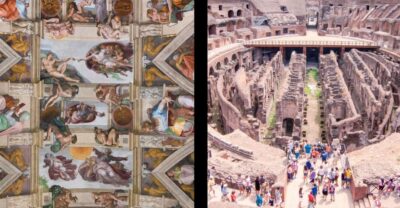
- Colosseum and Pantheon: Big Names, Better Viewing
- The Colosseum stop
- The Pantheon stop
- Consideration
- Churches, Piazzas, and the Neighborhood Rome You Feel in Your Feet
- Why this matters
- A drawback to plan for
- Food Time: Pizza al Taglio and Local Tastes (Budget Separately)
- How to use the food stop to your advantage
- What if you’re not hungry?
- Timing, Duration, and Where You Meet in Central Rome
- Pickup and meeting point
- Start times and pacing
- Getting Around: Walking-First, Possible Public Transport
- Language and Comfort: English/Italian and Wheelchair Access
- Price at $74: Is This Good Value?
- Who This Tour Fits Best (and Who Might Prefer Something Else)
- Should You Book This Rome Custom Tour?
Key things to know before you go
- Private, custom walking route: Your host designs the day with your interests in mind.
- Pre-tour questionnaire matching: You fill out a form, then you’re paired with a like-minded host.
- Icons plus quieter streets: You’ll see major sights like the Colosseum and Pantheon, plus less-visited corners.
- Flexible detours: If you want underground ruins topics or a different neighborhood vibe, your host can shift the plan.
- Crowd-smart choices: Expect help timing stops so you spend less time stuck and more time looking.
- Budget for extras: Tickets, food/drinks, and any transport between sites can cost extra.
How a Private, Local-Paced Walk Changes Rome
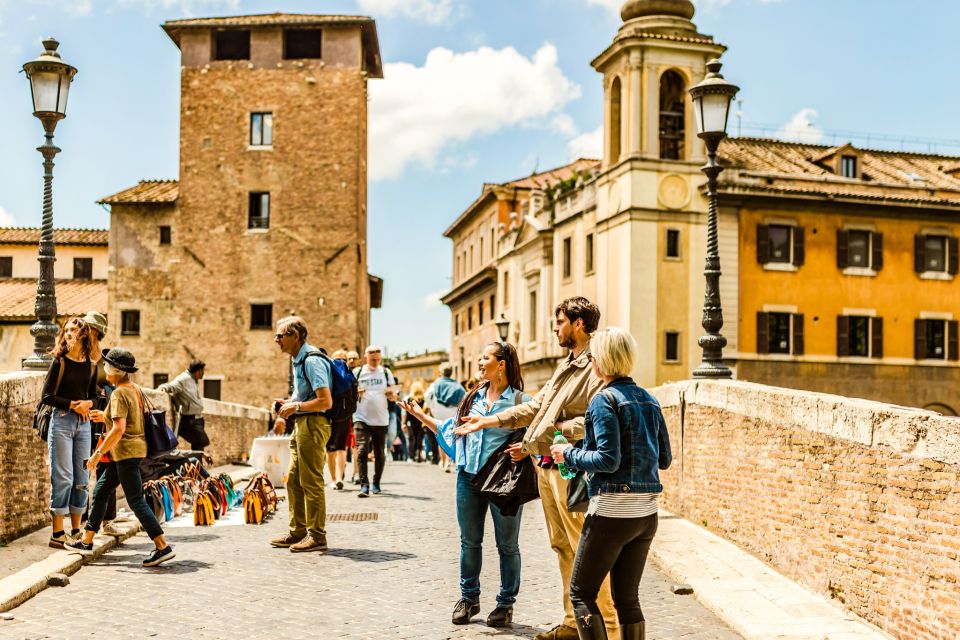
Rome is one of those cities where the biggest challenge is not finding sights. It’s finding the version of Rome that matches your brain and your energy level. This experience is built for that problem.
You get a private group tour led by a local host, not a shared shuffle. That matters because Rome rewards attention. If you’re the type who likes to slow down for a church façade, pause for a view off a side street, or ask why a particular square feels the way it does, a one-size plan tends to annoy you. With this setup, you can steer the day.
The “local host” piece isn’t just a credential. The point is that the host uses their day-to-day knowledge to shape what you see. You’re not only ticking off monuments; you’re getting context for what you’re walking past—sometimes with quick street-level explanations, sometimes with story-heavy moments that make the stones feel less like scenery and more like living city history.
One practical note: since it’s a walking tour, you’ll spend your time on sidewalks, steps, and streets. That’s not a flaw—it’s the format. Just make sure you’re comfortable with the physical reality of Rome streets, especially if you have mobility needs. The tour is listed as wheelchair accessible, but you should still check with your host about pace and any rough ground.
You can also read our reviews of more private tours in Rome

Before You Arrive: How the Route Gets Customized
Here’s where this tour starts to feel different even before you meet anyone. After booking, you answer a questionnaire designed to capture your personality and interests. Then a like-minded host is assigned, and you communicate directly with that host to shape your itinerary.
This is the part I value most because it turns your tour from a menu into a conversation. If you’re coming for ancient history, you’ll likely be pointed toward how you should look at big Roman ruins, how the city evolved around them, and what to notice with your own eyes. If you’re more into art and churches, your route can lean that way. If you want “Rome by neighborhoods,” your host can build a day that moves in that direction.
Your host can also adapt during the walk. The tour description explicitly mentions spontaneous detours, and the guidance from hosts like Nadia and Vania reflects a similar approach: listening, then adjusting the plan when you ask for less-touristy areas or a better mix of sights and local food.
What you can try to request
Based on what’s mentioned in the experience details, you can realistically steer toward things like:
- quieter backstreets versus major sightseeing corridors
- churches mixed with the big-name landmarks
- tastings focused on local favorites (with pizza al taglio being a highlighted example)
- discussion of curiosity topics like underground ruins
- neighborhood choices that fit your mood that day
Don’t worry if you’re not sure what you want in advance. A good host can help you decide once you’re standing in the city and you can see what’s around you.
Colosseum and Pantheon: Big Names, Better Viewing
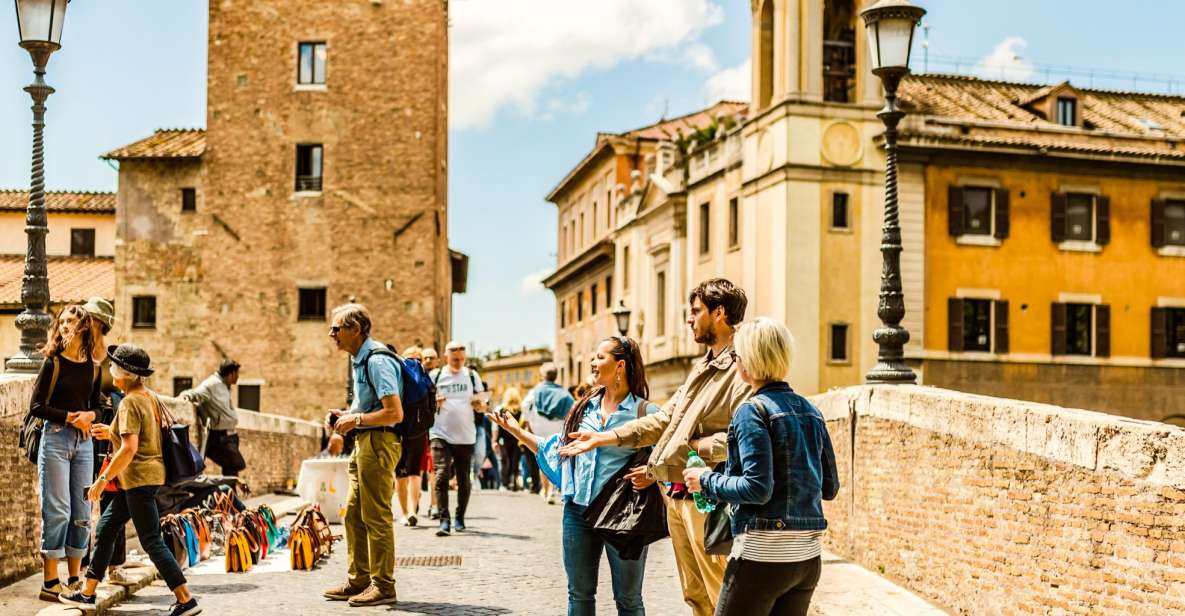
It’s hard to talk about Rome without mentioning the Colosseum and the Pantheon—and this tour is designed to include them. But the value isn’t simply seeing them. It’s how you’re guided to look at them.
The Colosseum stop
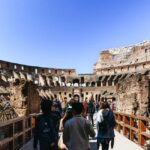
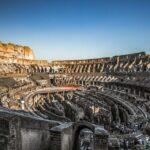
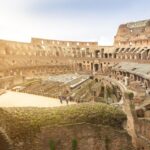
The Colosseum is the kind of place where first-time visitors either rush it or stare at it without knowing what they’re looking for. A private host can steer you toward the details that change your understanding: how the structure relates to the city, what to pay attention to as you walk around, and how Rome’s story threads through different eras.
A key benefit for many people is crowd management. The feedback highlights hosts helping avoid the worst crowd pressure. Even without naming specific tactics, the outcome is what matters: you’re more likely to spend time actually seeing instead of spending time waiting.

The Pantheon stop
The Pantheon is another “you think you know it, then you notice everything” site. When you arrive with context—why it was built, what makes its design so unusual, and what your surroundings add—you’ll look at it differently.
If you’re an architecture person, you’ll probably enjoy the way a host can point out the visual logic of the space. If you’re more of a wanderer, you’ll still appreciate learning why this building became such a lasting centerpiece of Rome.
Consideration
Tickets are not included. If you want any specific entries, you’ll need to plan for that separately. Your host can recommend options, but you’ll still want to budget time and cost.
Churches, Piazzas, and the Neighborhood Rome You Feel in Your Feet
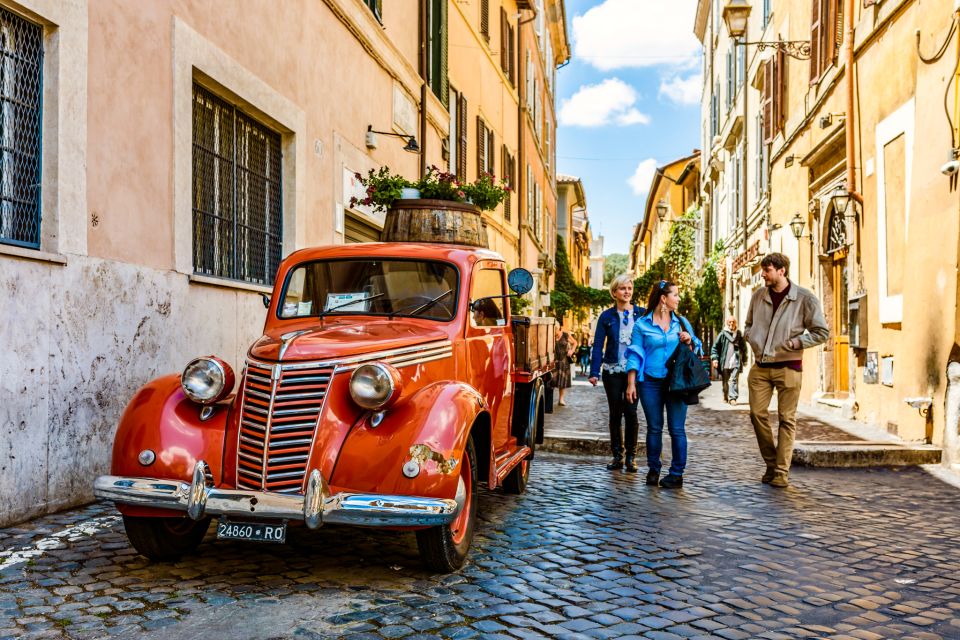
Rome isn’t only ruins and museums. It’s also piazzas where people actually sit, churches that hold centuries of art, and streets where shops are still working the way they always have.
This tour is structured to let you choose the balance. You might do more church time if that’s your thing. Or you might spend more time in lively markets and artisan workshops if food and daily life are your focus. The tour description mentions tucked-away piazzas and artisan spots that most visitors miss—exactly the kind of places where a local host can get you close to the real city instead of just the postcard version.
Why this matters
These are the moments you remember later, not only because they’re pretty, but because they help you understand Rome as a lived-in place. A famous monument tells you what people built. A neighborhood street shows you what people kept.
In practical terms, these stops also help your day feel less exhausting. If your route includes only major attractions, you’re stuck in a theme-park rhythm. Mixing in piazzas and side streets breaks that up, and it gives you small “reset moments” to catch your breath.
A drawback to plan for
Because the itinerary is flexible, the exact mix of churches, piazzas, and market time depends on your interests and your host’s choices. That’s a plus, but it also means you should come ready to decide on the fly—more time in a church? More photo stops? A longer break for food? The tour works best when you’re willing to steer.
Food Time: Pizza al Taglio and Local Tastes (Budget Separately)
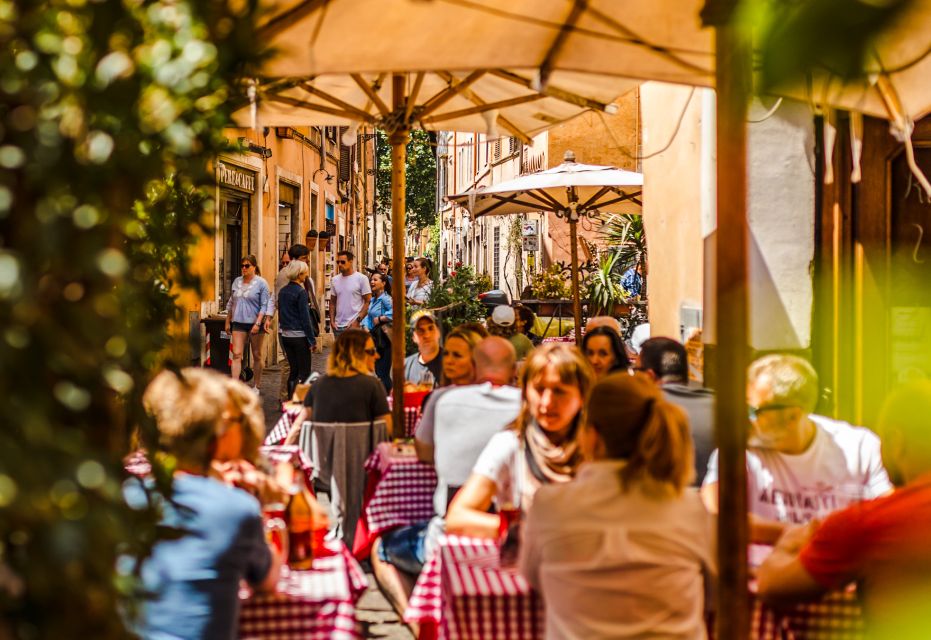
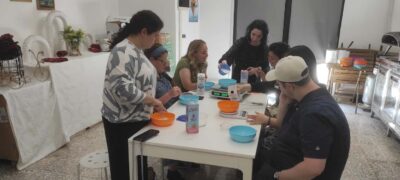
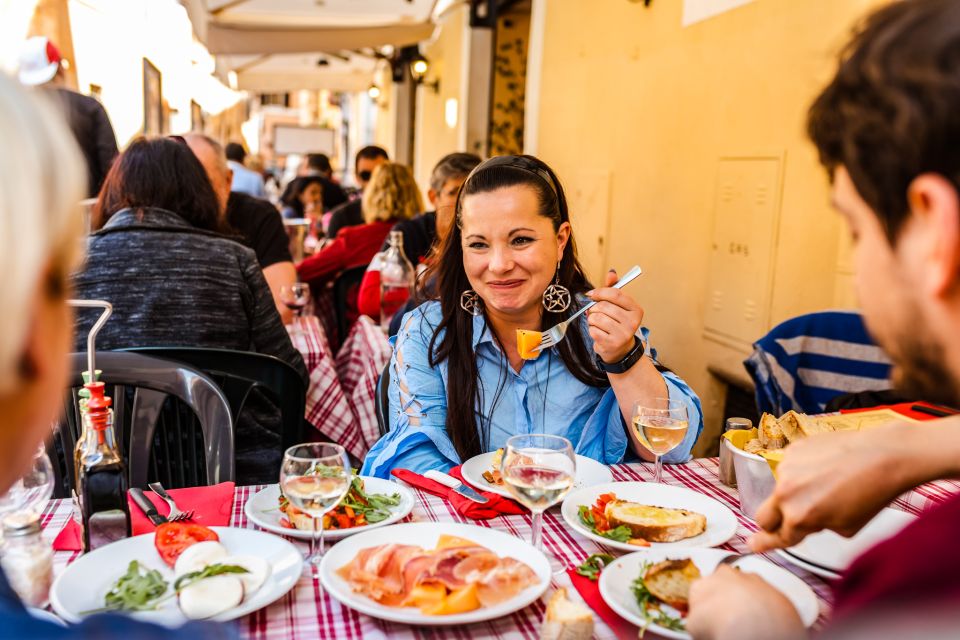
A Rome tour without food is like a pasta without sauce. This experience includes authentic tastings as part of the flow, and pizza al taglio is specifically mentioned as a possible favorite to sample.
Two important points for your planning:
- Food and drinks are not included in the price.
- The tour can adjust the day based on your tastes, so your food moment may shift toward what fits your preferences.
How to use the food stop to your advantage
Don’t treat the tasting as a quick snack break. Use it as a reset and a conversation moment. Ask your host what to try next after the tour. Ask what’s worth a second visit and what’s just convenient. A good local can give you a short, usable list—places and habits—so your food plans don’t collapse into guesswork.
What if you’re not hungry?
Tell your host early. The tour is private and flexible, so they can adjust the schedule. A food moment can be a short tasting or it can become a focused stop if you’re excited about it.
Timing, Duration, and Where You Meet in Central Rome
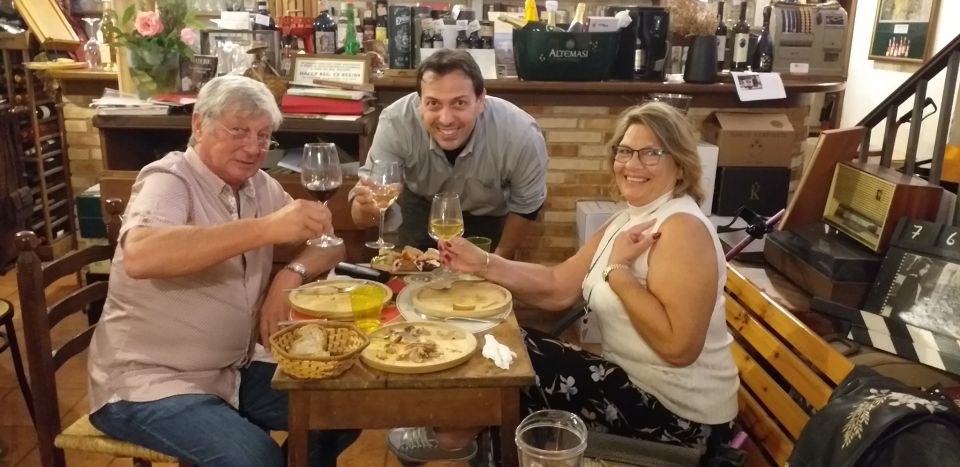
The tour runs from 2 to 6 hours, depending on what you choose and what’s available. That range is a feature. With a shorter option, you’re likely focused on a tighter set of big icons plus a couple of softer neighborhood moments. With a longer option, you can add more church time, more side-street wandering, and more room for those spontaneous detours.
Pickup and meeting point
You’ll be met at a location of your choice within central Rome. After booking, your host contacts you to confirm your meeting spot. If you’re staying in central Rome, the host can meet you at your accommodation.
Start times and pacing
Start times are flexible to fit your schedule. Since you’re walking, the start time can affect crowds and heat, so it’s worth discussing your preferred timing with your host.
Getting Around: Walking-First, Possible Public Transport
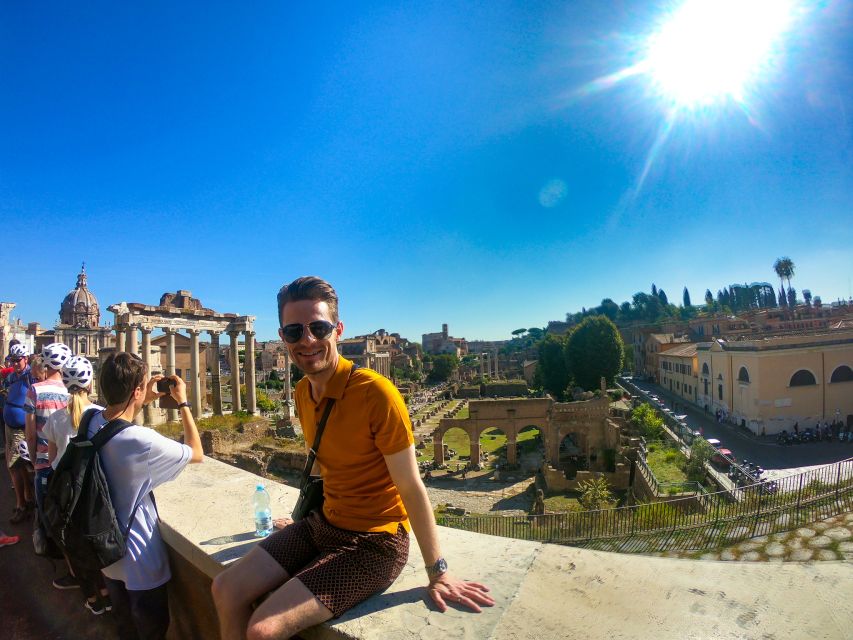
This is a walking experience with no private vehicle included. However, the tour info notes that public transportation or local taxis may be used to transfer between sites, with exact costs discussed after your reservation is finalized.
For you, that translates into a practical expectation:
- Most of your time is spent walking.
- If your itinerary moves across longer distances, you might do a short hop by transit.
That flexibility is good, but it’s also why you should budget a little extra for transport if your day crosses multiple areas.
Language and Comfort: English/Italian and Wheelchair Access

The tour is available in English and Italian, which is great if you want to ask follow-up questions in real time. And it’s listed as wheelchair accessible, which means it’s designed to accommodate guests with mobility needs.
Since Rome sidewalks can be uneven, I’d still treat this as a “confirm the details” situation. When you contact your host, mention what matters most for you—how long you can walk, whether you prefer more stops, and what surfaces feel hardest.
Price at $74: Is This Good Value?
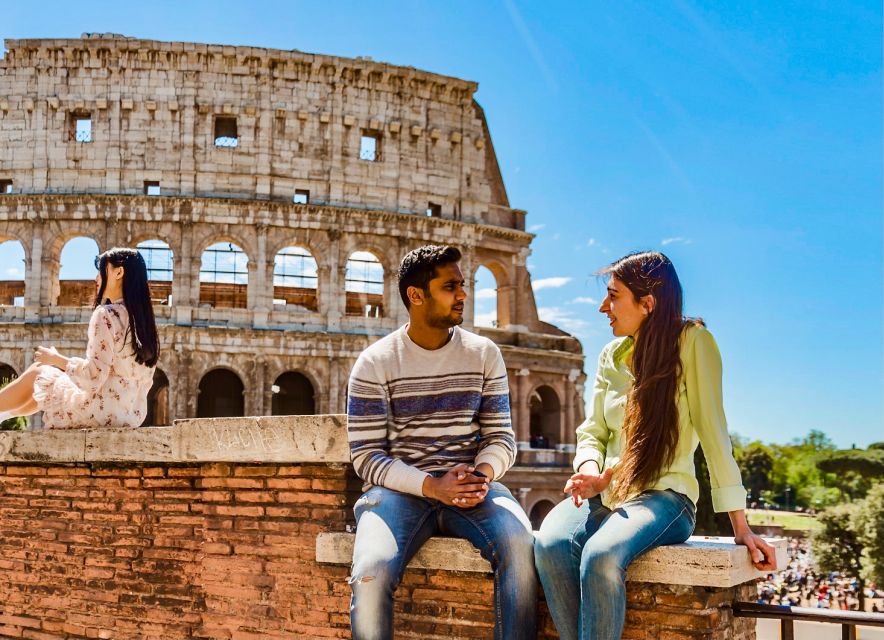
At $74 per person, the obvious question is what you’re actually buying beyond a regular guidebook-style walk. Here’s where the value comes from.
You’re paying for:
- a private format (not a group tour economy)
- a host who builds a custom plan from your questionnaire
- direct communication before the tour
- flexibility to change the route while you’re together
- insider tips and tailored recommendations for the rest of your stay
Tickets and food/drinks are not included, so your total day cost may rise a bit depending on what you add. But even then, the private-and-personal planning component is usually where you feel the difference.
In short: if you like the idea of a day shaped around you—your interests, your pace, your comfort level—this price can feel fair. If you’re hoping to “set it and forget it” with zero decision-making, you might prefer a fixed-route group tour.
Who This Tour Fits Best (and Who Might Prefer Something Else)
This experience is ideal if:
- you want Rome icons plus calmer, local-feeling streets
- you enjoy asking questions and steering the day
- you’re picky about pace and want more control than a group schedule
- you care about food moments like pizza al taglio and want local recommendations that continue after the tour
- you want help avoiding the worst crowd surges
It may be less ideal if:
- you want a highly scheduled, unchanging checklist
- you dislike walking or prefer mostly in-vehicle movement
- you don’t want to budget extra for tickets and tastings
Should You Book This Rome Custom Tour?
I’d book it if you’re trying to get a Rome day that feels like it was made for you. The combination of pre-tour planning, private walking format, and real flexibility is the big win. The hosts highlighted in the feedback—people like Nadia, Vania, Alex, Andreea, and Alessandro—are repeatedly tied to tailoring and listening, which is exactly what makes this type of tour worth paying for.
I’d think twice only if you want a rigid itinerary with everything pre-included. Here, the experience depends on you and your host making choices together as you go.
If you do book: message your host early with what you most want out of Rome—icons, churches, food, neighborhoods, or even underground ruins curiosity—so your route starts strong from the first minute.