REVIEW · ROME
10 Wonders of Rome in 3 hours
Book on GetYourGuide →Operated by Lock Your Tour · Bookable on GetYourGuide
Rome’s main wonders, compressed into 3 hours. This guided walking route strings together the Colosseum, the Pantheon, and the Spanish Steps with just enough history to make everything click fast. You also get time for photos and a last-stop view over the city that feels like you found your own shortcut.
What I like most is how practical the pacing is: you’re not stuck in lines, and you still get guided context at every major stop. I also like the tour’s stop-and-go format, with quick photo windows at the big icons plus small moments like the espresso break and a look at places such as the Pontifical Gregorian University. One thing to consider: it’s a solid walking workout—about 5.46 km and 136 steps—and monuments are admired from the outside.
In This Review
- What makes this 3-hour Rome highlights walk work
- 3 hours, 10 wonders, and a route that saves you headaches
- Finding the meeting point at Via del Monte Oppio
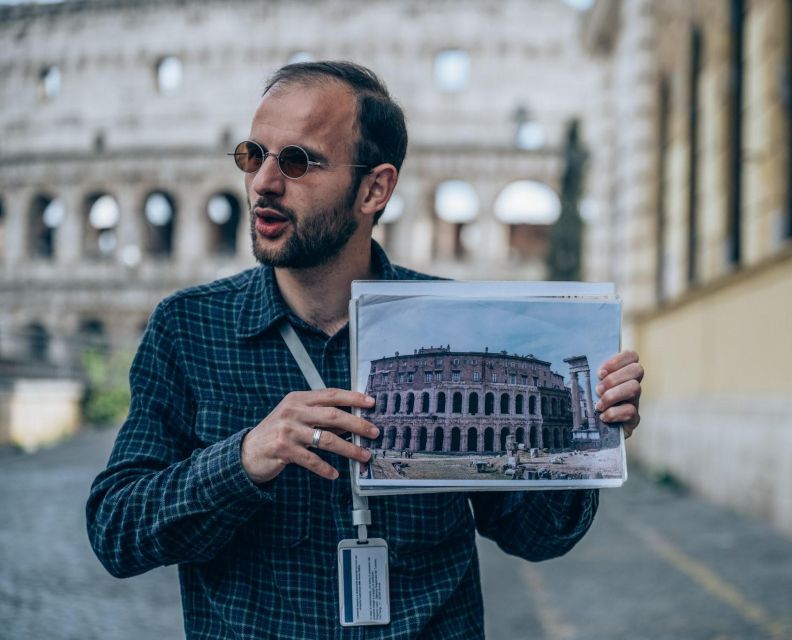
- Colosseum viewing plus the walk toward Via dei Fori Imperiali
- Piazza Venezia and the Altar of the Fatherland: big symbolism, quick photos
- Café time in Rome: an espresso stop that keeps energy up
- Trevi Fountain and the Pontifical Gregorian University pass-by
- Marcus Aurelius Column and Hadrian’s Temple: Rome’s “quiet” anchors
- Pantheon to Spanish Steps: two iconic views with different vibes
- Villa Borghese Park’s secret viewpoint: the payoff at the end
- Price and value: what $47 buys you in Rome time
- Who should book this tour (and who should skip it)
- How to get the most from the guide-led pace
- Should you book this 10 Wonders of Rome walking tour?
- FAQ
- How long is the 10 Wonders of Rome tour?
- What is the price per person?
- Where do I meet the guide?
- Is the tour in English?
- Are monument entrances included?
- How much walking and how many steps are involved?
- Is this tour suitable for children or people with mobility/health concerns?
- What major sights are included on the route?
- Is espresso included?
What makes this 3-hour Rome highlights walk work
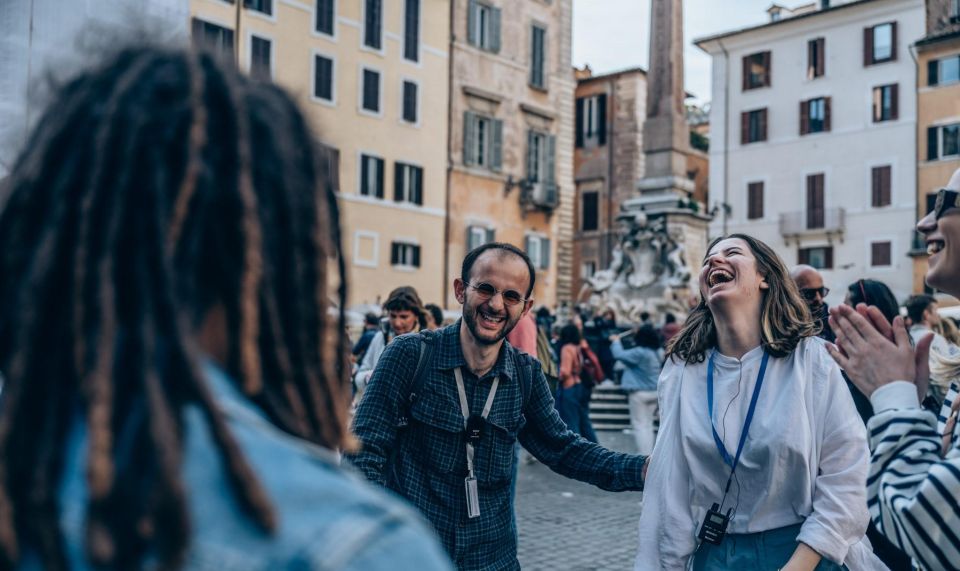
- Ten iconic stops packed into a clear route, so you can orient yourself quickly on day one
- Short, guided moments at each wonder, instead of long museum-style time
- Photo opportunities built in at the Colosseum, Altar of the Fatherland, and Trevi Fountain
- Espresso time during café stops, so you get a real Rome break without losing the tour rhythm
- A panoramic finish from a secret viewpoint near Villa Borghese Park
- Engaging guides who keep you moving and answer questions (some guides, like Joseph, Drita, Isuf, and Dreeta, are repeatedly praised for interactive storytelling)
3 hours, 10 wonders, and a route that saves you headaches

If you want Rome’s top sights without turning your whole day into a queue marathon, this tour fits the bill. Three hours is tight, but the itinerary is built around quick arrivals and focused viewing windows. That matters because Rome’s crowd levels can turn even a great plan into a stress test.
The “ten wonders” promise also helps you avoid the common problem of picking just one or two highlights. You’ll see a broad spread: ancient Rome (Colosseum, Hadrian’s Temple area), Renaissance to modern Rome (Vittoriano), and classic-photo Rome (Trevi Fountain, Spanish Steps). By the time you finish, you’ll know which places you want to return to for longer visits.
One caution: this is not an in-depth archaeology session. You’ll get explanations and memorable takeaways, but the format is designed for walking and quick context—so it’s best as an orientation tour rather than your only Rome plan.
You can also read our reviews of more tours and experiences in Rome

Finding the meeting point at Via del Monte Oppio
Your guide meets you at Via del Monte Oppio, 3 (00184 Roma RM). The guide arrives at least 10 minutes early, and you’ll look for a red house with a Lock Your Tour flag or umbrella.
This is worth paying attention to because the start time is the difference between a smooth walk and a rushed one. If you’re even slightly unsure, arrive early enough to settle in and confirm you’ve got the right group before the city starts absorbing your attention.
The tour runs in English, which makes it easier to follow the guide’s story as you move from stop to stop.
Colosseum viewing plus the walk toward Via dei Fori Imperiali

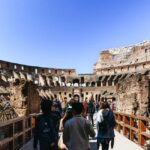
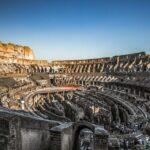
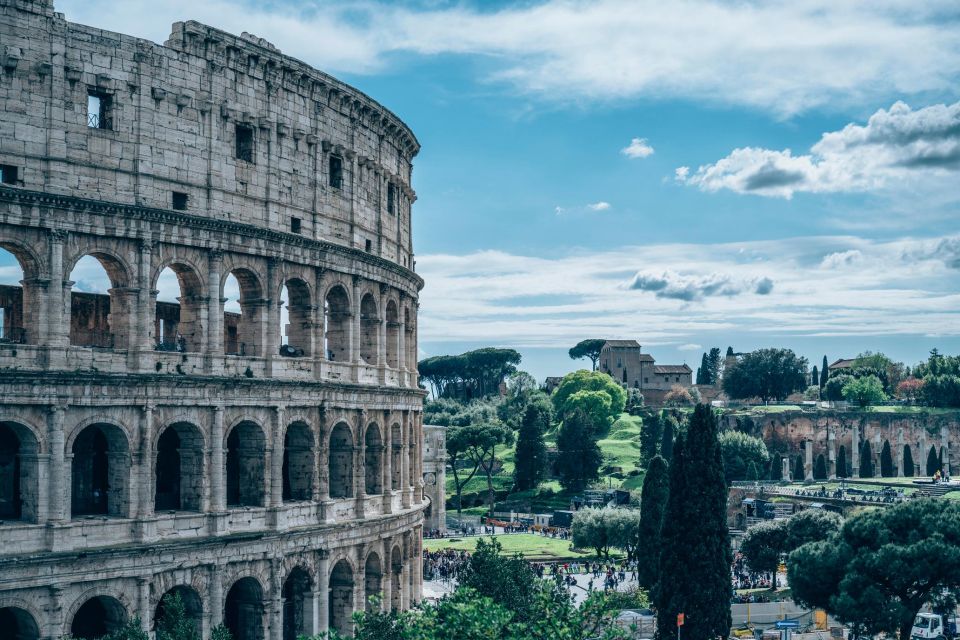
The tour kicks off with a front-of-the-Colosseum experience right away. You’ll get a photo stop and guided look for about 14 minutes. Even without entering, that first view can be powerful because the Colosseum is all scale. Standing near it, you can appreciate why it became the symbol it is today.
After that, the route swings through Via dei Fori Imperiali, described as Mussolini’s grand avenue. You’ll pass along this stretch with scenic views and a guided pass of about 9 minutes. This section matters because it connects the ancient footprint with the later layers of Rome. You start to see how different eras shaped the way you experience the city from street level.
Tip for your mindset: don’t treat the Colosseum stop like a checkbox. Use the time to notice details you’d otherwise miss when you’re just reading captions later. The guide’s pacing is designed to help you look with intent.
Piazza Venezia and the Altar of the Fatherland: big symbolism, quick photos
Next up is the Altar of the Fatherland (also known as The Vittoriano), plus the Piazza Venezia area. You’ll have a photo stop and guided sightseeing time totaling about 15 minutes at the monument, followed by a short guided walk/pass-by at Piazza Venezia (around 6 minutes).
This is one of those stops where Rome’s story shows up in a modern-looking monument. Even if you don’t go inside anything, the place still works as a photo point and a context checkpoint. From here, you’ll get a clearer sense of what Rome chose to celebrate and how the city reuses powerfully visible spaces to tell its story.
If you like landmarks that teach you something about national identity, this stop will feel more meaningful than just looking at stone. If you’re mainly after architecture and photos, you’ll still leave with strong images and a better idea of where you are on Rome’s map.
Café time in Rome: an espresso stop that keeps energy up
One of the nicest practical beats in the itinerary is the local café break. You’ll spend about 5 minutes with coffee or tea during a stop near Piazza Venezia.
Because entry to monuments isn’t included, tours like this live or die on pacing. The café stop gives you a quick reset without derailing the route. It’s also where you can try the kind of quick, everyday coffee rhythm Rome is known for.
Just keep your expectations realistic: the tour does not list meals and beverages as included, so treat this as a chance to buy a drink rather than a fully covered tasting experience.

Trevi Fountain and the Pontifical Gregorian University pass-by
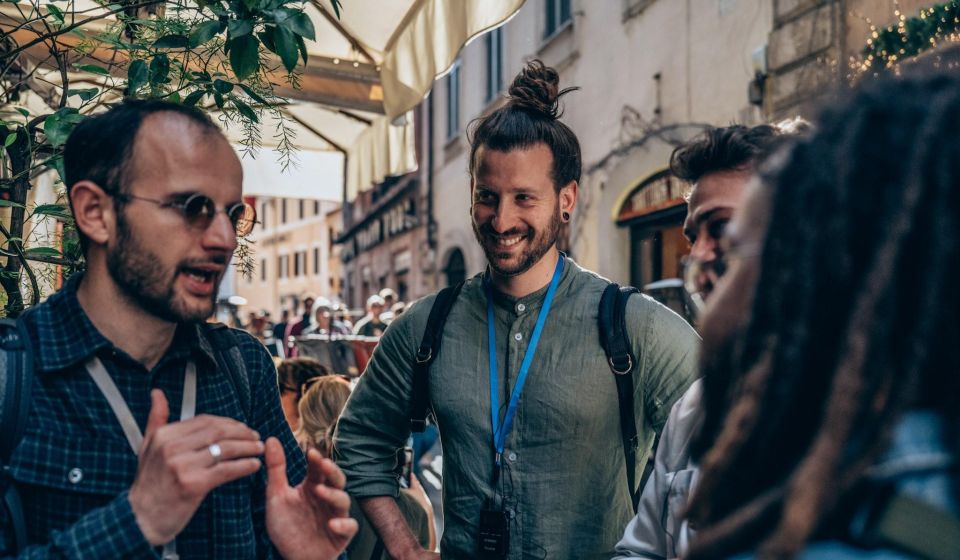
The next stretch moves you past the Pontifical Gregorian University (about 6 minutes). Even from the outside, it’s a reminder that Rome runs on education, faith, and tradition all at once, not just tourism.
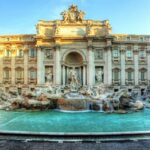
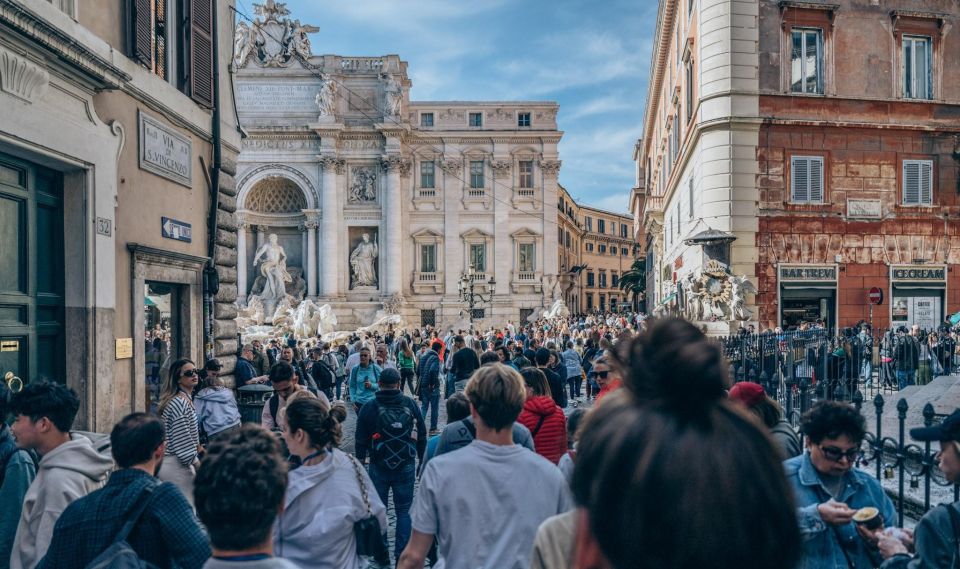
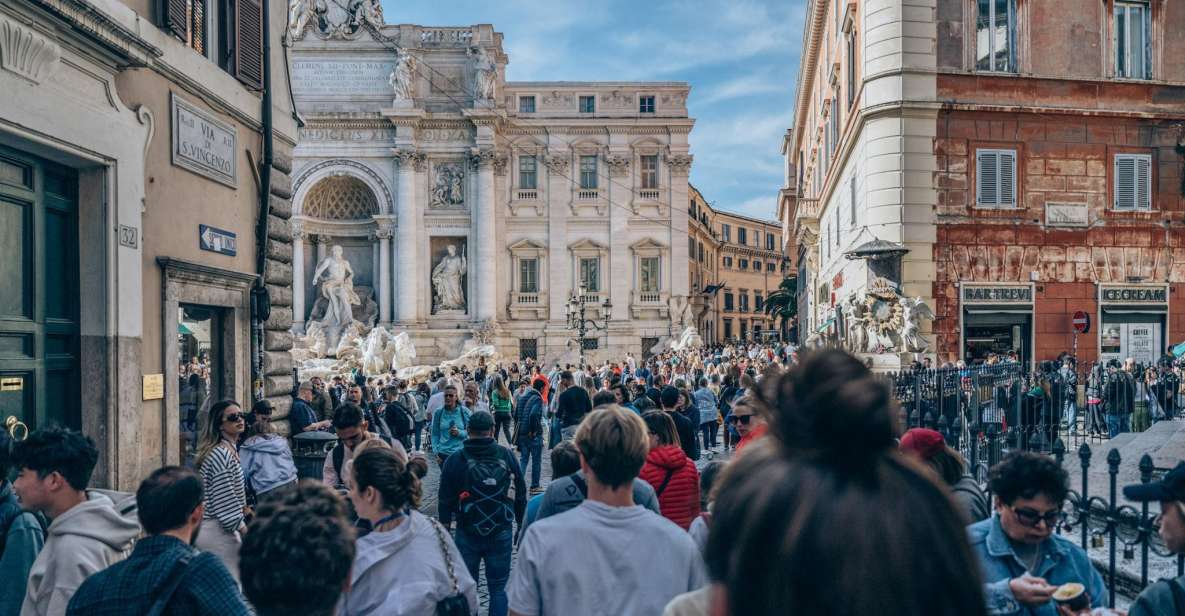
Then comes Trevi Fountain, one of the most photographed places in Italy—and one where timing matters. You’ll have about 15 minutes for a photo stop and guided sightseeing. In that time, you can do the two things that make Trevi worth it: watch the water-and-stone details and position yourself for a clear view with minimal scrambling.
Here’s the honest value of doing Trevi with a guide on a short itinerary: you’re not just standing there hoping your photo turns out. You’ll get a story that helps you notice what you’re actually looking at—materials, symbolism, and how the fountain became a must-see.
Marcus Aurelius Column and Hadrian’s Temple: Rome’s “quiet” anchors
After Trevi, you’ll pass the Marcus Aurelius Column for about 5 minutes with guided sightseeing. This one doesn’t always get the same hype as Trevi or the Pantheon, but it’s an important visual anchor. You’ll start to see the route as more than a set of Instagram backdrops.
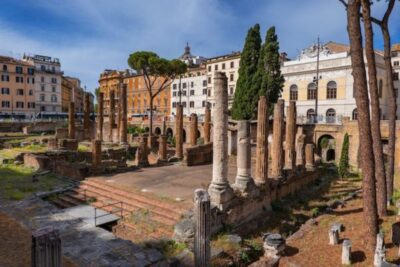
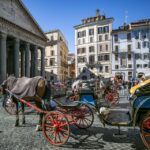
Next is Hadrian’s Temple (also tied to Piazza di Pietra), with about 7 minutes of guided sightseeing and walk. This is another stop where Rome rewards attention. The temple isn’t trying to compete for attention through size the way the Colosseum does; instead, it creates a sense of calm structure in the middle of city life.
On a tour that otherwise sprints through famous locations, this is a helpful breath. It gives you a chance to slow your looking down and absorb Roman architecture in a slightly more relaxed setting.
Pantheon to Spanish Steps: two iconic views with different vibes
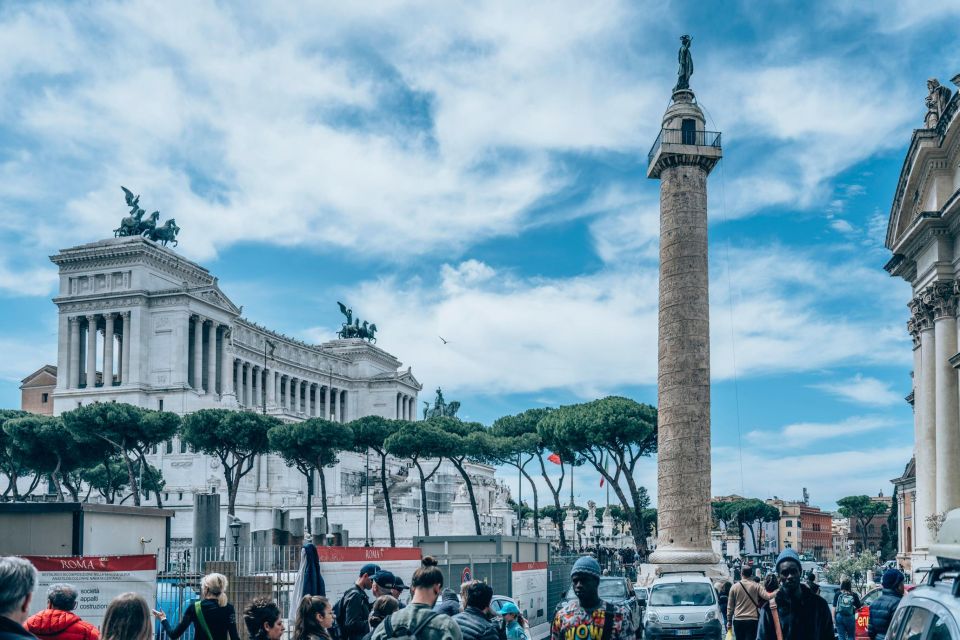
The tour then reaches the Pantheon for around 15 minutes of guided sightseeing and walk. The Pantheon still functions as a church, which is part of what makes it feel different from purely archaeological sites. Even if you’re viewing from the outside, it’s a stop that brings you into contact with living Rome—Rome that still uses its old giants.
From there, you head to the Spanish Steps. You’ll climb and spend about 8 minutes with guided sightseeing, plus walking time and coffee. This is one of the physically noticeable parts of the route, and it explains why comfortable shoes matter so much.
The Spanish Steps are famous for their design and that romantic atmosphere people associate with Rome. On a guided tour, you get more than the postcard version—you get reasons the design works and how the steps shape movement through the area.
If you’re pairing this tour with future planning, this is also a great point to decide what you want to linger for later. Some people fall in love with this area and want to come back for a slower wander.
Villa Borghese Park’s secret viewpoint: the payoff at the end
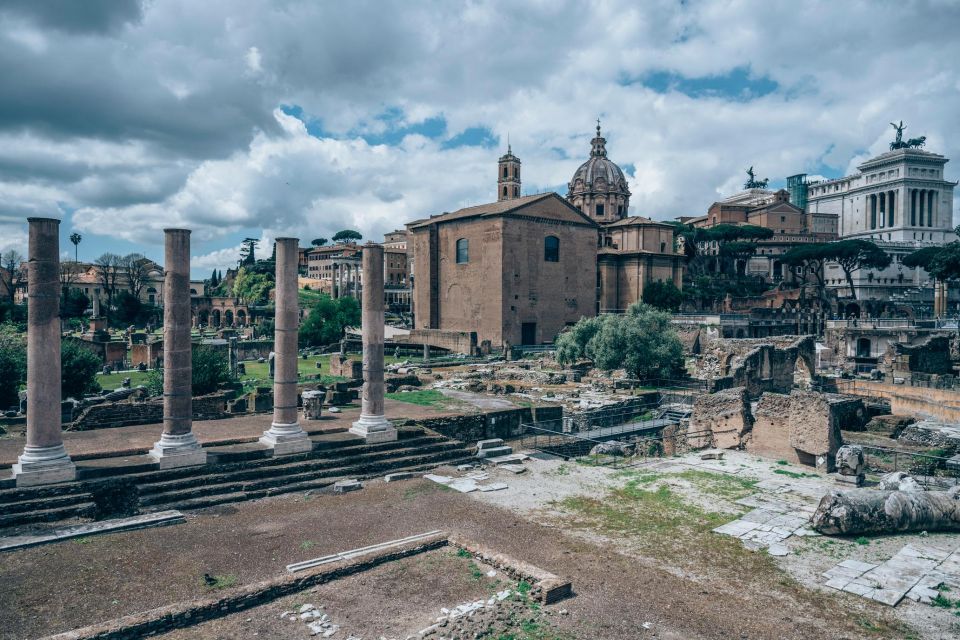
The final stop is a panoramic view of Rome from a secret location by Villa Borghese Park. You’ll have about 7 minutes for sightseeing, with potential for sunset or sunrise timing depending on the day.
This ending is smart because it changes the experience from street-level viewing to a wide city perspective. After three hours of moving through landmarks, you get to step back—literally—and see how the parts connect. It’s the moment that turns a list of stops into a real sense of place.
Even if you’re not a sunset person, a viewpoint finish helps you remember Rome as a whole, not just as a series of photos.
Price and value: what $47 buys you in Rome time
At $47 per person for a 3-hour guided walking tour, the value is mostly about what you don’t have to figure out yourself. You’re paying for an official guide, built-in photo windows, and the flow between sites—especially useful when the route hits busy zones like Trevi Fountain and the Pantheon area.
Also included: Wi‑Fi, which can be handy if you’re mapping your next steps afterward. And you get that panoramic viewpoint at the end.
What’s not included is equally important. Entry to monuments and museums is not included, and meals and beverages aren’t included. So you’re paying for orientation and guided viewing, not a ticket-based museum day.
In practical terms, this makes it a strong first-day or first-Rome-weekend purchase. It helps you pick what to do next with your own time and budget.
Who should book this tour (and who should skip it)
This tour is best for people who want the big Rome hits without planning a route from scratch. It works well if you enjoy walking, asking questions, and learning what to notice during short visits.
It’s not suitable for:
- children under 11
- people with heart problems
- people with respiratory issues
- wheelchair users
That’s because the route involves about 5.46 km of walking and 136 steps. Even if you’re fit, it’s still a lot to do in only three hours, with minimal downtime.
If you know stairs and long walks are fine for you, you’ll likely feel great about the return on effort. If you’re unsure, it’s worth choosing a slower option in the same area or planning fewer daylong activities.
How to get the most from the guide-led pace
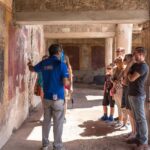
The guides on this route are a big part of why the tour gets high marks. You’ll find guides praised for being fun and engaging, asking questions to keep the group involved, and even taking pictures during the stop moments. Names that show up strongly include Joseph, Drita, Isuf, and Dreeta—so if you see those names available for your time slot, it’s a good instinct to choose that guide.
To get more out of the time, I recommend treating each stop like a prompt:
- At the Colosseum, focus on scale and where you stand for the best exterior view.
- At Trevi Fountain, use your time for water-and-stone details, not just crowds and camera angles.
- At the Pantheon, listen for the point about it functioning as a church, because that changes how you experience the building.
- At the Spanish Steps and the final viewpoint, slow your pace a touch and let the “wide Rome” feeling land.
This tour moves fast, but it’s designed to make the story stick. If you’re the type who remembers facts best when you’re engaged, you’ll probably enjoy this format more than a quiet audio-guide stroll.
Should you book this 10 Wonders of Rome walking tour?
I think it’s a smart choice if you want a fast overview of Rome’s most famous sights with a guide doing the connecting work. The route is efficient, the photo stops are timed, and the viewpoint finish by Villa Borghese gives you a satisfying end.
I’d skip it if you need lots of monument entry time, if stairs and a 5.46 km walk sound too intense, or if you prefer a slower pace with longer stays in one neighborhood.
If your goal is to see ten major wonders, learn what matters at each one, and then come back later for deeper visits, this is one of the better ways to start.
FAQ
How long is the 10 Wonders of Rome tour?
The tour lasts about 3 hours.
What is the price per person?
It costs $47 per person.
Where do I meet the guide?
The meeting point is Via del Monte Oppio, 3, 00184 Roma RM. The guide arrives at least 10 minutes early and you should look for the red house with a Lock Your Tour flag or umbrella.
Is the tour in English?
Yes, the live tour guide speaks English.
Are monument entrances included?
No. Monuments and museums are admired from the outside, and entry is not included.
How much walking and how many steps are involved?
Expect about 5.46 km (3.4 miles) of walking and climbing 136 steps.
Is this tour suitable for children or people with mobility/health concerns?
No. It is not suitable for children under 11, wheelchair users, or people with heart problems or respiratory issues.
What major sights are included on the route?
You’ll see the Colosseum, Altar of the Fatherland (Vittoriano), Trevi Fountain, Hadrian’s Temple area, the Pantheon, and the Spanish Steps, plus more along the way.
Is espresso included?
The route includes a café stop and time to try coffee, including espresso, but meals and beverages are not listed as included—so you should expect to pay for what you order.