REVIEW · ROME
Explore Colosseum and Roman Forum with an Archaeologist
Book on GetYourGuide →Operated by Askos Tours · Bookable on GetYourGuide
Ancient Rome makes more sense when you’re guided. This private Colosseum and Roman Forum tour pairs skip-the-line entry with an archaeologist-led walk, so you’re not just looking, you’re understanding. I especially loved the second-ring view inside the Colosseum and the way the guide connects arches, street space, and forum buildings into one story, plus you’ll get a real sense of scale from places like Palatine Hill. One thing to consider: security and access rules are strict here, so bring your ID and make sure your booking names match exactly.
You’ll move at an easy walking pace for this kind of site, and the whole route is planned to keep the key highlights close together. I also liked that you finish in the Roman Forum’s core public spaces—Basilica of Maxentius, the House of the Vestals, the Temple of Antoninus and Faustina, and the Altar of Caesar—without feeling rushed. The main drawback is simply timing: it’s only a 3-hour experience, so you won’t have hours to wander off on your own once you hit the Forum.
In This Review
- Key highlights if you want the best of the Colosseum + Forum fast
- Colosseum and Roman Forum in 3 hours: what this tour is really like
- Price and what you actually get for $198.25
- Meeting at Colosseo Metro: how you find your guide
- Entering the Colosseum with skip-the-line access
- The arches and viewpoints: Constantine, Titus, and Palatine Hill
- The Domus Aurea tunnel: seeing Rome from underneath
- Roman Forum square: where the city’s public life centered
- Guided time at each stop: what not to miss
- Tour pacing, private format, and language options
- Practical tips that matter on this specific route
- Who should book this Colosseum and Roman Forum archaeologist tour
- Should you book this Colosseum and Roman Forum archaeologist tour?
- FAQ
- How long is the Colosseum and Roman Forum guided tour?
- Where does the tour meet, and how do I find the guide?
- Does the tour include skip-the-line tickets for the Colosseum?
- What sites do we visit during the Roman Forum portion?
- What languages are available for the live guide?
- What documents do I need for entry?
Key highlights if you want the best of the Colosseum + Forum fast
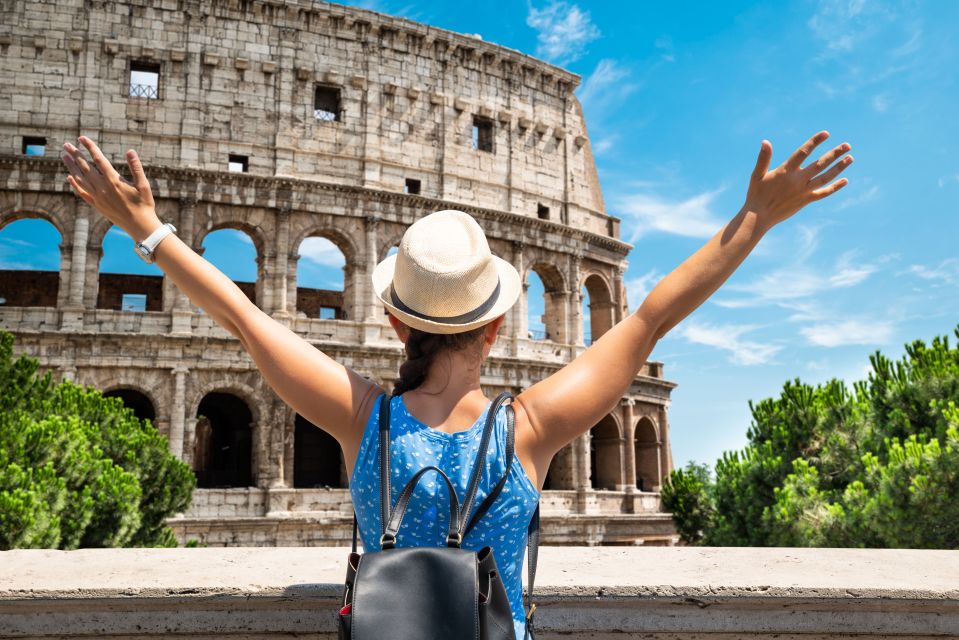
- Skip-the-line Colosseum entry plus an archaeologist guide for meaning, not just facts
- Second-ring panoramic views of the Colosseum’s interior and the square below
- Palatine Hill viewpoint with big-picture perspectives over Roman remains
- Imperial Fora street views and multiple triumphal arches (Constantine, Titus, and more)
- Domus Aurea underground tunnel passage that shows you the city layer beneath the city
- Roman Forum core sites including the Vestals and the Altar of Caesar
Colosseum and Roman Forum in 3 hours: what this tour is really like
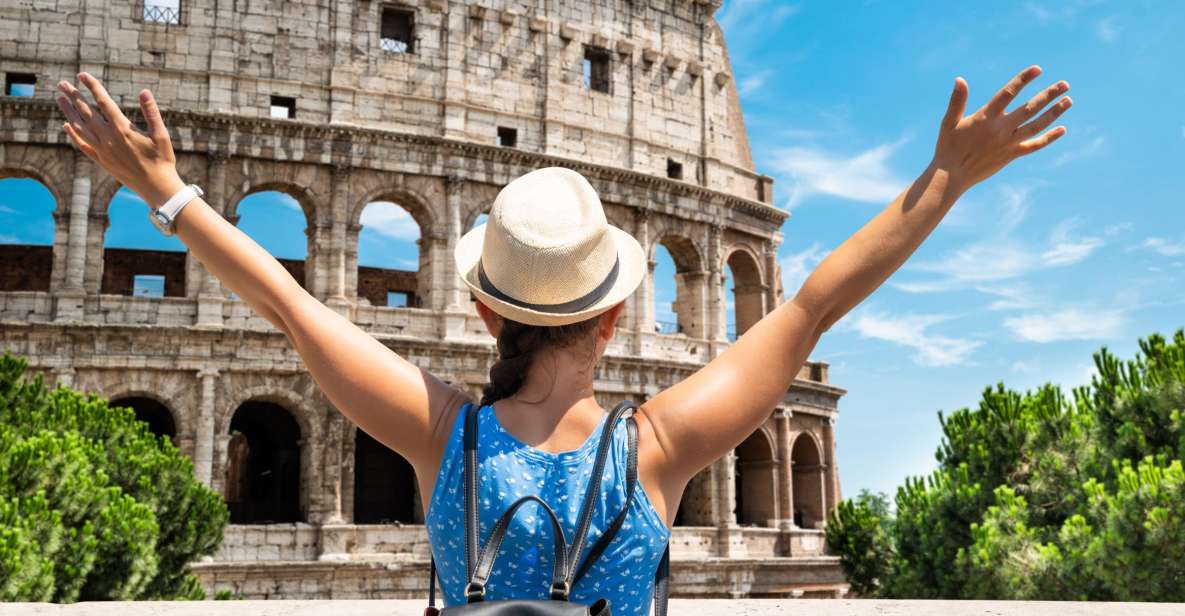
If you only have a few hours in Rome, this is one of the smarter ways to spend them. You’re led through the Colosseum and the Roman Forum as a single connected circuit, so the city stops feel linked instead of separate postcards.
The headline is that you’re with a dedicated personal guide—an archaeologist—rather than a generic explanation. That matters because the Colosseum isn’t just a big amphitheater, and the Forum isn’t just ruins. You’ll get help seeing what each place was for, where people stood, and what you’re looking at when the buildings are incomplete.
You should expect a mostly walking route with minimal effort overall, but it’s still the Colosseum and Forum. Wear comfortable shoes, plan to stand and look often, and don’t count on a sit-down break as part of the experience.
You can also read our reviews of more tours and experiences in Rome.
Price and what you actually get for $198.25
At $198.25 per person for a 3-hour private tour, the price isn’t low—but it’s not random. You’re paying for three things that usually cost extra when you try to DIY in Rome: guided interpretation, skip-the-line entry for the Colosseum, and a private experience rather than a big group shuffle.
The tour includes admission and skip-the-line tickets for the Colosseum (the Colosseum ticket cost is listed as 18 euro). Even if you would buy tickets yourself, skip-the-line access can save time and reduce stress, especially in peak hours.
What’s not included is also clear: meals and any transportation or personal expenses. So budget for a snack plan separately and assume you’ll be doing this as a focused time block in the morning or afternoon.
If you value understanding more than collecting photos, this is good value. If you just want to roam and read signs at your own pace, you may not feel the full benefit.
Meeting at Colosseo Metro: how you find your guide
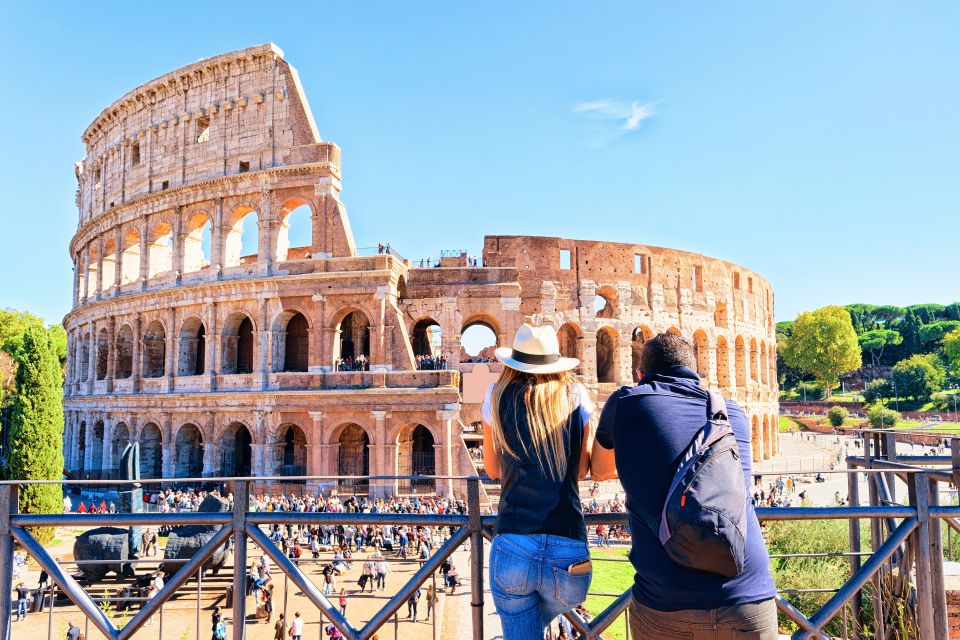
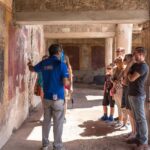
This tour starts at the green newspaper kiosk outside the exit to the Colosseo Metro station. Your guide holds a sign with your name on top, so you’re not left hunting in a crowded area.
Getting this part right is important because the Colosseum and Roman Forum require document checks. I’d suggest arriving a little early—just enough time to confirm your meeting point and avoid last-minute rushing.
Once you’re together, the guide’s job is to keep you moving efficiently between sites and to time the best look points. That’s one reason a guided, private format tends to feel smoother than a self-guided sprint.
Entering the Colosseum with skip-the-line access
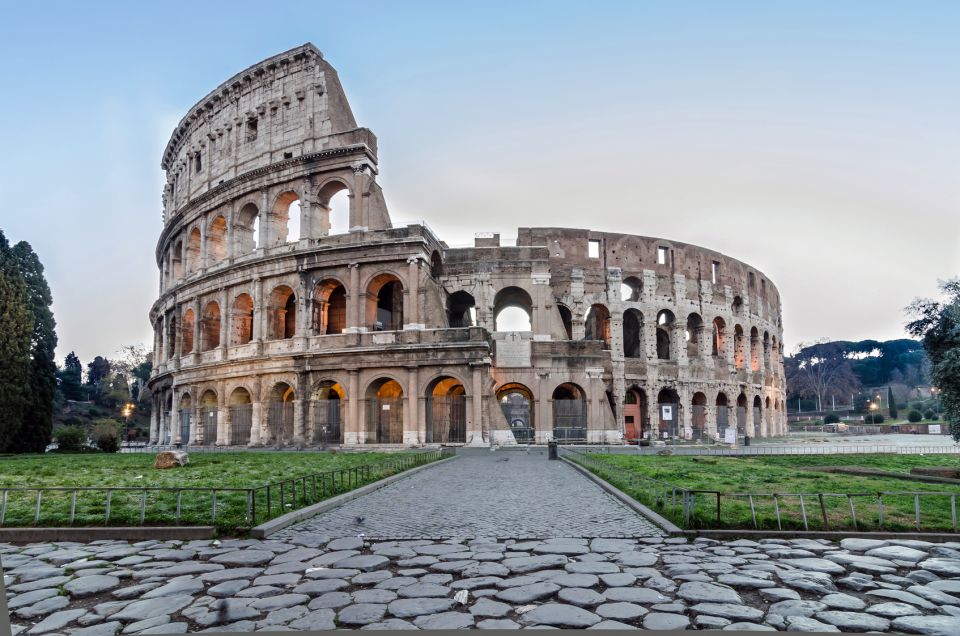
The first major stop is the Colosseum, where you’ll spend about 75 minutes with guided entry. The big advantage is skip-the-line access, so you avoid the longest waits that can drain your energy before you even get inside.
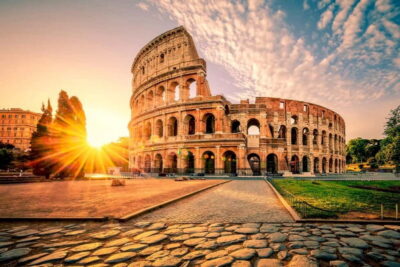
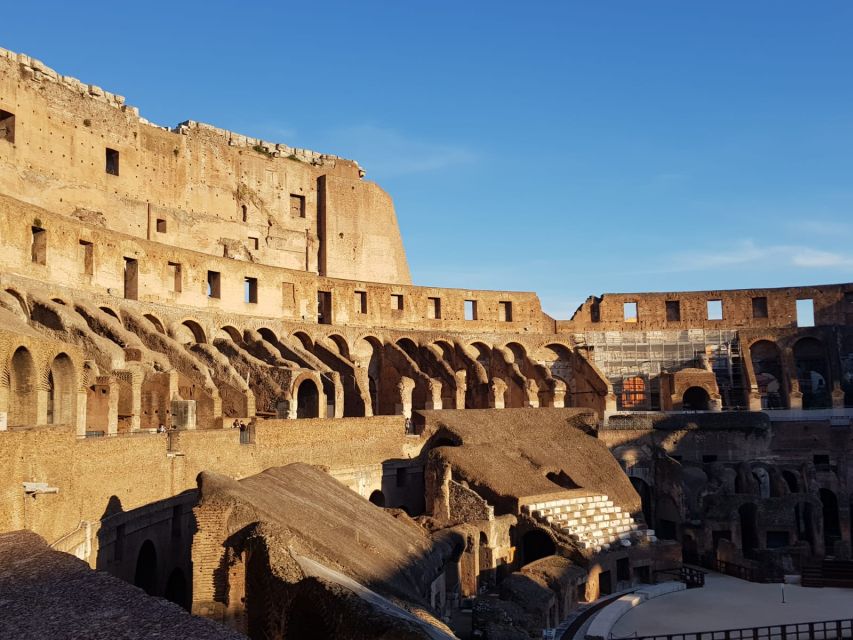
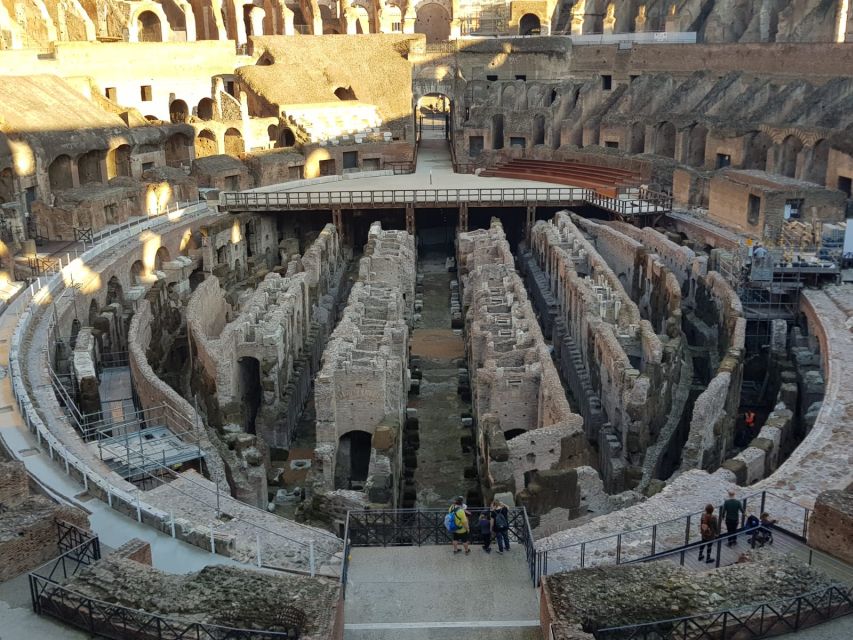
Inside, the guide brings you toward a second-ring panoramic view. From there, you can take in the Colosseum’s interior scale and look down toward the crowded square area below (without needing you to guess what everything is). This kind of viewpoint helps you “reconstruct” the arena in your mind.
You’ll also look at key architectural remnants like the base and walls tied to major monument elements, including the massive base linked to the Venus and Rome Temple colossus. You’ll be shown remains of the colonnade and walls, and that makes the ruins feel less like random fragments.
The best way to use this part: pause when the guide points. Don’t try to sprint for every photo angle. The payoff is when you start recognizing shapes and locations instead of just seeing an old stadium.
The arches and viewpoints: Constantine, Titus, and Palatine Hill
After the Colosseum, the route shifts to a sequence of monuments that help you understand how Rome celebrated power. You’ll look at the Arch of Constantine and then continue through areas linked to the Velian Hill.
On the way, you’ll pass under or near historic arches including the Arch of Titus and a short stop at the Arch of Septimius Severus (about 10 minutes). Even if you have seen an arch before, the guided angle helps you notice what each one is communicating and how it fits into the surrounding street and movement lines.
One of the most satisfying moments is the viewpoint element connected to Palatine Hill. You get a higher perspective that helps you connect what you see now with what the city once looked like from above. It’s the kind of view that makes the scale click.
You’ll also see views pointing toward the Imperial Fora street and the Arch of Constantine framed by its city context. In other words, you’re not just looking at stone—you’re learning how the urban layout directed people.



The Domus Aurea tunnel: seeing Rome from underneath
A tour that includes the underground tunnel connected to the Domus Aurea is doing something most short Colosseum visits skip. Here’s why it’s valuable: it adds a “layer” to your mental map of Rome.
Rather than only moving on the street level, you experience a passage tied to the imperial palace world. Coming out into the Forum area afterwards feels like a real shift in geography—like you’ve moved from one chapter of Rome to the next.
This is one of those details that makes the tour feel intentionally designed. The Colosseum shows spectacle; the Forum shows administration, religion, and civic life. The route connecting them—above and below—helps you understand why Rome felt so integrated to the people who lived there.
If you’re sensitive to crowds, aim to keep your attention on the guide cues when entering and exiting covered areas. The tour stays minimal in effort, but you’ll still be in enclosed spaces and moving with other visitors.
Roman Forum square: where the city’s public life centered
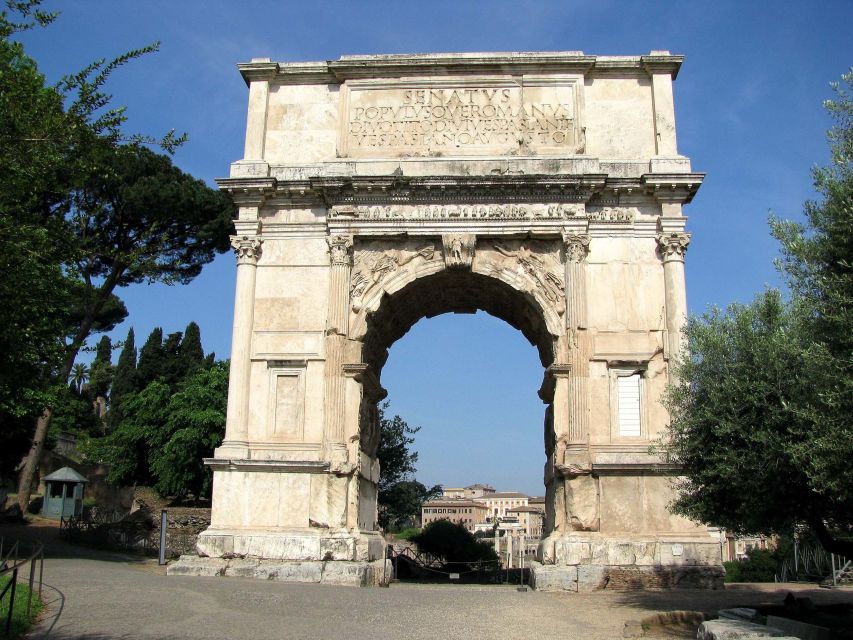
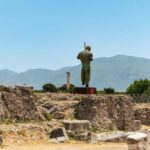
The Roman Forum is the tour’s main finale, with about 1.5 hours there. You’ll enter the Forum square area and the guide will ground you in what this space meant: the nucleus of ancient public life.
This is the place where a good archaeologist guide can change everything. Ruins without context can feel confusing. With context, you start linking buildings to daily routines—meetings, ceremonies, law and politics, and religious observances.
You’ll be shown major Forum highlights, including the Basilica of Maxentius, which helps illustrate the public-facing grandeur of Roman civic architecture. You’ll also see the House of the Vestals, an important site connected to Roman religious life.
Then come the ceremonial and honor elements: the Temple of Antoninus and Faustina, plus the revered Altar of Caesar. The altars and temples make more sense once you realize they weren’t just monuments—they were points where Rome expressed values and authority.
Guided time at each stop: what not to miss
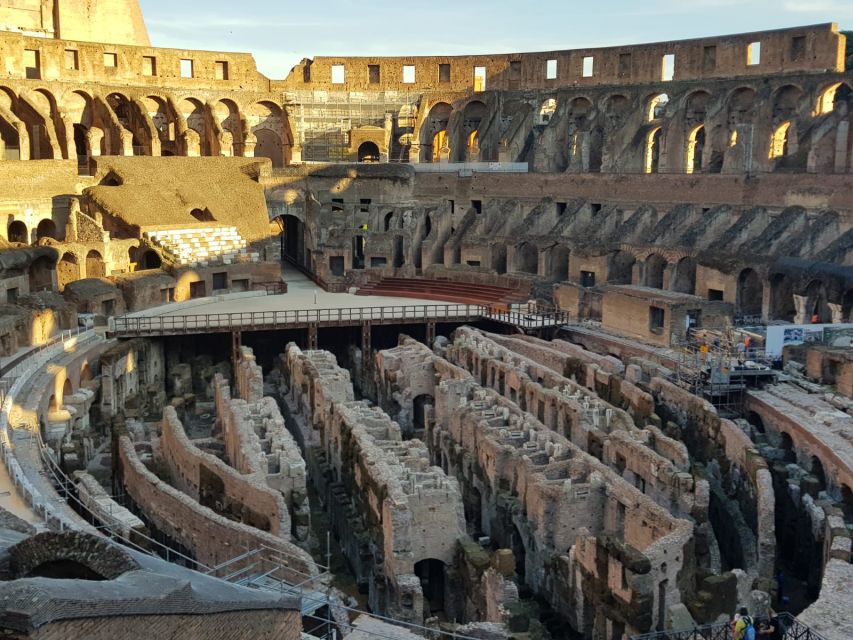
You’ll hit several focused stops that keep the time efficient. Here’s how I’d think about using your attention at each stage:
- Colosseum (75 minutes): Focus on the view points and on how the guide explains what you’re seeing in fragments and remains. This is where you learn the arena’s scale.
- Arches (short stops like Constantine and Septimius Severus): Treat these as landmarks. You’re learning navigation through Rome’s symbolism.
- Domus Aurea tunnel: Use this for the “under the city” change in perspective.
- Roman Forum (1.5 hours): Give yourself permission to slow down. This is where you’ll build the mental connections that make everything else click.
The tour ends back at the meeting point area. So think of it as a tight route designed for maximum understanding in limited time.
Tour pacing, private format, and language options
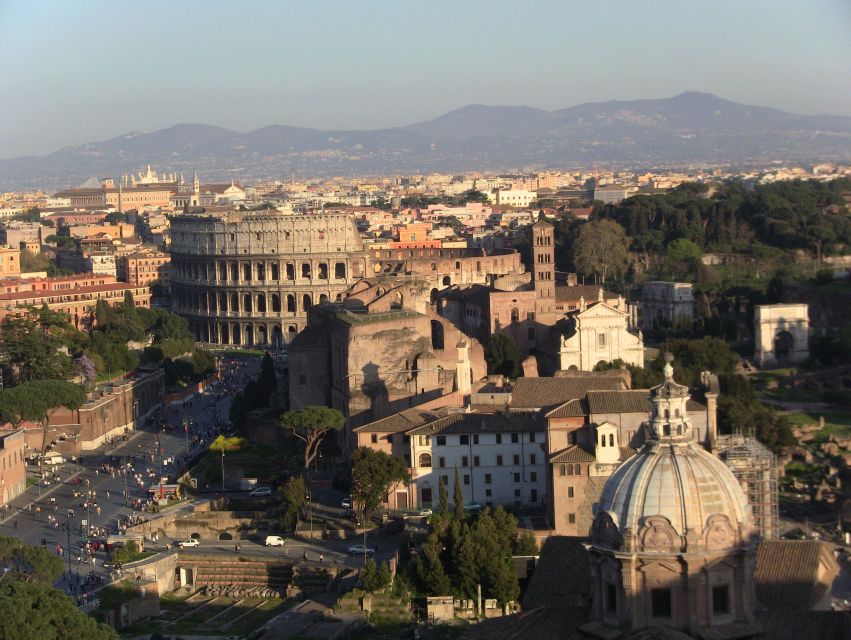
This is a private group tour with a dedicated personal guide. That’s a big deal at the Colosseum and Forum, where crowds can make you feel trapped in a line. A private format helps you keep momentum without being forced into one rigid viewing queue.
The pacing is described as minimal activity, which is what you want for major archaeological sites. You’ll walk, but it’s not structured like a long hike.
Also pay attention to language options: the live guide is available in English, Italian, Spanish, French, and German. If you’re choosing based on your comfort level, pick the language you can think in. You’ll get more out of the small interpretive details when you understand every turn of explanation.
Finally, the provider is Askos Tours, which is relevant if you ever need help matching your booking details to what you see at the meeting point.
Practical tips that matter on this specific route
A few details can make or break your day here:
- Bring an identification document. The tour information is direct: without it, you risk being denied entry even with a purchased ticket.
- Make sure you provide the full names and ages of all travelers when booking. If the voucher doesn’t match what ticket office staff expect, access may be denied.
- Don’t show up with prohibited items: pets, weapons or sharp objects, oversize luggage, baby strollers, mobility scooters, non-folding strollers, and electric wheelchairs aren’t allowed.
- Colosseum closure dates are real: it’s closed on December 25th and January 1st.
For clothing, I’d treat this like a classic Rome walking plan: layers for changing light, comfortable shoes, and a small bag you can manage easily through security. You’re going to stop often, look around, and then move again.
Who should book this Colosseum and Roman Forum archaeologist tour
This tour fits best if you want your time to produce understanding, not just photos. It’s ideal for:
- First-time Rome visitors who want a structured route through the big two sites
- Travelers who appreciate archaeology context and want help interpreting ruins
- People who prefer a private guide rather than a large group timeline
- Anyone who likes views and architecture as much as artifacts
It may not be ideal if you need wheelchair-friendly access. The tour information states it is not suitable for wheelchair users. Also, because you’re following a set circuit, it’s not the best choice if you want long, independent wandering in each location.
Should you book this Colosseum and Roman Forum archaeologist tour?
If you’re trying to decide whether this is worth it, I’d use this quick rule: book it if you want the Colosseum and Forum to feel like a story you can actually follow.
Skip-the-line entry plus an archaeologist guide is the core value. You get smart viewpoint time (second ring and Palatine Hill), major monuments in a connected route (Constantine, Titus, Septimius Severus), and a rare perspective shift through the Domus Aurea tunnel. Then you finish in the Forum’s core spaces, including the Vestals and the Altar of Caesar, where context really pays off.
If you’re the type who enjoys reading signs slowly and doesn’t care about skip-the-line access, you might find other options cheaper. But if your goal is to get the most meaning in the least time, this Askos Tours private experience is a strong choice.
FAQ
How long is the Colosseum and Roman Forum guided tour?
The tour duration is 3 hours. You’ll be able to check availability to see starting times.
Where does the tour meet, and how do I find the guide?
Meet at the green newspaper kiosk outside the exit to the Colosseo Metro station. The guide will hold a sign with your name on top.
Does the tour include skip-the-line tickets for the Colosseum?
Yes. Admission and skip-the-line tickets for the Colosseum are included.
What sites do we visit during the Roman Forum portion?
In the Roman Forum, you’ll visit places including the Basilica of Maxentius, the House of the Vestals, the Temple of Antoninus and Faustina, and the Altar of Caesar.
What languages are available for the live guide?
The live tour guide is available in English, Italian, Spanish, French, and German.
What documents do I need for entry?
You must carry an identification document to access the Colosseum and Roman Forum. If your voucher doesn’t include the full names and ages of all travelers, you may be denied access at the ticket office.