REVIEW · ROME
Mazzano Romano: Cooking Lesson and Lunch in the Countryside
Book on GetYourGuide →Operated by Gray Line I Love Rome · Bookable on GetYourGuide
Farm lunch outside Rome feels like a cheat code. This hands-on day in Mazzano Romano mixes ingredient shopping, cooking coaching, and a true sit-down meal. I love the small group limit (max 8) because you get real attention while you cook, and I also love how the lesson builds a full lunch around classic Italian courses. One drawback to know up front: it’s a 6-hour commitment and it’s not suitable for pregnant women.
You’ll start with easy transfers from central Rome and head out to a rustic setting where the day slows down fast. Expect a market or farm stop for fresh vegetables and herbs, then a chef-led kitchen session that walks you through appetizers, a first course, a second course, and dessert. After cooking, you and your new tablemates eat what you made with included beverages, including wine, and you’ll head back the same way you came.
In This Review
- Key highlights worth your attention
- Rome to the Countryside: Why this cooking day works
- Via Ludovisi to Mazzano Romano: transfers and first impressions
- Market or farm time: choosing herbs and vegetables the Italian way
- The kitchen lesson: appetizers, two courses, and dessert
- Sitting down to what you cooked: wine, lunch, and real conversation
- Who this suits best (and who should skip it)
- Price and value: what $245.83 buys you
- Tips to get the best day possible
- Should you book this Mazzano Romano cooking lesson?
- FAQ
- How long is the Mazzano Romano cooking lesson and lunch?
- What is included in the price?
- Do I need to bring ingredients or cooking tools?
- Where does the tour start and end?
- How many people are in the group?
- What languages are the hosts speaking?
- Is this experience suitable for pregnant women?
Key highlights worth your attention
- Max 8 participants keeps the pace human and the teaching personal.
- Market or farm visit gives you a practical way to choose vegetables and herbs.
- Three-course Italian lunch with dessert means you learn a full menu, not just one dish.
- Medieval Mazzano Romano setting puts you in “real” countryside mode instead of another city stop.
- Wine and lunch together makes the whole day feel like a proper Italian meal, not a classroom.
- English and Spanish hosts help you follow the steps without guessing.
Rome to the Countryside: Why this cooking day works
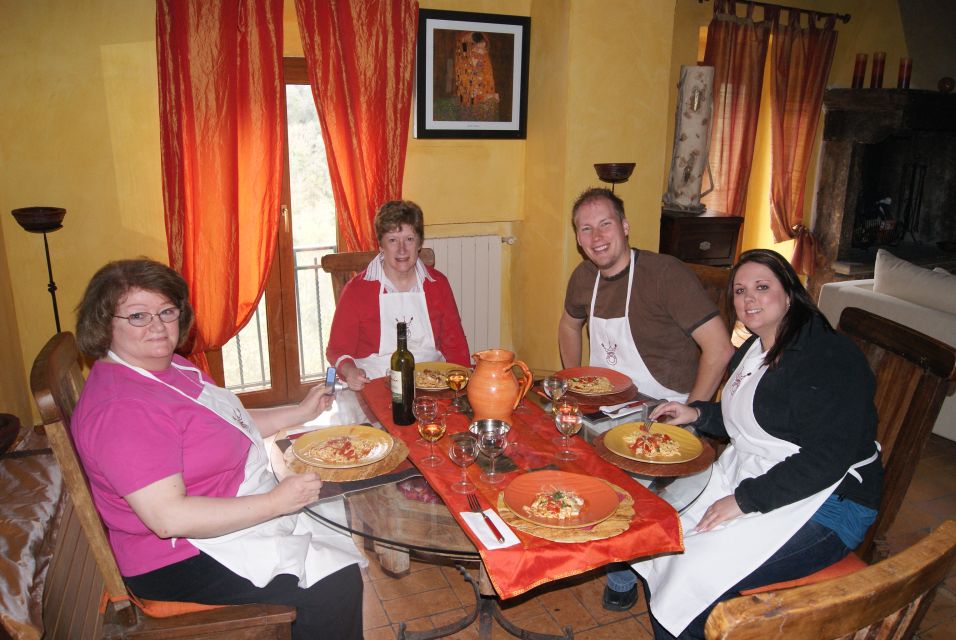
Rome can be intense. Even when you love it, after a few days your feet and your brain want a break. This is one of those experiences that swaps long lines and loud streets for a slower rhythm: drive out, cook, eat, and then go back feeling like you actually did something.
What makes this day especially appealing is that it’s not just a cooking class on paper. The experience is built around a full meal—appetizers, first course, second course, and dessert—so you’re practicing technique and decision-making, not memorizing one recipe. And since the group is capped at 8, it stays interactive. You’re not shouting your questions across a crowd. You’re right there at the work surface, learning as you go.
The countryside setting matters, too. You’re not traveling to a “theme kitchen.” You’re headed toward a rustic farm environment on the outskirts of Rome, with time to shop for ingredients before you cook. That matters because your Italian-lunch instincts improve. You learn what good herbs smell like, what fresh vegetables look like, and how those choices shape the final result.
You can also read our reviews of more tours and experiences in Rome

Via Ludovisi to Mazzano Romano: transfers and first impressions
The day begins at Via Ludovisi 60, next to the entrance to Ludovisi’s parking. From there, you’ll be guided into the out-of-town part of the day with transfers that keep things simple. The tour is designed so you’re not stuck figuring out transit schedules after you’ve already spent time in Rome.
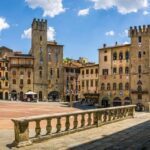
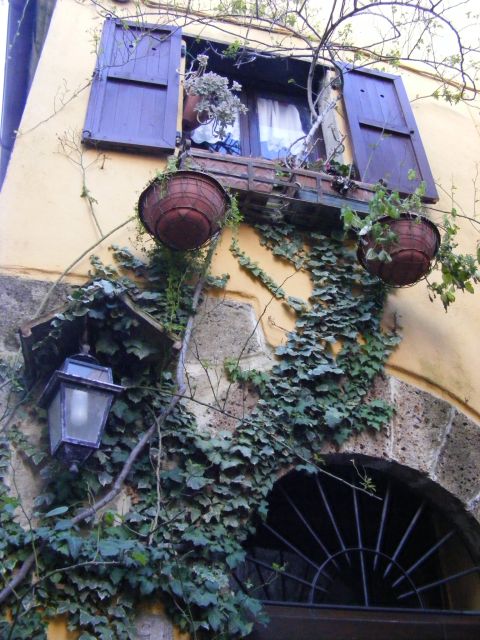
You’ll drive about an hour from Rome to the countryside. Along the way, you get that mental reset: fewer cars, more open space, and a different kind of noise. Then you arrive at the Medieval village of Mazzano Romano, where the atmosphere is the point. This is the “step outside the tourist bubble” moment, but without the stress of planning.
Practical note: wear comfortable shoes. You’ll be moving between spots tied to the day—meeting, shopping, and cooking—so don’t show up in anything that punishes you after an hour. You’ll be happier with trainers or supportive flats.
Market or farm time: choosing herbs and vegetables the Italian way
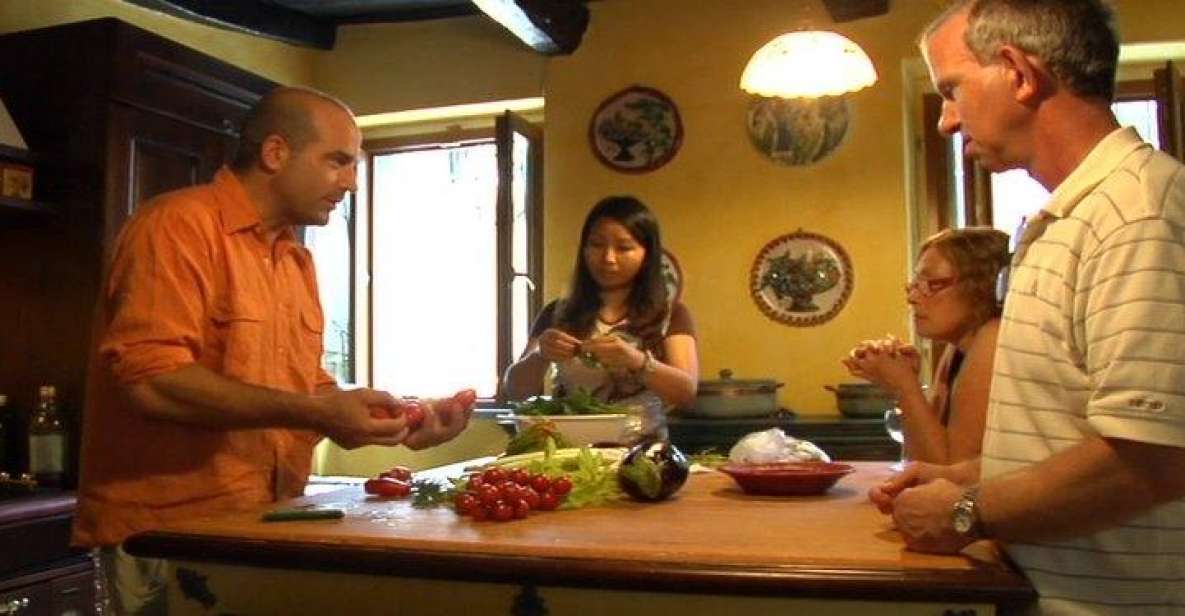
One of my favorite parts of cooking experiences is the moment where the food stops being abstract. Here, that moment is built in. After you meet your chef and tutor, you’ll either visit a market or pick vegetables and herbs at the farm.
Why this step is valuable: it trains your “ingredients eyes.” In Italy, cooking starts before the stove. You’re learning what to grab, what to skip, and how fresh produce behaves once it hits the kitchen. You’ll be working with herbs and vegetables that match what a classic Italian lunch depends on—simple ingredients treated with respect.
Some classes also focus on the broader lunch table, with stops that may include items like cheeses and meats, not just produce. Even if your exact stop varies, the takeaway is consistent: you’re building your meal from real ingredients, not packaged shortcuts.
Tip for you: when you’re shopping, don’t just hold the item and move on. Ask how it’s used in the menu you’ll cook. The best learning happens when you connect ingredient → technique → final dish.
The kitchen lesson: appetizers, two courses, and dessert
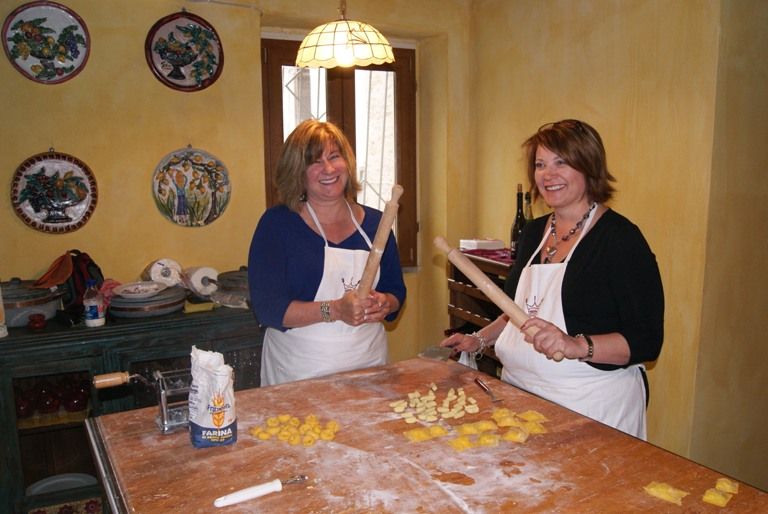
The core of the experience is the cooking lesson itself, led by the chef and tutor team. In past versions of this experience, the teaching team has included chefs such as Roberto, and helpful instructors like Roy and Tamara, with other staff pairs like Monica and Eliza also showing up. The common thread is clear: you’re not left alone with a recipe card. You’re taught while you cook.
Here’s what you can expect to make:
- Appetizers (a starter-style dish)
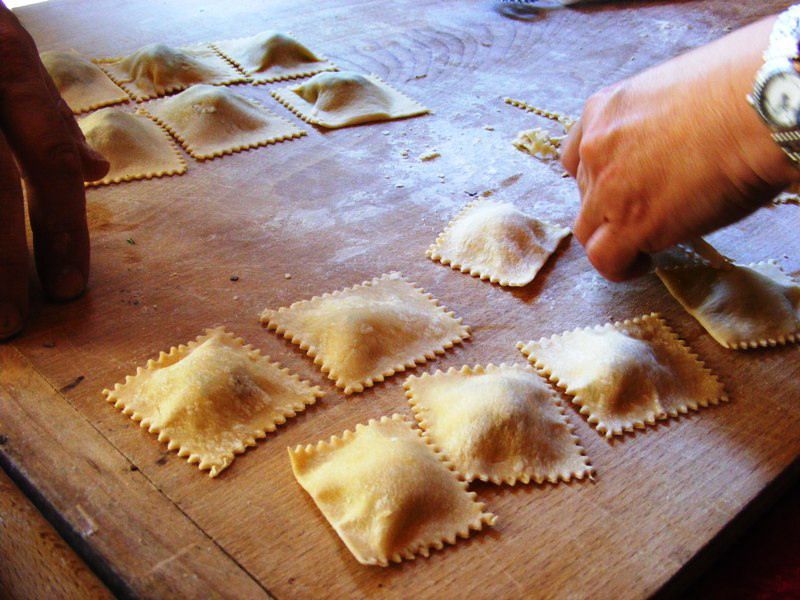
- A first course (the pasta or primo course)
- A second course (often meat-based in classic menus)
- Dessert to finish
The exact dishes can vary, but the structure stays the same: you’ll prepare and cook each part as a coordinated lunch, not a random set of tasks. Reviews describe menus with multiple pasta dishes and a meat course alongside dessert, which is a nice sign that you’ll learn more than one technique path.
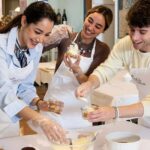
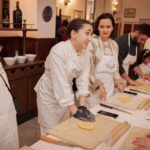
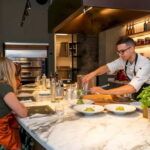
Since the group is small, you can usually move from task to task without waiting your turn forever. You’ll likely chop, stir, assemble, and cook alongside the instruction. Expect the day to feel active—hands on—rather than watch-and-wait.
If you’re the type who likes figuring things out by doing, this is a good fit. If you want a silent culinary museum tour, you may find it too active. The best part is that you’re making a full meal by the end, which turns cooking skills into something you can recreate later.
Sitting down to what you cooked: wine, lunch, and real conversation
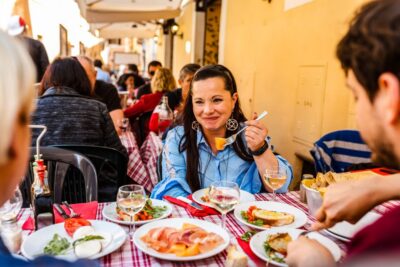
After the cooking portion, you’ll eat the meal you prepared in the country setting. This is where the experience stops being a class and becomes the lunch itself: you take a seat, enjoy the results, and share the meal with the people you cooked with.
Beverages are included, including wine—so you’ll get that classic Salute! energy without needing to buy anything extra. Because the group is limited to 8, conversation stays easy. You’re not stuck at a long banquet table with strangers who just want to bolt back to their phone.
This part also helps you learn in a different way. Tasting what you made closes the loop: it shows you what the herbs tasted like when cooked, how seasoning changed as the dish developed, and which steps mattered most. You’re going to remember the lesson more clearly when it’s tied to actual flavor.
And yes, it’s also a nice decompression after city walking. Rome can wear you out. This is a day designed to leave you relaxed.
You can also read our reviews of more tours and experiences in Rome
Who this suits best (and who should skip it)
This is ideal if you:
- Like cooking and want to learn a full Italian lunch style
- Want something hands-on after a few Rome sightseeing days
- Enjoy small-group energy where you can actually ask questions
- Prefer a guided day trip where transfers handle the logistics
It’s also a great choice if you like the idea of learning more than one dish. Some people come to cooking classes expecting a single pasta lesson. This one aims bigger: a structured lunch with multiple parts.
Who should consider skipping:
- If you’re pregnant, it isn’t suitable.
- If you don’t like being in a kitchen setting for 6 hours, it may feel like too much.
Family note, based on real experiences: one group brought kids around 10 and 16, and the hosts worked with them. That suggests older kids who enjoy cooking can handle the day better than little ones who need constant attention. If you’re traveling with children, think about whether they’ll actually participate.
Price and value: what $245.83 buys you
At $245.83 per person for about 6 hours, this isn’t a budget activity. So the question is value: what exactly are you paying for?
You’re paying for a package that includes:
- The cooking lesson
- Your lunch
- Beverages
- A market or farm visit for ingredients
- Transfers from the Rome start point and back
That’s a lot bundled into one day. For you, the value isn’t just the meal—it’s the learning. You’re getting coached through a full menu with instruction that you can reuse at home. Many people pay for “one-and-done” food tours and leave with photos. Here, you leave with skills and memory tied to taste.
Another value factor: group size. Max 8 means your instruction time is spread across fewer people. In high-volume classes, you often feel like a spectator. In a small group, you get closer to “doing it for real,” which improves the odds you’ll reproduce the dishes later.
Is it worth it? If you love cooking, want a calm break from Rome, and appreciate learning with real ingredients, the price starts to make sense fast. If you mainly want scenery and don’t care about cooking, you might feel like you’re paying for something you won’t fully use.
Tips to get the best day possible
A few practical moves help you enjoy the experience more and learn more.
Wear comfortable shoes and plan to keep your day bag light. Oversize luggage is not allowed, and the day is designed for walking and movement between areas.
If you’re bringing a camera, keep it simple. You’ll spend most of the day cooking, tasting, and listening to instruction—so choose quick photo moments rather than turning it into a filming project.
When you’re in the market or at the farm, ask how ingredients connect to the menu you’ll make. The goal is to leave with understanding, not just ingredients.
Also, if getting recipes after the class matters to you, ask during the day whether you’ll receive recipe notes or instructions afterward. Some classes include recipe follow-up, and it’s useful for recreating the menu at home.
Should you book this Mazzano Romano cooking lesson?
I’d book it if you want an authentic-feeling day trip that turns food into a hands-on memory. It’s a smart switch from Rome sightseeing because it gives you a break that still feels meaningful: you come home knowing how to build a classic Italian lunch, not just having eaten one.
I’d skip it if you hate cooking tasks, can’t do 6 hours in a small-group setting, or need an accessibility setup that isn’t supported. And I’d double-check your plans if you’re traveling with restrictions that change how you can participate, since the day centers on a classic three-course menu.
Bottom line: if you’re the kind of person who reads a menu and thinks about techniques, this is one of the better bets around Rome. You’ll spend the day in a real countryside rhythm, learn from a chef-led kitchen session, and end with a meal you actually made.
FAQ
How long is the Mazzano Romano cooking lesson and lunch?
The experience lasts 6 hours.
What is included in the price?
It includes the cooking lesson, lunch, beverages, and a market or farm visit.
Do I need to bring ingredients or cooking tools?
No. The lesson provides what you need, including the ingredients you pick during the market or farm stop.
Where does the tour start and end?
It starts at Via Ludovisi 60 (next to the entrance to Ludovisi’s parking) and ends back at the same meeting point.
How many people are in the group?
Groups are limited to a maximum of 8 participants.
What languages are the hosts speaking?
The host or greeter is listed as Spanish and English.
Is this experience suitable for pregnant women?
No, it is not suitable for pregnant women.