REVIEW · ROME
Rome: 2-Hours Rafting Experience on the Tiber River
Book on GetYourGuide →Operated by Naples Together · Bookable on GetYourGuide
Rome from a new angle starts with a splash. This 2-hour rafting trip puts you at river level under Rome’s bridges, with big-photo moments like Castel Sant’Angelo and the Cupolone in the background. I especially like the mix of calm paddling and short stretches of real thrills, and I also like how the guides run a clear safety briefing before you ever hit the water.
One thing to consider: this isn’t a casual sit-and-snap-photos activity. It’s physically demanding, you need to be able to swim, and the tour is not suitable for people with certain medical conditions or mobility limits.
In This Review
- Key points to know before you go
- Raft the Tiber under Rome’s bridges and get landmark views you can’t reach on foot
- Getting to Porta del Popolo (Porta Flaminia) near Flaminio metro
- Gear rules and packing tips that keep the rafting comfortable
- Safety briefing first: how the guides set you up for rapids and teamwork
- The exact route: from Castel Sant’Angelo to Ponte Rotto and back to Ripa Grande
- Start: Porta del Popolo area, then onto the Tiber
- Castel Sant’Angelo segment (about 20 minutes on the river)
- Tiber Island stop and transition (about 20 minutes)
- Under Garibaldi and Fabricio Bridges (the thrilling part, about 20 minutes each)
- Ponte Rotto and the only remaining arch (about 20 minutes)
- Finish at Ripa Grande Port (final stretch, about 20 minutes)
- Prosecco tasting on the river: a small luxury that fits the timing
- Seeing Rome by night depends on your departure, but the idea is real
- How good is the $93 price for two hours?
- Who this rafting trip suits best, and who should skip it
- Weather and river conditions: why your day can change
- Should you book this Rome Tiber rafting tour?
- FAQ
- Where do I meet for the rafting experience?
- How long is the rafting tour?
- What’s included in the price?
- What should I bring?
- Is this rafting experience for beginners?
- Is there anything I’m not allowed to wear?
- Who is this not suitable for?
Key points to know before you go
- Meeting point is easy by metro: Flaminio (A line), about 50 meters from where you assemble near Porta del Popolo
- You raft past major icons: Castel Sant’Angelo, Tiber Island, and under Roman bridges including Ponte Rotto
- Short, time-boxed segments: the route is broken into bite-sized stretches about every 20 minutes
- Beginners to advanced can fit: guides adjust coaching and you’ll practice teamwork and paddle commands
- You get a prosecco tasting while you’re on the river
- Bring quick-dry gear and skip sandals; you’ll be climbing in and out of the raft
Raft the Tiber under Rome’s bridges and get landmark views you can’t reach on foot
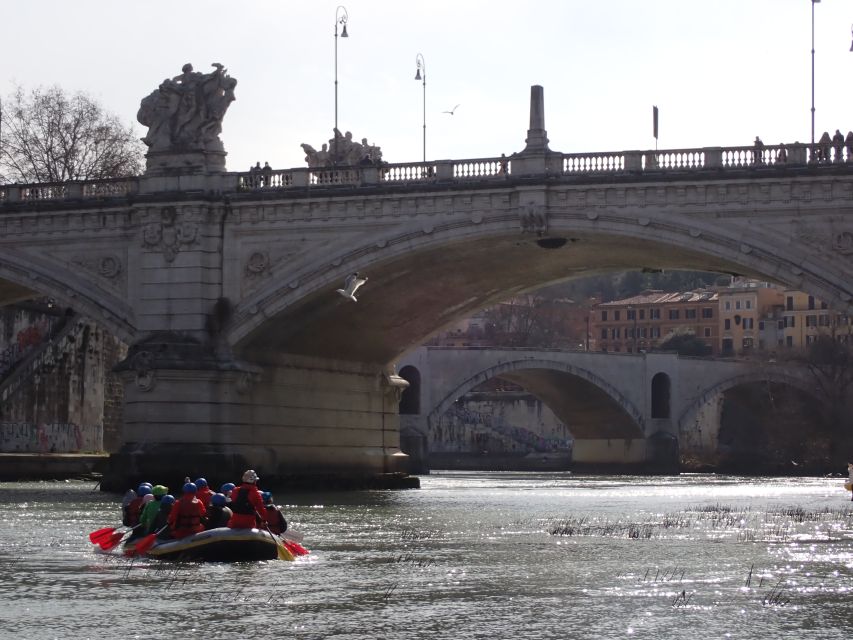
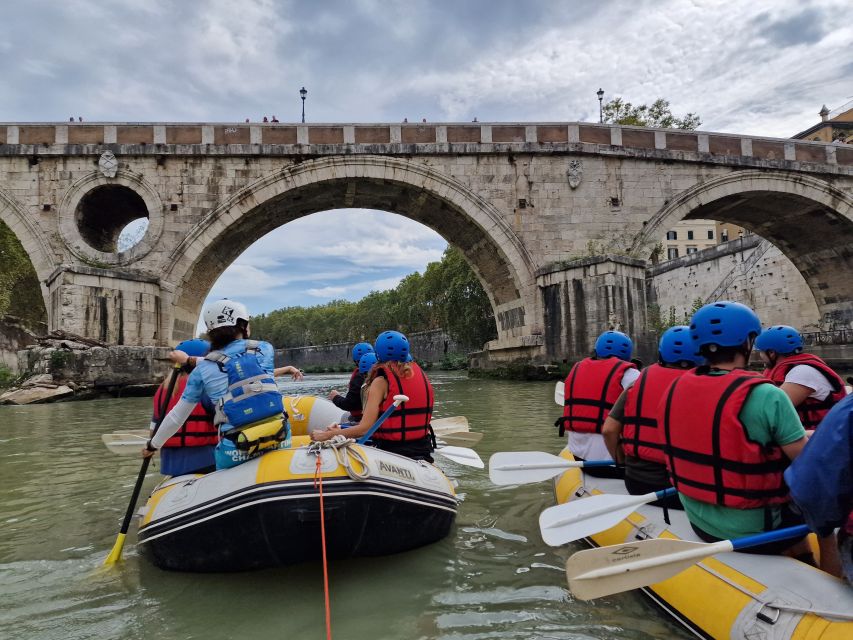
The main reason this works so well is the setting. Rome is one of those cities where many landmarks are crowded, distant, or best seen from specific viewpoints. On the Tiber, those same landmarks slide into view as you paddle, and you get that rare feeling of being in the city but not stuck in it.
Your route is built around a string of sights and bridges, so you’re not stuck with one long, samey stretch. You’ll pass ancient and modern spans and then hit the more exciting sections under bridges where the current and timing feel different. That rhythm keeps it fun and keeps your attention on what’s happening, not just on where you are.
The guide coaching is also a real value here. You’re not just handed a paddle and told to survive. You get instructions on how to behave in the boat, what the paddle commands mean, and how to use your stroke with the group. That makes the rapids feel more manageable and gives you skills you can actually use.
You can also read our reviews of more tours and experiences in Rome.

Getting to Porta del Popolo (Porta Flaminia) near Flaminio metro
Meeting up is straightforward. You meet near the large Porta del Popolo area, specifically by Porta Flaminia, under the gate and close to Piazza del Popolo. The big practical win: it’s just a short walk from the Flaminio metro station on the A line.
Plan to arrive at least 10 minutes early. That buffer matters because you’ll need time to gear up, meet your instructor, and get the safety briefing before you’re on the water. If you roll in late, you’ll slow things down for the group and feel rushed before you start.
If you’re trying to fit this into a day of sightseeing, the location helps a lot. You can get here on public transport and spend less time crossing the city than you would for many more remote day tours.
Gear rules and packing tips that keep the rafting comfortable
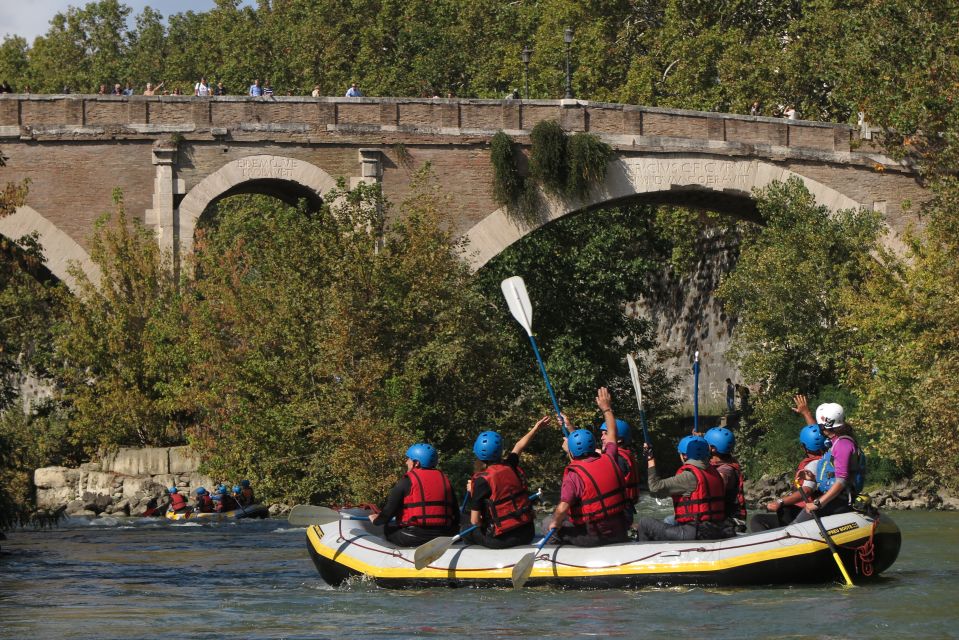
What you wear matters more than you might expect, because you’re on a working river. The tour asks you to bring a few simple items:
- sunglasses
- a sun hat
- a towel
- biodegradable sunscreen
- quick-dry clothing
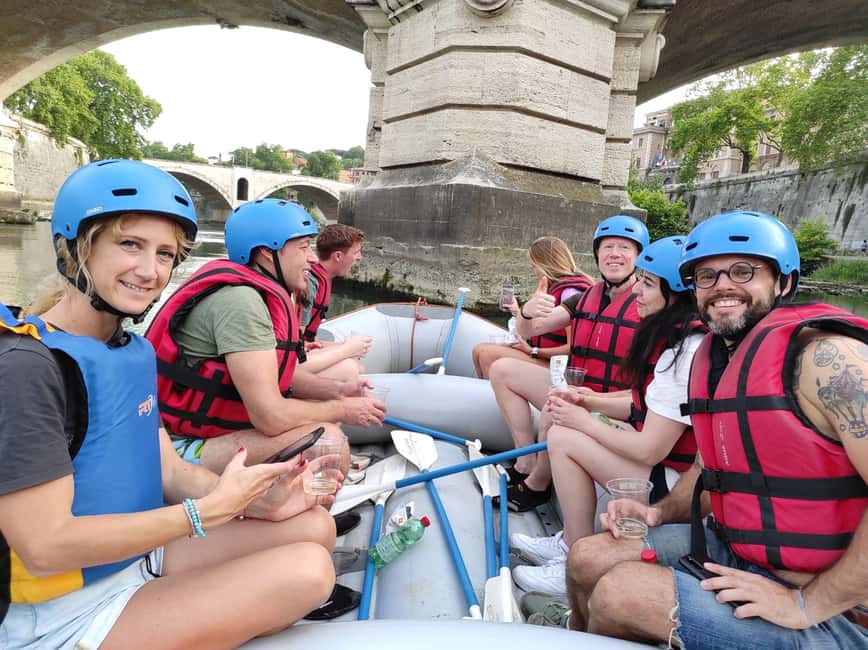
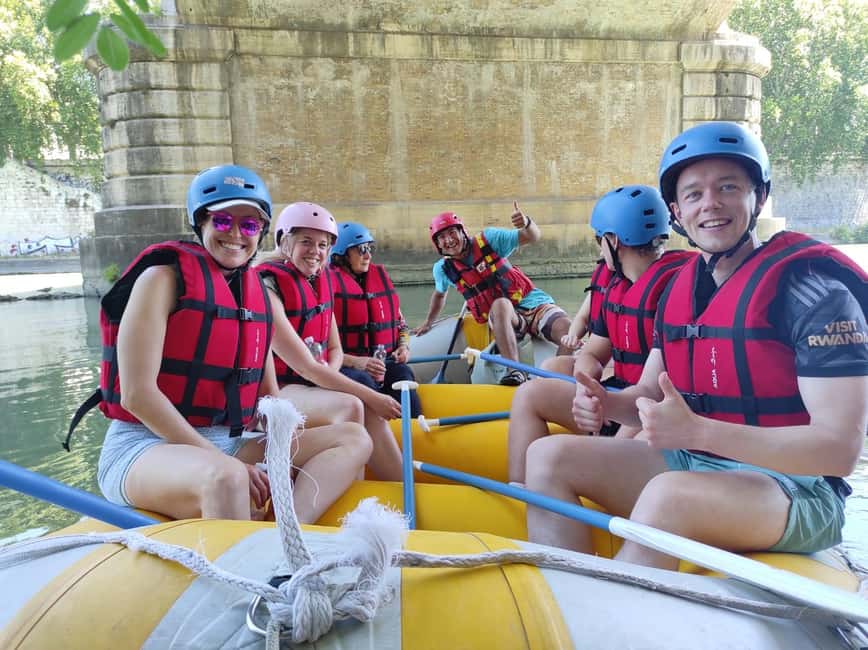
Don’t wear sandals or flip-flops, and don’t go barefoot. You’ll want footwear you can move in and that won’t turn into a problem if your feet get wet. The tour provides life jackets and helmets, but it’s on you to wear the right base clothing and plan for water on skin and gear.
Dry storage is also something to think through. A dry bag is listed as not included, but the good news is that there’s a safe space for your belongings. Still, pack smart: keep valuables minimal, and expect everything else to get wet or damp at some point.
Safety briefing first: how the guides set you up for rapids and teamwork
Before you paddle, you’ll get a comprehensive safety briefing. That includes boat behavior, paddle commands, paddling techniques, and what to do in an emergency. I like this setup because it prevents the most common rafting problem: people feeling confused when they’re already on the river.
The tour is described as suitable for different experience levels, which makes sense given how it teaches teamwork. You’ll practice navigation basics like communication and problem-solving as you work as a unit. That’s the difference between rafting that feels like chaos and rafting that feels controlled.
Also, the guides are English and Spanish speaking. If you need your instructions in one of those languages, you can plan around that instead of hoping for an improvised translation.
The exact route: from Castel Sant’Angelo to Ponte Rotto and back to Ripa Grande
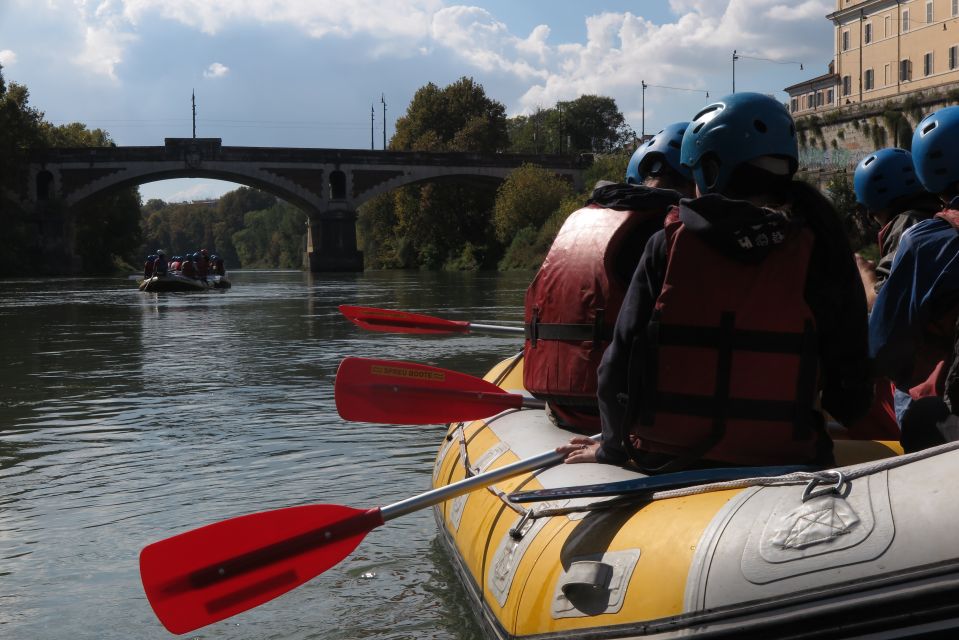
The itinerary is clean and easy to picture because it’s broken into segments, with about 20 minutes for each stretch. Here’s what that looks like in real time.



Start: Porta del Popolo area, then onto the Tiber
You begin at the Porta del Popolo area and get geared up before heading out. The first part of the trip is your adjustment phase: learning how the boat moves, how the group coordinates, and how the paddling rhythm feels when you’re actually underway.
Castel Sant’Angelo segment (about 20 minutes on the river)
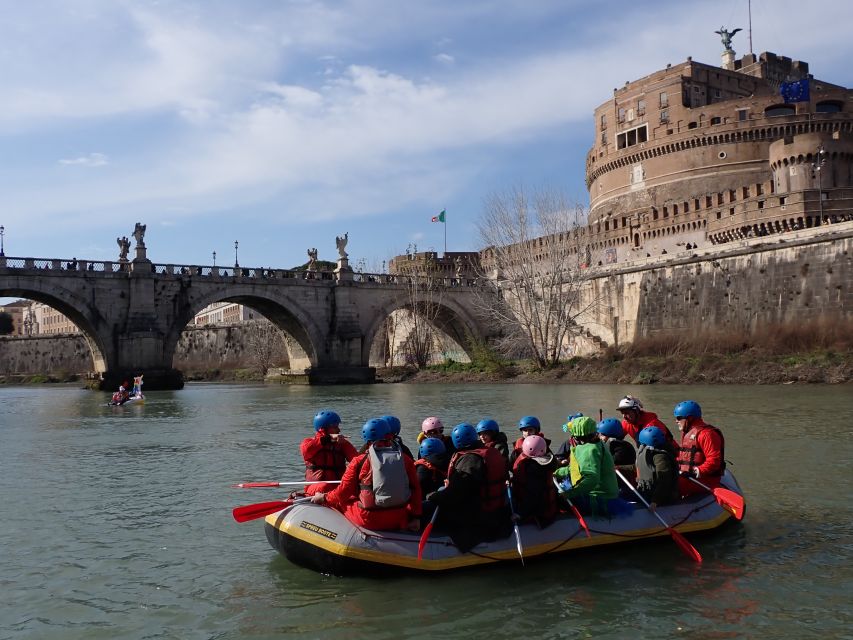
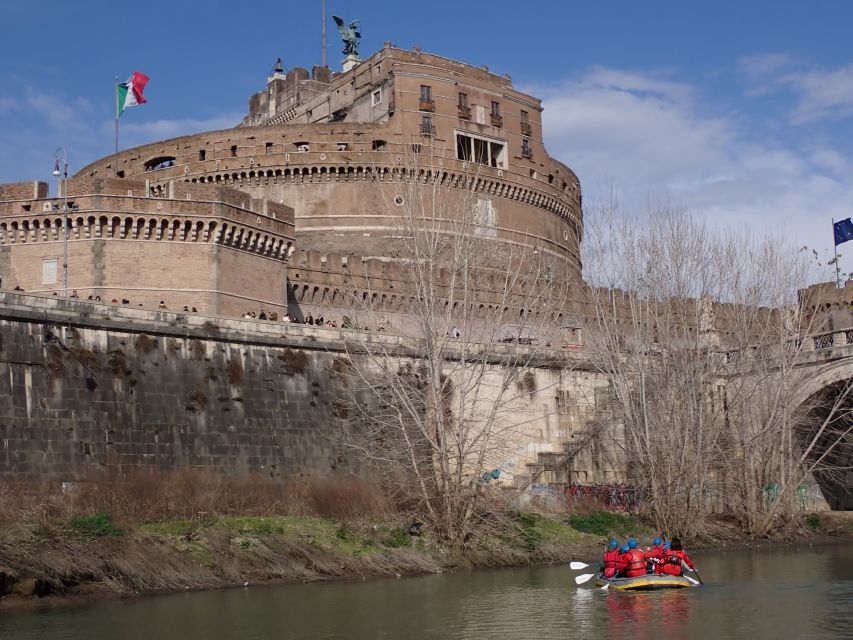
Early on, you’ll raft past viewpoints that feel made for photographers. This part of the route is timed so you get a memorable look as the river carries you along. Your description includes a moment where Castel Sant’Angelo and the Cupolone appear in the background, which is a big deal. Seeing that kind of lineup from river height changes the scale in your mind. It’s not just a building; it’s part of a moving panorama.
Tiber Island stop and transition (about 20 minutes)
You reach Tiber Island, where a ferry takes the right branch and stops shortly after Garibaldi Bridge. The tour continues through the left branch. Practically, this is where the river changes character and sets you up for the more exciting parts later.
Under Garibaldi and Fabricio Bridges (the thrilling part, about 20 minutes each)
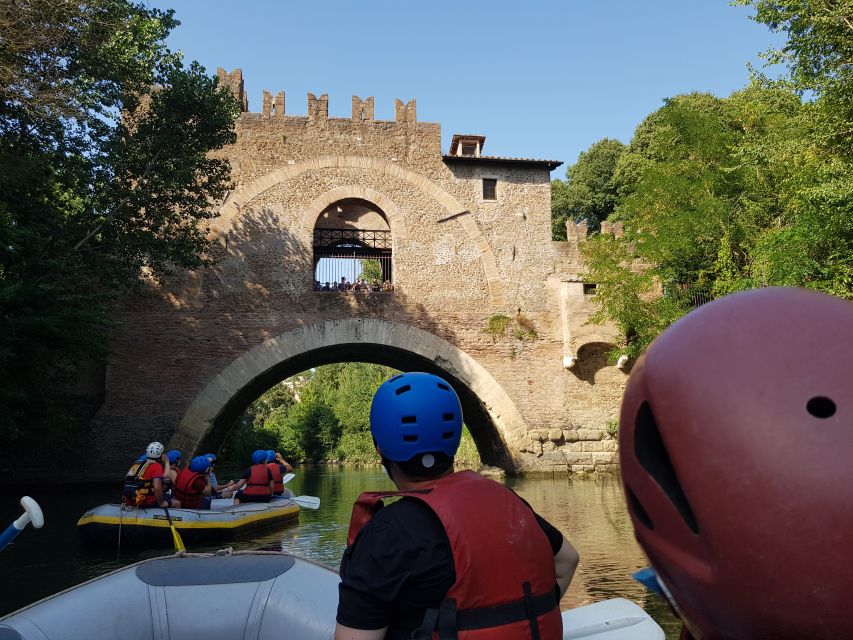
The rapids arrive under the Garibaldi and Fabricio Bridges, both described as ancient Roman bridges. This is where you feel the river’s push and where the coaching you got at the start pays off.
The value of this section isn’t just the thrill. It’s also that it teaches you how to stay coordinated when conditions change. You’ll be reminded quickly that rafting is teamwork: one person off rhythm affects everyone.
Ponte Rotto and the only remaining arch (about 20 minutes)
Next comes Ponte Rotto, and specifically under the only remaining arch. This is one of those Rome details that feels special even if you’re not a bridge expert. From the water, you get a direct view of the structure and the way it shapes the current. It’s also a visual moment that helps you understand why this river has always mattered to the city.
Finish at Ripa Grande Port (final stretch, about 20 minutes)
You end on the right bank at Ripa Grande Port. This is the point where the adrenaline levels usually drop into satisfied calm. You’ve done the exciting sections, you’ve seen the highlights, and you still have enough time to keep the rest of your evening plan.
The total tour time is about two hours, and the pace is steady rather than rushed. That makes it easier to justify if you’re also trying to fit in dinner or another attraction later.
Prosecco tasting on the river: a small luxury that fits the timing
One included extra is a prosecco tasting. It’s not a separate, long event. It’s part of the experience, tied to the scenery while you’re on the water.
Why this matters for value: it turns the trip from pure activity into something that feels like an evening out, even though it’s only two hours. If you’re the type who likes a little reward during the day, this is a nice touch.
Seeing Rome by night depends on your departure, but the idea is real
The highlights mention the chance to see Rome by night. The itinerary itself doesn’t state exact hours, so the practical approach is this: when you check availability, look at the starting time options. If you book a later slot, you can reasonably expect the city’s lighting to add atmosphere while you pass under the bridges.
Even without late timing, the “Rome at water level” view usually feels different from daytime because you’re not looking up from street height. You’re moving horizontally under the city’s edges.
How good is the $93 price for two hours?
At $93 per person for about two hours, you’re paying for more than the river ride. You’re paying for:
- professional guides and the safety briefing
- maintained equipment (life jackets and helmets)
- a guided route built around major landmarks
- a prosecco tasting
- coaching for paddling technique and teamwork
If you compare this to other Rome activities in the same time window, it’s a strong value for the combination of physical experience plus iconic views. The big reason it’s worth it is the guide-led structure. You get instruction, which means you’re more likely to enjoy the rapids rather than just endure them.
That said, it only feels like a bargain if it matches your comfort level. If you’re worried about stamina, swimming, or water-based movement, you might be better off with a less physical outing.
Who this rafting trip suits best, and who should skip it
This is a “be honest with yourself” kind of tour.
It’s not suitable for:
- children under 12
- non-swimmers
- people with back problems
- people with mobility impairments
- people with heart problems
- people with epilepsy
- people with recent surgeries
- people with low level of fitness
You’re also expected to meet physical requirements like the ability to swim, paddle for up to two hours, and climb in and out of the raft while moving over uneven terrain on the riverbank.
On the plus side, the tour is described as suitable for different experience levels, from beginner to advanced, because the guides teach the commands and paddling technique and keep the group working together.
If you want an active Rome moment that’s different from the usual museum-and-cathedral routine, this is a great match. If you want something calm and seated the whole time, this probably won’t feel right.
Weather and river conditions: why your day can change
Rafting is weather-dependent. River conditions can vary with season, rainfall, and temperature, and the operator can reschedule or cancel tours if conditions are unsafe.
This matters because Rome’s weather can shift quickly. If your schedule is tight, keep some flexibility. And if you book early or late in the season, confirm what the company plans to do if water conditions make changes necessary.
Should you book this Rome Tiber rafting tour?
Book it if you want a hands-on Rome experience with real scenery value. I’d choose it when you like active travel, you want to see Castel Sant’Angelo, Tiber Island, and bridge details from the water, and you appreciate coaching that makes the rapids feel more controlled.
Skip it if you’re not comfortable with swimming, climbing in and out of an inflatable-style raft, or if you have medical concerns that could be affected by physical exertion. Also skip it if your idea of a perfect day is staying dry and walking slowly.
If you can handle moderate fitness and you’re excited by river views at night or in daylight, this is a memorable way to spend two hours in Rome. Different city, different vantage point, and you leave with a story that doesn’t sound like the usual postcard list.
FAQ
Where do I meet for the rafting experience?
You meet near Porta del Popolo, specifically by Porta Flaminia, close to Piazza del Popolo. It’s about 50 meters from Flaminio metro station on the A line, and you should arrive about 10 minutes early.
How long is the rafting tour?
The tour lasts about two hours total.
What’s included in the price?
Included are professional guides, quality rafting equipment (life jackets and helmets), safety briefing and paddling instruction, scenic views of major landmarks, time on rapids and calm stretches, and a prosecco tasting.
What should I bring?
Bring sunglasses, a sun hat, a towel, biodegradable sunscreen, and quick-dry clothing.
Is this rafting experience for beginners?
Yes, it’s designed to work for different skill levels. Guides provide instructions on paddle commands and technique so you can participate comfortably.
Is there anything I’m not allowed to wear?
You shouldn’t wear sandals or flip-flops, and you shouldn’t go barefoot.
Who is this not suitable for?
It’s not suitable for children under 12, non-swimmers, people with low fitness, and several medical categories including back problems, mobility impairments, heart problems, epilepsy, and recent surgeries.