REVIEW · ROME
Rome: Bioparco di Roma Zoological Garden Entry Ticket
Book on GetYourGuide →Operated by C-WAY Srl Unipersonale · Bookable on GetYourGuide
A day at Bioparco di Roma is an easy break from sightseeing chaos, and the setting helps a lot. This 42-acre zoo sits on part of the original Villa Borghese estate, so you’re strolling through real parkland while you check out over 1,200 animals.
I love the range of animals you can actually plan around, from lemurs and chimpanzees to tigers and bears, plus plenty of birds. The Reptile House is a standout too, with iguanas, snakes, and lizards that feel like the best use of your time if you only have a few hours.
One thing to keep your expectations realistic: not every enclosure is guaranteed to be perfect all day, and some animals may be asleep, hidden, or active in bursts. A few enclosures can also be under construction, and a handful of visitors felt some habitats could be larger or offer more enrichment.
In This Review
- Key Takeaways Before You Go
- Villa Borghese Location: Why the Setting Feels Different
- Your Ticket Advantage: Skip-the-Line Entry Through a Separate Entrance
- What You’ll See: Lemurs, Big Cats, Bears, and a Lot of Birds
- The Reptile House: The Stop That Most People Remember
- Conservation and Education: Why Bioparco Isn’t Just Entertainment
- Planning Your Walk: How Long It Takes and How to Time It
- Best timing tricks that actually help
- Food and Drinks: Picnic Strategy Beats Relying on In-Zoo Options
- Tramezzino pickup note
- Getting There: Taxi Reality and a Smooth Rome Connection
- Animal Care and Enclosures: What Looks Great, What Needs Watching
- Value for Money: Is $25 Worth It?
- Who Should Book Bioparco di Roma (and Who Might Wait)
- Should You Book Bioparco di Roma?
- FAQ
- How long is the Bioparco di Roma entry ticket valid?
- What does the skip-the-line ticket include?
- What are the top animals or areas to prioritize?
- Are the animal signs in English?
- How do child tickets work?
- Do people with disabilities get free tickets?
Key Takeaways Before You Go

- Skip-the-line entry through a separate entrance to save time at the gate.
- 1,200 animals / ~200 species / 5 continents, with mammals, birds, reptiles, and amphibians.
- Villa Borghese location, so the zoo walk feels like a park day, not just a queue-and-see checklist.
- Reptile House focus, often the most memorable stop for people of all ages.
- Plan for a lot of walking, with many people reporting several miles covered.
Villa Borghese Location: Why the Setting Feels Different
Bioparco di Roma works because it doesn’t feel like a factory-built zoo on the edge of town. You’re in a real historic landscape area tied to Villa Borghese, with 42 acres of paths, shade pockets, and open spaces that make it easier to slow down.
That matters in Rome. Most days are all stone and crowds. Here, you get a quieter, greener pace. You can also find benches and places to stop, and this is a big reason the park can stretch from a simple visit into a full day.
Even if you only care about animals, the park layout still helps you enjoy the day. It’s designed so you don’t constantly backtrack, and visitors consistently note the grounds feel clean and easy to wander.
You can also read our reviews of more tours and experiences in Rome



Your Ticket Advantage: Skip-the-Line Entry Through a Separate Entrance
You’re paying for convenience as much as animals. This ticket includes skip-the-line entry via a separate ticket line at the gate, which is especially helpful if you’re traveling on a tight schedule.
A practical note: the ticket is valid for 1 day, and you should check availability for the starting time that fits your plan. If you’re the type who likes early starts for maximum animal activity, pick the earliest slot you can.
Also, this is a zoo. The day still depends on animals being where you can see them. The skip-the-line part just ensures you spend less time standing still before the walking begins.
What You’ll See: Lemurs, Big Cats, Bears, and a Lot of Birds
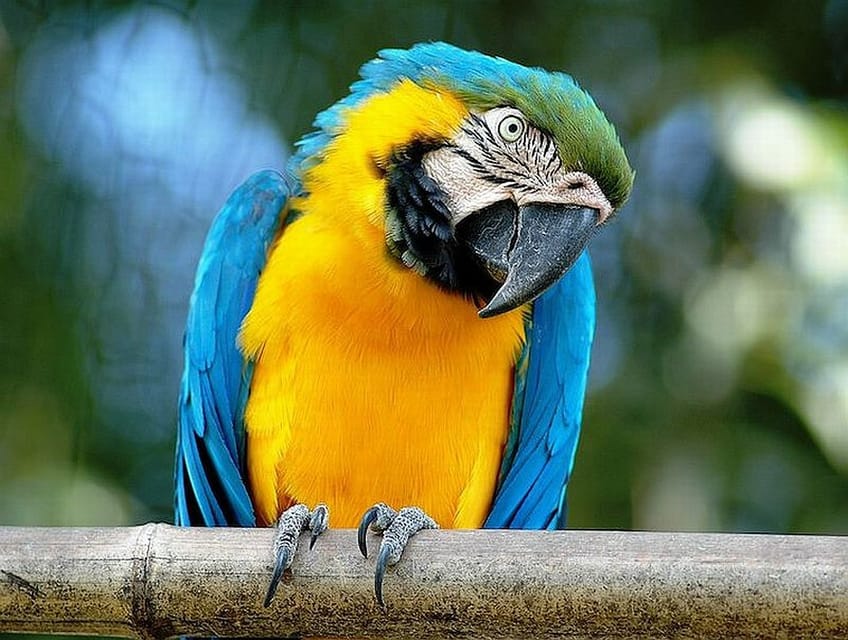
The headline promise is simple: over 1,200 animals from about 200 species across five continents. What makes that number feel real is the variety. You’ll move through mammals, birds, reptiles, and amphibians instead of getting stuck in one theme zone.
From the information and what people highlight, you can expect to look for:
- lemurs and chimpanzees
- tigers and bears
- wolves and brown bears
- elephants and giraffes
- peacocks that roam freely around parts of the park
You should also know that some animals might not be on display all the time. Even in a well-run zoo, animals can be asleep, hidden, or choosing shade. If you’re only going for a quick look, go early and keep moving, because animal activity tends to change through the day.
The Reptile House: The Stop That Most People Remember
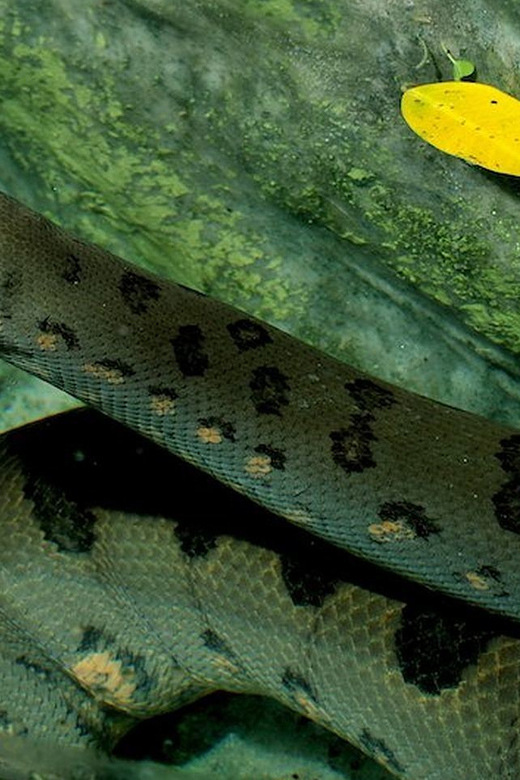
If you want to pick one “must-do,” make it the Reptile House. It’s consistently treated like the highlight, and it’s easy to see why. This is where you get a strong mix of iguanas, snakes, and lizards—exactly the kind of animals that are harder to spot in everyday Rome sightseeing.
The practical advantage is timing. Reptiles often become easier to spot when the day warms up and the light catches enclosures. If you arrive midday and everything feels too quiet, the Reptile House can be your morale saver.
Also, you’ll see that the zoo leans into education, so the animal info boards can make the visit feel more meaningful than a simple loop. Many signs are posted in Italian and English, which helps a lot when you’re trying to understand what you’re actually looking at.
Conservation and Education: Why Bioparco Isn’t Just Entertainment
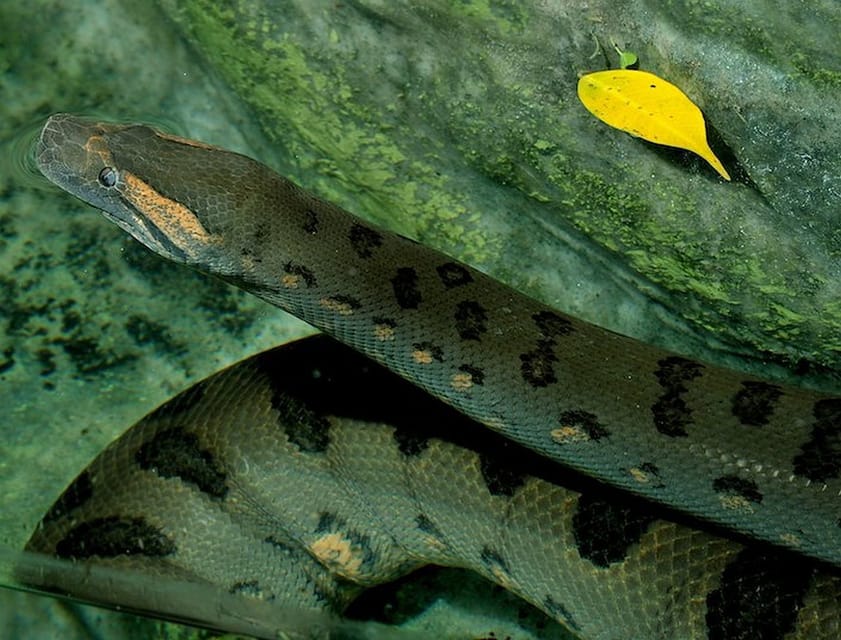
One reason this zoo day feels worthwhile is that Bioparco isn’t only about display. The park is active in conservation of endangered species, environmental education, and scientific research.
For you, that means the experience can be more than “look and move on.” When you read about conservation efforts tied to specific species, you naturally start paying attention to behavior, habitat needs, and why the animals matter beyond being interesting.
It’s the kind of context that helps kids too. They’re still having fun, but it’s less passive than waving at animals and walking out.





Planning Your Walk: How Long It Takes and How to Time It

This is not a small zoo you can knock out in 45 minutes. People report everything from around 3 hours to closer to 4 hours, and some suggest you could turn it into a full day, especially if you bring a picnic.
One visitor even mentioned walking about 6 miles, which tells you the park can add up quickly. The key is to wear shoes that don’t hate you and plan for breaks.
Best timing tricks that actually help
- Go earlier if you want more activity. People repeatedly suggest arriving early so animals are awake and moving.
- Watch the heat. If you’re visiting in warmer weather, consider going later in the afternoon rather than the hottest middle of the day.
- Hit facilities early. A small tip that pays off: use restrooms early rather than waiting until you’re already deep into walking.
- Bring water. It’s a day of strolling, and you’ll feel it.
Also, if you’re the sketching type, or the slow-observer type, early hours can give you the extra space you want near enclosures.
Food and Drinks: Picnic Strategy Beats Relying on In-Zoo Options

Here’s the most important practical call for your stomach: food inside is limited. Visitors mention cafes and snack stations, but the overall options are not exactly like a full day festival of choices.
My favorite strategy is simple:
- Bring a picnic if you can.
- Use on-site food stops for convenience, not as your full plan.
If you’d rather buy once you arrive, there are places to grab items like burgers, hot dogs, chicken nuggets, ice cream, and drinks. Some people say prices are reasonable for a zoo, while drinks can cost more than you’d like. Vending machines can be a cheaper backup for drinks.
Either way, sit down often. This park is designed for leisurely strolling, and the best part of the day can be the breaks.
Tramezzino pickup note
The info you’re given includes a Tramezzino pickup window from 11:00 AM to 5:00 PM, and it can be picked up inside the park at locations including Bar Ninfeo, Ristorante Mascagni, Chiosco Oasi del Lago, or Bar Voliera. If you have that voucher or add-on, plan your lunch around that pickup time.
Getting There: Taxi Reality and a Smooth Rome Connection
Bioparco is reachable, but don’t count on it being a walk-from-the-center sort of trip. Many visitors recommend taking a cab, and some specifically suggest using Uber or a licensed black cab rather than the common white taxis, which some people described as slow or prone to overcharging.
If you’re planning the day with other sights, it can work well to pair the zoo with a later stop. One visitor even described using the bus connections around the area to head toward Trevi Fountain afterward.
In plain terms: build in transit time. Then once you’re inside, you’ll focus on the park without constantly worrying about schedules.
Animal Care and Enclosures: What Looks Great, What Needs Watching

Overall, visitors consistently describe the animals as well cared for, with the park looking clean and tidy. Many also say enclosures are comfortable for viewing, with signs that explain what’s going on.
That said, it’s not always the same experience for every animal. A few people felt:
- some enclosures looked tight compared to what the animals need
- enrichment could be improved for certain species
- some animals seemed bored or inactive
- a couple enclosures were under construction
If you’re sensitive to those details, it’s worth going in with a balanced mindset. Zoos vary by species and by current projects, and your own visit may include a mix of excellent viewing and quieter corners.
Value for Money: Is $25 Worth It?
At about $25 per person, the price starts to make sense when you look at what you’re buying: a full day option in a big park plus skip-the-line entry.
You’re not just paying for a couple animal exhibits. You’re paying for:
- a large 42-acre park
- hundreds of species represented across multiple animal groups
- time savings at the gate with separate skip-the-line entry
- a setting that feels like a park day rather than a quick stop
If you’re already doing the classic Rome route, this becomes a smart add-on. You get a different pace, less crowd pressure, and a lot of learning without needing to commit to a full-day guided tour.
If you’re expecting a giant safari experience with massive natural habitats everywhere, temper expectations. Some enclosures can feel smaller. But many visitors still rate it as strong value because you can spend hours there and see animals you don’t usually find back home.
Who Should Book Bioparco di Roma (and Who Might Wait)
This zoo day is a great fit for:
- families with kids who need energy-burning time
- teens and adults who enjoy learning while walking
- anyone already done with Rome’s biggest sights and wants a calmer change of pace
- animal lovers who want variety in one place
You might think twice if:
- you hate walking and would struggle with several miles of strolling
- you’re going strictly for big-cat and tiger action and only want animals active on command
- you’re easily discouraged by construction phases or occasional quieter enclosures
But for most people, the mix of variety, park setting, and skip-the-line convenience makes it an easy yes.
Should You Book Bioparco di Roma?
Yes, if you want a practical, low-stress day in Rome that mixes animals, walking, and a bit of education without complicated logistics. It’s especially worth booking if you can go earlier in the day so animals are more active and the park feels relaxed.
Do it with two expectations set correctly: bring comfortable shoes, and know that some animals may be asleep or hidden. If that doesn’t bother you, you’ll likely have a very satisfying day—one that feels like Rome, but with breathing room.
If you do book, remember the ticket is non-refundable, so pick your date and starting time carefully.
FAQ
How long is the Bioparco di Roma entry ticket valid?
The ticket is valid for 1 day. You should check availability for starting times when you book.
What does the skip-the-line ticket include?
It includes Bioparco di Roma skip-the-line entry, using a separate entrance/ticket line at the gate.
What are the top animals or areas to prioritize?
The Reptile House is frequently highlighted, and the park also features animals such as lemurs, chimpanzees, tigers, bears, plus many birds and other mammals.
Are the animal signs in English?
Most animal information boards are available in Italian and English.
How do child tickets work?
Child pricing is based on height: children under 1 meter enter for free, and children over 1 meter up to 10 years old should select the child rate. Height is checked at entry.
Do people with disabilities get free tickets?
Yes. There is free entrance for disability when it is 100% and certified, and a companion also gets free entry. Tickets can be collected at Bioparco’s ticket office with the required documents.