REVIEW · ROME
Fettuccine, Ravioli & Tiramisu Cooking Class in Rome
Book on GetYourGuide →Operated by Master pasta makers srl · Bookable on GetYourGuide
Pasta first, then dessert class. In this Piazza Navona–area cooking session, you get hands-on dough rolling and filling, plus a full meal that ends with wine and coffee or limoncello. I also like that you choose your Rome-style fettuccine sauce, though one practical drawback to consider is that the setup can feel a bit fast-paced and “production-line” for some people.
Plan for about 3 hours of guided cooking in English, starting with tiramisù and moving into fresh pasta. The best part is that the chef leads the process step-by-step, and the instructors named across recent sessions, like Mimi, Lori, Maria, and Tommy (sometimes Tomi), are clearly good at keeping things moving and fun.
In This Review
- Key Points You’ll Actually Care About
- Why This Pasta Class Works in Piazza Navona’s Neighborhood
- From Dough to Dinner: What Happens During the 3 Hours
- Tiramisù and the Real Meaning of Dessert Class
- Fresh Pasta Skills: What You Learn Beyond the Plate
- Choosing Your Rome Flavors: Cacio e Pepe, Amatriciana, Tomato & Basil
- Ravioli Done the Classic Way: Butter and Sage
- Your Table Moment: Wine, Limoncello, and Coffee Included
- Price and Value: Is $82 Worth It?
- Who Should Book This Class, and Who Should Skip It
- Tips to Get the Most Out of Your Cooking Lesson
- Should You Book This Pasta and Tiramisu Class Near Piazza Navona?
- FAQ
- Where does the cooking class meet?
- How long is the cooking class?
- What will I learn to make?
- Do I get to choose the fettuccine sauce?
- What sauce is served with the ravioli?
- Is wine included?
- What happens at the end of the meal?
- Is the class taught in English?
- What should I know about refunds and booking?
- Is it accessible and age-appropriate?
Key Points You’ll Actually Care About
- Live chef instruction, in English that focuses on real technique like kneading and rolling dough.
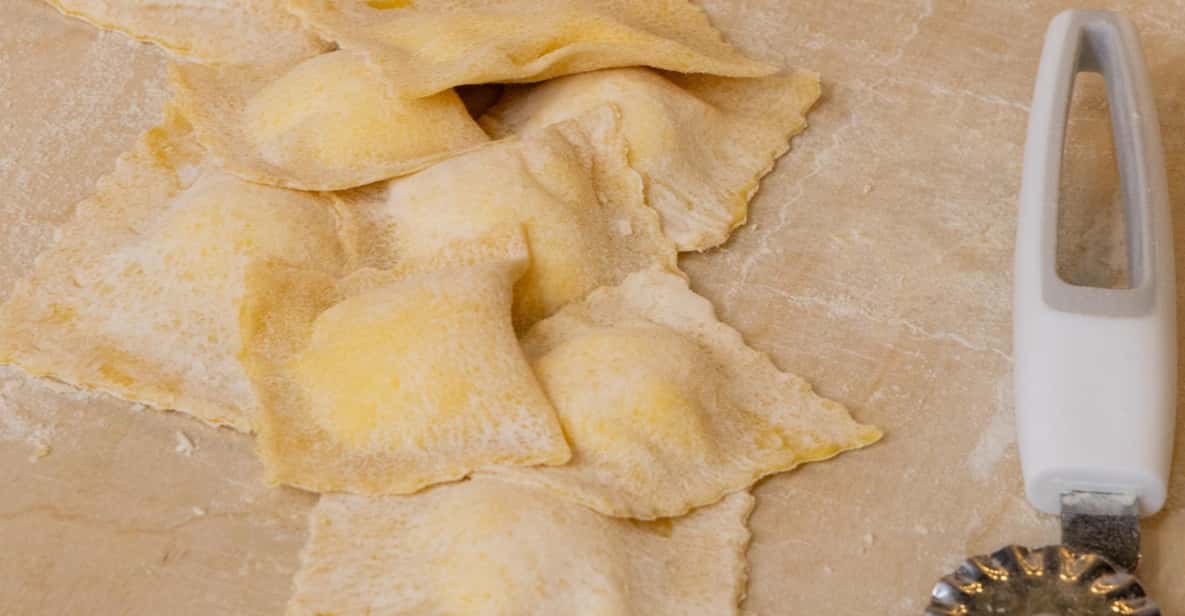
- You make all three: tiramisù, fresh fettuccine, and ravioli from scratch.
- Pick your fettuccine sauce: Cacio e Pepe, Amatriciana, or Tomato & Basil.
- Ravioli finish is simple and classic with butter and sage.
- Meal comes with drinks: a glass of wine plus coffee or limoncello at the end.
- Value leans on the full meal—not just watching someone cook.
Why This Pasta Class Works in Piazza Navona’s Neighborhood
There are a lot of Rome food experiences. This one is built around the most practical thing you can do with Italian cuisine: make it with your hands.
The meeting point is Via Giuseppe Zanardelli 14, at Restaurant Gusto, and it’s close to Piazza Navona. That matters because you can slot it into a sightseeing day without losing half your time to transit. After the class, you’re basically already in the right zone for an easy walk to more Roman sights.
What I like about this setup is the balance. It’s not only “cook for an hour, snack for ten minutes.” You learn dough work, then you eat what you made as a proper meal—wine included. If you want a hands-on break from museums and lines, this kind of class hits the sweet spot.
One heads-up from real-world pacing: a few people noted the experience can feel busy in the room and the schedule can move quickly. If you like slow, unhurried cooking time, you might want to keep that in mind and show up ready to work.
You can also read our reviews of more cooking classes in Rome

From Dough to Dinner: What Happens During the 3 Hours
The flow of the class is straightforward, and that’s a good thing. You start with tiramisù, then you move into fresh pasta: fettuccine and ravioli. The total time is about 3 hours, which is long enough to learn technique but short enough that you won’t be stuck for your whole afternoon.
Here’s the practical rhythm you can expect:
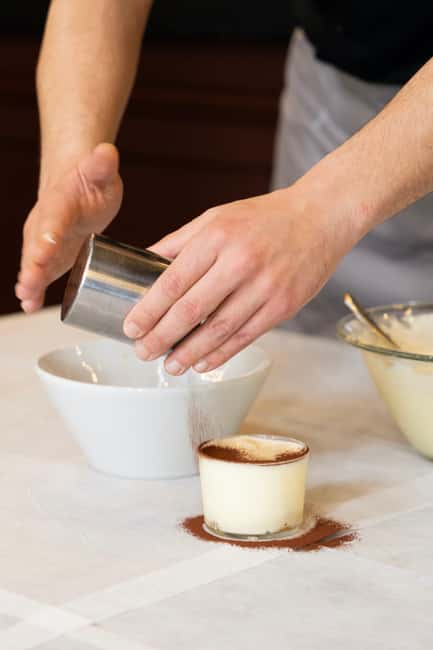
First, you’ll work on tiramisù. The class treats it as the classic opening move, so you’re not just watching dessert happen at the end. Doing tiramisù early also means you get time to build your confidence before you’re rolling pasta dough.
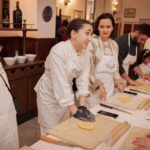
Then comes the pasta part. You’re guided through the core steps—kneading and rolling the dough are specifically called out, and that’s the heart of fresh pasta. If you’ve never made pasta before, this is where the class earns its keep. You learn what the dough should feel like, not just how it should look.
After the pasta is shaped, you choose how your meal tastes. For fettuccine, you pick one sauce: Cacio e Pepe, Amatriciana, or Tomato & Basil. Ravioli comes with butter and sage. Finally, you eat together.
The meal portion is where the experience becomes more than a craft lesson. You sit down with your food, and the class includes a glass of wine or a non-alcoholic drink. It ends with limoncello or Italian coffee, plus unlimited water throughout.
Tiramisù and the Real Meaning of Dessert Class
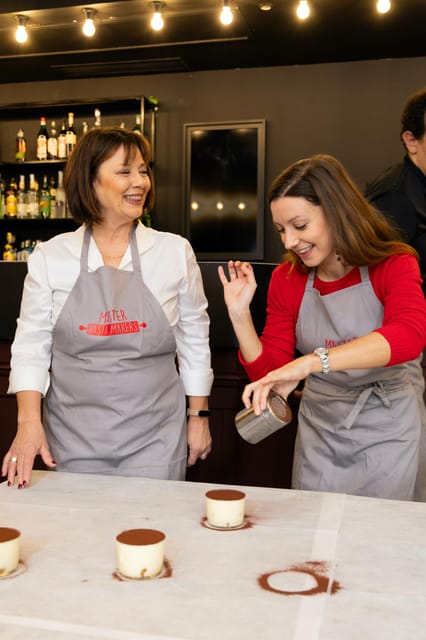
Tiramisù can sound simple—coffee, cream, a sweet finish. But what the class approach gives you is a chance to understand what makes it hold together.
Because tiramisù is on the menu from the start, you’re practicing an actual recipe sequence rather than treating dessert as a garnish. The class includes the full tiramisù experience, and you finish by eating it as part of the shared meal.
One interesting contrast from recent feedback: some people felt the pasta portion was the main event, while tiramisù was more of a supportive act. That doesn’t mean it’s bad. It just means if you’re coming here expecting tiramisù to be the star lesson, your time may feel more centered on pasta work once the class shifts gears.
Still, the biggest takeaway for you is learning how dessert fits into a full Italian dinner rhythm. In Italy, courses are not separate worlds. This class tries to teach that flow.
Fresh Pasta Skills: What You Learn Beyond the Plate
If you want a cooking class that helps at home, you need technique. This one is built around a technique-first approach.
You’re taught how to knead and roll pasta dough, which is more useful than memorizing one ingredient list. Kneading is about texture. Rolling is about consistency. Once you understand those two, you can apply the thinking to other pasta shapes later.
Then you make both fettuccine and ravioli. Fettuccine is the cleaner skill set—rolling and cutting. Ravioli adds a bit more structure because you’re shaping filled pasta.
One practical note: a few experiences described the meal as being shared and prepared in a way that didn’t always mean every participant ate the exact portion they personally made. That can happen in group classes, especially when timing matters. Don’t let that scare you off, but do keep it realistic: the class is about learning the process, and the food you eat is part of the finale, not a one-to-one souvenir plate.
Where the reviews strongly align is the instructor energy. Instructors mentioned across sessions—Mimi, Lori, Maria, Tommy, and Tomi—are described as personable and entertaining. That matters because fresh pasta is physical work. If the chef keeps the room calm and moving, you’re more likely to actually enjoy the knead-and-roll part.
Choosing Your Rome Flavors: Cacio e Pepe, Amatriciana, Tomato & Basil
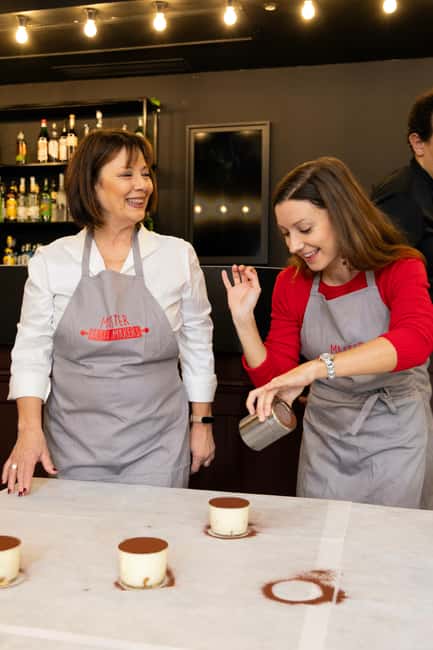
This class gives you options, and those options are smart. If you’re in Rome, you might as well taste Roman direction in your pasta.
For fettuccine, you choose one sauce:
- Cacio e Pepe
- Amatriciana
- Tomato & Basil
Each one leads to a different flavor style. Cacio e Pepe tends to be about cheese-driven simplicity. Amatriciana leans into savory depth. Tomato & Basil reads more fresh and classic. So even if you’re not a big “sauce person,” you’re still learning how different Roman preferences change the personality of the same pasta base.
This is also where the class helps you plan future meals. Once you make fresh pasta and then pair it with a sauce you actually picked, it’s easier to recreate the combination at home. You’re not just collecting recipes—you’re learning how to match method to flavor.
And because the class is in English, the sauce choice doesn’t become a guessing game. You can ask questions about how it should taste and how to serve it.
You can also read our reviews of more tours and experiences in Rome


Ravioli Done the Classic Way: Butter and Sage
Ravioli can be intimidating if you only think about it as a restaurant dish. Here, it’s part of your hands-on sequence, and it ends with a sauce that keeps things grounded: butter and sage.
That pairing is useful for you because it’s not overly complex. It lets you focus on the pasta itself—how it holds shape and how it eats—rather than hiding behind a complicated sauce.
So when you’re done rolling and shaping, the butter-and-sage finish is like a clean “test” of your work. If the pasta is right, it shows.
Your Table Moment: Wine, Limoncello, and Coffee Included
This class is set up as a meal experience, not only a cooking lesson.
You’ll enjoy your creations with:
- a glass of wine or a non-alcoholic drink
- unlimited water during the experience
- limoncello or Italian coffee at the end
That ending matters more than people think. After cooking, your brain is tired. A strong, simple finish helps you remember the flavor steps in order. Coffee or limoncello also makes the whole session feel like a real Italian dinner arc.
A few people specifically highlighted that the dinner service felt exceptional. Even if your cooking part is the highlight, the meal portion is what turns the class into a full program.
One more realistic point: because this takes place in a restaurant environment, you may notice it can feel busy. Some setups feel tight during active cooking stages, and hot conditions have been mentioned. If you’re sensitive to heat, consider bringing light clothing and plan to take a small pause if you need one.
Price and Value: Is $82 Worth It?
$82 per person sounds like a lot until you break down what it includes.
You’re paying for:
- chef-led teaching in English
- ingredients and supplies needed to make pasta and dessert
- the full meal you cook: fettuccine + ravioli + tiramisù
- a glass of wine or non-alcoholic drink
- limoncello or Italian coffee
- unlimited water
When a class includes drinks and the full meal, your cost is doing two jobs: education and dining. In other words, you’re not just buying a recipe lesson—you’re buying a whole evening’s worth of food and guidance.
Is the timing perfect for every person? Not always. Some feedback suggests the pacing can feel fast and the tiramisù portion may not feel equally emphasized compared with pasta. But if your main goal is to learn fresh pasta technique and taste Roman sauce pairings, the value is strong.
Who Should Book This Class, and Who Should Skip It
This is a good match if you:
- want hands-on practice with fresh pasta steps like kneading and rolling
- like the idea of choosing between Roman sauce styles
- want an activity that ends with you actually sitting down to eat
- travel as a couple, with friends, or as a small group that enjoys interactive experiences
It’s also a solid pick when you want a break from pure sightseeing. Instead of collecting facts, you collect a skill.
Skip it if:
- you want a super relaxed, unhurried cooking session with lots of quiet time
- you’re mainly coming for tiramisù and expect it to be the longest, most detailed part
- you dislike restaurant-style setups where the room can feel busy during the cooking segment
Age note: it’s not suitable for children under 4.
Accessibility note: it’s listed as wheelchair accessible, which is a real plus for families or anyone who needs that.
Tips to Get the Most Out of Your Cooking Lesson
You’ll get the best result if you treat this like a workshop, not a show.
A few practical moves:
- Wear something that can handle a little flour. Pasta work gets messy.
- Come hungry but not frantic. You’ll be fed, and you’ll taste what you make.
- Pay attention during dough kneading and rolling. That’s the technique you’ll remember when you cook at home.
- When choosing between Cacio e Pepe, Amatriciana, and Tomato & Basil, pick the sauce you’d actually order in Rome. You’ll enjoy the meal more if you chose it on purpose.
- If you’re sensitive to heat, plan for the possibility that the cooking room may run warm. Take small breaks if needed.
And if you’re nervous about cooking, good news: the instructors are repeatedly described as energetic and engaging. That kind of teaching style makes it easier to ask questions and keep up.
Should You Book This Pasta and Tiramisu Class Near Piazza Navona?
If you want an interactive Rome activity that ends with a real meal, I think this is a very reasonable book.
Book it if your priority is:
- making fresh pasta with guided technique
- tasting Roman sauce choices
- sitting down for wine and dessert afterward
Consider a different option if you:
- need slow pacing and quiet space
- care less about pasta and more about a deep tiramisù lesson
- strongly prefer that you eat the exact portion you personally shaped (since group production can change how portions are served)
Overall, for $82 you’re buying a chef-led skill session plus a full Roman-style meal. For most people, that’s the winning formula in Rome: learn, eat, and leave with something you can recreate back home.
FAQ
Where does the cooking class meet?
You meet at Via Giuseppe Zanardelli 14, Restaurant Gusto, just steps away from Piazza Navona.
How long is the cooking class?
The class lasts about 3 hours.
What will I learn to make?
You’ll make Tiramisù, fresh Fettuccine, and Ravioli from scratch.
Do I get to choose the fettuccine sauce?
Yes. You can choose Tomato & Basil, Cacio e Pepe, or Amatriciana.
What sauce is served with the ravioli?
Ravioli is served with butter and sage sauce.
Is wine included?
Yes. The class includes a glass of wine, or you can choose a non-alcoholic drink.
What happens at the end of the meal?
After eating, you finish with limoncello or Italian coffee.
Is the class taught in English?
Yes. The instructor teaches in English.
What should I know about refunds and booking?
Free cancellation is available up to 24 hours in advance for a full refund, and you can reserve now and pay later.
Is it accessible and age-appropriate?
It is listed as wheelchair accessible. It is not suitable for children under 4 years old.