REVIEW · ROME
Pasta Cooking Class with Pesto Sauce Making in Rome Center
Book on GetYourGuide →Operated by IPM COETUS SRL · Bookable on GetYourGuide
Making pesto in Rome beats just watching. This Pesto and Fettuccine class pairs a traditional Genovese pesto lesson with instructions for making handmade fettuccine, right in the center of Piazza Navona. I love that you’re doing the work yourself, not just standing by. I also like that it’s capped at a small group (max 7), so the English-speaking chef team—people like Chef Bea, Lisa, and Sara—can actually help as you go. The only drawback to flag: it’s not suitable for vegans, and it’s also not set up for gluten-free diets or nut allergies.
You’ll start inside Ristorante Panzirone (Piazza Navona 73), get guided through pesto and pasta prep, and then you’ll sit down to eat a meal at the restaurant. Expect a practical, friendly class that ends with the best part: tasting what you made in a proper Roman setting.
In This Review
- Key highlights that make this class worth your time
- Piazza Navona Start: Meeting at Ristorante Panzirone
- What You’ll Cook: Genovese Pesto Meets Fettuccine
- Your Pasta Session: Hands-On Fettuccine Like an Italian Home Cook
- Genoese Pesto Making: Fresh, No-Cook Sauce Skills
- What the Meal Is Like After Class
- Small Group Energy: Why a Cap of 7 People Matters
- Price and Value: Is $69.78 a Good Deal?
- Who This Class Suits (And Who Should Skip It)
- Practical Tips to Make Your Evening Go Smoothly
- Should You Book This Pasta and Pesto Class?
- FAQ
- Where does the cooking class meet?
- How long is the class?
- Is the class taught in English?
- What do adults receive with the meal?
- What’s included in the food?
- Are there restrictions for dietary needs?
- What if I want extra food or drinks?
Key highlights that make this class worth your time
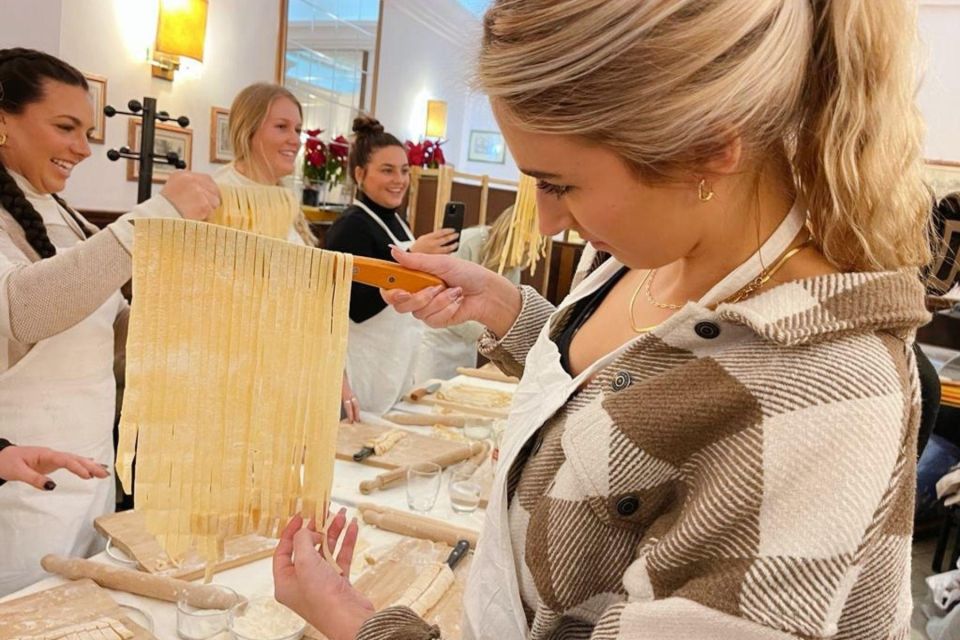
- Small-group teaching (max 7): more hands-on help instead of a big demo with no time to ask questions.
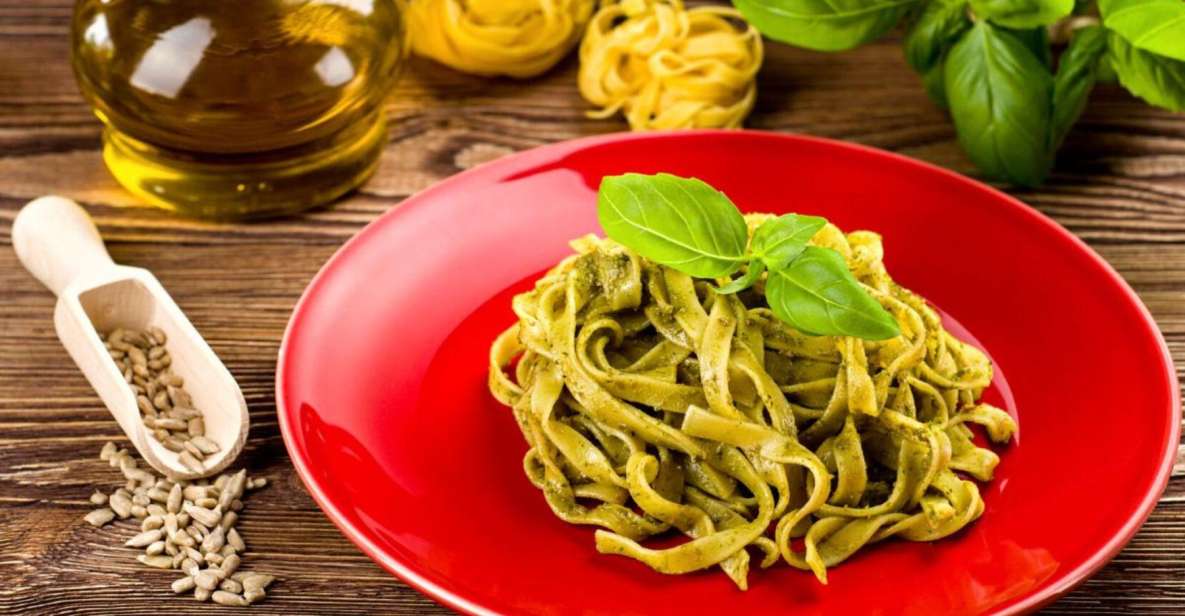
- Traditional Genoese pesto lesson: fresh, flavorful pesto you make yourself (and it doesn’t need cooking).
- Handmade fettuccine process: you’ll learn how the pasta is made, then the restaurant finishes cooking it for you.
- Eat what you make: your pesto and pasta are served at your table with included extras.
- Included meal basics: bruschetta, plus adults get a drink and an after-meal coffee or limoncello.
- Central location on Piazza Navona: easy to line up with other sights in Rome’s core.
Piazza Navona Start: Meeting at Ristorante Panzirone
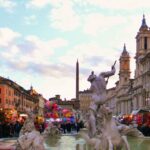
This class starts in the middle of the action, on Piazza Navona, at Ristorante Panzirone, Piazza Navona 73. Your first practical win: you don’t have to hunt through back streets for a random kitchen studio. You meet inside the restaurant, then staff will take you to the cooking area once you ask.
Plan to arrive about 10 minutes early so you can get oriented and not feel rushed. Since this is a cooking class, timing matters more than at a museum. You’ll want to settle in, meet your instructor team, and get set up before the prep really starts.
What I like about this kind of setup is how straightforward it is: no transit puzzle, no “find this door, then walk down this hallway” energy. You’re already in Rome’s postcard zone, but the class itself is focused on food, not spectacle.
You can also read our reviews of more cooking classes in Rome

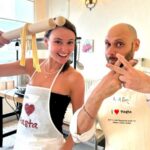
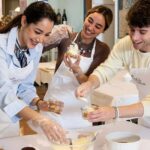
What You’ll Cook: Genovese Pesto Meets Fettuccine
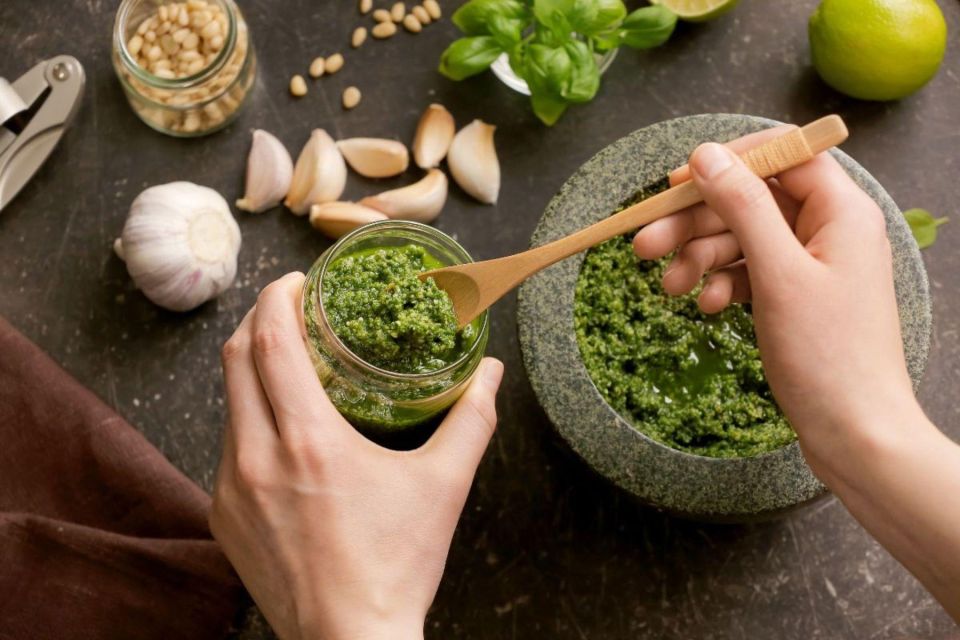
The menu sounds simple, but it’s a classic combination for a reason: pesto and fettuccine is one of the most teachable ways to understand Italian flavors. Pesto is also a great starting point because it’s a sauce style that depends on fresh ingredients and technique, not complicated cooking steps.
Here’s the core of what you’ll learn:
- Traditional Genovese pesto sauce making
- How to make handmade fettuccine pasta
- Then, you’ll eat together at the restaurant using what you made
One important detail: the pesto part is designed so you don’t have to cook the sauce. That keeps the process calm and minimizes the usual kitchen chaos. You still get hands-on training, but you’re not standing over a hot stove the entire time.
And while you learn the pasta-making steps, the restaurant chef finishes the cooking. That’s a smart trade-off. You get to form and work the dough like a real cook-in-training, but you’re not stuck managing timing and heat perfectly while learning the basics.
Your Pasta Session: Hands-On Fettuccine Like an Italian Home Cook
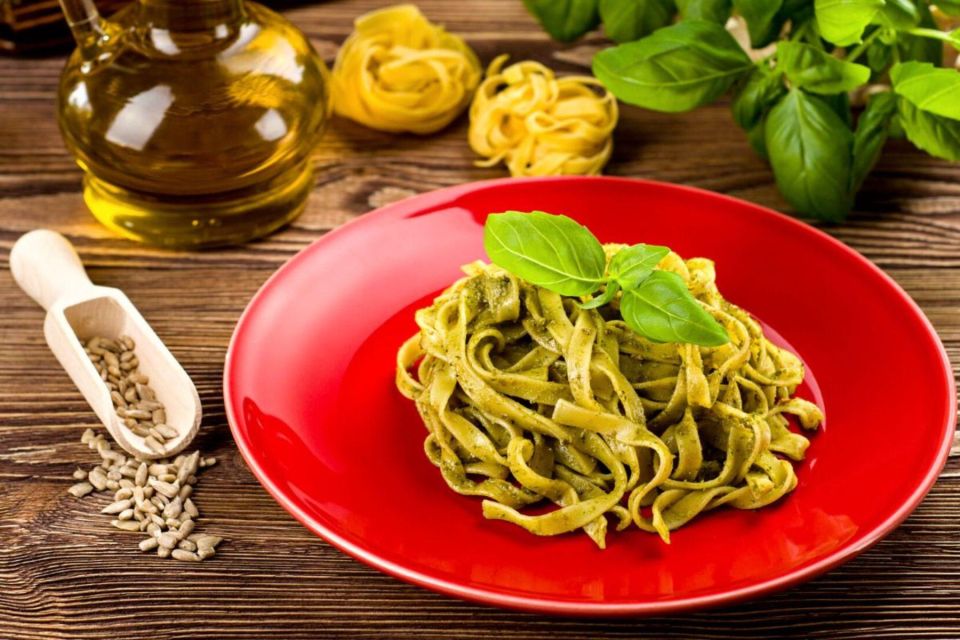
Fettuccine is flat, ribbon-style pasta. It’s also a perfect pasta shape for learning because you can see what you’re doing. In this class, you won’t just get a “here’s how it’s done” lecture. You’ll be taught how to make it.
You can think of your pasta time as learning two things:
- The feel and process of making the dough and shaping the pasta
- The practical logic of why certain steps matter, so you can recreate it later at home
Because the class is limited to 7 people, you’re more likely to get direct attention if something isn’t working. In real terms, that means you can ask questions and get corrections fast rather than waiting your turn.
Also, it helps that the teaching is in English. Pasta-making isn’t the place for guessing. If your goal is to take skills home (even just a few steps), clear instruction makes a difference.
At the end of the prep, the restaurant chef cooks the fettuccine for you. That’s not a cop-out—it’s how you keep the class moving and still get excellent results on the plate. You’ll get the satisfaction of making the pasta, plus the confidence that it will be cooked correctly.
Genoese Pesto Making: Fresh, No-Cook Sauce Skills
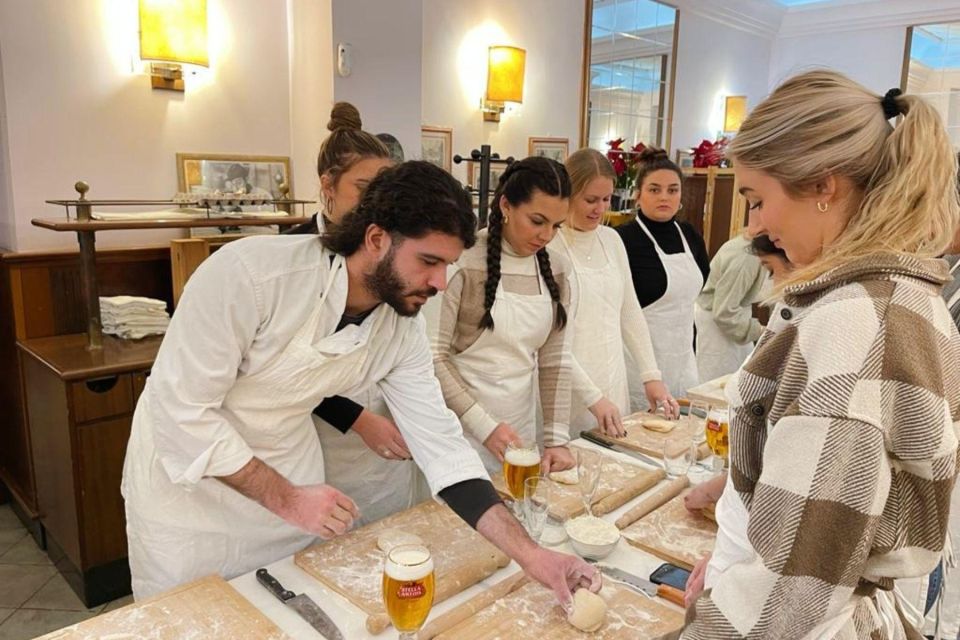
If you’ve had pesto before, you probably know the flavor. This class teaches you how to build it. Pesto is usually where home cooks get stuck because it’s easy to think it’s just basil and olive oil. In reality, it’s the balance and the method that make the sauce feel truly Italian.
The class focuses on traditional Genovese pesto sauce making, and it’s specifically set up so pesto doesn’t need to be cooked. That changes the whole vibe of the workshop. You can concentrate on texture, combining ingredients, and learning what “right” looks like without worrying about simmering, timing, or heat control.
This is also a great learning experience because it’s portable. Once you understand the building blocks of the pesto, you can adapt it later for other pasta shapes or even use it in ways you might not expect.
You’ll likely find the instructors share tips and tricks as you work. People in recent sessions praised Chef Bea and Lisa for helpful guidance and a friendly teaching style. Another instructor, Sara, also got special mentions for a personal, very guided pace.
One more subtle win: pesto is often the sauce that looks impressive but isn’t complicated. If you like cooking that feels satisfying without being stressful, this is a good choice.
What the Meal Is Like After Class
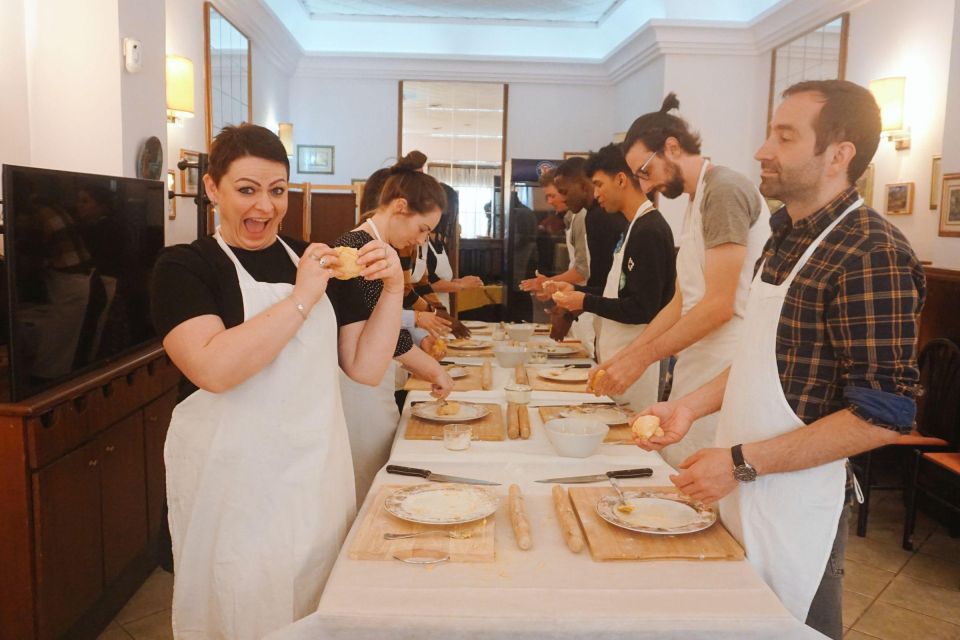
This is one of those experiences where you actually eat dinner right after the work. Your meal is served at the restaurant table where you’re accommodated, not as an afterthought in a separate dining room.
Included with your experience:
- Bruschetta as an appetizer
- Pesto and pasta made during class
- A drink with the meal:
- Adults: a glass of wine or a small glass of beer
- Children: soda
- Coffee or limoncello after the meal for adults
So you’re not just tasting one spoonful and sending everyone home. You sit down and eat like you’re part of the restaurant’s service flow. That matters in Rome, where meals are part of the day—not a rushed add-on.
There’s also a nice freedom built in. Once you finish, you can leave when you prefer. That’s useful if you want to connect the class with a night walk around Piazza Navona or line up another dinner plan later.
You can also read our reviews of more tours and experiences in Rome
Small Group Energy: Why a Cap of 7 People Matters
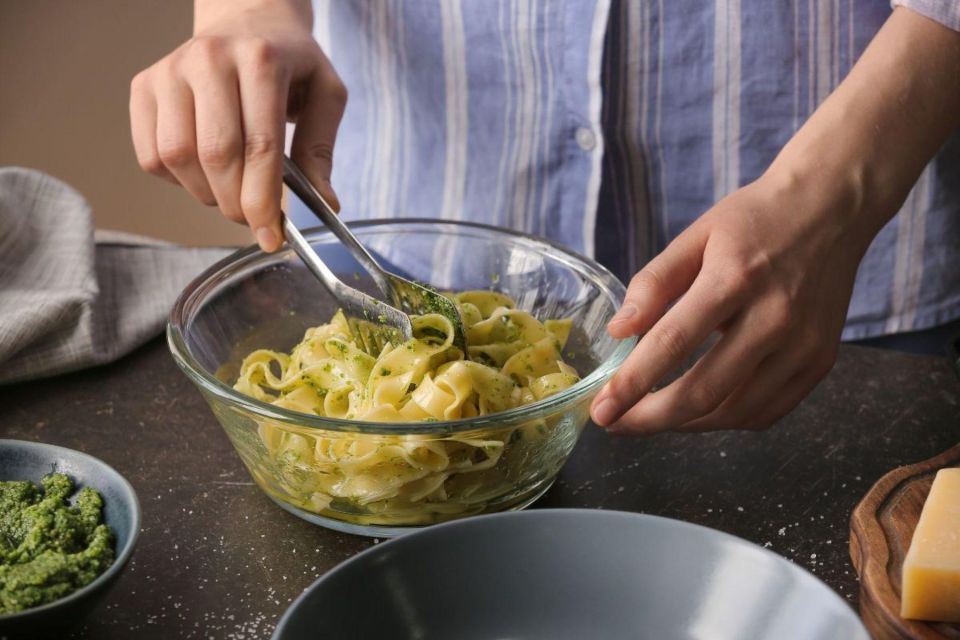
A lot of cooking classes claim hands-on. The real difference is whether the setup makes it possible.
Here, the group is small—limited to 7 participants. That changes how the class feels:
- You can get help in the moment
- You’re not stuck waiting for someone else to finish
- The instructors can adjust teaching if you’re behind or moving too fast
Recent sessions included examples where the class felt extra personal, including a case where it ended up being just two people. Another session praised a group size of four for giving enough time for everyone to learn and cook. So while you can’t promise an empty room, you can count on the structure being set up for attention.
I also like that this class isn’t trying to turn cooking into a performance. It’s more like: you learn, you work, you eat, and then you leave feeling proud that you made dinner in the most Roman way possible.
Price and Value: Is $69.78 a Good Deal?
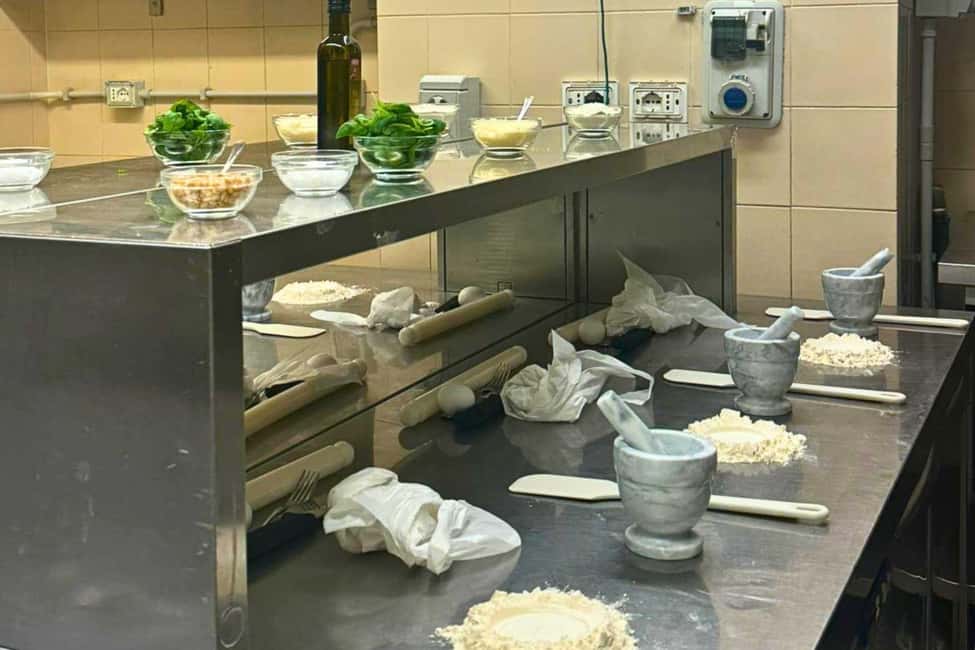
Let’s talk straight numbers. The price is $69.78 per person, for a 2.5-hour experience.
On paper, cooking classes can range from “small snack and a demo” to “full meal and ingredients included.” This one lands in the second group. You get:
- Guided pesto and pasta making with local chefs
- All ingredients and tools included
- Bruschetta
- A meal drink for adults (wine or beer)
- Coffee or limoncello after the meal
So you’re paying for more than a class. You’re paying for the food components plus the teaching plus sitting down to eat in a restaurant environment.
Is it cheap? No. But in terms of value for a central Rome activity—especially one that includes both instruction and an actual meal—it’s easier to justify. You’re essentially buying a hands-on cooking session plus dinner for one bundled price.
If your travel budget is tight, I’d compare it to the cost of eating out in the same area and then ask yourself a simple question: would you rather spend your evening learning how to make pesto and fresh pasta, or simply buying a plate and calling it a day? For many people, the answer is obvious.
Who This Class Suits (And Who Should Skip It)
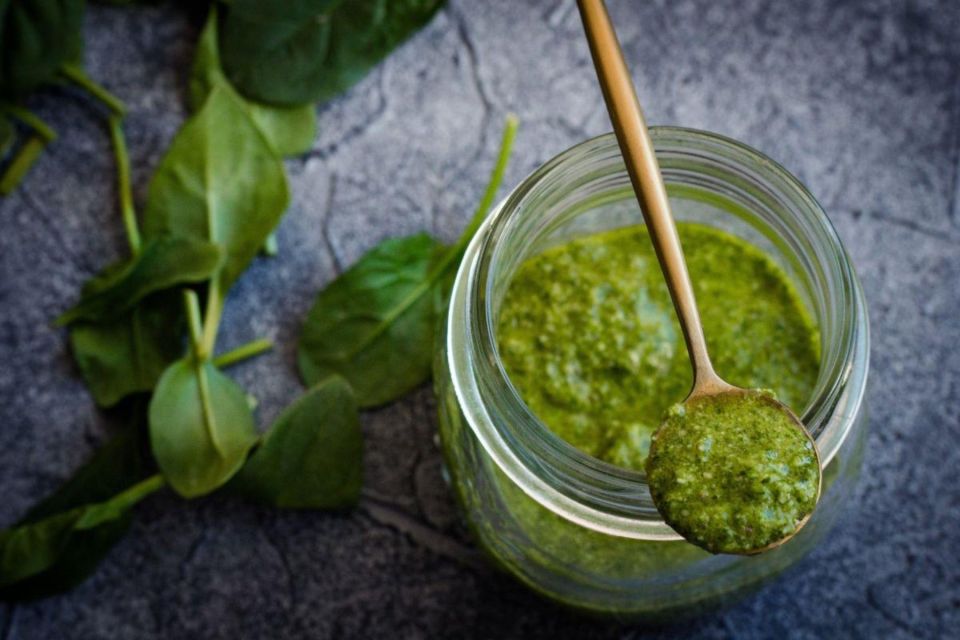
This class is designed for people who want a hands-on Italian food experience with instruction in English, and who are comfortable eating the included meal.
It’s not suitable for:
- Vegans
- People with gluten intolerance
- People with nut allergies
- Children under 7 years
- People with mobility impairments
If you fit none of those categories, you’re a good candidate—especially if you want something authentic that doesn’t require advanced cooking skills.
It’s also a strong choice if you’re:
- Traveling solo and want a social setup
- Visiting as a couple (small group, dinner afterward)
- Coming with friends and looking for an active evening
- Hoping to bring home practical skills for pesto and pasta
If you do have dietary needs outside the listed categories, the safe move is to ask before you book. The data here is specific about what the class is not suited for, which usually means the menu and ingredients are standardized.
Practical Tips to Make Your Evening Go Smoothly
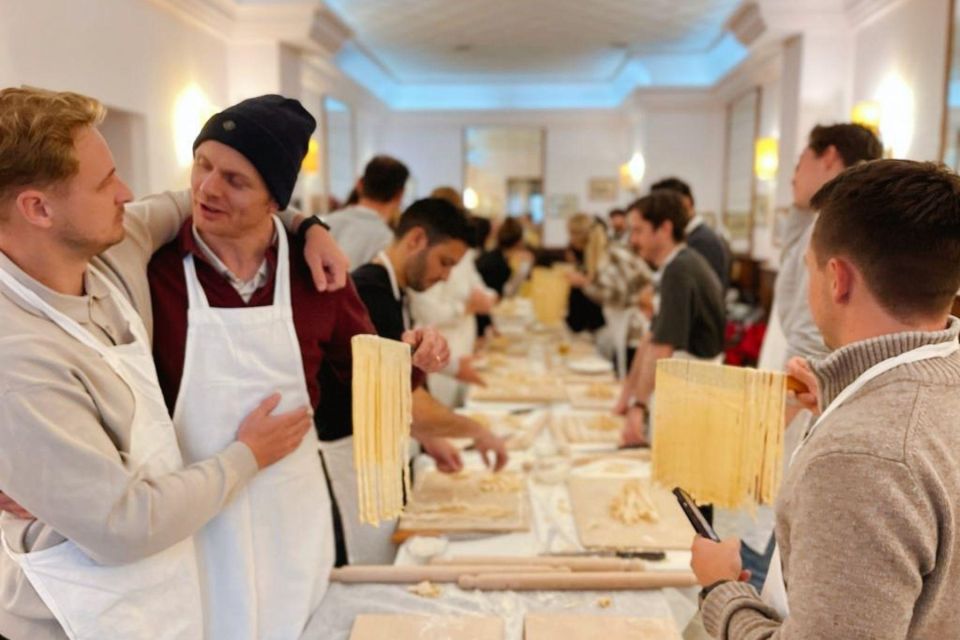
Rome evenings are easy to mess up if you’re rushed. So do these simple things:
- Arrive 10 minutes early at Ristorante Panzirone so staff can take you to the cooking class area.
- Come with a flexible attitude. Cooking teaches you faster when you let the process unfold.
- Pace yourself during the included meal. You’ll be eating what you made, plus bruschetta, and adults get a wine or beer.
One more thing: ask questions while you’re working. This is the moment to clarify steps and learn the shortcuts. When you sit down to eat, you’ll already know the why behind the flavors, which makes the meal more satisfying.
And yes—this class is in a prime sightseeing zone. Piazza Navona can be crowded, especially later in the day. If you want to avoid stress, plan your earlier sightseeing with a little buffer so you’re not sprinting to the restaurant.
Should You Book This Pasta and Pesto Class?
Book it if you want an evening with a clear goal: learn Genoese pesto, make fettuccine, and then eat dinner in the same place with wine and dessert-ish extras (coffee or limoncello for adults). The small-group cap and the English-led instruction make it a good bet if you care about learning, not just taking photos.
Skip it if any of the following apply: you’re vegan, need gluten-free accommodations, have a nut allergy, are traveling with a child under 7, or require mobility-friendly access. Also skip it if you truly don’t like hands-on cooking. This experience is structured around participating, not watching.
If you fit the match, this is the kind of Rome activity that gives you something you can actually repeat later—something you can taste again at home and think, that’s exactly how they taught it here on Piazza Navona.
FAQ
Where does the cooking class meet?
You meet inside Ristorante Panzirone at Piazza Navona 73. Ask the restaurant staff for the cooking class.
How long is the class?
The experience lasts about 2.5 hours.
Is the class taught in English?
Yes. The instructor speaks English.
What do adults receive with the meal?
Adults get a glass of wine or a small glass of beer during the meal, plus coffee or limoncello after the meal.
What’s included in the food?
You get bruschetta as an appetizer, and the class includes making pesto and fettuccine pasta that are served at your table, along with included appetizers and drinks.
Are there restrictions for dietary needs?
It is not suitable for vegans, for people with gluten intolerance, or for people with nut allergies.
What if I want extra food or drinks?
Any additional orders at the restaurant are not included and are billed and paid directly at the restaurant.