REVIEW · ROME
“Rome and Vatican: 753BCE – 2025AD” Jubilee Year Guidebook
Book on GetYourGuide →Operated by Taras Dzyubanskyy · Bookable on GetYourGuide
Rome and Vatican, planned in an hour. I like that it connects big sights like the Colosseum to the Tomb of Peter, and I like the built-in maps and walking tours that help you find your way through Rome’s ancient streets. The main drawback to watch: it’s a guidebook experience with no live guide, so you’ll be using the text and maps for explanations instead of talking face-to-face.
Dr. Taras Dzyubanskyy, a theologian and experienced Vatican-and-Rome guide, is the author behind this Jubilee Year 2025 companion. One issue popped up in feedback though: a delivery or pickup mismatch at a nearby shop. So, have a Plan B for where you actually collect the book you’re expecting.
In This Review
- Key things that make this guidebook worth your attention
- What This Jubilee Year Guidebook Covers From Rome to St Peter’s Tomb
- Price at $29: Is It Value or Just Another Book?
- Your One-Hour Window: How to Use It Like a Mini Field Plan
- Rome Stops the Book Helps You Read Like a Story: Colosseum and Beyond
- Vatican Museums, Sistine Chapel, and St Peter’s Basilica: Using Named Anchors
- Vatican Necropolis and the Tomb of Peter: Where the Book Earns Its Fans
- Christianity’s Jewish Roots: The Chapter That Changes How You Interpret the Whole Day
- Practical Rules Before You Go: What to Pack and What to Avoid
- Common Friction Points: Pickup Problems and Ticket-Line Confusion
- Should You Book This Jubilee Year Guidebook?
- FAQ
- Is there a live guide included?
- Do I need to book this in advance?
- Can I cancel for a full refund?
- What should I bring?
- What clothing or items are not allowed?
- Is it wheelchair accessible?
Key things that make this guidebook worth your attention
- Jubilee Year 2025 focus that’s meant to organize your visit around the moments and meanings people come for in 2025
- Maps and walking tours designed to help you move through Rome’s historic layout without constant backtracking
- Vatican Necropolis + the Tomb of Peter explained in a way that’s meant to feel personal, not just academic
- St Peter’s Basilica, Sistine Chapel, and Vatican Museums covered as the core “day plan” anchors
- Historical Jewish origins of Christianity included, so you get context instead of only art labels
What This Jubilee Year Guidebook Covers From Rome to St Peter’s Tomb
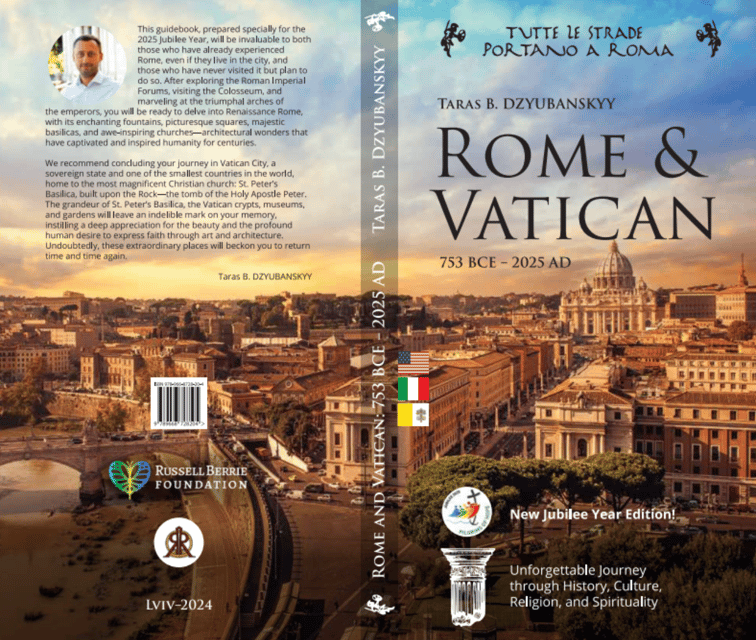
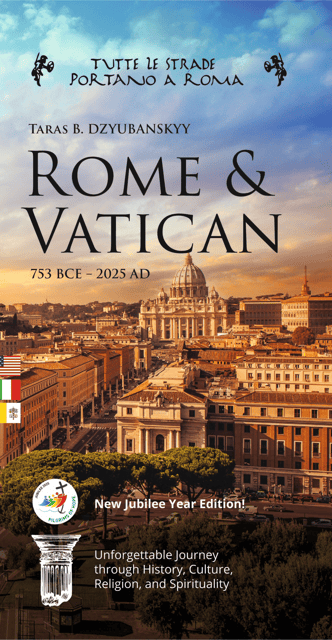
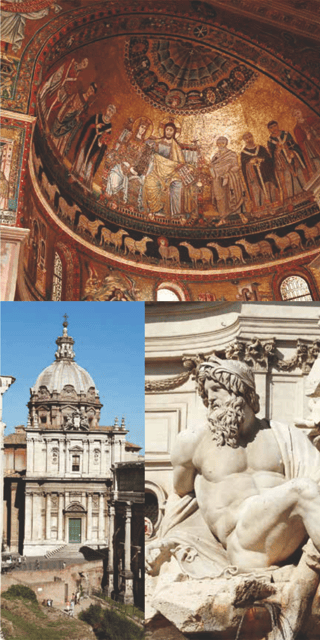
This isn’t a standard grab-and-go booklet. It’s a structured guidebook built for the Jubilee Year 2025 visitor, authored by Dr. Taras Dzyubanskyy, who’s described as a seasoned guide in Vatican and Rome circles. The goal is simple: help you understand what you’re seeing and how it connects, from the ancient city down to the Vatican’s most layered stories.
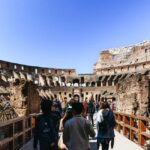
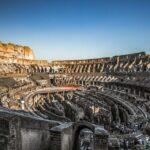
On the Rome side, the guide points you toward the monuments and landmarks people usually chase first, with the Colosseum specifically mentioned as a standout anchor. It also talks about using Rome’s streets with walking tours and detailed maps, which matters because Rome is not laid out like a modern grid. If you rely only on a phone map, you’ll miss the rhythm of how neighborhoods and routes flow into each other. This guide is meant to reduce that “where am I now?” fatigue.
On the Vatican side, the guidebook themes tighten. The big practical stops you’ll see referenced include the Vatican Museums, the Sistine Chapel, and St Peter’s Basilica. Then it adds a deeper layer by covering the Vatican Necropolis and the humble Tomb of Peter. That last part is the differentiator. You’re not only shown where to stand; you’re given historical and interpretive context for why those places carry weight in Christian memory.
One more thing I appreciate: the guidebook doesn’t treat “Rome” and “Vatican” like separate worlds. It includes notes connecting Christianity back to its historical Jewish roots, so your visit isn’t just a tour of art and architecture. It’s also a story line—why the messages and symbols developed the way they did.
You can also read our reviews of more tours and experiences in Rome.
Price at $29: Is It Value or Just Another Book?
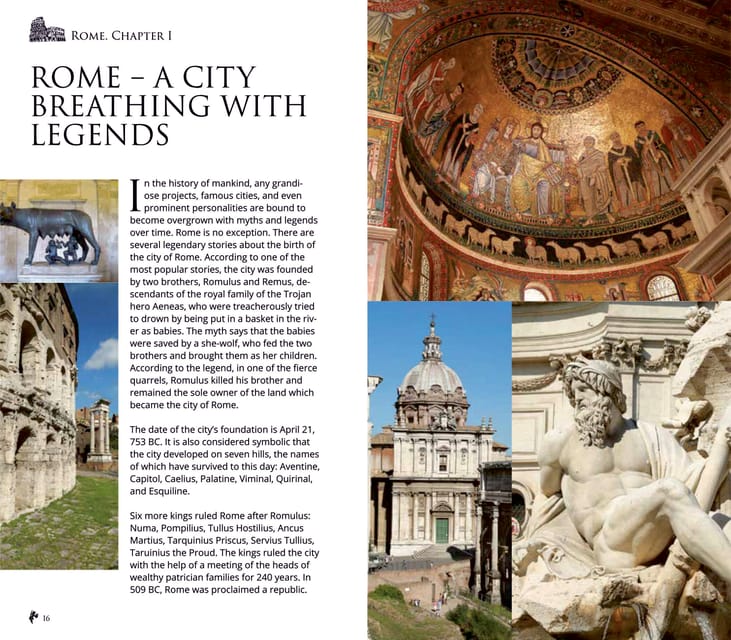
At $29 per person, you’re paying for three things: the guidebook itself, the structure (maps, walking tours, chapter-by-chapter guidance), and the author’s subject focus. The inclusion list shows the experience includes Discover Rome and the Vatican: The Ultimate Traveler’s Guide. A key point: there’s no live guide included.
That changes the value equation. If you want someone to meet you, manage your flow, answer questions, and keep you on track, this may feel underpowered. But if you like reading on-site, marking your own route, and working at your own pace, $29 can be a good deal—especially if the book helps you avoid wasted time and wrong turns.
There’s also a potential mismatch in the way the listing is phrased. It says skip the ticket line, but it also says a live guide isn’t included and the main included item is a guidebook. If skip-the-line access is something you’re counting on, I’d verify what that claim actually applies to before you show up expecting priority entry.
Last, look at the feedback pattern. The overall rating shown is 2.4 based on 3 reviews, which suggests mixed experiences. One review praises Dr. Taras Dzyubanskyy strongly for work around St Peter’s tomb and the necropolis. Another points to a pickup or shop stocking issue. So the content seems credible, but the fulfillment part can be the weak link. For $29, the content has a chance of being worth it, as long as you can reliably get the book.
Your One-Hour Window: How to Use It Like a Mini Field Plan
The activity is marked as valid for 1 hour. That doesn’t mean you’ll only see Rome for an hour. It usually means the slot tied to the offer is time-limited, while your actual on-site use will be longer. In practice, I’d treat this as your setup window: use the first hour to get a working route and a few key “stop ideas” that you can carry into the day.
Here’s how I’d use it:
- Pick the top Rome anchor you’ll aim for first, with the Colosseum as the likely candidate since it’s specifically called out.
- Build your Vatican half around the three named must-sees: Vatican Museums, Sistine Chapel, and St Peter’s Basilica.
- Add the deeper theme stops as your bonus layer: Vatican Necropolis and the Tomb of Peter.
- Use the guidebook’s maps and walking tours to plan how you’ll move between major points without crisscrossing the city.
Because you’re doing this during a Jubilee Year period, expect crowds. A guidebook won’t remove lines by magic, but it can reduce decision churn. You’ll know what you want to see, why you want to see it, and how to keep your time from leaking into “let’s figure it out later.”
If you hate carrying print, this won’t fix that. But if you like a clear plan and the kind of commentary you can skim quickly while you’re walking, this format is a decent fit. Comfortable shoes and water are on the recommended list, which matches a walking-heavy Rome day.
Rome Stops the Book Helps You Read Like a Story: Colosseum and Beyond
The guidebook’s Rome coverage is meant to do more than point at big stones. It’s designed to connect monuments, landmarks, and edifices back to context you can actually use. The Colosseum gets named outright, and that tells you what kind of approach the book takes: it treats Rome as a chain of chapters rather than a stack of photos.
What’s useful for you is the combination of historical notes and navigation tools. The guide mentions detailed maps and walking tours for Rome’s ancient streets. Those matter because Rome can feel like a maze when you’re hungry, tired, and trying to keep your schedule intact. Maps are also how you spot patterns: a route that makes sense because it follows how neighborhoods evolved, not because it’s the fastest line on an app.
I’d expect you’ll get the most out of the Rome portion if you’re the type who wants to know what you’re looking at before you stand there. For example, if you approach the Colosseum as only an arena, you’ll see an impressive ruin. If you approach it with a narrative lens, you’re more likely to catch the way Rome’s power showed up in public spaces.
The guidebook also includes practical recommendations for leisure activities in Rome. Even if you don’t follow every suggestion, that kind of section helps when your main plan gets delayed or the weather flips. It reduces the odds you’ll spend your evening wandering without purpose.
Big caution: since the included item is a guidebook and not a live escort, you’ll need to manage your own flow. If you want someone to pace you and answer your follow-up questions in real time, you might feel like you’re doing all the thinking yourself.
Vatican Museums, Sistine Chapel, and St Peter’s Basilica: Using Named Anchors
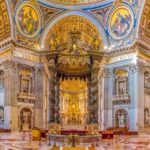
The Vatican portion is clearly built around the highest-recognition sites. You’ll see Vatican Museums, the Sistine Chapel, and St Peter’s Basilica highlighted as key highlights. That’s good for you if you want a day with structure. These places can swallow entire afternoons if you wander without a plan.
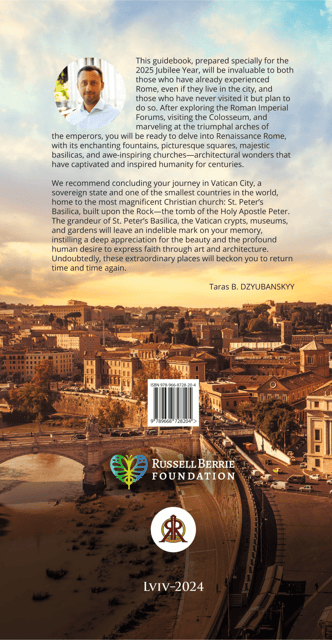
What the guidebook adds is commentary. It’s described as having historical and cultural insights, insider tips, and striking photography. Even if you’re not going to study every page, having a chapter-by-chapter explanation can change how you experience each stop. A chapel label and a paragraph of context land very differently than just seeing ceiling after ceiling.
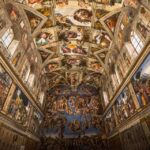
For the Sistine Chapel, the big win is focus. People often rush through because they’re juggling crowds and timing. A guidebook that tells you what to look for and how it fits into the larger story gives you a better chance to see meaning instead of just shapes.
For St Peter’s Basilica, the guidebook is paired with the deeper underground theme that runs under the visit. It’s not just about entering a stunning church and moving on. It’s about understanding how the physical site links to tradition, including burial memory.
One thing I’d keep in mind: this experience includes guidance, not live assistance. That means if you hit confusion at an entrance or don’t understand a restricted area, you’ll be troubleshooting using your book and signage. So bring patience. The Vatican is not a place where uncertainty goes away instantly.

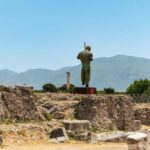

Vatican Necropolis and the Tomb of Peter: Where the Book Earns Its Fans
The most praised element here is also the most specific: work around the Vatican Necropolis and the Tomb of Peter. The highlights explicitly call out those locations, and one strong feedback mention specifically praises Dr. Taras Dzyubanskyy as an excellent writer and expert for St Peter’s tomb and necropolis work.
That tells me the guidebook likely does what many general Vatican guides don’t. It probably helps you connect the physical setting to the ideas you’ve heard your whole life, and it does so in a way that feels grounded. Instead of only explaining doctrine, it’s about place and evidence, and why the story matters.
For you, this is where a book can actually improve your visit. The necropolis and burial tradition are not the kind of thing you can fully grasp from quick visuals. If the guidebook helps you understand what you’re looking at and why the setting carries weight, you’ll come away feeling like you understood more than you saw.
The phrase humble tomb is important. It nudges the perspective away from treating the site as just another landmark. It points you toward the human scale of the story—why the memory of Peter is remembered in a place that connects archaeology, faith, and tradition.
If you’re the type who wants your “wow” moments to come with meaning attached, this is the section likely to satisfy you most. If you only care about famous art and famous views, you might skim this part and move on.
Christianity’s Jewish Roots: The Chapter That Changes How You Interpret the Whole Day
Another highlight is the guidebook’s coverage of the historical Jewish origins of Christianity. That’s not a casual add-on. It signals a more careful approach: understanding Christianity’s beginnings as something rooted in a real historical setting, not just in abstract spiritual ideas.
Why that matters on-site: the Vatican often becomes a blur of sacred art, symbols, and centuries of theological development. If you don’t have the origin context, you can end up seeing each piece as isolated—beautiful, but detached. A chapter on Jewish roots acts like a connective thread. It gives you a way to interpret the broader story you’re walking through.
This section also helps you slow down. When a guidebook brings in context like this, it gives you permission to pause. You’re not only racing to see more; you’re trying to understand what the meaning behind the meaning might be.
I’d treat this as especially valuable if you’re visiting with questions about how early Christian communities fit into the world that produced them. Even if you’re not a theology nerd, you’ll probably find it makes the visit feel less like a checklist.
Practical Rules Before You Go: What to Pack and What to Avoid
The guidebook experience comes with clear practical do’s and don’ts. You’ll want comfortable shoes, a camera, and water. You should also plan your load carefully because backpacks aren’t allowed.
Clothing rules are strict: shorts, short skirts, and sleeveless shirts are not allowed. This fits what you’ll encounter around Vatican religious sites, where dress code enforcement tends to be real, not optional. If you travel light and rely on layers, build that into your plan.
Photography rules also matter. Flash photography isn’t allowed. That’s a common restriction in Vatican spaces and it affects how you plan your shots. If you rely on flash, bring a strategy for low-light photography without it.
If you follow these rules from the start, you’ll save time at entrances and avoid getting pulled aside to change or store items.
Common Friction Points: Pickup Problems and Ticket-Line Confusion
Two practical snags show up in the information you’re given. First, the booking says you must book the book in advance. That’s straightforward, but it also raises the stakes: you can’t treat this as a last-minute purchase once you’re already in the Vatican area.
Second, there’s a note about pickup or fulfillment that can go wrong. One reported issue involves going to a nearby souvenir shop that didn’t have the item, which led to confusion over where the guidebook should be collected. That isn’t something you can fix with good intentions. It’s a reminder to confirm the collection point details in your confirmation message and save that info offline.
Then there’s the “skip the ticket line” detail. Since the included item is the guidebook and it states a live guide isn’t included, you should be careful about assuming priority access. Before you rely on skip-the-line, check what it applies to and whether any ticket claims are actually relevant to the sites you plan to enter.
In short: the content sounds strong, but the surrounding process can decide whether your day feels smooth or mildly annoying.
Should You Book This Jubilee Year Guidebook?
Book it if you want a structured way to prepare for Rome and the Vatican, especially if you care about the less obvious layer: the Vatican Necropolis and the Tomb of Peter. The author’s focus and the specific praise for that subject suggest you’ll get real value in the written guidance, not just generic sightseeing.
Skip it (or be cautious) if you expected a live guide presence. The listing is explicit that a live guide isn’t included, and that changes how much help you’ll have when you’re standing in front of complex spaces. Also consider the fulfillment risk: confirm pickup details carefully so you don’t end up hunting for a book in the middle of your day.
If your style is self-guided, you love maps, and you want your visit to carry meaning, this guidebook is a solid choice at $29. If you want someone to manage everything for you, you’ll likely feel disappointed by the DIY nature of a book-based experience.
FAQ
Is there a live guide included?
No. The listing says the live guide is not included. What you get is the Discover Rome and the Vatican: The Ultimate Traveler’s Guide guidebook.
Do I need to book this in advance?
Yes. Booking the book in advance is required.
Can I cancel for a full refund?
Yes. You can cancel up to 24 hours in advance for a full refund.
What should I bring?
Bring comfortable shoes, a camera, and water.
What clothing or items are not allowed?
Shorts, short skirts, and sleeveless shirts are not allowed. Flash photography is not allowed, and backpacks are not allowed.
Is it wheelchair accessible?
The information includes both a wheelchair accessible note and a note that it is not suitable for people with mobility impairments or wheelchair users. Because of that conflict, you should confirm suitability with the provider before booking.