REVIEW · ROME
Rome: Basilica of St. Mary Major Priority Entrance Ticket
Book on GetYourGuide →Operated by Gaudium Travel · Bookable on GetYourGuide
St. Mary Major is one of those Rome churches that rewards time. The main draw here is priority entrance plus real flexibility: you can take the basilica at your own speed, or add a guide, underground access, and even a dome climb. It’s also perched on the Esquiline Hill, so your visit connects art, faith, and the city’s layout in one compact stop.
I like two things a lot. First, you get options that fit your pace, from a self-guided audio tour to a one-hour English guided tour. Second, the ticket can include the parts most people skip—especially the underground area and the panoramic view when you choose the dome.
One consideration: priority means faster entry through security, not instant front-of-the-line inside. If security is packed, you may still wait, and you’ll want to plan a calm, no-rush visit style.
In This Review
- Key Things That Make This Ticket Worth Considering
- Rome’s St. Mary Major: Why This Basilica Is a Smart Stop
- Choose Your Experience: Audio, English Guide, Underground, Dome
- AUDIO TICKETS: A 1-Hour Self-Guided Route
- GUIDED TOUR IN ENGLISH: About 1 Hour
- UNDERGROUND TICKETS: See the Basilicas Layers
- DOME TICKETS: A Panoramic View of Rome
- Entering Smoothly: How the Priority Entrance Really Works
- What You’ll Do Inside: Ground Floor, Galleries, and the Details That Matter
- A Smart Way to Pace Yourself
- Underground at St. Mary Major: Why the Sub-Level Changes the Story
- Climbing the Dome: A View Worth Building Your Time Around
- Audio Guide Practical Tips: Languages, Timing, and Headset Risk
- Security and Practical Rules: What You Must Know Before You Go
- Expect Mandatory Security Checks
- Know the No-Frills Policy
- Photography Rules
- Bring ID
- Name Details Requirement
- Who This Visit Suits (and Who Might Want to Skip It)
- You’ll likely like it if you:
- It’s not a great fit if you:
- Price and Value: Is $17 a Good Deal for St. Mary Major?
- Should You Book This St. Mary Major Priority Entrance Ticket?
- FAQ
- How long does the visit take?
- How much is the Basilica of St. Mary Major priority entrance ticket?
- What options are available for this experience?
- Is the audio guide available in English?
- Can I access the underground areas?
- Can I climb the dome?
- Is skip-the-line access included?
- Is there a cloakroom inside the church?
- What items are not allowed inside?
- Is the ticket refundable if plans change?
- Final Note: The Best Way to Decide
Key Things That Make This Ticket Worth Considering
- Express security check: faster entry compared with standard lines, but not a guaranteed no-wait scenario
- Multiple visit modes: audio guide, English guide, underground access, and dome tickets
- Underground access option: gives you a different angle on the basilica’s layers and story
- Dome climb option: earns a Rome panorama from the top of St. Mary Major
- A realistic visit window: plan about 50–75 minutes depending on what you add
- Small group option: less chaos than big group tours, especially for guided or dome visits
Rome’s St. Mary Major: Why This Basilica Is a Smart Stop
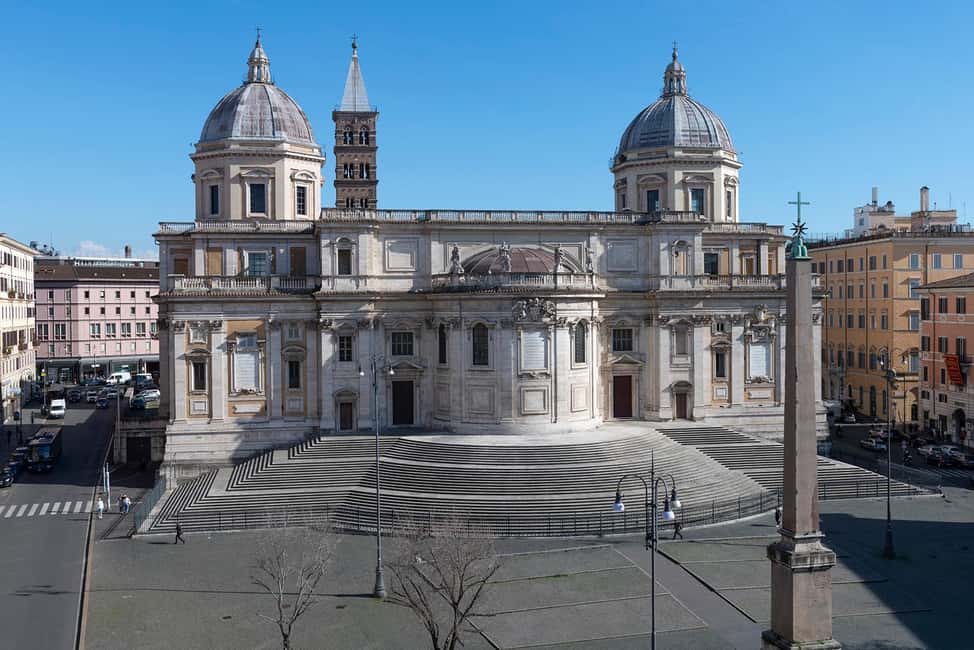
Basilica of St. Mary Major is one of Rome’s four principal basilicas, and it’s also the city’s most important Marian church. That matters because the building isn’t just pretty. It’s a focal point for devotion and history, and you’ll feel that as soon as you start moving through the levels.
This ticket works well because it respects your time. You’re not locked into a rigid museum-style route. Instead, you can choose the way you want to experience the space—quick and meaningful, or slow and thorough. And the best part is that you can stretch the visit with add-ons, like the underground sections or a dome climb, without turning your day into a puzzle.
Also, this site sits on the Esquiline Hill. So even if you’re not doing the dome, the basilica’s position helps you connect it to the wider map of Rome. It’s not just a standalone stop; it’s a landmark in the city’s geography.
You can also read our reviews of more tours and experiences in Rome

Choose Your Experience: Audio, English Guide, Underground, Dome
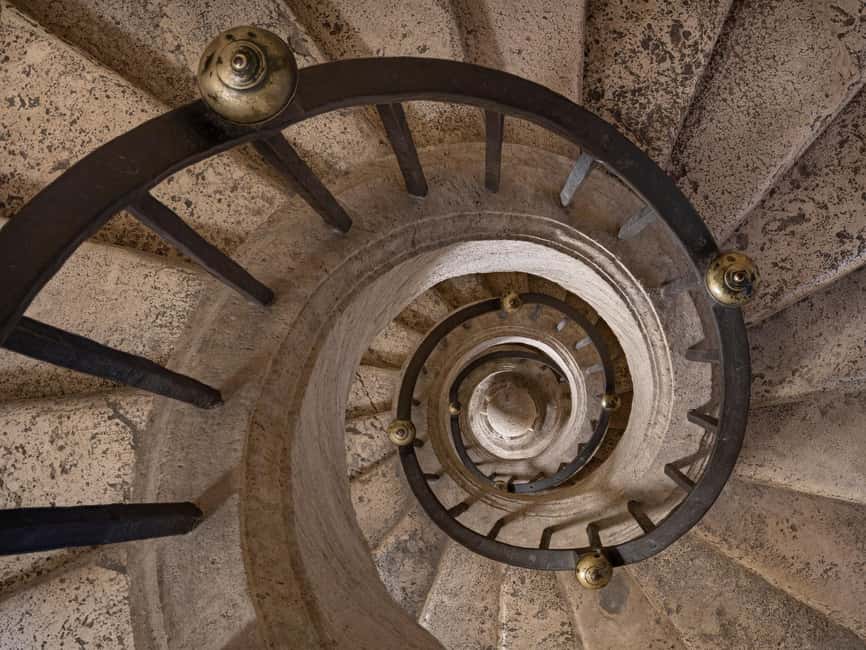
The ticket setup is refreshingly modular. You pick what you want, and your visit expands only where you’re curious.
AUDIO TICKETS: A 1-Hour Self-Guided Route
If you like moving on your own, audio tickets are the easiest fit. The audio guide supports multiple languages (English, Spanish, French, German, and Italian are listed), and you’re set up for about an hour.
The practical win: you control the pace. In a big church, that’s huge. You can pause for mosaics and statues, re-check a detail, or spend extra time where your attention lands.
GUIDED TOUR IN ENGLISH: About 1 Hour
If you want someone to point out what to notice, take the one-hour guided tour in English. This is best if you’d rather get the story fast than piece it together on your own.
Guided tours also reduce decision fatigue. You don’t have to constantly ask yourself what’s worth stopping for. You just follow the group and let the guide shape the route.
UNDERGROUND TICKETS: See the Basilicas Layers
Underground access is one of the most compelling options because it changes the mood. You’re moving below the main visitor level, and it adds depth to the basilica experience—literally.
If you like “how a place works” more than “just what it looks like,” this is where you’ll feel it. The underground sections turn the visit into more than a quick look at art and decoration.



DOME TICKETS: A Panoramic View of Rome
If you want a viewpoint, the dome option is the payoff. You’ll climb to the top of St. Mary Major for a panoramic view over Rome.
This works especially well when your Rome day includes crowded viewpoints. A church dome adds a different kind of skyline moment—more intimate than the biggest city terraces, and tightly connected to the basilica itself.
Entering Smoothly: How the Priority Entrance Really Works
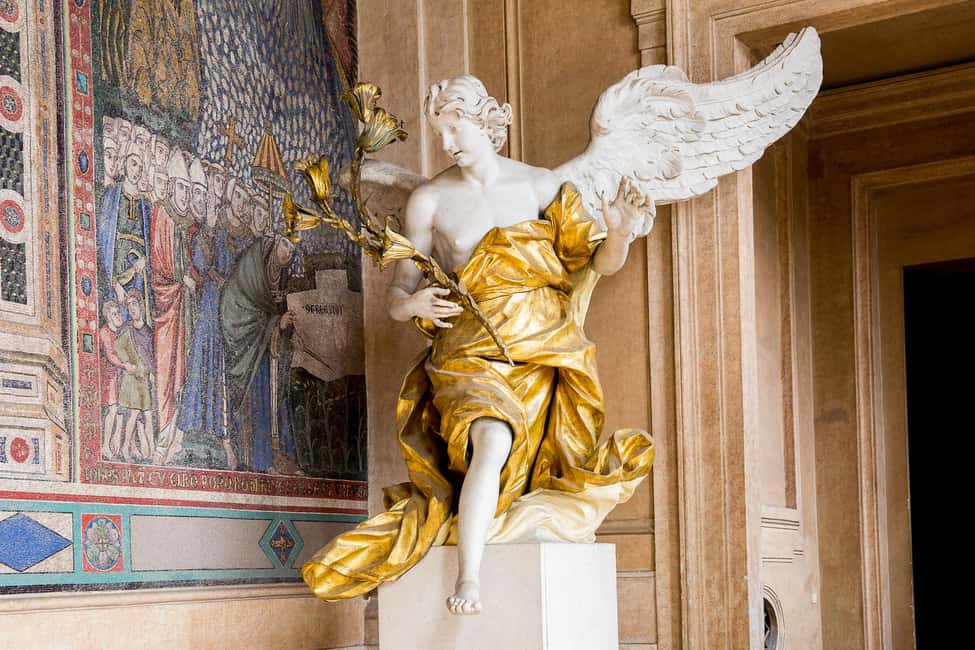
This ticket is built around getting you through express security faster. That’s the part that can save serious time in Rome, where security lines can feel like they’re measured in human patience rather than minutes.
But here’s the honest part. Priority entry doesn’t magically eliminate waiting. One of the downside notes tied to this experience is that the “jump the line” benefit didn’t always get people to the very front, and audio equipment availability can be an issue if headsets run short.
So I’d handle this like a pro:
- Treat priority as a help, not a guarantee.
- If you’re tight on time, still arrive early enough to absorb a security pause.
- Keep the visit flexible. A stress-free church visit is easier when you’re not counting every minute.
What You’ll Do Inside: Ground Floor, Galleries, and the Details That Matter
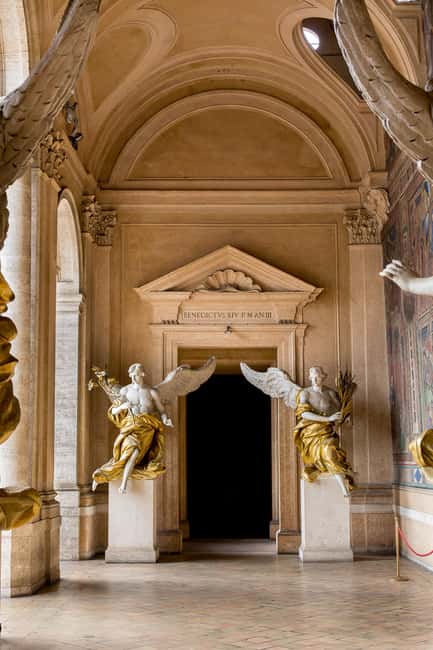
Once you’re in, the visit options shape where you spend time, but the overall structure stays consistent. You’ll see the ground-floor areas, plus the upper galleries if your ticket includes that route.
This is where your “at your own pace” option becomes valuable. You’re not just walking past things. You can linger for:
- statues
- frescoes
- mosaics
Those three words are your best mental checklist for what you’ll be seeing as you move upward and around. Churches like this don’t reward speed. They reward looking. And because the experience is designed for around 50–75 minutes, you can settle into a comfortable rhythm rather than rushing to tick boxes.
A Smart Way to Pace Yourself
If you’re not using a guide, I suggest a simple plan:
- Spend the first chunk orienting yourself and catching the most obvious artistic focal points.
- Use the next chunk for close looking at mosaics and fresco areas.
- Finish with the level that matches your ticket—upper galleries, underground, and/or the dome.
That pacing makes the visit feel complete even if you’re not spending hours here.
Underground at St. Mary Major: Why the Sub-Level Changes the Story
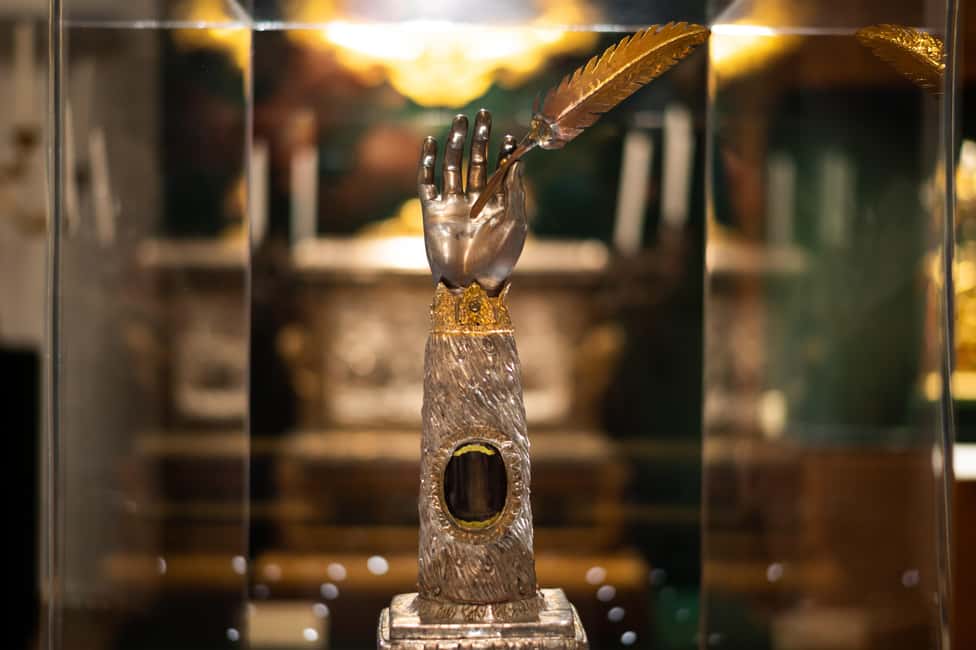
Choosing underground access turns St. Mary Major into more than a “top to bottom” art stop. You’re seeing layers that a standard walk-through wouldn’t show.
Even without going deep into specifics that aren’t provided here, the value is clear: underground spaces help you understand how old places evolve. They give context to what’s above—physically and historically—and they add a different sense of scale.
If your travel style includes cathedrals, crypts, and architectural reveals, underground access is one of the easiest ways to make this ticket feel worth it. It adds time, yes, but it also adds meaning. And it gives you a break from the bright, open church surfaces.
Climbing the Dome: A View Worth Building Your Time Around
The dome option is straightforward: climb to the top of the basilica and enjoy panoramic Rome views.
This matters for two reasons:
- You’re earning the view from the same place you’re visiting. It’s not an extra hop across town.
- A dome perspective is different from street-level Rome. You get a sense of scale and geometry—how the city spreads out.
If the rest of your Rome day includes major landmarks, I’d strongly consider the dome. It’s the kind of payoff that makes your trip feel like more than a museum stop.
And if you hate tight schedules, dome tickets can still work. Build the rest of your day around this. Think of it as a mini “Rome panorama moment” with a church attached.
Audio Guide Practical Tips: Languages, Timing, and Headset Risk
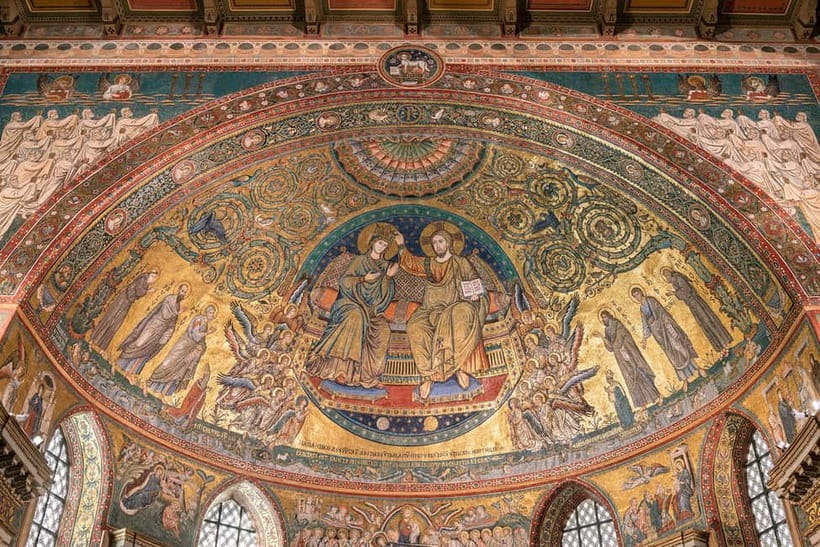
An audio guide can be a great compromise: you get context without giving up your pace. Here, the audio is available in multiple languages (English, Spanish, French, German, and Italian are listed).
One caution based on a reported problem: audio headsets can be in short supply at times. If your experience depends on audio working smoothly, I’d go in with a flexible mindset. You can still enjoy the architecture even if the audio moment is delayed.
Also, plan around the 1-hour self-guided expectation. If you add underground or dome time, you’ll naturally stretch beyond that. That’s fine. Just don’t treat the hour as a hard wall. Churches can slow you down in the best way.
Security and Practical Rules: What You Must Know Before You Go
Before you even reach the basilica interior, security sets the tone.
Expect Mandatory Security Checks
Security control is mandatory at the entrance. That’s the reason priority entrance matters. You’ll still go through checks, but the ticket is meant to help you move through the process faster via an express route.
Know the No-Frills Policy
There’s no cloakroom inside the church. Also, luggage or large bags are not allowed. Backpacks aren’t allowed either.
So travel light. In Rome, that often means:
- use a small day bag
- avoid bulky items
- keep your essentials ready for security
Photography Rules
Flash photography is not allowed.
Bring ID
You’ll need a passport or ID card. A copy is accepted. (This is also one of those easy-to-miss details that can save you from turning your day into a scramble.)
Name Details Requirement
You’ll need to send the first and last name of participants in advance. It’s not hard, but it’s the kind of thing that can delay you if you forget.
Who This Visit Suits (and Who Might Want to Skip It)
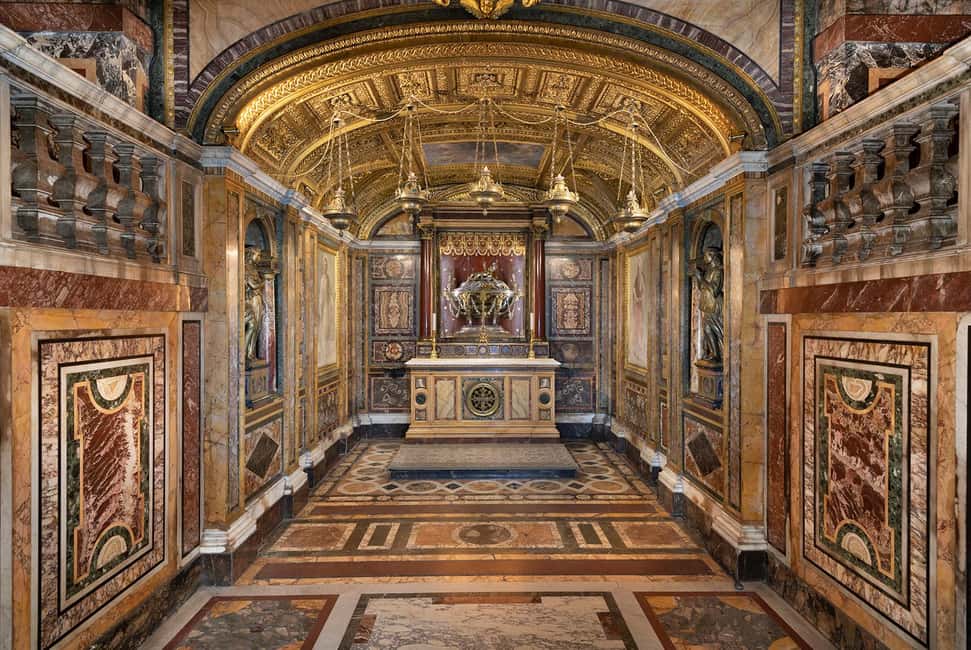
This experience is a good match if you want a high-value church stop with options. It’s also ideal if your day includes other big-ticket sights and you don’t want St. Mary Major to become a time sink.
You’ll likely like it if you:
- enjoy churches but want flexibility
- like the idea of adding underground and/or a dome view
- prefer audio context rather than constant group navigation
It’s not a great fit if you:
- have mobility impairments or need wheelchair access
This activity is listed as not suitable for people with mobility impairments and not suitable for wheelchair users.
That’s important. Before you book, consider whether the route and any stairs are compatible with your comfort level.
Price and Value: Is $17 a Good Deal for St. Mary Major?
$17 per person is a reasonable price for a priority entrance ticket that can include more than one kind of experience. The value depends on what you add.
Here’s the simple way to think about it:
- If you’re doing a straightforward visit with audio or a guided tour, $17 covers priority entry and interpretation help.
- If you add underground access or dome tickets, you’re paying for expanded access and a major payoff view.
- If you’re counting on the express security line to save time, it can help a lot—but it’s not a promise that you’ll reach the very front instantly.
Also, you’re getting a visit designed around about 50–75 minutes. That’s a practical window for fitting into a Rome day without exhausting yourself.
So for most people planning a focused visit to one of Rome’s key basilicas, this is good value—especially if you choose the underground or dome option.
Should You Book This St. Mary Major Priority Entrance Ticket?
Yes, I’d book it if you want a structured-but-flexible St. Mary Major visit and you’re open to choosing an option that matches your style. Audio tickets are a strong pick if you like self-guided pacing. Underground access is worth it if you want depth beyond the main floor. And dome tickets are best if you want a Rome view tied directly to the basilica.
I’d think twice if you’re the type who can’t handle any waiting at security. Priority helps, but it won’t eliminate crowds. If you go in with that realistic expectation, this is a smart, efficient way to experience one of Rome’s most important Marian churches—without turning your day into a logistics headache.
FAQ
How long does the visit take?
The duration is listed as 50 to 75 minutes. Exact timing can vary by the start times available.
How much is the Basilica of St. Mary Major priority entrance ticket?
The price is listed as $17 per person.
What options are available for this experience?
Options include audio tickets, an English-speaking guided tour, dome tickets, and underground tickets, depending on what you select.
Is the audio guide available in English?
Yes. English is listed as one of the audio guide languages.
Can I access the underground areas?
Yes, underground access is available if you select the underground ticket option.
Can I climb the dome?
Yes, dome tickets are available and include the panoramic view of Rome from the top of St. Mary Major.
Is skip-the-line access included?
Yes. The ticket includes skipping the line through an express security check.
Is there a cloakroom inside the church?
No. There are no cloakroom facilities inside the church.
What items are not allowed inside?
Luggage or large bags are not allowed, and backpacks are also not allowed. Flash photography is not allowed.
Is the ticket refundable if plans change?
No. This activity is non-refundable.
Final Note: The Best Way to Decide
If your goal is a Rome church visit with options that can add underground depth or dome views, this ticket fits well. Just keep your schedule flexible around security and choose the add-ons that match your interests, not the ones that sound good on paper.