REVIEW · ROME
Rome: Best of Colosseum and Roman Forum Guided Tour
Book on GetYourGuide →Operated by TUI Musement · Bookable on GetYourGuide
One of Rome’s biggest wow-factors, explained well.
This 3-hour small-group tour turns the Colosseum and Roman Forum from ticket photos into living stories, with Nero’s fire, gladiator games, and the myths people keep repeating. I especially like the way a local expert guide threads big events into the exact spots you’re standing in, and I love the intimate group size (up to sixteen) that keeps the pace human and your questions possible.
The main thing to watch is comfort and hearing. It’s not suitable for people with mobility impairments or wheelchair users, and one guide was noted as a bit soft-spoken next to louder tour groups. You’ll get headsets when the group is larger than six, but if you’re sensitive to audio, arrive ready to focus.
In This Review
- Key highlights to look for
- The real payoff: learning the Colosseum and Forum as a system
- Where the tour starts and how to avoid stress
- Terrazza Belvedere del Palatino: the quick breath before the big sites
- Entering the Colosseum: more than just arena walls
- A practical tip: manage expectations in the crowd
- Walking past the Arch of Constantine and seeing why it matters
- Roman Forum: turning ruins into daily life
- What the small-group format does for your time
- Price and value: what $70 buys you (and what it saves)
- Who this tour suits best
- What to bring (and what to leave at home)
- Timing, meeting point, and the small details that matter
- The most praised part: guides who make the stories click
- Should you book this Colosseum and Roman Forum tour?
- FAQ
- What’s included in the tour price?
- How long is the tour?
- What does the itinerary cover?
- Where do I meet the guide?
- What language is the tour in?
- Do I need ID to enter?
- What should I bring and wear?
- Is the tour suitable for wheelchair users or limited mobility?
- Can I cancel for a refund?
Key highlights to look for
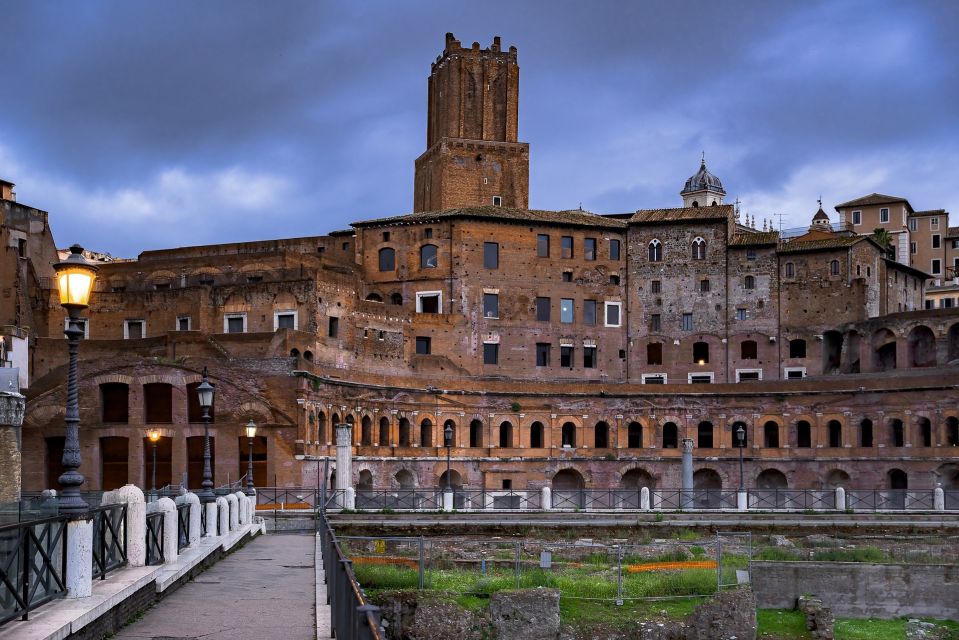
- Up to 16 people for a calmer pace than the giant herd tours
- Timed entry included for the Colosseum, Palatine Hill, and Roman Forum (with reservation fees)
- Local expert guides who can be professional archaeologist Valerie (and other highly prepared guides like Emanuela)
- Colosseum stories tied to real locations, including the era of Nero’s great fire and gladiator games
- Headsets when needed so you can actually follow the narration
- Roman Forum + Palatine Hill sights in a compact route that makes the area make sense
The real payoff: learning the Colosseum and Forum as a system
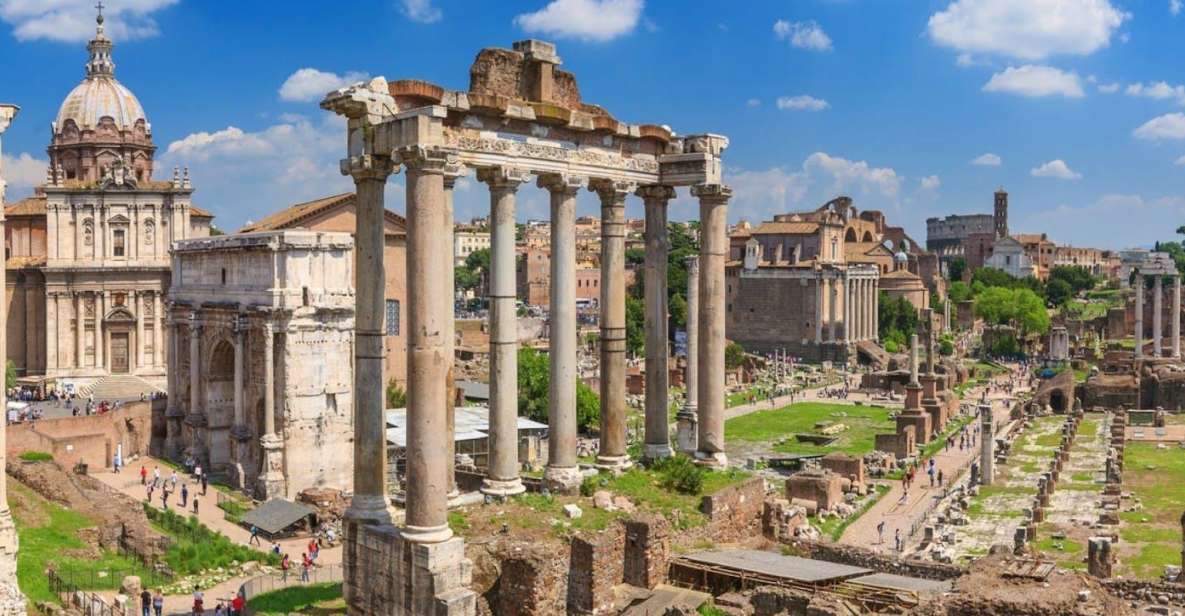
Rome’s classic ruins can feel like “big rocks” if you only look from the outside. What I like about this tour is that it treats the Colosseum and Roman Forum as connected pieces of one machine: power, public spectacle, and daily politics all in the same neighborhood. Instead of rattling dates, your guide points out why certain spaces mattered—socially, politically, and emotionally.
You also get a small-group rhythm that helps. With sixteen people max, you spend more time looking and less time waiting. That matters in the Colosseum, where crowds can turn every pause into a stop-and-go video. Here, you’re guided through the key areas with explanations that keep your attention moving forward.
You can also read our reviews of more guided tours in Rome
Where the tour starts and how to avoid stress
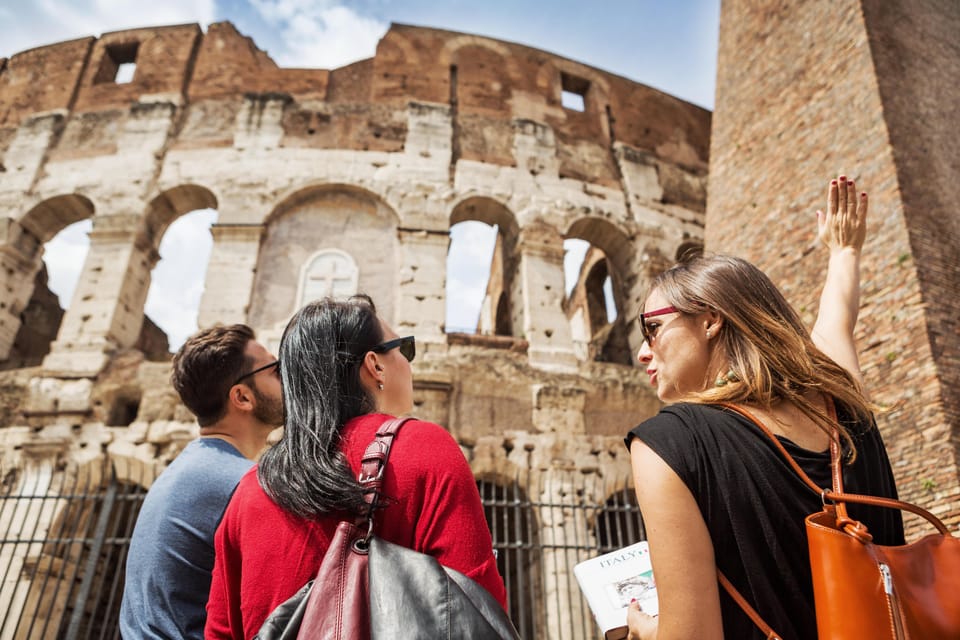
You meet at Piazza del Colosseo, 21, at the meeting point between a green newspaper stand and a fountain, on the right side of the metro station B Colosseum exit (on Via dei Fori Imperiali). The practical move is simple: show up 10–15 minutes early so you don’t risk being turned away if the group has already started.
Also plan for shoes. You’ll be walking, including short scenic sections, and the surface around these sites isn’t ideal for flimsy footwear. If you bring a sun hat, you’ll thank yourself once you’re under bright midday light.
Terrazza Belvedere del Palatino: the quick breath before the big sites
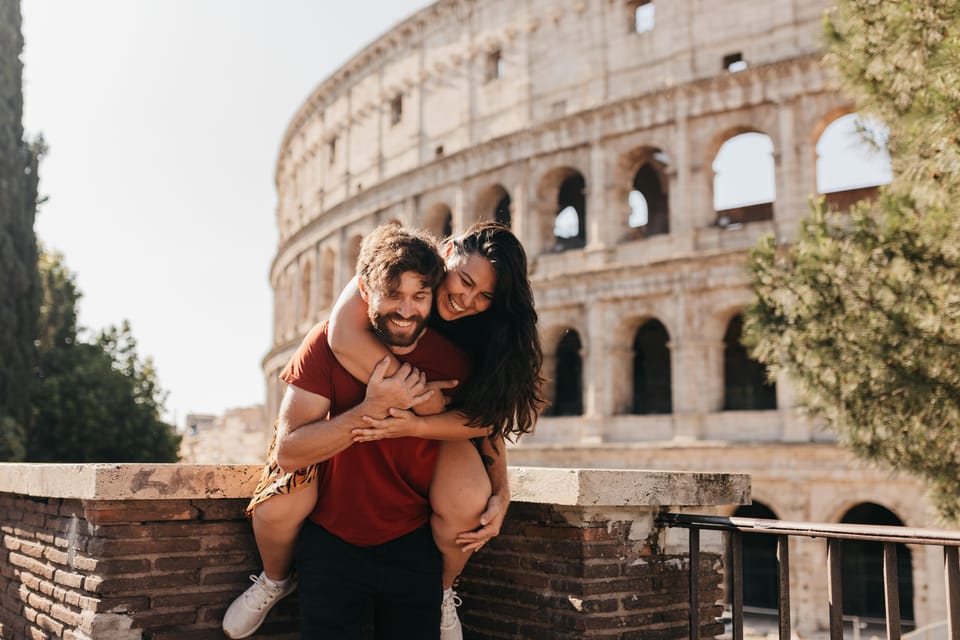
Before you get swallowed by the main monuments, the route includes a short walk and a pass by Terrazza Belvedere del Palatino for scenic views along the way. I like this break because it gives your brain a “map moment.” You can start to understand how the Palatine area rises and why the Forum sits in a basin of political and commercial life.
It’s also a good time to shift from the street noise of Rome to the scale of ancient Rome. Even a brief view like this can make later explanations click: where people gathered, how movement worked, and why certain buildings dominated sightlines.
Entering the Colosseum: more than just arena walls
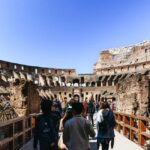
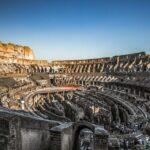
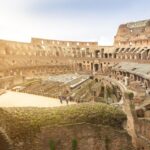
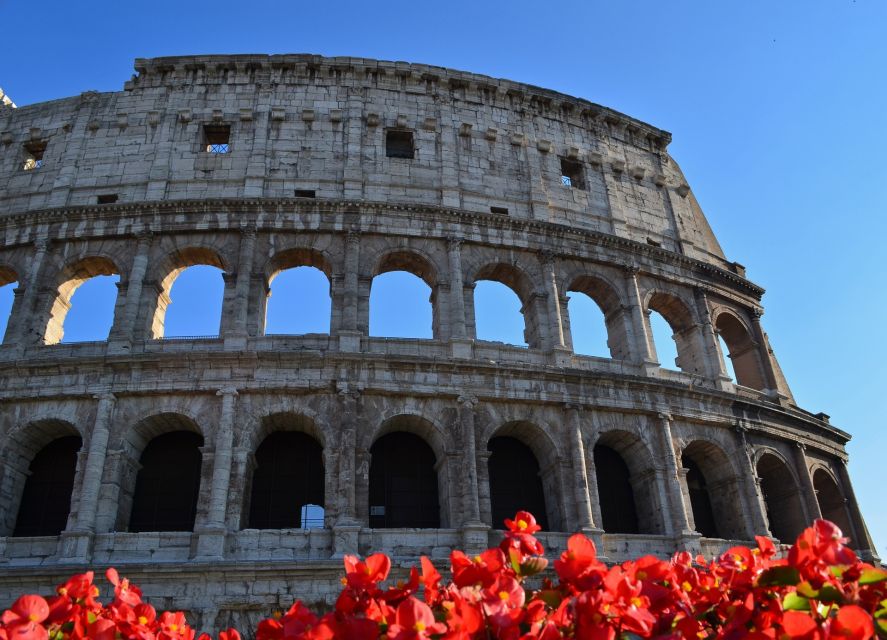
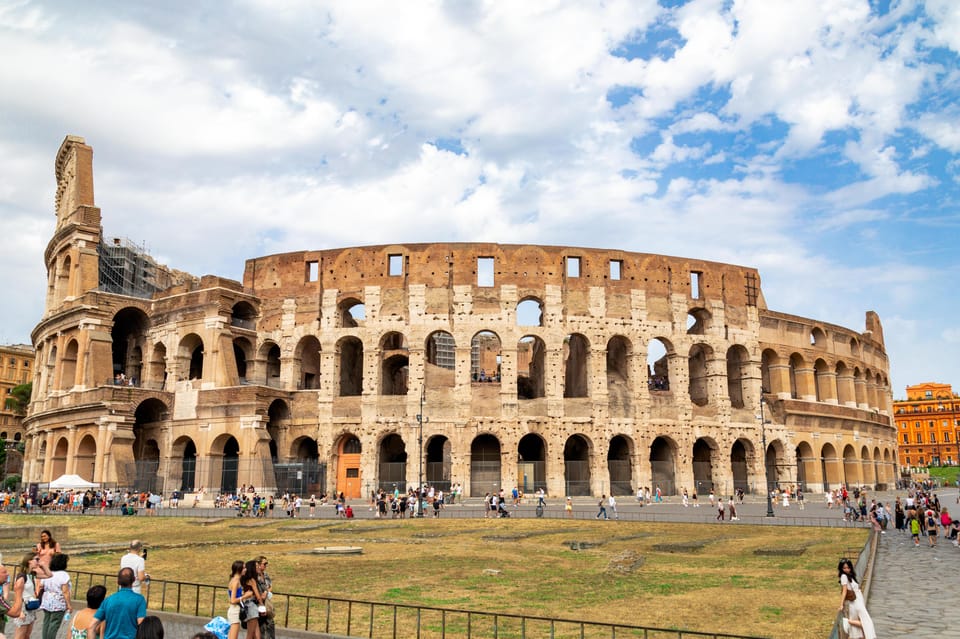
The Colosseum visit is 110 minutes long, and the narration focuses on what people used to do there and how the stories spread. You’re not just standing in a massive oval—you’re learning how an amphitheatre functioned as a stage for power, entertainment, and public control.
Here’s the kind of content you can expect your guide to bring into the space:
- Nero’s great fire as a historical anchor, and what evidence people point to when talking about that era
- Gladiator games, including the grisly reality behind the spectacle (not just the Hollywood version)
- Myths and misconceptions, so you can tell which claims have shaky footing and which are grounded in evidence
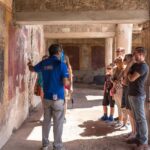
If your guide is Valerie—a professional archaeologist—you may notice how her approach makes the site feel less like a set and more like a puzzle you can read. One review-style highlight from guides in this program is the mix of serious knowledge with an easy delivery. It’s history you can follow without needing a textbook open in your pocket.
A practical tip: manage expectations in the crowd
The Colosseum can be louder and busier around you than inside your earbud. One person noted that a guide was slightly soft-spoken when other groups had stronger voices. The tour includes headsets for groups bigger than six, which helps a lot. Still, if you’re in the habit of tuning people out when it’s noisy, take a second before you start listening and commit to the headset volume early.



Walking past the Arch of Constantine and seeing why it matters
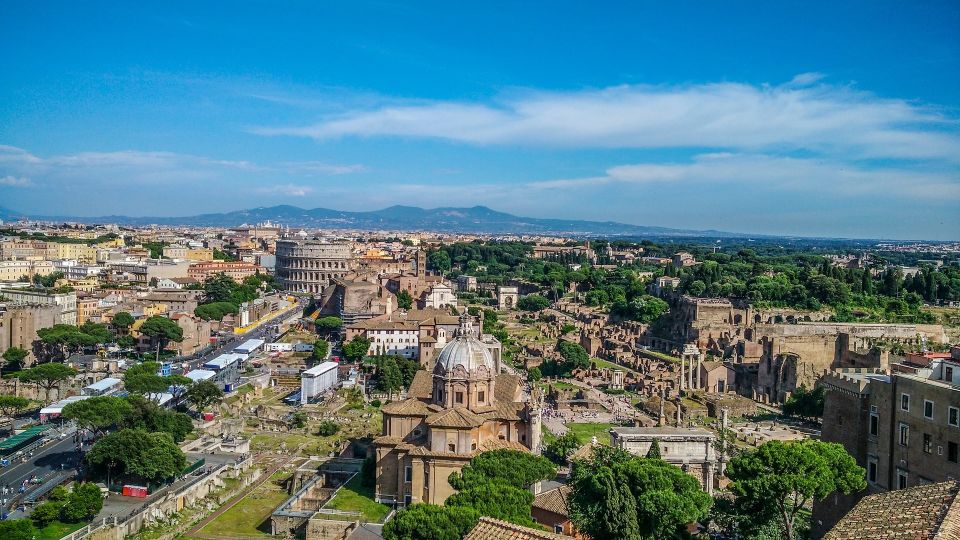
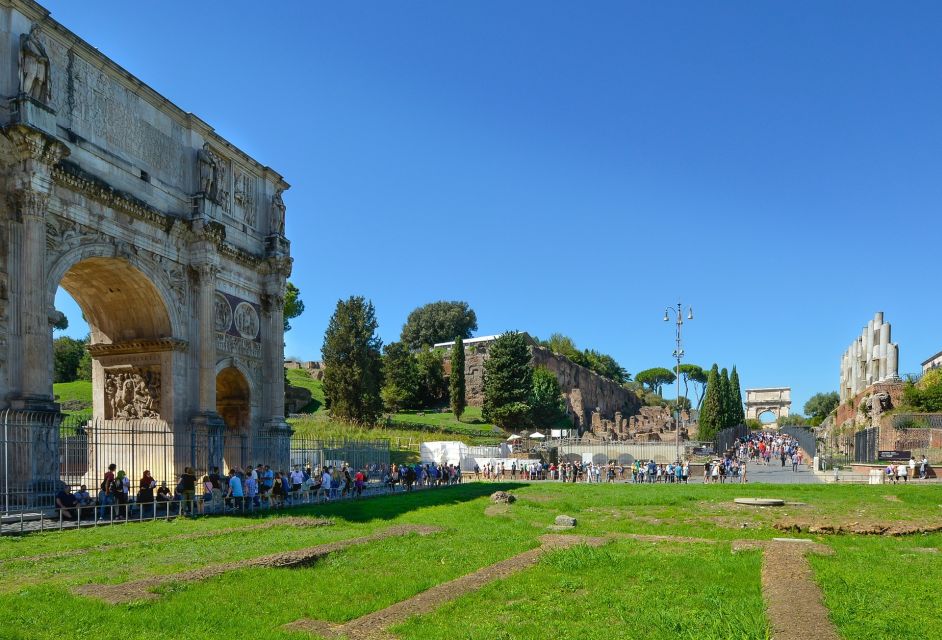
Between the Colosseum and the Forum area, you visit notable nearby landmarks, including the Arch of Constantine and Palatine Hill. Even if you’re not spending a full hour “in” the arch, you’re getting the point: these monuments weren’t isolated decorations. They were placed to broadcast legitimacy, connect emperors to symbolism, and anchor Rome’s story in stone.
Think of this part as visual scaffolding. Once you’ve seen the Colosseum’s role in public spectacle, the arch and Palatine area help you widen the frame: who held power, how it was performed, and how different parts of the city reinforced the same message.
Roman Forum: turning ruins into daily life
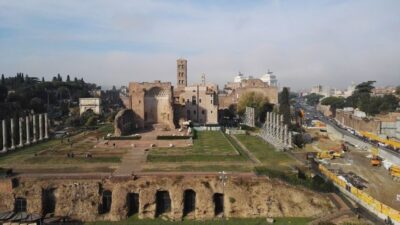
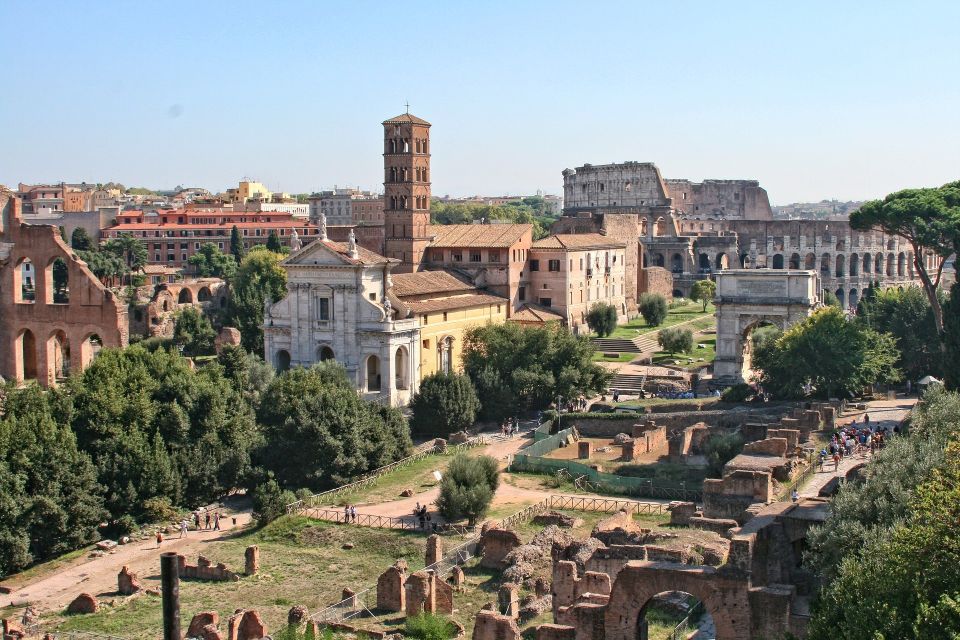
After the route through the Palatine area, you arrive at the Roman Forum, the largest inner-city archaeological site in the world. The Forum portion is about an hour, and your guide explains why it was the heart of ancient Rome’s social, commercial, and political life.
This is the stop where a good guide can change your whole experience. Ruins are easy to admire; they’re harder to understand. The Forum becomes clearer when you hear how:
- public events connected to politics
- commerce shaped daily routines
- leaders used space to communicate control
The key is that you’re not just looking at fallen columns. You’re learning what “the center” of Rome meant, even though what you see today is mainly traces. Your guide’s job is to show you where to look for those traces, so you’re not left wandering with only an app map and vague impressions.
What the small-group format does for your time
This is a 3-hour tour with a maximum group size of sixteen, and it’s designed to feel intimate. That has real value, because the Colosseum and Forum are places where everyone wants to ask questions—about timelines, myths, and what you’re actually looking at.
I also like that you get local recommendations from your guide. It’s not the entire reason to book, but it’s a helpful bonus when you’re trying to decide where to eat after you’ve done the big-ticket monuments. If you pick one suggestion and then walk on your own for the rest of the day, you’ll stretch the tour’s value into more of your trip.
Price and value: what $70 buys you (and what it saves)
At $70 per person for a 3-hour guided experience, you’re paying for three main things:
- Admission and reservation fees for the Colosseum, Palatine Hill, and Roman Forum
- A local guide who can explain what you’re seeing
- A small-group format that reduces the “stand and wait” feel
The smartest way to judge value is to compare your total time and stress. If you try to piece everything together alone, you still have to solve admission/reservation logistics, timing, and interpretation. This tour handles the entry components and gives you the “why” behind the monuments while you’re there—when it actually matters.
Food and drinks are not included, so plan a meal before or after. Since the route packs in major sites, having water and a snack strategy outside the tour keeps the experience enjoyable.
Who this tour suits best
This is a strong pick if you:
- want a guided explanation of the Colosseum and Forum rather than a self-guided wander
- like a compact route that connects sites into one story
- prefer small-group pacing over large mass tours
- enjoy asking questions and getting real answers
It may not be the best fit if you need mobility support. The tour is not suitable for people with mobility impairments or wheelchair users, and you should also expect you’ll be on your feet through much of the time.
What to bring (and what to leave at home)
Bring:
- Passport or ID card
- Comfortable shoes
- Sun hat
The ID requirement is not a “nice-to-have.” Each participant needs an identity document matching the booking name, because names are final and can’t be changed under Colosseum rules. Plan on having the right document with you so entry isn’t delayed.
Leave:
- luggage or large bags. Oversize luggage isn’t allowed
If you’re traveling light already, that’s perfect. If you arrive with a big bag, adjust before meeting the group.
Timing, meeting point, and the small details that matter
The tour starts at a specific meeting location near the Colosseum metro area. That’s why being early is important. If you’re late, the group may have already moved on, and latecomers might not be accommodated.
You’ll also want to communicate details after checkout: the provider requests the name and surname of each participant so admission can be purchased and everyone can enter. It’s an admin step, but it’s directly tied to whether you can get into the Colosseum and Roman Forum.
The most praised part: guides who make the stories click
The biggest repeat theme in satisfaction is the quality of the guide. Valerie is highlighted as a professional archaeologist who enjoys bringing history to life in a fun and accessible way, making the stories sparkle without losing the seriousness of the subject. Other well-prepared guides like Emanuela are praised for being involved and properly prepared with a full, interesting visit.
If you care about storytelling that’s tied to where you stand—rather than generic “Roman history overview”—this is exactly the kind of tour that delivers.
Should you book this Colosseum and Roman Forum tour?
If you want the classic Roman sites but with explanations that actually help you see them, I’d book it. The small-group size, timed entry with reservation fees, and the guide focus on myths, Nero’s era, gladiators, and the Forum’s political heartbeat all point to a tour built for meaning, not just movement.
Skip it only if you:
- need wheelchair access or have mobility constraints
- are very sensitive to audio in noisy environments and worry about headset clarity
- prefer completely self-paced wandering without guided structure
Otherwise, this is a solid value way to spend a few hours in Rome’s most famous (and most misunderstood) ruins—so you leave with stories you can point to, not just selfies.
FAQ
What’s included in the tour price?
Admission and reservation fees to the Colosseum, Palatine Hill, and Roman Forum are included, along with the 3-hour small-group guided tour, a local guide, and headsets for groups larger than six.
How long is the tour?
It runs for about 3 hours.
What does the itinerary cover?
You’ll visit the Roman Forum with a guided portion, enjoy a short scenic walk near Terrazza Belvedere del Palatino, then tour the Colosseum, and you’ll also pass by key nearby sights including the Arch of Constantine and Palatine Hill.
Where do I meet the guide?
Meet at Piazza del Colosseo, 21, between a green newspaper stand and a fountain, on the right side of the metro station B Colosseum exit on Via dei Fori Imperiali. The guide will be holding a TUI sign/flag.
What language is the tour in?
The live tour guide speaks Italian and English.
Do I need ID to enter?
Yes. You must bring a passport or ID card, and the identity document should match the booking name.
What should I bring and wear?
Wear comfortable shoes and consider bringing a sun hat. Also bring your passport or ID card.
Is the tour suitable for wheelchair users or limited mobility?
No. The tour is not suitable for people with mobility impairments and wheelchair users.
Can I cancel for a refund?
Yes. You can cancel up to 24 hours in advance for a full refund.