REVIEW · ROME
Rome: Castel Sant’Angelo Entrance Ticket
Book on GetYourGuide →Operated by The Voyager · Bookable on GetYourGuide
Big views, fast entry, and serious Roman layers. With a skip-the-line e-ticket, Castel Sant’Angelo quickly turns into your own self-guided circuit through mausoleum, fortress, and prison, and I especially like how the panoramic terrace gives you a clean photo angle over the Tiber and the Vatican area. The one real catch is practical: you’re dealing with a lot of stairs on the way up.
This is one of those Rome sights that rewards pacing. You can slow down for the corridors and rooms, then speed up when you just want the view. If you want a guided story, this isn’t that kind of ticket—but if you like exploring at your own tempo, it works well.
In This Review
- Key Highlights Worth Planning For
- Why Castel Sant’Angelo Works So Well for Independent Visitors
- Getting In Fast: E-Ticket Entry Without Waiting in the Main Line
- The Mausoleum of Hadrian: The First Stops Set the Tone
- Fortress and Prison: When Rome’s Power Shows Up in the Architecture
- The Papal Apartments: Renaissance Frescoes and the Luxury of Power
- Ramparts and Terrace Views: The Moment Rome Looks Its Best
- What the Route Feels Like in Real Life (Stairs and Footwear)
- Price and Value: Is $32 Worth It for What You Get?
- Who This Ticket Suits Best (And Who Should Rethink It)
- Quick Planning Tips Before You Go
- Should You Book This Castel Sant’Angelo Ticket?
- FAQ
- How do I get the Castel Sant’Angelo ticket?
- Do I need to meet anyone for this experience?
- Can I skip the ticket line?
- What time can I visit?
- Is there a lot of walking or stairs?
- Is it suitable for wheelchair users or mobility impairments?
Key Highlights Worth Planning For

- Skip-the-line access with an e-ticket you show at the entrance on your phone
- Hadrian’s original mausoleum as the starting point for your visit
- Papal refuge spaces that show how the building shifted in purpose
- Papal Apartments with Renaissance frescoes and period furniture (if the rooms are open during your visit)
- Terrace ramparts for Rome’s skyline views, including St. Peter’s and the Vatican
- A stair-heavy route, so comfortable shoes matter
Why Castel Sant’Angelo Works So Well for Independent Visitors
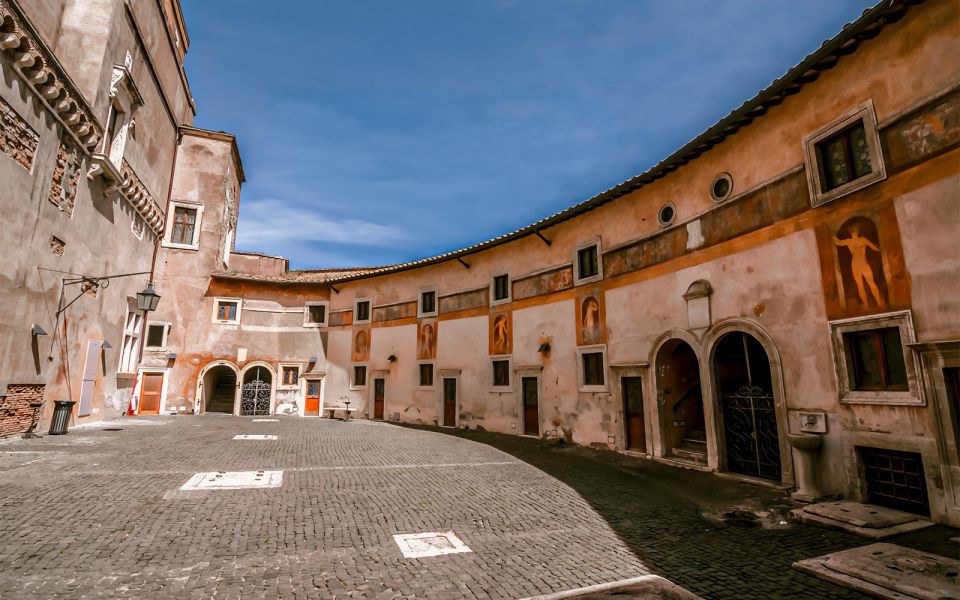
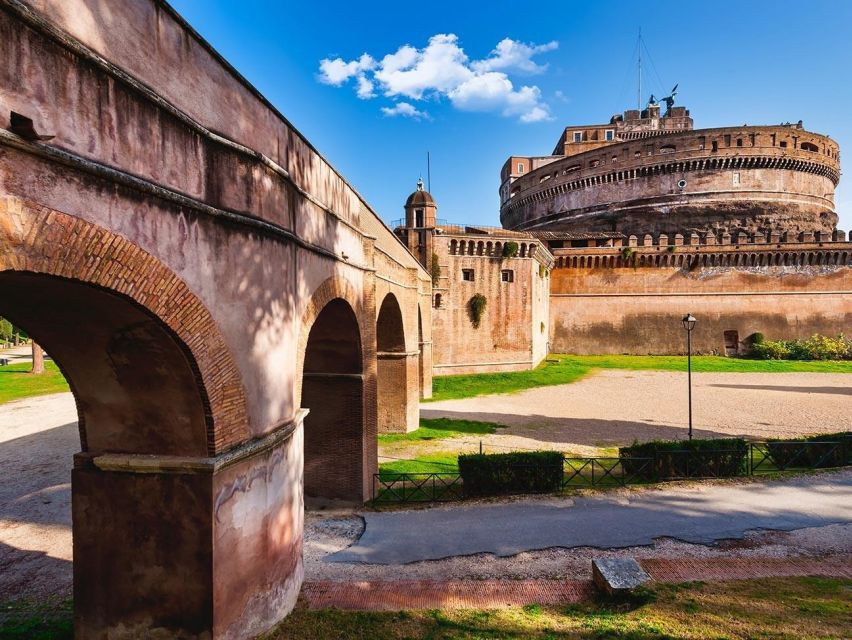
Castel Sant’Angelo is unusual. Most big Roman landmarks focus on one era. This one stacks eras on top of each other: it starts as a grand funerary monument, then becomes a fortified stronghold, and later takes on the role of a place that held prisoners. You get multiple “chapters” in one building, and you can choose how long you linger in each chapter.
I also like how the layout supports a simple strategy. You don’t need a guide to follow the basic flow: start inside, work your way through the main interior spaces, and then go up toward the terrace for the payoff. That means you can plan a satisfying visit even if you have only one day and you’re bouncing between Vatican-area sights.
You can also read our reviews of more tours and experiences in Rome



Getting In Fast: E-Ticket Entry Without Waiting in the Main Line
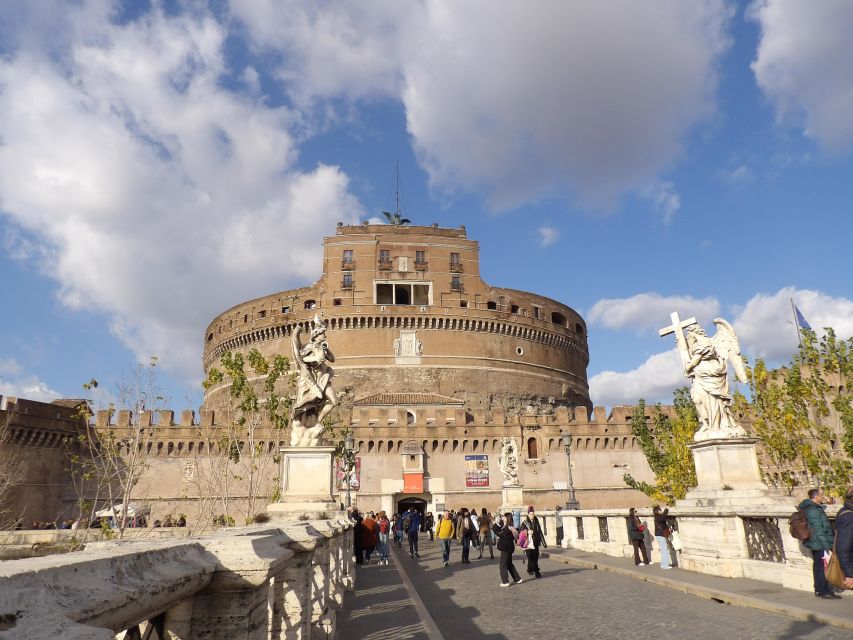
The main value here is the ticket itself: you’re buying entry tickets that let you bypass the ticket line at Castel Sant’Angelo. In Rome, that kind of time-saver matters. Even a short wait can throw off your day when you’re moving between neighborhoods and trying to catch daylight for views.
Here’s what to do so it stays smooth:
- Your ticket is delivered by e-mail in the late afternoon of the day before your entry date.
- You show the e-ticket at the entrance on your smartphone.
- If you don’t see the voucher code, check your spam folder.
You don’t need to meet anyone. Practically, that means you can slot your visit into your day based on your energy and the light you want, without coordinating a pickup or standing around for a group.
The Mausoleum of Hadrian: The First Stops Set the Tone
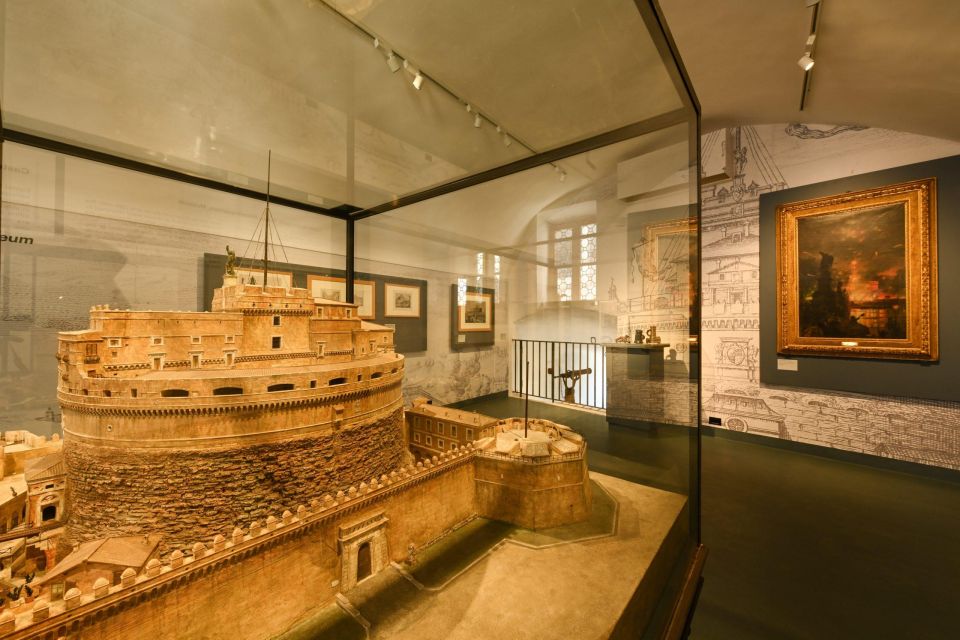
Your visit starts in the heart of the structure: the mausoleum of Emperor Hadrian. This is a big part of why Castel Sant’Angelo feels different from a typical “castle for castles’ sake.” You’re not just looking at stone walls and battlements—you’re stepping inside a monument that began life with a very different purpose.
What you’ll want to pay attention to early:
- The scale of the interior spaces. Even before you’re thinking about the view, you can feel the building’s original statement of power.
- How the building’s purpose changes. You’ll move from the original tomb context toward spaces that later served different roles—refuge, defense, and confinement.
A helpful approach: don’t rush the early rooms. If you grasp the idea that this building keeps changing jobs, you’ll get more from the later areas, including the papal sections.
Fortress and Prison: When Rome’s Power Shows Up in the Architecture
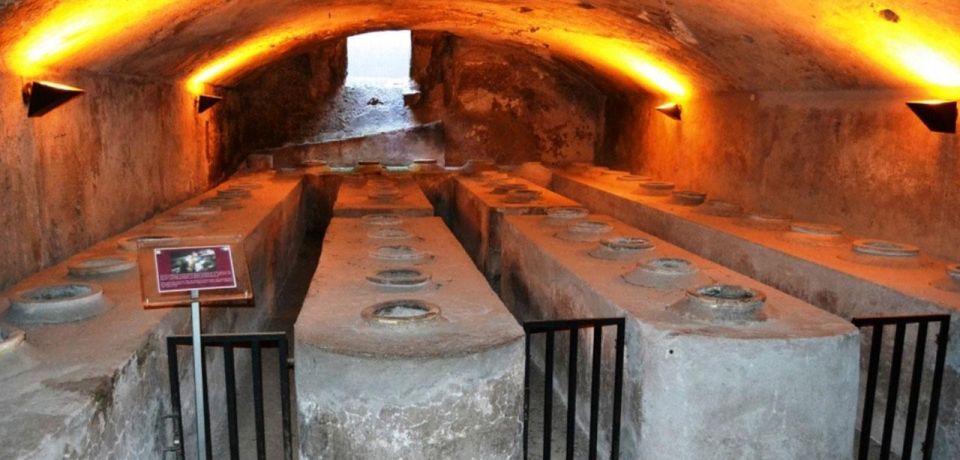
Castel Sant’Angelo is often described as a fortress, and it earns that label. The site’s defensive role wasn’t just symbolic—it’s built into the structure. As you move through the military-focused areas, the castle’s strategic positioning and defensive design start to make sense.
What makes this section meaningful is the building’s layered timeline. The fortress era explains why popes and the Vatican region would care about this place. During times of crisis, it functioned as a refuge for popes, and that shift from monument to stronghold is a key part of the story.
Even if you’re not into military history, you’ll likely enjoy noticing:
- How corridors and rooms feel built for movement and control, not just display.
- How the “same stone” can tell different stories depending on the era.
The Papal Apartments: Renaissance Frescoes and the Luxury of Power
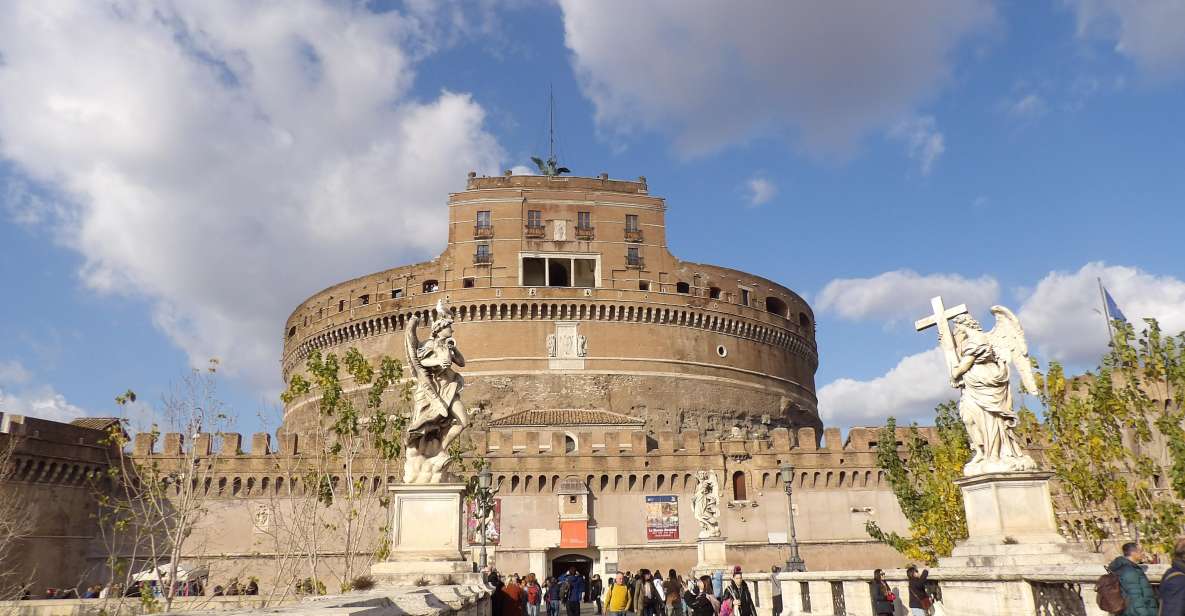
One of the top draws is the Papal Apartments. This is where the castle stops feeling purely functional and starts feeling political in a different way.
According to the experience details, these apartments include:
- Renaissance frescoes
- Period furniture
The payoff here is contrast. You move from spaces tied to defense and crisis into rooms associated with comfort and status. That contrast is part of what makes Castel Sant’Angelo such a satisfying stop if you like seeing how power changes its style over time.
Practical note: you’ll still be walking. Even the “opulent” rooms are inside an active maze of levels and connections, so treat this like a sightseeing walk through history, not a quick museum pop-in.





Ramparts and Terrace Views: The Moment Rome Looks Its Best

Then you go up. Castel Sant’Angelo includes access to the terrace for panoramic views, and this is what turns the ticket into more than a historical stop.
From the terrace ramparts, you can take in Rome from a high point, with views that include:
- St. Peter’s Basilica
- The Vatican
- The skyline stretching across the city
- The Tiber River area
If you’re planning photos, aim to spend a little time here rather than just snapping and leaving. Rome views can look good in many places, but this one is special because the setting is literally part of the story. You’re standing on historic ramparts, not just at an overlook.
Also, because you’re higher up, it can help to pause and let your eyes adjust. Rome has a lot of “nearby visual noise.” Once you spot big shapes—church domes, major landmarks—the entire scene clicks into place.
What the Route Feels Like in Real Life (Stairs and Footwear)
This isn’t the kind of attraction where you can glide from room to room. You’ll need to climb a series of stairs to reach the panoramic terrace, and the experience is not suitable for people with mobility impairments or wheelchair users.
Even if you’re fully able-bodied, I’d plan for tired legs. Comfortable shoes aren’t a suggestion here—they’re the difference between enjoying the views and turning the visit into a slow, grumpy march.
A smart plan:
- Do the interior rooms first while you’re feeling fresh.
- Save the most demanding climb for when you’re mentally ready for the payoff.
- Keep water in mind. The ticket info doesn’t specify refreshments, so don’t assume them.
If stairs are hard for you, consider whether you want to spend your limited Rome time on something easier. With this ticket, the terrace is a big part of the value, and getting there requires effort.
Price and Value: Is $32 Worth It for What You Get?
At $32 per person, this ticket isn’t the cheapest way to spend a couple of hours in Rome. The value comes from two specific things you’re paying for: skip-the-line entry and a self-paced route through multiple sections of the building.
Here’s how I’d measure value:
- Skip-the-line access reduces waiting, which is real value in a city where time can vanish fast.
- You get entry to the mausoleum area, the papal apartments, and terrace views from the ramparts.
- The building’s “three jobs” (mausoleum, fortress, prison/refuge) means you’re not repeating the same kind of room experience.
If you love architecture, want Vatican-area views without adding extra transport stops, and like exploring at your own speed, this is likely a good match. If your priority is only a quick skyline shot and you hate stairs, you might find the effort doesn’t match the payoff.
Who This Ticket Suits Best (And Who Should Rethink It)
This ticket is a good fit if:
- You want to explore Castel Sant’Angelo on your own schedule
- You like history that changes shape over time (monument to fortress to papal refuge)
- You want terrace views that include St. Peter’s and the Vatican area
- You prefer simple entry with an e-ticket rather than a guided group experience
It’s not a good fit if:
- Stairs are a major problem for you
- You need a wheelchair-friendly route (the experience is not suitable for wheelchair users)
- You’re traveling with large luggage or need to bring it inside (large bags aren’t allowed)
Quick Planning Tips Before You Go
A few practical reminders so you don’t get snagged at the door:
- Bring your passport or ID card.
- Wear comfortable shoes and clothes that handle walking and stairs.
- Keep your phone ready for the e-ticket.
- Pets aren’t allowed, and weapons or sharp objects aren’t allowed.
- Large bags and sprays/aerosols aren’t allowed.
If you want your visit to feel easy, the biggest prep is mental: expect stairs, plan your pacing, and treat the terrace as the highlight that makes the climb worth it.
Should You Book This Castel Sant’Angelo Ticket?
I’d book it if you want a time-saving entry, you’re excited by layered history, and you care about views from historic ramparts. At $32, the ticket feels most reasonable when you’ll actually use the key parts: interior rooms plus the terrace.
Skip it if you need a fully step-free experience or you only want a quick look. With this ticket, the stairs are part of the deal, and the terrace is where the Rome panorama really pays off.
If you’re arriving on a busy day in central Rome, the skip-the-line angle alone can make this a smart, low-stress choice.
FAQ
How do I get the Castel Sant’Angelo ticket?
The ticket is sent by e-mail in the late afternoon of the day before your entry date. If you don’t receive the voucher code, check your spam folder.
Do I need to meet anyone for this experience?
No. It’s not necessary to meet anyone. The tickets are provided by e-mail and you go to the entrance with your e-ticket.
Can I skip the ticket line?
Yes. This experience includes skip-the-line entry. You show your e-ticket at the entrance.
What time can I visit?
The ticket is valid for 1 day, and you must check availability to see starting times.
Is there a lot of walking or stairs?
Yes. You will need to climb a series of stairs to reach the panoramic terrace.
Is it suitable for wheelchair users or mobility impairments?
No. It is not suitable for wheelchair users and not suitable for people with mobility impairments.