REVIEW · ROME
Rome: Catacombs of Priscilla Entry Ticket & Guided Tour
Book on GetYourGuide →Operated by OPERA ROMANA PELLEGRINAGGI · Bookable on GetYourGuide
Rome gets quieter underground. I love the Catacombs of Priscilla for its guided walk through early Christian burial spaces beneath Via Salaria, spread across two floors of galleries and niches. In just 45 minutes, you see how communities used underground rooms for burial and for funeral remembrance, long before Rome’s big monuments tell their stories.
I also like how the guide links names, art, and setting—martyrs like Felice and Filippo, plus popes buried there over centuries. One drawback: no photography is allowed inside, so you’ll want to rely on your memory instead of your camera.
In This Review
- Key Highlights You’ll Actually Feel
- Getting There: Via Salaria and the Ticket Office Meet-Up
- Your 45 Minutes Underground: What the Guided Flow Really Means
- Catacombs of Priscilla: Arenarium to Burial Galleries
- Two Floors Worth of “Wait, They Built This Where?” Moments
- The Cryptoporticus and the Greek Chapel Area
- The Acili Hypogeum: Inscriptions From a Cisterna Past
- Frescoes and the Mary-and-Child Surprise
- Felice and Filippo, St. Felicita, and the Popes Below
- The Basilica and Museum Bits You May See Near Villa Ada
- Guides, Tone, and How They Handle Tight Spaces
- Price and Value: Is $16 Worth 45 Minutes?
- Who Should Book This Tour (and Who Might Skip It)
- Should You Book the Catacombs of Priscilla Tour?
- FAQ
- Where is the Catacombs of Priscilla located?
- How much does the tour cost?
- How long is the guided tour?
- Does the ticket include the guide?
- What languages are the tours offered in?
- Where do I meet for the tour?
- How early should I arrive?
- Are baby strollers allowed?
- Can I take photos inside the catacombs?
- Is the experience suitable for people with mobility impairments?
- What’s the cancellation policy?
Key Highlights You’ll Actually Feel
- Small groups (max 10) make the narrow spaces more comfortable.
- Two levels of catacomb corridors help you understand how the site grew over time.
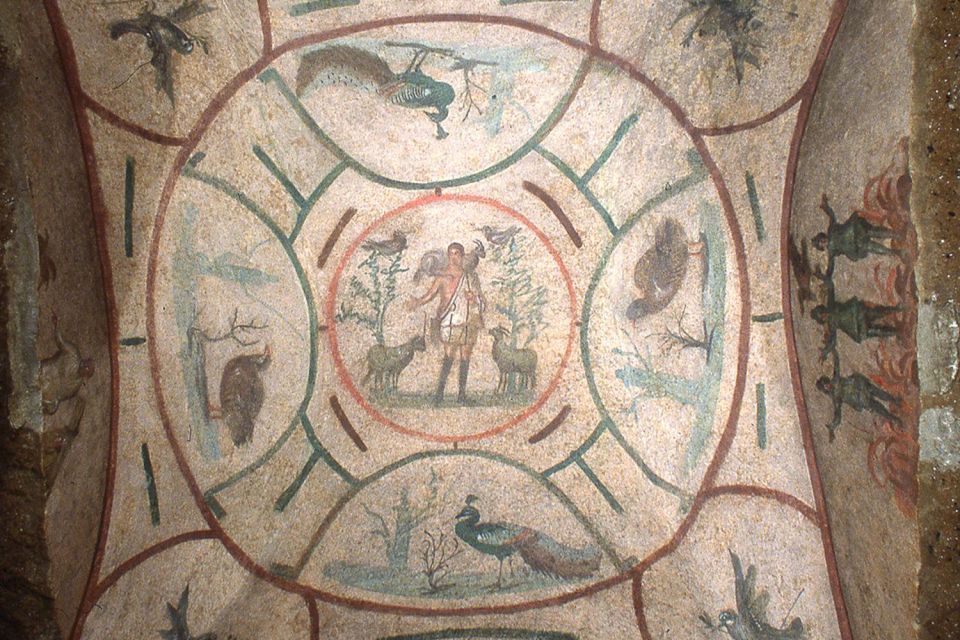
- Early Christian wall paintings include scenes people single out as some of the earliest Mary-and-Child imagery.
- Acili inscriptions and hypogeum details add a “wait, how did they do this?” moment.
- Martyrs and popes in the same underground network make the place feel connected, not random.
- Underground cool-down is real; it’s a nice break when Rome is baking above.
Getting There: Via Salaria and the Ticket Office Meet-Up
This tour starts at the Catacomb ticket office, and you should go directly there. Show your reservation at least 10 minutes before your scheduled start so you don’t get stuck outside while your group is already forming.
The catacombs are on Via Salaria, so plan for a bit of travel time from central Rome. Transportation isn’t included, so you’ll want to sort out your own bus, taxi, or whatever works with your itinerary that day.
The practical upside? Because you’re meeting at the site itself, you skip the extra “bus-to-a-different-door” routine that can eat into your time.
You can also read our reviews of more tours and experiences in Rome


Your 45 Minutes Underground: What the Guided Flow Really Means
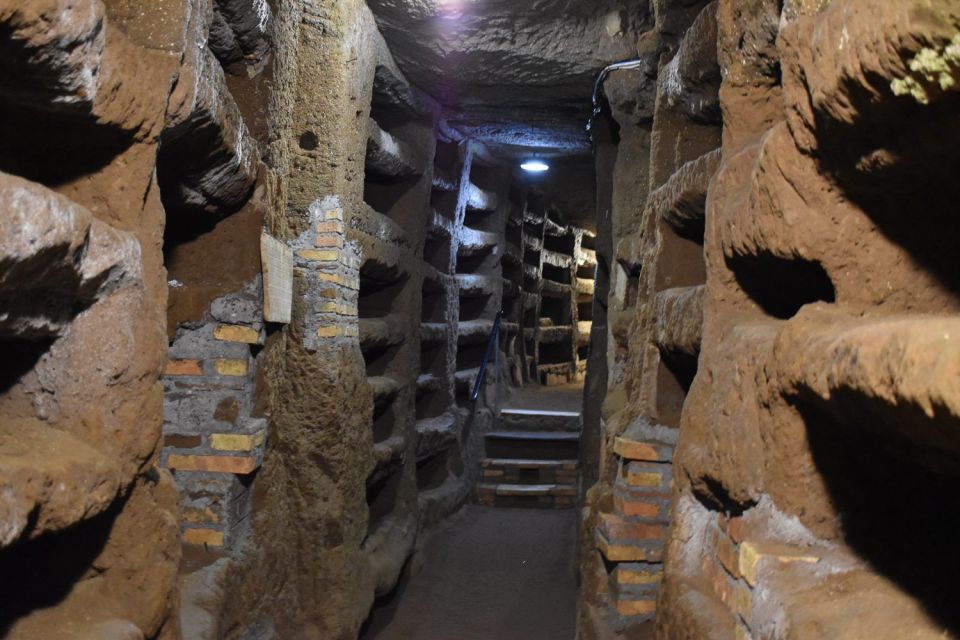
The guided portion lasts about 45 minutes, which is a sweet spot for a catacomb visit. These spaces are tight, dim, and full of details—longer than that and your brain starts to feel like it’s trying to read in the dark with one hand.
Also, the tour runs with a live guide in Italian, English, or Spanish, so you’ll get explanations in your language instead of just pointing at walls. With a small group limited to 10, you’re less likely to lose your guide when the corridors pinch down.
A few things to keep in mind before you go:
- The route includes walking through narrow underground areas.
- You’ll be looking at wall art and inscriptions, so give your eyes a moment to adjust after you step down.
- You’ll likely hear about both the archaeology and the early Christian meaning of the spaces, not just one side of the story.
Catacombs of Priscilla: Arenarium to Burial Galleries
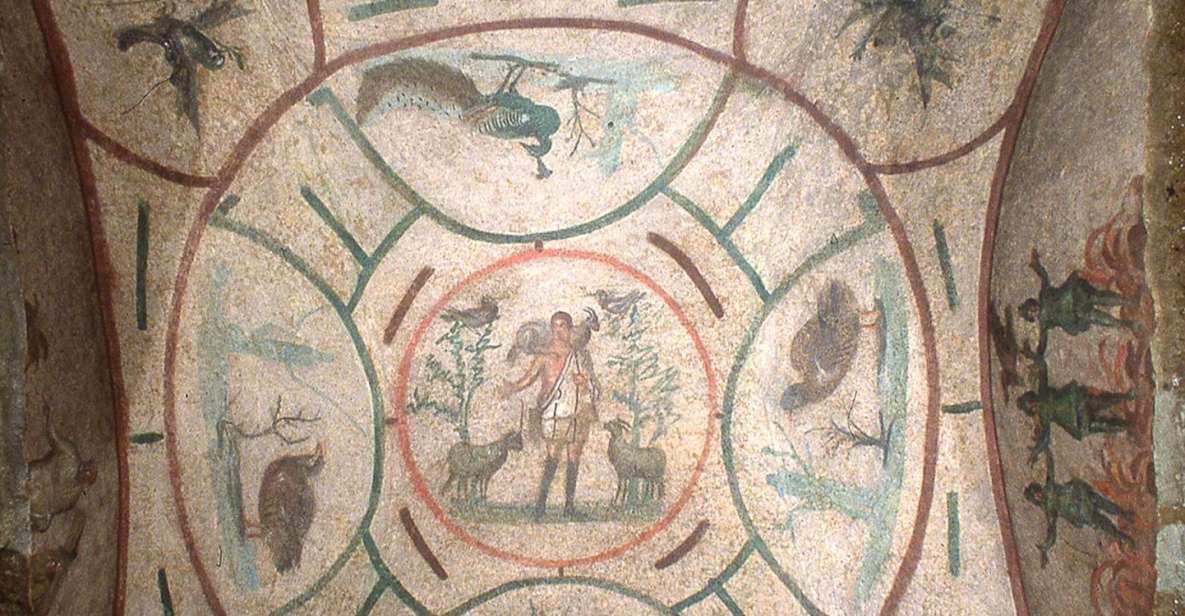
One of the most interesting parts is how the site’s purpose changed. Priscilla’s catacomb started as an arenarium, essentially a sand or quarry-like area, and later got abandoned. Then, as the story goes, Christians began using the large, irregular galleries around the beginning of the third century.
That means you’re not looking at one uniform “catacomb blueprint.” You’re walking through a place that was repurposed—then expanded—then decorated. The first floor has those big galleries, and around them you’ll find niche tombs and later wall-cut niches, with the early Christian community adapting the existing spaces for burial and commemoration.
Your guide’s job is to help you read that growth. You start to see the logic: where people likely placed niches over time, how corridors connected, and why certain areas were chosen for commemorative use.
Two Floors Worth of “Wait, They Built This Where?” Moments
The catacomb is described as covering two floors, and that matters for how you experience it. On the first floor, you get the broad gallery feel—more open, more “this was repurposed space.” On the second level, it feels more focused on the burial niches and the deeper story of specific family or commemorative areas.
The best way to enjoy the two levels is to move with intention. When you’re going down a corridor, don’t just follow the group like it’s a maze game. Pause for a second and let the guide’s explanation land, because that’s when the place stops being spooky and starts being understandable.
And yes, the rooms can feel emotionally heavy. That’s not a marketing trick. When you learn how these spaces functioned for funerals and remembrance, the quiet becomes part of the point.
The Cryptoporticus and the Greek Chapel Area
Near the catacomb area, there’s mention of a cryptoporticus and a Greek Chapel. In practical terms, this is where the site feels like more than one category of “underground tomb rooms.”
A cryptoporticus is basically an underground covered passage or space, and it helps show how the complex was connected to other important underground areas. This section also ties the catacomb into a broader world—Roman architecture and family burial traditions mixed with early Christian reuse.
If you like sites where the architecture does some of the storytelling for you, this is one of the stops that helps the tour click into place.
You can also read our reviews of more guided tours in Rome


The Acili Hypogeum: Inscriptions From a Cisterna Past
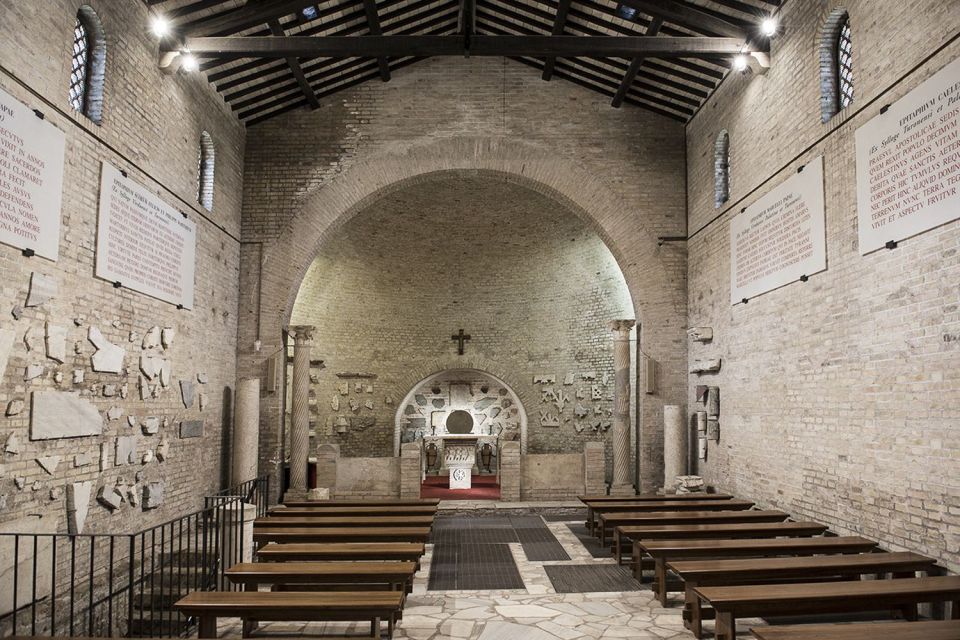
Another standout is the hypogeum of the Acili, which originally served as a cistern of water. That’s one of those details that makes you look at the walls differently. Water storage, then memory storage. Same space idea, totally different human purpose.
This area is known for the Acili inscriptions, which were found and are exhibited. Even if you don’t read Latin yourself, the effect is strong: the guide helps you understand that these aren’t random scratches. They’re evidence of who connected themselves to the site and how identity survived underground.
For me, this part is where the tour becomes more than “see paintings.” It becomes “how did Roman life change, and where do you see that change in stone and inscription?”
Frescoes and the Mary-and-Child Surprise
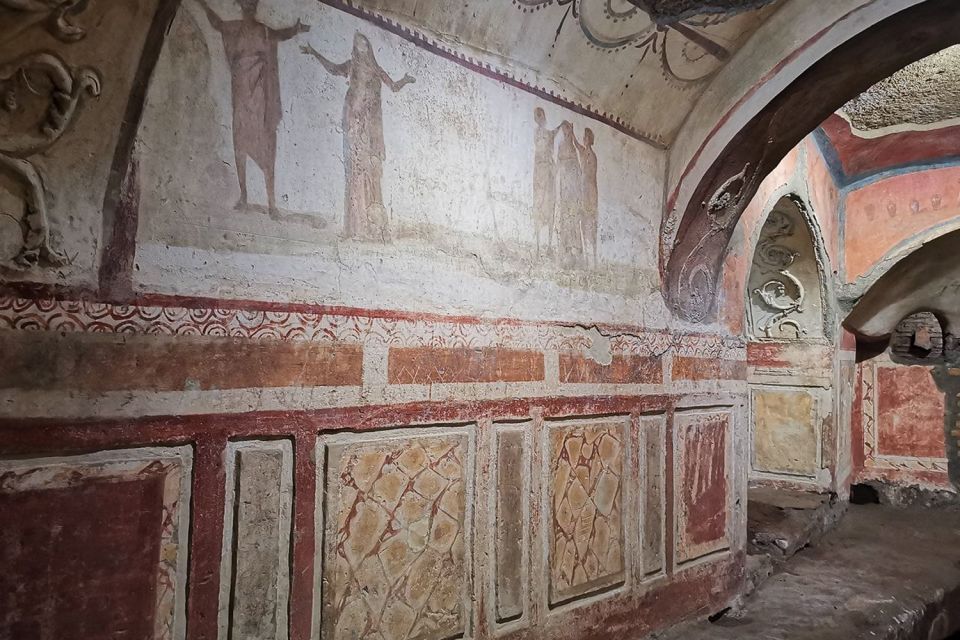
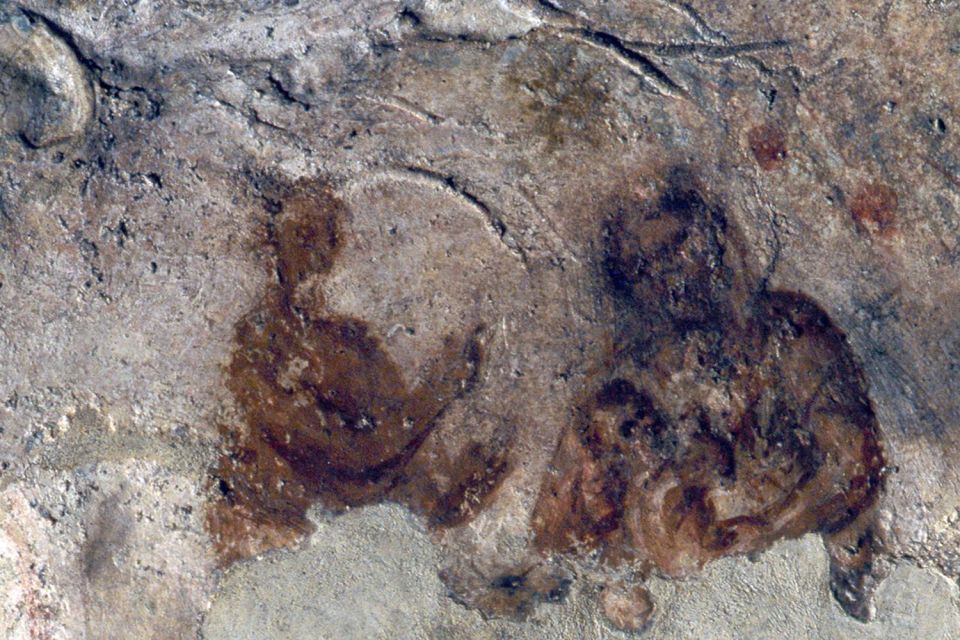
Catacombs are famous for a reason: the walls often preserve early Christian artwork. In the Priscilla catacomb areas, guides point out old Christian frescoes—some still in surprisingly good condition.
One highlight that comes up often is an early Mary-and-Child image. Even people who came mainly for history tend to pause here longer than they expect. It’s not just because it’s old. It’s because you can feel the moment early Christians started using visual symbols to express belief in a public world that wasn’t always welcoming.
Because photography isn’t allowed inside, you’ll be forced to look with your own eyes. The good news: your attention tends to sharpen when you can’t outsource it to your phone.
Felice and Filippo, St. Felicita, and the Popes Below
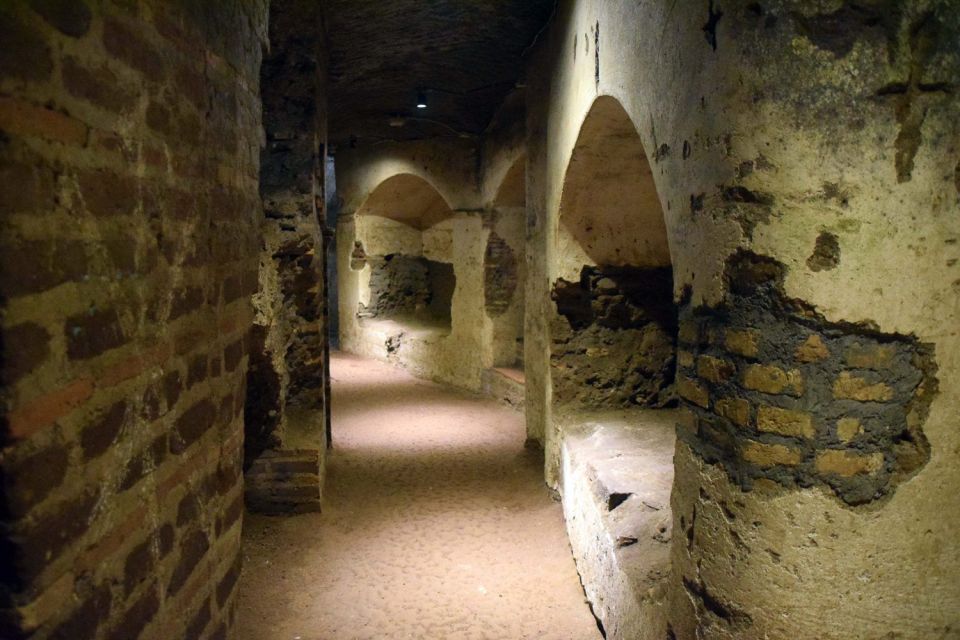
The catacombs don’t just hold one story. They hold a roll call.
Among the martyrs remembered in the Priscilla area are the brothers Felice and Filippo, along with their mother St. Felicita. Also mentioned are several other brothers: Alessandro, Marziale, Vitale, Silano, and Gennaro—names that make the underground feel like a real community, not a vague “early Christians did stuff here.”
Then the focus shifts to popes buried in Priscilla, including Marcellino (296–304), Marcello (308–309), Silvestro (314–335), Liberius (352–366), Siricius (384–399), Celestino (422–432), and Vigilius (537–555).
That mix is one reason the guided format works. Without explanation, you might see corridors and niches and think you’re reading a funeral catalog with no context. With a guide, the names become chapters in the same long narrative: burial, memory, and later church authority connected to place.
The Basilica and Museum Bits You May See Near Villa Ada
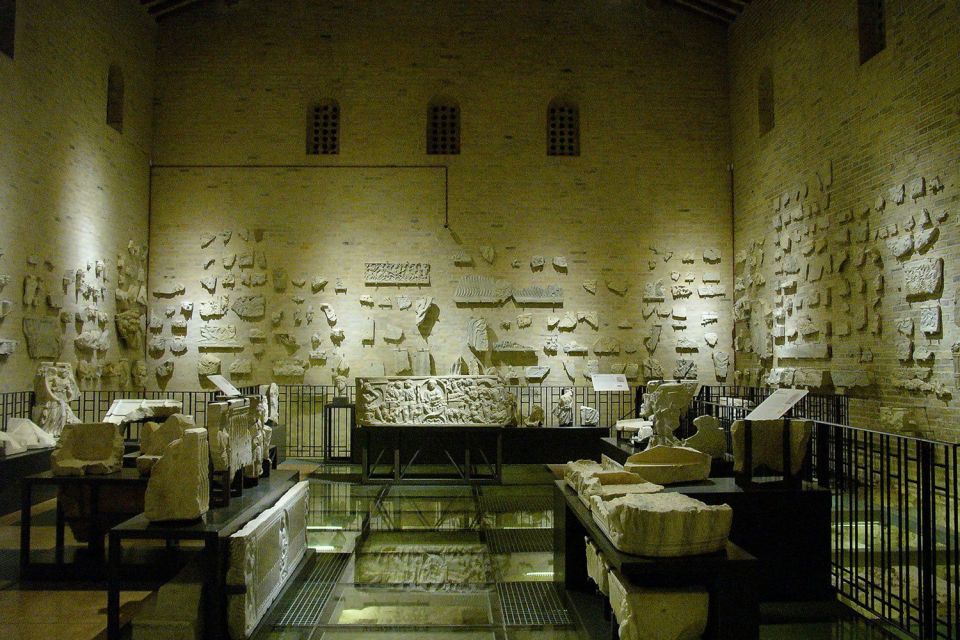
Inside Villa Ada, there’s mention of a Basilica built by Pope St. Silvestro corresponding with the tomb of Felice and Filippo. Near that basilica, a Museum has been set up that collects hundreds of fragments of sarcophagi found during excavations.
Your exact time for these elements can depend on the guide’s route and what’s open during your visit, but this part of the complex matters. It helps you connect what’s underground (niches, frescoes, inscriptions) to what archaeology brings up later (sarcophagus fragments and interpretive displays).
If you like when a tour gives you closure—meaning you see not just the “original” but also what survives in fragments—this nearby museum component is a thoughtful way to end.
Guides, Tone, and How They Handle Tight Spaces
The guides here are described as very passionate and used to moving people through small, narrow underground rooms. Even when the group is near a wall or turning a corner, you’re not left to figure it out yourself.
You may also hear names of guides such as Sister Lydia (sometimes listed as Sister Lidia), as well as Clara and Alexandra/Alexandria. Different personalities bring different pacing, but the goal stays the same: help you connect art, architecture, and early Christian practice.
In a place where darkness and closeness can make people zone out, a good guide keeps everyone oriented—so you don’t spend half the time trying to see what the person in front is staring at.
Price and Value: Is $16 Worth 45 Minutes?
At $16 per person for an entrance ticket plus a guided tour, this is strong value for a few reasons.
First, you’re paying for someone to explain what you’re seeing—especially important in catacombs, where the meaning doesn’t jump out at first glance. Second, you’re getting a small group experience (max 10), which often means less waiting and less “good luck finding the guide” chaos. Third, the time length works. 45 minutes keeps it focused without exhausting your attention in tight spaces.
If you’re comparing it to the bigger, more crowded Roman hits, this one is usually less about checklist bragging and more about understanding. For me, that makes it feel like better money spent.
Who Should Book This Tour (and Who Might Skip It)
This tour fits best if you like:
- Early Christian art and wall paintings
- Archaeology-style explanations (not just dates, but how the site was used)
- A quieter alternative to the biggest Rome crowds
- Meaningful stories tied to real names, not just general themes
It may feel less ideal if:
- You want lots of open-air viewpoints (this is mostly underground)
- You rely heavily on photos during tours (you can’t take them inside)
- You need easy mobility access (it’s not suitable for people with mobility impairments)
If you’re traveling with kids, ask yourself honestly if they’ll enjoy learning inside a dim, closed environment for 45 minutes. Some families find it surprising and absorbing, but it’s still a serious setting.
Should You Book the Catacombs of Priscilla Tour?
Yes—if you want a Rome experience that’s off the main parade route and more human than spectacle. The small group size, the guided context, and the chance to see preserved early Christian frescoes make this a standout choice for history-minded travelers.
Book it especially if your day needs a break from Rome’s heat and crowds. Just remember the main trade-off: no photography inside, and the experience is intentionally underground and quiet.
If you’re mainly chasing classic outdoor sights, you might prefer spending your time elsewhere. But if you want to feel what burial, remembrance, and faith looked like in the early centuries, this is a smart use of your time.
FAQ
Where is the Catacombs of Priscilla located?
The catacombs are located on Via Salaria in the Lazio region.
How much does the tour cost?
The price listed is $16 per person.
How long is the guided tour?
The tour lasts about 45 minutes.
Does the ticket include the guide?
Yes. The entrance ticket and a guided tour are included.
What languages are the tours offered in?
The live guide speaks Italian, English, and Spanish.
Where do I meet for the tour?
Go directly to the ticket office of the catacomb and show your reservation.
How early should I arrive?
Show your reservation at least 10 minutes before the scheduled tour.
Are baby strollers allowed?
No. Baby strollers are not allowed.
Can I take photos inside the catacombs?
No. Photography inside is not allowed.
Is the experience suitable for people with mobility impairments?
No. It is listed as not suitable for people with mobility impairments.
What’s the cancellation policy?
Cancellation is free up to 24 hours in advance for a full refund.