REVIEW · ROME
Rome: Cannondale E-Bike Tour of Top Landmarks & More
Book on GetYourGuide →Operated by TopTours · Bookable on GetYourGuide
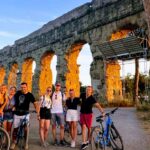
Rome on an e-bike feels instantly right. This 4-hour, small-group ride pairs well-maintained Cannondale pedal-assist bikes with safety-minded guidance that helps you see major landmarks and tucked-away corners in one smooth loop. I love that the bikes arrive in great shape and are checked after every use, so you can focus on the streets instead of equipment worries.
My other favorite part is the way the route swings from headline sights to lesser-visited stops without turning the whole day into a traffic-jammed crawl, and it does it with helmet-required safety habits and clear leadership. One possible drawback: you still cover about 14 km (8.5 miles) in a half-day, and while the assist helps with hills, you should be comfortable riding and stopping for crowds around the big monuments.
In This Review
- Key Things to Know Before You Ride
- Entering The Ride: Meeting Point, Bike Feel, and Helmet-Required Safety
- The Route Logic: 14 km of Icons, Back Alleys, and Gardens
- When Rome Changes Plans
- Colosseum to Roman Forum: The Stops That Give You Shape
- Trevi Fountain, Spanish Steps, and Piazza del Popolo: Famous Stops Without the Full Fuss
- Villa Borghese Park Views: The Break Between Big Landmarks
- Piazza Navona, Pantheon, and the Jewish Ghetto: Smaller Moments With Big Payoff
- Theatre of Marcellus to Final Forum Panoramas: Where the City Feels Like One Story
- How Hard Is It, Really? Pace, Hills, and What Kids Can Do
- Bikes, Comfort, and the Practical Extras That Matter
- Price and Value: What $100 Buys in a 4-Hour Block
- Should You Book This Cannondale E-Bike Tour of Top Landmarks?
- FAQ
- How long is the Rome e-bike tour, and how far do you ride?
- Where do I meet the guide and get the bike?
- Is a helmet included, and do I have to wear one?
- How big is the group?
- What languages are available for the live guide?
- Can kids join the tour?
Key Things to Know Before You Ride
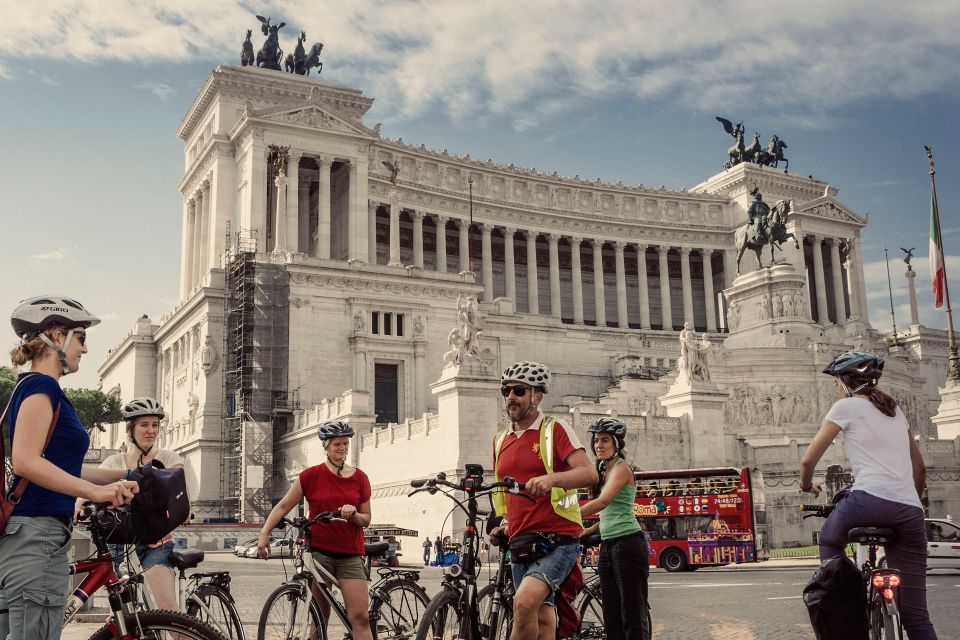
- Small-group comfort (up to 10 riders): easier control through tight lanes and quicker guidance when you need it.
- Cannondale e-bikes kept in top shape: bikes are checked after every use, and you get anti-puncture tires plus a comfy saddle.
- Safety-led route planning: helmets are mandatory, and the itinerary is built for the balance of beauty and ride security.
- Icons plus local texture: Colosseum-and-Forum energy, then church corners, gardens, and neighborhood lanes.
- Guides who manage the group well: examples include Carmen, Bita, Sina, Anna, Ali, and others, each steering with clear directions and good pacing.
- Time for photos and quick breaks: the schedule is paced so you can enjoy viewpoints instead of sprinting between stops.
Entering The Ride: Meeting Point, Bike Feel, and Helmet-Required Safety
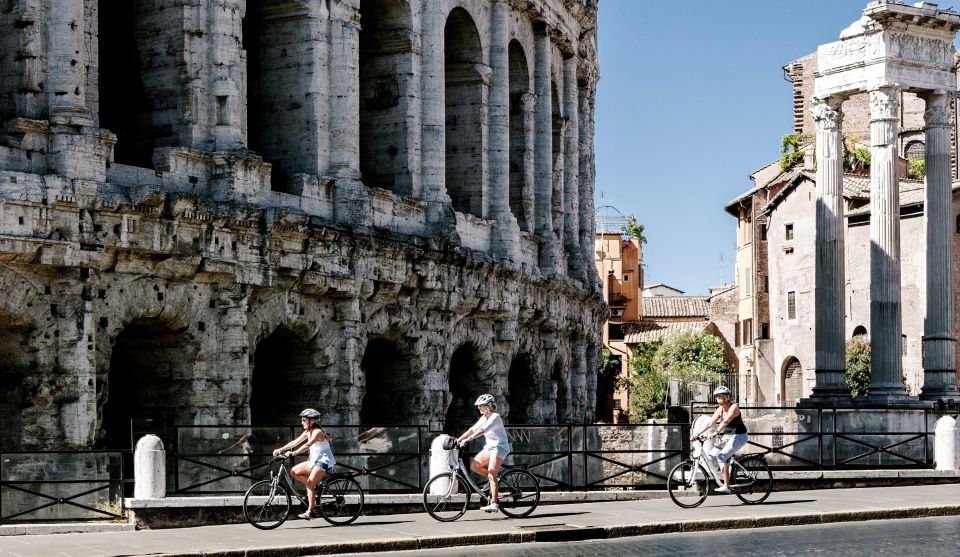
You start at the shop on Via Labicana 49, just a few minutes’ walk from the Colosseum area. That matters because you’re not losing time on trains or confusing transfers before you even get on the bike. For many people, the tour also works as a first-day orientation loop: once you’ve ridden these streets, you learn where things actually sit in Rome.
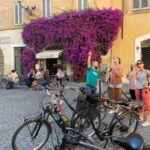
The bikes are Cannondale e-bikes, and the tour operator emphasizes upkeep by checking the bikes after each use. You get anti-puncture tires and a handlebar bag, plus a bottle of water. Helmets are provided for free and mandatory, and that single rule sets the tone: you’re riding with the expectation that the guide will prioritize safety through crowded zones and narrow streets.
How does it feel? Think pedal-assist, not scooter mode. The assist helps a lot on Rome’s small climbs, but you still pedal. That balance is why people who are nervous about cycling often say it feels manageable once the guide gets you rolling. One guide (Ali) gets called out for making uphills feel easy, which matches the general logic of pedal-assist bikes done right.
You can also read our reviews of more cycling tours in Rome
The Route Logic: 14 km of Icons, Back Alleys, and Gardens
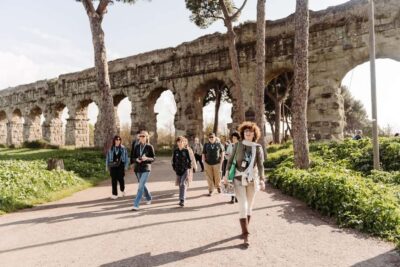
This tour is built around an itinerary designed over many years, with the goal of mixing big, famous sights and calmer, more intimate corners. Instead of only doing “look at it from a distance,” the route keeps shifting scale: wide monument views, then quieter side streets, then a garden-type pause where the city noise fades a bit.
The day covers a 14 km (8.5 mi) loop in about 4 hours, so it’s enough to connect major landmarks without turning into a full-day marathon. Small group size (limited to 10 participants) also changes the vibe. In a larger group, you’d constantly brake, bunch up, and wait. Here, the guide can keep the line moving and still stop often enough for photos and explanations.
You’ll also see the route is designed for the rhythm of Rome: you pass through areas where the streets tighten, turns get sharper, and pedestrians pop up. That’s where a safety-focused guide earns their pay. Guides like Carmen and Sina are singled out for clear direction and group leadership, including making sure everyone knows where to position the bike before the next stretch.
When Rome Changes Plans
Rome sometimes reshuffles priorities due to official celebrations or public happenings in the center. If that happens, the provider may substitute one or more highlights. In practice, that’s usually a sign the guide is adapting in real time to keep the ride smooth and safe.
Colosseum to Roman Forum: The Stops That Give You Shape
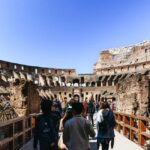
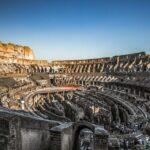
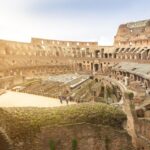
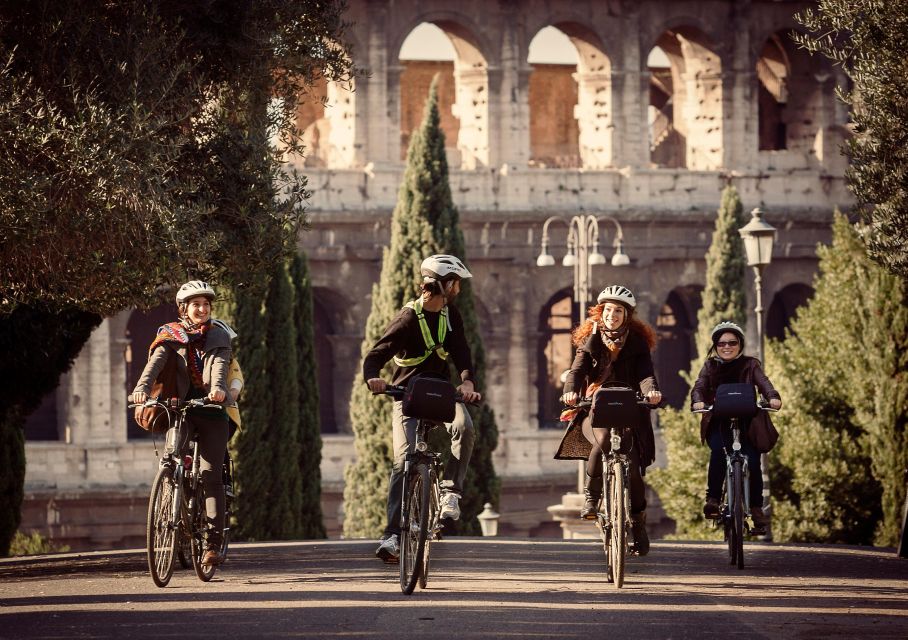
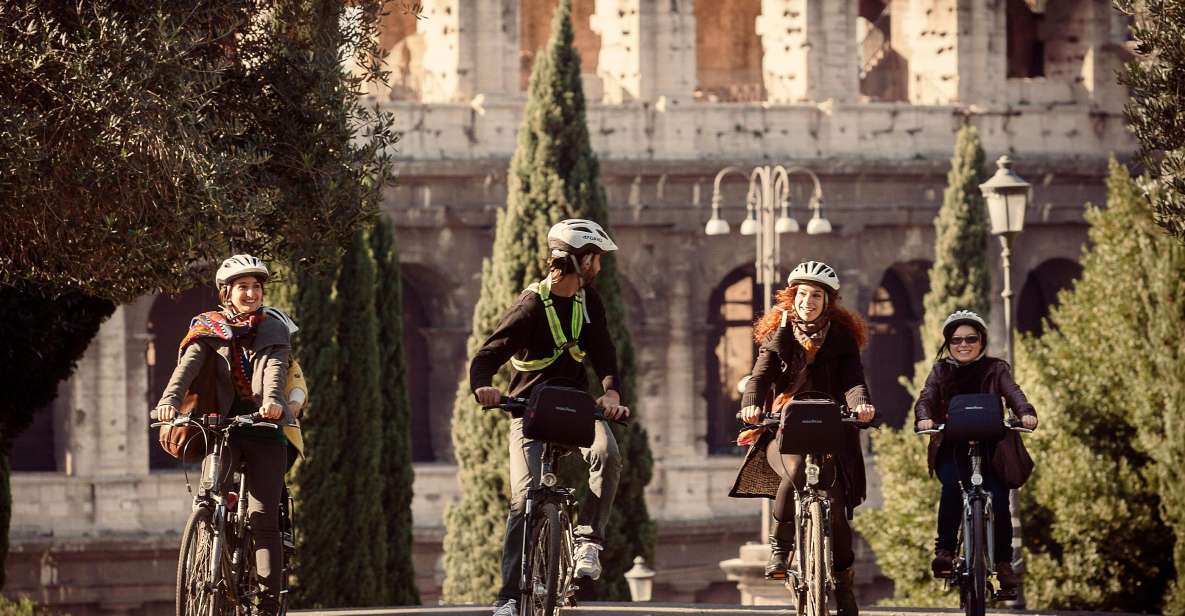
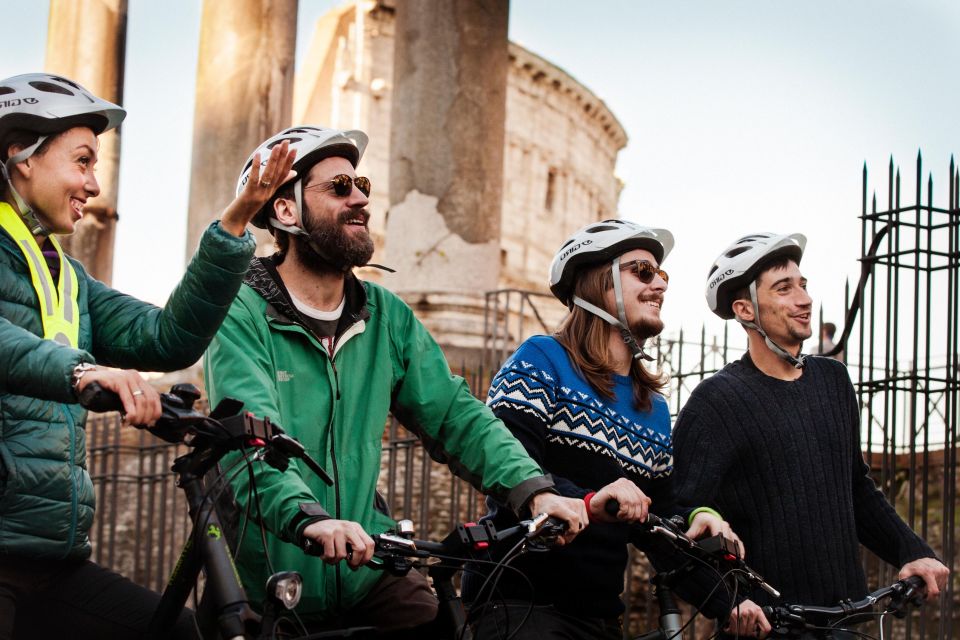
The headline start is the Colosseum, and the value here isn’t just seeing it. It’s understanding how it sits relative to the broader ancient complex you’ll hit next. From there, you move toward the Imperial Forums and the panoramic Roman Forum viewpoint that many people love because it gives you that “look down” perspective rather than a flat street-level one.
One of the most repeated takeaways is the angle you get for the Roman Forum. People specifically highlight seeing the Forum from a great position—up above and behind—plus the strong visual link back toward the Colosseum. That kind of vantage point helps a first-time visitor stop feeling lost. You see not only buildings, but the layout.
And here’s the practical benefit: instead of walking between distant sites while your feet burn out, you ride up, pause, and then move on. The tour builds short stops where you can take photos and actually absorb what you’re looking at, instead of rushing.
If crowds are intense, the guide’s job is to manage timing and positioning. That’s exactly where safety-focused leadership makes the difference between an enjoyable ride and a stressful one.
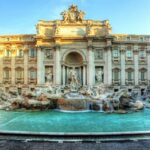
Trevi Fountain, Spanish Steps, and Piazza del Popolo: Famous Stops Without the Full Fuss
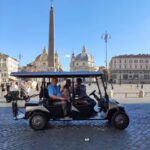
After the ancient core, you shift into Rome’s postcard zone: Trevi Fountain, Spanish Steps, and Piazza del Popolo. These places can feel like chaos on foot—especially when tour groups pour in at once. Riding the assist bike doesn’t magically erase crowd pressure, but it does help you travel the city’s short distances with less effort and less time spent stuck.
A smart advantage of doing these stops in a structured 4-hour block is you don’t need to choose which “must-see” you’ll sacrifice. The guide sets up the flow, and you get enough time at each stop to take photos and listen without turning it into a long standstill.
Piazza del Popolo is also a natural transition into the next phase of the tour: getting away from the densest central streets and toward the bigger city views you’ll enjoy later.
You can also read our reviews of more tours and experiences in Rome
Villa Borghese Park Views: The Break Between Big Landmarks
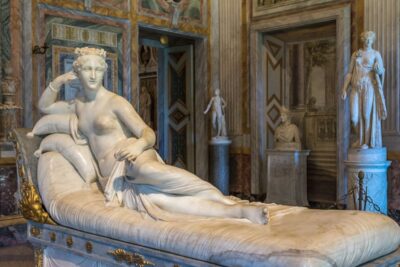
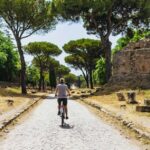
One of the nicest parts of this tour is that it doesn’t treat Rome like a nonstop parade of monuments. You go to the Park of Villa Borghese and get a scenic viewpoint over Rome. This is the part where the ride shifts from stone-and-crowd intensity toward open air and a sense of scale.
People also mention breaks for refreshments during the ride. You might find yourself grabbing gelato or a drink during the downtime the schedule allows. Even if you don’t stop for food, the Villa Borghese section gives your brain a breather. It helps you process what you’ve already seen, so the rest of the tour lands better.
And for families: this park-style segment can keep kids (and teens) from melting down after too many tight street stops. One family with a child on the back of the bike called out how the ride stayed fun and engaging through the day.
Piazza Navona, Pantheon, and the Jewish Ghetto: Smaller Moments With Big Payoff
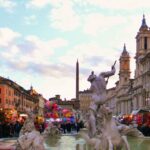
The tour hits Piazza Navona, tied to the site’s ancient identity (it’s associated with the old stadium of Domitian). Then you continue to the Pantheon, which always feels different than the open-air ruins: it’s a completed structure, and it changes the tone instantly.
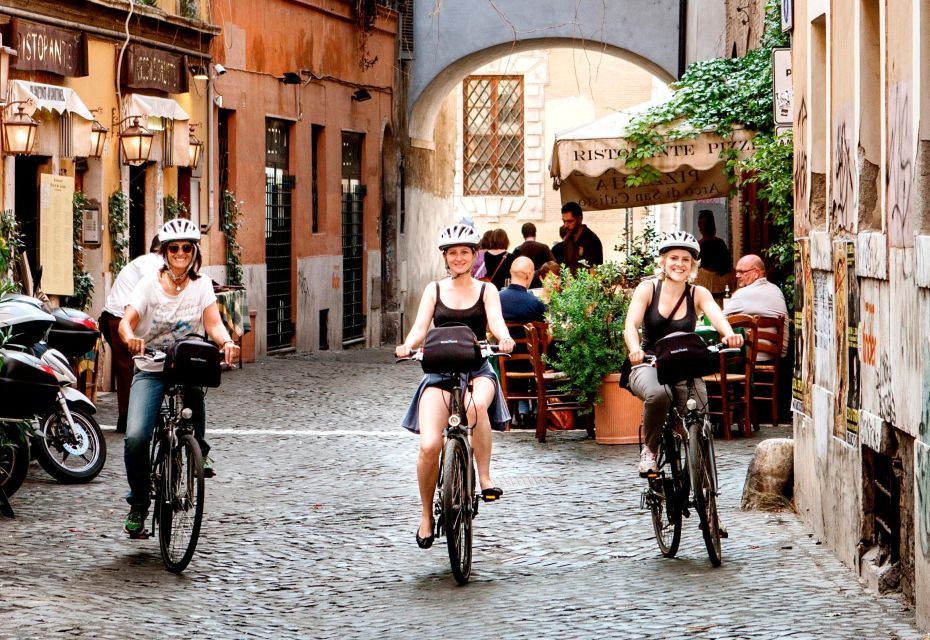
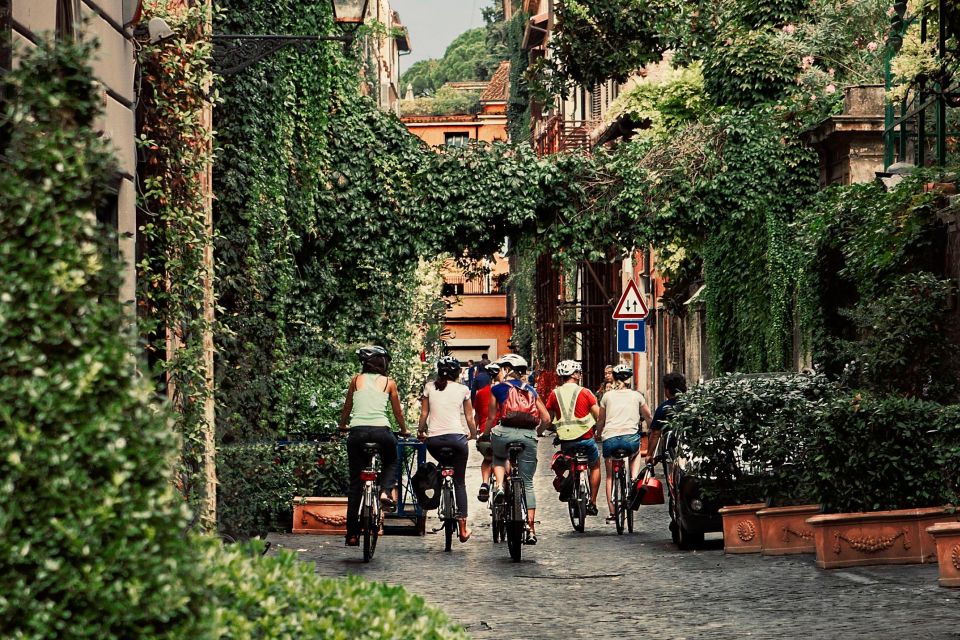
After that, you move into the Jewish ghetto area and the Portico di Ottavia. This stretch is where the tour earns its nickname in practice: the big icons are still there, but the route finds ways to show you Rome’s layers—where neighborhoods carry stories next to monumental stone.
The value for you as a rider: you see these places in a single coherent loop, and you don’t have to stitch together multiple transport plans. You also get context from the guide at each stop, which helps you read what you’re looking at instead of just snapping a photo and moving on.
People praise guides for pacing and for giving clear time for pictures—especially around the most photographed zones. That’s a big deal if you care about getting shots without feeling rushed.
Theatre of Marcellus to Final Forum Panoramas: Where the City Feels Like One Story
Later in the route, you’ll come to the Theatre of Marcellus, another marker of Rome’s ancient world, before finishing with a strong panoramic look at the Roman Forum area. It’s the kind of ending that ties the day together: you start with the loud, iconic ruins and end with the sense of the city as a connected system.
This is also where guides really show their craft. Sina, for example, gets mentioned for both humor and information, with a big focus on time spent at what the group cares about. If you’re traveling with someone who wants extra explanations, a good guide can keep it enjoyable rather than turning it into a lecture.
And there’s a simple comfort factor: the assist bike means you don’t feel wrecked at the end. You’re already tired from sights, but you’re not exhausted from walking every distance.
How Hard Is It, Really? Pace, Hills, and What Kids Can Do
The tour difficulty is listed as leisure (or intermediate if you’re using a child seat or child extension). That tells you what to expect: a manageable ride built around frequent stops and controlled pacing. The distance is still real at 14 km, so if you hate sitting for long stretches or you can’t handle stop-and-go riding through busy streets, plan accordingly.
For families, the setup is specific:
- Infants 1–4 can ride in a child seat (under 22 kg) and join free of charge.
- Children 5–8 can ride with a child extension.
- Riders 9+ can ride an e-bike if they’re taller than 140 cm (55 inches).
So yes, this tour can work with kids, and families specifically mention how the e-bike keeps younger riders interested longer than walking tours might.
One more note: the bike equipment has a weight limit of 300 lbs (136 kg). If you’re near that range, confirm your fit with the operator before booking.
Bikes, Comfort, and the Practical Extras That Matter
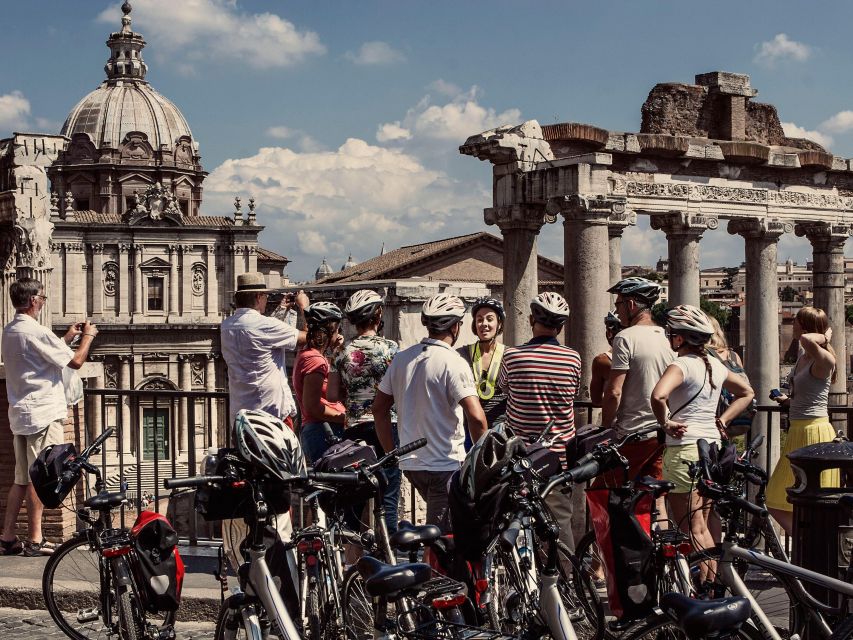
The bike package is designed for comfort and easy handling. You get:
- Anti-puncture tires (so minor debris on the street is less of a worry)
- A comfortable saddle
- A helmet provided and mandatory
- A handlebar bag for small items
- Bottle of water
In a city like Rome, where street surfaces vary and sidewalks can be crowded, these little details reduce friction. You spend more energy enjoying the view and less energy worrying about whether your ride is stable.
People also mention that helmets are good quality and that bikes are easy to drive even uphill. That’s a common theme: the experience feels like you’re getting a guided cycling day, not wrestling with an unfamiliar machine.
Price and Value: What $100 Buys in a 4-Hour Block
At $100 per person for a 4-hour tour, the question isn’t just the ticket price. It’s what you gain: time, effort savings, and a route that compresses major sights into one logical flow.
Without an e-bike tour, a first-time visitor often spends hours walking, backtracking, or switching between transit and street navigation. Here, you cover a lot of ground at a pace set by the guide, with safety support and stops planned so you can actually see things.
Also, because the bikes are checked after each use and the guides manage safety, you’re less likely to feel stuck waiting on gear or getting separated in confusing streets. That reliability is part of the value.
In plain terms: if you want to see a strong set of Rome highlights without turning your vacation into a leg workout, this is a good use of a half day.
Should You Book This Cannondale E-Bike Tour of Top Landmarks?
I’d book it if you fit one of these situations:
- You want a first-day orientation to help you understand where major sites connect.
- You’re drawn to a mix of Colosseum-and-Forum scale and quieter neighborhood stops.
- You want to ride instead of walk, especially if hills or long distances have you worried.
- You prefer a guide-led day with clear directions and enough photo time.
I might skip it if you strongly dislike city cycling—even with pedal assist—or if you’re expecting a slow, mostly-flat sightseeing stroll. This is still a ride, and Rome’s central streets come with movement, turns, and crowds near the headline landmarks.
If you book, start fresh: wear comfortable clothes, bring sunglasses, and keep your phone charged for the angles you’ll get over the Forum and toward the Colosseum. It’s the kind of tour that helps Rome click into place fast.
FAQ
How long is the Rome e-bike tour, and how far do you ride?
It lasts 4 hours and covers about 14 km (8.5 miles).
Where do I meet the guide and get the bike?
You meet at the shop on Via Labicana 49, a few minutes’ walk from the Colosseum.
Is a helmet included, and do I have to wear one?
Yes. A helmet is provided for free and is mandatory for all participants.
How big is the group?
This is a small group with a maximum of 10 participants.
What languages are available for the live guide?
The guide is available in English, Spanish, French, Italian, German, and Dutch.
Can kids join the tour?
Yes. Infants 1–4 can ride free in a child seat. Children 5–8 can join with a child extension. Children 9+ (over 140 cm / 55 in) can ride an e-bike. Babies under 1 year are not suitable for the tour.