REVIEW · ROME
Rome: Saint Paul Outside the Walls Tour
Book on GetYourGuide →Operated by Mykhailo Hevko · Bookable on GetYourGuide
A door, a prayer, and a church that survived fire. The San Paolo Fuori le Mura (St. Paul Outside the Walls) tour is a fast hit of art, faith, and Roman atmosphere, with a special Holy Door entrance linked to the Jubilee Year. You’ll see how a place built over Saint Paul’s burial later rose again after a major 19th-century fire, and you’ll walk out with stories that make the visuals click.
What I love most is the way the guide ties the building to the people. You get guided explanations that make the mosaics, arch, and Pope medallions feel intentional, not just decorative. I also like the size: small group, up to 6 people, so you’re not shouting your questions across a crowd.
One consideration: you must dress properly for a sacred place—shoulders and knees covered—and plan for some indoor walking through museum-like spaces. If you want the cloister and Benedictine Abbey area, that’s an extra fee and may add time.
In This Review
- Key things you’ll notice on this Saint Paul Outside the Walls tour
- San Paolo Fuori le Mura: a Papal Basilica you can actually take in
- Why the location feels different from the center-packed sites
- The Jubilee Holy Door: the entry that sets the mood
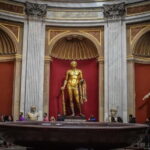
- Inside the basilica: mosaics, arch, and the long line of Popes
- What you should do as you’re looking
- Saint Paul’s tomb beneath the main altar: where prayer becomes real
- A practical tip for praying visitors and non-praying visitors
- Cloister (optional) and the Benedictine Abbey area for €4 more
- Dress code and “church rules” that help the visit go smoothly
- Who leads the tour: Mykhailo Hevko and what that means for your experience
- Price and value: is $28.47 a good deal?
- Logistics that matter: meeting point, timing, and language
- Who should book this tour?
- Should you book the Saint Paul Outside the Walls tour?
- FAQ
- How long is the San Paolo Fuori le Mura tour?
- What language is the tour offered in?
- Is the cloister included?
- Where do we meet for the tour?
- Is the tour wheelchair accessible?
- What should I wear to enter?
Key things you’ll notice on this Saint Paul Outside the Walls tour
- Holy Door entrance tied to the Jubilee Year, with big meaning before you even step inside
- Golden mosaics and the triumphal arch that set the tone in minutes
- Papal medallions tracing Popes from Saint Peter to the present
- Saint Paul’s tomb beneath the main altar, where pilgrims come to pray
- Optional cloister visit for a quieter, medieval-style pause (extra €4)
- Mykhailo Hevko’s question-friendly guiding style, with support for guests with mobility needs
San Paolo Fuori le Mura: a Papal Basilica you can actually take in
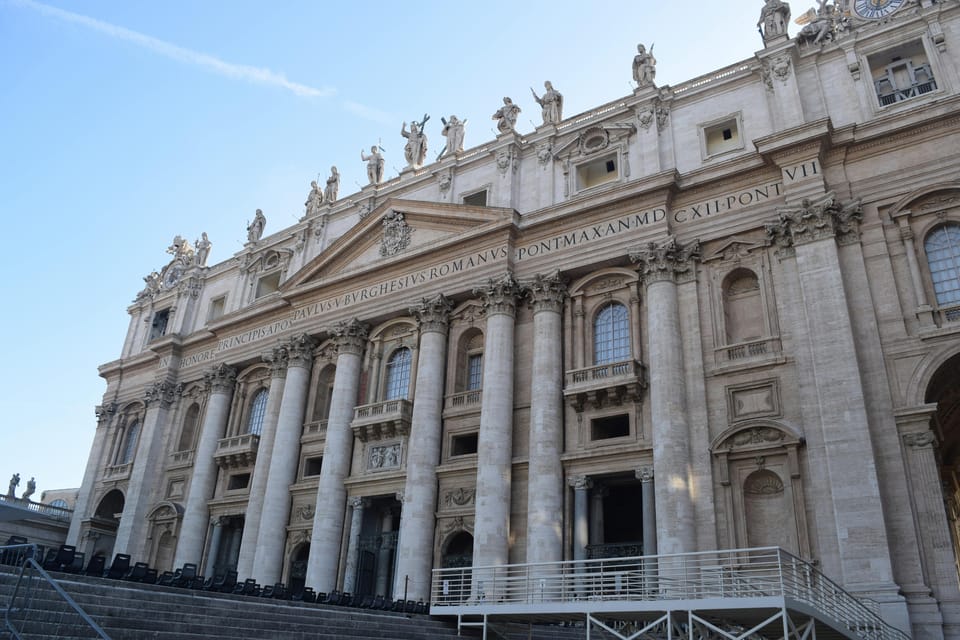
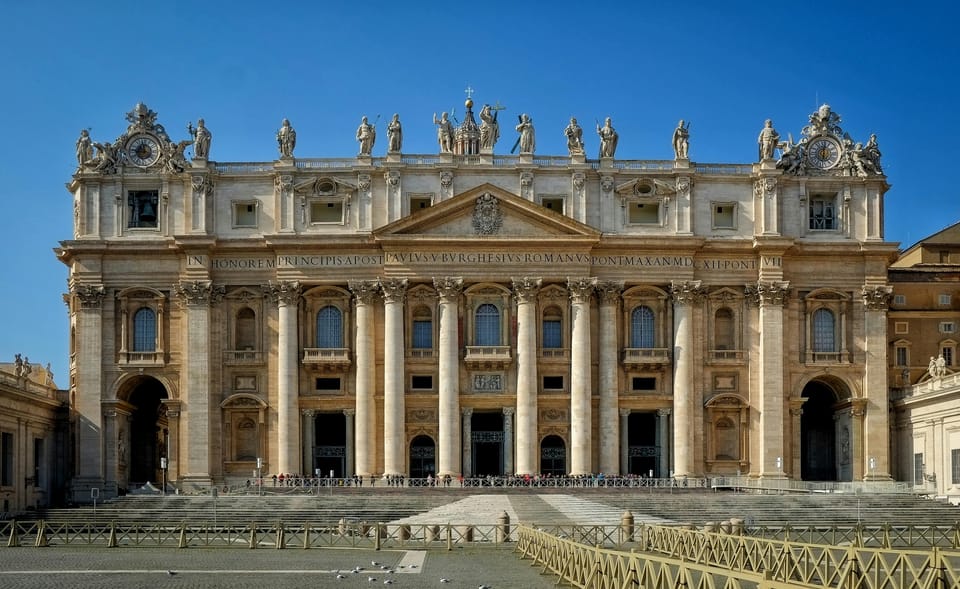
San Paolo Fuori le Mura is one of Rome’s four major Papal Basilicas, and that status matters. It’s not just famous; it’s layered. The basilica sits on the burial site of Saint Paul the Apostle, and it has a second life story too: after a devastating fire in the 19th century, it was magnificently rebuilt.
On this guided tour, you’re given a sensible route that helps you understand what you’re looking at without turning the visit into a lecture marathon. You’ll move from the entrance to the key visual landmarks—then end at the most spiritual anchor in the building, the tomb area beneath the main altar.
You can also read our reviews of more tours and experiences in Rome.
Why the location feels different from the center-packed sites
This basilica isn’t competing with the same level of “tick-tock crowd pressure” you might feel at the busiest central sights. You still get the big moment—this is a major Roman church—but the pace of the visit lets you look up. You catch details you’d usually miss when you’re just scanning for the “main photo.”
And since the tour is a small group (limited to 6), you can actually stand where the guide suggests and follow along without constant reshuffling.
The Jubilee Holy Door: the entry that sets the mood
The tour’s opening moment is the Holy Door. This isn’t a standard tourist “walk-in and go” situation. The Holy Door is described as being opened specially for the Jubilee Year, and you enter through it as part of the experience.
That one detail changes the feel of the whole visit. Before you even reach the most famous interior art, you’re already in a headspace of grace and renewal—exactly the kind of cue that helps people appreciate sacred spaces beyond architecture spotting.
Practically, it also gives you something clear to watch for. You’re not guessing where to go. Your guide leads you to the moment that frames the rest of the tour.
Inside the basilica: mosaics, arch, and the long line of Popes
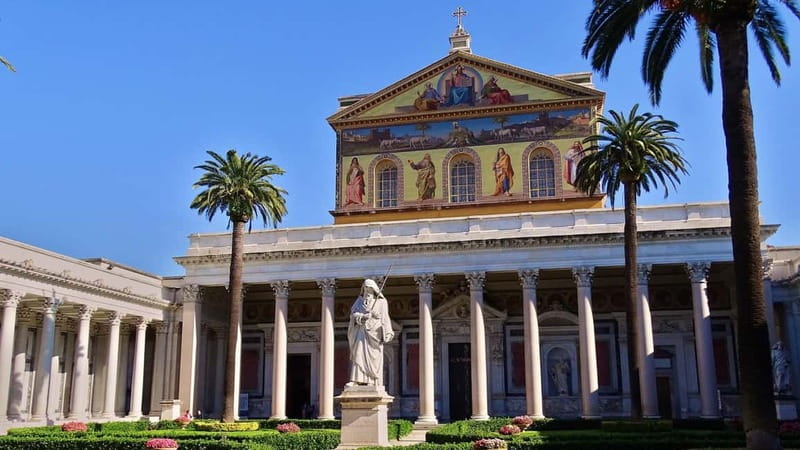
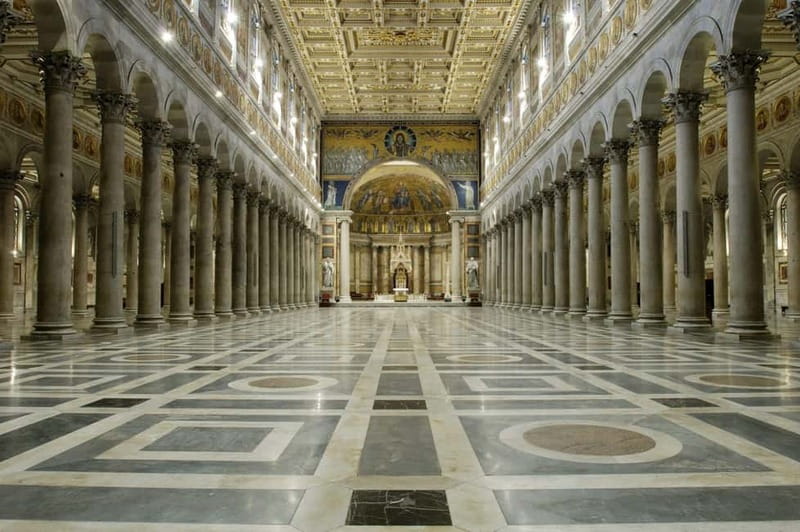
Once you’re within, the highlights arrive fast and with purpose. You’ll be guided through the vast, serene interior, with time to take in three big “wow” elements:
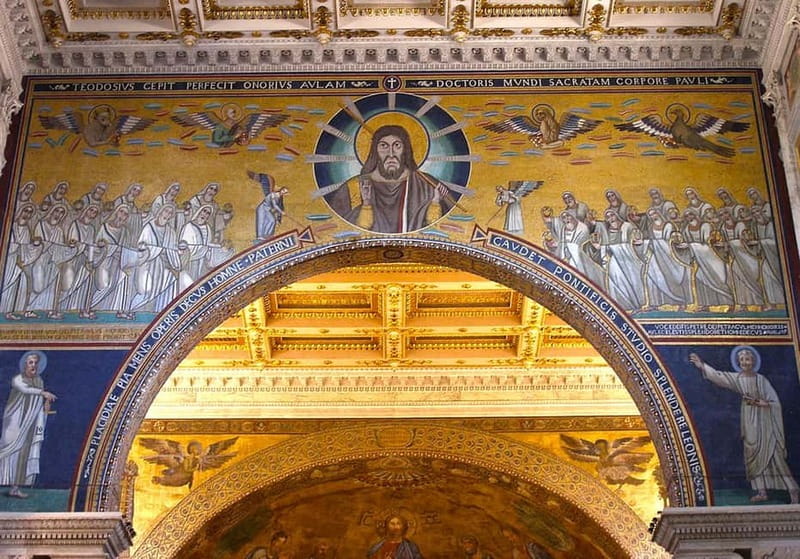
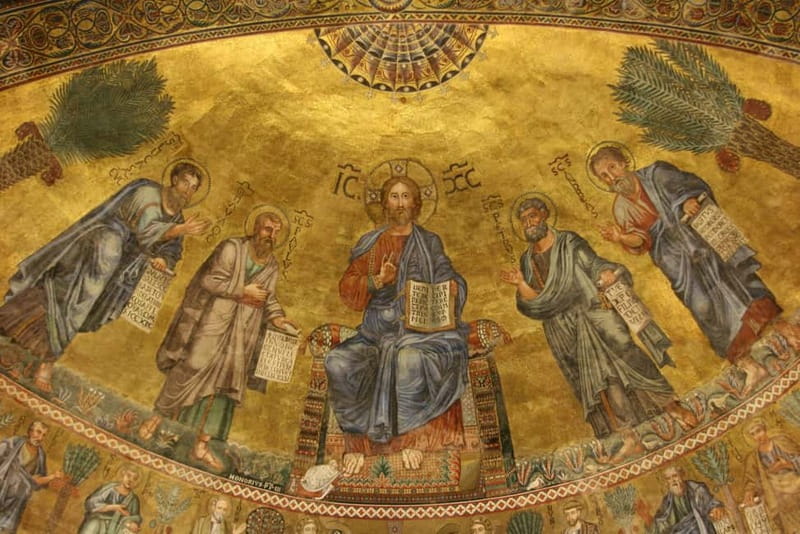
First are the golden mosaics. They’re described as luminous, and the guide’s job here is to explain what they’re doing visually and spiritually, not just that they look impressive. This is where context helps: mosaics can feel like a wall of glitter if you don’t know what to search for. A good guide turns that into something readable.
Next comes the imposing triumphal arch. The arch is a strong visual statement, and it works like a divider in your understanding. You start to see the basilica as a journey: from entry and meaning, to central focus and history.
Then you’ll notice the line of medallions depicting all the Popes—from Saint Peter to the present day. This is a detail that can feel overwhelming at first, because it’s literally “a lot.” But the tour helps you process it as a timeline of continuity. You’re looking at more than names; you’re seeing the idea of leadership passing through generations inside the church’s physical space.
What you should do as you’re looking
Don’t try to read every medallion like it’s a textbook. Instead, pick a few anchor points the guide points out, then glance along the rest to feel the pattern. That’s how you get the full effect without turning your visit into note-taking.

Saint Paul’s tomb beneath the main altar: where prayer becomes real
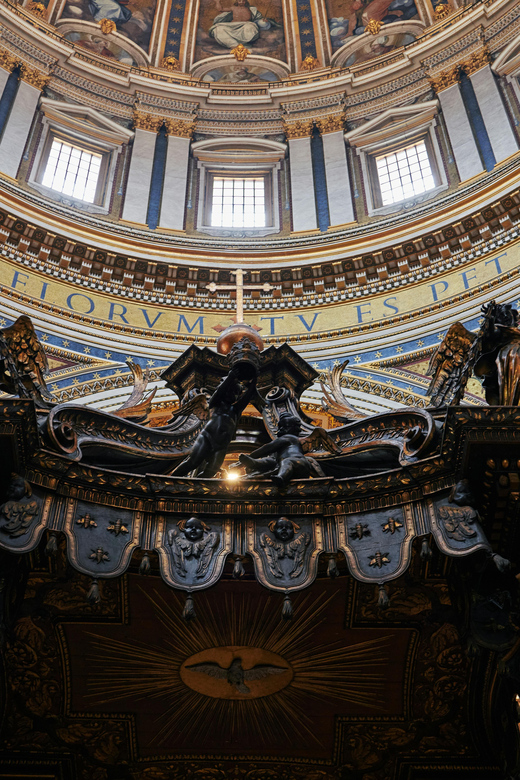
If the mosaics are the big visual statement, Saint Paul’s tomb is the emotional one. The tour includes seeing the tomb of Saint Paul beneath the main altar. Pilgrims come here to pray and reflect, and that purpose is clearly built into the way the basilica functions.
You’ll also get stories from the guide along the way—about art, architecture, and spiritual significance—so the tomb isn’t just a location marker. It becomes part of a bigger narrative: why this place matters, how it recovered from fire, and why it continues to draw people who want quiet meaning more than photos.
A practical tip for praying visitors and non-praying visitors
Even if prayer isn’t your personal style, you can still respect the tone. Slow down around the tomb area. Keep your voice down. Let the space “work” on you for a minute. Sacred interiors often reward patience, and this one is designed for it.
Cloister (optional) and the Benedictine Abbey area for €4 more
There’s an optional add-on that can make your visit feel less “clocked”: the cloister. It’s described as a peaceful oasis of medieval art. It also comes with an additional entrance fee of €4 for the cloister and Benedictine Abbey area.
Why this option is worth considering: after the grand interior, a cloister gives you a different kind of focus. Mosaics can overwhelm in a good way; a cloister can slow your brain down. You’ll likely notice smaller details—stonework, layout, and atmosphere—because the space encourages stillness.
The tour duration is listed as from 0.5 to 1 hour, and it may run longer if you add the cloister visit. If you’re short on time, you can likely keep it to the core basilica route. If you have time, the cloister is the calmer payoff.
Dress code and “church rules” that help the visit go smoothly
This is a sacred place, so plan your outfit before you reach the entrance. You need shoulders and knees covered. If you’re traveling light, it may be worth having a thin scarf or layer in your day bag.
There are also clear no-go rules: weapons or sharp objects aren’t allowed, and short skirts, alcohol and drugs, and glass objects are also not allowed. None of this is complicated—but it’s better to know so you don’t hit delays.
Who leads the tour: Mykhailo Hevko and what that means for your experience
This specific tour is provided by Mykhailo Hevko. Based on the feedback tied to this experience, he stands out in two ways:
- He explains the artistic and religious context in a way that makes people feel welcome to ask questions.
- He showed special consideration for a guest with mobility issues, including adapting the experience as needed.
That matters because Saint Paul Fuori le Mura can be visually overwhelming. A guide who invites questions and adjusts for comfort helps you actually enjoy the basilica instead of just “getting through” it.
Price and value: is $28.47 a good deal?
The tour price is $28.47 per person and the duration is about 1 hour (sometimes shorter, sometimes longer with the cloister). On paper, it’s a paid guided visit to a major church. The value comes from what you’re buying:
- You’re paying for guided interpretation of specific elements (mosaics, arch, Pope medallions, Saint Paul’s tomb).
- You’re buying the ability to find meaning quickly without struggling through everything alone.
- You’re getting a small group experience, capped at 6 participants, which is a real quality-of-life upgrade.
If your goal is to understand what you’re looking at—especially the Jubilee Holy Door meaning and the medallions—then this price feels fair. If you mainly want slow wandering and you’re not interested in guided explanation, you might skip the tour and explore on your own. But for most visitors, a focused hour plus context is a strong match.
Logistics that matter: meeting point, timing, and language
Meeting point: you’ll meet your guide at the park Parco Schuster near the basilica. You should arrive 10–15 minutes early, and you’ll receive an indication on how to recognize the guide. The tour ends back at the meeting point.
Language options are Italian, English, and Ukrainian, so you can choose what fits you best. Since the tour is live, the language choice directly affects how much you’ll get out of the stories.
Duration is listed as from 0.5 to 1 hour, and cloister time can add to that. If you’re packing this into a tight Rome day, check starting times and plan a little buffer. Sacred sites don’t always behave like clockwork.
Who should book this tour?
I think this tour is a great fit if you want any of the following:
- You like major sights, but you also want the “why,” not just the “what.”
- You enjoy religious art and want a guided route through the key elements (mosaics, arch, Popes medallions, Saint Paul’s tomb).
- You prefer smaller groups and question-friendly guiding.
- You’re traveling with someone who may appreciate pacing and support, since the guide has shown willingness to consider mobility needs.
It may be less ideal if you dislike guided visits, or if you’re only interested in quick photos with zero interpretation. This one works best when you’re open to stories.
Should you book the Saint Paul Outside the Walls tour?
Yes, if you want a smart, time-efficient way to experience one of Rome’s important Papal Basilicas. The Jubilee Holy Door moment gives the visit a clear emotional entry point, and the guided focus on mosaics, the triumphal arch, Pope medallions, and Saint Paul’s tomb helps you understand the space instead of just passing through it.
If you’re on the fence, here’s an easy decision rule: book it when you care about context. Skip it when you only want a self-guided wander. Either way, dress for a sacred space and give yourself a calm, respectful pace.
FAQ
How long is the San Paolo Fuori le Mura tour?
The guided visit lasts from 0.5 to 1 hour. It may run longer if you choose to visit the cloister.
What language is the tour offered in?
The tour is available in Italian, English, and Ukrainian.
Is the cloister included?
The basilica guided tour is included. The cloister and Benedictine Abbey visit is optional and has an additional entrance fee of €4.
Where do we meet for the tour?
You meet in the park at Parco Schuster near the basilica. Arrive 10–15 minutes early so you can find and recognize the guide.
Is the tour wheelchair accessible?
Yes, the activity is listed as wheelchair accessible.
What should I wear to enter?
You need shoulders and knees covered for this sacred-place visit.