REVIEW · ROME
Rome: Private Food Tour in Trastevere and Campo de Fiori
Book on GetYourGuide →Operated by BOLOGNA TOUR & BEST ITALY TOUR · Bookable on GetYourGuide
Rome tastes better when you walk it. This private food tour strings together Campo de’ Fiori and Trastevere with a local guide, so you’re not just eating, you’re also getting the stories behind what Romans actually order. You start right at the Monumento a Giordano Bruno, a smart launch point because the square’s famous past is part of the route.
What I like most is the mix of classic Roman dishes plus the market-style pacing, including Roman pizza and supplì (rice ball with tomato sauce) along with a glass of wine. I also like how the walk connects food to place, with stops tied to sights like the bridge crossing toward Trastevere (and the view from it) and the Campo de’ Fiori statue that recalls Giordano Bruno’s fate in 1600. One drawback: it’s still a 3-hour walk, so if you’re easily worn down by cobblestones and lots of standing, you’ll want comfortable shoes and a slower, low-expectation pace.
In This Review
- Key highlights you’ll feel on this tour
- Why Trastevere and Campo de’ Fiori make a perfect food loop
- Campo de’ Fiori: the square, the statue, and the market mood
- How Ponte Sisto shapes the walk (and the views)
- Trastevere alleys: walking slow enough to notice the real Rome
- The Trastevere-to-Campo connection: taste, then compare
- What you’ll actually taste: Roman classics you can order later
- Private guide energy: the difference between facts and a good evening
- Timing and walking reality: 3 hours, no ride, wear smart shoes
- Price and value: what $198.25 per person buys you
- Who should book this tour (and who might skip it)
- Should you book this Rome food tour?
- FAQ
- How long is the Rome private food tour?
- Where does the tour start and end?
- What’s included in the tour price?
- Is it a private tour, and what languages are offered?
- What food can I expect to taste?
- Can I cancel for a refund?
Key highlights you’ll feel on this tour
- Start at Giordano Bruno’s monument in Campo de’ Fiori, right where the square’s history hangs in the air
- Two 1-hour food moments with guided walking and market visit time in both neighborhoods
- Ponte Sisto crossing for a classic Roman view and a quick sense of how the districts connect
- Trastevere alleys with real texture, where artisans and small traders still matter
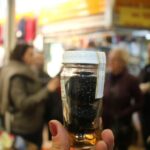
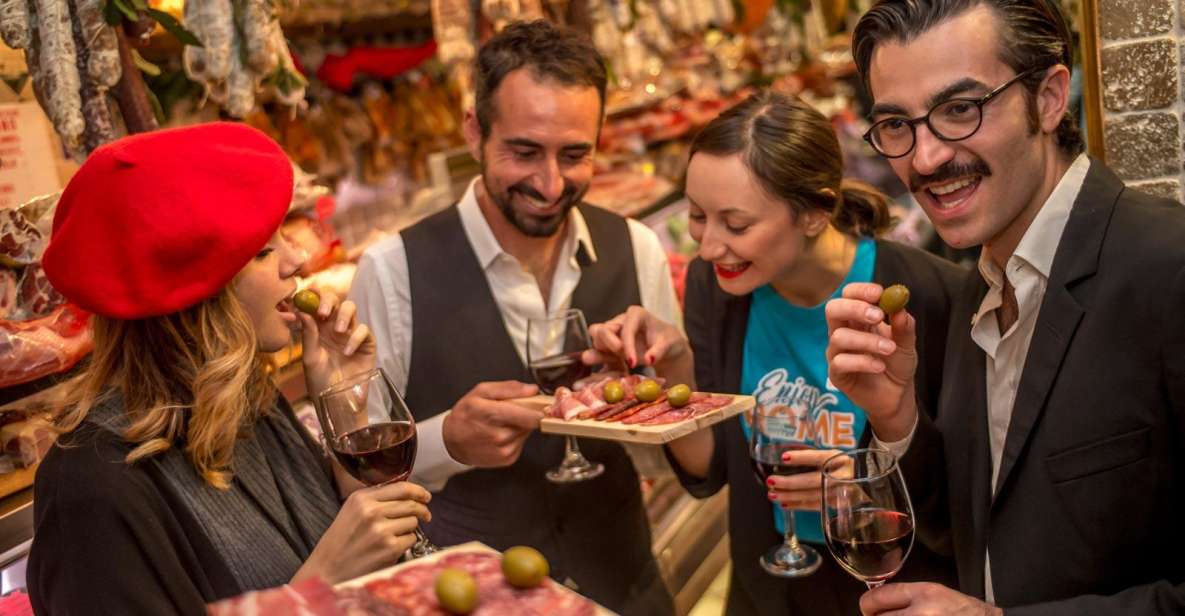
- Four tastings of typical products, including Roman pizza and supplì with tomato sauce
Why Trastevere and Campo de’ Fiori make a perfect food loop
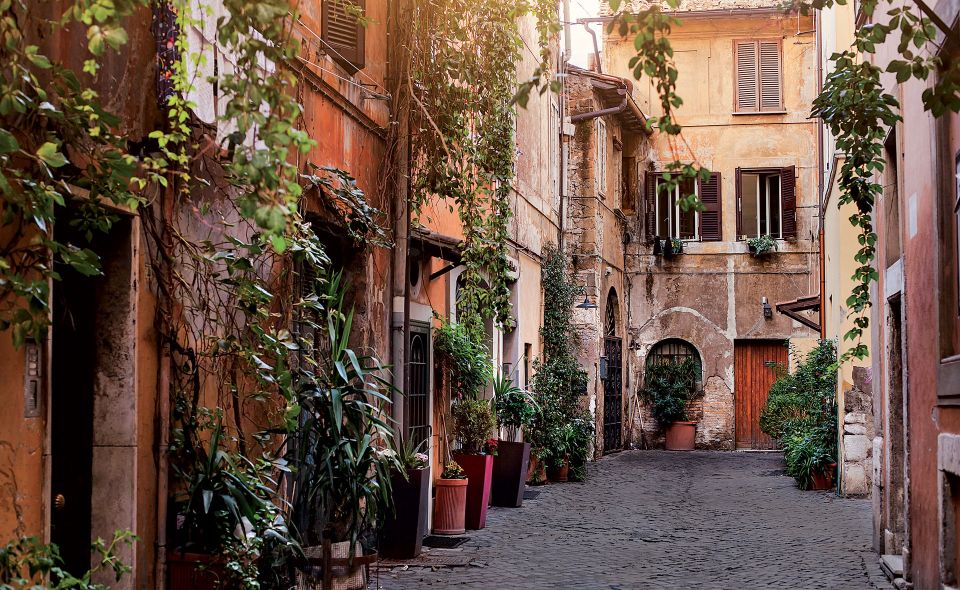
If you want Rome food without the usual tourist shuffle, this route is built for that. Campo de’ Fiori gives you the city center energy, while Trastevere feels like the neighborhoods that raised generations of Romans—narrow streets, side lanes, and trattorias that seem to be doing the same thing today as they did years ago.
The tour’s value isn’t just that you’ll eat. It’s that you’ll move between two places that show different sides of Roman life: Campo’s square-and-market feel, then Trastevere’s alley-and-trattoria vibe. And because it’s private, you can ask questions along the way instead of watching a group herd up to the next counter.
You’ll also get a guided thread tying the food to the city itself. That matters in Rome. When the guide points out why a sight exists, you end up tasting with better context, not just with an empty appetite.
You can also read our reviews of more food & drink experiences in Rome

Campo de’ Fiori: the square, the statue, and the market mood
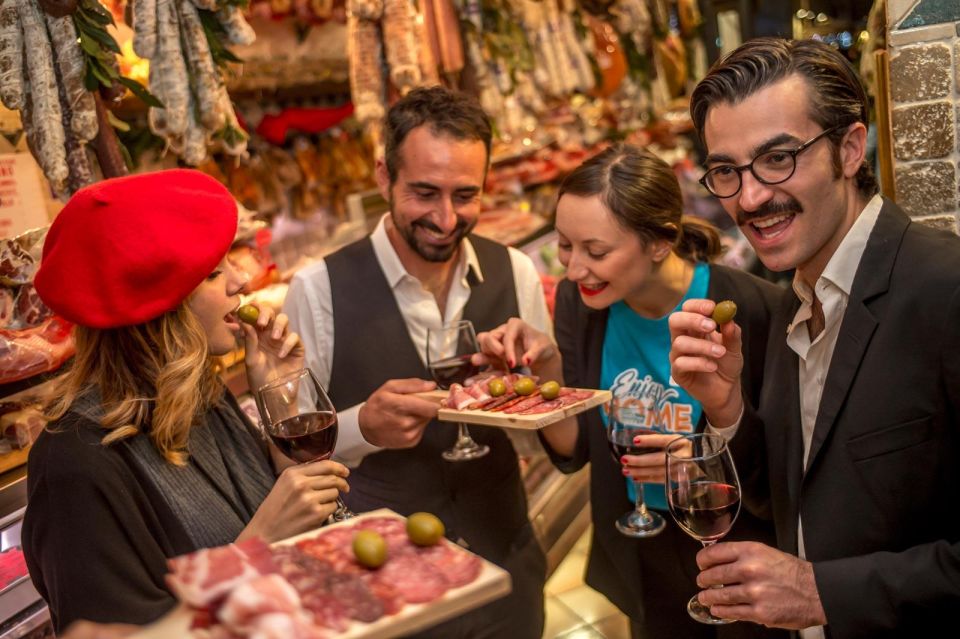
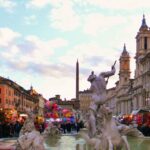
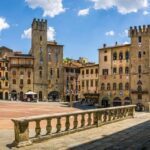
You begin at Campo de’ Fiori, in front of the Monumento a Giordano Bruno. The statue is a big clue to what you’ll be learning. The square is known as the only monumental city-center square that doesn’t house a church, and at its center stands the nineteenth-century statue of philosopher Giordano Bruno, burned in 1600 for heresy.
That history detail might sound heavy for a food tour, but it actually helps you read the space. You start in a square that has seen controversy, crowd life, and daily commerce. So when you head into tastings and market moments later, you’ll feel like you’re operating inside a real public room of Rome—not just passing through.
Practical tip: Campo de’ Fiori is a meeting point where it’s easy to orient yourself. Once you’ve been there once, you’ll know where you are on your own later for an extra snack or coffee.
How Ponte Sisto shapes the walk (and the views)
As you make your way between districts, you’ll cross Ponte Sisto. This is more than a bridge on a route. It was built to enable direct communication between Trastevere (and the Vatican) and the rest of the city, and the crossing is timed so you can enjoy one of Rome’s classic “stand here and look” moments.
A bridge stop is smart for a food tour. It gives your body a break—just enough standing still to reset—while your mind catches up. You’ll start thinking in zones, not just in street names. That makes it easier to connect what you’re eating to how Rome is laid out.
If you like photos, this is one of your best chances during the walk. If you don’t, it’s still a good moment to breathe and check your energy.
Trastevere alleys: walking slow enough to notice the real Rome
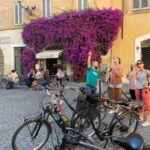
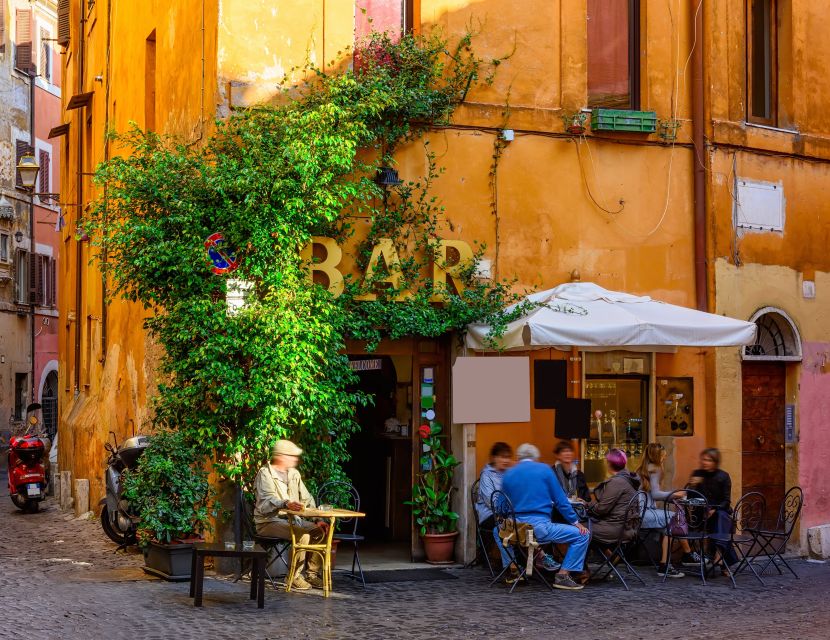
Trastevere is where the tour really leans into atmosphere. You’ll move through narrow streets and colorful side lanes that feel like locals’ everyday space. The guide’s walking tempo tends to match the neighborhood—slow enough to notice small shops and the general rhythm of people who aren’t rushing.
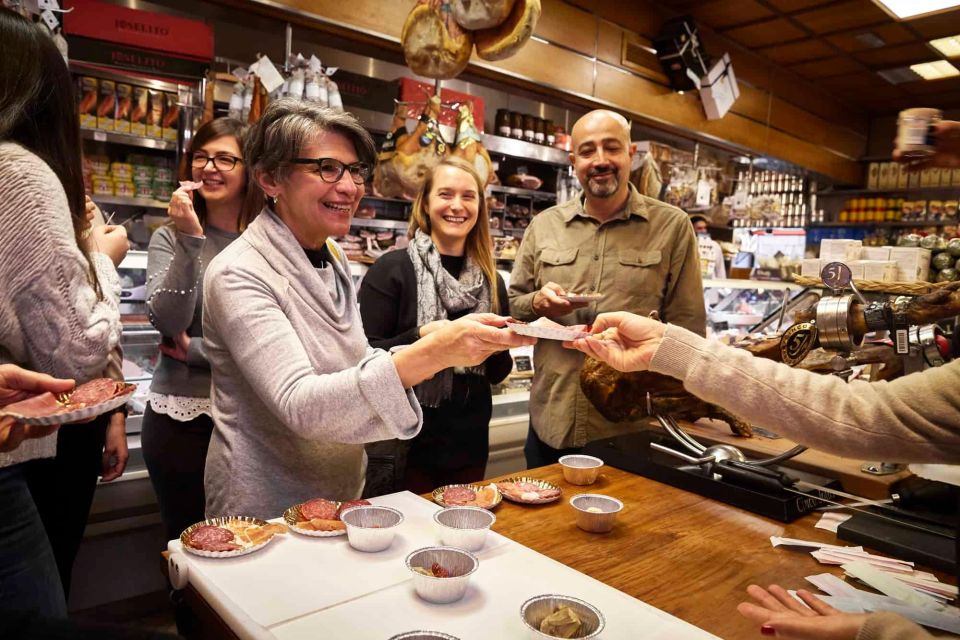
This stop includes a guided tour plus food tasting and a market visit for about an hour. That’s a great structure because it balances two different kinds of Rome eating:
- The quick, practical kind (tasting typical foods)
- The browsing, question-asking kind (market time)
You get to see the logic behind what’s available and why it belongs here. And because Trastevere still has artisans and small traders, it feels less like a theme park and more like a place where food is part of daily life.
One small caution: Trastevere’s streets can be tight and uneven. If you’re prone to sore feet, take the chance to rest when the group pauses for tastings. You don’t have to sprint to every point on a walking tour.
The Trastevere-to-Campo connection: taste, then compare
One smart thing about this tour is that it doesn’t treat each neighborhood as a one-off. You eat, then you return to Campo de’ Fiori for another guided segment and another market visit (also around an hour).
That second Campo stop works like a reset and a comparison. You’re back at the more public square energy, where market life and crowds are part of the setting. Then you’ll get more tastings of typical products while the guide keeps you grounded in what you’re seeing.
I like this rhythm because it helps your brain sort the flavors. After Trastevere, the Campo tastings feel like a different chapter rather than a repeat. Even if the exact dishes overlap with what you already tasted, the market setting changes the meaning.
You can also read our reviews of more tours and experiences in Rome





What you’ll actually taste: Roman classics you can order later
You’re set up for familiar Roman comfort foods, the kind you can recognize even if you don’t know the menu language yet.
Here’s what’s specifically mentioned:
- Classic Roman pizza
- Supplì, a rice ball with tomato sauce
- A glass of wine with the tastings (included as part of the tour’s food experience)
The tour includes four tastings of typical products. The provided details name a couple of the big standouts, and you can expect the rest to be similarly Roman—things you’d see around these neighborhoods rather than generic Italian “tourist bites.”
Practical value: if you take notes mentally (or snap a photo of what you ordered), you’ll be able to recreate parts of the meal later. Rome is a city where returning to a dish you liked is easy if you can remember what it was.
Private guide energy: the difference between facts and a good evening
Because this is a private group experience, you’re not stuck waiting your turn. A good guide can shape the whole meal by choosing the right moments to talk.
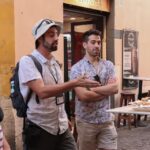
Two names that come up with strong praise are Mitia and Dimitri. Mitia is described as taking people to very good local places to eat and having a warm, upbeat attitude that makes you feel at home. Dimitri is praised for being fun, charming, and in-the-know, while mixing history and food in a way that keeps you interested while you walk.
Even if you don’t get the same guide, the takeaway is consistent: you’re paying for someone who can connect Roman dishes to the neighborhoods you’re standing in, without turning the tour into a lecture.
Timing and walking reality: 3 hours, no ride, wear smart shoes
This tour is listed as 3 hours. That’s long enough to get real food time in two neighborhoods, but short enough that you won’t feel stuck all day.
What matters most is the walking style. You’ll be on foot through narrow streets, likely with some standing during tastings and market browsing. The good news is that the route includes natural reset points (like the bridge view and the market stops), so the time stays broken up.
Bring comfortable shoes. That’s the difference between enjoying the alley-walk and resenting the alley-walk by hour two. If you wear shoes that look great but pinch, you’ll feel it.
Price and value: what $198.25 per person buys you
At $198.25 per person, this is not a budget snack crawl. So you should judge value by what’s included and what kind of experience you want.
What you get:
- A local travel guide
- Four tastings of typical products
- Guided time plus two market visits (around an hour each)
For many people, the biggest value is the private format. In Rome, a private food tour can be worth it when you want:
- More questions answered
- A food pace that fits your group
- Less time spent waiting around other people’s preferences
If you’re the type who enjoys learning how locals shop and eat, the market structure helps justify the cost. If you just want a quick meal, you might find cheaper options. But if your goal is a memorable evening with real neighborhood context, this one earns its price.
Who should book this tour (and who might skip it)
This tour fits best if you:
- Like walking and want the neighborhoods explained while you eat
- Care about Roman-specific foods (pizza, supplì, wine) rather than generic pasta stops
- Want a private guide to keep things flexible for your group
It may be less ideal if you:
- Have limited tolerance for walking on uneven streets
- Prefer sitting in one area over moving around
- Are looking for a low-cost food fix with minimal time spent learning
Should you book this Rome food tour?
I’d book it if you want a practical mix of food + neighborhood + market time in two of Rome’s most iconic areas. Starting at Giordano Bruno’s monument makes the whole walk feel anchored and intentional, and Trastevere’s alley atmosphere pairs perfectly with the tastings.
If you’re price-sensitive, do the math: four tastings plus two market visits plus a private guide is the real value, not just the food. And because you can plan with flexibility (free cancellation up to 24 hours in advance and reserve now with pay later), it’s easy to hold your spot until you lock in your Rome dates.
FAQ
How long is the Rome private food tour?
It lasts 3 hours.
Where does the tour start and end?
It starts in Campo de’ Fiori in front of the Giordano Bruno statue, and it ends back at the same meeting point.
What’s included in the tour price?
A travel guide and four tastings of typical products are included.
Is it a private tour, and what languages are offered?
Yes, it’s a private group tour. The live guide is available in Italian, Spanish, and English.
What food can I expect to taste?
You’ll taste typical Roman cuisine, including classic Roman pizza and supplì (rice ball with tomato sauce), accompanied by a glass of wine.
Can I cancel for a refund?
Yes. You can cancel up to 24 hours in advance for a full refund.