REVIEW · ROME
Catacombs of Saint Agnes Entry Ticket & Guided Tour
Book on GetYourGuide →Operated by OPERA ROMANA PELLEGRINAGGI · Bookable on GetYourGuide
Saint Agnes is waiting for you underground. This 30-minute guided tour turns a simple ticket into a clear look at early Christianity and why her tomb mattered in Rome. I especially like the official guide approach, which keeps the story focused instead of turning into a wander.
One watch-out: parts of the route go roughly 9 metres underground, and that can play with your nerves even if the passages aren’t tight. If you’re affected by claustrophobia or you need step-free access, this is not the best fit.
In This Review
- Key things that make this tour worth your time
- A quick ticket down to the Catacombs of Saint Agnes
- Saint Agnes at age 12: what you’re really seeing underground
- Marble slabs and the Pope Damasus inscription you’ll hear about
- From a family hypogeum to a larger underground network
- The surface devotion you’ll hear about: Constantine and Honorius
- What the tour feels like: timing, pace, and where it can get tense
- Logistics that matter: meeting point, smartphone tickets, and no-camera rule
- Price and value: why $16 can be a fair deal here
- Who should book this Catacombs of Saint Agnes tour?
- Should you book the Catacombs of Saint Agnes guided tour?
- FAQ
- How long is the guided tour?
- How much does the Catacombs of Saint Agnes ticket cost?
- Where do I meet for the tour?
- Can I use my smartphone for the tickets?
- Are cameras allowed inside the catacombs?
- What languages are available for the guided tour?
- Is the tour suitable for people with claustrophobia or mobility impairments?
Key things that make this tour worth your time
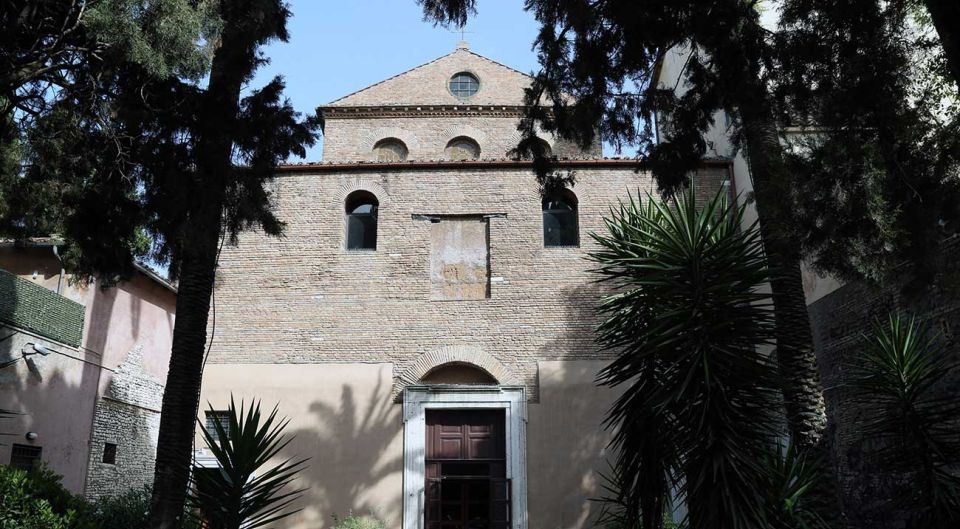
- Official guide for a short visit: You get expert explanations without burning half a day.
- Saint Agnes, age 12, at the center: The tour connects the martyr story to the physical site under Via Nomentana.
- Pope Damasus details you can picture: Expect references to inscriptions and tomb decoration tied to specific popes.
- Built-up devotion over centuries: You’ll hear how a small family burial area became a larger underground network.
- Smartphone ticket entry: You can show the reservation on your phone at the ticket office.
- Photo limits: No cameras inside, so plan on learning with your eyes.
A quick ticket down to the Catacombs of Saint Agnes
This is a compact experience by design: 30 minutes with a live guide inside the catacombs. You’re not buying a long, slow dig site walk; you’re buying a guided route that hits the main religious and historical points fast.
For the price point (around $16 per person), the value is that you’re paying for more than entry. You’re paying for interpretation—someone to connect what you’re seeing below ground to the wider story of how Christianity took root in Rome.
Comfort matters here. Wear comfortable shoes and clothes that you can move in easily, because catacombs are all about stairs and uneven, underground surfaces. If you’re expecting a leisurely stroll with photo breaks, adjust your expectations ahead of time.
You can also read our reviews of more tours and experiences in Rome



Saint Agnes at age 12: what you’re really seeing underground
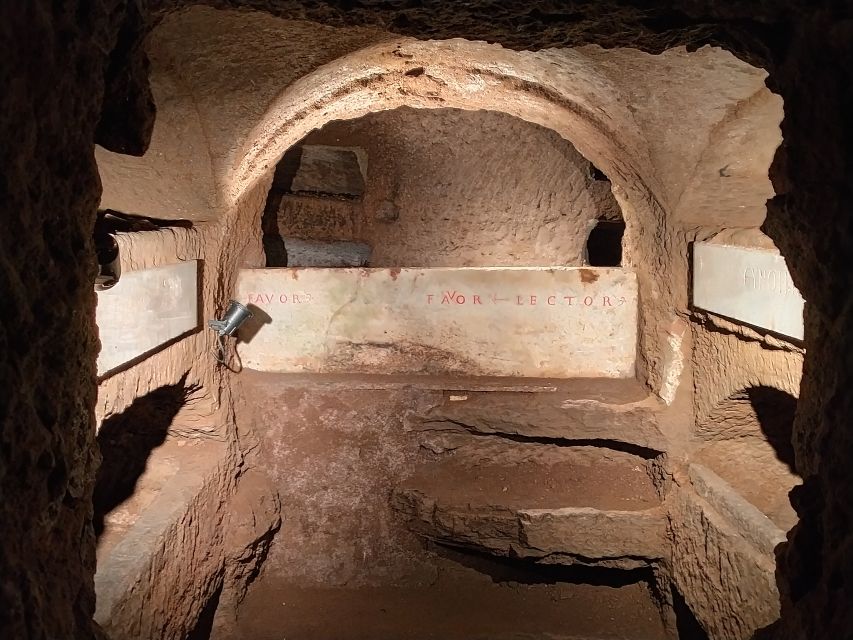
Saint Agnes is one of Rome’s best-known young martyrs, and the catacombs are built around that devotion. Even if historians debate the exact persecutor context—sources link her martyrdom to the era of Decius or Valerian, while others connect it to the persecution linked to Diocletian—the place still anchors the story for visitors.
The tour explains her background in a way that makes the site feel personal. You hear that she died at about 12 years old, and Pope Damasus later referenced a dramatic moment connected to her testimony. The guide also places her burial in a specific setting: the body was initially placed in a hypogeum owned by her family, on the left side of Via Nomentana, alongside an older surface necropolis with tombs and mausoleums.
That matters because it turns the catacombs from random tunnels into something with a beginning. You learn that the underground network didn’t start as a famous attraction. It grew out of a local burial story, then expanded as devotion spread.
Marble slabs and the Pope Damasus inscription you’ll hear about
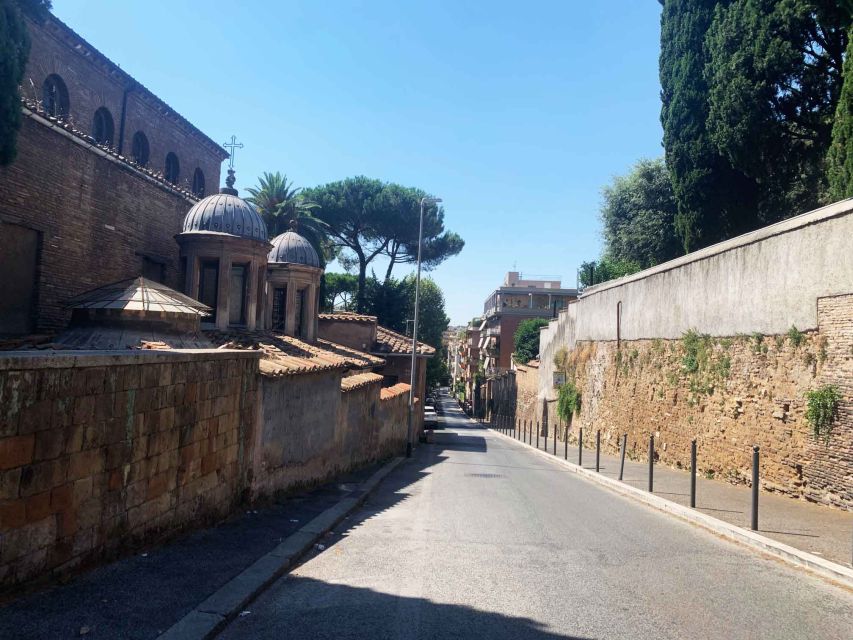
One of the most interesting ways guides make this place come alive is by connecting underground details to what you can see elsewhere on the site. In Saint Agnes’s tomb area, decoration included marble slabs. One slab is described as probably the same one displayed on the entrance staircase of the Honorian basilica, showing a young girl in prayer between two panels with geometric designs.
If you like “wait, I’ve seen that kind of image before,” this is where it clicks. The guide frames those marble elements as part of how devotion turned a burial place into a landmark. You also hear about an inscription connected to Pope Damasus, and that inscription is said to be posted in the staircase.
Even if you spend only half an hour underground, these references help you build a mental map. You start to understand the catacombs as one piece of a larger religious landscape—underground tombs below, and veneration structures above.
From a family hypogeum to a larger underground network
A key idea you’ll learn is that Saint Agnes’s original burial site helped shape what came next. After the hypogeum and the honored tomb became central to worship, a broader community catacomb network developed underground.
The guide’s explanations make this feel logical. When a tomb becomes a focal point, people visit, prayers concentrate around it, and burial activity often grows around the sacred center. Over time, the underground space becomes more than a place to bury people. It becomes a place to remember them.
This is also where the tour does something practical: it gives you a cause-and-effect story. You’re not only told what happened in the distant past—you’re shown how devotion can physically reshape a city’s underground spaces.
The surface devotion you’ll hear about: Constantine and Honorius
Even though you’re focused on the catacombs, the guide will likely connect what you learn underground to the major basilicas tied to Saint Agnes above ground.
You’ll get context about an early basilica described as being built in the shape of a Roman circus with an atrium, ordered by Constantine or Constance, daughter of Emperor Constantine and a noted devotee of Saint Agnes. Then, the tour’s story moves to the current basilica on Via Nomentana, said to be semi-underground and reached from a grand staircase.
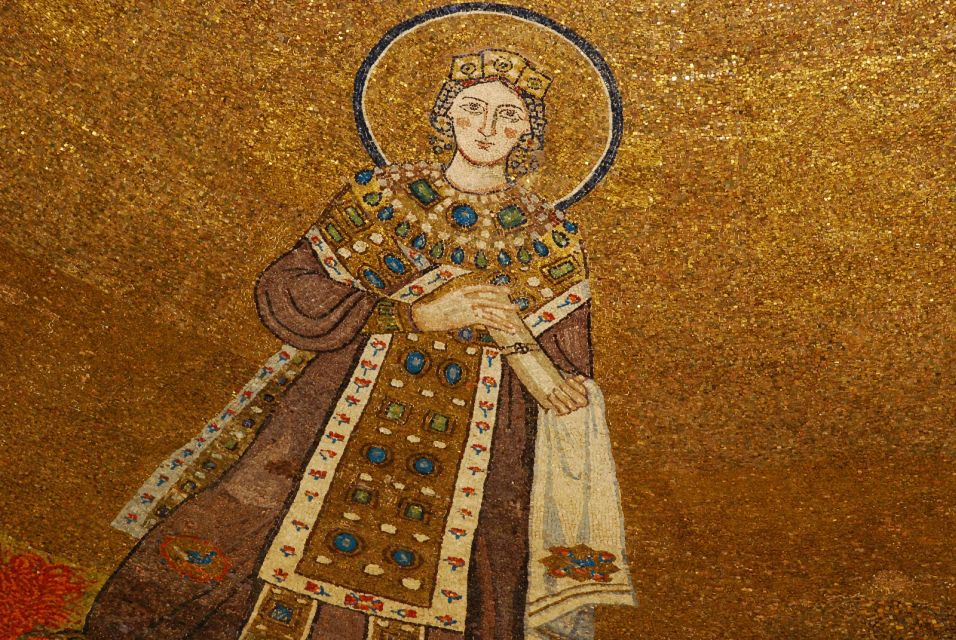
The description is detailed enough to give you something to picture. The interior includes a narthex, three naves, and a women’s gallery. And in the apse, there’s a mosaic presented as important evidence of early medieval Roman mosaic work. The mosaic represents Agnes between Pope Honorius (carrying a model of the church) and, probably, Pope Symmachus.
Why does this matter during a 30-minute catacomb visit? Because it explains the real point of these places. The catacombs aren’t an isolated underground curiosity. They’re part of a living religious complex, where burial memory and church architecture work together.
You can also read our reviews of more guided tours in Rome





What the tour feels like: timing, pace, and where it can get tense
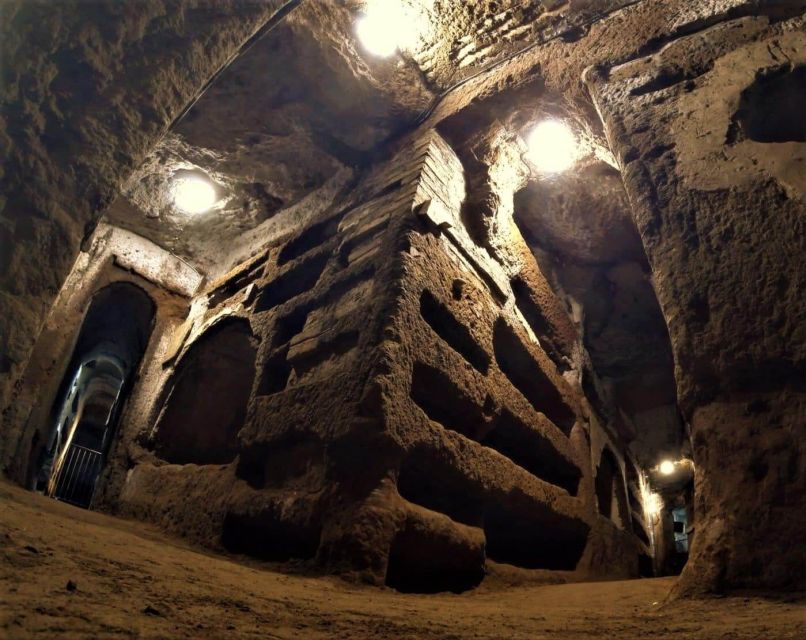
This is a short guided route, and it tends to stay on track. A strong point of the experience is that the visit reliably lands in the 30-minute range with a guide who keeps it organized.
The other sensation you should plan for is the underground atmosphere. You may feel the psychological effect of being about 9 metres underground. One helpful takeaway is that the space isn’t described as painfully tight, but your mind can still react to the depth. If claustrophobia is your issue, don’t treat this as a casual “try it anyway.” Take it seriously.
Also, plan for the rule about photos. Cameras are not allowed inside the catacombs. If you like to record everything, you’ll need a different strategy: listen closely, track details mentally, and rely on any above-ground visuals that the guide connects to the tomb story.
Logistics that matter: meeting point, smartphone tickets, and no-camera rule
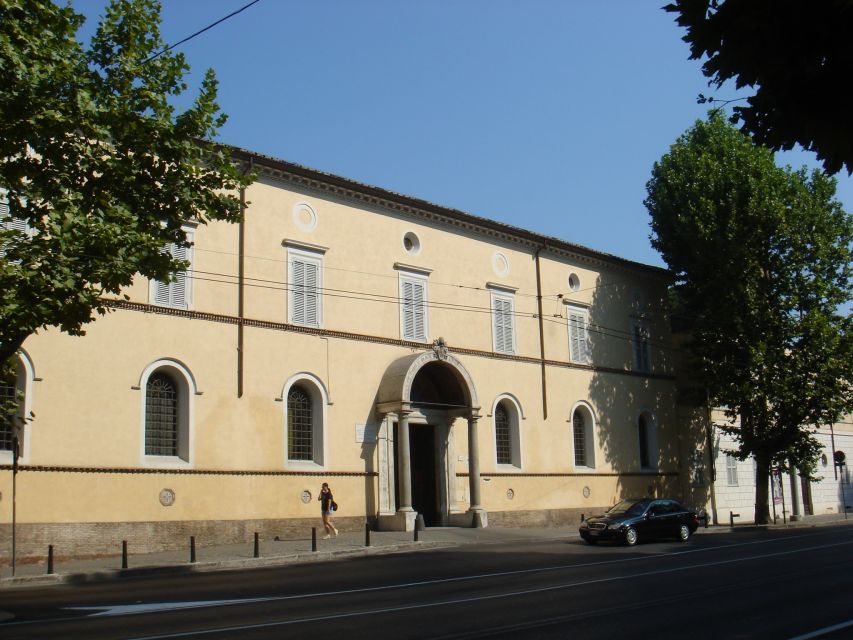
The tour is simple to access, but you need to be on time. Go directly to the ticket office of the catacomb, and show your reservation at least 10 minutes before the scheduled start.
Tickets come by email, and you’ll show them on your smartphone. That’s convenient, especially if you’re doing more than one stop in Rome that day and don’t want to chase paper tickets.
Two practical limits to know:
- No cameras inside.
- No oversize luggage.
So pack light. Bring the essentials, and keep your day moving. You’ll enjoy the experience more if you’re not wrestling bags and gear through stair-and-step underground spaces.
Price and value: why $16 can be a fair deal here
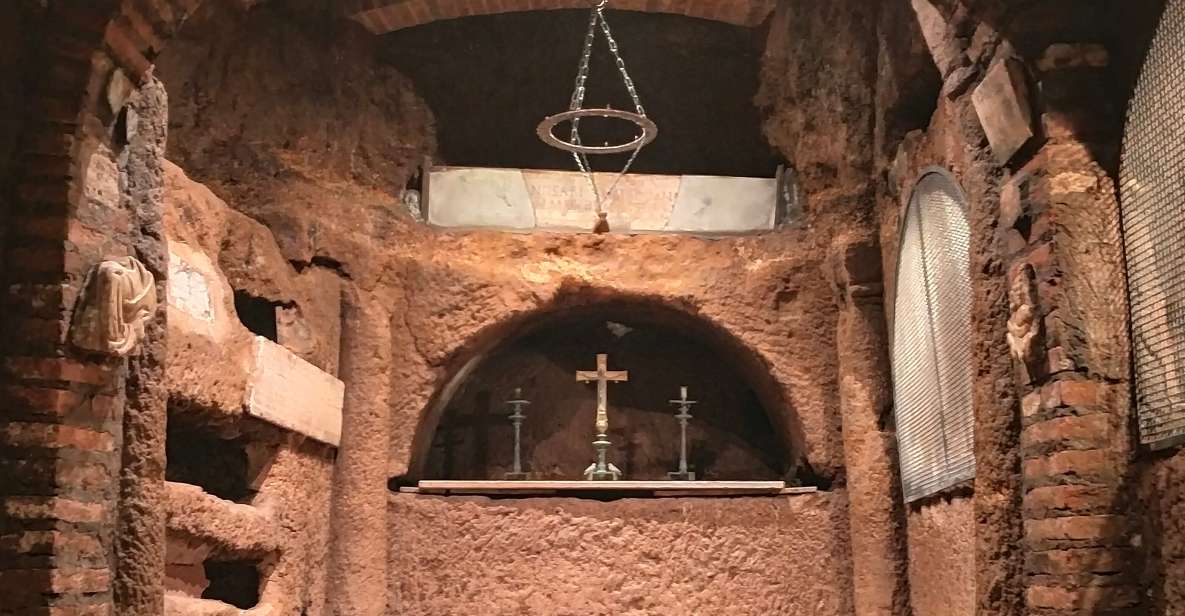
At about $16 per person, you’re paying for a combination of things that are easy to miss in Rome: the entry ticket and a live guide, plus booking fees. The guide component is what often makes a small site worth it.
If you only cared about walking through a corridor of old tunnels, you’d spend less elsewhere. But if you want the story tied to specific details—Saint Agnes’s age, the tomb’s decoration, Pope Damasus references, and how devotion shaped the site—then this structure makes sense.
The short duration also changes the value calculation. You don’t need a big time block. You can place it between other Rome stops without turning it into an all-day production.
The one trade-off: you don’t get hours. If you want to linger, read every surface mark, and take your time with photos, this format may feel tight. Still, for most people who want a meaningful underground history stop, it hits the sweet spot.
Who should book this Catacombs of Saint Agnes tour?
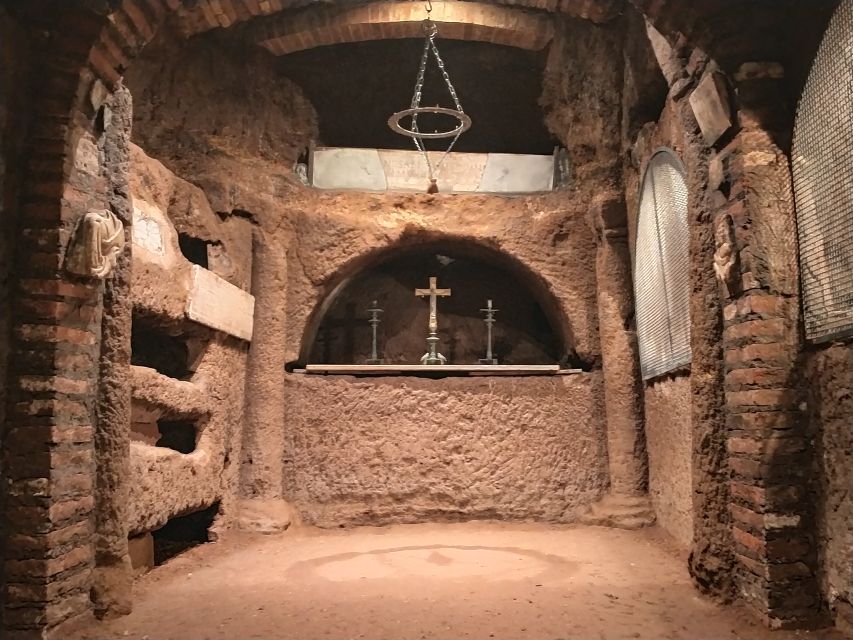
I think this tour fits best if you:
- enjoy Christian art and Roman religious history
- want a guided explanation without committing to a long underground outing
- prefer focused, time-efficient sightseeing
- are comfortable walking on-site and handling stairs
You might skip it if you:
- have mobility impairments that require step-free access
- deal with claustrophobia seriously, especially when you’ll be down around 9 metres underground
- really want to take photos inside (cameras are not allowed)
If you’re traveling with kids, this could work depending on their tolerance for underground spaces and the lack of photo breaks. But it’s still short, which is a plus.
Should you book the Catacombs of Saint Agnes guided tour?
My take: yes, if you want the story, not just the tunnels. The combination of an official guide, a tight 30-minute format, and the Saint Agnes focus makes this a strong use of time in Rome.
Book it if you’re the type of traveler who likes context—why this tomb matters, which popes are tied to inscriptions and decoration, and how devotion changed the site over centuries. It’s also a good choice when your schedule is packed and you still want something authentic and specific.
Skip it if you know the underground depth will stress you out, or if you need accessibility options not supported here. And if photography is your priority, accept the no-camera rule before you go.
If you do book, arrive early to the ticket office, keep your phone ticket ready, wear comfortable shoes, and treat it like a short lesson you can actually use later when you spot the nearby basilica story above ground.
FAQ
How long is the guided tour?
The visit lasts about 30 minutes.
How much does the Catacombs of Saint Agnes ticket cost?
The price listed is $16 per person.
Where do I meet for the tour?
Go directly to the ticket office of the catacomb and show your reservation there.
Can I use my smartphone for the tickets?
Yes. Tickets are sent by email and you can show them on your smartphone.
Are cameras allowed inside the catacombs?
No. Cameras are not allowed.
What languages are available for the guided tour?
The guide is available in English, Italian, and French.
Is the tour suitable for people with claustrophobia or mobility impairments?
It is not suitable for people with mobility impairments, and it is also not suitable for people with claustrophobia.